India is home to roughly 18 percent of the world’s raptor species. These birds of prey share a hooked beak, sharp talons, and strong eyesight, and they hunt or scavenge across almost every habitat in the country. Forests, grasslands, wetlands, river valleys, cliffs, and even city skies all support them.
Raptors are birds of prey with hooked beaks, sharp talons, and keen eyesight. They hunt other animals or feed on carcasses. The country supports a rich range of resident and migratory raptors, from small shikras in garden trees to eagles soaring over mountain valleys.
This guide covers the main raptor groups in India, their field marks, feeding habits, and preferred habitats. It also explains where and when to look for them during a wildlife trip.
What Are the Main Raptors of India?
India's birds of prey include vultures, kites, eagles, hawks, falcons, harriers, and owls. Look for Brahminy kites near rivers, crested serpent eagles in forests, and shikras around gardens. Winter brings migratory eagles, harriers, and other birds to wetlands and open country. Ranthambore, Kanha, Corbett, Chambal, and Bharatpur offer rewarding birdwatching opportunities.
What Makes a Bird a Raptor?
Raptors use specialised features to catch prey or feed on dead animals. Their hooked beaks tear flesh, while strong feet and curved talons help many species grip prey. Sharp eyesight allows them to detect movement across open ground or beneath the forest canopy.
Most familiar raptors hunt during daylight. Eagles, kites, hawks, and falcons belong to this group. Owls also qualify as raptors, though many hunt after sunset. Their soft feathers reduce flight noise, and their hearing helps them locate prey in darkness.
Raptors follow different feeding habits. Eagles and hawks often hunt mammals, reptiles, birds, or fish. Kites take insects, small animals, and scraps, depending on the species. Vultures feed mainly on carcasses and help remove dead animals from the landscape.
India's resident raptors remain in the country throughout the year. Migrants such as the Steppe eagle and several harriers arrive during winter. Their presence makes the cooler months a useful time for birdwatching.
Vultures of India
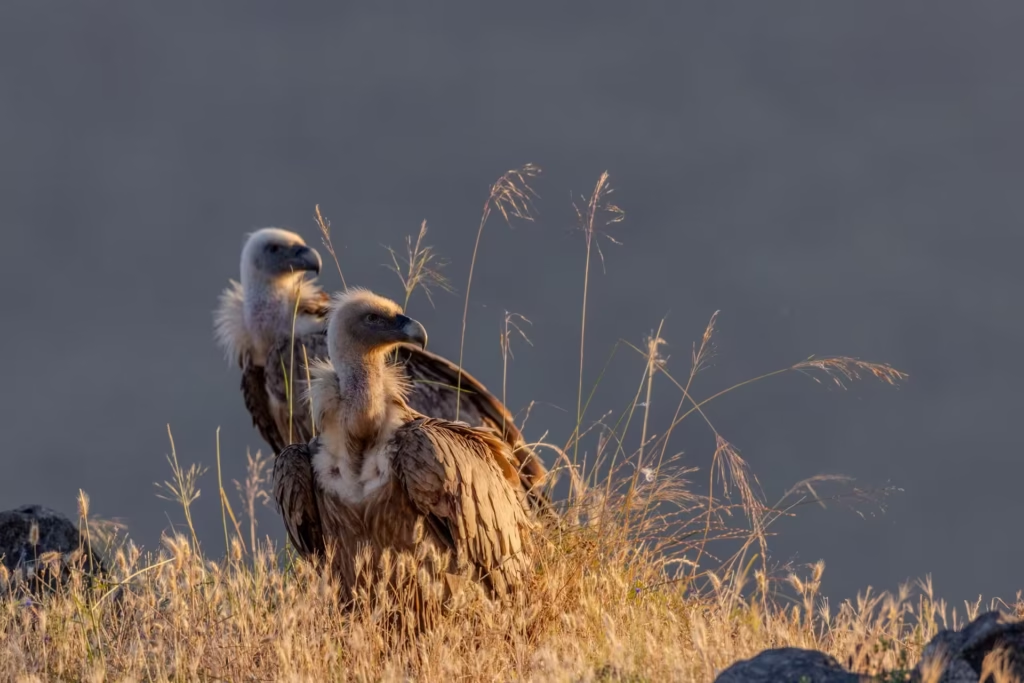
Vultures are large scavenging birds with broad wings and strong bills. Many species have bare heads and necks, which reduce the feathers that become soiled while feeding. They often circle above open ground, cliffs, or forest edges while searching for carcasses.
Vultures to identify in the field
| Species | Field identification | Places to look |
|---|---|---|
| White-rumped vulture | Dark body, pale rump, and broad wings | Central India and parts of northern India |
| Indian vulture, also called long-billed vulture | Large grey-brown body, pale neck, and broad wings | Rocky cliffs and dry landscapes |
| Red-headed vulture | Dark body with a bare red head | Dry forests and open country |
| Egyptian vulture | Smaller build, yellow face, and white body with dark flight feathers | Open country and areas near settlements |
| Himalayan griffon | Very large body, pale head, and broad wings | Himalayan foothills and mountain valleys |
| Cinereous vulture | Massive dark body and broad rectangular wings | Open country during occasional visits |
| Bearded vulture | Long wings, wedge-shaped tail, and dark facial markings | High Himalayan mountains |
Vulture sightings depend on location, season, and food availability. Jorbeer near Bikaner in Rajasthan is known for its vulture gatherings. Himalayan griffons occur in mountain regions, while several resident species use cliffs and open landscapes across India. Tiger reserves such as Ranthambore National Park and Bandhavgarh may also offer sightings.
Why did India's vultures decline?
During the 1990s, populations of several South Asian vultures collapsed. Researchers linked much of this decline to diclofenac, a veterinary painkiller given to cattle and other livestock. Vultures died after eating carcasses containing the drug. The medicine caused kidney failure in affected birds.
Studies documented declines of more than 95 percent in key species. The White-rumped vulture, Indian vulture, and Slender-billed vulture suffered especially severe losses. India banned veterinary diclofenac in 2006, but unsafe veterinary drugs and contaminated carcasses remain conservation concerns.
Vultures play an important role in the environment. They consume carcasses quickly and limit the time that dead animals remain exposed. This feeding behaviour helps reduce the spread of some disease-causing organisms. Protecting vultures also requires safe livestock medicines, reliable monitoring, and suitable feeding areas.
Kites of India
Kites often fly over towns, rivers, wetlands, and open farmland. Their flight can look effortless, with long wings and frequent turns. Watch the tail shape, body colour, and way the bird searches for food to identify each species.
Black kite
Scientific Name: Milvus migrans
Black kites often circle above cities, markets, roads, and rubbish dumps. Their brown bodies and slightly forked tails help separate them from many other soaring birds. They eat insects, small animals, carrion, and food scraps. Some populations move seasonally, so local numbers can change during the year.
The black-eared kite is a form of the Black kite found in parts of Asia. Its identification requires care because plumage and range overlap with other Black kite forms.
Brahminy kite
Scientific Name: Haliastur indus
The Brahminy kite has a chestnut body, white head, and white breast. Look for it near rivers, estuaries, lakes, and coastal wetlands. It often searches for fish, crabs, carrion, and other small prey. The white head and reddish body make it one of India's easier kites to recognise.
River stretches near Chambal and Varanasi can offer good opportunities to watch kites. Coastal habitats and the Sundarbans also support them.
Black-winged kite
Scientific Name: Elanus caeruleus
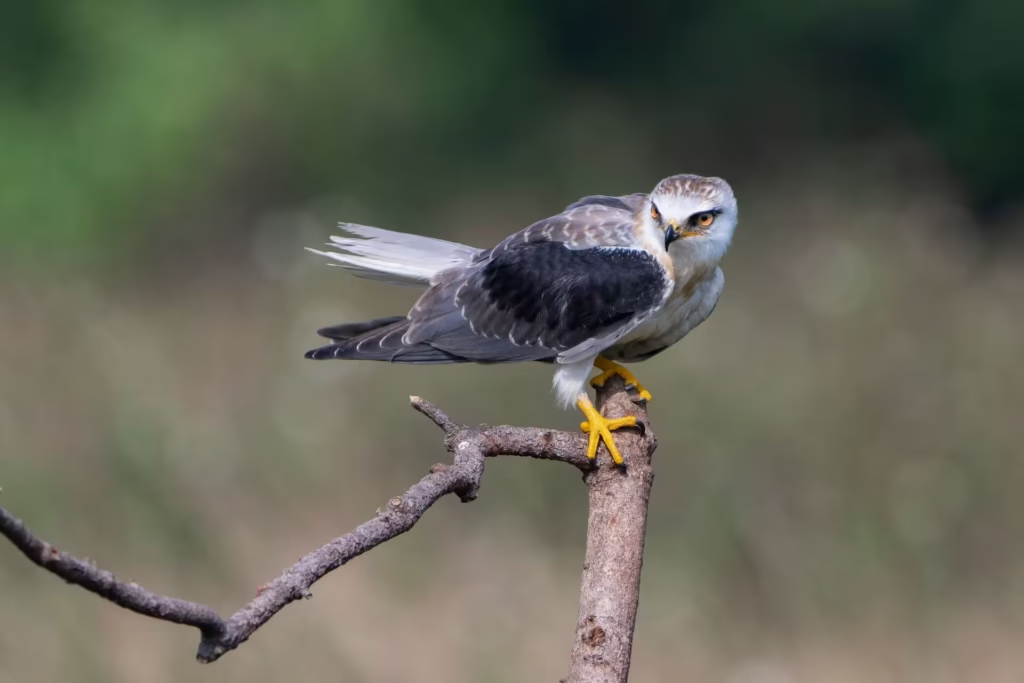
This small, pale raptor has a grey body, black shoulder patches, red eyes in adults, and long wings. It often hovers above grassland or farmland before dropping onto prey. Look for it perched on wires, fence posts, and isolated trees. Its hovering flight and pale body help distinguish it from larger kites.
Bharatpur and open landscapes around river systems offer suitable habitats for watching several kite species.
Eagles of India
Eagles occupy forests, wetlands, grasslands, and mountain slopes. Their large bodies and powerful wings help them travel across broad areas while searching for food. Some hunt snakes and small mammals. Others take fish or hunt birds near wetlands.
Forest eagles
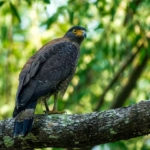
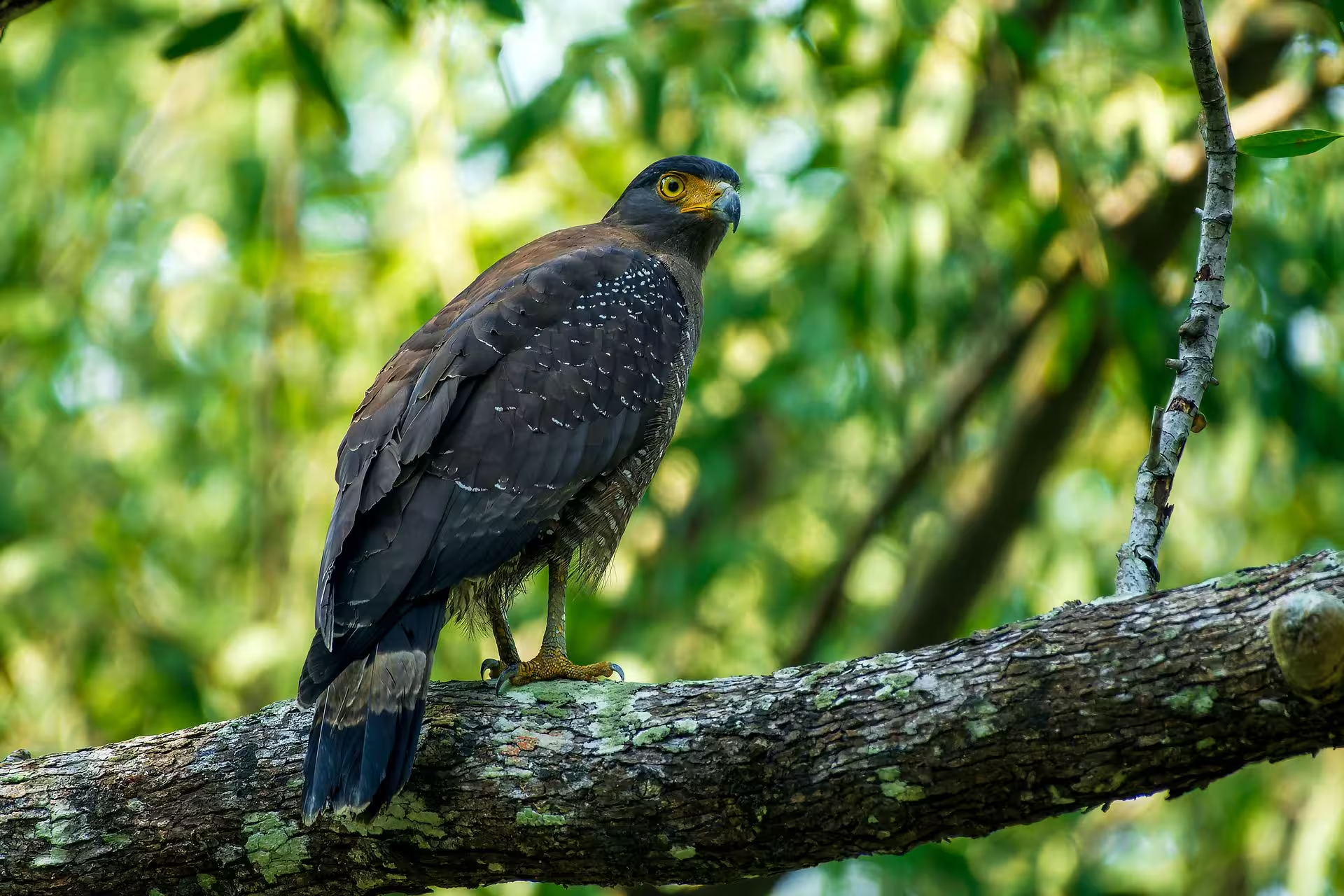
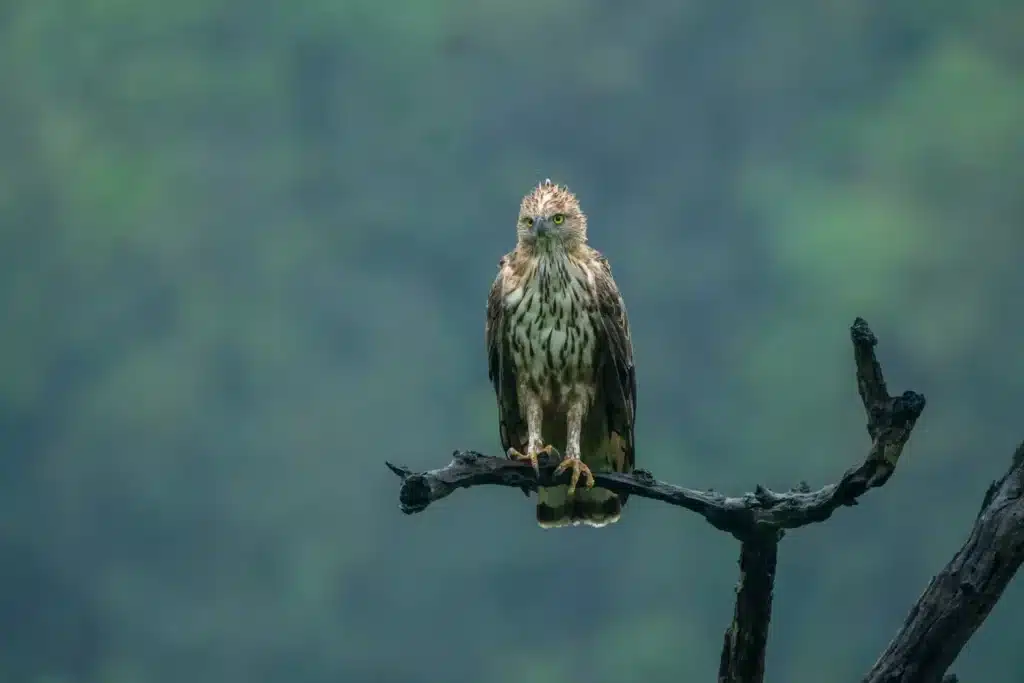
The Crested serpent eagle is a useful species to learn first. It has a dark, rounded head, a prominent crest, yellow facial skin, and broad wings. Its loud, repeated call often draws attention before the bird appears above the canopy.
Tiger reserves such as Kanha, Tadoba, and Corbett provide suitable forest habitat. During a safari, listen for its call and scan exposed branches. A perched bird may remain still for several minutes before moving to another tree.
The Changeable hawk-eagle hunts birds and mammals in forests and wooded landscapes. Its broad wings and crest help with identification. Bonelli's eagle uses open woodland, rocky slopes, and dry country. It hunts birds and mammals, often watching from a high perch or soaring above a hillside.
Wetland eagles
Pallas's fish eagle lives around large rivers, lakes, and wetlands. Its dark body, pale head, and powerful build help separate it from many other fish-eating raptors. It hunts fish and often perches near water.
The Greater spotted eagle uses wetlands and marshes, especially during migration and winter. Look for a dark, broad-winged eagle flying low over wet grassland or resting near shallow water. Bharatpur Bird Sanctuary and other northern wetlands can support winter sightings.
The White-tailed eagle is a large northern species with a broad wingspan and pale tail in adults. It is rare in India, so birdwatchers should treat any reported sighting as an exception rather than a regular attraction.
Open-country and mountain eagles
The Steppe eagle arrives in India as a winter visitor. It favours open country and grasslands, where it searches for small animals and carrion. Look for a large, dark-brown eagle soaring above plains or resting in open areas.
The Golden eagle is associated with mountain and high-altitude landscapes. It has long wings, a powerful build, and golden-brown feathers around the head and neck. It remains scarce in India and is most relevant to birdwatchers exploring suitable Himalayan habitats.
India's eagle sightings vary with habitat and season. Kanha, Tadoba, Corbett, Kaziranga, and Bharatpur offer different opportunities. Winter adds migratory species to wetlands and open country, while forest reserves hold resident eagles throughout the year.
The Shikra and Other Hawks
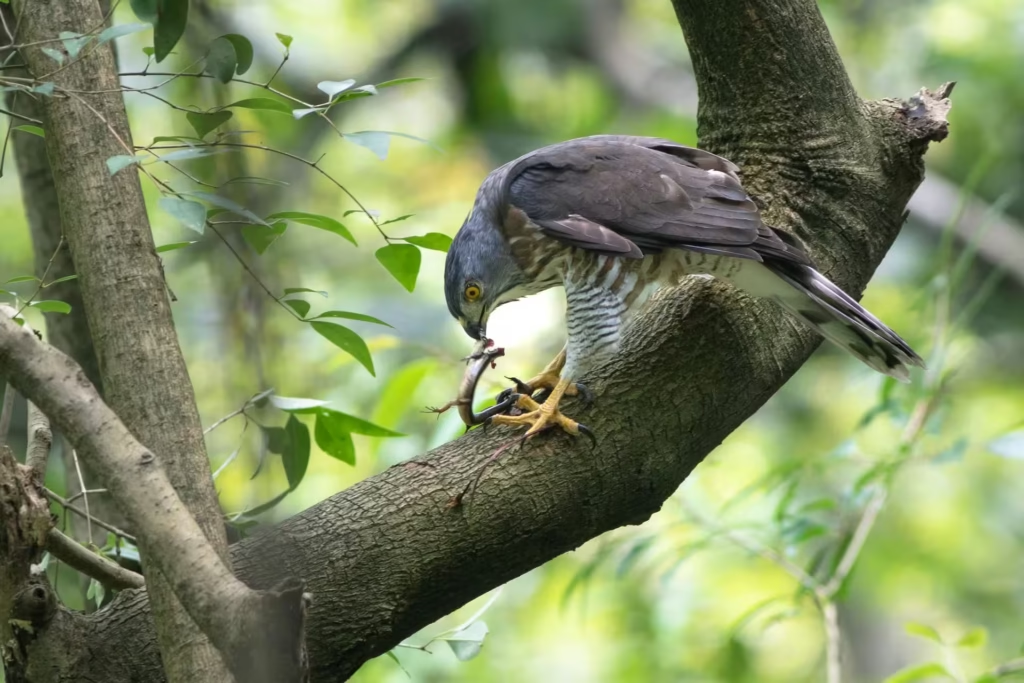
The Shikra (Accipiter badius) is one of the easiest raptors to look for around Indian lodges, gardens, farmland, and forest edges. This small hawk often sits quietly inside a leafy tree before making a sudden dash towards prey.
Adults have grey upperparts, fine reddish bars across the chest, and a reddish iris in males. Their short, rounded wings and long tail help them turn quickly between branches. Females tend to be larger and show different eye colours.
Shikras hunt lizards, insects, small birds, and rodents. They often use cover to approach prey before launching a quick attack. Listen for their sharp calls around gardens and wooded paths.
The Besra and Eurasian sparrowhawk can look similar at a glance. Their identification depends on size, plumage, range, and season. The Oriental honey buzzard has longer wings and a different body shape. It feeds mainly on bees, wasps, and their larvae.
For beginners, lodge gardens offer a useful place to learn the Shikra's appearance and behaviour. Watch from a quiet spot and look for repeated visits to the same hunting perch.
Owls of India
Owls are raptors that hunt at night, using silent flight and sharp hearing. Their broad faces help direct sound towards their ears. Many species rest in tree hollows, dense foliage, old buildings, or rocky crevices during daylight.
The Spotted owlet is small, pale, and marked with white spots. It often calls from trees or buildings after sunset. The Jungle owlet lives in wooded habitats and gives a series of distinctive calls. The Collared scops owl is smaller and well camouflaged, with short ear tufts that can be difficult to see.
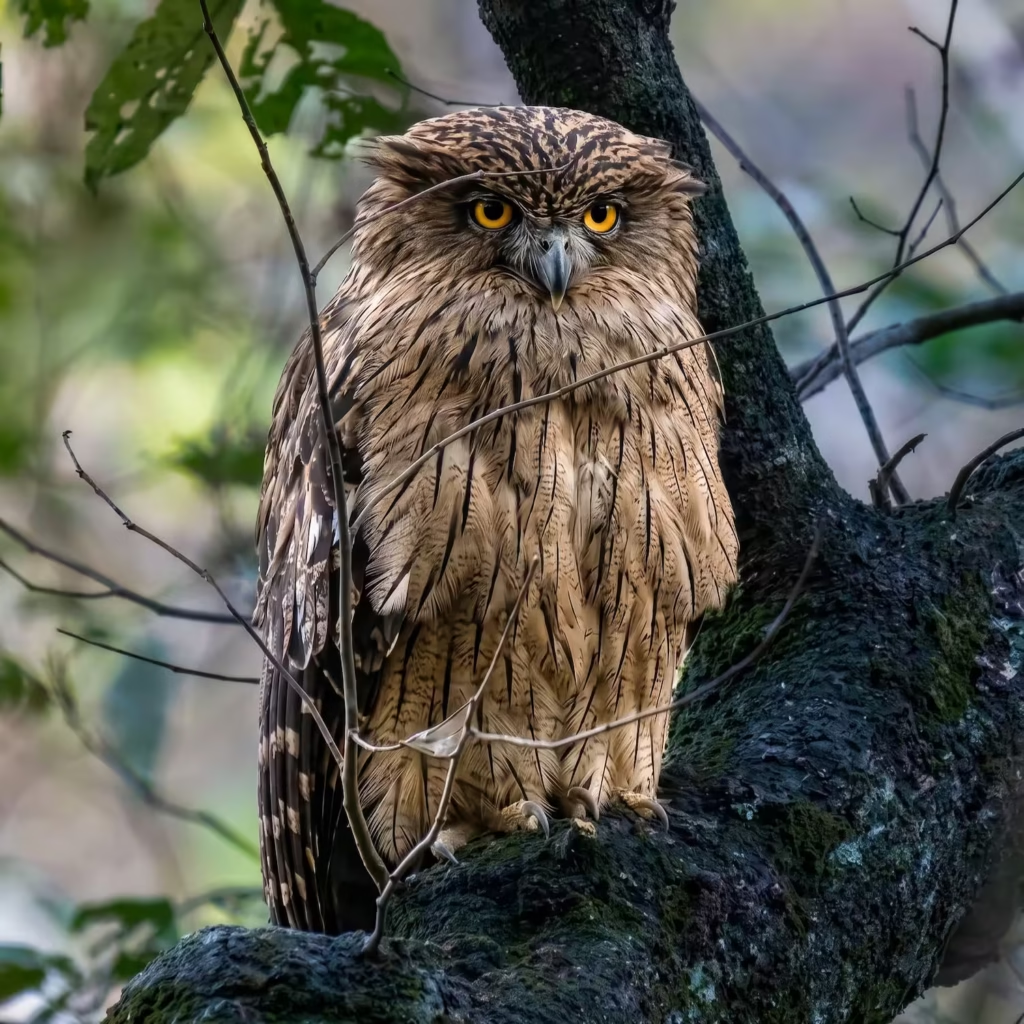
The Indian eagle-owl is a large owl with prominent ear tufts and orange eyes. It uses rocky areas and open woodland. The Brown fish owl lives near streams and forest water bodies, where it hunts fish and other aquatic prey.
The Mottled wood owl has a large, rounded head and dark eyes. The Barn owl has a pale, heart-shaped face and often hunts over open farmland. The Forest owlet is a rare, threatened species with a restricted range in central India. It needs targeted observation and careful identification.
Kanha, Pench, and Satpura offer suitable forest habitats for several owls. Ranthambore has Indian eagle-owls, while Corbett's riverine forests may hold Brown fish owls. Tadoba and Bandhavgarh support other forest owl species.
Owls help control rodents and other small animals. This role can benefit farms and surrounding landscapes. Look for them at dawn and dusk, but check known roost sites only with care. Never disturb a resting owl to improve a photograph.
India has many owl species, from the Spotted Owlet to the Forest Owlet. Read our guide to the owls of India to learn about their species, habitats, and distribution.
Falcons of India
Falcons are birds of prey known for their pointed wings, streamlined bodies, and fast flight. They hunt birds, insects, and small mammals, depending on the species. India has resident falcons that breed across different habitats, along with migratory species that arrive during autumn and winter. Open grasslands, rocky cliffs, wetlands, farmland, and mountain slopes provide suitable places to look for them.
Peregrine Falcon (Falco peregrinus)
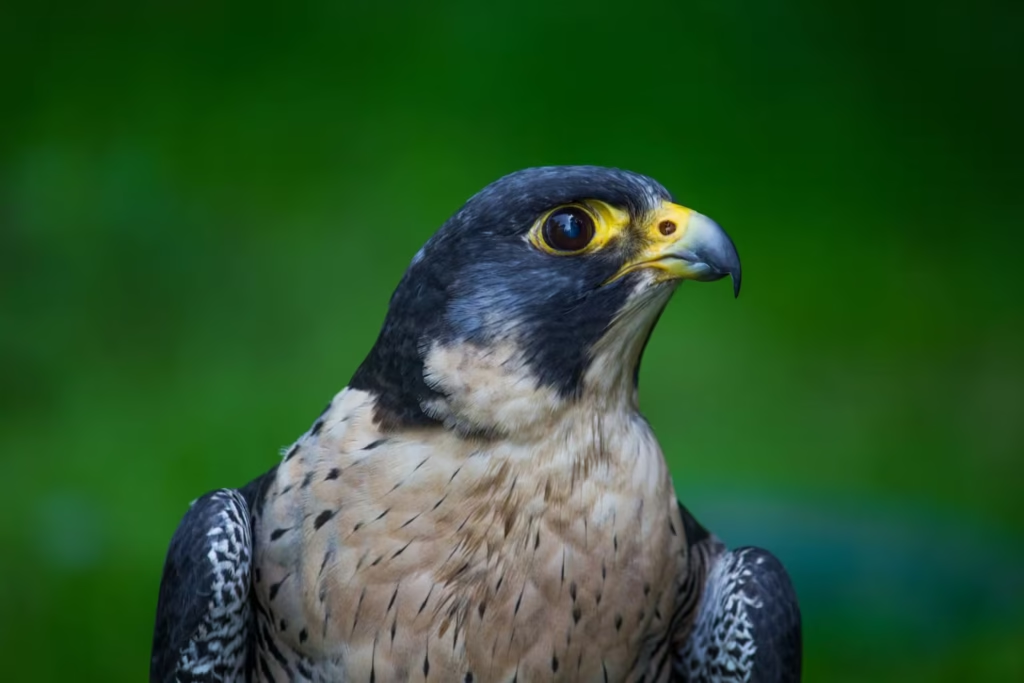
The Peregrine Falcon is known for its high-speed hunting dives. It catches birds in flight and occurs across a wide range of Indian habitats, including coastal areas, wetlands, cliffs, and cities. Its dark head markings and long, pointed wings help with identification.
Laggar Falcon (Falco jugger)
The Laggar Falcon is found mainly in dry open country, scrubland, and semi-desert regions of the Indian subcontinent. It hunts small birds, rodents, and other animals. Look for it perched on trees, rocky outcrops, or utility poles in suitable habitats.
Red-necked Falcon (Falco chicquera)
The Red-necked Falcon has a reddish crown and nape, along with dark markings around the eyes. It occurs in open woodland, farmland, and dry grassland across parts of India. It often hunts small birds and insects, sometimes pursuing prey through fast, low flights.
Common Kestrel (Falco tinnunculus)
The Common Kestrel is a small falcon that often hovers above open ground while searching for prey. It feeds mainly on insects and small mammals. In India, it can be seen in grasslands, farmland, scrub, and open areas near settlements, especially during the cooler months in parts of its range.
Other falcons found in India include the Amur Falcon (Falco amurensis), which passes through Nagaland and Manipur during autumn migration, and the Shaheen Falcon (Falco peregrinus peregrinator), a resident form of the Peregrine Falcon found across parts of the Indian subcontinent. The Saker Falcon (Falco cherrug) is a rare visitor to the region. These species use different habitats and follow varied seasonal movements, making India an important place for observing both resident and migratory falcons.
Other Types of Raptors Worth Knowing in India
India has several other birds of prey beyond vultures, eagles, kites, hawks, falcons, and owls. Ospreys, buzzards, and harriers occupy different habitats and use varied hunting methods. Wetlands, grasslands, agricultural fields, forests, and mountain foothills offer opportunities to observe these raptors.
Osprey (Pandion haliaetus)
The Osprey is a fish-eating raptor found near lakes, rivers, reservoirs, estuaries, and coastal waters. It hovers above the water before diving feet-first to catch fish. Its long wings, white underside, and dark eye stripe help distinguish it from other birds of prey. Ospreys visit many parts of India during migration, and some wetlands support regular seasonal sightings.
Buzzards
Buzzards are medium-sized raptors with broad wings and sturdy bodies. They often soar above open country or perch on exposed branches while searching for prey. Their diet includes small mammals, reptiles, insects, and other small animals.
Common Buzzard (Buteo buteo)
The Common Buzzard occurs mainly as a winter visitor or passage migrant in parts of the Indian region, particularly around the Himalayan foothills. It has broad wings and variable plumage, ranging from pale to dark brown. Check its wing shape and flight pattern carefully, as it can resemble other large raptors at a distance.
Long-legged Buzzard (Buteo rufinus)
The Long-legged Buzzard inhabits dry, open landscapes, rocky slopes, and semi-arid country. It has long legs and broad wings, with plumage that varies between individuals. It occurs in parts of northwestern India and adjoining regions, where it hunts rodents, reptiles, and other small prey.
Harriers
Harriers are slender raptors that often fly low over grasslands, marshes, and agricultural fields while searching for prey. Their long wings, long tails, and owl-like facial discs help them locate and catch small animals. Several species migrate to India during autumn and winter.
Montagu's Harrier (Circus pygargus)
Montagu's Harrier is a migratory species that visits parts of India during the cooler months. It hunts over open grassland and farmland, feeding on small mammals, insects, and birds. Males are grey with black wing markings, while females have brown plumage.
Pied Harrier (Circus melanoleucos)
The Pied Harrier migrates from breeding areas in Central Asia and Siberia to spend the winter in South Asia. Gujarat and other open landscapes offer places to search for it. Adult males show striking black-and-white plumage, while females are mostly brown. It hunts by flying low over fields and grasslands.
Western Marsh Harrier (Circus aeruginosus)
The Western Marsh Harrier is associated with wetlands, reed beds, marshes, and flooded fields. Some individuals visit India during migration and winter. It flies low over vegetation while searching for birds, rodents, frogs, and other prey. Its broad wings and slow, low hunting flight help distinguish it from many other raptors.
India's Most Endangered Raptors
Several Indian raptors face a real risk of extinction. Poisoning, habitat loss, and hunting threaten their survival. The earlier sections cover vultures and the Forest owlet in more detail, so this section focuses on their conservation status, main threats, and distribution.
White-rumped Vulture
Scientific Name: Gyps bengalensis
The White-rumped vulture is listed as Critically Endangered. Veterinary diclofenac poisoning caused a severe decline in its population after vultures fed on treated livestock carcasses. Unsafe veterinary drugs remain a conservation concern. The species occurs in parts of Central India, Assam, and Gujarat, where safe feeding areas and suitable nesting trees support its recovery.
Indian Vulture
Scientific Name: Gyps indicus
The Indian vulture, also known as the long-billed vulture, is listed as Critically Endangered. Veterinary drugs that poison vultures remain a major threat. This large scavenger nests on cliffs and feeds on animal carcasses in open landscapes. It occurs across parts of Central and Western India, where conservation efforts focus on safe food sources and the protection of nesting sites.
Slender-billed Vulture
Scientific Name: Gyps tenuirostris
The Slender-billed vulture is listed as Critically Endangered. Poisoning from contaminated livestock carcasses and the loss of suitable habitat threaten its survival. It has a long, slender bill and a pale neck, though observers need a clear view to separate it from similar vultures. Its remaining populations occur mainly in parts of Assam and Northeast India.
Red-headed Vulture
Scientific Name: Sarcogyps calvus
The Red-headed vulture is listed as Critically Endangered. Its bare red head makes it easier to identify than many other dark vultures. Poisoning from veterinary drugs and the loss of trees used for nesting threaten the species. It survives in scattered areas of India, including forest landscapes and river belts. Protecting nesting trees and reducing exposure to toxic drugs are important conservation steps.
Forest Owlet
Scientific Name: Athene blewitti
The Forest owlet is listed as Critically Endangered and lives in a limited range of central Indian forests. Forest clearing and habitat fragmentation threaten the woodland it needs for hunting and nesting. This small owl has a rounded head, yellow eyes, and a short tail. Protecting its forest habitat and monitoring known populations are key to its survival.
Migratory Raptors of India
India receives several migratory raptors each autumn as birds move south from breeding grounds in Europe, Central Asia, Siberia, and northeast China. These seasonal visitors use wetlands, grasslands, river valleys, and open plains to find food and rest during migration.
Migratory Raptors to Look for in India
| Species | Breeding Range | Migration Period | Places to Look in India |
|---|---|---|---|
| Amur falcon | Siberia and northeast China | October to November, during passage | Nagaland and Manipur |
| Steppe eagle | Central Asia | October to November | Bharatpur and Gujarat |
| Greater spotted eagle | Eastern Europe and Russia | November | Bharatpur and other wetlands |
| Pied harrier | Central Asia and Siberia | October to November | Grasslands and Gujarat |
| Common buzzard | Europe and Central Asia | October to November | Himalayan foothills |
Amur Falcon
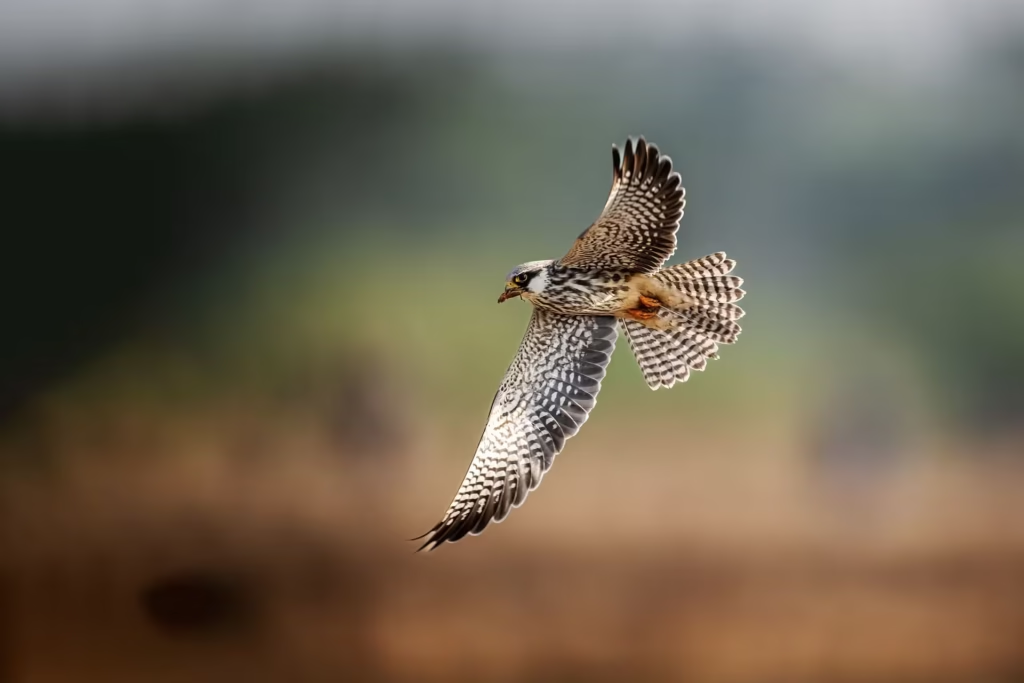
The Amur falcon is a small migratory falcon that travels from its breeding grounds in northeast Asia towards southern Africa. Large numbers pass through northeast India during autumn migration. Nagaland and Manipur are well-known areas for observing these birds as they gather before continuing their long journey. Look for groups perched on trees or flying overhead during the migration period.
Steppe Eagle
The Steppe eagle breeds across parts of Central Asia and moves south during the colder months. It has broad wings, dark brown plumage, and a powerful build. In India, look for it soaring over open country or resting in fields. Bharatpur and parts of Gujarat offer opportunities to search for this winter visitor.
Greater Spotted Eagle
The Greater spotted eagle breeds across parts of eastern Europe and Russia. It moves south during migration and often uses wetlands, marshes, and flooded grasslands. Bharatpur and other suitable wetlands in northern India can provide opportunities to spot this dark, broad-winged eagle. Check its wing shape and plumage carefully, as distant eagles can be difficult to identify.
Pied Harrier
The Pied harrier travels from breeding areas in Central Asia and Siberia to warmer regions during winter. It hunts by flying low over grasslands and open fields, searching for small birds and rodents. Gujarat's open landscapes offer places to look for this migratory raptor. Adult males show contrasting black-and-white plumage, while females are mainly brown.
Common Buzzard
The Common buzzard breeds across parts of Europe and Central Asia, with some populations moving south during migration. It has broad wings and a compact body, and its plumage varies from pale to dark brown. Look for it near the Himalayan foothills, where it may soar above open slopes or perch on exposed trees.
October and November are useful months to look for several of these migrants, though arrival dates vary by species, location, and weather. Carry binoculars and note the bird's size, wing shape, plumage, and flight pattern before identifying it. Keep a respectful distance from feeding and resting birds.
Best Places to See Raptors in India
India's best raptor locations range from tiger reserves and river valleys to high-altitude habitats. The species you see will depend on the landscape, weather, and time of year.
| Place | Raptors to look for | Best months |
|---|---|---|
| Ranthambore National Park | Vultures, Bonelli's eagle, Crested serpent eagle | November to March |
| Kanha and Bandhavgarh | Crested serpent eagle, hawk-eagles, vultures | November to April |
| Chambal River | Brahminy kite, Egyptian vulture, Osprey | November to February |
| Keoladeo National Park, Bharatpur | Steppe eagle, Greater spotted eagle, harriers | December to February |
| Corbett Tiger Reserve | Fish eagles, Crested serpent eagle, Himalayan griffon in suitable areas | November to March |
| Kaziranga National Park | Pallas's fish eagle, Greater spotted eagle | November to April |
Ranthambore National Park
Ranthambore combines dry forest, rocky hills, lakes, and open slopes. Scan exposed trees and cliff faces for perched raptors. The park's varied habitats support both forest hunters and scavenging birds.
Kanha and Bandhavgarh
These central Indian reserves have sal forests, grasslands, and wooded valleys. Watch tall trees for serpent eagles and hawk-eagles. Open patches near forest edges can reveal birds searching for prey.
Chambal River
Chambal's sandy banks and river channels attract fish-eating birds and other raptors. Scan exposed branches, cliffs, and sandbanks from a suitable viewing point. Winter offers opportunities to watch migratory birds along the river.
Keoladeo National Park, Bharatpur
Bharatpur's wetlands and open marshes attract winter migrants. Eagles, harriers, and other birds of prey use the wetland edges and nearby fields. Carry binoculars to inspect distant birds without disturbing them.
Corbett and Kaziranga
Corbett offers riverine forest, hills, and woodland habitats. Kaziranga combines floodplain grassland, wetlands, and forest patches. Both parks reward slow observation and careful scanning of trees, riverbanks, and open ground.
For a combined wildlife itinerary, see the Wildlife Tour Packages. Check the park's current rules and seasonal access before booking.
Best Time and Tips for Raptor Watching
Winter, from November to February, brings many migratory raptors to India. It also offers comfortable conditions for long birdwatching sessions. Resident species remain visible throughout the year, though local activity changes with weather and food availability.
Early morning is useful for watching perched birds and listening for calls. Late morning often brings rising warm air, which soaring eagles and vultures use to gain height. Keep scanning the sky, since a distant bird can become easier to identify as it circles closer.
Carry 8x42 binoculars, a bird field guide, and a camera with a lens of 300 mm or longer. A notebook helps record size, colour, flight shape, habitat, and location. These details can help separate similar species later.
Stay quiet and follow the guide's instructions during safaris. Keep away from nests and roosts. Never play recorded calls or use bait to attract birds. Give each bird room to feed, rest, and fly without disturbance.
Raptor Birdwatching with Big Cats India
Tiger safaris offer more than chances to see large mammals. Forest drives can reveal serpent eagles, shikras, kites, vultures, and owls. Wetland and river visits add opportunities to look for fish eagles and migratory birds.
Big Cats India arranges wildlife trips across several Indian reserves. You can discuss your interests, travel dates, and preferred parks before choosing a route. Browse the Birding Tours or contact the team to discuss a wildlife trip with time for birdwatching.
Frequently Asked Questions
How many raptor species are found in India?
India supports roughly 100 species of raptors when diurnal birds of prey and owls are counted together. The total depends on the taxonomic list and whether rare visitors or occasional vagrants qualify. Resident species, winter migrants, and high-altitude birds all contribute to this diversity.
Which is the most common bird of prey in India?
The Black kite and Shikra are familiar raptors across many parts of India. Black kites often circle above towns and cities, while shikras occur in gardens, farmland, and woodland edges. The most common species in a particular area depends on its habitat and food supply.
Are vultures still endangered in India?
Yes. Several Indian vulture species remain threatened, including the White-rumped vulture, Indian vulture, and Red-headed vulture. Toxic veterinary drugs, habitat pressures, and food safety continue to affect their recovery. Conservation programmes focus on safe medicines, monitoring, and breeding efforts.
What is the best month to see raptors in India?
December and January are useful months for watching migratory raptors at wetlands and open grasslands. Bharatpur and Chambal attract winter visitors, while forest reserves hold resident species throughout the year. The best month depends on the species and region you want to explore.
Which national park is best for eagles?
Bharatpur is a strong choice for winter eagle watching, including opportunities to search for Steppe and Greater spotted eagles. Kanha, Tadoba, Corbett, and Kaziranga offer different forest and wetland habitats. No park guarantees a sighting, so allow enough time for patient observation.
Can I see raptors on a tiger safari?
Yes. Safari drives often pass through habitats used by kites, serpent eagles, shikras, and vultures. You may spot them perched beside tracks or soaring above the canopy. Tell your guide that you want to watch birds, and allow time to observe them without rushing.