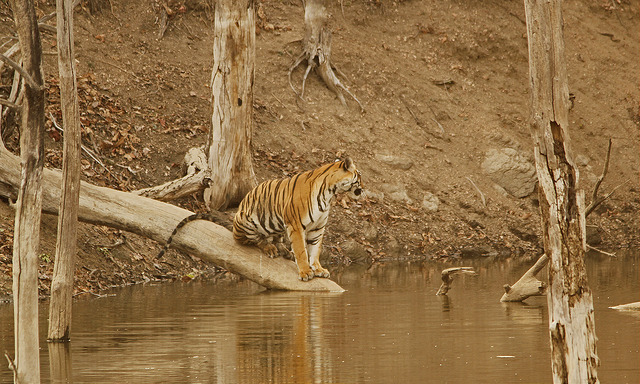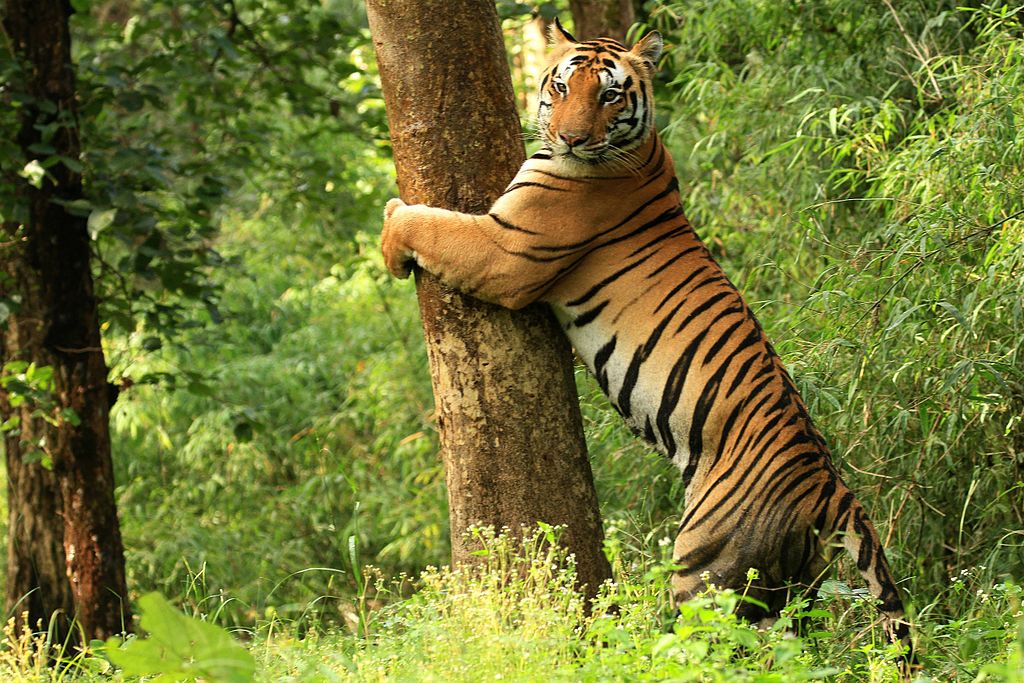
jim Corbett National Park
Corbett Tiger Reserve
India is blessed with so many national parks that are taking pride in increasing the wealth of the nation. Jim Corbett National Park boasts to be the first national park of India.
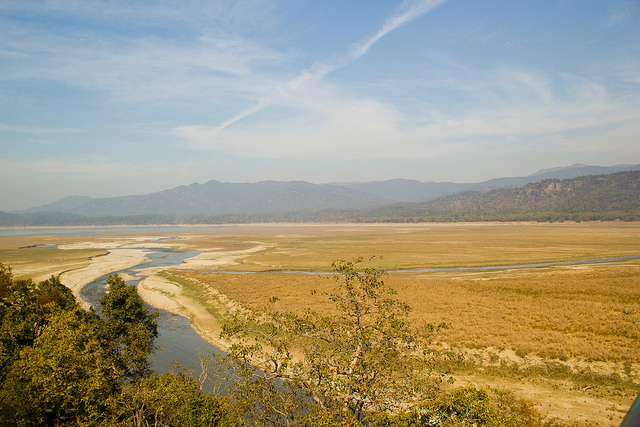
Located at the Himalayas’ foothills, near the popular hill station of Nainital, Jim Corbett National Park welcomes you with beautiful lush greenery and uneven mountains. And the good news is that now you can enjoy and experience the thrill of night stays in the lap of the National Park.
The park was established in 1936 with the name Hailey National Park and afterward renamed Ramganga National Park in the year 1952. Whereas, it was again renamed in 1957 as Corbett National Park.
1,288.32
sq. km Total Area
821.99
Core Area
1936
National Park Established
1973
Tiger Reserve Declared
Interesting Fact – Cobett Tiger Reserve
It was established in 1936 with the name Hailey National Park and afterward renamed as Ramganga National Park in the year 1952. Whereas, it was again renamed in 1957 as Corbett National Park.
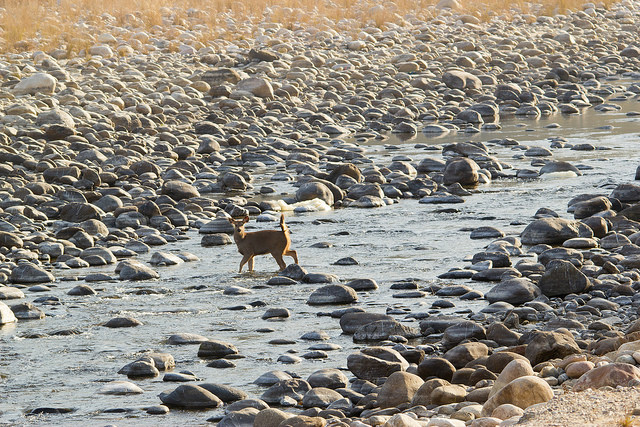
The Ramganga River is the main water source in Corbett Tiger Reserve. The river and its reservoirs support tigers, elephants, deer, crocodiles and many bird species.
Prime Predators
Royal Bengal Tiger, Indian Leopards are on the top of the food chain in Corbett Tiger Reserve
Famous For?
Corbett is famous for its amazing landscapes and tiger sighting.
Major Wildlife
Tiger, Leopard, Indian Elephant, Sambar, Hog Deer, Wild Boar, Gharials, Mugger, Indian Python, Scops Owl, Crested Swifts
Protected Land
Corbett Tiger Reserve covers about 1,288 sq km and includes Corbett National Park, Sonanadi Wildlife Sanctuary and parts of the surrounding forest landscape.
Flora & Fauna in the Park
Jim Corbett National Park is blessed with diverse flora and fauna that fascinate all wildlife lovers, tiger lovers, nature lovers, and bird lovers.
Bird lovers get a treat as it shelters more than 650 species of residents and migratory birds.
The crested serpent eagle, the red jungle fowl which is the ancestor of all domestic fowl, and a blossom-headed parakeet are a few of them. The park also comprises 33 species of reptiles, around 7 species of amphibians and various species of fish, and 36 species of dragonflies. You can also spot elephants and 4 to 5 species of deer.
Botanical Canopy & Floral Cover
Key Flora & Forest Habitat
The abundant flora consists of Sal forests, Chaurs forests, Khair-Sissoo, and much more. With a healthy population of Royal Bengal Tigers, it also comprises rare species like Otter and the critically endangered fish-eating crocodile.
Corbett Tiger Reserve has one of India's important tiger populations. The 2018 assessment estimated 231 tigers in the reserve.
Mammals
Apex Predators, felids & prime ungulates
Apex Predators & Carnivores
- Royal Bengal Tiger
- Indian Leopard
- Sloth Bear
- Jackal
Forest Herbivores & Small Fauna
- Hogg Deer
- Sambhar Deer
- Chital Deer
- Elephant
- Barking Deer
Other mammals in Corbett include Leopards, Asian Elephants, Sloth Bears, Sambar, Chital, Hog Deer, Barking Deer, Nilgai, Wild Boar, Goral, and Indian Grey Mongoose. Reptiles include Gharial, Mugger Crocodiles, Indian Rock Python, Indian Cobra, Common Krait, and Monitor Lizards.
Avifauna (Birds)
- Indian Scops Owl
- Grey Heron
- Great Crested Grebe
- Indian Shikra
- Lesser Bird-of-Paradise
- Jungle Nightjar
- Orioles
- Shrikes
- Indian Alpine Swift
Herpetofauna (Reptiles)
- Gharial Crocodile
- Mugger Crocodile
- Indian Python
- King Cobra
- Russell’s Viper
- Sal forest Tortoise
- Kraits
- Monitor Lizards
- Turtles
Safari in Jim Corbett National Park
Safari in Jim Corbett National Park is a unique experience that gives you goosebumps on your arms. Pleasant feeling in the company of nature and at the same time the adventure of sighting tigers and other wildlife with naked eyes through open jeep safari or elephant safari – it is inexpressible in words. Enjoy the lush green forest’s picturesque views passing by rivers, streams, and waterfalls.
Witness the captivating abundant wildlife at Dhikala, the most popular and superb destination in the National Park. Eight zones are available for entry to the Jim Corbett National Park. Safaris are done twice daily at fixed timings in the early morning (5.30 am to 9.30 am) and afternoon (2 pm to 6 pm). Jeeps are allowed to take a maximum of 6 passengers including the guide.
Canter safaris are also available if you wish to do a safari in a larger group of up to 16 members.
Paarwali - Most famous Tiger of Corbett Tiger Reserve
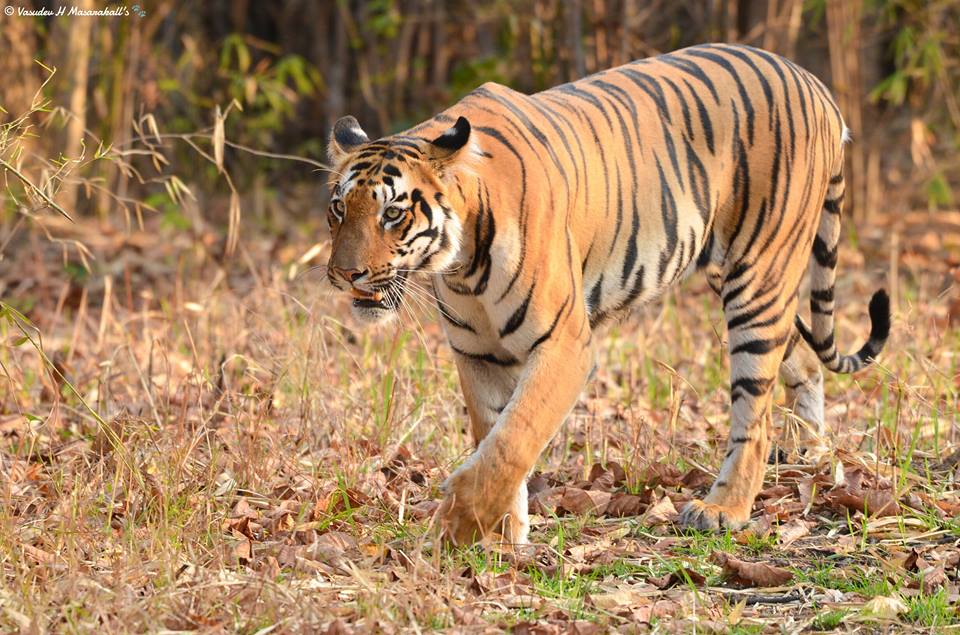
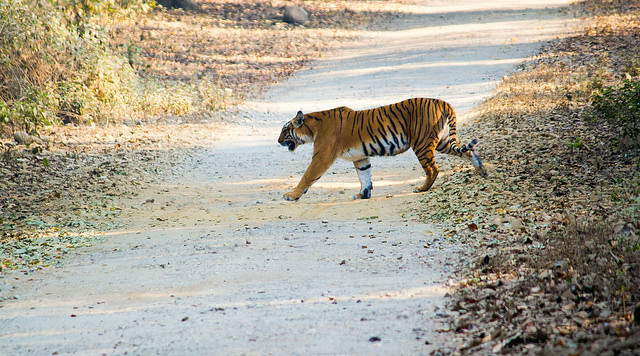
Paro, also known as Paarwali, is one of the most famous tigresses of Corbett Tiger Reserve. First recorded around 2013–14, she became well known for her territory around the Ramganga River and her regular sightings in the Dhikala landscape.
Corbett has also been associated with other well-known tigers and tigresses, including Sharmilee, Choti Paro, Paharwali, Pandit and Romeo. These names are commonly used by guides, photographers and regular visitors to identify individual tigers.
Open Jeep Safari
Explore the amazing flora and fauna of Jim Corbett in an open jeep and also witness the breathtaking views of the deep jungle. Enjoy a night’s stay in the government. guest house with the background sound of nightingales.
You will have to book your vehicle separately from your Jungle Permit if you are booking directly from the official website. But, if you book via Big Cats India, we take care of everything.
Canter Safari
Canter safaris are done in a group of a maximum of 16 members per canter. The canter safaris give you a 5 hours ride from 6 am to 12 pm or from 12 pm to 5.30 pm in the Dhikala zone. This gives a great opportunity to explore wildlife and sight tigers as well.
Canter safaris in Jim Corbett National Park happen exclusively in the Dhikala Zone.
Tiger Safari Timings
Morning safaris usually start between 6:00 AM and 8:00 AM, depending on the season, and last around 3 to 4 hours. Evening safaris start between 2:00 PM and 3:00 PM and continue until sunset.
Just remember: Safari timings and zone entry rules change with the season, so check the latest schedule before booking!
Safari Zones or Gates - Jim Corbett
Jim Corbett has eight zones namely Dhikala, Bijrani, Jhirna, Dhela, Durgadevi, Garjiya, Sonanadi, and Pakhro which can be used to access the park. As far as tiger sightings are concerned, Dhikala Zone and Bijrani Zone are known to be the best zones.
Dhikala Zone – Corbett
Dhikala zone is the largest zone and allows only canter safaris during the day through the entry gate Dhangari. You can spot Bengal Tigers, leopards, sloth bears, Asian elephants, and king cobras.
Birjani Zone – Corbett Reserve
Birjani Zone with Amdanda entry gate allows day jeep safaris. Scenic landscapes, abundant wildlife, and a tranquil environment make it unique.
Pakhro Zone
Pakhro (Pakhro entry gate) Adorned with dense bamboo and sal forests, the Pakhro zone is popular for Asian elephants and tigers along with other wild animals. The rich flora and fauna of this zone fascinate tourists from all over the world. Tourists can also enjoy a night’s stay in Forest Rest Houses (FRH) in the Pakhro zone.
Jhirna Zone – Jim Corbett
Dhela entry gate for Jhirna Zone remains open all through the year and hence is the most visited zone in Jim Corbett National Park. You can spot Royal Bengal tigers frequently along with wild elephants, bears, and other wildlife species. It allows jeep safaris with a limited number of jeeps in morning and afternoon safaris each.
Sonanadi Zone – Corbett National Park
Sonanadi Zone (Vatanvasa entry gate) is the only zone where walking tours are allowed. Jeep safaris are available for sighting wildlife and enjoying the natural beauty of greenery around. Tigers, leopards, and elephants can be spotted here.
Dhela Zone – Corbett National Park
Dhela Zone (Dhela entry gate) is the latest zone of Corbett National Park. Dense forests, lush grasslands, and wildlife including reptiles and birds make it well-known for bird watching.
Durgadevi Zone – Corbett Tiger Rerserve
Durgadevi Zone (Durgadevi entry gate) is blessed with beautiful natural surroundings adorned with the streams of Ramganga river and Mandal river. Along with big cats and elephants, you can find the famous Mahsheer fish in the river streams.
Gariji Zone Zone – Jim Corbett Rerserve
Garijia zone (Garjia entry gate) boasts beautiful landscapes with tranquility that appeals to all wildlife enthusiasts. Dense Sal forests and. lush grasslands add to its beauty. This zone also has a strong tiger population.
Core Zone
| Zone Name | Entry Gate |
|---|---|
| Bijrani | Amdanda |
| Dhikala | Dhangari |
| Sonanadi | Vatanvasa |
Buffer Zone
| Zone Name | Entry Gate |
|---|---|
| Dhela | Dhela |
| Durgadevi | Durgadevi |
| Garjia | Garjia |
| Jhirna | Jhirna |
| Pakhro | Pakhro |
| Phato | Phato |
Corbett Safari Tours
Select from our bespoke, budget, or multi-park central India tiger circuits crafted for enthusiasts and photographers.
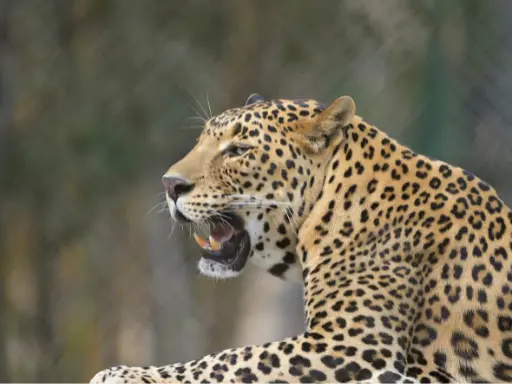
3 Nights / 4 Days
Corbett Budget Safari
Specifically designed to focus on tiger safaris in Jim Corbett National Park. The splendour of Jim Corbett Tiger Reserve will astound you with its four or six safari trip possibilities
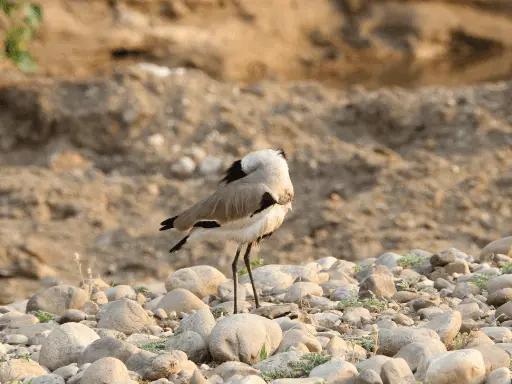
2 Nights / 3 Days
Corbett Weekend Safari Tour
Explore the trails of tigers in the woods of Jim Corbett National Park even on weekends with our 2 tiger safaris that will definitely give you an unforgettable, thrilling experience
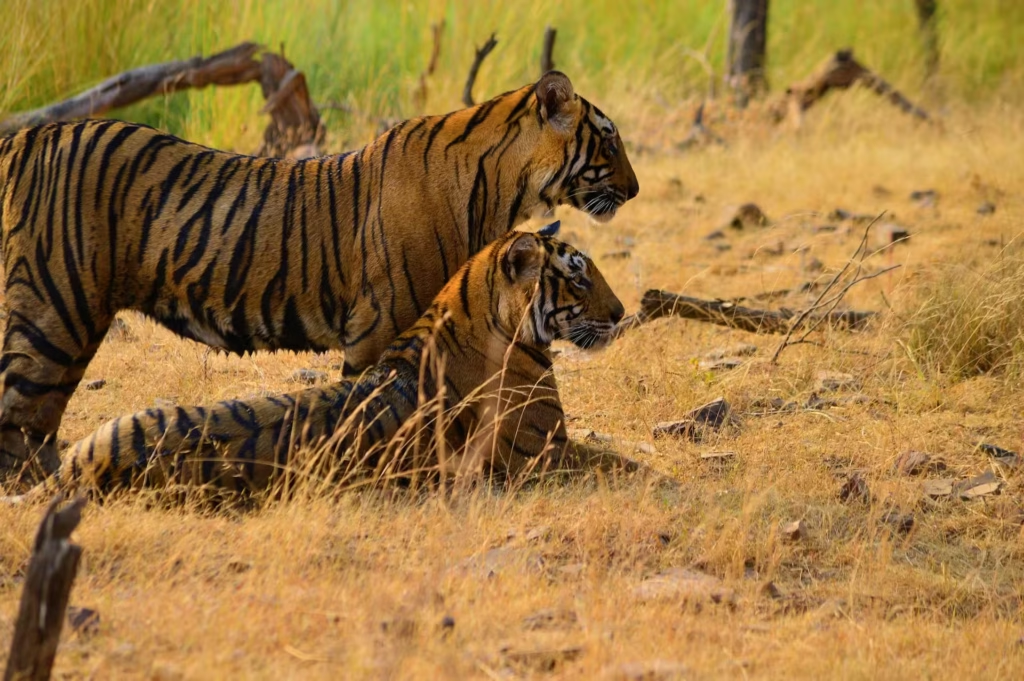
7 Nights / 8 Days
Ranthambore & Corbett with Tajmahal
See India’s history and wildlife in one trip. Visit the Taj Mahal, walk through Delhi’s old landmarks, and go on tiger safaris in Corbett and Ranthambore.
Recommended Tour
Jim Corbett National Park
Travel 4 Days | 1 Park | 6 Safari
Want to join Corbett Group Tours?
If you are a solo traveler, traveling alone, or a couple, and are planning to join a group safari tour to reduce safari costs, please check out our fixed group tour dates for Corbett National Park and join the dates that suit you best.
How to book Safari in Corbett Tiger Reserve
To book an end-to-end safari package in Corbett National Park including airport transfer, accommodation, meals, and internal transfer, you may contact Big Cats India, or schedule a free discussion with our experts to understand the best safari zone to book, based on your area of interest.
It is advised to plan your safari well in advance to get the best zones for sightings in Corbett. If you are not sure which gate(s) to choose from, you can contact Big Cats India or message us for any assistance to book your safari in Corbett.
You can also book Cobrett Safari online government website. However, this websites only book your safari permits, not the jeep, accommodation, food and internal transfer to the reserve gates.
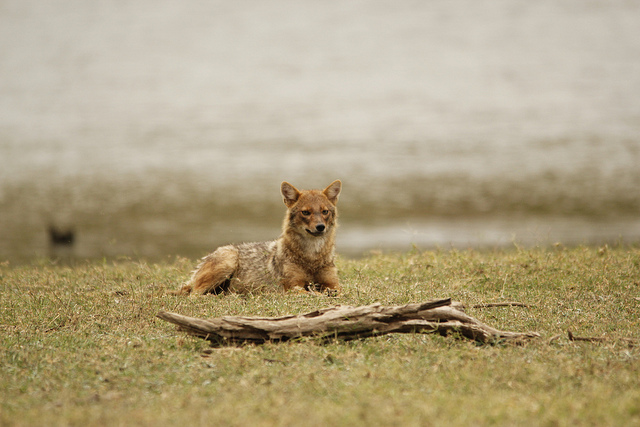
Weather in Corbett
Jim Corbett National Park’s natural wonders change spectacularly with each season. Nature lovers experience diverse charms year-round. November to February sees cool, dry conditions perfect for exceptional wildlife viewing. Animals frequent water sources, allowing great sightings. Exciting elephant safaris traverse deciduous forests. Temperatures range from 5°C (41°F) lows to 23°C (73°F) highs. March to June is extremely hot, up to 40°C (104°F). The landscape appears dusty and arid. However, wildlife remains visible near rivers and lakes in core zones. Early morning and late evening game drives beat the intense heat. The monsoon from July to September brings 1600 mm of torrential rains, reviving landscapes into lush, emerald scenes. Low areas transform to verdant meadows. Many species give birth, letting visitors witness new life begin. October and November mark the rains’ retreat. The park emerges in vivid autumnal splendor under 30°C (86°F) highs. Forests display vibrant fall colors. Migratory birds join residents, peaking birdwatching opportunities. Clear skies and rejuvenated nature delight wilderness aficionados.
November - February
Jim Corbett in Winters
Winter (October – February) is the peak season to visit Jim Corbett as the weather is pleasant and nature is covered with lush greenery. Bird lovers and tiger lovers prefer to visit in the winter to watch a variety of birds and also sight tigers lazing around on sunny mornings
March – May (Up to 47°C)
Jim Corbett in Summers
With the temperature rising up to 40 degrees Celsius, the summer season (March-June) is considered the best time for sighting tigers at water resources as the vegetation is dried which increases the chances of sighting tigers. You can also enjoy river rafting in this season.
July – September
Jim Corbett in Monsoon
In the rainy season (July-September) the park remains closed for tourists as it is the mating time of the animals Also, there are risks of soil erosion and landslides during that time. However, due to the lesser crowd, nature lovers can prefer to visit the park in the monsoon due to magnificent greenery and vegetation. They can enjoy flora in Corbett National Park.
| Monthly Temperature & Tiger Activity Matrix (°C) | ||||||||||||
|---|---|---|---|---|---|---|---|---|---|---|---|---|
| Metric | Jan | Feb | Mar | Apr | May | Jun | Jul | Aug | Sep | Oct | Nov | Dec |
| Min Temp (°C) | 4 | 7 | 11 | 16 | 19 | 24 | 22 | 21 | 19 | 14 | 9 | 6 |
| Max Temp (°C) | 17 | 20 | 25 | 31 | 32 | 31 | 27 | 27 | 27 | 25 | 22 | 19 |
| Safari Zone Status | Open | Open | Open | Peak | Peak | Peak | Limited | Limited | Limited | Open | Open | Open |
Best time to spot tigers at Jim Corbett National Park
Although Corbett boasts to have a healthy population of tigers, sighting a tiger is a privilege and takes a lot of patience. So, you have to be selective while deciding the visit time. You also need to choose the right zone also as per your visit time.
How to Reach the Corbett
Ramnagar is the best place to approach Jim Corbett National Park. It is a small city that is well connected to the major cities like Delhi, Moradabad, Bareilly, and Nainital by road and rail network.
By Air
Delhi is the most convenient airport for air travel for Corbett. However, it is not the closest Airport. It takes around 6 hours from Delhi to reach Jim Corbett Tiger Reserve after your flight.
By Road
The Corbett National Park is situated at a distance of 250 km approximately from Delhi. It takes around 6 hours from Delhi to reach Jim Corbett National Park by road.
By Rail
Ramnagar is the nearest city that receives trains from different major cities of India like Delhi, Bareilly, and Moradabad. There are trains which run directly from Delhi to Ramnagar.
| Corbett's distance from important cities | |||
|---|---|---|---|
| From | By Air + Road (Hrs) | By Road | By Rail + Road (Hrs) |
| New Delhi | NA | 4.00 Hrs | NA |
| Nainital (Nearest City) | NA | 1.5 Hrs | NA |
| Lucknow | 1.00 Air + 3.5 Road | 6.5 Hrs | 6.5 Rail + 1.00 Road |
| Ramnagar (Nearest Railhead) | NA | 0.6 Mins | NA |
| Patnagar (Nearest Airport) | NA | 2.00 Hrs | NA |
| Dehradun | NA | 3.00 Hrs | 4.5 Rail + 1.5 Road |
| Moradabad | NA | 2.00 Hrs | 2.00 Rail + 1.00 Road |
| Agra | NA | 5.5 Hrs | 9.00 Rail + 1.00 Road |
| Distance from other Parks | |
|---|---|
| From | Time to arrive |
| Kanha TR | 4 Hrs Air + 6.30 Hrs Road |
| Bandhavgarh TR | 13 Hrs Road |
| Pench TR | 4.30 Hrs Air + 4.50 Hrs Road |
| Tadoba TR | 4.30 Hrs Air + 5.20 Hrs Road |
| Ranthambore TR | 9.30 Hrs Road |
Things you should carry with you
Essential things to carry for your Corbett Tiger Safari
Your DSLR or Camera to capture your memorable safari moment.
Binoculars to view the wildlife from a safe distance.
Plenty of water to keep you dehydrated on a sunny day.
Hat & Shades to protect from direct sunlight.
Bandanna or Cotton Scarf to cover your face and avoid dust.
Winter wear or jacket if you are doing safari during winters. It really gets cold very quickly after sunsets in Jungle.
Rain Cover to save you and your gears from water during rain.

Some History about Corbett Tiger Reserve
Named after the legendary naturalist and conservationist Jim Corbett, the Jim Corbett National Park is India’s first national park that was established in 1936. Nestled at the Himalayas’ foothills, near the popular hill-station of Nainital, the beautiful Jim Corbett National Park, is spread over 1288.31 sq km, of which 821.99 sq km is the main core area, and the remaining is buffer.
The park spans over the picturesque landscapes of Pauri Garhwal, Almora, and Nainital. It is popular for sheltering a large number of tigers (215), the highest among any Indian national park. It also takes pride in being the place where the now-famous Project Tiger was established in the 1970s.
Why visit Corbett?
Well, being the pride of the nation’s first national park of India, Jim Corbett has created its own identity. Whether you are a naturalist, bird lover, tiger lover, or wildlife photographer, Jim Corbett National Park is a paradise for all. With the numerous varieties of flora and fauna, it appeals to all tourists from all over the world. So, would you like to experience that thrill and adventure of wildlife exposure? Book your safari now
Corbett General Info Card
Total Area
1288.31 Sq. Km
Location
Nainital, Pauri Garhwal Uttarakhand
Notified as National Park
1936
Notified as Tiger Reserve
1973
Nearest Airport
Ramnagar Railway Station (4 Minutes)
Nearest Railway Junction
Pantnagar Airport (2 Hours)
Corbett Wildlife Info Card
Carnivorous
Tiger, Leopard, Jungle Cat, Dhole,
Herbivorous
Sambhar, Deer, Chital, Gaur
Omnivorous
Jackal, Kakar, Rhesus
Birds
300 Species of Birds
Corbett Tour Info Card
Ideal Tour Length
3N4D or 6 Safaris
Can extend with
Ranthambore, Dudhwa
Tour Starting points
Nagpur, Delhi
Is Tour Customizable?
Yes
Safari Options
Open Jeep, Canter
Do’s and Don’ts of having an awesome Safari experience in Corbett
The warmer months from March to June can offer good tiger sightings around water sources. Winter mornings are cold, so carry warm clothes for early safaris.
Corbett safaris run in morning and afternoon shifts. Entry times vary by zone and season, so check the current timing before your safari.
Advance Booking & ID
Book your safari in advance, especially for popular zones such as Dhikala and Bijrani. Carry the same valid photo ID used for the booking and keep your permit with you.
Protective Clothing
Wear full-sleeve shirts, full-length trousers and comfortable shoes. Carry a hat, sunglasses and sunscreen in summer. Warm layers are useful for winter morning safaris.
Corbett is famous for tigers and elephants, but the forest also supports leopards, sambar, chital, wild boar, gharials and many bird species. Keep watching the forest around you.
Carry drinking water and a small snack if permitted during the safari. Do not leave plastic, food wrappers or other waste inside the reserve.
Safety technique directive: Never get out of the safari vehicle unless authorised forest staff allows it. Follow your guide and driver's instructions, keep a safe distance from animals and avoid loud noises or sudden movements.
Corbett Tiger Reserve FAQs
Can we stay in the core of Jim Corbett National Park?
Yes, Jim Corbett is one of the parks in India which offers overnight stay inside the park.
How far is Dhikala safari gate from Rampur?
Dhikala gate is approximately 18 Km from Ramnagar. It will take around 30 minutes to cover this distance by a car or cab.
Where is Jim Corbett National Park situated?
Jim Corbett National Park is situated in the Nainital district of Uttarakhand,
How far is Ramnagar from Delhi airport?
Ramnagar is approximately 250 Km from Delhi airport, it will take around 6 hours to cover this distance by car.