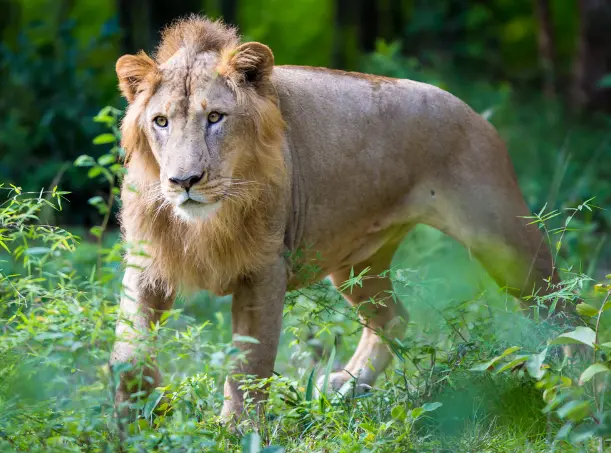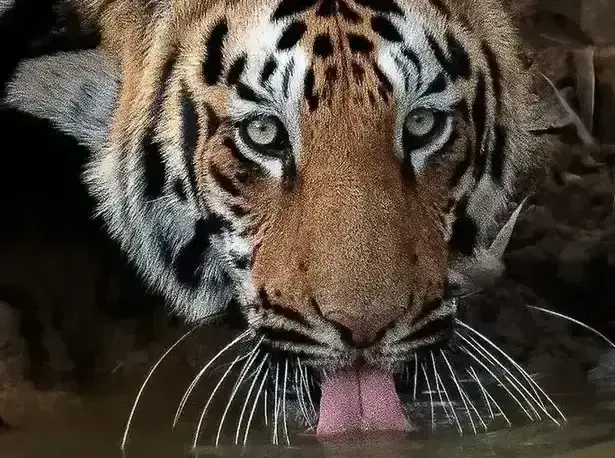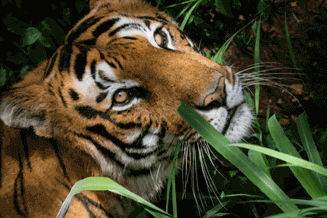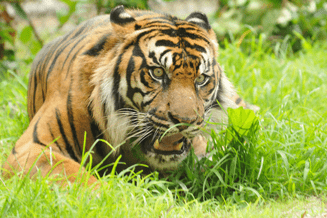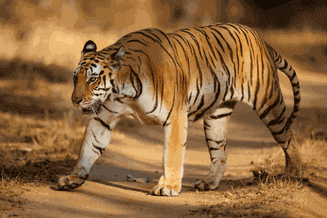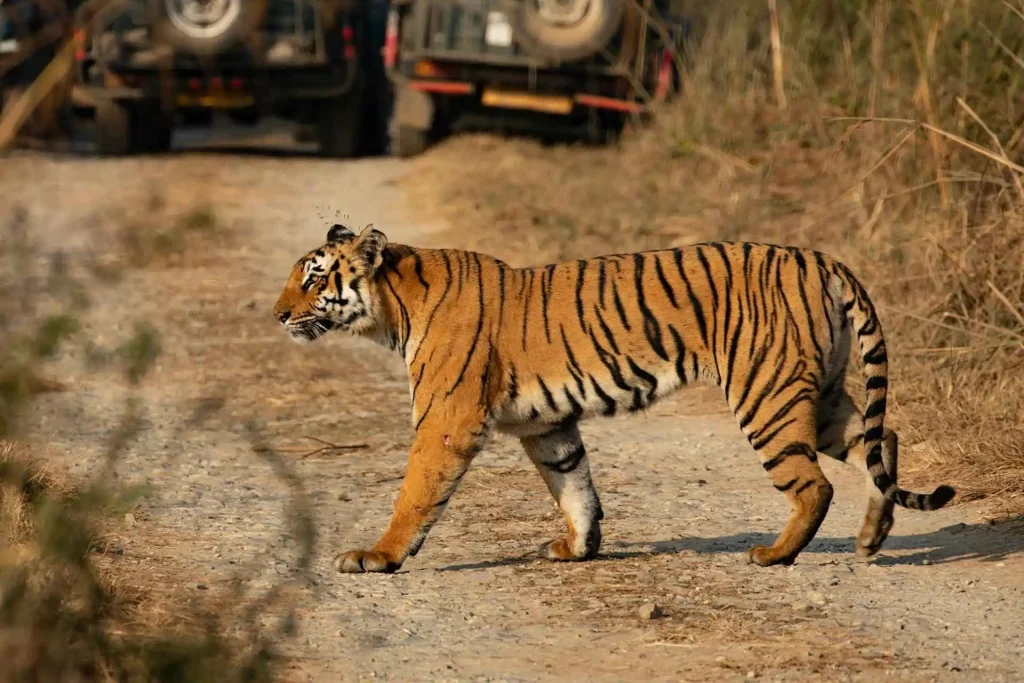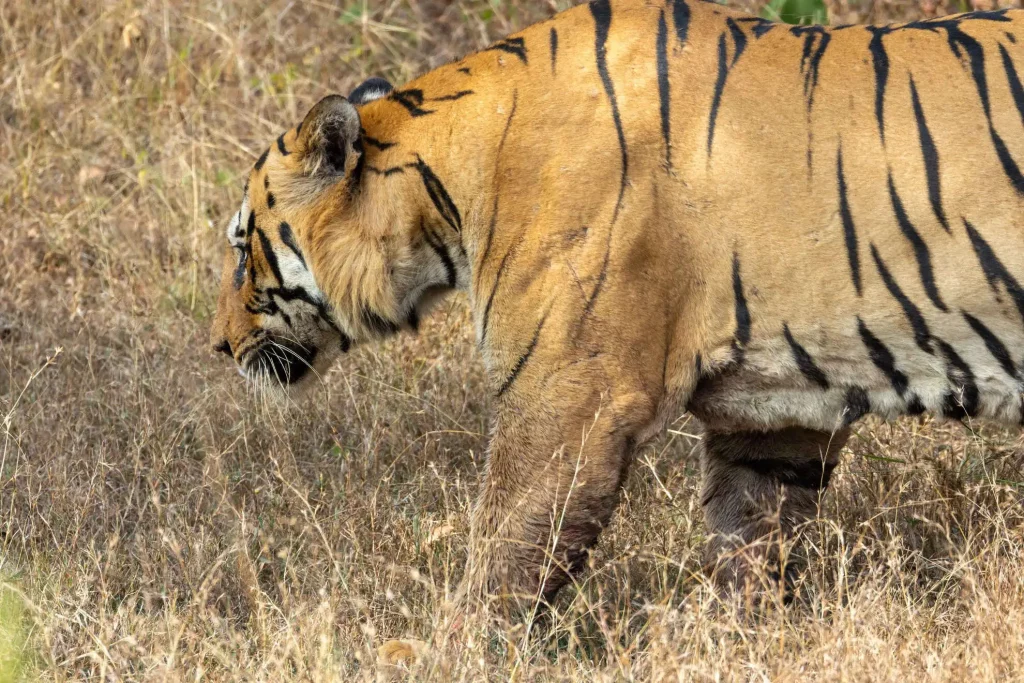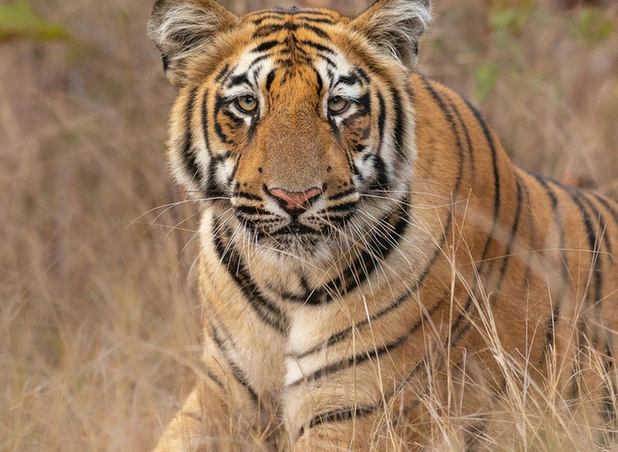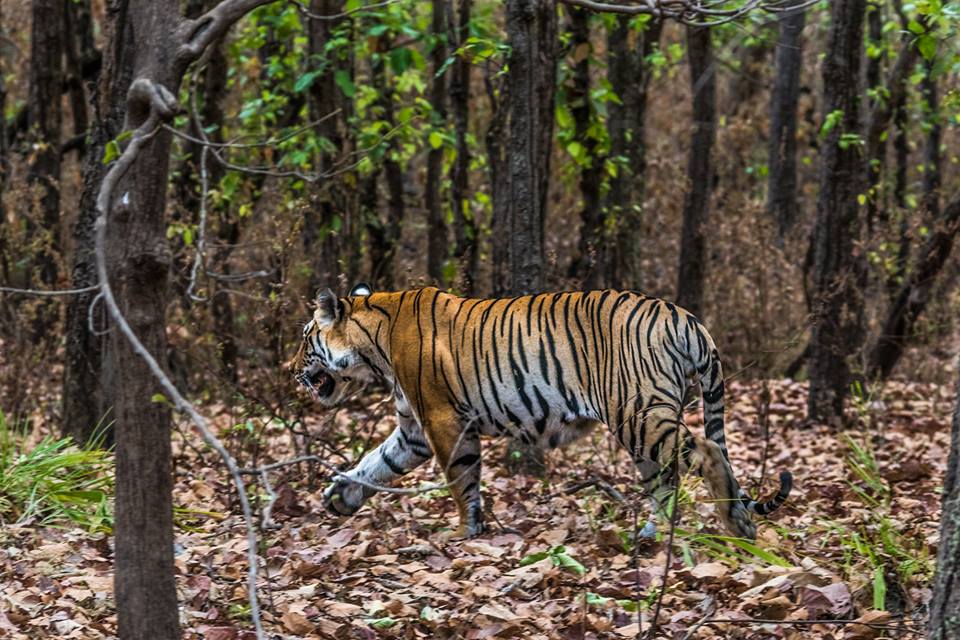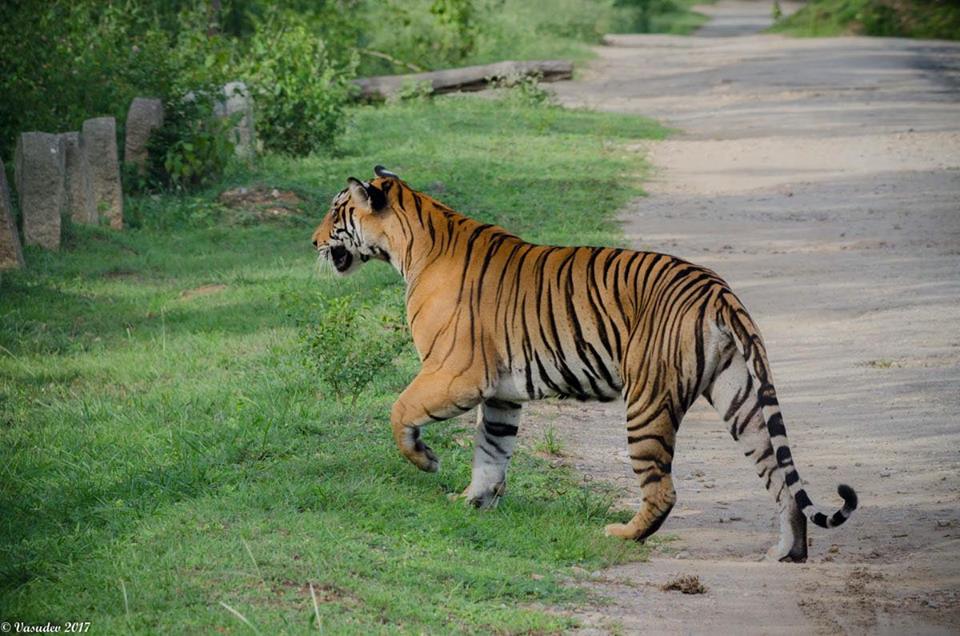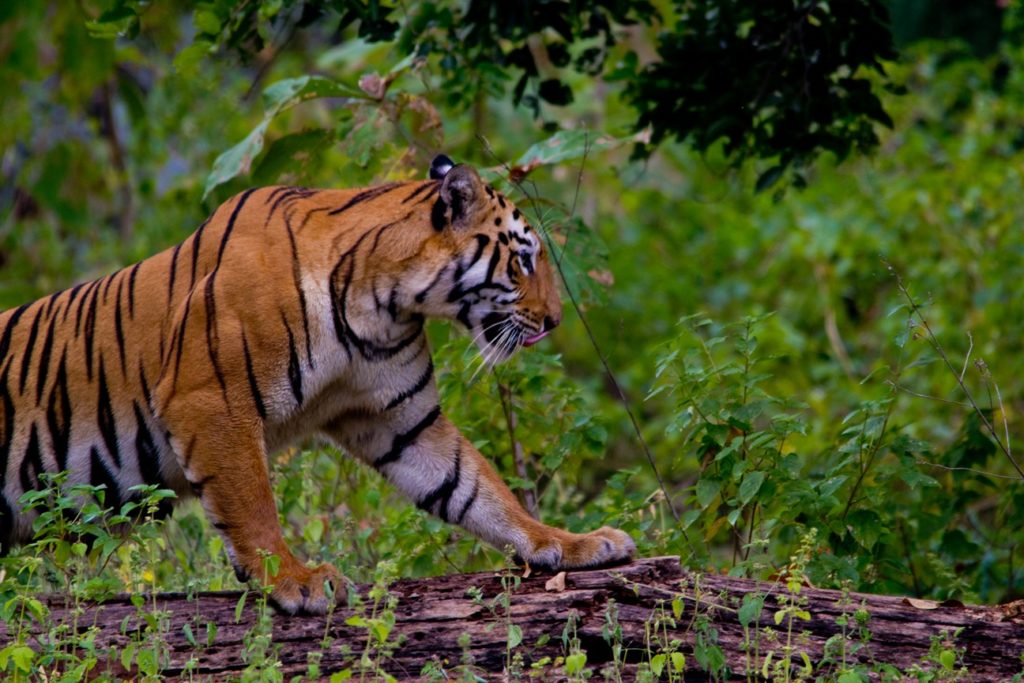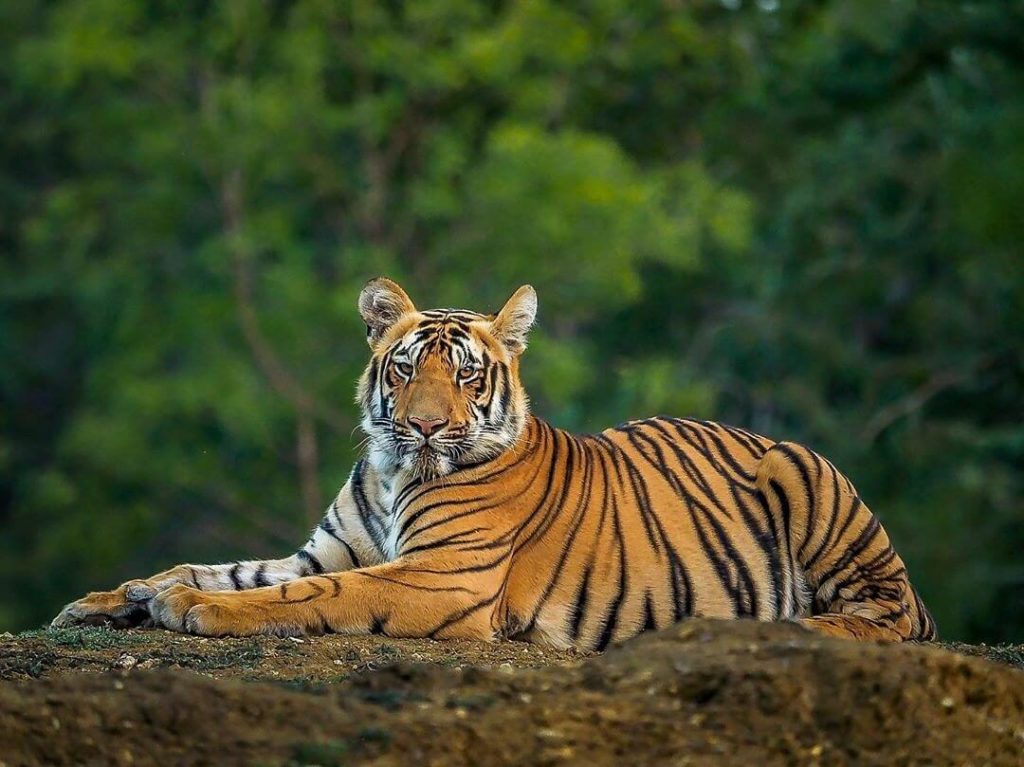
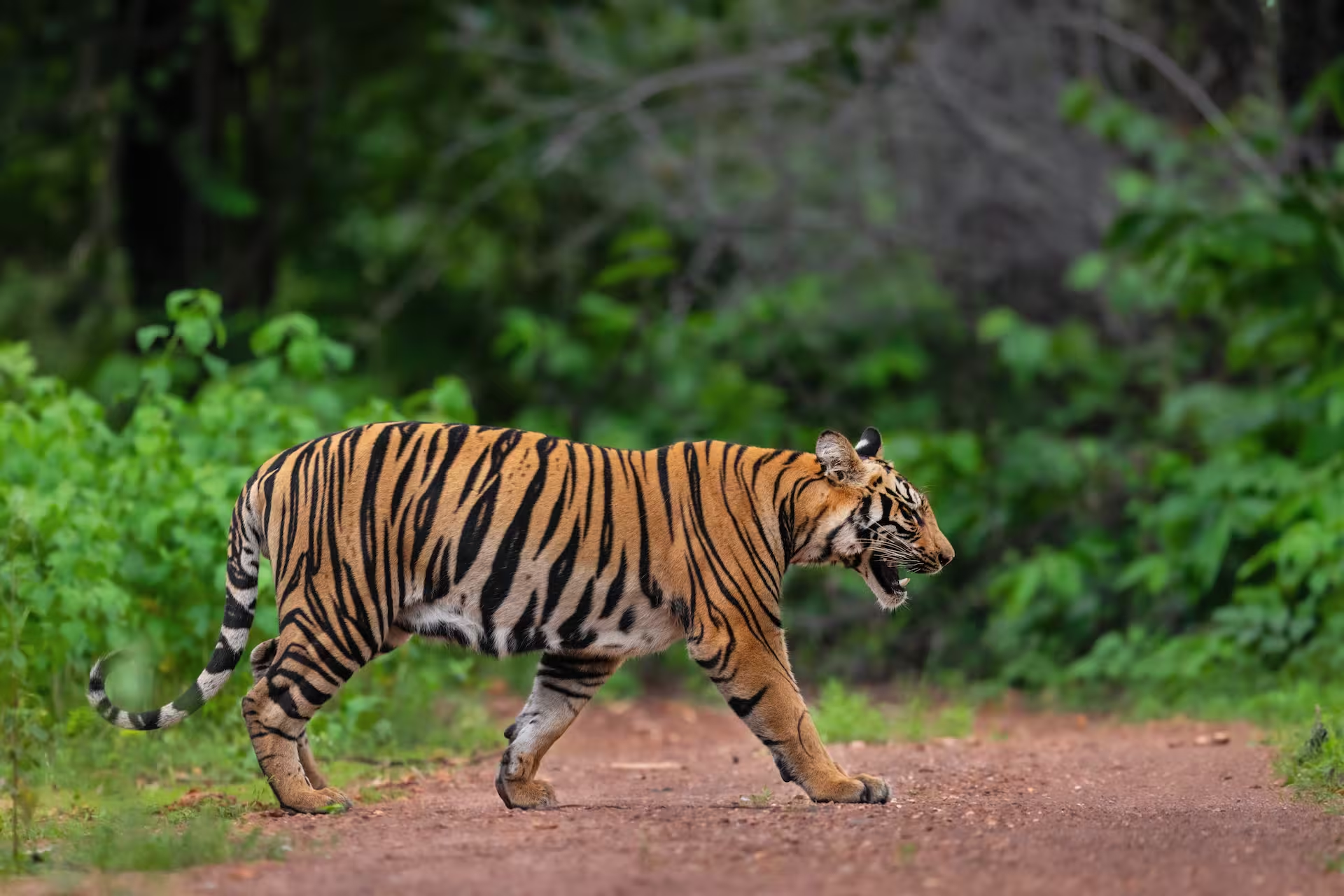
The Bengal tiger (Panthera tigris tigris) is India's national animal and one of the most admired predators in the wild. While many people dream of seeing a tiger during a safari, few understand the remarkable journey it takes from a helpless newborn cub to one of the world's most powerful hunters.
Every stage of a tiger's life is shaped by challenges. Cubs must survive predators, food shortages, territorial conflicts, and the constant need to learn essential hunting skills. Only a small percentage of tiger cubs survive to adulthood, making every successful adult tiger an incredible example of nature's resilience.
Let's explore the fascinating life cycle of a Bengal tiger.
Courtship and Mating
Unlike many social animals, tigers are solitary creatures. Adult males and females usually meet only during the breeding season.
A female Bengal tiger generally becomes sexually mature between three and four years of age, while males reach maturity slightly later, around four to five years.
When a female enters estrus, she leaves scent markings and vocal calls that attract nearby males. Courtship may last several days, during which the pair mates multiple times before separating.
Once mating is complete, the male plays no role in raising the cubs.
Pregnancy
The gestation period of a Bengal tiger lasts around 95 to 112 days, with an average of about 105 days.
As the birth approaches, the tigress searches for a secure and secluded den. These dens are often found among dense vegetation, rocky caves, hollow trees, or thick bamboo patches that provide protection from predators and disturbances.
A typical litter consists of two to four cubs, although litters of one or even five cubs are occasionally recorded.
Birth of the Cubs
Newborn tiger cubs are surprisingly small.
They usually weigh between 800 grams and 1.6 kilograms and are born blind and completely dependent on their mother.
Their eyes remain closed for the first week or two, and during this time they rely entirely on their mother's warmth and milk.
The tigress rarely leaves the den except for short hunting trips, ensuring the cubs remain safe.
Early Development (0–6 Months)
The first few months are critical.
By around two weeks, the cubs open their eyes and begin exploring the den.
At approximately two months, they start eating small amounts of meat while continuing to nurse.
As they grow stronger, the tigress gradually introduces them to the surrounding forest, teaching them how to recognize sounds, scents, and potential dangers.
Play becomes an important part of learning. Wrestling, stalking, and chasing siblings help develop the coordination they will later need for hunting.
Learning to Hunt (6–18 Months)
This is perhaps the most important phase in a tiger's life.
The cubs accompany their mother on hunting trips, quietly observing every movement.
Initially, they watch from a distance while the tigress hunts. Later, they begin participating by stalking smaller prey and practicing hunting techniques.
During this period, they learn:
- How to approach prey without being detected.
- How to use vegetation as cover.
- The importance of wind direction.
- When to attack and when to wait.
- How to identify different prey species.
Not every hunt is successful. In fact, most hunting attempts fail. Learning patience and persistence is one of the greatest lessons a young tiger receives.
Also Read: Hunting Techniques of Bengal Tiger
Becoming Independent (18–30 Months)
By the time they are around 18 to 24 months old, young tigers begin spending more time away from their mother.
Eventually, the tigress encourages them to establish their own territories.
This is one of the most dangerous stages of a tiger's life.
Young males often travel long distances searching for vacant territories. Along the way, they may encounter dominant males, struggle to find food, or enter areas occupied by humans.
Females generally settle closer to their mother's territory if suitable habitat is available.
Adulthood
An adult Bengal tiger reaches its physical peak between four and eight years of age.
At this stage, it establishes a territory, hunts independently, and reproduces.
Male territories are significantly larger than those of females and may overlap with the territories of several females.
A healthy adult tiger typically preys on:
- Chital (Spotted Deer)
- Sambar
- Wild Boar
- Gaur
- Nilgai
- Occasionally smaller mammals and birds
Contrary to popular belief, tigers do not hunt every day. A successful large kill can provide food for several days.
Also Read: How to read pugmarks and track a tiger?
Senior Years
As tigers grow older, hunting becomes more difficult.
Teeth wear down, muscles weaken, and injuries accumulate from years of territorial conflicts and hunting large prey.
Older tigers may shift towards easier prey and spend more time resting.
In the wild, Bengal tigers generally live 10 to 15 years, although some individuals survive longer under favourable conditions.
In captivity, where food and medical care are available, they may live 18 to 20 years or more.
Challenges Throughout a Tiger's Life
Every stage of a tiger's life presents different challenges.
As Cubs
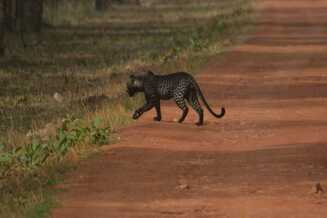
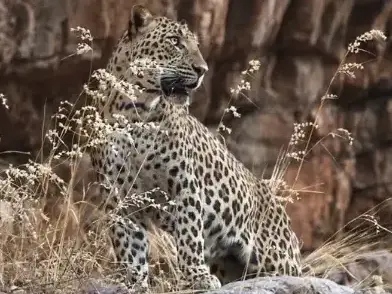
- Predation by leopards, bears, or other tigers
- Disease
- Starvation if the mother cannot hunt successfully
As Young Adults
- Finding suitable territory
- Competition with dominant males
- Human-wildlife conflict
As Adults
- Territorial disputes
- Injuries during hunts
- Habitat fragmentation
- Declining prey populations
Why Every Tiger Matters
Every year on 29th July, the world comes together to celebrate International Tiger Day, a global initiative dedicated to raising awareness about tiger conservation and the need to protect one of the world's most iconic big cats. It is also a reminder that every tiger in the wild represents years of survival, learning, and adaptation.
A Bengal tiger is much more than an apex predator.
It is an indicator of a healthy forest ecosystem. Protecting tiger habitats also protects countless other wildlife species, rivers, forests, and the local communities that depend on these landscapes. While India is home to the largest population of wild tigers in the world, the species continues to face challenges such as habitat loss, poaching, human-wildlife conflict, and declining prey populations.
Every tiger that reaches adulthood has survived numerous challenges, from its vulnerable days as a blind cub to establishing and defending its own territory. Behind every tiger sighting during a safari lies an extraordinary journey that few visitors get to witness.
Understanding the life cycle of the Bengal tiger helps us appreciate not only the animal itself but also the importance of conserving the forests that support its entire life - from birth to adulthood.
Frequently Asked Questions
How many cubs does a Bengal tiger usually have?
Most litters consist of two to four cubs, although one or five cubs can occasionally occur.
How long do cubs stay with their mother?
Tiger cubs generally remain with their mother for 18 to 24 months, learning essential survival and hunting skills.
At what age does a Bengal tiger become an adult?
Bengal tigers are considered adults at around 3 to 5 years of age, depending on sex and territorial establishment.
How long does a Bengal tiger live?
In the wild, Bengal tigers typically live 10–15 years. In captivity, they may live 18–20 years or longer.
Explore India's Tiger Country with Big Cats India
Seeing a Bengal tiger in the wild is about much more than a sighting. It is an opportunity to witness one of nature's most extraordinary animals in its natural habitat while understanding the forests that support its life.
Whether you are planning your first tiger safari or returning to India's national parks, we can help you choose the right destination, safari zones, and lodges for a memorable wildlife experience.