Pilibhit National Park
Pilibhit Tiger Reserve
Get ready to plan your next adventure at Pilibhit National Park. Residing alongside the India-Nepal border, Pilhibit is a window into India’s wildlife heritage and rich history. Whether you are a nature lover, a photography enthusiast, an avid birdwatcher or just passionate about wildlife, Pilibhit will satisfy all your curiosities.
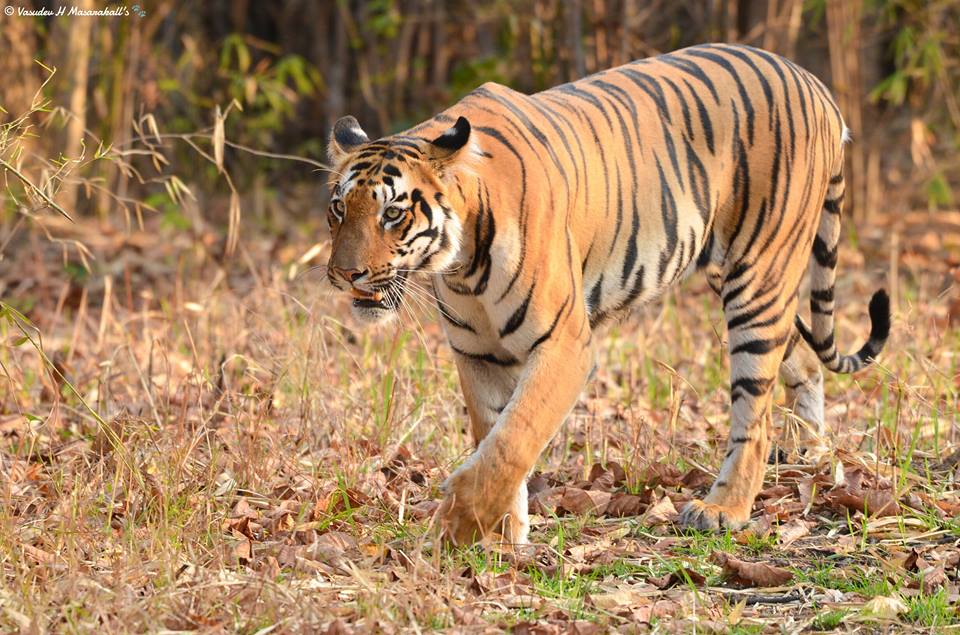
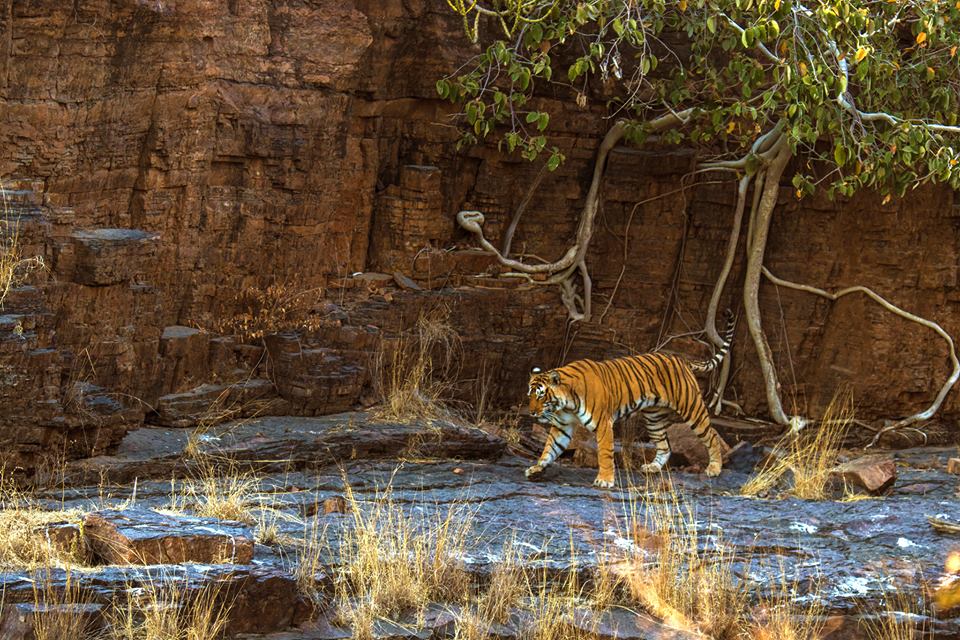
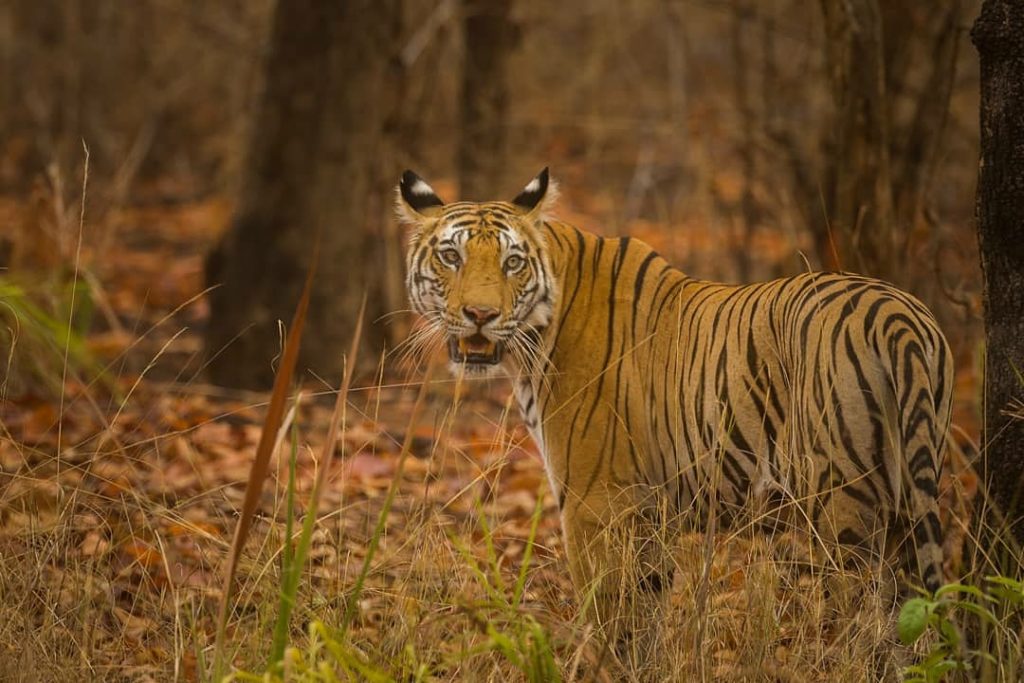
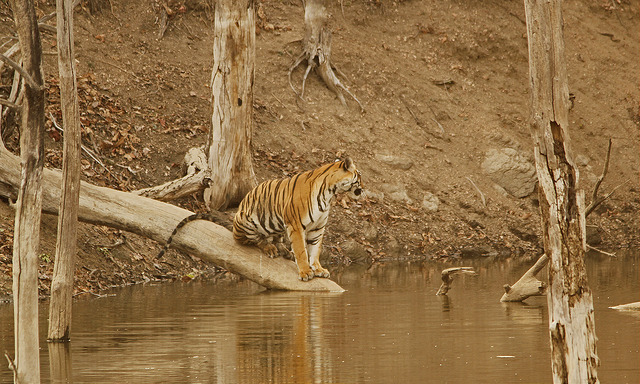
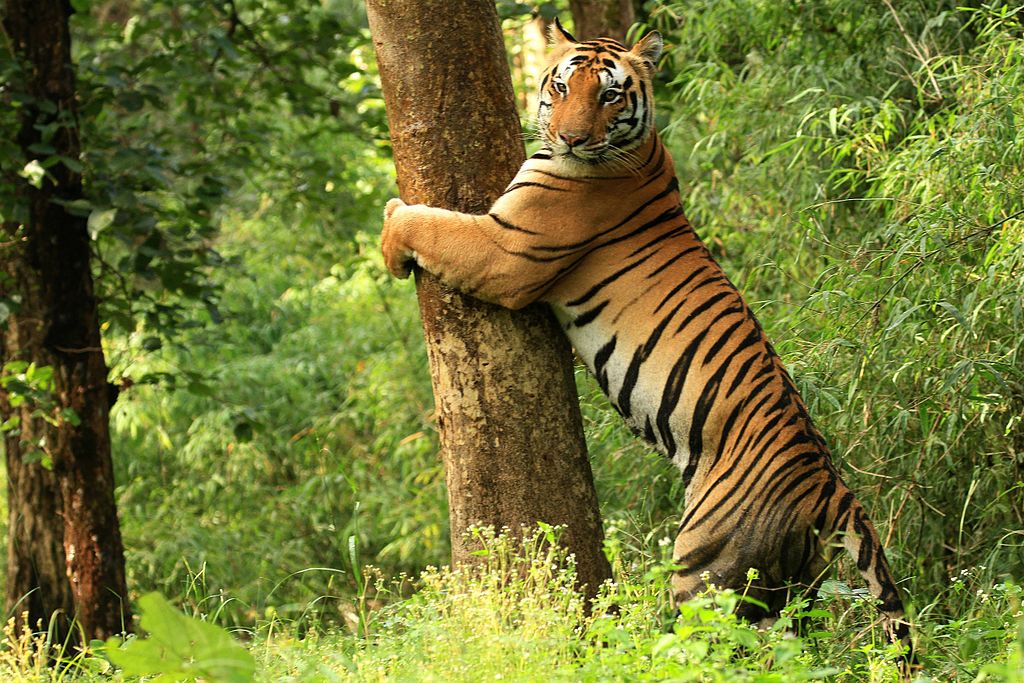
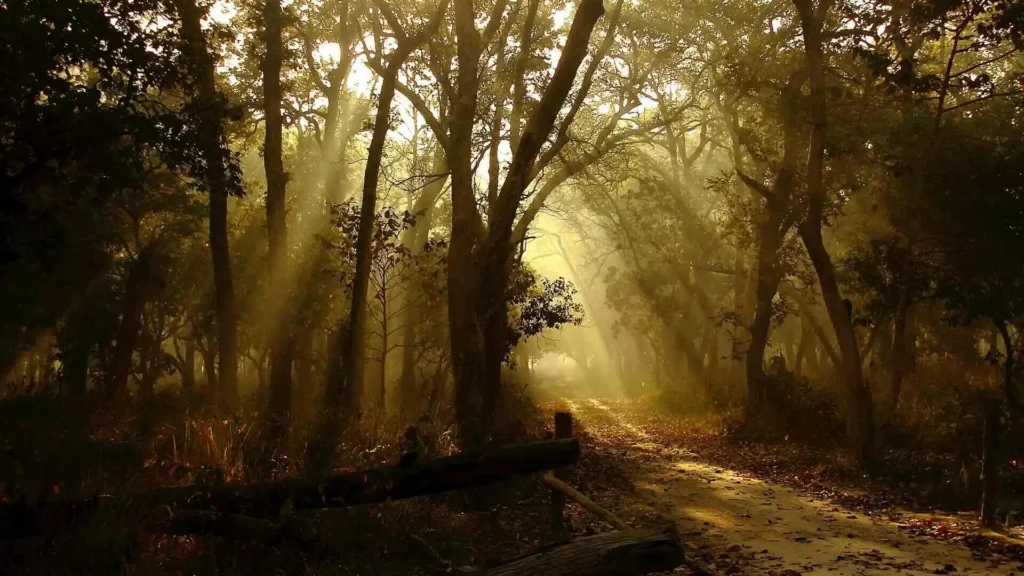
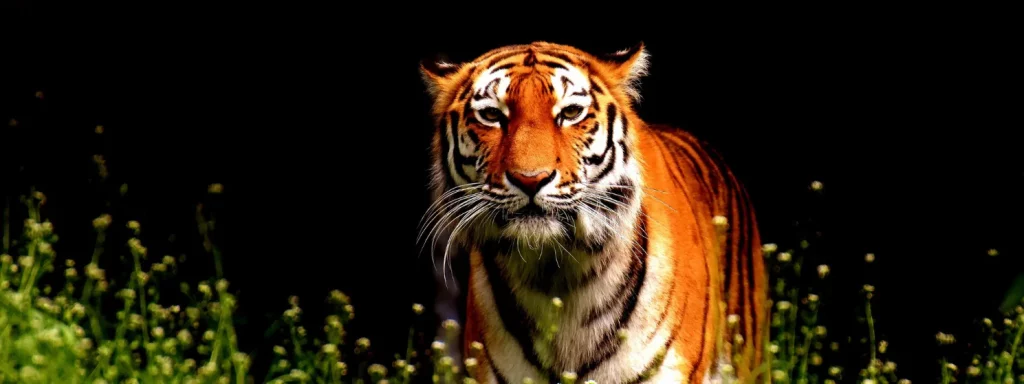
This park in the Terai Arc Landscape is an inspiration due to their conservation success. Pilibhit is a crucial corridor for wildlife especially tigers. It is most known for the high density of the legendary Bengal tigers thus declared in 2014 as a tiger reserve. Get ready to witness the dense Sal trees, lush meadows, and beautiful seasonal streams all across Pilibhit.
The tiger reserve is spread across a generous 730 sq km area balancing the ecosystem including a variety of birds, flowers, animals, and reptiles. Entice yourself by visiting this untamed beauty of wilderness in India.
730.25
sq. km Total Area
602.79
Core Area
2014
Tiger Reserve Declared
200+
Bird Species
Interesting Fact – Pilibhit Tiger Reserve
Local legends say Pilibhit was ruled by King Mayurdhwaj, a devotee of Lord Krishna and friend of Arjun from the Mahabharata epic (epic poem about war between cousins).
The Gomti River originates within the reserve, while the Sharda, Mala and Khannot river systems support its wetlands, grasslands and forests.
Prime Predators
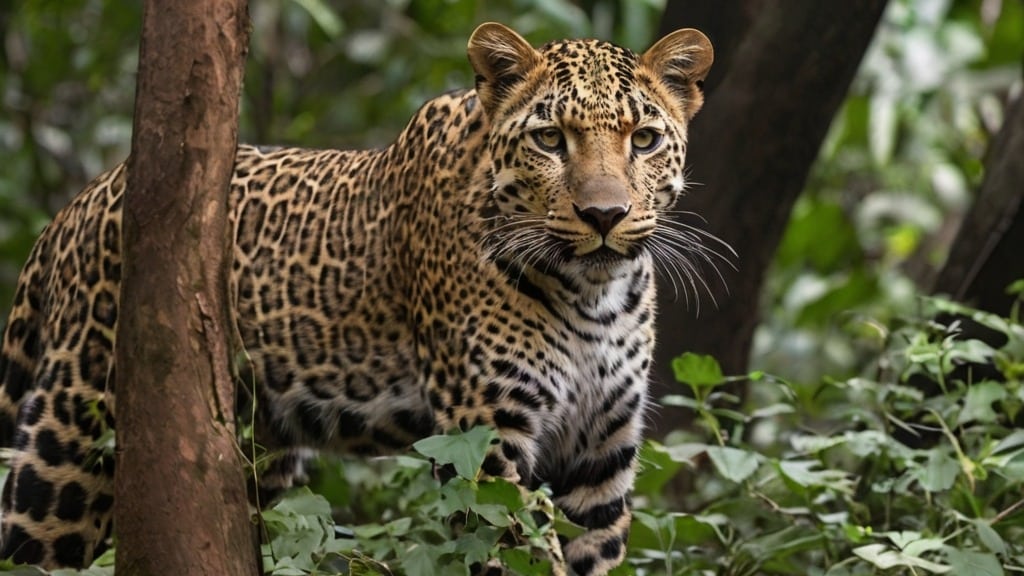
Pilibhit Tiger Reserve’s top predators are Royal Bengal Tigers and Indian Leopards
Famous For?
The Pilibhit Tiger Reserve has some scenic spots that enhance the wildlife experience, like Chuka Beach popular for its natural beauty.
Major Wildlife
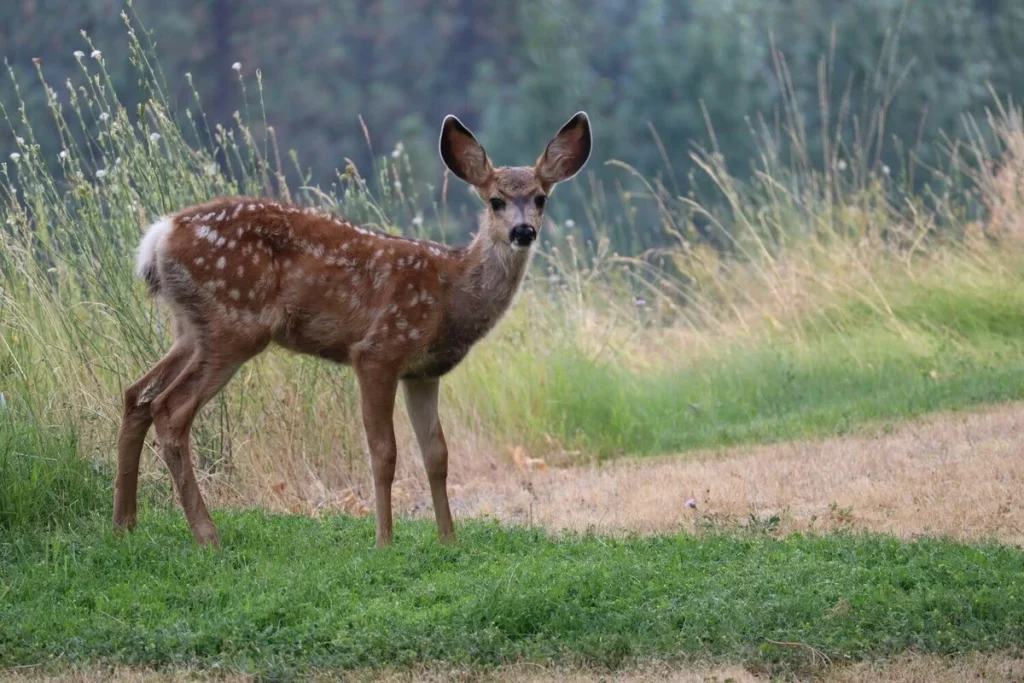
Tiger, Dwamp deer, Bengal florican, Hog deer, Leopard, Cheetal, Sambar, Wild boar, swamp deer, blue bull etc.
Protected Land
Pilibhit Tiger Reserve covers 730.25 sq km, including 602.79 sq km of core area and 127.45 sq km of buffer area.
Flora & Fauna in the Park
A unique mix of animals reside in Pilibhit with the highlight of about 65 Bengal tigers. Other mammals like leopards, sloth bears, Asian elephants and dolphins also call the park home.
Botanical Canopy & Floral Cover
Key Flora & Forest Habitat
The park pulsates a cooling effect as the thick canopies of the dominant towering Sal trees filter the sunlight. Other trees like teak, khair, semal and Mahua are also seen. There is diverse plant life here including 2,100 flowering plants creating a botanical heaven. You may spot butterflies and insects on vibrant displays of wildflowers, orchids lotus and water lilies.
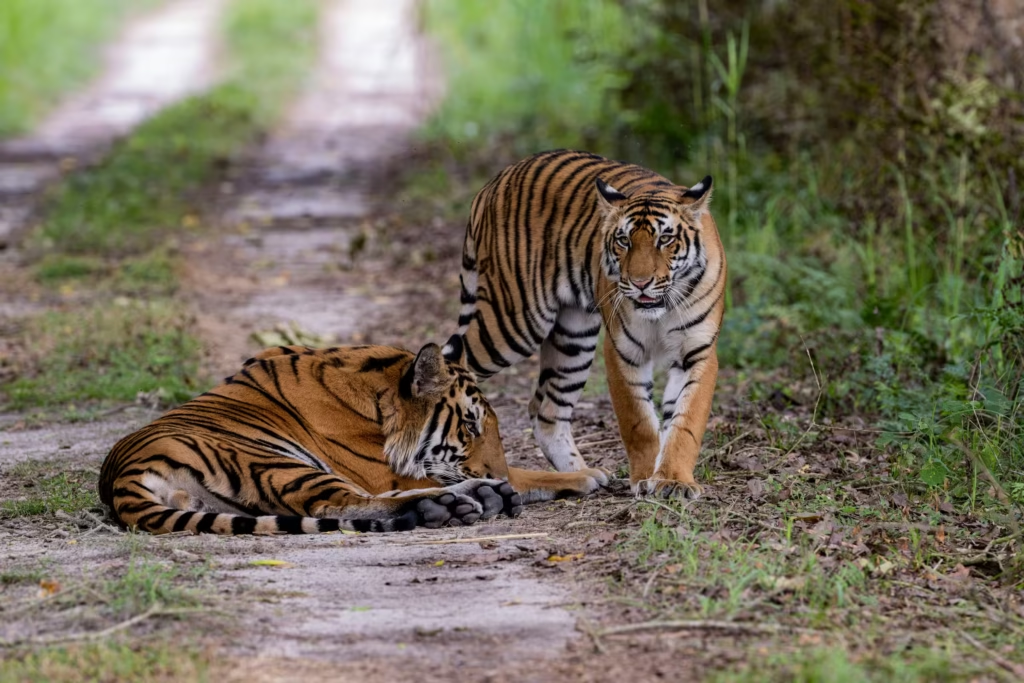
Pilibhit Tiger Reserve supports a healthy tiger population and forms an important tiger corridor between the Terai forests of India and Nepal.
Mammals
Apex Predators, felids & prime ungulates
Apex Predators & Carnivores
- Royal Bengal Tiger
- Leopard
- Indian Fox
- Jackal
Forest Herbivores & Small Fauna
- Swamp Deer
- Hog Deer
- Rhesus Macaque
- Gaur
Pilibhit supports leopards, sloth bears, swamp deer, sambar, chital, hog deer, barking deer, wild boar, nilgai, blackbuck and hispid hare. The reserve also has fishing cats, jungle cats, Indian porcupines and several reptile species, along with rich birdlife.
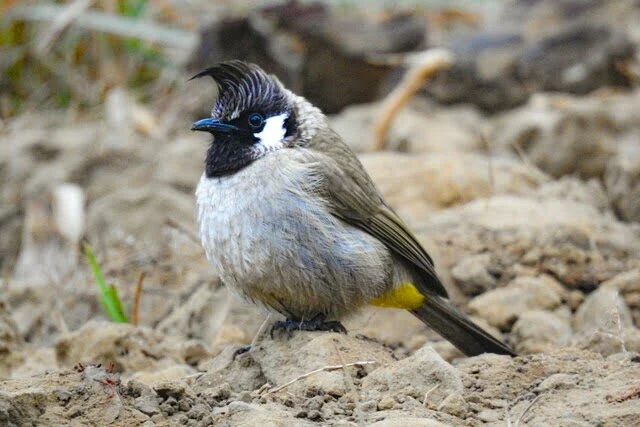
Avifauna (Birds)
- Bengal Florican
- Saras Crane
- Greater Adjutant
- Painted Stork
- Black Ibis
- Indian Peafowl
- Greylag Goose
- Brahminy Starling
- Shikra
- Common Kingfisher
Herpetofauna (Reptiles)
- Gharial
- Mugger Crocodile
- Indian Rock Python
- Monitor Lizard
- Cobra (various species)
- Krait (various species)
- Viper (various species)
- Indian Rat Snake
- Indian Wolf Snake
- Indian Glass Lizard
Safari in Pilibhit National Park
Get ready for a thrilling wildlife safari at Pilibhit! The park has a wide array of fauna you may get a chance to spot as you tour around with curiosity. The park is known for their responsible tourism practices, so they have smaller safari groups. This ensures minimal impact to the environment and animals helping their conservation and sustainability efforts.
The Classic Jeep Safari is conducted by trained drivers in an open-air jeep. Expert guides accompany you and narrate the park’s history and their experiences.
Be alert for alarm calls, pugmarks, and tiger tracks to spot the majestic Bengal Tiger during this adventure. Do not miss out on other enriching sights like leopards, deer, elephants, and the magic of nature.
Famous Tigers of Pilibhit Tiger Reserve
Sultan is one of the most well-known tigers of Pilibhit. Guides and visitors gave him the name because of his large size and distinctive presence. His sons, S-2 and S-3, are also recognised by guides and safari visitors.
Other informal names used in the reserve include Rocket, Ramba, Naina, Sundari, Star and Barahi Male. These names are unofficial and are used mainly to identify individual tigers during safaris.
Open Jeep Safari
Be ready with your camera to get on a jeep safari with 4-6 passengers. A trained jeep driver and a naturalist with years of experience will ride along for your adventure
You will have to book your vehicle separately from your Jungle Permit if you are booking directly from the official website. But, if you book via Big Cats India, we take care of everything.
Canter Safari
Canter Safari is not currently listed as a separate safari option at Pilibhit Tiger Reserve. Safaris are operated in registered vehicles with a maximum capacity of 7 visitors per vehicle. Bookings are available from Pilibhit City and Mustafabad, subject to permit and vehicle availability.
7-seater safari vehicle option from Pilibhit City and Mustafabad.
Tiger Safari Timings
Pilibhit Tiger Reserve offers morning and afternoon safari shifts. From April 1 to June 15, morning safaris run from 6:00 AM to 9:30 AM and evening safaris from 3:30 PM until sunset. During winter, timings are 6:30 AM to 10:00 AM in the morning and 2:30 PM until sunset in the afternoon.
Safari Zones or Gates
Pilibhit is divided into Zone 1 and Zone 2 for jeep safaris. Visitors can access both zones for a wildlife safari experience.
Zone 1 (Core Area)
Chuka Gate and Aranya Gate are two main entry points to this zone. This zone provides a more isolated experience as fewer jeep safaris are allowed in this region. It is an exclusive safari, and more animal sightings may occur. This area has stricter protection rules has limited safaris; thus advance booking is crucial.
Zone 2 (Buffer Area)
Many gates including Powalgarh, Ghoshitola and Bisalpur Gate give safaris access in Zone 2. This zone has luxurious grasslands, open jungles, and streams all around. The chances of spotting diverse wildlife are more but it is also a crowded experience. Higher number and frequent jeep safaris occur here.
Core Zone
| Zone Name | Entry Gate |
|---|---|
| Zone 1 | Chuka Gate, Aranya Gate |
Buffer Zone
| Zone Name | Entry Gate |
|---|---|
| Zone 2 | Powalgarh Gate, Ghoshitola Gate, Bisalpur Gate |
Pilibhit Safari Tours
Select from our bespoke, budget, or multi-park central India tiger circuits crafted for enthusiasts and photographers.
3 Nights / 4 Days
Dudhwa-Pilibhit Budget Tour
The Dudhwa-Pilibhit Budget Safari offers an exciting and affordable wildlife adventure, taking you through the lush landscapes of Dudhwa National Park and Pilibhit Tiger Reserve.
3 Nights / 4 Days
Pilibhit Fixed Departure
Pilibhit fixed departure tour with six jeep safaris, comfortable AC accommodation, meals and transfers from Lucknow across four days.
3 Nights / 4 Days
Pilibhit Budget Tour
Enjoy the thrill of Pilibhit Tiger Reserve without overspending. This budget safari includes guided jungle rides, basic stays, and plenty of chances to spot wildlife—all at a great price!
Recommended Tour
Pilibhit National Park
Travel 4 Days | 1 Park | 6 Safari
Want to join Pilibhit Group Tours?
If you are a solo traveler, traveling alone, or a couple, and are planning to join a group safari tour to reduce safari costs, please check out our fixed group tour dates for Pilibhit National Park and join the dates that suit you best.
How to book Safari in Pilibhit Tiger Reserve
To book an end-to-end safari package in Pilibhit National Park including airport transfer, accommodation, meals, and internal transfer, you may contact Big Cats India, or schedule a free discussion with our experts to understand the best safari zone to book, based on your area of interest.
It is advised to plan your safari well in advance to get the best zones for sightings in Pilibhit. If you are not sure which gate(s) to choose from, you can contact Big Cats India or message us for any assistance to book your safari in Pilibhit.
You can also book Pilibhit Safari online government website. However, this websites only book your safari permits, not the jeep, accommodation, food and internal transfer to the reserve gates.
Weather in Pilibhit
Pilibhit has a subtropical monsoon climate, with hot and dry summers from March to June, warm and humid monsoons from July to September, pleasant post-monsoon weather from October to November, and cool, dry winters from December to February, when temperatures can fall to around 5°C in the early mornings.
November - February
Pilibhit in Winters
Winter days aren’t really cold here but yes nights definitely are! In Pilibhit winter is considered as the most pleasant time for tourists who plan their visit there. Early morning safaris can be very chilly so keep sweaters handy. Wildlife sightings also occur in large numbers despite the cold waves.
March – May (Up to 47°C)
Pilibhit in Summers
As a photography enthusiast or tiger lover, target the summer months of March to June. Though the heat can be unbearable, wildlife sightings increase especially near waterholes. Crowds may thin out providing a more intimate nature touch. Be prepared with enough sunblock, sunglasses, caps, and light cotton clothes to sustain the Sun.
July – September
Pilibhit in Monsoon
The monsoon months of July to September bring heavy downpour. Pilibhit feels hotter than what it is due to very high moisture content present in this air mass. The upside however is that the jungle transforms into an emerald paradise with tranquil beauty and melodious songs of birds.
| Monthly Temperature & Tiger Activity Matrix (°C) | ||||||||||||
|---|---|---|---|---|---|---|---|---|---|---|---|---|
| Metric | Jan | Feb | Mar | Apr | May | Jun | Jul | Aug | Sep | Oct | Nov | Dec |
| Min Temp (°C) | 7 | 10 | 15 | 21 | 25 | 27 | 26 | 25 | 24 | 19 | 12 | 8 |
| Max Temp (°C) | 22 | 25 | 31 | 36 | 39 | 37 | 33 | 32 | 33 | 32 | 28 | 23 |
| Core Gates Status | Open | Open | Open | Open | Peak | Peak | Closed | Closed | Closed | Open | Open | Open |
Best time to spot tigers at Pilibhit National Park
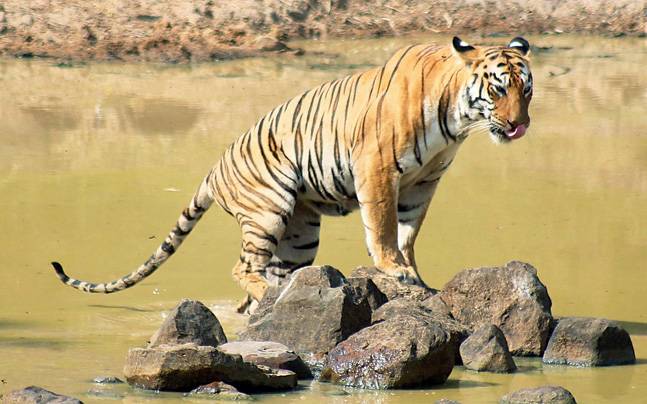
The best time to visit Pilibhit Tiger Reserve for tiger sightings is during the summer months of April to June. The dry season means the vegetation is less dense, allowing better visibility into the forest areas. Tigers are also more frequently spotted near the waterholes and streams as they come to drink water during the hot days. Early morning and late afternoon hours are considered prime times when tigers are most active and increasing your chances of a sighting.
How to Reach the Pilibhit
By Air
Nearest airport to Pilibhit is Pantnagar Airport (PGH), situated about 120 kilometers away in Uttarakhand which provides limited flight services mainly to Delhi capital territory only.
By Road
Pilibhit is connected to many major cities in north India through roads. Pilibhit town has a direct link with the National Highway 24 which makes it easily accessible to the people travelling from various parts of the country.
By Rail
Bareilly Junction (BRY) serves as the nearest main railway station from Pilibhit. Bareilly is about 70 kilometers away from Pilibhit and well connected by rail network with all major cities in India.
| Pilibhit's distance from important cities | |||
|---|---|---|---|
| From | By Air + Road (Hrs) | By Road | By Rail + Road (Hrs) |
| New Delhi | 1.00 Air + 4.30 Road | 7.00 Hrs | 4.30 Rail + 1.30 Road |
| Nagpur | 2.30 Air + 4 Road | 22.00 Hrs | NA |
| Mumbai | 3.00 Air + 5.00 Road | 26.00 Hrs | NA |
| Lucknow (Nearest) | NA | 4.30 Hrs | 4 Rail |
| Bhopal | 1.30 Air + 4 Road | 11.00 Hrs | 10.00 Rail + 3.00 Road |
| Jabalpur | 2 Air + 4 Road | 14.00 Hrs | 12.00 Rail + 2.00 Road |
| Indore | 2 Air + 4 Road | 12.00 Hrs | 10.30 Rail + 3.30 Road |
| Kolkata | 2.30 Air + 4.00 Road | 30.00 Hrs | NA |
| Distance from other Parks | |
|---|---|
| From | Time to arrive |
| Corbett TR | 3 Hours |
| Bharatpur BS | 6.45 Hours |
| Dudhwa TR | 7 Hours |
| Panna TR | 14 Hours |
| Bandhavgarh TR | 16 Hours |
| Ranthambore TR | 3 Hrs Air + 4 Hrs Road |
Things you should carry with you
Essential things to carry for your Pilibhit Tiger Safari
Your DSLR or Camera to capture your memorable safari moment.
Binoculars to view the wildlife from a safe distance.
Plenty of water to keep you dehydrated on a sunny day.
Hat & Shades to protect from direct sunlight.
Bandanna or Cotton Scarf to cover your face and avoid dust.
Winter wear or jacket if you are doing safari during winters. It really gets cold very quickly after sunsets in Jungle.
Rain Cover to save you and your gears from water during rain.

Some History about Pilibhit Tiger Reserve
The 20th century was when Pilibhit became a sanctuary of wildlife and this history was founded on an attempt to protect sal forests. Although it was announced as a reserved forest in 1936, it only achieved Project Tiger status by 2008.
In the year 2014, Pilibhit became India’s National Park showing how more serious the country has become about conserving tigers. This hunting ground of the kings now provides asylum to royal Bengal tigers. It is also indicative of what can be done by Indians when they want to look after their rich natural heritage.
Why visit Pilibhit?
Wanting an extraordinary experience with animals? Try Pilibhit National Park! Here are some reasons why
Observe royal bengal tigers in their natural environment. With higher chances of seeing these rare carnivorous cats than other overcrowded reserves.
Come see this untamed place characterized by diversified landscape such as lush green Sal forests mixed with vast meadows interrupted by temporary marshes. More than 2100 types of flowering plants cover the ground here. Over three hundred twenty six different kinds of birds fly around among tree branches forming canopies over visitors’ heads.
Embark on traditional jeep safari rides through woods or opt for thrilling night safaris or elephant back rides that offer distinctive viewpoints not often seen during daytime excursions when parks teem with tourists.
You will be able to avoid larger crowds found at popular national game parks hence discovering hidden gems such as Pilibhit. It allows off-beat routes combined with sustainable tourism activities aimed at benefiting local communities through revenue sharing schemes, employment creation etc.
Pilibhit General Info Card
Total Area
730.2498 Sq. Km
Location
Pilibhit, Bahraich & Lakhimpur Districts, UP
Notified as Tiger Reserve
2014
Nearest Airport
Pantnagar (74 km)
Nearest Railway Junction
Pilibhit Junction
Pilibhit Wildlife Info Card
Carnivorous
Tiger, Leopard
Herbivorous
Cheetal, Sambar Deer, Blue Bull
Omnivorous
Wild Boar, Indian Fox
Birds
326 Species of Birds
Pilibhit Tour Info Card
Ideal Tour Length
3N4D or 6 Safaris
Can extend with
Dudhwa, Corbett
Tour Starting points
Delhi, Indore, Bhopal
Is Tour Customizable?
Yes
Safari Options
Open Jeep, Canter
Do’s and Don’ts of having an awesome Safari experience in Pilibhit
The best time for a Pilibhit safari is from November to June. Summer can be hot, while winter mornings are cold and comfortable for wildlife viewing.
Safari timings change with the season, so check your permit and entry time before visiting.
Advance Booking & ID
Carry a valid photo ID and keep your safari permit ready. Book your safari in advance during the busy months.
Protective Clothing
Wear comfortable, earth-toned clothing. Carry a warm layer for winter mornings and a hat and sunglasses during summer.
Safety technique directive: Stay inside the vehicle, maintain a safe distance from wildlife and follow instructions from your guide and driver. Avoid loud noises and sudden movements.
Pilibhit Tiger Reserve FAQs
Are there any specific clothing guidelines?
Comfortable clothing and shoes suitable for jungle terrain are recommended. Opt for neutral colors to blend in with the surroundings.
What activities can I do in Pilibhit Tiger Reserve?
Jeep safaris are the main activity, but bird watching, nature walks, and visiting nearby historical sites are also possibilities.
What is famous about Pilibhit Tiger Reserve?
Pilibhit Tiger Reserve is known for its success in tiger conservation. It’s home to a rich variety of wildlife, including Bengal tigers, Asian elephants, leopards, and over 500 species of birds.
What is the best time to visit Pilibhit Tiger Reserve?
November to February is generally considered the best time to visit, as the weather is pleasant and animals are more active. However, the reserve remains open year-round.