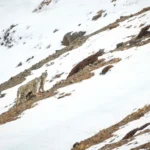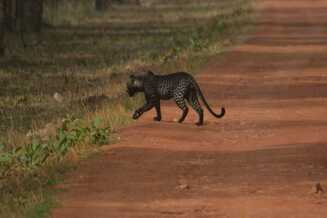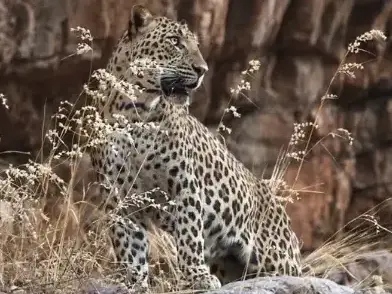
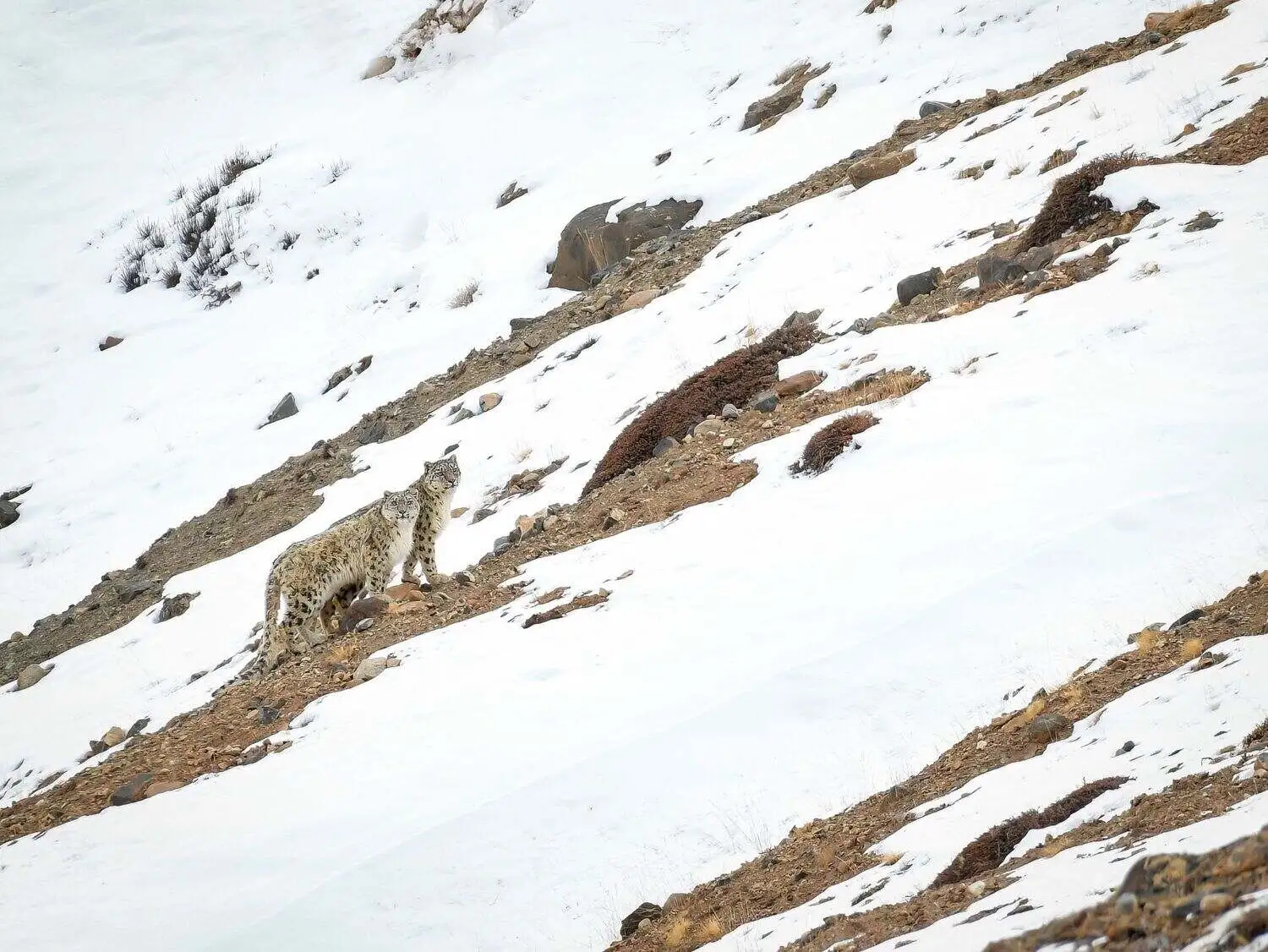
The elusive Snow Leopard, a ghost of the mountains. Its thick, camouflaged coat allows it to blend seamlessly into the snowy landscapes of the Himalayas. With its powerful limbs and sharp claws, it's a formidable predator, capable of leaping incredible distances to capture prey. Yet, despite its prowess, the Snow Leopard remains one of the world's most endangered big cats.
Basic Information
The biological name of this high-altitude mountain cat is Panthera Uncia, which comes under the Felidae family.
| Feature | Details |
|---|---|
| Scientific Name | Panthera uncia |
| Family | Felidae |
| Common Names | Snow Leopard, Mountain Ghost |
| Length | Around 90–115 cm, excluding the tail |
| Weight | Around 25–55 kg |
| Habitat | High-altitude mountains, alpine meadows and rocky terrain |
| Distribution in India | Ladakh, Jammu & Kashmir, Himachal Pradesh, Uttarakhand, Sikkim and Arunachal Pradesh |
| IUCN Status | Vulnerable |
| Lifespan | Around 10–12 years in the wild |
Physical Characteristics of Snow Leopard
The snow leopard has a compact body, thick fur and strong legs suited to high-altitude mountain terrain. Its long, thick tail helps it balance on steep slopes and also provides warmth in cold weather. Large, fur-covered paws help it walk over snow and rocky ground.
| Characteristic | Details |
|---|---|
| Body Length | 90–115 cm |
| Weight | 25–55 kg |
| Tail Length | 80–105 cm |
| Coat | Thick grey to smoky-white fur with dark rosettes |
| Paws | Large and covered with fur |
| Lifespan | Around 10–12 years in the wild |
| Litter Size | 1–5 cubs |
The Ghost of the Mountains
Snow leopards live in some of the most difficult terrain in the world to reach. Their grey and smoky-white coat blends with rocks, snow and mountain slopes. They also live at low densities across large areas, which makes sightings uncommon.
Why Are Snow Leopards So Difficult to Spot?
Snow leopards are difficult to find for several reasons:
- Rocky terrain: They live among steep slopes, cliffs, ridges and rocky valleys where they can remain hidden.
- Camouflaged coat: Their fur matches the colours and patterns of rocks and snow, making them hard to notice from a distance.
- Large home ranges: A single snow leopard can use a large area while searching for food and shelter.
- Low population density: Snow leopards occur in small numbers across their mountain range, so encounters are naturally uncommon.
- Remote habitat: Much of their habitat lies in remote high-altitude areas that are difficult to access.
- Low encounter rates: Even in places where snow leopards are regularly recorded, visitors may need several days of searching before getting a sighting.
Adaptations of Snow Leopard
Snow leopards have several physical features that help them survive in cold and steep mountain environments.
- Thick fur: Their dense coat provides insulation against freezing temperatures.
- Large paws: Wide, fur-covered paws help them move across snow and provide better grip on rocky surfaces.
- Long tail: Their thick tail helps them balance while moving across steep slopes. They can also wrap it around their body for warmth while resting.
- Short ears: Small ears reduce heat loss in cold conditions.
- Broad nasal passages: Their nasal passages help warm cold air before it reaches the lungs.
- Powerful hind legs: Strong rear legs allow them to jump across rocky gaps and climb steep slopes.
- Flexible ankles: Flexible ankle joints help them maintain balance on uneven and steep terrain.
- Dense body fur: Thick fur covers much of the body and protects them from cold mountain winds.
These adaptations allow snow leopards to move, hunt and rest in steep mountain landscapes where temperatures can fall well below freezing.
Diet of a Snow Leopard
Snow leopards are carnivores and mainly hunt wild mountain animals. Their diet depends on the prey available in their habitat. They can take down animals several times their own weight when the opportunity arises.
In the Himalayas, blue sheep (bharal) and Himalayan ibex are important prey. Snow leopards also hunt Himalayan tahr, argali, marmots, pikas, hares and other small mammals. They may also eat birds and other smaller animals.
Snow leopards sometimes prey on domestic livestock, especially in areas where natural prey is scarce or where livestock graze near their habitat. Livestock predation can increase conflict between snow leopards and local communities.
What Do Snow Leopards Eat?
Their diet can include:
- Blue sheep (Bharal)
- Himalayan ibex
- Himalayan tahr
- Argali
- Marmots
- Pikas
- Hares
- Small mammals
- Birds
- Domestic livestock
Hunting Techniques and Strategies
Snow leopards are skilled ambush predators. They patiently wait for their prey to come within striking distance, then pounce with incredible speed and power. They have powerful limbs and sharp claws, allowing them to pounce on their prey with incredible force.
Nocturnal Hunting: Snow leopards are primarily nocturnal, hunting under the cover of darkness. This helps them avoid detection by both prey and predators.
Snow Leopard Population in India
India conducted its first nationwide Snow Leopard Population Assessment in India (SPAI) from 2019 to 2023. The assessment estimated 718 snow leopards across the country's high-altitude regions.
The survey covered about 1,20,000 sq km, which represents more than 70% of India's potential snow leopard habitat. Researchers surveyed 13,450 km of trails and used 1,971 camera-trap locations. The cameras remained active for around 1,80,000 trap nights and recorded 241 individual snow leopards.
The assessment covered Ladakh, Jammu and Kashmir, Himachal Pradesh, Uttarakhand, Sikkim and Arunachal Pradesh. Ladakh recorded the highest estimated population with 477 snow leopards.
| State / UT | Estimated Snow Leopard Population |
|---|---|
| Ladakh | 477 |
| Uttarakhand | 124 |
| Himachal Pradesh | 51 |
| Arunachal Pradesh | 36 |
| Sikkim | 21 |
| Jammu & Kashmir | 9 |
The 718 figure remains India's latest official nationwide population estimate. The Government reiterated this estimate in December 2025. It provides a baseline for future population assessments and conservation work.
Snow Leopard Population Assessment India 2.0
India has started SPAI 2.0 to continue monitoring snow leopard populations and their habitats. The first assessment created a national baseline of 718 animals. The new assessment will help forest departments and researchers track population changes and improve conservation planning.
SPAI 2.0 also supports long-term monitoring of snow leopard habitats, prey populations and threats across the Indian Himalayas.
Threats to Snow Leopards
Snow leopards face several threats in their mountain habitat. The main concerns include habitat loss, declining prey, livestock conflict, poaching and climate change.
Human-Wildlife Conflict
Snow leopards sometimes prey on livestock such as sheep, goats and yaks. This can cause losses for local communities and may lead to retaliatory killing.
Decline in Natural Prey
Blue sheep, ibex and other mountain animals are important prey for snow leopards. Hunting, competition with livestock and habitat changes can reduce the availability of natural prey.
Habitat Loss and Fragmentation
Roads, mining, infrastructure projects and expanding settlements can disturb and divide snow leopard habitat. Tourism can also put pressure on fragile mountain areas when it is not properly managed.
Poaching
Snow leopards may be killed for their fur, bones and other body parts. Illegal wildlife trade remains a threat in parts of their range.
Climate Change
Rising temperatures and changing snowfall patterns can affect mountain habitats, prey availability and water sources. These changes may also push human activities further into snow leopard habitat.
Free-Ranging Dogs
Free-ranging dogs can compete with wild animals and may transmit diseases to snow leopards and their prey, especially around villages and tourist areas.
Snow Leopard Conservation in India
India protects snow leopards through species-focused programmes, population monitoring and community-based conservation across the Himalayan landscape.
Project Snow Leopard
Project Snow Leopard is India's main species-focused conservation programme for snow leopards. It focuses on protecting snow leopard habitat, conserving natural prey and reducing human-wildlife conflict.
Snow Leopard Population Assessment in India (SPAI)
SPAI provides information on snow leopard numbers and distribution across the Indian Himalayas. The first nationwide assessment estimated 718 snow leopards in India and created a baseline for future monitoring.
SECURE Himalaya
The SECURE Himalaya programme supports conservation of high-altitude Himalayan ecosystems while also supporting local communities and sustainable livelihoods.
Community-Based Conservation
Local communities play an important role in snow leopard conservation. Measures such as predator-proof livestock pens, better livestock management and community conservation programmes can reduce livestock losses and retaliatory killing.
India's snow leopard conservation is guided by Project Snow Leopard and National Snow Leopard Ecosystem Protection Priorities, along with landscape-level and community-based measures.
International Conservation
Organisations such as the International Snow Leopard Trust also support research, community conservation and snow leopard protection across the species' range.
Snow Leopard vs Indian Leopard
| Feature | Snow Leopard | Indian Leopard |
|---|---|---|
| Scientific Name | Panthera uncia | Panthera pardus fusca |
| Habitat | High-altitude mountains | Forests, grasslands, hills and scrub |
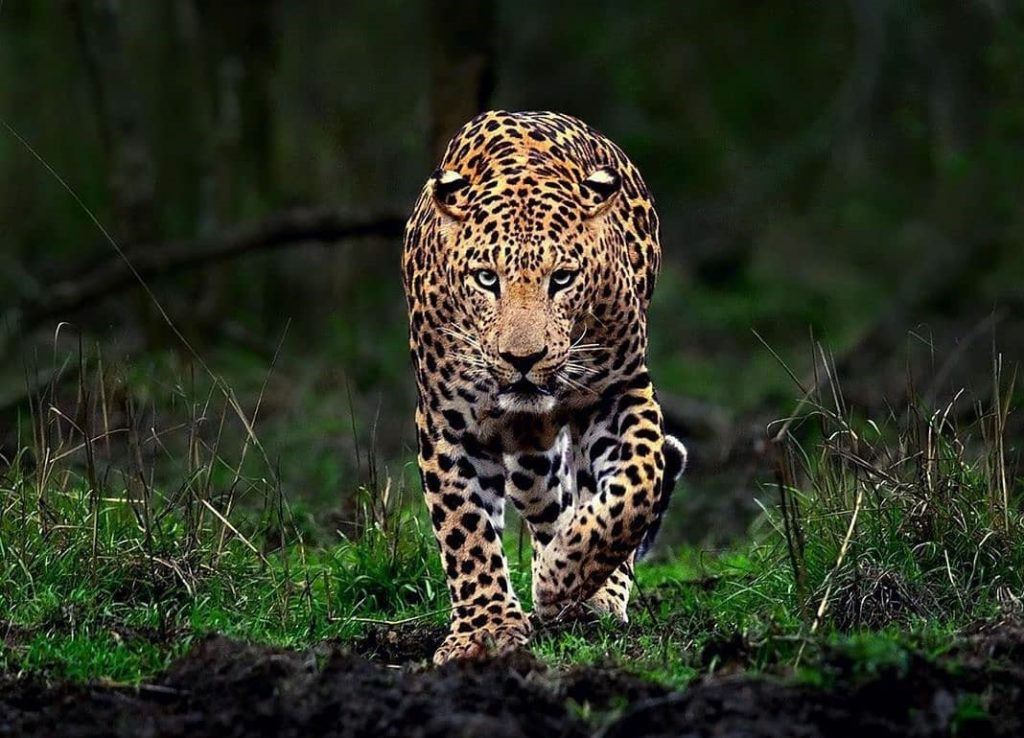
| Coat | Grey with dark rosettes | Golden/yellow with dark rosettes |
| Tail | Very long and thick | Long but thinner |
| Range in India | Himalayan regions | Large parts of India |
| Main Prey | Bharal, ibex and other mountain prey | Deer, wild boar, monkeys and smaller animals |
Interesting Facts About Snow Leopards
- Snow leopards cannot roar like lions or tigers. They can growl, hiss, yowl and make other vocal sounds.
- Their long tail acts like a balance pole. It helps them move across steep, rocky slopes and can also wrap around the body for warmth.
- Their paws work like natural snowshoes. Large, fur-covered paws spread their weight over snow and provide grip on rocky ground.
- Snow leopards have powerful hind legs. They can leap several metres across gaps and steep slopes while hunting.
- Their coat provides excellent camouflage. The grey and smoky-white fur blends with rocks, snow and mountain terrain.
- Snow leopards live at high altitudes. They can occur at elevations above 5,000 metres in parts of their range.
- They can kill prey several times their own weight. Snow leopards are capable of taking animals such as Himalayan ibex and bharal.
- Their nose helps them cope with cold air. Wide nasal passages help warm and humidify the air before it reaches the lungs.
- A snow leopard's tail can be almost as long as its body. The thick tail helps with balance and provides extra warmth in cold conditions.
Where to See Snow Leopards in India
Snow leopards live across the high-altitude regions of the Indian Himalayas. Some of the better-known areas for snow leopard sightings include:
- Spiti Valley - Kibber: Kibber and the surrounding valleys are well-known areas for winter snow leopard sightings.
- Ulley Valley - Ladakh: The valleys around Ulley are popular for snow leopard tracking during the colder months.
- Hemis National Park: One of the important snow leopard habitats in Ladakh.
- Kibber Wildlife Sanctuary: A protected area in Himachal Pradesh with suitable snow leopard habitat.
- Great Himalayan National Park landscape: High-altitude areas around the park provide habitat for snow leopards.
- Other Himalayan areas: Snow leopards also occur across suitable mountain habitats in Uttarakhand, Sikkim, Arunachal Pradesh and Jammu & Kashmir.
Snow Leopard Expedition
Our Snow Leopard Expedition to Spiti and Ladakh focuses on searching for snow leopards in their natural mountain habitat. Sightings are not guaranteed and depend on the season, weather, animal movement and local conditions.
Best Time to See Snow Leopards in India
January to April is one of the best periods for snow leopard sightings in India, with the late winter months often preferred for tracking. In places such as Spiti Valley and Ladakh, snow leopards can be easier to locate as their prey moves to lower and more accessible areas.
Winter conditions can make travel difficult. Heavy snowfall, road closures and extreme cold may affect access to some areas.
Sightings are not guaranteed and depend on weather, prey movement and local conditions.
Frequently Asked Questions About Snow Leopards
Where can I see snow leopards in India?
Snow leopards can be seen in high-altitude areas of Ladakh, Himachal Pradesh, Uttarakhand, Sikkim, Arunachal Pradesh and Jammu & Kashmir. Spiti Valley and Ulley Valley are popular places for snow leopard tracking.
What is the best time to see snow leopards in India?
January to April is one of the best periods for snow leopard sightings. Late winter is often preferred, especially in Spiti Valley and Ladakh.
Where is the best place to see a snow leopard in India?
Spiti Valley in Himachal Pradesh and Ulley Valley in Ladakh are among the better-known areas for snow leopard tracking.
How many snow leopards are there in India?
The first nationwide Snow Leopard Population Assessment in India estimated 718 snow leopards across the Indian Himalayas.
Is it difficult to see a snow leopard?
Yes. Snow leopards are difficult to spot because they live in remote mountain terrain, have excellent camouflage and occur at low population densities.
What do snow leopards eat?
Snow leopards mainly eat wild mountain animals such as blue sheep, Himalayan ibex, Himalayan tahr, argali, marmots and pikas. They may also prey on livestock.
Are snow leopards endangered?
The snow leopard is listed as Vulnerable on the IUCN Red List. It faces threats such as habitat changes, prey decline, livestock conflict, poaching and climate change.
What is the lifespan of a snow leopard?
Snow leopards can live for around 10-12 years in the wild. Some individuals may live longer in captivity.
Are snow leopards active at night?
Snow leopards can be active during both the day and night. Their activity often increases around dawn and dusk.
Can I guarantee a snow leopard sighting?
No. Snow leopard sightings cannot be guaranteed. Weather, snowfall, prey movement, animal behaviour and local conditions all affect the chances of finding one.