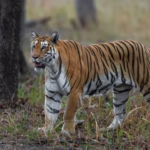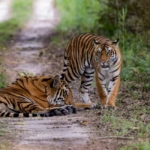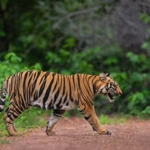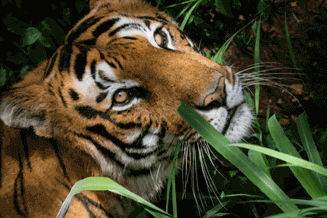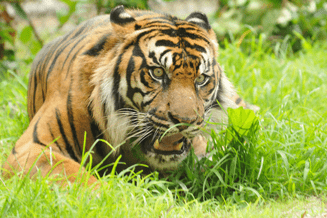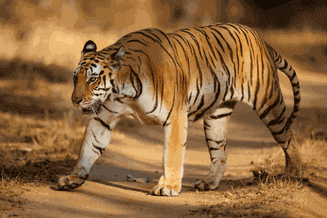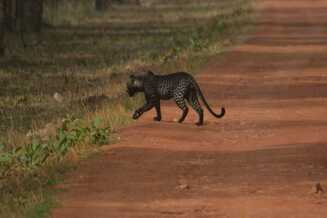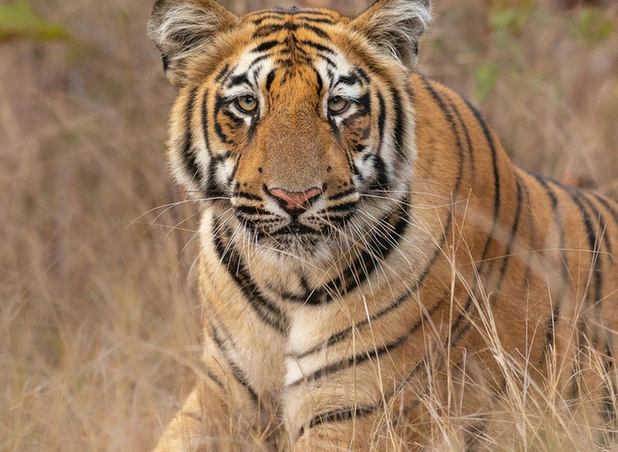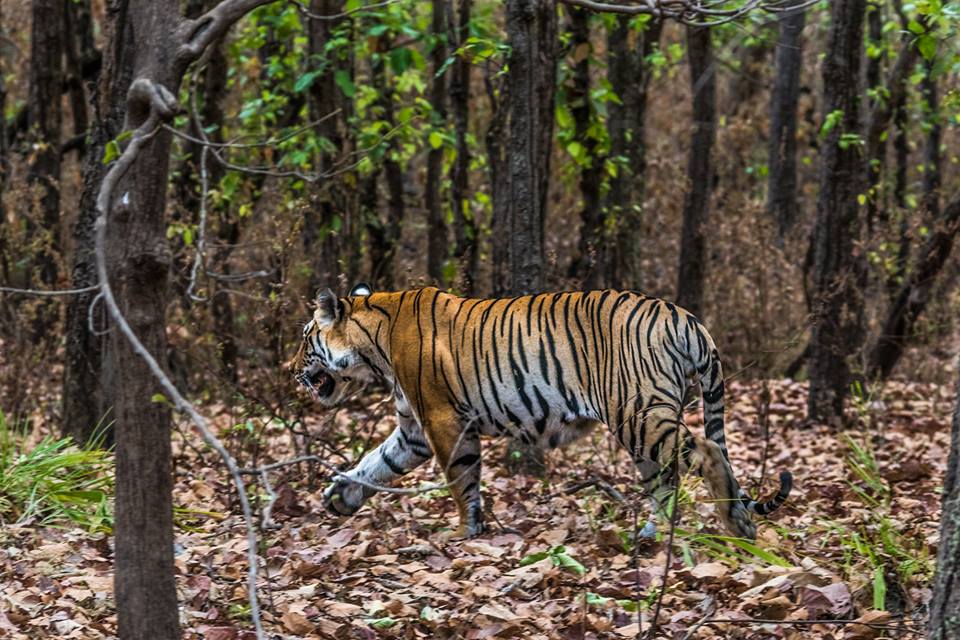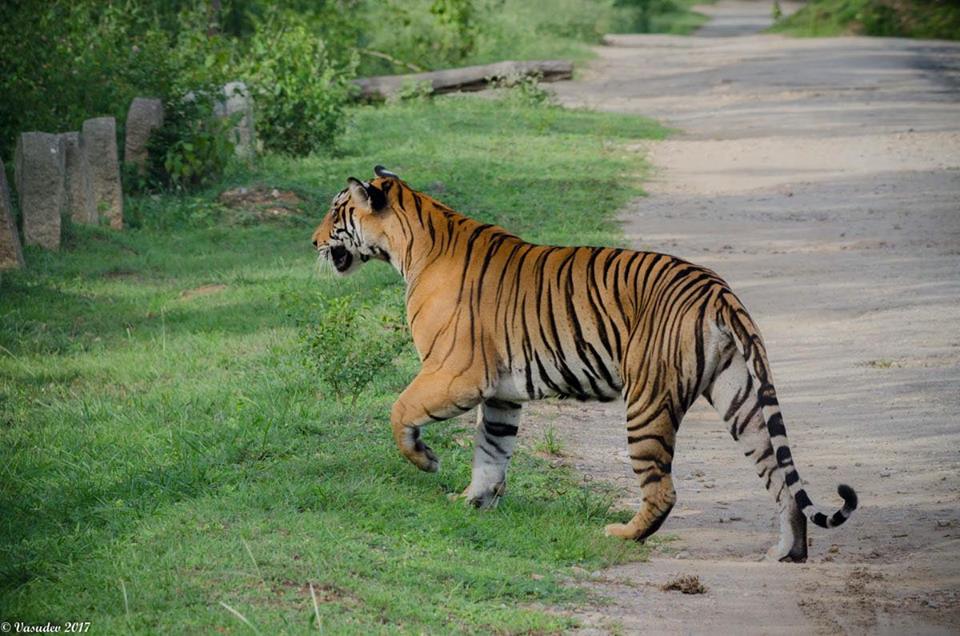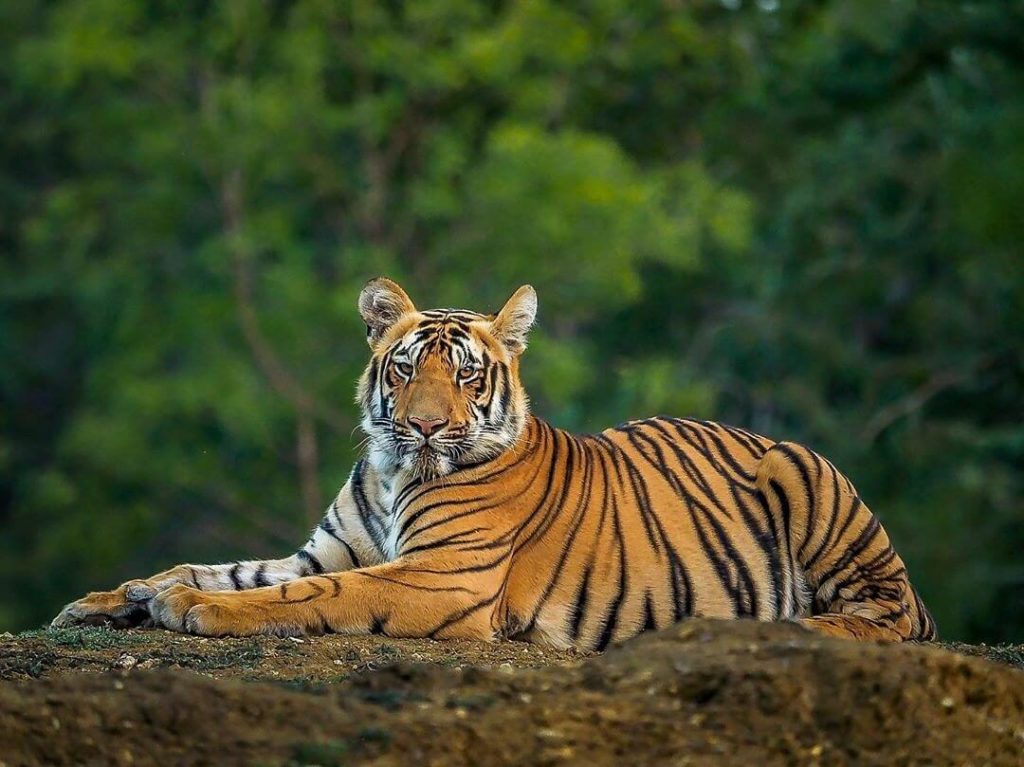
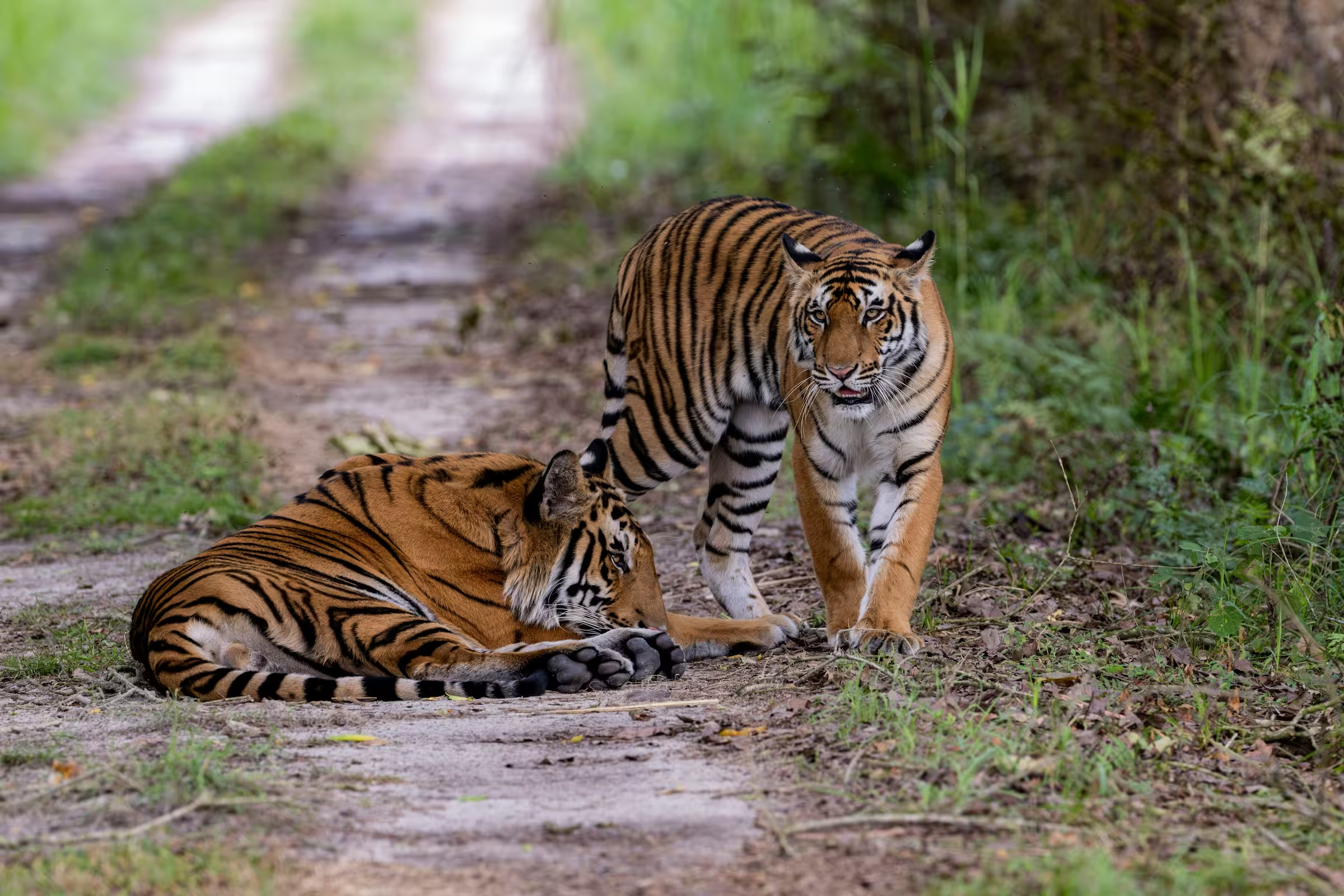
How many hours do tigers sleep? A tiger can spend around 16 to 20 hours a day sleeping or resting, depending on its age, activity, temperature, food supply, and individual behaviour. Adult tigers often rest for long periods after a large meal or an active hunt. A tiger that has spent hours stalking and bringing down prey needs time to recover.
The 16 to 20-hour figure includes resting, dozing, and sleeping, so it does not mean a tiger stays in deep sleep all day. Tigers often change positions, wake briefly, and respond to sounds around them.
This guide explains how long tigers sleep, why they sleep so much, when and where they rest, whether tigers are nocturnal, and why they often rest after eating.
How Many Hours Do Tigers Sleep a Day?
Tigers can spend around 16 to 20 hours a day sleeping and resting, but that figure should not be treated as a fixed daily rule. A wild tiger does not follow a human-style sleep schedule. Its activity changes with temperature, prey availability, hunting effort, age, food intake, and disturbance.
How Long Do Tigers Sleep in 24 Hours?
A tiger may spend most of a 24-hour period lying down, dozing, or sleeping. The commonly cited 16 to 20 hours includes periods of rest, not only deep sleep.
Wildlife researchers observe several states of inactivity. A tiger may sleep with its eyes closed, doze and respond to nearby sounds, or simply lie quietly with its head raised. Active periods include walking, patrolling territory, stalking prey, hunting, feeding, and other movement.
An adult Bengal Tiger that has made a demanding hunt can spend many hours resting afterward. A tiger resting under a tree at noon is still conserving energy, even if it remains alert to sounds and movement nearby.
Do Tigers Really Sleep for 16 to 20 Hours?
Yes, tigers can spend 16 to 20 hours resting or sleeping, but they do not spend all those hours in deep sleep. Their rest occurs in repeated periods throughout the day and night.
A tiger may wake briefly, change position, drink water, respond to another animal, then settle down again. Hot weather can reduce daytime activity, while prey movement can increase activity during cooler periods. Cubs have different sleep needs from adults, and feeding can influence how long an adult rests.
So, the better way to describe tiger sleep is long periods of rest mixed with shorter periods of deeper sleep and activity. The 16 to 20-hour figure describes their overall resting pattern rather than a precise amount of sleep every tiger gets each day.
Why Do Tigers Sleep So Much?
Why do tigers sleep so much? The main reason is energy conservation. Tigers are powerful predators, but hunting demands short bursts of intense physical effort. A tiger needs strength for stalking, chasing, tackling prey, and feeding. Long periods of rest help it recover and preserve energy for the next hunt.
Tigers Need Energy for Hunting
A tiger can spend considerable time tracking prey before making its final attack. The final chase can involve rapid acceleration, jumping, grappling, and overpowering an animal that may weigh more than 100 kg.
This work places heavy demands on the tiger's muscles. After feeding, a tiger often rests for several hours. A large meal can provide energy for days, so there is little reason to waste that energy through unnecessary movement.
Read more about Hunting Techniques of Tiger
Rest Helps Tigers Conserve Energy
Tigers do not hunt every day with the same intensity. A successful kill can provide a substantial food supply, so the tiger can spend long periods resting between active bouts.
Resting also reduces energy expenditure during periods when prey activity is low. A tiger lying quietly in dense vegetation uses far less energy than one walking through its territory. This behaviour helps the animal save its strength for hunting, territorial movements, and other demanding activities.
Hot Weather Can Increase Resting Time
Temperature has a strong effect on tiger activity. During hot afternoons, tigers often seek shade under trees, beside rocks, or in dense vegetation. This reduces exposure to heat and limits unnecessary movement.
In India's summer months, daytime temperatures in tiger habitats can exceed 40°C. A tiger may remain inactive during the hottest hours, then become more active during cooler periods. Water sources can provide another useful place to rest and cool down.
When Do Tigers Sleep?
Tigers do not follow a fixed sleep schedule. They sleep and rest at different times throughout the 24-hour day. Their activity often changes with temperature, prey movement, feeding, and human disturbance. A tiger may rest for several hours during the afternoon, become active around sunset, then rest again later at night.
Wild tigers also adjust their routines to local conditions. A tiger living in a hot forest may avoid activity during the hottest hours. Another tiger may remain active during daylight if prey is nearby. This flexible routine helps tigers balance energy use with hunting opportunities.
Do Tigers Sleep During the Day?
Yes, tigers often sleep and rest during the day. Daytime temperatures can become very high in Indian tiger habitats, especially during April, May, and June. Tigers commonly seek shade under trees, near rocks, or inside dense vegetation.
Resting during hot periods also reduces unnecessary energy use. A tiger that has recently fed has little reason to move around in the midday heat. Safari visitors often see tigers lying quietly in shaded areas during afternoon hours. The tiger may appear asleep, but it can wake quickly after hearing a sound nearby.
Do Tigers Sleep at Night?
Tigers can sleep at night, but they can be active during the same period. Their nighttime behaviour often changes with prey activity, temperature, and recent feeding.
A tiger may spend part of the night walking through its territory, hunting, or searching for water. After an active period, it can settle down and rest again. A tiger that made a successful kill may spend many hours resting near its feeding site.
Are Tigers Nocturnal?
Tigers are not strictly nocturnal. Their activity follows a flexible pattern that can include daytime, nighttime, and the periods around sunrise and sunset.
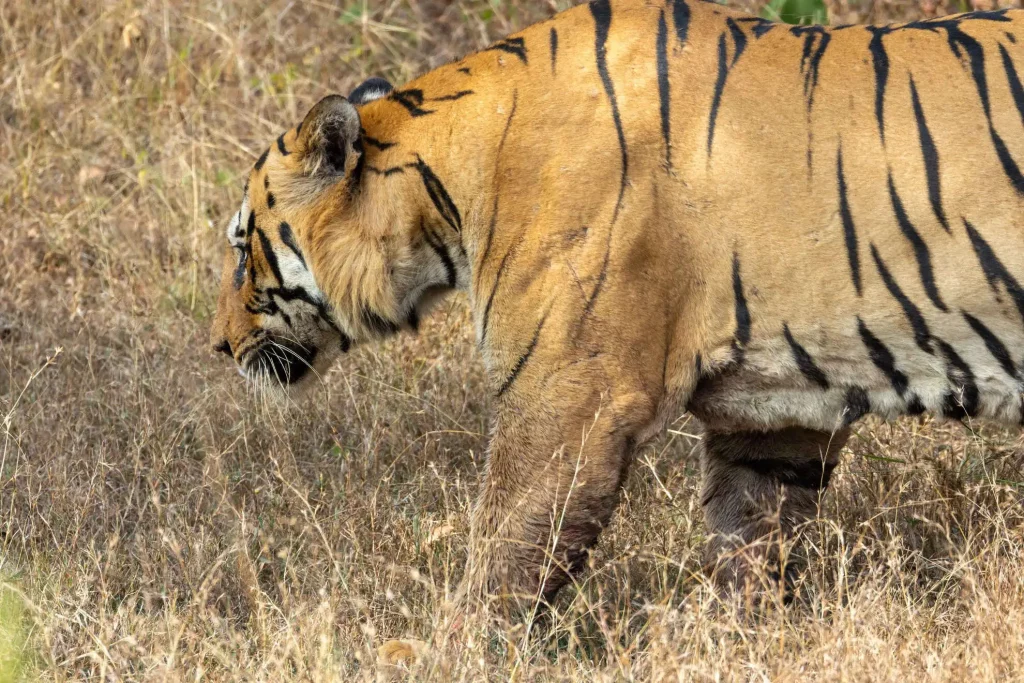
Tigers often show increased activity during cooler hours, which is why they are sometimes described as crepuscular. Prey movement can shift this pattern, and temperature can reduce daytime activity. Human disturbance can change it too. Individual tigers also develop different routines based on their territory, age, food supply, and local conditions.
Where Do Tigers Sleep in the Wild?
Where do tigers sleep? Wild tigers choose resting places that offer shade, cover, comfort, and security. They do not build nests or permanent sleeping shelters. Instead, they use natural features within their territory and often return to suitable resting spots.
The choice can change throughout the day. A tiger may rest in thick vegetation during daylight, move closer to water during extreme heat, or lie beneath trees where shade keeps the ground cooler. Tigers also select locations that allow them to remain hidden from prey, competitors, and people.
Do Tigers Sleep Under Trees?
Yes, trees can provide excellent resting spots for tigers. Their broad canopies create shade and reduce direct exposure to the sun. Ground beneath dense trees can remain cooler than exposed areas.
A tiger may lie beneath a tree for several hours during a hot afternoon. Vegetation around the tree can add cover, which helps the tiger remain less visible while it rests.
Do Tigers Sleep in Tall Grass?
Tigers often use tall grass and dense vegetation as resting cover. Thick grass can hide much of the animal's body from view and provide protection from direct sunlight.
This cover also helps a tiger remain inconspicuous while resting. A tiger lying motionless in tall grass can be surprisingly difficult to spot, even from a short distance. Its striped coat breaks up the outline of its body among shadows and vegetation.
Do Tigers Sleep Near Water?
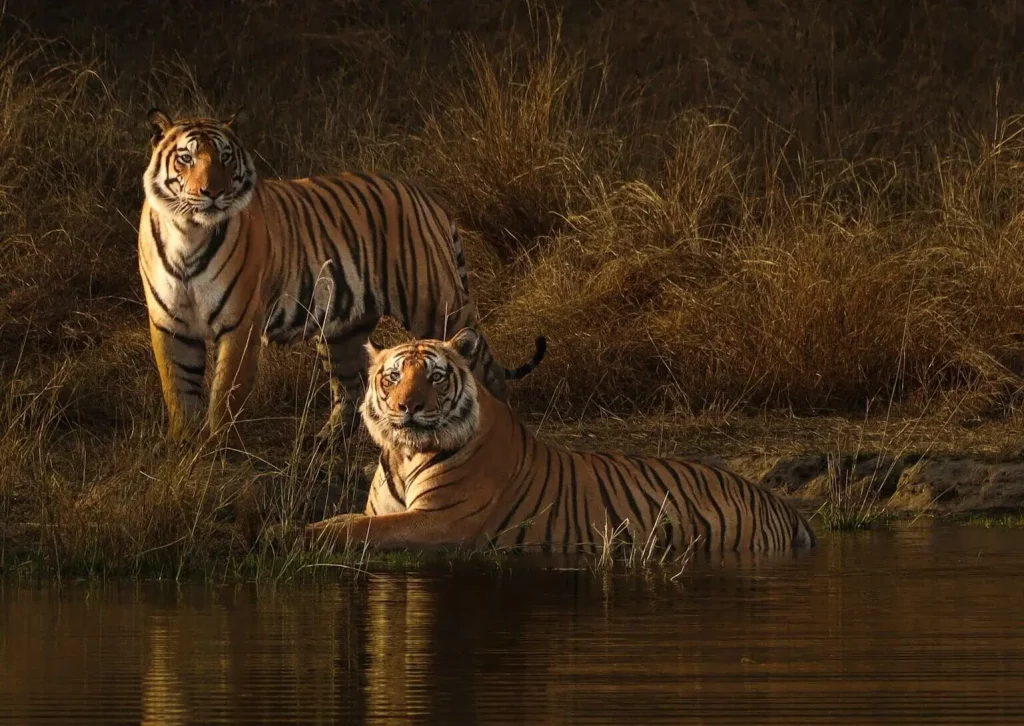
Tigers often spend time near water, particularly during hot weather, but they do not always sleep beside a water source. Rivers, streams, ponds, and artificial waterholes can provide drinking and cooling opportunities.
In India's hotter months, a tiger may rest close to water after drinking or bathing. Some tigers enter shallow water to cool their bodies, then settle nearby in shade. The exact resting location depends on local habitat, temperature, prey movement, and the tiger's individual behaviour.
How Do Tigers Sleep?
How do tigers sleep? Tigers usually sleep or rest while lying on the ground, often in a relaxed position that allows them to conserve energy. They do not need a den or special sleeping structure. Their flexible behaviour lets them rest in shade, grass, forest cover, or other secure areas within their territory.
A sleeping tiger can still respond quickly to nearby sounds or movement. Its ears may move toward unfamiliar noises, and it can wake within seconds if it detects a potential threat. This alertness remains useful for a solitary predator that spends much of its life alone.
Do Tigers Sleep Lying Down?
Yes, tigers usually sleep while lying down. They may stretch their body across the ground, curl their legs beneath themselves, or rest their head on their paws.
Their resting position can change several times during a long rest period. A tiger may stretch out on cool ground during hot weather, then move into deeper shade as the sun shifts. These small changes help the animal remain comfortable without spending much energy.
Do Tigers Sleep Alone?
Adult tigers normally sleep alone. They are solitary animals and usually maintain separate territories, so an adult has no regular sleeping partner.
Tiger mothers are different. A tigress can rest with her cubs, especially during their early months. Cubs stay close to their mother for protection and warmth. As they grow older and become independent, they gradually spend more time resting and moving on their own.
Do Tigers Sleep After Eating?
Yes, tigers often rest for long periods after eating. A large kill can provide a substantial meal, and digestion requires time and energy.
After feeding, a tiger may find a shaded and secure location and remain there for several hours. It may sleep, doze, or lie quietly while its body processes the meal. This post-feeding rest helps the tiger conserve energy for future movement and hunting.
What Affects a Tiger's Sleeping Habits?
A tiger's sleeping and resting pattern changes with conditions around it. There is no fixed schedule that every tiger follows. Age, recent hunting activity, food intake, temperature, prey movement, and human disturbance can all affect how long a tiger rests and when it becomes active.
Age
Tiger cubs spend much of their early life sleeping and resting. Their bodies grow rapidly, so they need plenty of recovery time. Young tigers gradually become more active as they learn to hunt and explore. Adult tigers spend long periods resting between hunting, territorial movement, and feeding.
Hunting and Feeding
A demanding hunt can leave a tiger exhausted, particularly after stalking and overpowering large prey. A successful kill can then provide a large meal. After feeding, the tiger may rest for many hours and reduce movement until it needs to hunt again.
Temperature
Heat can strongly influence tiger activity. During hot afternoons, tigers often seek shade beneath trees or inside dense vegetation. Resting during the hottest hours helps reduce unnecessary movement and limits exposure to high temperatures. In India's summer months, daytime temperatures can exceed 40°C in some tiger habitats.
Prey Availability
Prey movement can change a tiger's activity pattern. Deer, wild pigs, and other prey species often become more active during cooler periods. A tiger may become active when hunting opportunities improve. A shortage of prey can lead to longer periods of rest and less movement across its territory.
Human Disturbance
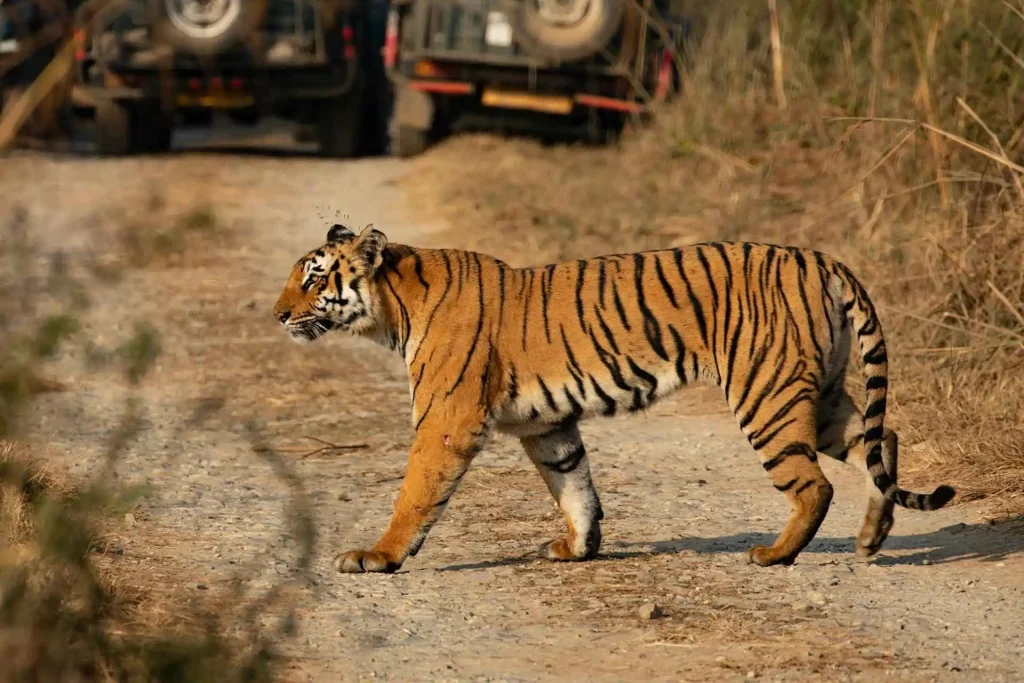
Human activity can affect where and when tigers move. Tigers may avoid areas with frequent vehicle movement, people, livestock, or other disturbance. In protected reserves, individual tigers can adjust their movement patterns around safari routes and busy areas. Their response varies with the level and type of disturbance.
Tiger Sleeping Habits vs Other Big Cats
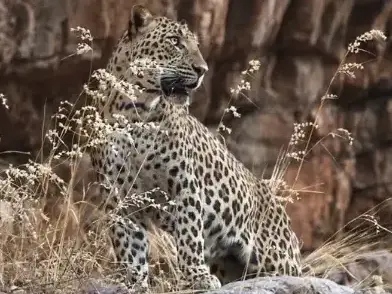
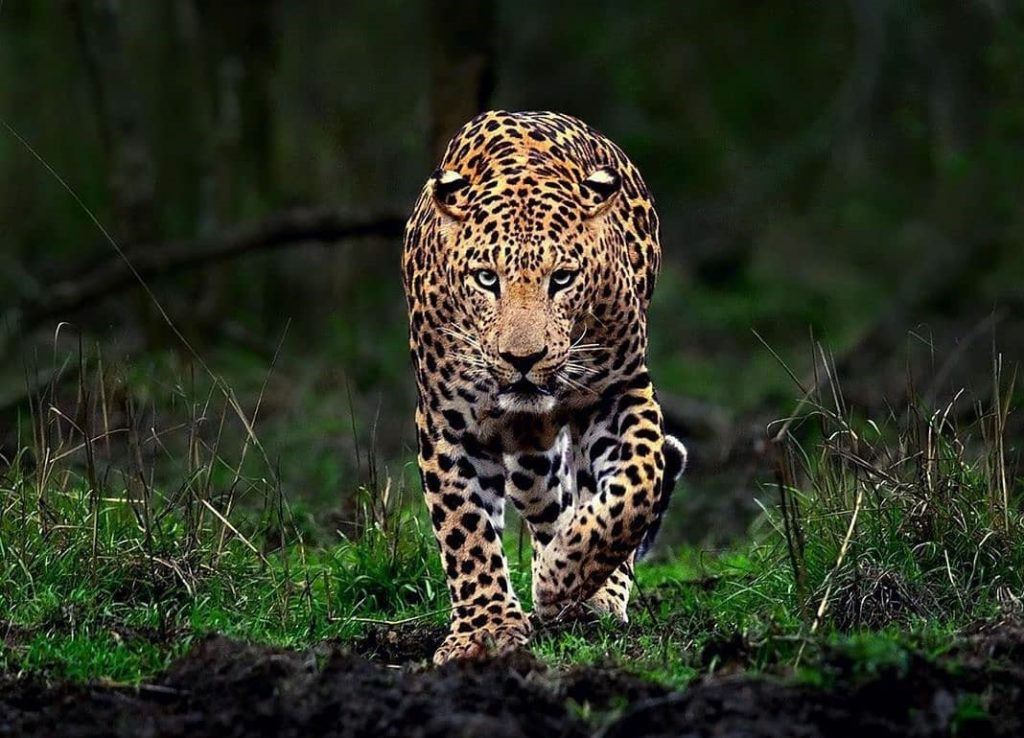
Tigers are not the only big cats that spend long periods resting. Lions, leopards, and cheetahs also conserve energy through extended periods of inactivity. Their daily routines differ based on hunting style, habitat, temperature, prey behaviour, and social structure.
| Big Cat | Typical Sleep/Rest Pattern | Key Behaviour |
|---|---|---|
| Tiger | Long periods of sleep and rest | Often more active during cooler periods |
| Lion | Long periods of rest | Social resting is common |
| Leopard | Long periods of rest | Activity can shift with local conditions |
| Cheetah | Extended periods of rest | Often avoids activity during extreme heat |
Do Tigers Sleep More Than Lions?
There is no reliable rule showing that tigers always sleep more than lions. Both species spend long periods resting between active periods. Lions often rest in groups, while adult tigers usually rest alone. Their routines also change with temperature, hunting activity, food intake, prey movement, and habitat conditions.
Why Big Cats Spend So Much Time Resting
Big cats rely on short periods of intense physical activity during hunting. Stalking prey requires patience, while the final attack can demand considerable strength and speed. Resting helps conserve energy between these demanding activities.
A tiger can travel several kilometres while patrolling its territory, then spend many hours resting. Lions may rest after group hunts, while leopards and cheetahs conserve energy between hunting attempts. Each species adjusts its activity to local conditions and prey behaviour.
Tiger Sleeping Habits and Safari Sightings
Understanding tiger sleeping habits can help safari visitors read a sighting more accurately. A tiger lying under a tree is not necessarily inactive for the entire day. It may be resting after feeding, avoiding intense heat, or conserving energy between periods of movement.
Tiger behaviour also varies from one animal to another. Some tigers move more during daylight, while others show stronger activity during cooler periods. Prey movement, temperature, territory, recent feeding, and human activity can all influence their routine.
Why You May See a Sleeping Tiger on Safari
Seeing a sleeping or resting tiger on safari is completely normal. Tigers spend many hours resting, often in shade or dense vegetation. A tiger may lie quietly for several hours after feeding or following an active period.
Do not assume a resting tiger is unaware of its surroundings. Its ears can respond to nearby sounds, and it can quickly become alert when something catches its attention.
When Are Tigers More Likely to Be Active?
Tigers often become more active during cooler parts of the day. Early morning and late afternoon can provide favourable conditions for walking, patrolling, hunting, or searching for water.
Prey activity can influence these patterns too. Individual tigers follow different routines, so activity can occur at any hour. Morning and evening safari drives can offer opportunities to observe more active behaviour, but no safari can guarantee a tiger sighting.
Visitors planning a wildlife experience can explore our tiger safari in India guide for information about tiger habitats, safari experiences, and viewing opportunities.
Frequently Asked Questions About Tiger Sleeping Habits
How many hours do tigers sleep in a day?
Tigers can spend around 16 to 20 hours a day sleeping or resting. This figure includes periods of dozing and quiet inactivity, not only deep sleep. Actual sleep time varies between individual tigers. Age, temperature, recent hunting activity, food intake, prey movement, and disturbance can all change their daily resting pattern.
Why do tigers sleep so much?
Tigers sleep and rest for long periods to conserve energy. Hunting requires stalking, rapid movement, tackling prey, and feeding. These activities can demand considerable physical effort. Long rest periods help a tiger recover after hunting and preserve energy for its next active period, particularly after consuming a large meal.
Do tigers sleep during the day or at night?
Tigers sleep during both the day and night. They do not follow a fixed schedule. A tiger may rest through a hot afternoon, become active around sunset, then rest again later at night. Temperature, prey movement, feeding, territory patrols, and human activity can all influence when a tiger becomes active.
Are tigers nocturnal?
Tigers are not strictly nocturnal. They can remain active during daylight, nighttime, or the cooler periods around sunrise and sunset. Their activity pattern changes with local conditions. Many tigers show increased activity during cooler hours, but prey availability, temperature, human disturbance, and individual behaviour can shift their routine.
Where do tigers sleep in the wild?
Tigers usually choose resting places that provide shade, cover, and security. They may sleep beneath trees, inside dense vegetation, or in tall grass. Some tigers rest near water during hot weather, but they do not always sleep beside water. Their choice depends on temperature, habitat, prey activity, and the location of their territory.
Do tigers sleep after eating?
Yes, tigers often rest after eating. A successful hunt can provide a large meal, particularly after killing substantial prey. The tiger may then find a quiet, shaded location and remain there for several hours. Resting reduces unnecessary energy use and gives the animal time to digest its meal before another period of activity.
Do tiger cubs sleep more than adult tigers?
Tiger cubs spend a large part of their early lives sleeping and resting. Their bodies grow rapidly, and rest supports physical development. Cubs also remain close to their mother for protection. As they grow, they spend more time exploring, playing, and learning hunting skills, so their activity gradually increases compared with very young cubs.
Final Thoughts on Tiger Sleeping Habits
A tiger can spend much of its day resting, and this behaviour plays an important role in its survival. Hunting demands strength, speed, patience, and repeated bursts of physical effort. Long periods of rest help the animal preserve energy between these demanding activities.
Tiger sleeping habits are flexible rather than fixed. Temperature, age, food intake, prey movement, habitat, and human disturbance can all change when a tiger rests or becomes active. A tiger that sleeps during a hot afternoon may become more active as temperatures fall.
For safari visitors, a resting tiger is still a fascinating wildlife sighting. The animal may be conserving energy, digesting a meal, or simply avoiding the heat. Give it space and observe quietly. Patient wildlife watching offers a better chance to see natural behaviour than expecting constant movement.