Bandhavgarh National Park
Bandhavgarh Tiger Reserve
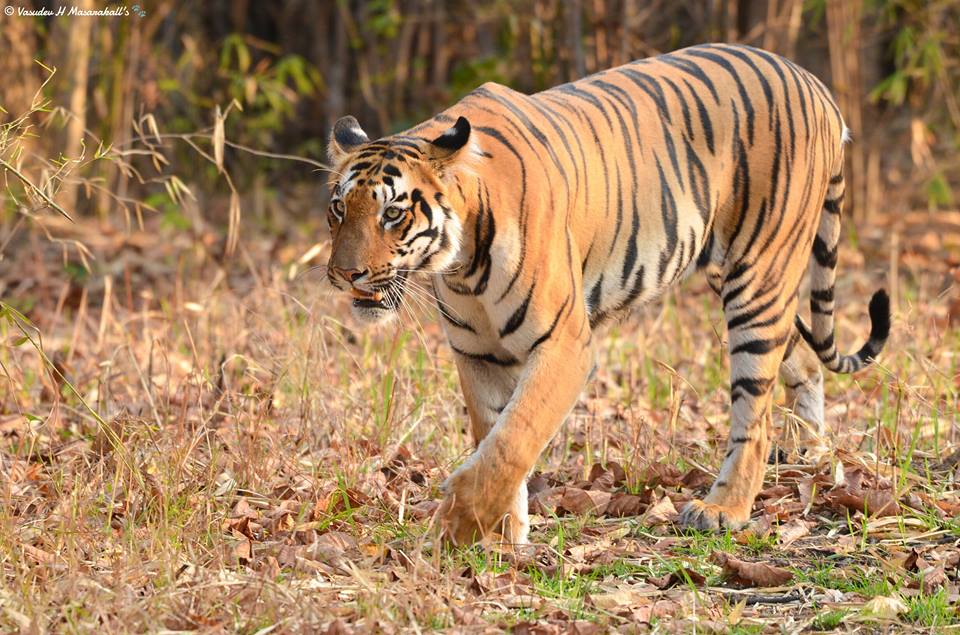
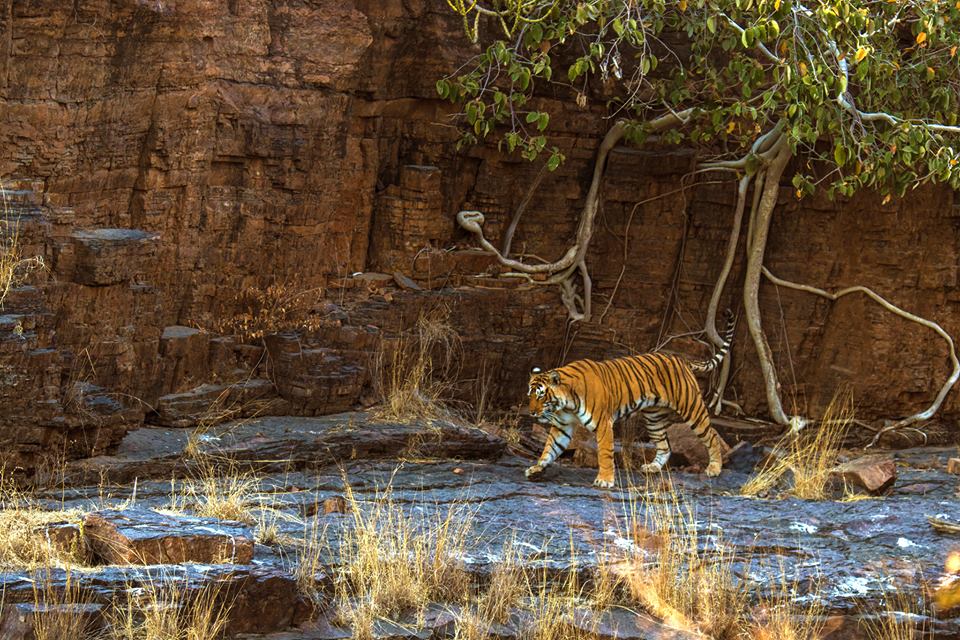
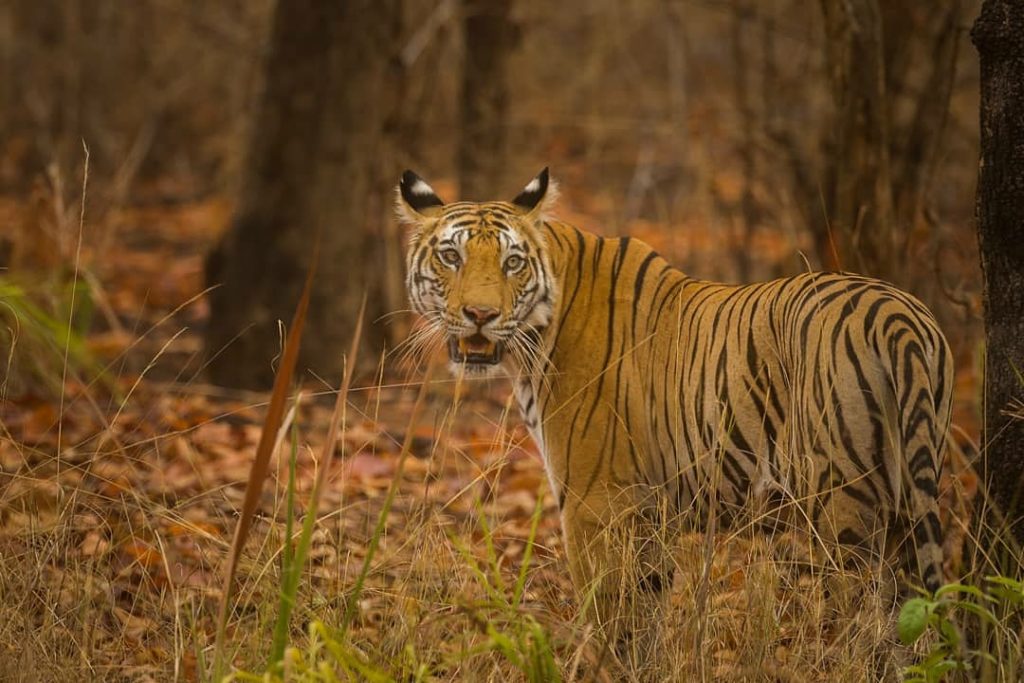
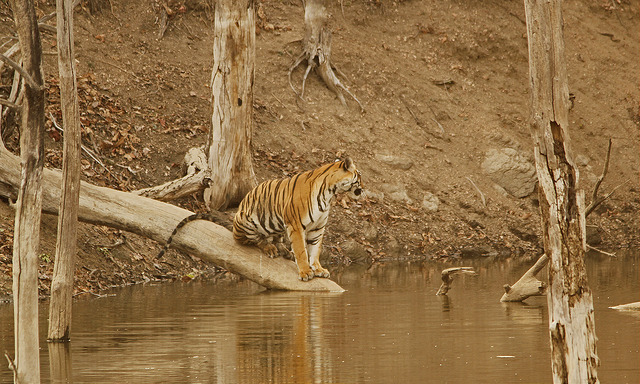
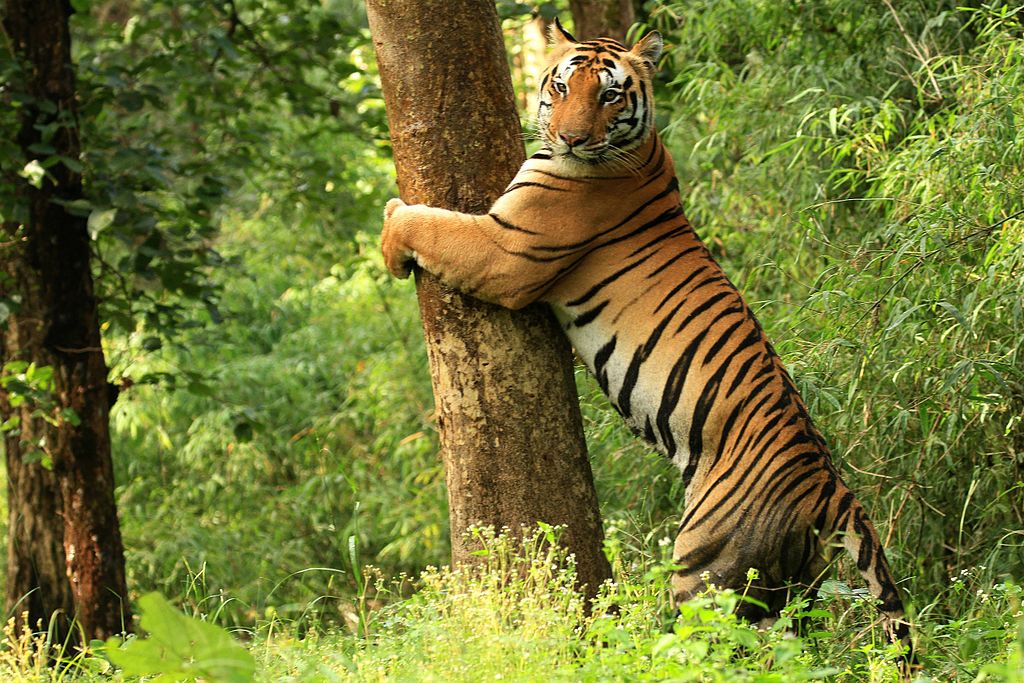
Cushioned in the lap of Vindhya Hills, the Bandhavgarh Tiger Reserve is one of the most visited tiger reserves in India. It is located in the Umaria district of Madhya Pradesh. With an abundant tiger population, rich biodiversity, and scenic beauty, this place has achieved a remarkable reputation for its tiger tours.
Bandhavgarh takes its name from that of the most eminent hillocks around. It is part of the government’s ambitious Project Tiger established with the sole purpose of conserving and propagating the tiger population in India.
1,536.93
sq. km National Park Area
716
sq. km Core Area
1968
National Park Established
1994
Tiger Reserve Declared
Interesting Fact – Bandhavgarh Tiger Reserve
The name ‘Bandhavgarh’ is a concoction of two terms: ‘Bandhav’ meaning brother and ‘Garh meaning fort. A fort of the same name exists within the reserve complex and is believed to be Rama’s gift for his younger brother Lakshman on their way back to Ayodhya.
Bandhavgarh has a mix of sal forests, grasslands, valleys, hills and perennial streams. The reserve also forms the catchment of rivers and streams including the Son, Johila and Umrar, which support its wildlife.
Prime Predators
Big Cats like Bengal Tigers and Indian Leopards are on the top of the food chain in Bandhavgarh
Famous For?
Other than the Tigers, Bandhavgarh is famous for 65ft Long Lord Vishnu’s Sleeping Statue
Major Wildlife
Bengal Tiger, Indian Leopard, Indian wild Dogs, Gaur, Barahsinga, Deers, Nilgai, Varieties of Birds
Protected Land
1,536.93 sq. km forms Bandhavgarh Tiger Reserve, including 716.90 sq. km of core area and 820.03 sq. km of buffer area.
Flora & Fauna in the Park
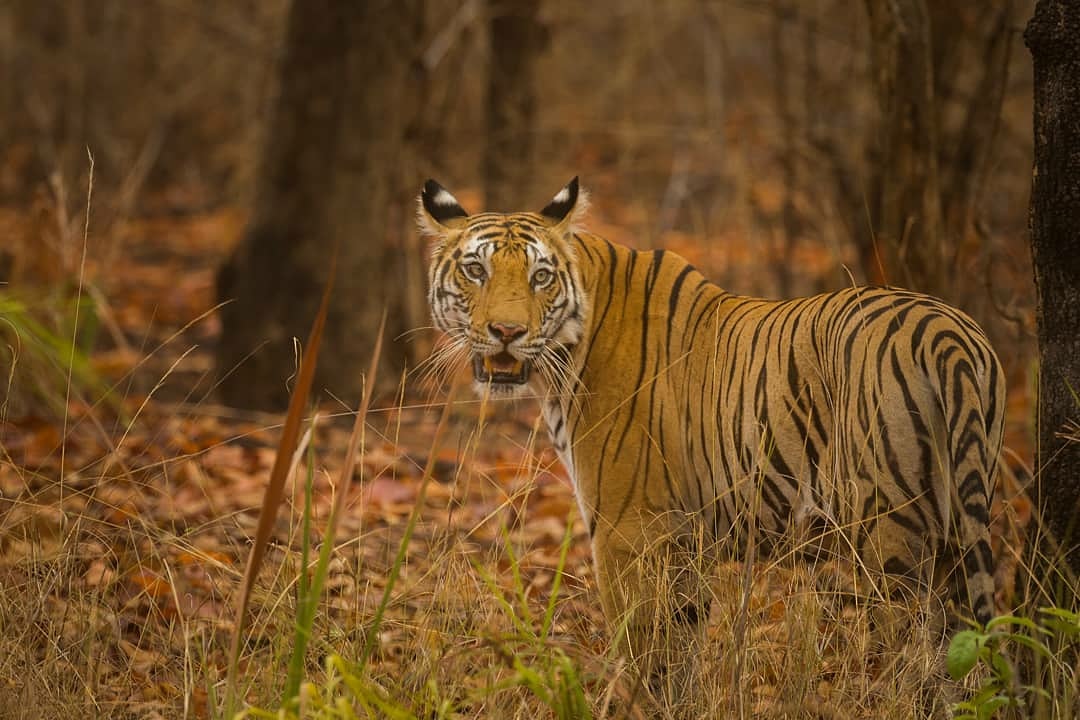
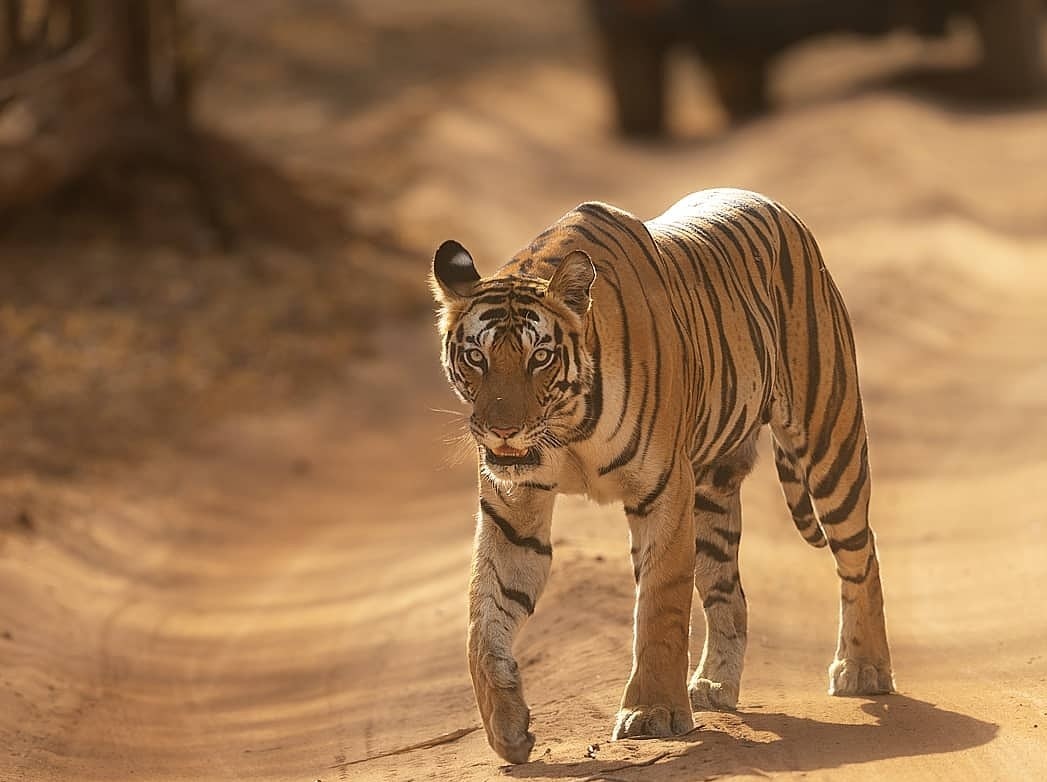
Bandhavgarh is well known for its very diverse wildlife population. It has the highest known density of Bengal Tigers in the world. These big striped cats are at the apex of the food chain here. Below them exist 37 mammals special including Nilgai, Sambar, Chausingha, Spotted Deer, etc.
There are also endangered species like Lesser Adjutant Leptoptilos javanicus and Sarus Crane Grus antigone sighted in the park
Boranical Canopy & Floral Cover
Key Flora & Forest Habitat
The vegetation cover in Bandhavgarh is of dry deciduous type. The place has a moderate climate that supports the growth of several dozens of varieties of plants, shrubs, creepers, and trees. The green cover is impressively floral. Amla, Ber, Dhok, Mango, Banyan, Jamun, Kadam are some trees frequently spotted here.
Bandhavgarh skies remain vibrant and colorful with the presence of more than 250 bird species and 80 varieties of strikingly beautiful butterflies.
Mammals
Apex Predators, felids & prime ungulates
Apex Predators & Carnivores
- Royal Bengal Tiger
- Indian Leopard
- Indian Wild Dog
- Indian Wolf
- Jackal
Forest Herbivores & Small Fauna
- Sambhar deer
- Spotted Deer
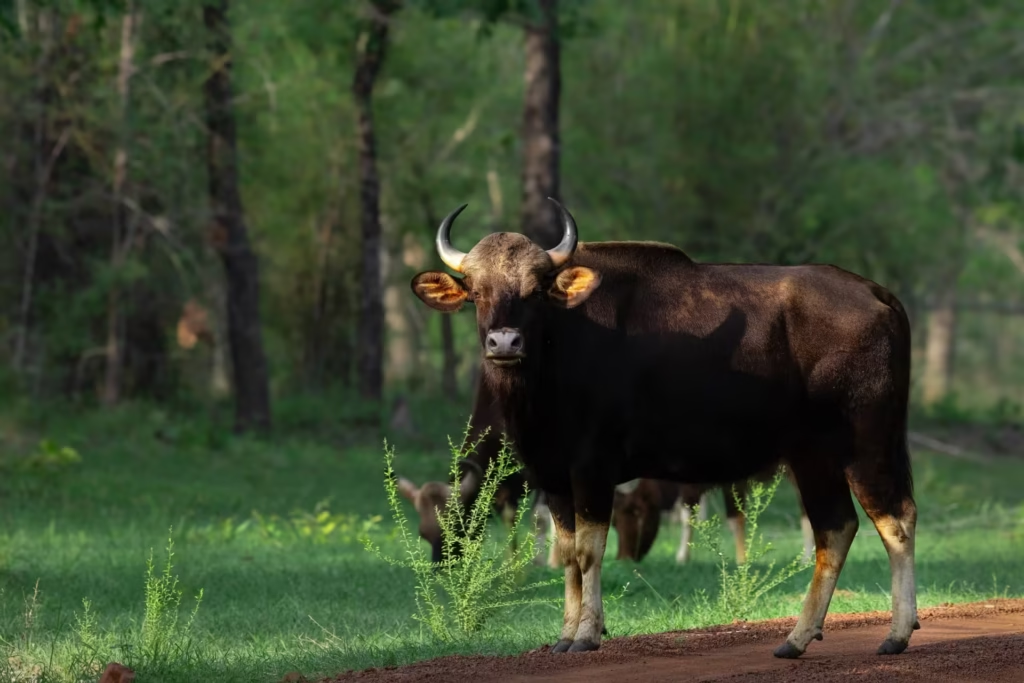
- Bison / Indian Gaur
- Nilgai
- Indian Elephant
Other mammals include Leopards, Sloth Bears, Gaur, Dhole, Sambar, Chital, Barasingha, Wild Boar, Golden Jackal, Indian Fox, and Four-horned Antelope. Reptiles include Indian Rock Python, Indian Cobra, Common Krait, Russell’s Viper, and Indian Monitor Lizard.
Avifauna (Birds)
- Indian Pitta
- Indian Roller
- Racket-tailed Drong
- Mottled Wood Owl
- Peafowl
- Indian Black Ibis
- Asian Openbill
- Indian Scops Owl
- Crowned Woodpecker
- Rufous Treepie
Herpetofauna (Reptiles)
- Indian Rock Python
- Sand Boa
- Checkered Keelback
- Banded Kukri Snake
- Russell’s Viper
- Common Vine Snake
- Common wolf snake
- Spectacled Cobra
- Indian Flapshell Turtle
- Bengal monitor lizard
Safari in Bandhavgarh National Park
Both, Jeep and Elephant Safaris are available at Bandhavgarh. Even though the denizens of the park are now accustomed to both, it is crucial that proximity to them is guided by an expert watcher who is familiar with the ways of the wild.
The safaris are available in the early morning and late dusk. These are relatively cooler parts of the day when animals stroll out of their safe spaces. The forest department makes use of elephants to track tigers. These elephants can then take you directly to tiger-spotting.
Charger – Most famous Tigers of Bandhavgarh Tiger Reserve
Bandhavgarh is home to some of the very famous tigers. Charger, so named because of his habit of charging at elephants, was the first popular male tiger that lived here in the 1990s. He was the second most photographed tiger in the world and had made an appearance on the cover of National Geographic. His partner was the tigress Sita. Almost all tigers in Bandhavgarh today are descendants of Charger and Sita.
Their immediate next generation of Joita, Langru, and B2 kept well with the tradition of moving close to tourists and being photographed. Charger died in the year 2000.
In recent times, Bamera has been the most prominent tiger in Tala zone of Bandhavgarh. Blue Eyes and Mukunda are dominant males in Magdhi and Khitauli Zones.
Open Jeep Safari
Enjoy sighting the wildlife from closer while taking the wind on your body in an open jeep safari. You may even see a tiger blocking your path sitting in the middle of the road staring at you. Sounds like a victory for a tiger enthusiast, right?
You will have to book your vehicle separately from your Jungle Permit if you are booking directly from the official website. But, if you book via Big Cats India, we take care of everything.
Canter Safari
Canter Safari is also available for larger groups of up to 16 members. It is a thrilling experience to witness together the diverse flora and fauna while travelling through the canter. These safaris are available in the mornings and evenings.
Canter Safaris are available in Bandhavgarh during selected periods
Tiger Safari Timings
Morning safaris usually start between 5:30 AM and 6:30 AM and last around 3 to 5 hours. Evening safaris begin between 3:00 PM and 3:30 PM and continue until sunset.
Just remember: Timings may vary slightly by season and zone, so it’s best to confirm when booking.
Safari Zones or Gates
The reserve is divided into three core zones: Tala, Magdhi, & Khitauli. Out of these, the Tala zone is said to have the largest variety of wildlife. Tigers are also more frequently spotted here.
Buffer Zones of the parks include Dhamokhar, Johila & Panpatha.
Tala Zone
Tala Zone (Gate 1) is the most visited zone by tourists as the zone has the highest population of wildlife. Being the largest zone, Tiger sightings are frequent in this zone. The Safari limit is 20-20 for morning and evening safaris.
Magdhi Zone
Adjacent to Tala Zone, Magdhi Zone (Gate 2) is also a popular core zone for big cats sightings. This zone is also adorned by beautiful nature and deep forests. So, you can enjoy your tiger safari in this zone too.
Khitauli Zone
If you are a nature lover or like bird watching, then you may prefer doing a safari in Khitauli Zone (Gate 3). You can also spot tigers in this zone but the frequency is lesser. You need patience and luck to spot a tiger.
Bandhavgarh National Park Zones with Entry Gates
Core Zone
| Zone Name | Entry Gate |
|---|---|
| Tala | Tala Gate |
| Magadhi | Magadhi Gate |
| Khitauli | Khitauli Gate |
Buffer Zone
| Zone Name | Entry Gate |
|---|---|
| Dhamokhar | Parasi Gate |
| Johila | Chechpur / Gajwahi Gate |
| Panpatha | Pachpedi Gate |
Bandhavgarh Safari Tours
Select from our bespoke, budget, or multi-park central India tiger circuits crafted for enthusiasts and photographers.
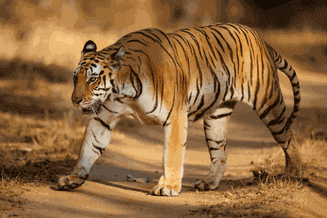
3 Nights / 4 Days
Bandhavgarh Budget Safari
Explore the thrills of wildlife without going wild on your budget with our Bandhavgarh budget package that consist of 4 or 6 safari tour options to give you an amazing experience
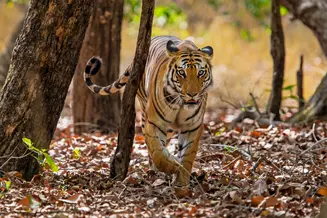
2 Nights / 3 Days
Bandhavgarh Weekend Safari Tour
Explore the thrills of wildlife without going wild on your budget with our Bandhavgarh budget package that consist of 4 or 6 safari tour options to give you an amazing experience
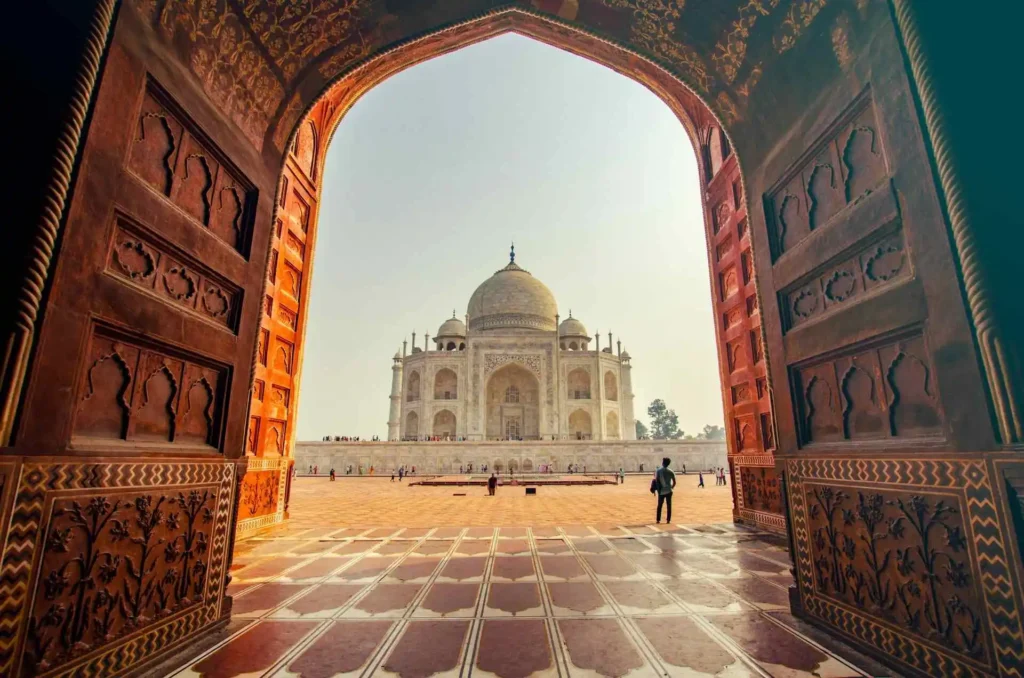
14 Nights / 15 Days
Golden Triangle and Tiger Tour
Discover India’s heritage in Delhi, Agra, and Jaipur, and thrill at wildlife encounters with majestic tigers on the Golden Triangle and Tiger Tour.
Recommended Tour
Bandhavgarh National Park
Travel 4 Days | 1 Park | 6 Safari
Want to join Bandhavgarh Group Tours?
If you are a solo traveler, traveling alone, or a couple, and are planning to join a group safari tour to reduce safari costs, please check out our fixed group tour dates for Bandhavgarh National Park and join the dates that suit you best.
How to book Safari in Bandhavgarh Tiger Reserve
To book an end-to-end safari package in Bandhavgarh National Park including airport transfer, accommodation, meals, and internal transfer, you may contact Big Cats India, or schedule a free discussion with our experts to understand the best safari zone to book, based on your area of interest.
It is advised to plan your safari well in advance to get the best zones for sightings in Bandhavgarh. If you are not sure which gate(s) to choose from, you can contact Big Cats India or message us for any assistance to book your safari in Bandhavgarh.
You can also book Bandhavgarh Safari online from mp tourism website. However, these websites only book your safari permits, not the jeep, accommodation, food and internal transfer to the reserve gates.
Weather in Bandhavgarh
Bandhavgarh National Park experiences diverse weather throughout the year. January and February are cool and dry, with temperatures ranging from 5°C to 25°C (41°F to 77°F). March to June sees the onset of summer, with temperatures rising between 25°C to 45°C (77°F to 113°F). The monsoon season, from July to September, brings heavy rainfall, transforming the landscape into a lush green paradise. Post-monsoon (October to November) offers pleasant weather, with temperatures ranging from 10°C to 35°C (50°F to 95°F). December brings cool and dry conditions, with temperatures between 5°C to 25°C (41°F to 77°F). Each season in Bandhavgarh National Park provides a unique backdrop for wildlife enthusiasts, offering different perspectives on the vibrant ecosystem.
November - February
Bandhavgarh in Winters
Just after the monsoon when the winter season starts in November, the enhanced beauty of Bandhavgarh pleases your eyes. This is why winter is the peak season to visit Bandhavgarh National Park. With freezing cold temperatures & lush grasslands, witnessing nature’s beauty and spotting big cats on sunny mornings is a thrilling experience. What would a nature lover want?
March – June
Bandhavgarh in Summers
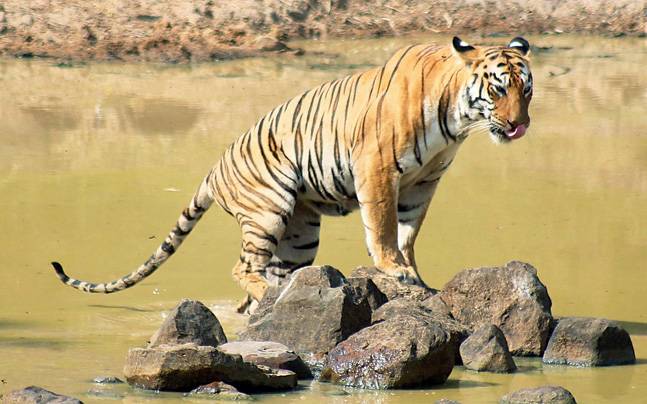
With the temperature rising above 40 degrees Celsius, summer is the perfect season to visit Bandhavgarh Tiger Reserve to spot the big cats near water resources. So, if you can tolerate the excessive heat to capture the best shots of the predators, consider visiting the park between April and May. It would be a great delight for wildlife photographers, right?
July – September
Bandhavgarh in Monsoon
During the monsoon (July – September), the park gets lush green but the core park is not open for tourists. However, safaris can be done in buffer zones.
| Monthly Temperature & Tiger Activity Matrix (°C) | ||||||||||||
|---|---|---|---|---|---|---|---|---|---|---|---|---|
| Metric | Jan | Feb | Mar | Apr | May | Jun | Jul | Aug | Sep | Oct | Nov | Dec |
| Min Temp (°C) | 4 | 8 | 12 | 18 | 22 | 21 | 19 | 18 | 17 | 13 | 8 | 4 |
| Max Temp (°C) | 25 | 28 | 34 | 40 | 42 | 37 | 32 | 31 | 32 | 32 | 30 | 27 |
| Core Gates Status | Open | Open | Open | Peak | Peak | Peak | Closed | Closed | Closed | Open | Open | Open |
Best time to spot tigers at Bandhavgarh National Park
It all depends on three things: Tiger’s mood, the expertise of the guide, and Your patience level. Tiger will come only in the area that has the capability to keep his mood happy. This means the area must have his favorite prey, weather condition, vegetation, and most importantly water holes. Generally, the guide will try to make it easy to take you toward the tiger. His expertise in tracking the pugmarks, droppings, and how well he knows that specific tiger and the safari zone will determine the time to track this big cat. So now, after reading this, you might have come to know that it will take a lot of patience to track the Bengal tiger of Bandhavgarh national park. However, if you are lucky then spotting tigers in Summer might test your patience at a low level as compared to other seasons. Because during the summer, tigers are majorly seen near the water holes as they come there to beat the heat.
How to Reach the Bandhavgarh Safari Park
By Air
Jabalpur and Khajuraho are the closest airports to Bandhavgarh National Park. Jabalpur is a 04-hour drive while Khajuraho is a 05 hours drive from Bandhavgarh Tiger Reserve.
By Road
Bandhavgarh Tiger Reserve is well connected to nearby major towns of Umaria, Satna, Khajuraho, Jabalpur by roads. Both govt. buses and private cabs operate to Bandhavgarh from nearby cities
By Rail
Umaria and Katni are the nearest railway station to Bandhavgarh National Park. Umaria is half an hour drive while Katni is one and half hour drive from Bandhavgarh Tiger Reserve.
| Bandhavgarh National Park’s distance from important cities | |||
|---|---|---|---|
| From | By Air + Road (Hrs) | By Road | By Rail + Road (Hrs) |
| New Delhi | 1.5 Air + 5.00 Road | 11.28 Hrs | 14.5 Rail + 00.35 Mins Road |
| Nagpur | NA | 6 Hrs | NA |
| Khajuraho | NA | 3.5 Hrs | NA |
| Satna | NA | 2.00 Hrs | NA |
| Jabalpur (Nearest Airport) | NA | 2.5 Hrs | NA |
| Varanasi | NA | 5.5 Hrs | 6.5 Rail + 1.5 Road |
| Prayagraj | NA | 4.00 Hrs | 3.5 Rail + 1.35 Road |
| Rewa | NA | 2.5 Hrs | NA |
| Mumbai | 2.00 Air + 3.00 Road | 17.5 Hrs | 16.5 Rail + 1.5 Road |
| Pune | 2.00 Air + 3.00 Road | 16.5 Hrs | 18.00 Rail + 1.5 Road |
| Umaria (Nearest Railway St) | NA | 0.31 Mins | NA |
| Katni (Railway St option) | NA | 1.5 Hrs | NA |
| Distance from other Parks | |
|---|---|
| From | Time to arrive |
| Kanha TR | 4.30 Hour |
| Tadoba TR | 8 Hrs Road |
| Ranthambore TR | 4 Hrs Air + 7 Hrs Road |
| Corbett TR | 3.25 Hrs Air + 6 Hrs Road |
| Pench T | 7.50 Hours |
| Panna TR | 4.5 Hrs Road |
| Gir | 6 Hrs Air + 6 Hrs Road |
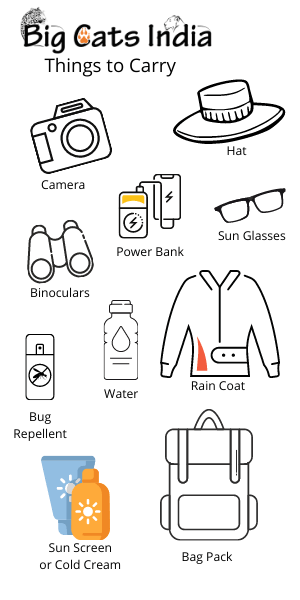
Things you should carry with you
Essential things to carry for your Bandhavgarh Tiger Safari
Your DSLR or Camera to capture your memorable safari moment.
Binoculars to view the wildlife from a safe distance.
Plenty of water to keep you dehydrated on a sunny day.
Hat & Shades to protect from direct sunlight.
Bandanna or Cotton Scarf to cover your face and avoid dust.
Winter wear or jacket if you are doing safari during winters. It really gets cold very quickly after sunsets in Jungle.
Rain Cover to save you and your gears from water during rain.
Some History about Bandhavgarh Tiger Reserve
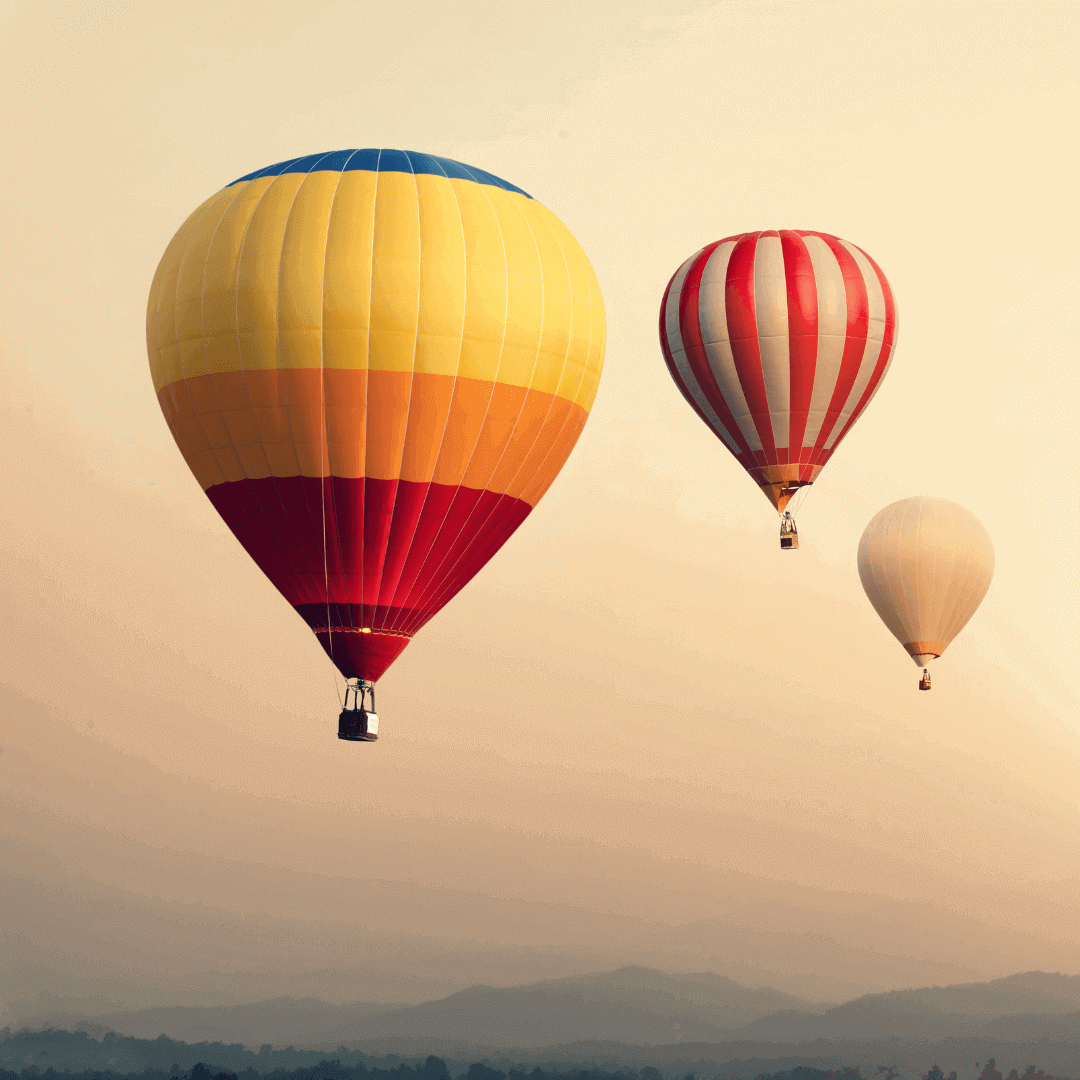
On December 25th, 2020, India’s first Hot Air Balloon Wildlife Safari has been introduced in Bandhavgarh Tiger Reserve. It is the country’s first hot air balloon safari and it would be restricted to the buffer areas of the park only.
It seems that this Hot air balloon wildlife safari will become one of the main attractions at Bandhavgarh Tiger Reserve for wildlife lovers.
News is there that the hot air balloon safari will get introduced soon in the other Tiger Reserve of MP like Pench Tiger Reserve, Kanha Tiger Reserve, and Panna Tiger Reserve.
Why visit Bandhavgarh?
The most and best tiger sightings occur in Bandhavgarh Tiger Reserve. Enjoy the majestic walk of big cats through the wonderful lands of the forest. Have fun by watching it closer on an open jeep or canter safari. You can also see the thrill from the top view through Bandhavagarh hot air balloon wildlife safari.
Bandhavgarh General Info Card
Total Area
1,536 Sq Km
Location
Madhya Pradesh
Notified as National Park
1968
Notified as Tiger Reserve
1994
Nearest Airport
Jabalpur (2.35 Hours)
Nearest Railway Junction
Umaria (31 Mins)
Bandhavgarh Wildlife Info Card
Carnivorous
Tiger, Leopard, Jungle Cat, Indian Wolves
Herbivorous
Sambhar, Nilgai, Chital, Gaur
Omnivorous
Sloth Bear, Rhesus, Mongooses
Birds
250 Species of Birds
Bandhavgarh Tour Info Card
Ideal Tour Length
3N4D or 6 Safaris
Can extend with
Tadpba, Pench, Satpura, Panna
Tour Starting points
Jabalpur, Nagpur, Delhi, Mumbai
Is Tour Customizable?
Yes
Safari Options
Open Jeep, Canter
Do’s and Don’ts of having an awesome Safari experience in Bandhavgarh
The dry months from March to June are good for tiger sightings, as animals often gather near water sources. Summer afternoons can be hot, while winter mornings are cold and require warm clothing.
Bandhavgarh safaris are held in morning and afternoon shifts. Morning drives are cooler and often active, while afternoon drives continue until sunset. Safari timings change with the season, so check the current schedule before your visit.
Advance Booking & ID
Book your safari early, especially during the peak season. Carry the same valid photo ID used for the booking and keep your safari permit with you.
Dress for the Forest
Wear full-sleeve shirts, full-length trousers and comfortable shoes. Carry a hat, sunglasses and sunscreen in summer. For winter morning safaris, carry a warm jacket or extra layers.
Safety technique directive: Never step out of the safari vehicle during the drive unless instructed by authorised forest staff. Follow your guide and driver's instructions, keep a safe distance from wildlife, and avoid loud noises or sudden movements.
Bandhavgarh Tiger Reserve FAQs
Can we visit Bandhavgarh during Summers?
Every season has its own merits, Summers in the most favorable time to visit Bandhavgarh, and the chances to spot a tiger near a water body are more as compared to any other season.
How do I book elephant safari in Bandhavgarh?
Elephant safari has to be booked 24 hours before it begins. You can book it at the ticket counter in the Tala zone. It is the only zone where elephant safari takes place. You will get to explore those areas of the Tala zone which are inaccessible by vehicle.
How long does it take to reach Bandhavgarh from Katni Railway Station?
The drive from Katni Railway Station to Bandhavgarh Tiger Reserve takes about 1.5 to 2 hours, with a distance of approximately 90 km.
How long does it take to reach Bandhavgarh from Umaria Railway Station?
It takes around 36 minutes to 45 minutes to reach Bandhavgarh Tiger Reserve from Umaria Railway Station, covering a distance of about 35km.
How long does it take to reach Bandhavgarh Tiger Reserve from Jabalpur airport?
The drive from Jabalpur Airport to Bandhavgarh Tiger Reserve takes about 3 to 4 hours, covering a distance of approximately 170 km, depending on traffic and the park gate.
How many days are good in Bandhavgarh for wildlife safari?
2 to 5 days are sufficient to have a good wildlife safari in Bandhavgarh national park.
How many tigers are there in Bandhavgarh tiger reserve?
There are more than 70 tigers in Bandhavgarh tiger reserve
Which is the best zone in Bandhavgarh?
Tala zone is the largest core zone in Bandhavgarh having the largest concentration of Bengal tigers. Therefore Bandhavgarh is the best zone in Bandhavgarh.