Dudhwa National Park
Dudhwa Tiger Reserve
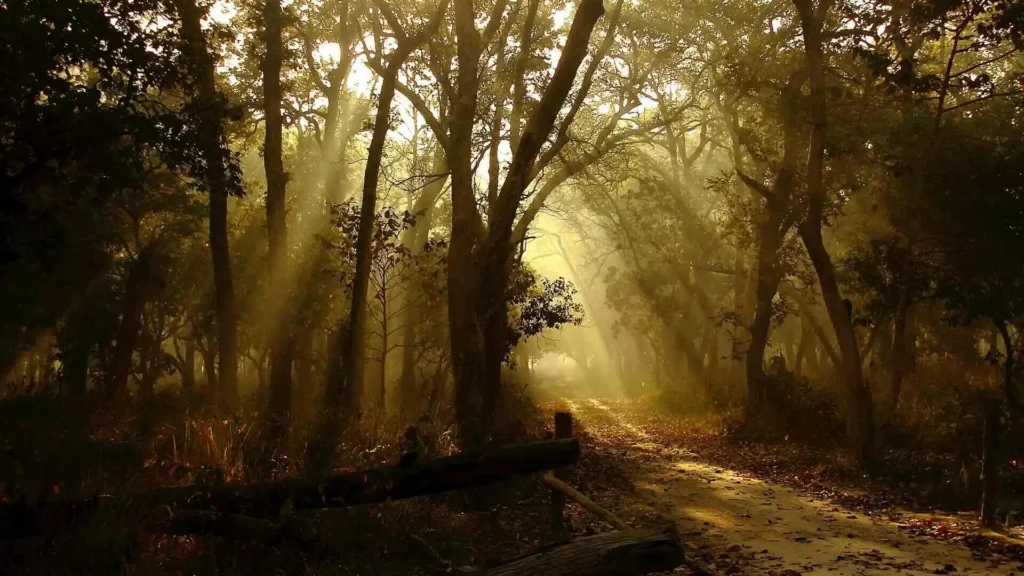
Dudhwa National Park is a big, special place in northern Uttar Pradesh, India. It is like a huge nature playground, covering an area of about 490.3 square kilometers, with 190 square kilometers space in a buffer zone.
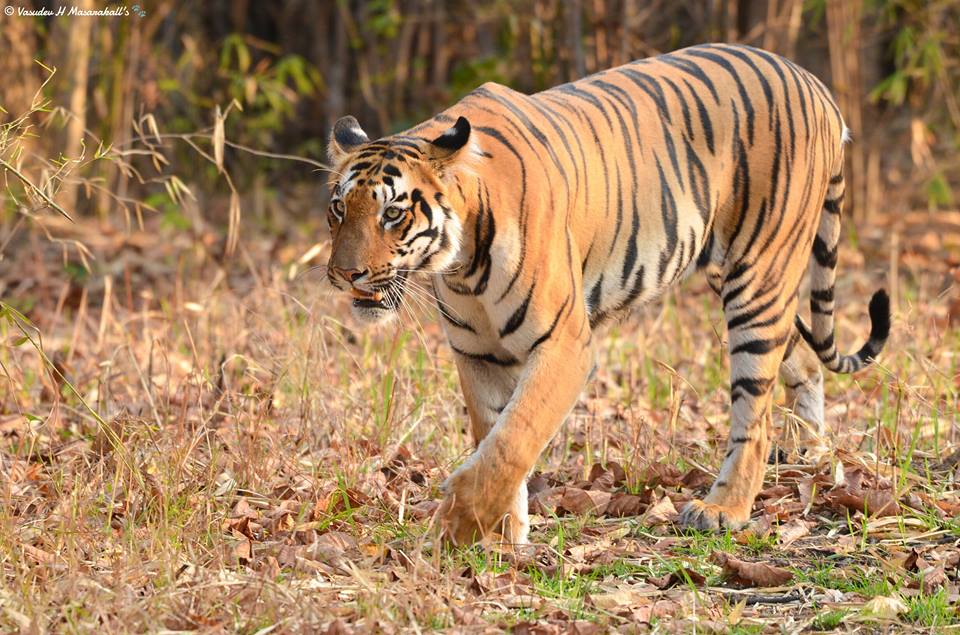
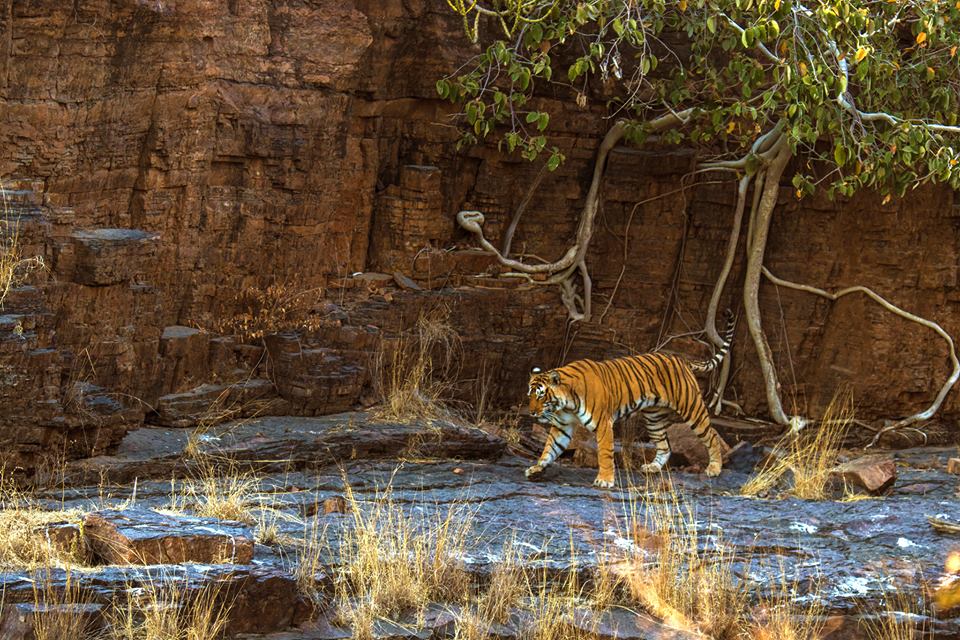
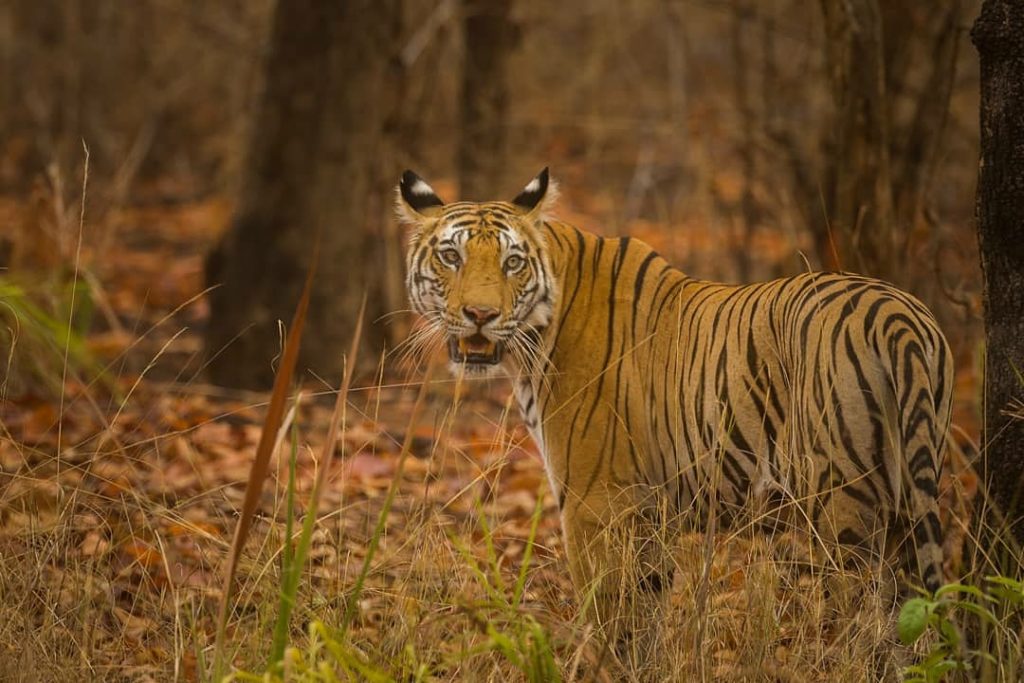
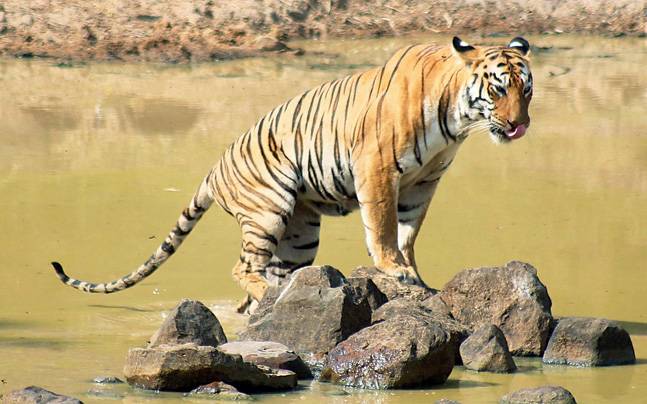
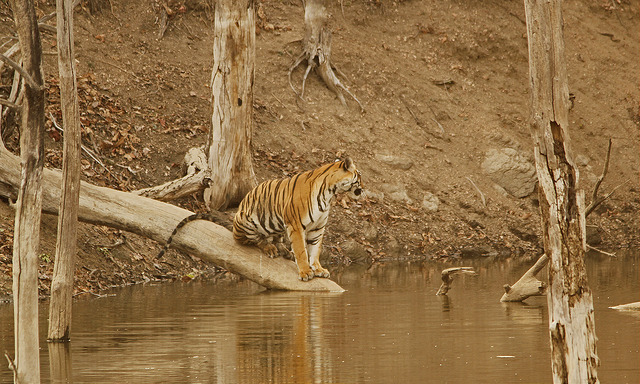
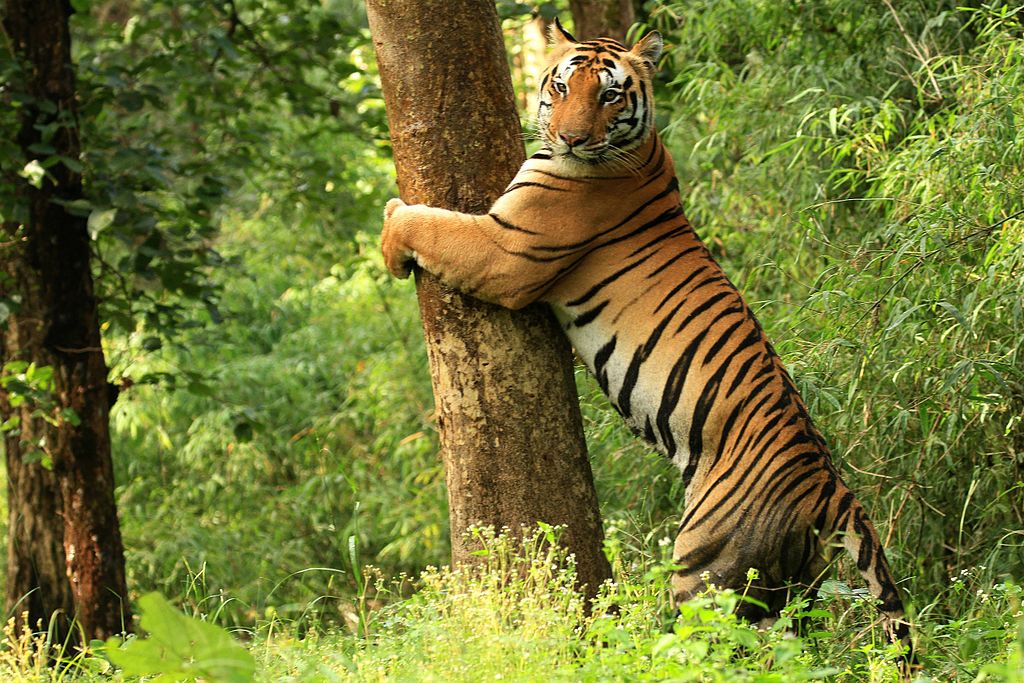
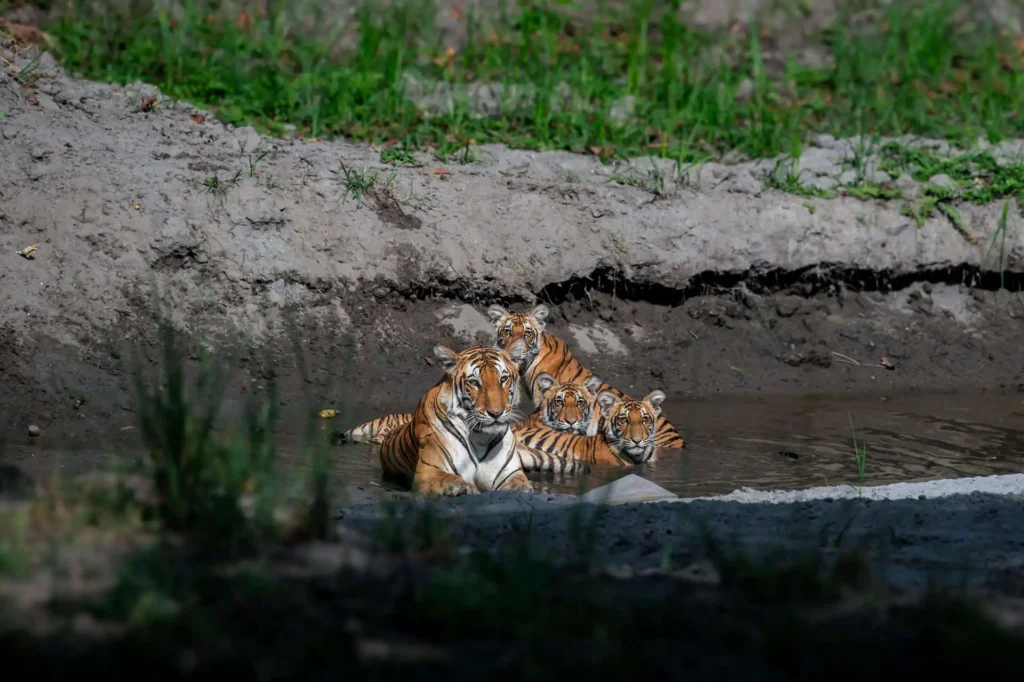
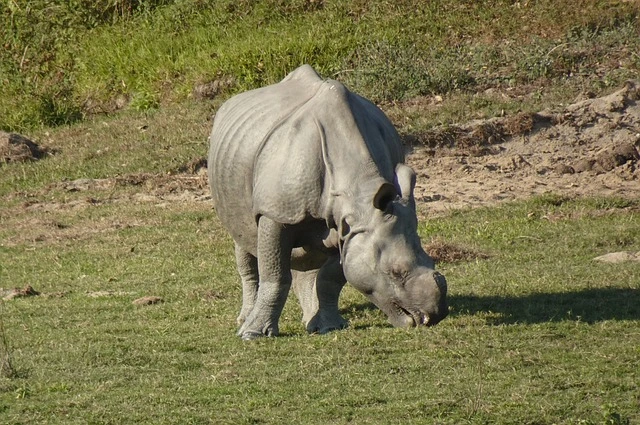
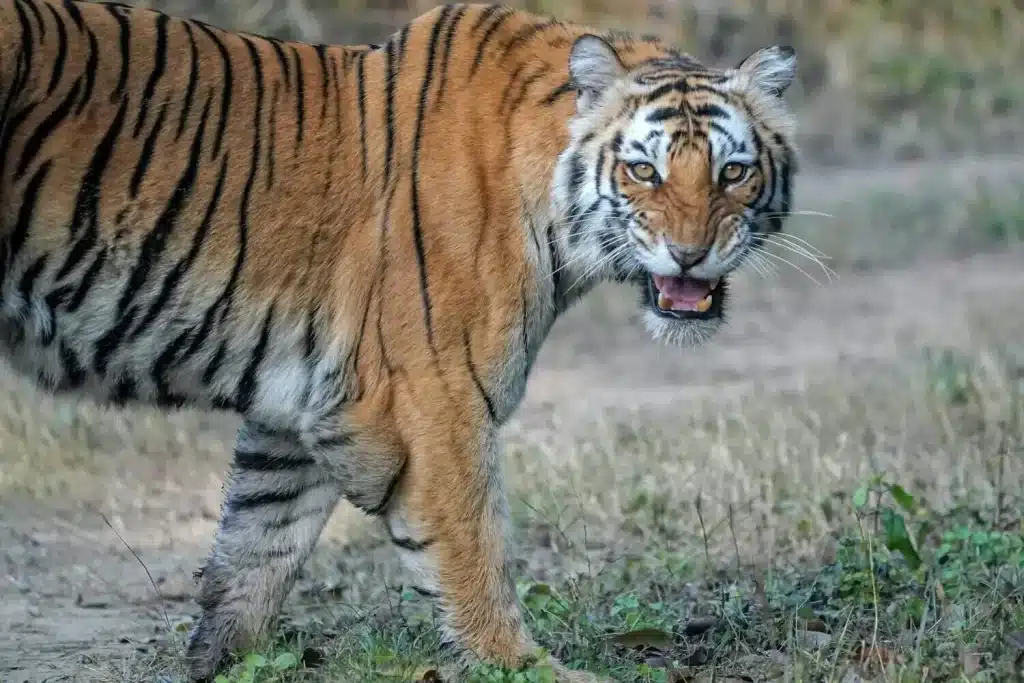
The park is famous for its amazing animals. You can find over 100 types of animals there. The Bengal tiger is the biggest star, a symbol of India’s wildlife. You can often spot these tigers during safaris. Dudhwa also protects the Indian rhinoceros, which is in danger. These big animals can be seen grazing in the grasslands and enjoying the water in the park.Swamp deer, also known as barasingha, are another highlight of the park. Other animals like leopards, sloth bears, and lots of birds live here too. It is a paradise for birdwatchers.
2,201.77
sq. km Total Area
1,093.79
Sq. KM Core Area
1987-88
Tiger Reserve Declared
Uttar Pradesh
Location
Interesting Fact – Dudhwa National Park
The Hindi word “dudh” means “milk,” and it is likely that the name “Dudhwa” was given to the park because of the abundance of milk production in the area.
The reserve supports a viable population of northern swamp deer, and five of India's seven deer species are found here.
Prime Predators
In Dudhwa National Park, the prime predators are the majestic Bengal Tigers and the elusive Indian Leopards.
Famous For?
Dudhwa is a major habitat for tigers in India, with a healthy population and ongoing conservation efforts.
Major Wildlife
Majestic Bengal tiger, single horned rhino, Barasingha, Leopards, elephants, crocodiles , 370 species of birds
Protected Land
Dudhwa Tiger Reserve covers 2,201.77 sq. km, including Dudhwa National Park, Kishanpur Wildlife Sanctuary and Katerniaghat Wildlife Sanctuary.
Flora & Fauna in the Park
Dudhwa is renowned for its majestic Bengal tigers, a symbol of India’s rich wildlife heritage. The park is also home to the Indian rhinoceros, known for its single horned, and the barasingha. The elusive Indian leopard, sloth bears, and over 400 bird species, including the Bengal florican and black-necked stork, add to the park’s charm.
Botanical Canopy & Floral Cover
Key Flora & Forest Habitat
Dudhwa’s landscape boasts Sal forests with tall Sal trees that offer shade to a range of wildlife. Grasslands with Saccharum munja and Imperata cylindrica are grazing grounds for the Indian rhino and barasingha, the stately swamp deer. Wetlands, like marshes and swamps, feature water lilies and lotus. Along rivers, trees like Acacia catechu, Terminalia arjuna, and Syzygiumcumini thrive.
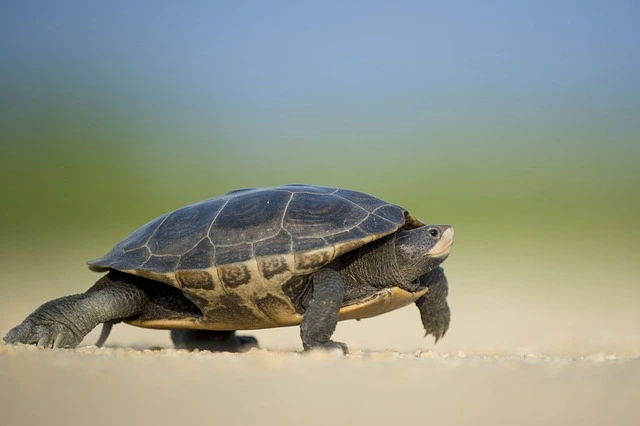
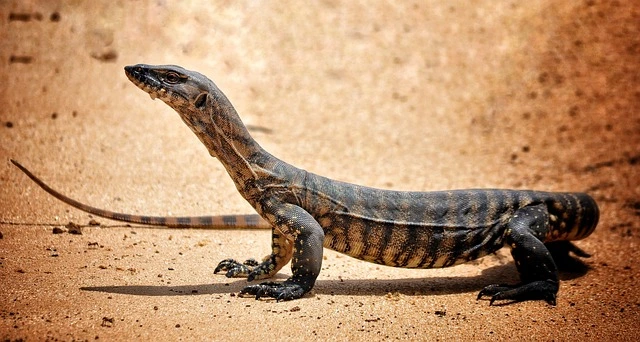
Dudhwa is a haven for reptiles and amphibians, hosting over 20 species of turtles, 15 species of lizards, and 20 species of snakes. Notably, the park safeguards the endangered gharial, a long-snouted crocodile, and the Indian rock python, one of the largest snakes globally.
Mammals
Apex Predators, felids & prime ungulates
Apex Predators & Carnivores
- Bengal Tiger
- Indian Leopard
- Sloth Bear
- Jungle Cat
Forest Herbivores & Small Fauna
- Indian rhino
- Swamp Deer
- Hog Deer
- Elephant
Dudhwa supports elephants, swamp deer, sambar, chital, hog deer, barking deer, nilgai, wild boar, sloth bears, otters, langurs and rhesus macaques. Its wetlands also support gharials, mugger crocodiles, turtles and pythons
Avifauna (Birds)
- Bengal Florican
- Black-necked Stork
- Greater Spotted Eagle
- Paradise Flycatcher
- Emerald Dove
- Indian Roller
- Oriental Pied Hornbill
- Indian Pitta
- Orange-headed Thrush
- Red Junglefowl
Herpetofauna (Reptiles)
- Gharial
- Indian Rock Python
- Monitor Lizard
- Indian Cobra
- Krait
- Common Water Monitor
- Indian Star Tortoise
- Indian Softshell Turtle
- Narrow-headed Monitor
- Indian Turtle
Safari in Dudhwa Tiger Reserve
Going on a safari in Dudhwa National Park is like going on an exciting adventure you will remember forever. You will see lots of different plants and animals.
In Dudhwa, the main way to go on a safari is by riding in an open jeep, just like in other famous parks. These Jeeps let you explore the park’s big grassy fields and dense forests. Plus, you will have a guide who knows a lot about the animals and the park. If you prefer a different kind of adventure, you can also take a Boat Ride. You will glide on the park’s calm rivers and get a close look at the birds and water loving animals.
During your safari, keep a lookout for the famous animals of Dudhwa, like Indian rhinoceros also known as single horned rhinos, majestic Bengal tigers, Asian elephants, Swamp deer (Barasingha) and many other types of deer. And if you love birds, you are in for a treat because Dudhwa is home to over 450 bird species.
Sonu – Famous Tiger of Dudhwa Tiger Reserve
Sonu was one of Dudhwa's well-known tigers and became popular among wildlife enthusiasts for his distinctive appearance and frequent sightings around the reserve's grasslands and forest trails.
Dudhwa has several individually identified tigers that are monitored by forest officials. Their movements and territories change over time, so specific tiger names are less consistently documented than famous individuals from reserves such as Tadoba.
Open Jeep Safari
Open jeeps take visitors through designated safari routes to look for tigers, swamp deer, elephants, rhinos and other wildlife.
You will have to book your vehicle separately from your Jungle Permit if you are booking directly from the official website. But, if you book via Big Cats India, we take care of everything.
Elephant Joy Ride
Elephant rides are available in selected areas of Dudhwa, subject to forest department rules and current conditions. Availability can change based on wildlife movement and visitor safety.
Best for: Exploring grasslands and observing rhinos and other wildlife from designated areas.
Safari Timings
Dudhwa offers morning and afternoon jeep safaris, with timings changing by season. Morning safaris usually start around 6:00–7:00 AM, while afternoon safaris begin around 3:00–4:30 PM and continue until sunset.
Safari Zones or Gates
Dudhwa National Park has several distinctive safari zones, each with its own unique features and wildlife experiences. The core zone in DudhwaNational Park comprises Dudhwa, Kishanpur, Sonaripur whereas the Buffer Zone of the park includes Katarniaghat.
Dudhwa Safari Zone (Central)
The Dudhwa Safari Zone is the most popular one, known for its open grasslands, dense Sal forests, and wetlands that provide a diverse habitat for its wildlife. Here, you can spot the elusive Bengal tiger, majestic elephants, and the one-horned rhinoceros.
Kishanpur Safari Zone (Central)
The Kishanpur Safari Zone extends into the Terai region of Uttar Pradesh and is famous for its dense Sal forests and excellent birding opportunities. You can observe a wide variety of raptors, including the Bengal florican, black-necked stork, and greater spotted eagle. You might also encounter elephants, tigers, and rhinoceros.
Sonaripur Safari Zone (Northern)
Located in the northern part of Dudhwa National Park, the Sonaripur Safari Zone is particularly famous for its one-horned rhinoceros. The grasslands and Sal forests of Sonaripur are well-suited for the rhino population, providing ample grazing and hiding spaces. Along with rhinos, you can also spot elephants, tigers, and a variety of other mammals and birds.
Katarniaghat Safari Zone (Eastern)
Bordering the Sharda River, the Katarniaghat Safari Zone is famous for its riverine ecosystem and opportunities to spot crocodiles, dolphins, and gharials. The lush riparian forests and wetlands provide a haven for these aquatic creatures. You can also spot tigers, elephants, and a variety of mammals and birds.
| Zone Name | Type | Entry Gate |
|---|---|---|
| Dudhwa | Core Safari Zone | Dudhwa Gate |
| Kishanpur | Core Safari Zone | Kishanpur Gate |
| Sonaripur | Core Safari Zone | Sonaripur Gate |
| Katarniaghat | Wildlife Sanctuary / Safari Zone | Katarniaghat / Motipur-Kakraha Gate |
Dudhwa Safari Tours
Select from our bespoke, budget, or multi-park central India tiger circuits crafted for enthusiasts and photographers.
3 Nights / 4 Days
Dudhwa Budget Tour
Explore the wild side of Dudhwa without spending too much. This budget-friendly safari gives you a real taste of jungle life, great sightings, and cozy stays - all at a pocket-friendly price.
3 Nights / 4 Days
Dudhwa-Pilibhit Budget Tour
The Dudhwa-Pilibhit Budget Safari offers an exciting and affordable wildlife adventure, taking you through the lush landscapes of Dudhwa National Park and Pilibhit Tiger Reserve.
9 Nights / 10 Days
Corbett - Dudhwa Tour
Unveil northern India's natural treasures - Corbett's mighty tiger realm, Dudhwa's ancient rhino forests. Spellbinding safaris with seasoned guides.
Recommended Tour
Dudhwa National Park
Travel 4 Days | 1 Park | 6 Safari
Want to join Dudhwa Group Tours?
If you are a solo traveler, traveling alone, or a couple, and are planning to join a group safari tour to reduce safari costs, please check out our fixed group tour dates for Dudhwa National Park and join the dates that suit you best.
How to book Safari in Dudhwa National Park Safari
To book an end-to-end safari package in Dudhwa National Park including airport transfer, accommodation, meals, and internal transfer, you may contact Big Cats India, or schedule a free discussion with our experts to understand the best safari zone to book, based on your area of interest.
It is advised to plan your safari well in advance to get the best zones for sightings in Dudhwa. If you are not sure which gate(s) to choose from, you can contact Big Cats India or message us for any assistance to book your safari in Dudhwa.
You can also book Dudhwa Safari online government website. However, this websites only book your safari permits, not the jeep, accommodation, food and internal transfer to the reserve gates.
Weather in Dudhwa
Dudhwa National Park experiences distinct seasons, offering a diverse range of experiences.
Summers (March to June) are hot and dry, with temperatures ranging from 15°C to35°C.
The monsoon season (July to September) brings heavy rainfall, around 400 mm, transforming the park into a lush green paradise. Humidity levels rise to about 80% during this period.
Winters (December to February) offer a pleasant respite, with mild to cool weather and average temperatures ranging from 15°C to 25°C. Humidity levels drop, making it comfortable for exploration.
The park receives an annual rainfall of around 170 mm, making Dudhwa an attractive destination for year-round visits, each season offering a unique charm.
November - February
Dudhwa in Winters
In winter, Dudhwa National Park is a captivating destination. The weather is pleasant, making it ideal for exploring. This is the time to spot magnificent animals like the Bengal tiger, rhinoceros, and a variety of birds. The park’s beauty in winter is a treat for wildlife enthusiasts and photographers.
March – June
Dudhwa in Summers
Summer in Dudhwa can be warm, but it offers unique opportunities to witness wildlife near water sources. The lush green grasslands become a refreshing oasis for animals like elephants, tigers, and the swamp deer (barasingha). Birdwatching is fantastic during this season, with migratory birds adding to the park’s avian diversity.
July – September
Dudhwa in Monsoon
The monsoon transforms Dudhwa into a lush paradise. While safaris in core zones are closed due to heavy rains, the buffer zones remain open. This is a special time for nature lovers, offering a glimpse of the park’s revival. Witness the park’s lush greenery and the thriving wildlife during the monsoon.
| Monthly Temperature & Safari Activity Matrix (°C) | ||||||||||||
|---|---|---|---|---|---|---|---|---|---|---|---|---|
| Metric | Jan | Feb | Mar | Apr | May | Jun | Jul | Aug | Sep | Oct | Nov | Dec |
| Min Temp (°C) | 5 | 8 | 11 | 17 | 23 | 26 | 25 | 24 | 22 | 16 | 12 | 7 |
| Max Temp (°C) | 27 | 32 | 38 | 43 | 45 | 45 | 40 | 36 | 34 | 34 | 31 | 28 |
| Safari Status | Open | Open | Open | Open | Open | Open | Closed | Closed | Closed | Closed | Open | Open |
Best time to spot Lions at Dudhwa National Park
The best chances of spotting tigers in Dudhwa are usually from March to May, when warmer weather brings wildlife closer to water sources and open grasslands. Morning and late-afternoon safaris offer comfortable conditions and good opportunities for sightings. Dudhwa's tourism season runs from 15 November to 15 June.
How to Reach the Dudhwa
By Air
The nearest airports are Pantnagar Airport (188 km) is domestic airport and Maharaja Bir Bikram Airport also known asAgartala Airport (265 km). You can easily access these airports for air travel to Dudhwa.
By Road
Dudhwa National Park is well-connected by road, with National Highway 30 passing through it. Whether by bus or car, you can reach Dudhwa from cities like Lakhimpur Kheri, Gorakhpur, and Lucknow.
By Rail
The major railway station closest to Dudhwa is Paliakalan, situated around 80 km away. From Paliakalan, you can hire a taxi or take a bus to reach the park. Other railhead options include Lucknow and Bareilly. Choose the mode of transportation that suits your journey preferences and embark on a memorable trip to Dudhwa National Park.
| Gir's distance from important cities | |||
|---|---|---|---|
| From | By Air + Road (Hrs) | By Road | By Rail + Road (Hrs) |
| New Delhi | 1.5 Air + 4.00 Road | 13.5 Hrs | 14.5 Rail + 1.00 Road |
| Nagpur (Nearest Airport) | NA | 1.00 Hrs | NA |
| Mumbai | 1.00 Air + 3.5 Road | 13.00 Hrs | 15.00 Rail + 1.00 Road |
| Bengaluru | 2.00 Air + 2.00 Road | 15.00 Hrs | 19.00 Rail + 1.5 Road |
| Kolkata | 2.00 Air + 3.00 Road | 16.00 Hrs | 9.5 Rail + 1.00 Road |
| Jabalpur | NA | 3.00 Hrs | 9.5 Rail + 2.00 Road |
| Agra | 4.5 Air + 1.5 Road | 11.00 Hrs | 11.5 Rail + 1.00 Road |
| Ahmedabad | 2.00 Air + 1.5 Road | 2.5 Hrs | 19.00 Rail + 1.00 Road |
| Pune | 1.00 Air + 1.00 Road | 11.00 Hrs | 16.5 Rail + 2.5 Road |
| Distance from Other Parks | |
|---|---|
| From | Time to Arrive |
| Bharatpur BS | 8–9 Hrs Road |
| Ranthambore TR | 10–11 Hrs Road |
| Kanha TR | 1.5 Hrs Air + 4–5 Hrs Road |
| Pench TR | 1.5 Hrs Air + 2–3 Hrs Road |
| Tadoba TR | 1.5 Hrs Air + 3–4 Hrs Road |
Things you should carry with you
Essential things to carry for your Dudhwa Wildlife Safari
Your DSLR or Camera to capture your memorable safari moment.
Binoculars to view the wildlife from a safe distance.
Plenty of water to keep you dehydrated on a sunny day.
Hat & Shades to protect from direct sunlight.
Bandanna or Cotton Scarf to cover your face and avoid dust.
Winter wear or jacket if you are doing safari during winters. It really gets cold very quickly after sunsets in Jungle.
Rain Cover to save you and your gears from water during rain.

Some History abou Dudhwa National Park
Dudhwa National Park has this amazing tale that dates back to ancient times. Picture it, a massive wetland in Uttar Pradesh, where tigers and elephants freely roamed. Way back in the 16th century, even the mighty Mughal emperor Akbar couldn’t resist setting up a hunting lodge here.
Fast forward to 1879, the British era, and Dudhwa transforms into the Dudhwa Game Sanctuary, a protected haven. Starting small, it gradually expanded, turning into a hotspot for hunting and sightseeing by the early 20th century.
But then, the mid-20th century hit hard with rising poaching, threatening tigers and other species. Enter the hero of our story, Billy Arjan Singh, who showed up in the 1960s. He waged a relentless battle against poaching, making Dudhwa a national park in 1975. Singh’s teams and programs became the beacon of hope, kickstarting a journey to revive the park’s wildlife.
Why visit Dudhwa?
Visit Dudhwa National Park for an unforgettable adventure into the heart of India’s wildlife. Witness the iconic single-horned rhino grazing in the grasslands, the elusive Bengal tiger prowling through dense forests, and the majestic swamp deer, also known as barasingha, adding grace to the landscape.
Capture pictureperfect moments of diverse bird species, with over 400 winged wonders gracing the skies, making it a birdwatcher’s delight. The landscapes, ranging from lush grasslands to dense forests, provide a breathtaking backdrop for your wildlife encounters.
Whether you are a nature enthusiast, wildlife lover, or adventure seeker, Dudhwa National Park promises an immersive experience, celebrating the beauty of biodiversity and the magic of the wild. Every step in Dudhwa unfolds a new chapter in nature’s grand tale, making it a must-visit destination for those seeking the thrill of the wild.
Dudhwa General Info Card
Total Area
811 Sq. Km
Location
Uttar Pradesh, India
Notified as National Park
1975
Nearest Airport
Pantnagar (188 KM)
Nearest Railway Junction
Paliakalan (80 KM)
Dudhwa Wildlife Info Card
Carnivorous
Bengal tigers, Indian leopards,Jungle cats, Dholes
Herbivorous
Indian elephants, Indian rhinoceroses, Swamp deer
Omnivorous
Sloth bears, Rhesus macaques, Mongooses
Birds
425 Species of Birds
Dudhwa Tour Info Card
Ideal Tour Length
3N4D or 6 Safaris
Can extend with
Corbett, Pilibhit, Ranthambore
Tour Starting points
Delhi
Is Tour Customizable?
Yes
Safari Options
Open Jeep, Canter
Do’s and Don’ts of having an awesome Safari experience in Dudhwa
Dudhwa's forests, grasslands and wetlands support tigers, swamp deer, rhinos, elephants and diverse birdlife. Follow these simple guidelines during your safari.
Advance Booking & ID
Book your safari ahead of time and carry a valid photo ID required for entry.
Protective Clothing
Choose earthy, neutral colours and wear comfortable clothing suited to the season.
Carry Water & Essentials
Carry drinking water, sunglasses, sunscreen and a camera with extra batteries.
Safety technique directive: Stay inside the vehicle, keep noise low and follow instructions from your guide and forest staff.
Dudhwa National Park FAQs
Are there specific zones in Dudhwa for safaris?
Yes, Dudhwa is divided into different safari zones, each offering a unique wildlife experience. Zones include Dudhwa Safari Zone, Kishanpur Safari Zone, Katarniaghat Safari Zone, Sonaripur Safari Zone, and Chuka Tiger Reserve.
How do I book a safari with Big Cats India?
Booking a safari with us is a straightforward process. Simply visit our website, select your preferred destination and safari package, and follow the step-by-step booking instructions provided. It’s quick and easy.
Is canter Safari is available in Dudhwa National Park?
No, Canter Safari is not available in Dudhwa National Park, But you can enjoy open jeep safari, Boat rides and small Elephant joy rides.
What is the best time to visit Dudhwa National Park?
The best time to visit Dudhwa is from December to February when the weather is mild, wildlife is active, and landscapes are stunning. This is considered the park’s peak season.