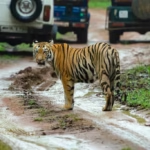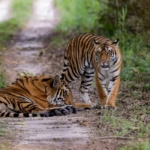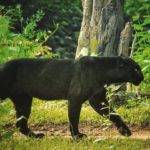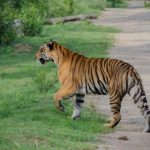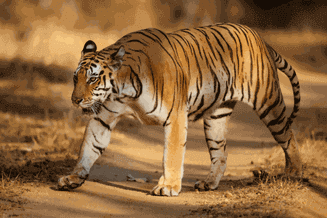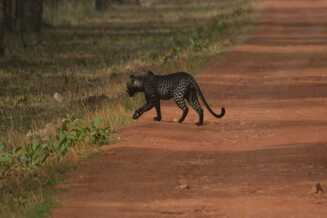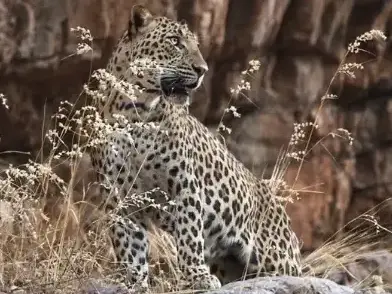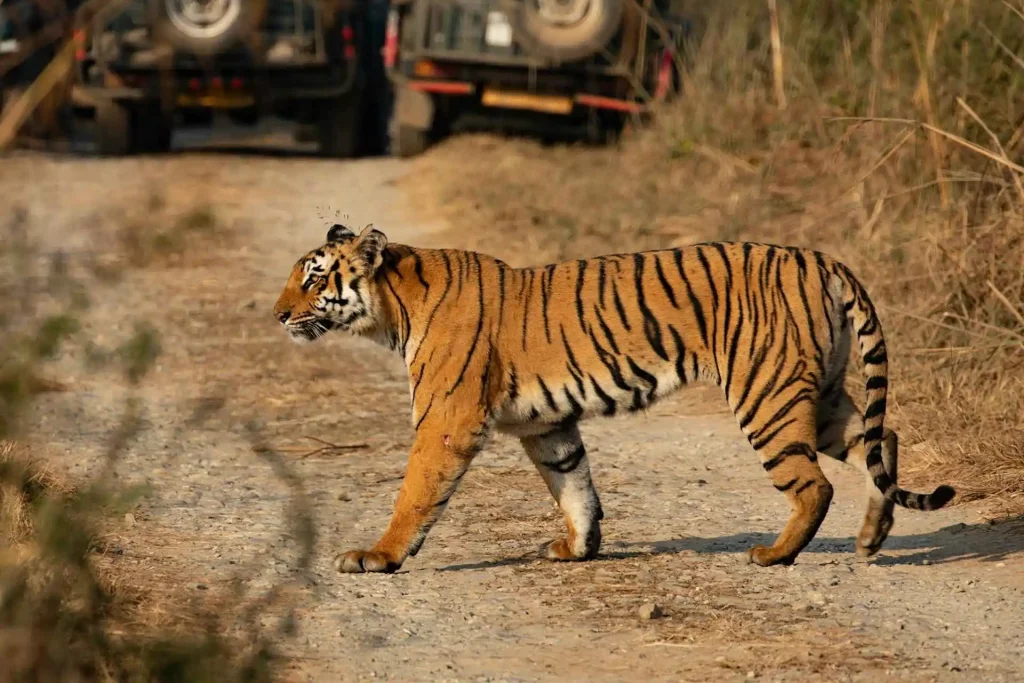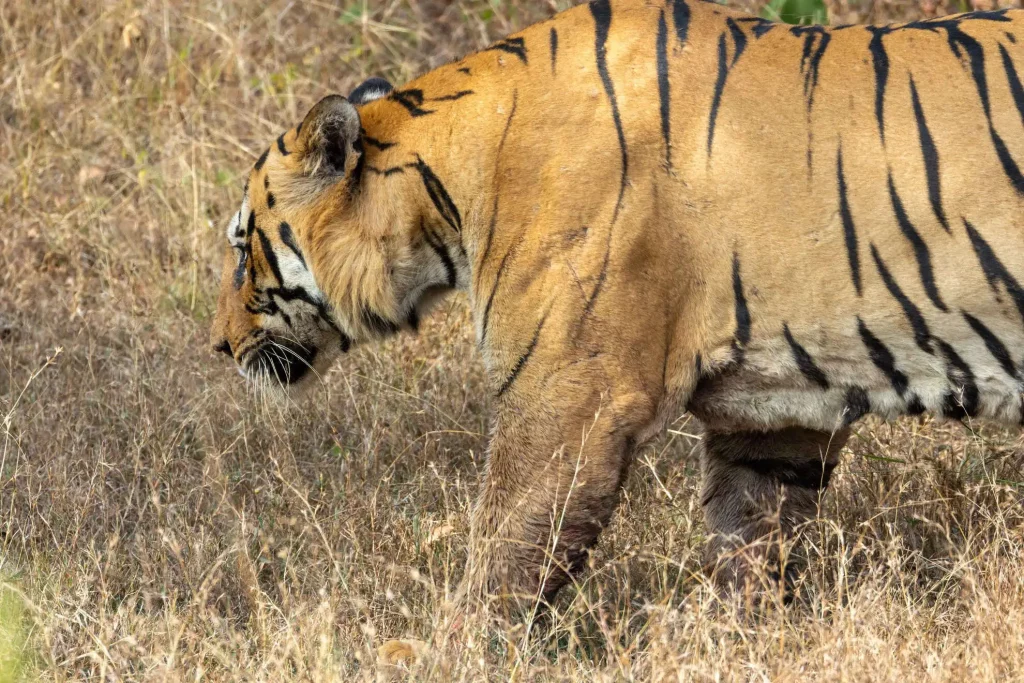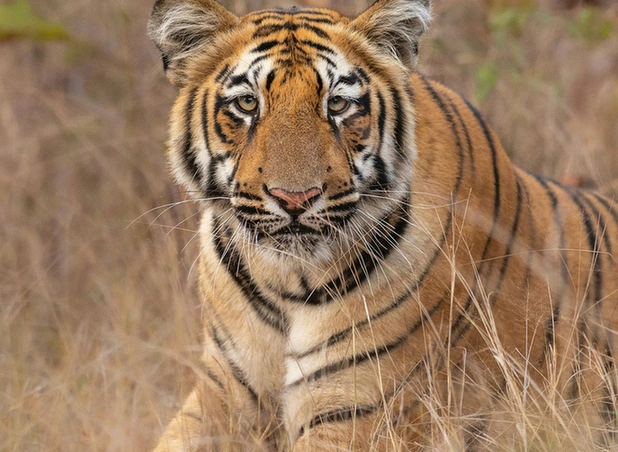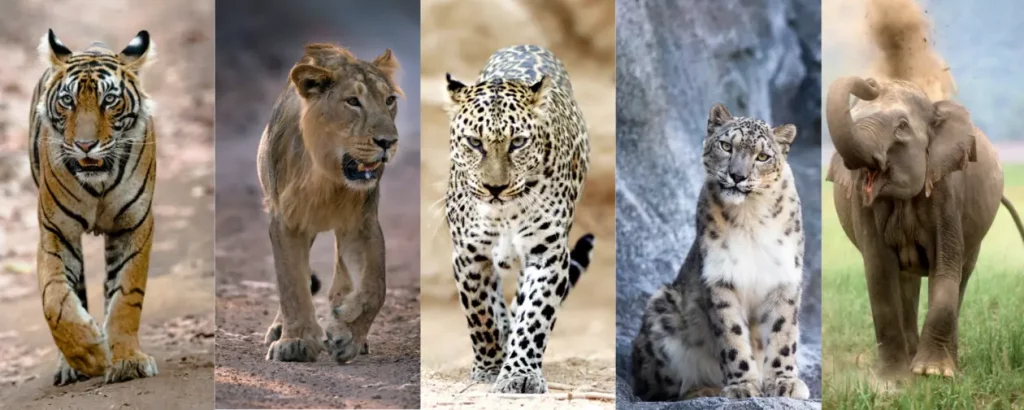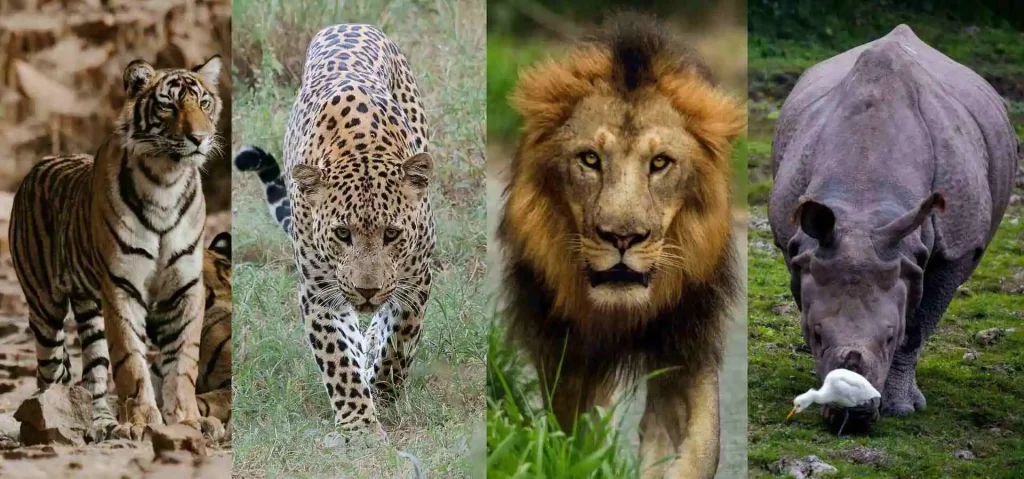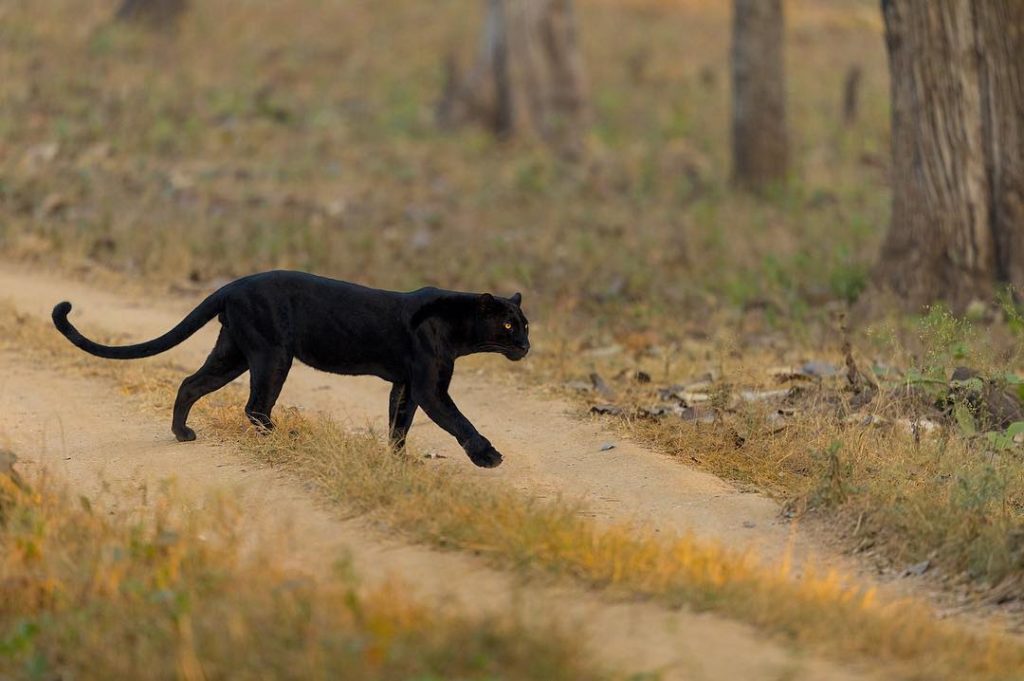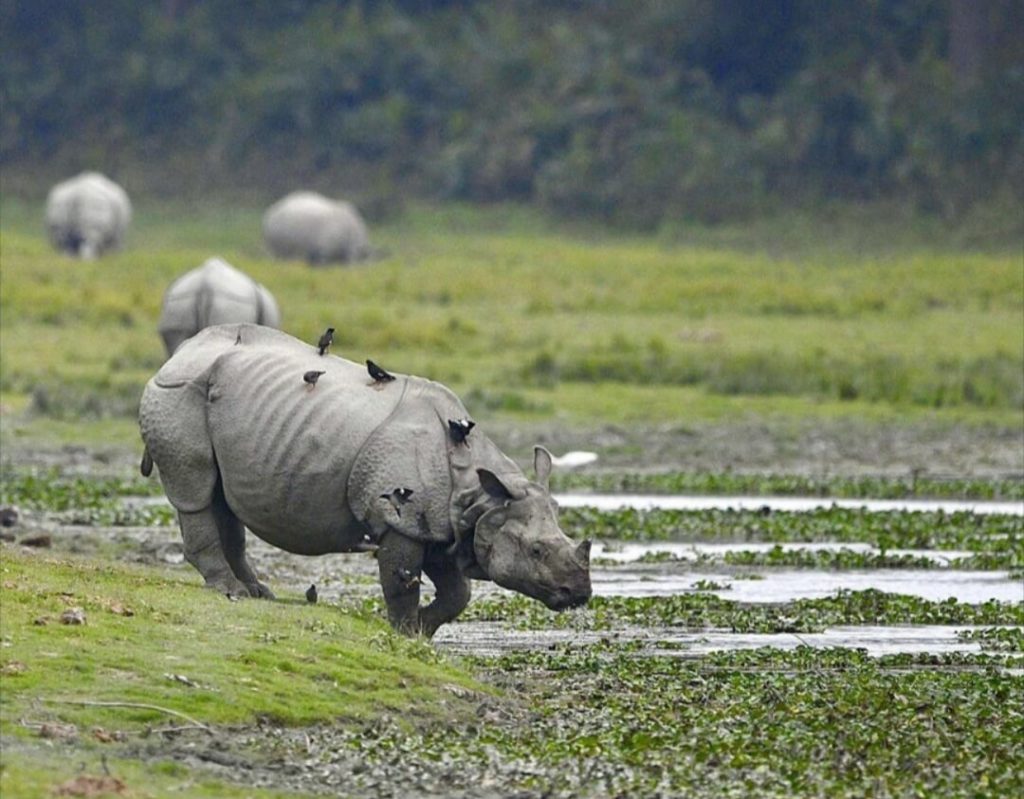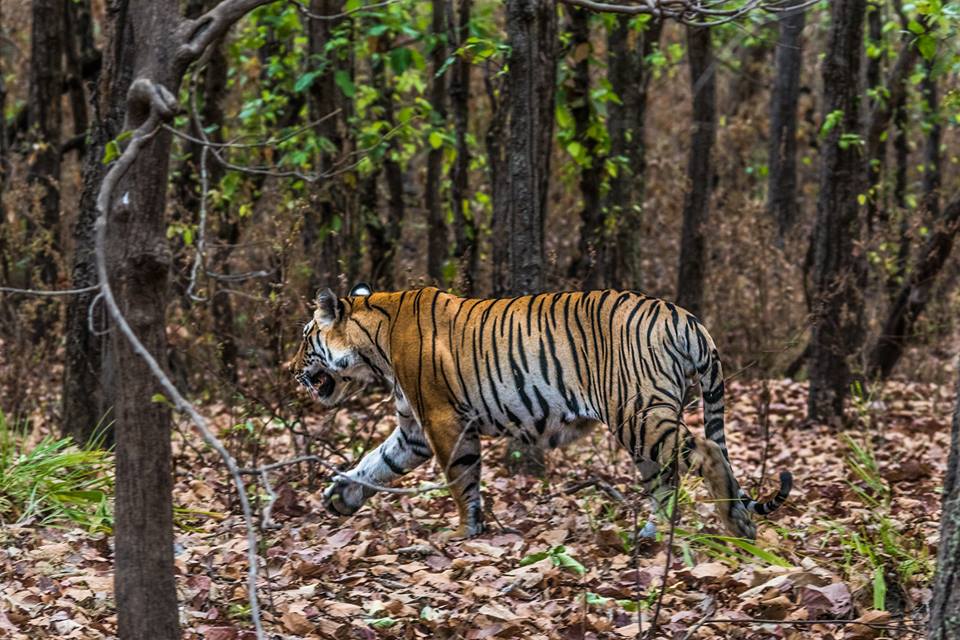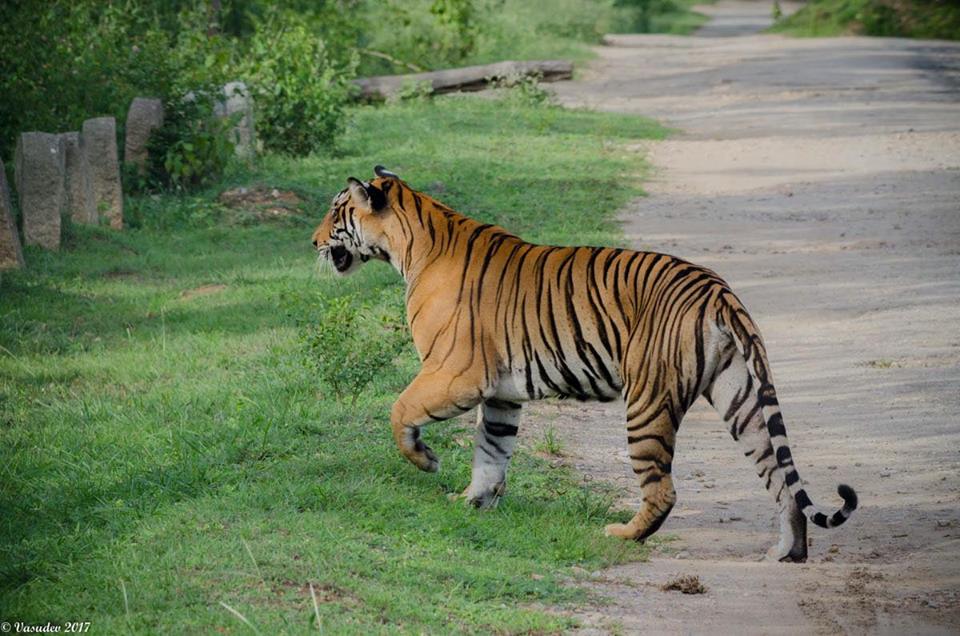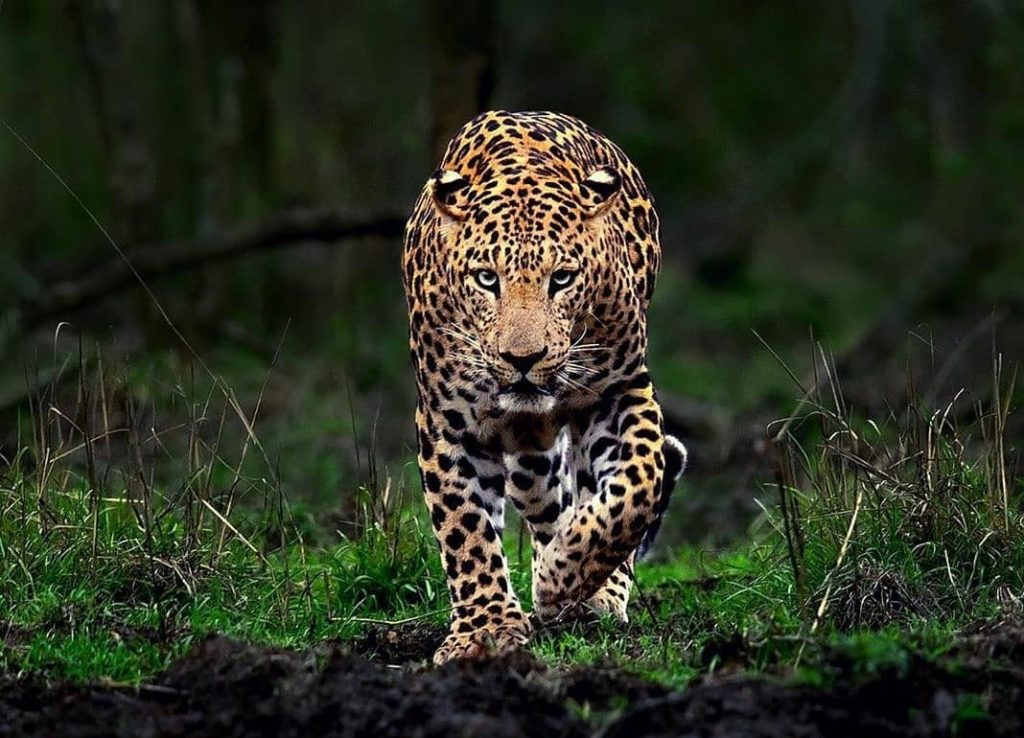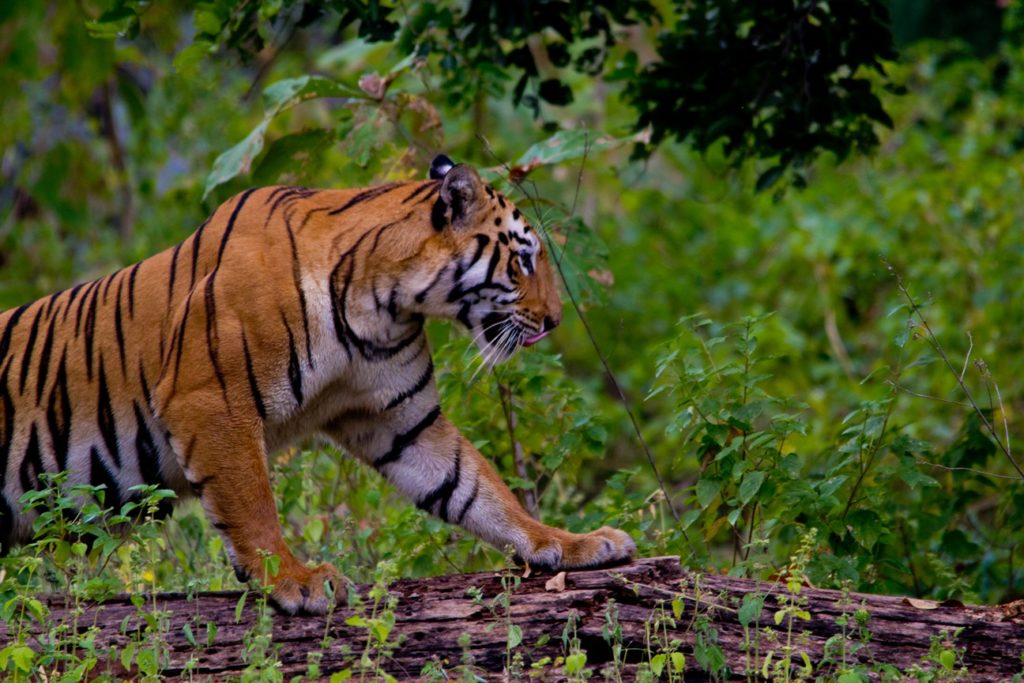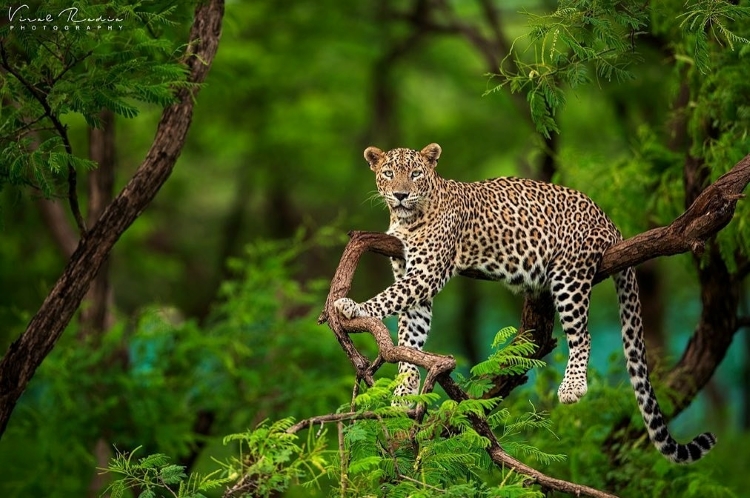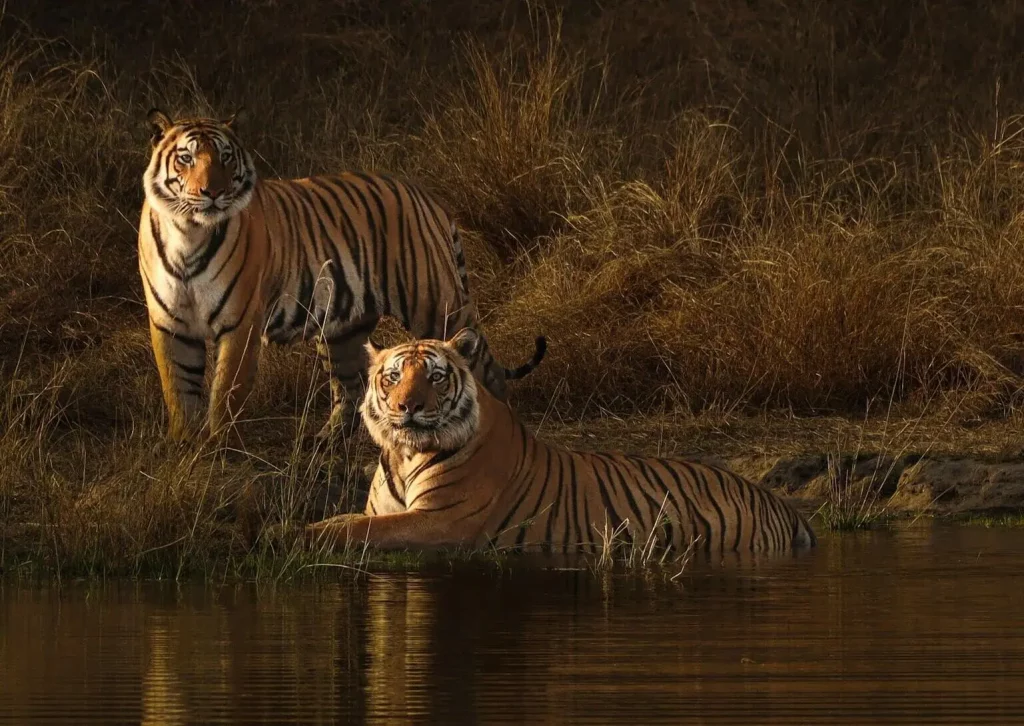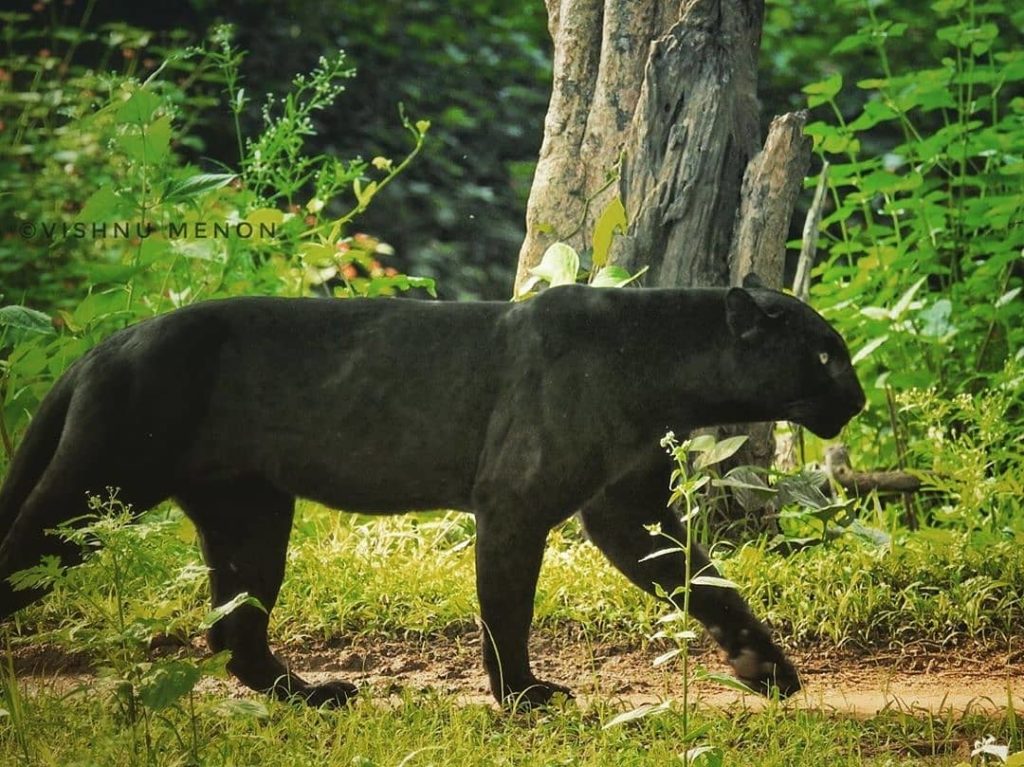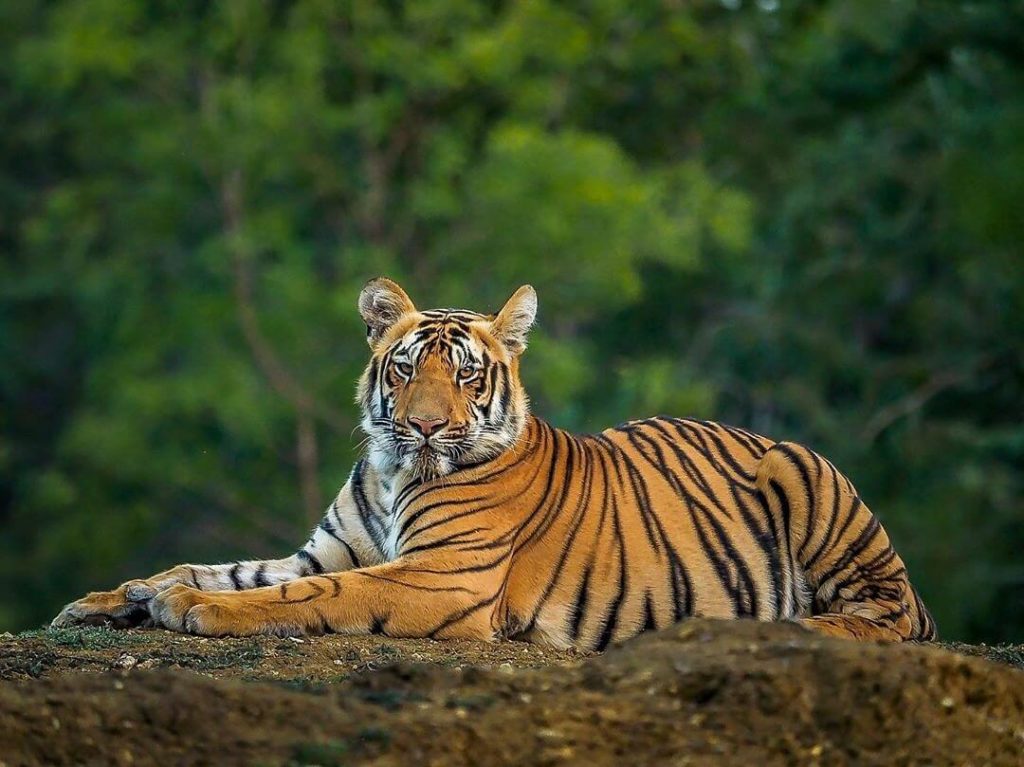
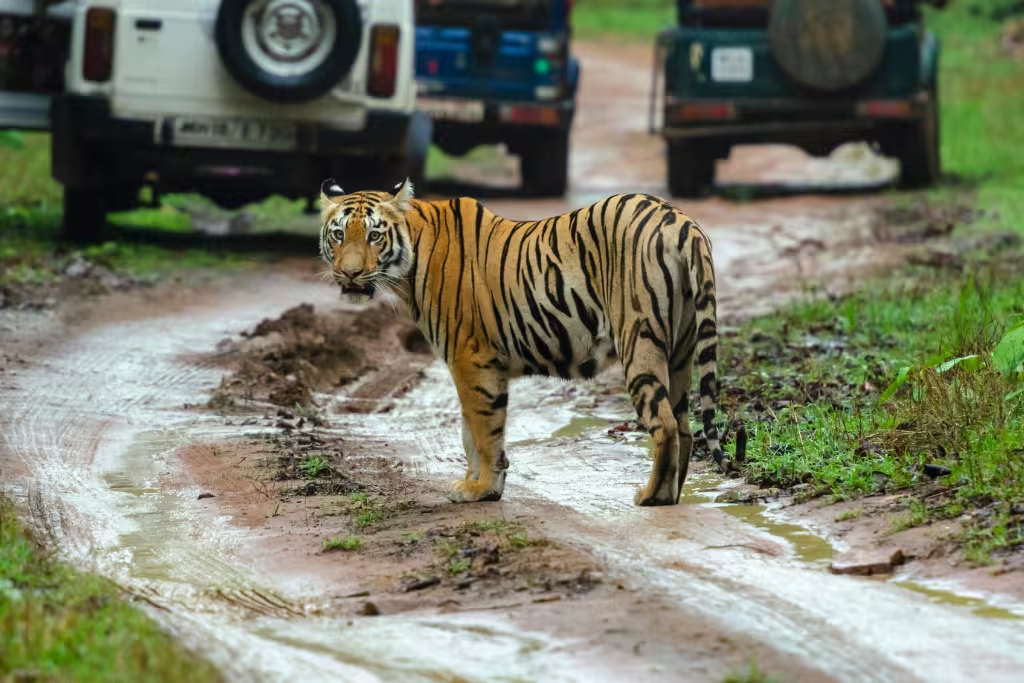
Big cats need large areas of protected forest, and protecting that forest costs money. Wildlife tourism pays part of that bill. It also gives people who live near tigers, leopards, lions, and snow leopards a reason to want them around.
Tourism is not a cure on its own, and it can do harm when it is badly run. Below, we cover how it helps, where it falls short, and how to travel in a way that supports the cats.
How does wildlife tourism help big cats? Safari fees and park entry help fund patrols and forest management. A steady human presence in the forest can make poaching harder. Local people earn income as guides, drivers, and hosts, so they gain from living alongside big cats. Well-run tourism helps the most, and poorly run tourism can cause harm.
Why Tourism Matters for Big Cats
Tigers, leopards, lions, and snow leopards cannot survive in small patches of land. They need space, prey, and safe corridors between forests. Providing that costs money, and it takes people on the ground every day.
The people who live next to these cats often carry the cost. A leopard takes a goat. A tiger wanders near a field. Without something in return, living with a predator can feel like a burden.
Tourism changes that picture. It gives a living tiger or leopard a clear economic value for the forest department, for local families, and for the wider region. Tourism sits alongside other work on habitat, poaching, and space.
Five Ways Tourism Helps Big Cats
It Funds Protection
Every safari starts with fees. Park entry, vehicle charges, guide fees, and permits all go into the system. Part of that money supports forest departments and park management.
That money helps pay for patrols, anti-poaching camps, water points, and habitat work. Fee systems differ from one park and state to another, so the exact split varies. The basic idea holds across India. A park that earns from visitors has more to spend on protecting the animals those visitors come to see.
It Puts More Eyes in the Forest
A busy tourism zone has vehicles, guides, drivers, and naturalists moving through it every day. That steady presence can make it harder for poachers to work in the areas visitors use.
Guides and drivers also know the forest well. They notice snares, injured animals, fresh signs of trouble, and people who should not be there. When they report what they see, forest staff can act faster.
It Creates Local Jobs
Wildlife tourism employs a lot of people beyond the guides. Drivers, naturalists, lodge staff, cooks, boatmen, tailors, and craft sellers all earn from it. In many villages near tiger reserves, a lodge or a safari operator is the main source of steady work.
The jobs can also grow. A young driver can become a guide, then a naturalist, then run a stay of their own. That builds skills that stay in the community.
It Changes How Communities Feel About Big Cats
People protect what helps them. When a village earns from tourism, a tiger in the nearby forest becomes part of the local income rather than only a risk.
Governments also pay compensation for livestock loss in many areas. Combined with tourism income, this reduces the urge to retaliate against an animal that has killed a cow or goat. Coexistence becomes easier when people see a benefit.
It Builds Public Support
Visitors who see a tiger or a leopard in the wild rarely forget it. Many go home and talk about it, share photos, and return for another trip. Some start to follow conservation news or support protection work.
That support matters. Protected areas stay protected when enough people care about them, and tourism is one of the most direct ways to build that care.
Some Examples
Ranthambore, Rajasthan. Tigers here draw visitors from around the world and support a large local tourism economy. Lodges, guides, drivers, and craft sellers around Sawai Madhopur all rely on the park.
Jawai, Rajasthan. Leopards live on granite hills close to villages. Local communities have shared this land with the cats for a long time, and leopard tourism now adds income to that coexistence.
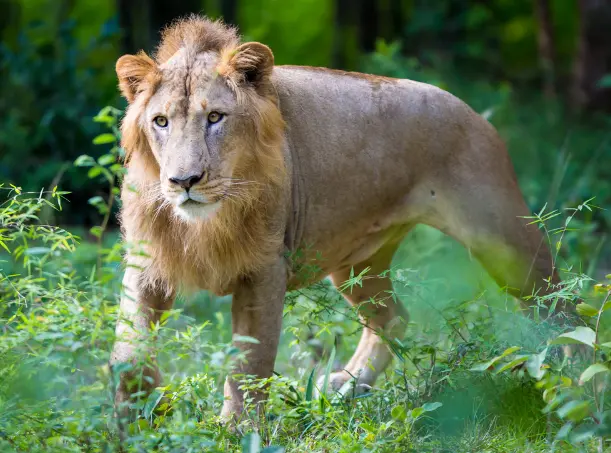
Gir, Gujarat. Gir is the only home of the Asiatic lion in the wild. Visitors support jobs for local guides, drivers, and lodge staff, and the lion has strong local pride attached to it.
Ladakh and Spiti. Snow leopard tourism brings income to mountain villages in winter, when other work is scarce. Village homestays have become a way for families to earn from the cat that once only meant livestock loss.
Kanha, Bandhavgarh, and Pench. These parks support large safari industries. Villages around the gates depend on lodges, vehicles, and guiding work.
Where Tourism Can Go Wrong
Tourism helps big cats only when it is managed well. Several problems can undo the benefits.
- Overcrowding: Too many vehicles at one sighting stress the animals and spoil the experience.
- Disturbance: Noise, close approaches, and flash photography can disrupt natural behavior.
- Uneven benefits: Money does not always reach the villages closest to the forest.
- Pressure on resources: Large resorts can strain local water and land.
- Rule breaking: Pushing drivers to chase a sighting or ignore distance rules puts animals at risk.
These problems come from poor management, not from tourism itself. Each has a clear fix, from vehicle limits to better revenue sharing.
What Responsible Wildlife Tourism Looks Like
Good tourism leaves the forest and the community better off. Here are the signs to look for:
- Limits on vehicle numbers and strict rules at every sighting
- Local guides, drivers, and staff with fair pay and training
- Lodges that buy food and supplies from nearby villages
- Community-run stays and shared revenue
- Clear rules on distance, noise, and no baiting or feeding
- Operators who support conservation work in a real way
How You Can Help as a Traveler
Your choices on a trip make a difference. A few simple habits go a long way:
- Book with operators who follow park rules.
- Choose local guides and community-run stays.
- Stay in the vehicle and keep noise low.
- Respect distance and sighting rules, even when other vehicles do not.
- Avoid souvenirs made from wildlife parts.
- Carry your litter out and use less plastic.
If you are planning a first trip, read why tigers don't attack on safari and our best tiger safari parks guide.
Travel with Big Cats India
Big Cats India plans tiger, leopard, lion, and snow leopard trips across India. We plan every trip around park rules, experienced guides, and respect for the animals. Browse our tiger safari tours or send us your dates and interests, and we will suggest a plan.
Frequently Asked Questions
Does wildlife tourism really help tigers?
Yes, when it is well managed. Safari fees support protection, tourism creates local jobs, and communities gain a reason to live alongside tigers. Tourism works best alongside habitat protection and anti-poaching work.
How do safari fees help conservation?
Park entry, vehicle, and guide fees support forest departments and park management. Part of that money funds patrols, habitat work, and park upkeep. The exact use varies from one park and state to another.
Can tourism harm big cats? It can when it is poorly managed. Too many vehicles, noise, and close approaches can stress animals. Strong rules, trained guides, and limits on vehicle numbers keep the harm low.
How does tourism help local communities?
It creates jobs as guides, drivers, lodge staff, and craft sellers. It also brings income to villages near parks, which makes coexistence with big cats easier to accept.
How can I choose a responsible safari operator?
Look for local guides, small groups, and clear rules on distance and noise. Ask how the operator works with nearby villages. A good operator answers these questions openly.
Is it better to visit a busy park or a quiet one?
Both can work well. Busy parks have strong systems but more vehicles. Quieter parks give a calmer experience and bring income to places that see fewer visitors.
Where does my safari fee go?
Park fees go to the forest department and support park management. Fees paid to operators and lodges support staff and local businesses. The exact split depends on the park and the state.
Final Thoughts
Big cats survive where people value them. A well-run safari is one of the clearest ways to show that value, through fees that fund protection, jobs that stay in local villages, and visitors who go home as supporters. For more on the pressures tigers face, read threats facing India's tigers blog.