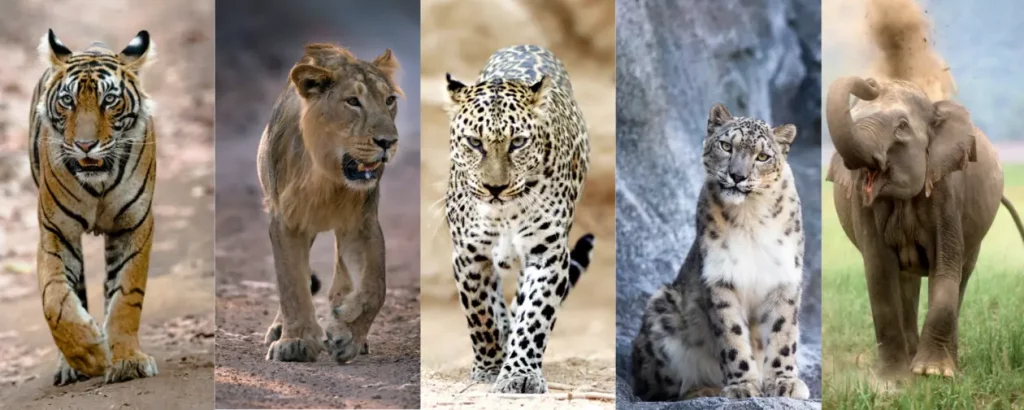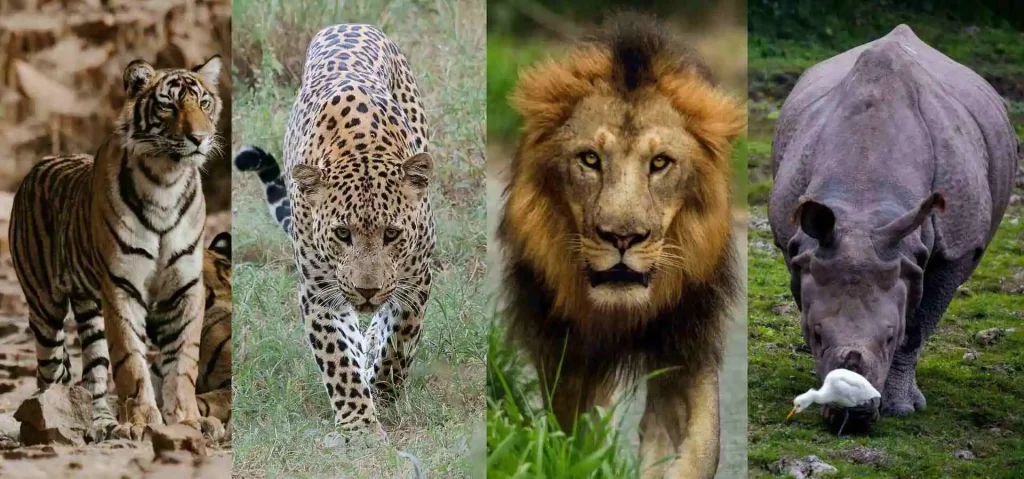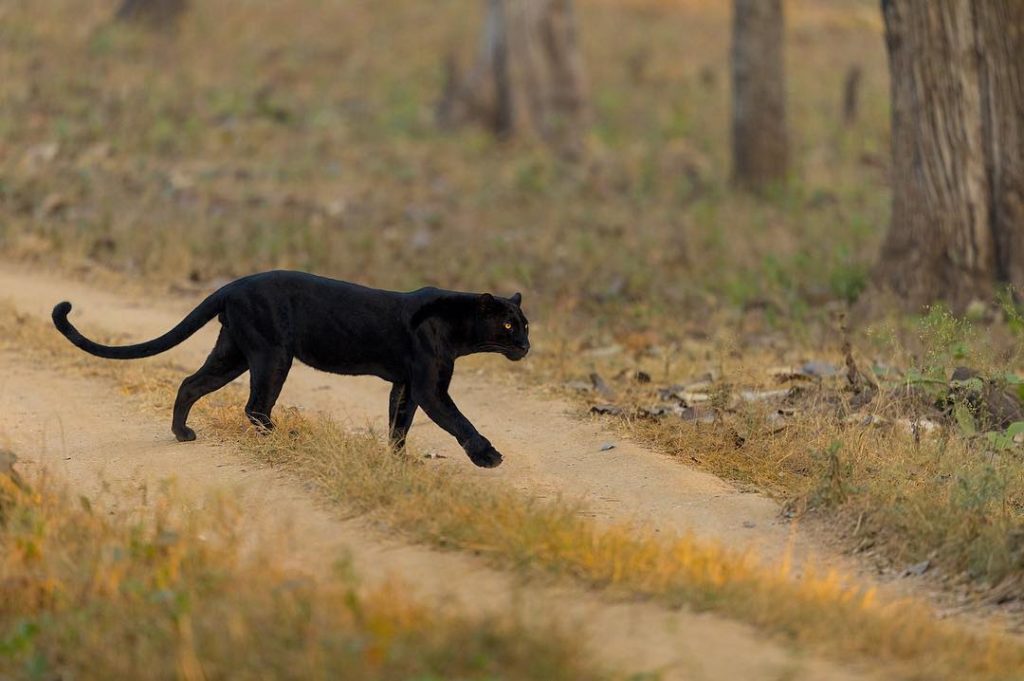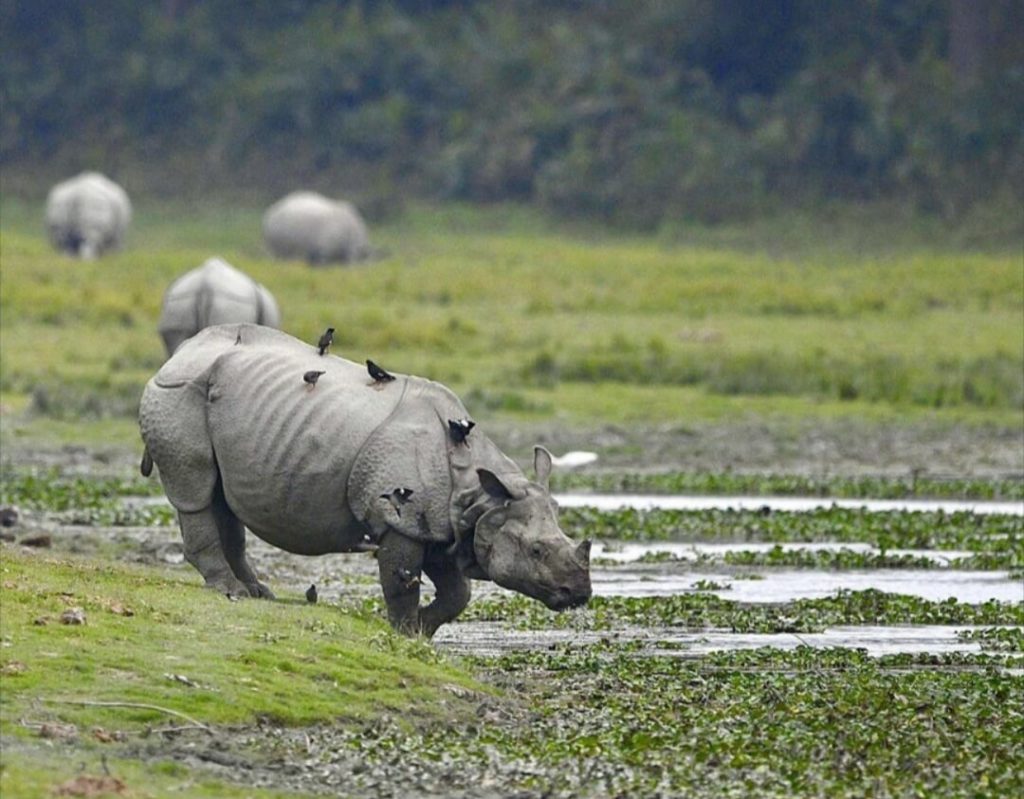
India has around 14 wild cat species. Five of the larger and more powerful ones are the tiger, leopard, Asiatic lion, snow leopard, and clouded leopard. Here, "deadliest" means hunting power, strength, and success as a predator.
We ranked them by size, hunting skill, prey range, and adaptability. A separate section covers which of these cats can be dangerous to people, since many readers search for that too.
Which is the deadliest wild cat in India? The Bengal tiger is the strongest and most powerful hunter. The leopard is the most adaptable and the cat most often involved in conflict with people. The Asiatic lion, snow leopard, and clouded leopard follow. Wild cats avoid humans, and attacks are rare.
How We Ranked Them
Four things decided the order:
- Size and strength: How much power the cat has for its body weight.
- Hunting success: How well it takes down prey in its own habitat.
- Prey range: How many animals it hunts, from small birds to large deer.
- Adaptability: How well it copes with forests, hills, farmland, and people.
The ranking reflects hunting ability only. Risk to humans gets its own section further down.
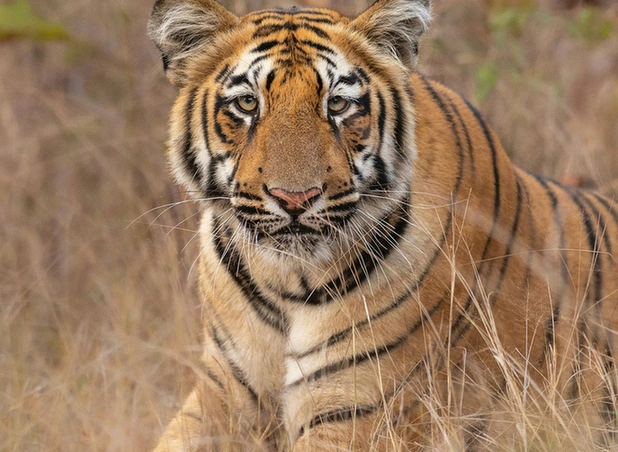
Bengal Tiger
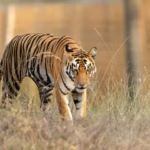
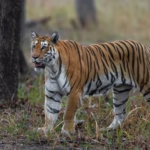
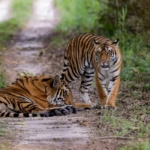
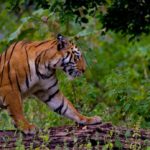
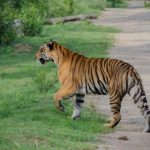
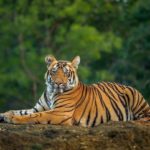
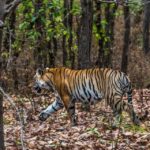
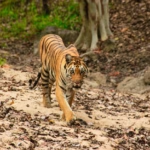
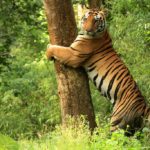
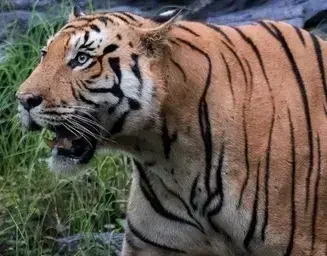
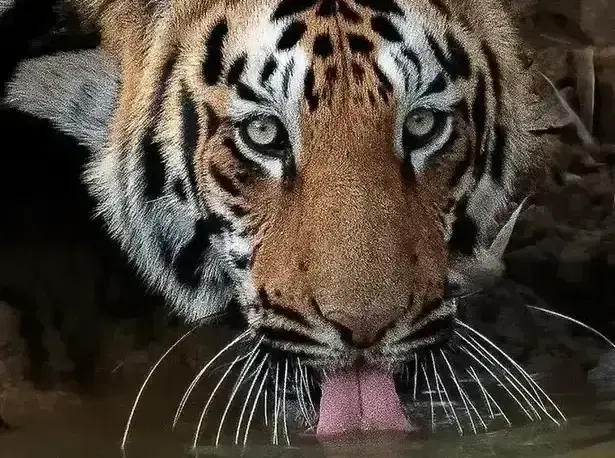
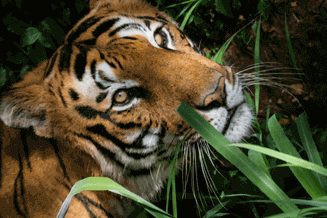
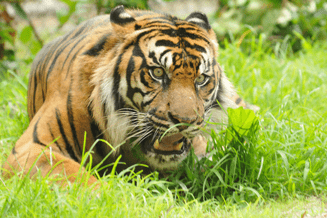
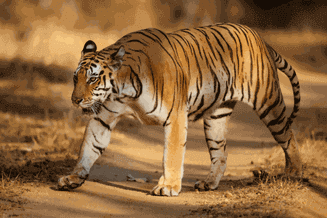
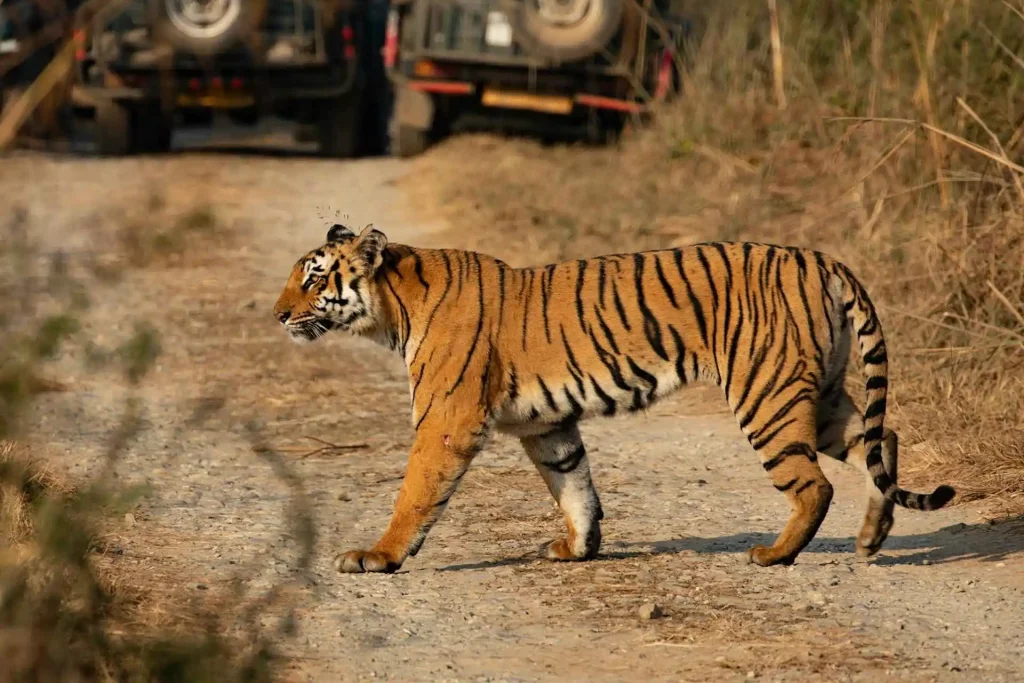
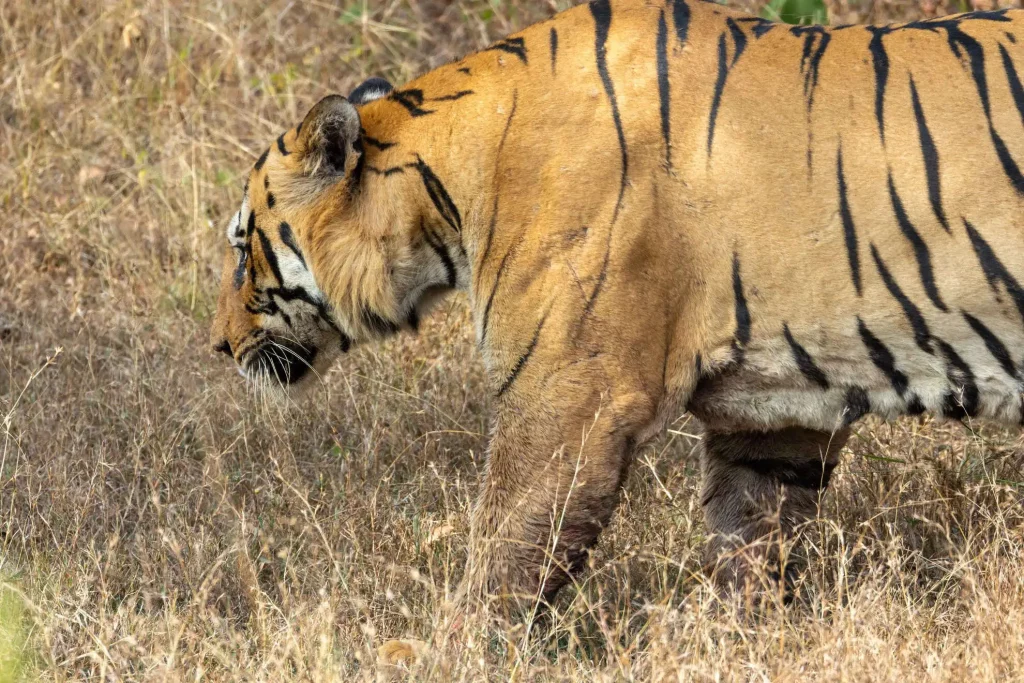
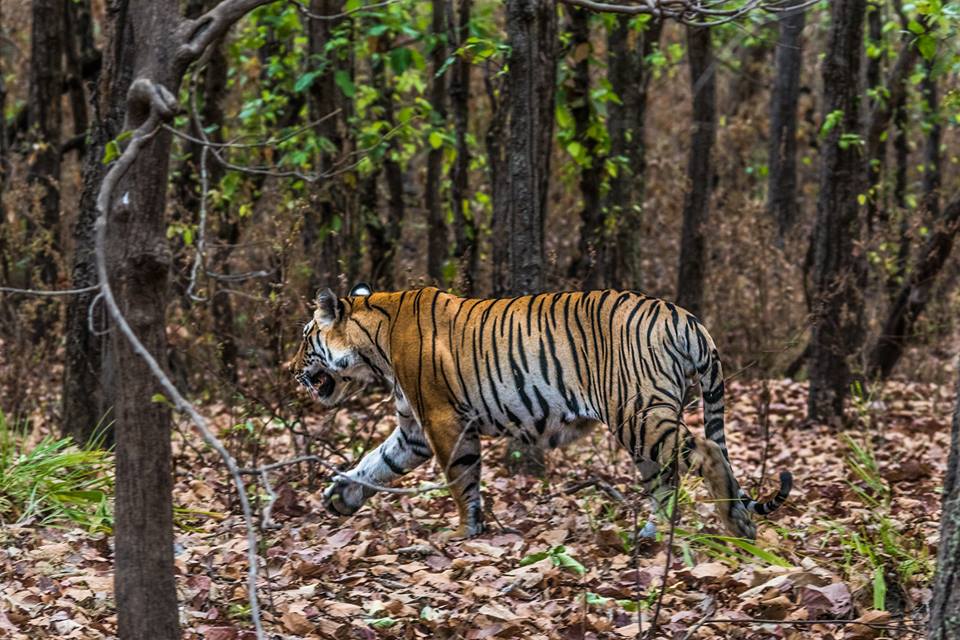
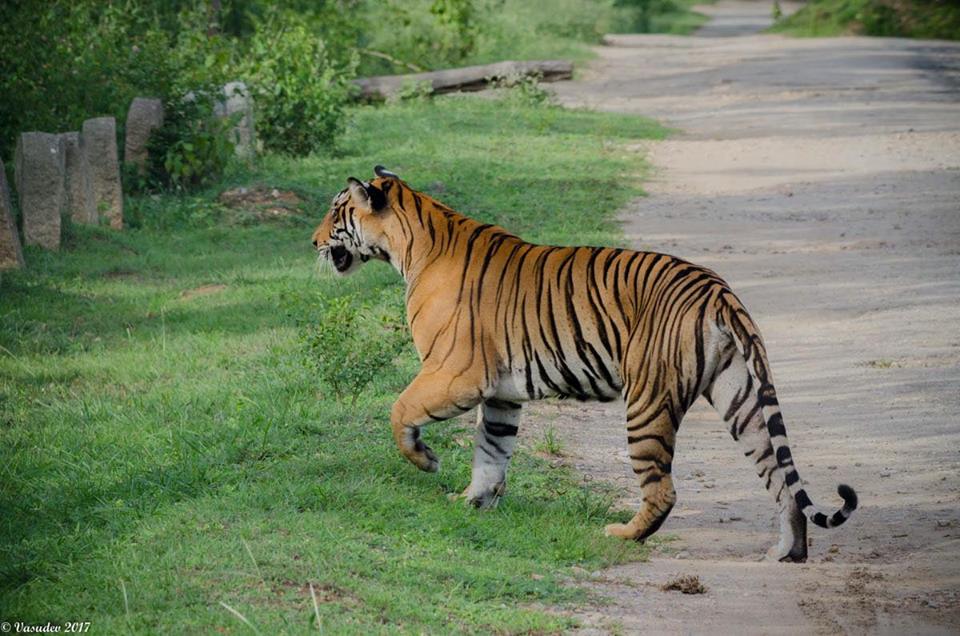
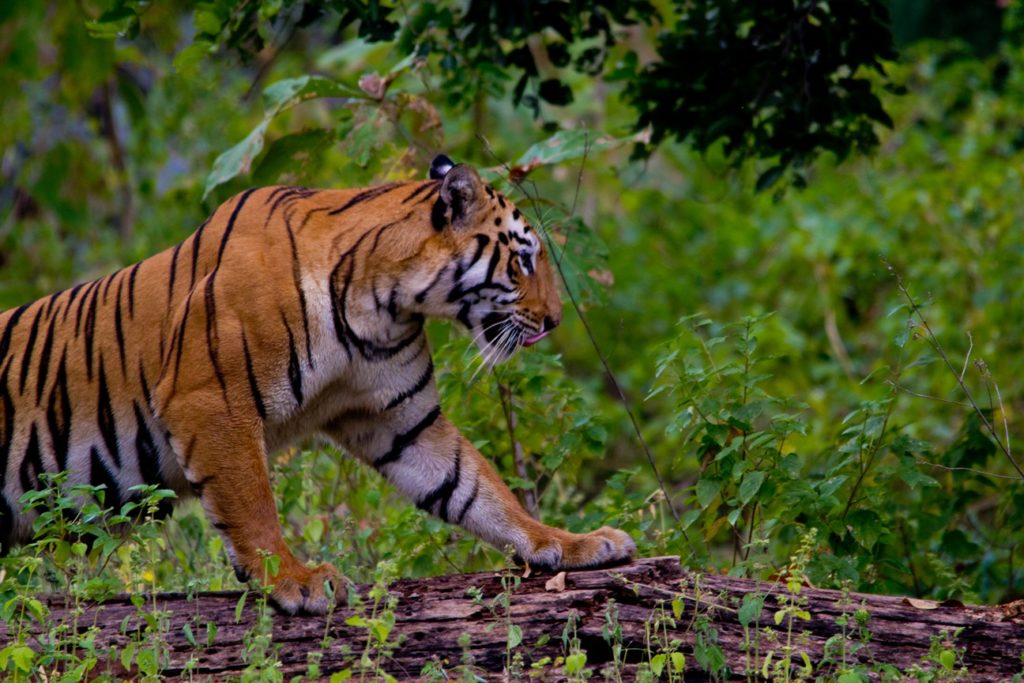
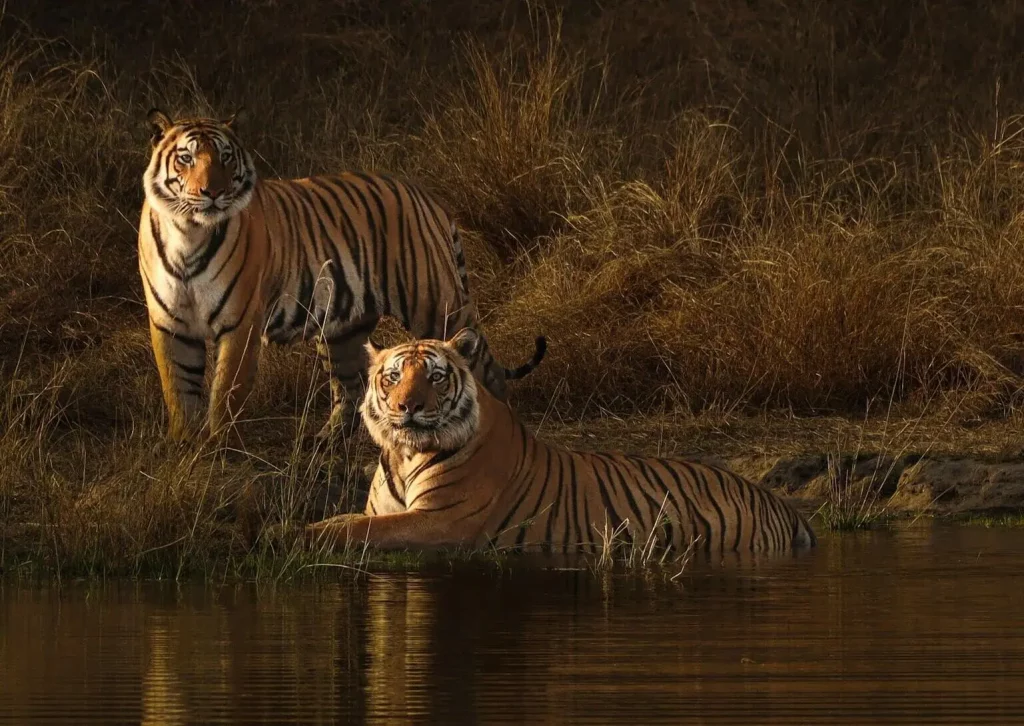
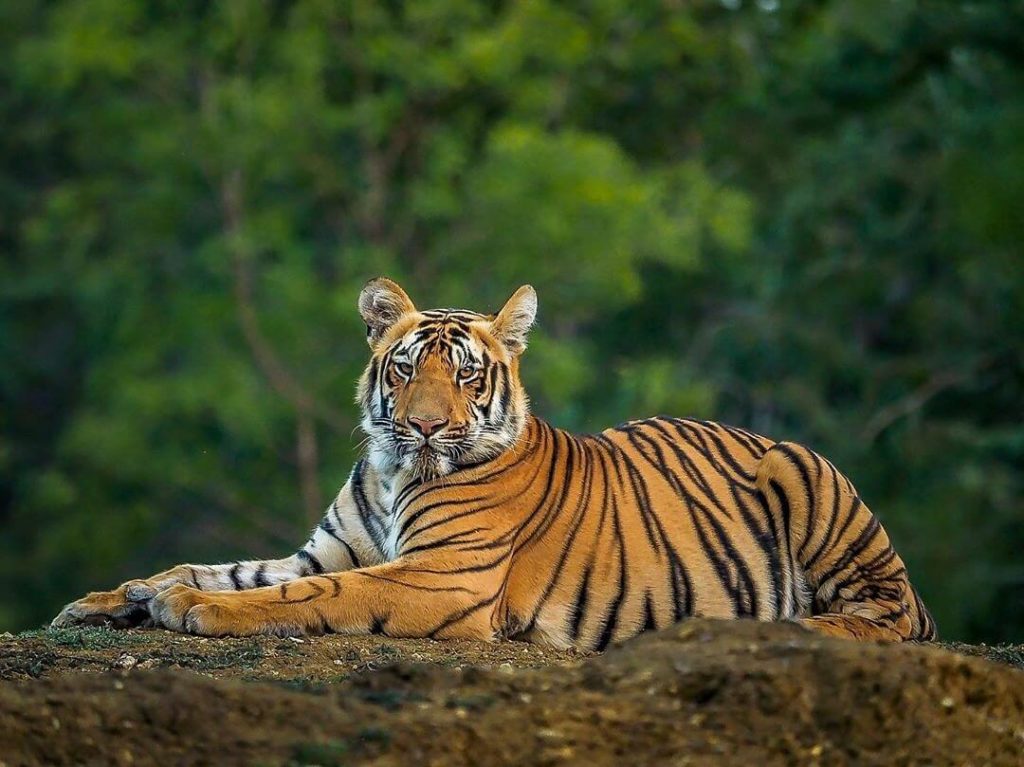
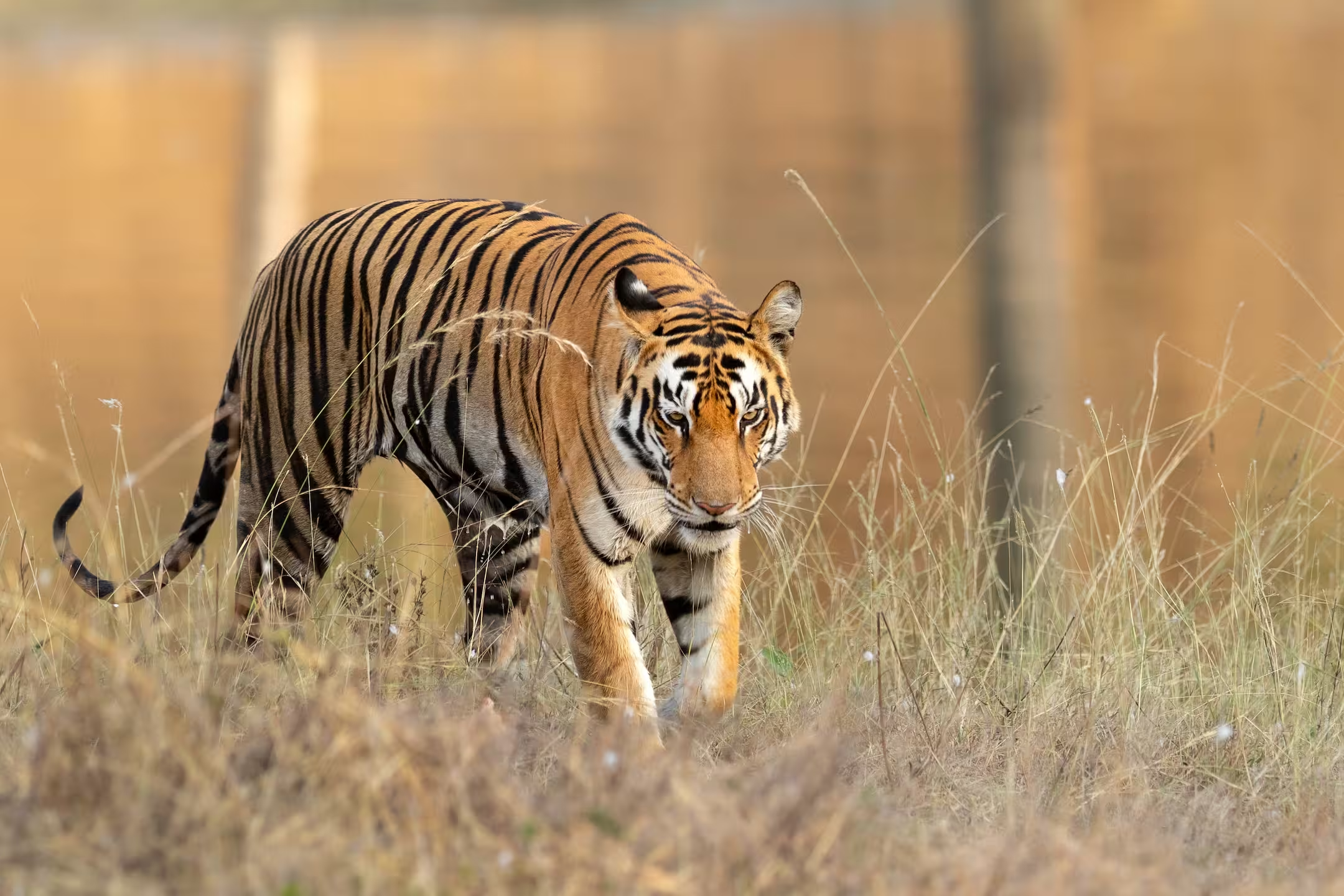
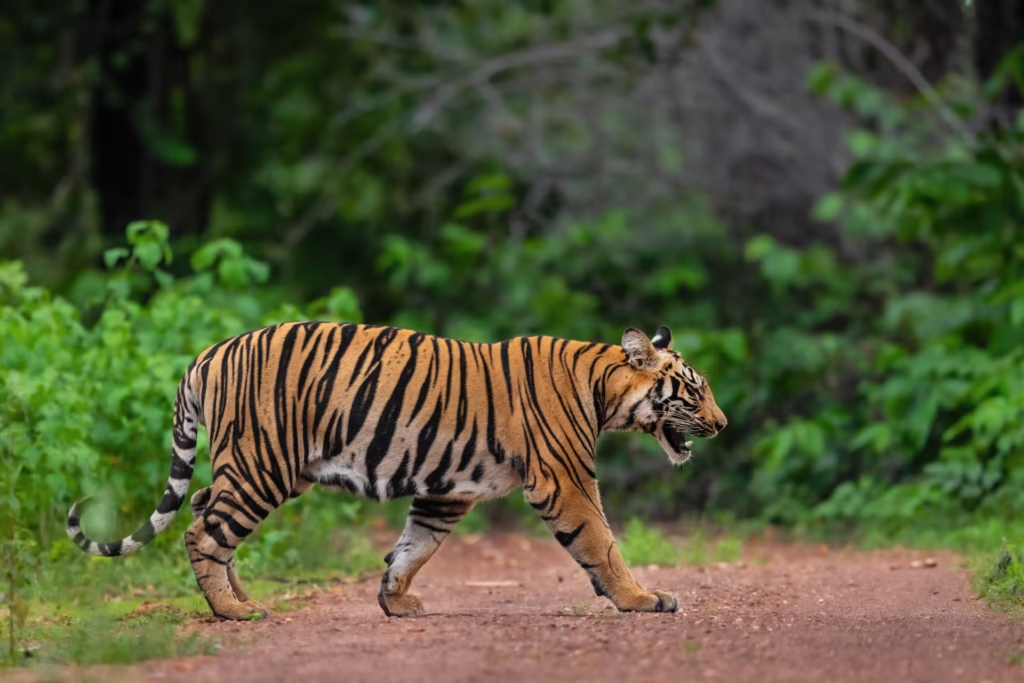
Size. The Bengal tiger is the largest wild cat in India. Males usually weigh around 200 to 250 kg and measure close to 3 m including the tail.
Bite force. Estimates put the tiger's bite at roughly 1,000 PSI, the strongest of the five cats here. Figures vary by method, so treat them as rough. The canines and jaw muscles can hold down large prey and finish a kill quickly.
Hunting style. Tigers hunt alone, mostly at dusk, at night, and at dawn. A tiger creeps close through cover and then charges in a short, hard burst. It kills with a bite to the throat or the back of the neck. Sambar, chital, gaur, and wild boar make up most of its diet. You can read more on tiger hunting techniques page.
What makes it deadly. Raw strength sets the tiger apart. It can bring down a gaur, which is far heavier than the tiger itself, and drag the kill to cover. It also hunts a wide range of prey, so it rarely goes hungry for long.
Where it lives. Tigers live in forests, grasslands, and mangroves. You will find them across central India, the Western Ghats, the Himalayan foothills, the northeast, and the Sundarbans.
Where to see it. Ranthambore, Tadoba, Bandhavgarh, Kanha, Pench, and Corbett are the best-known parks.
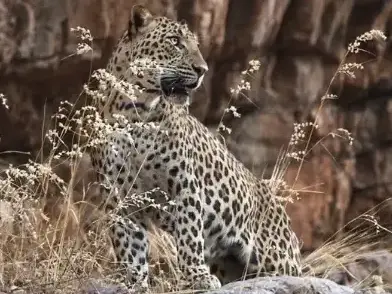
Indian Leopard
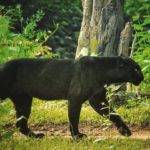
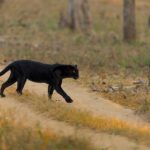
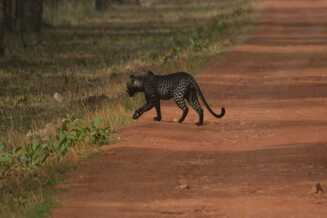
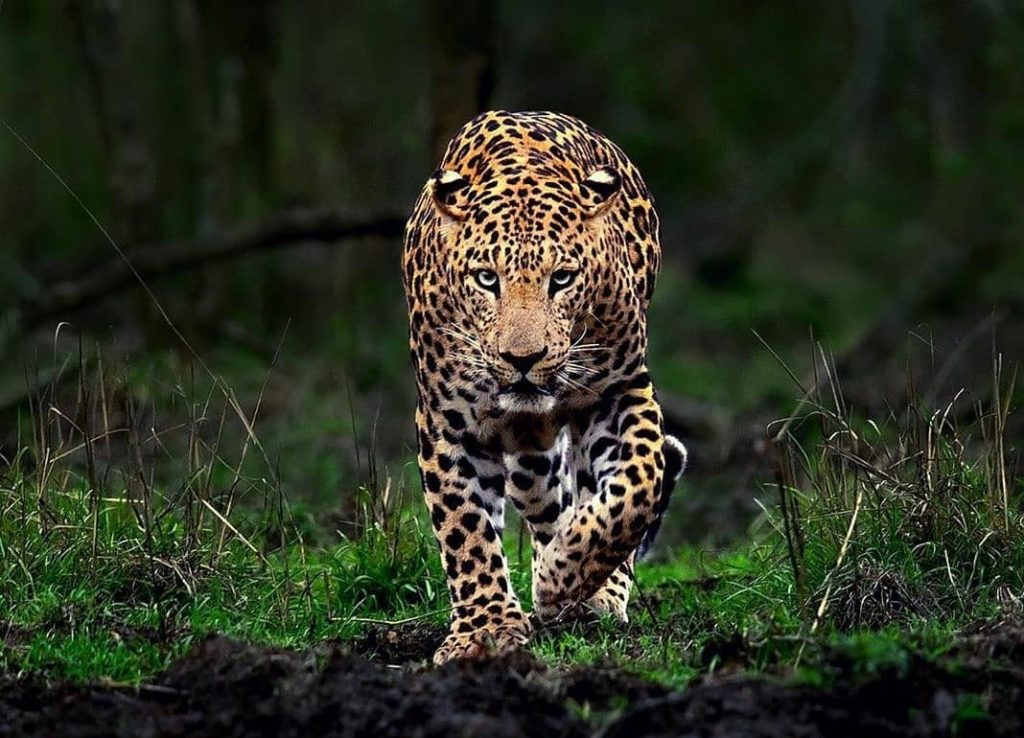
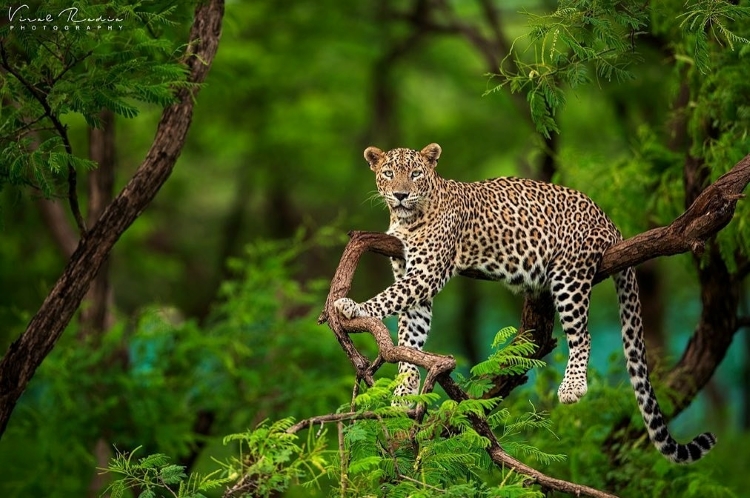
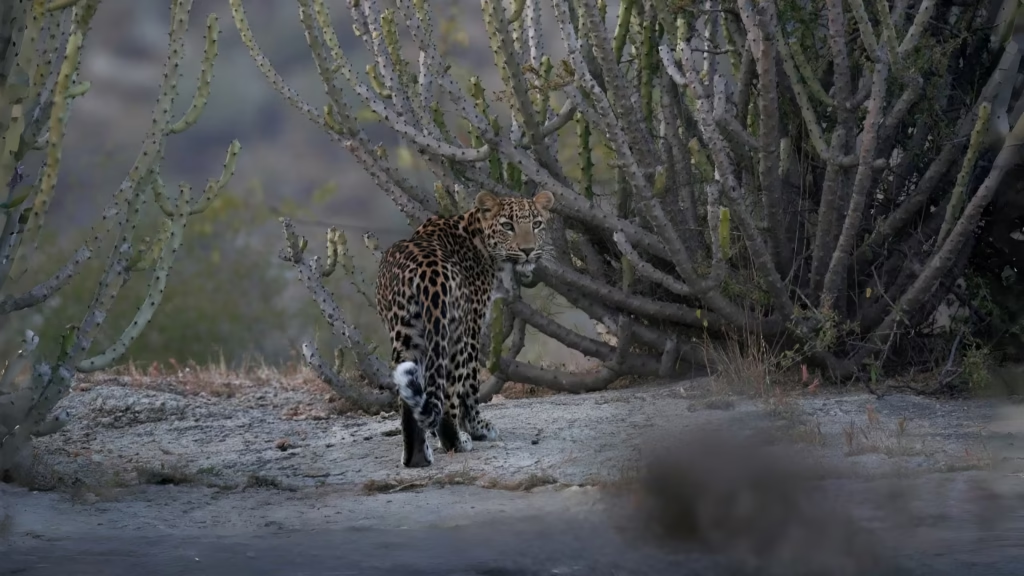
Size. Leopards weigh roughly 30 to 70 kg. That is far less than a tiger, but the build is compact and very muscular.
Bite force. Estimates put the leopard's bite at around 300 PSI. That is far below the tiger, but strong for a cat this size. It is enough to clamp a throat and carry heavy prey up a tree.
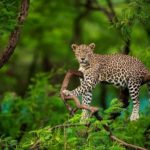
Hunting style. Leopards stalk and ambush, usually after dark. After a kill, a leopard often hauls the prey up a tree to protect it from tigers, lions, and hyenas. Chital, langur, wild boar, and porcupine are common prey. Dogs and calves near villages are also taken.
What makes it deadly. Adaptability. No other big cat in India lives in so many places. A leopard can lift prey close to its own weight into a tree, and it can live almost unseen near people.
Where it lives. Leopards live in forests, rocky hills, scrub, and farmland. Some even live on the edge of cities, such as Sanjay Gandhi National Park in Mumbai.
Where to see it. Jawai in Rajasthan is famous for Indian leopards on granite hills. Ranthambore, Pench, and Tadoba also give good chances.
Asiatic Lion
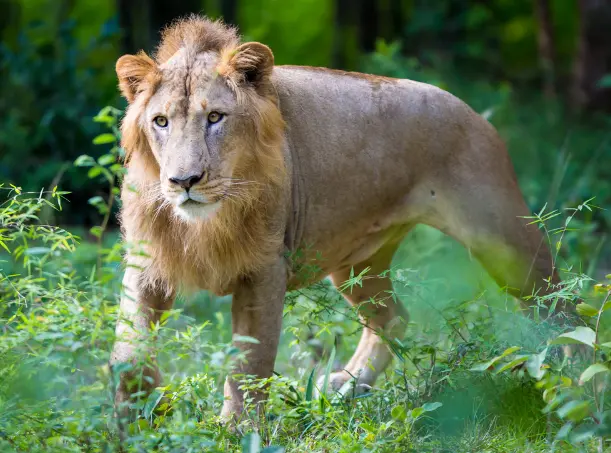
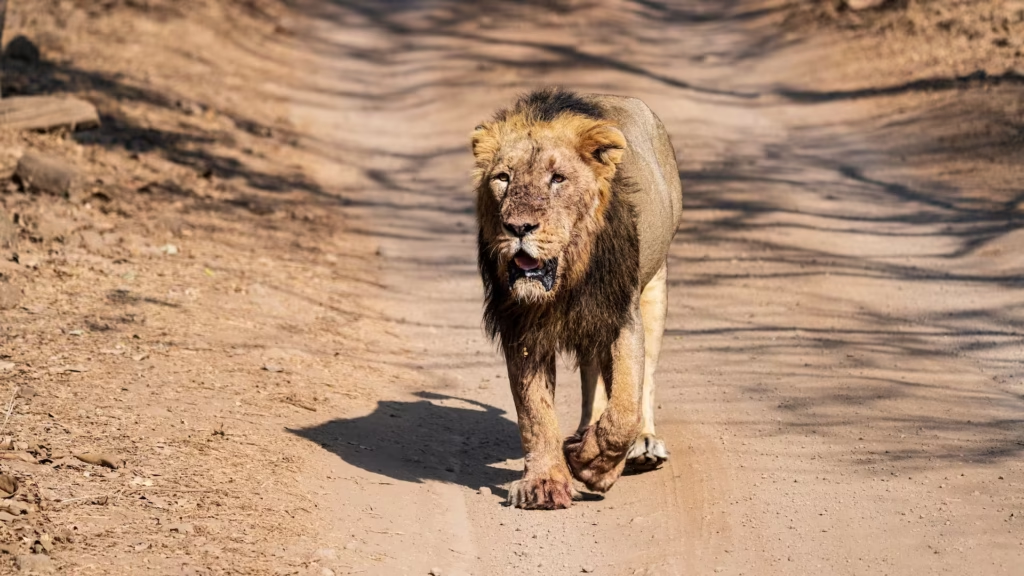
Size. Adult males weigh roughly 160 to 190 kg. Females weigh about 110 to 120 kg. Asiatic lions are slightly smaller than African lions and have a fold of skin along the belly.
Bite force. Estimates put the lion's bite at roughly 650 PSI. A lion usually kills by clamping the throat or muzzle until the prey suffocates.
Hunting style. Lions hunt in groups called prides. The lionesses do most of the hunting. They spread out, circle the prey, and close in together. Chital, sambar, nilgai, and wild boar make up the wild diet, and cattle are taken near villages.
What makes it deadly. Teamwork. A pride can take down animals that a single cat would struggle to kill. Males defend the territory and the pride.
Where it lives. Wild Asiatic lions live in only one place on earth, the Gir landscape in Gujarat.
Where to see it. Gir National Park is the place to go.
Snow Leopard
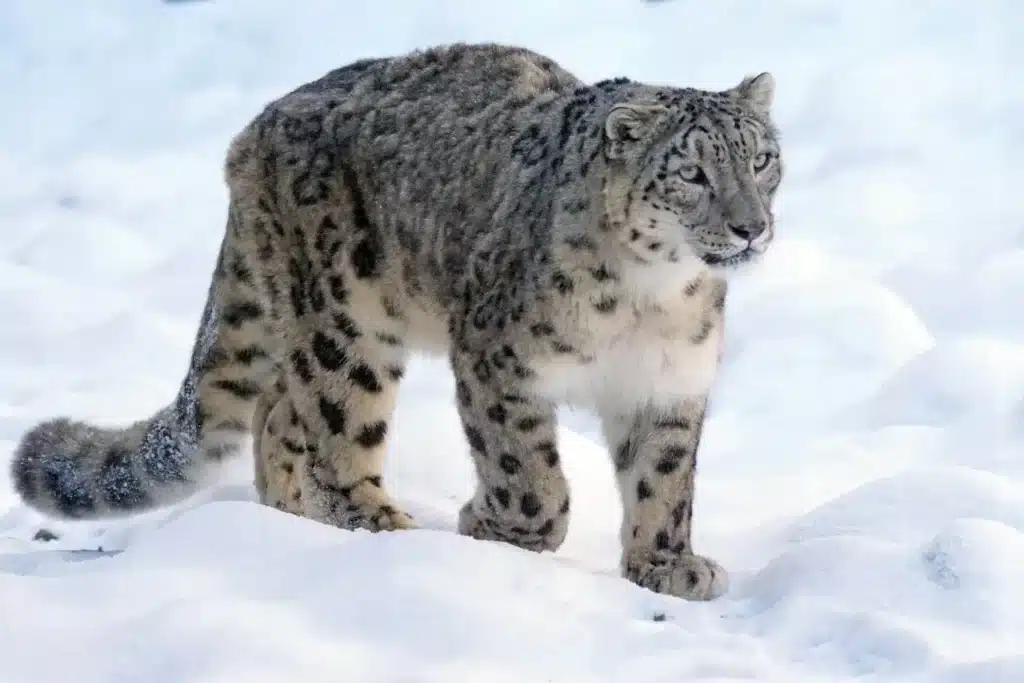
Size. Snow leopards weigh roughly 22 to 55 kg. A long, thick tail helps with balance on steep slopes and wraps around the body in the cold.
Bite force. Reliable figures are not available. The jaws are built for a quick killing bite to the throat or neck of mountain prey.
Hunting style. A snow leopard stalks along cliffs and ridges, then ambushes at close range. It can leap up to about 15 m across gaps. Blue sheep, ibex, and Himalayan tahr are the main prey. Marmots and hares fill in the gaps.
What makes it deadly. Precision on rough ground. A snow leopard can kill prey several times its own weight on slopes where most predators cannot follow.
Where it lives. Snow leopards live in the high Himalaya. In India that means Ladakh, Spiti in Himachal Pradesh, Uttarakhand, Sikkim, and Arunachal Pradesh.
Where to see it. Hemis National Park in Ladakh and the Spiti Valley are the main places. Winter, from January to March, gives the best chances.
Clouded Leopard
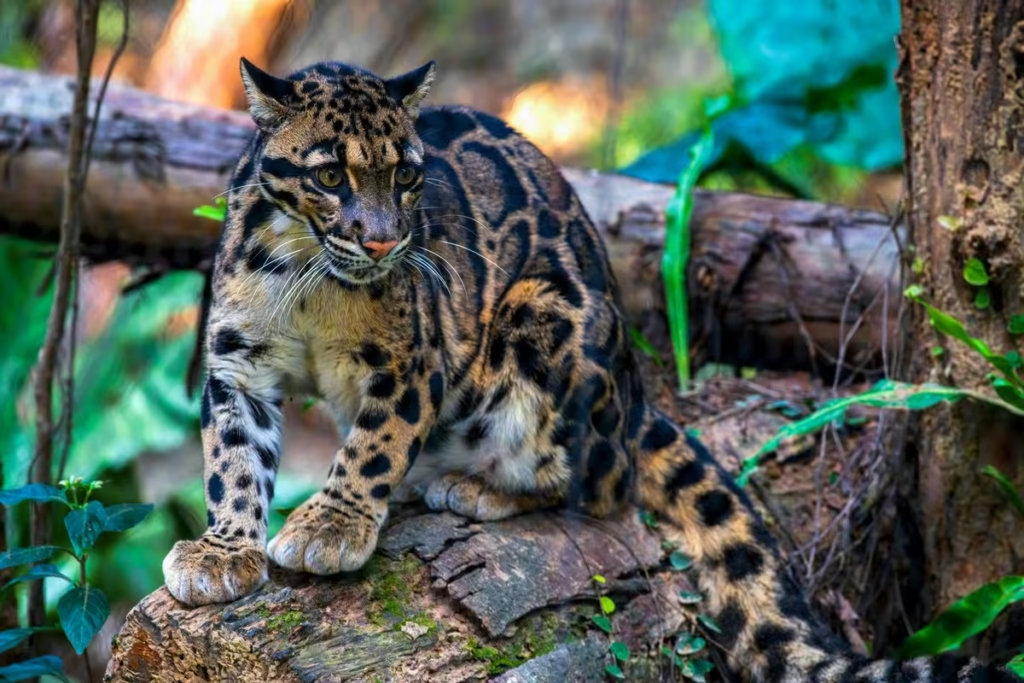
Size. The clouded leopard is the smallest cat on this list, at roughly 11 to 23 kg. Its canines are among the longest of any cat for its body size.
Bite force. Reliable figures are not available. The skull and very long canines are built for a deep, stabbing bite.
Hunting style. This cat hunts in the trees. Its ankle joints rotate, so it can climb down a trunk head first and hang from a branch by its hind feet. Macaques, birds, squirrels, and small deer are its usual prey.
What makes it deadly. Its skill in the canopy. Few predators in the forest can follow a clouded leopard into the branches.
Where it lives. Clouded leopards live in evergreen forests in the northeast. That includes Meghalaya, Assam, Arunachal Pradesh, Mizoram, Tripura, and Sikkim.
Where to see it. Sightings are very rare. Forests such as Dampa in Mizoram and Namdapha in Arunachal Pradesh give the best chances, but treat a sighting as a bonus.
Comparison at a Glance
| Cat | Weight range | Main prey | Habitat | Best place to see |
|---|---|---|---|---|
| Bengal tiger | 200 to 250 kg (males) | Sambar, gaur, wild boar | Forest, grassland, mangrove | Ranthambore, Tadoba |
| Indian leopard | 30 to 70 kg | Chital, langur, wild boar | Forest, hills, farmland | Jawai, Pench |
| Asiatic lion | 160 to 190 kg (males) | Chital, sambar, cattle | Dry forest | Gir |
| Snow leopard | 22 to 55 kg | Blue sheep, ibex | High mountains | Ladakh, Spiti |
| Clouded leopard | 11 to 23 kg | Macaques, birds, small deer | Evergreen forest | Northeast India |
Which Wild Cats Are Dangerous to Humans?
Wild cats avoid people. Attacks are rare, and most cats run from humans when they can.
Conflict does happen, mostly where villages meet forest. Reports generally involve leopards near villages and tigers in a few forest-edge areas. Shrinking habitat, livestock grazing near forests, and people entering forests at dusk all raise the risk. Snow leopards and clouded leopards pose almost no risk to people.
A few simple habits keep safaris safe:
- Stay inside the vehicle at all times.
- Keep noise low and follow your guide.
- Avoid walking alone near forest edges at dusk or dawn.
Where to See Them in India
Big Cats India plans tours for each of these cats. Tiger safaris run across Ranthambore, Tadoba, Bandhavgarh, Kanha, Pench, and Corbett. Leopard safaris centre on Jawai. Gir covers the Asiatic lion, and Ladakh covers the snow leopard. Clouded leopard sightings are rare, so ask us how to plan a northeast trip around them.
Frequently Asked Questions
Which is the deadliest wild cat in India?
The Bengal tiger is the strongest and most powerful hunter in India. It can bring down large prey like gaur. The leopard is the most adaptable and the most widespread.
Which wild cat in India is most dangerous to humans?
Reports generally point to the leopard, because it lives close to villages and farmland. Tigers are involved in a few forest-edge areas. Attacks on people remain rare for all wild cats.
Who would win, an Asiatic lion or a Bengal tiger?
A Bengal tiger would usually have the edge in a one-on-one fight, since tigers are generally heavier and hunt alone. Lions rely on teamwork in a pride. In India the two never meet in the wild.
Who would win, a tiger or a leopard?
A tiger would win. Tigers are far larger and stronger, and they can kill leopards. Leopards avoid tigers by hunting in different areas, at different times, or in trees.
Who would win, a lion or a leopard?
A lion would win. Lions are much heavier and often fight as a group. Leopards avoid lions and climb trees to stay safe.
Can a leopard kill a tiger?
It is very unlikely. A healthy adult tiger is several times heavier than a leopard. A leopard might attack a tiger cub, but adult tigers dominate.
Which wild cat in India has the strongest bite?
The Bengal tiger has the strongest bite, at roughly 1,000 PSI by common estimates. The Asiatic lion follows at about 650 PSI, and the leopard at about 300 PSI. Reliable figures are not available for the snow leopard and clouded leopard.
How many wild cat species live in India?
India has around 15 wild cat species. They range from the tiger and the lion to small cats like the fishing cat, jungle cat, and rusty-spotted cat.
Can I see a snow leopard in India?
Yes. Hemis National Park in Ladakh and the Spiti Valley are the best places. Winter, from January to March, gives the best chances, since the cats come down to lower slopes.
Are wild cats in India dangerous to tourists?
Tourists on a guided safari face very little risk. Stay in the vehicle, keep noise low, and follow your guide. Most wild cats avoid vehicles and people. Read more on Why Tigers Don't Attack Safari Vehicles
Final Thoughts
The tiger leads on power, and the leopard leads on adaptability. The lion wins through teamwork, the snow leopard through skill on steep ground, and the clouded leopard through life in the trees. Every one of them is a skilled hunter. For your first tiger trip, read our guide to the best tiger safari parks for first-timers.