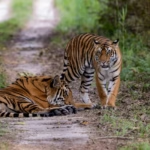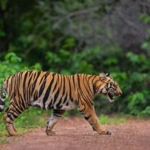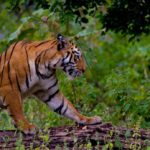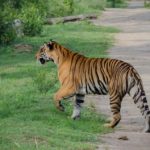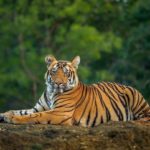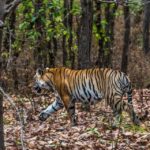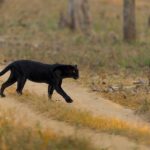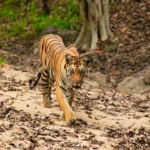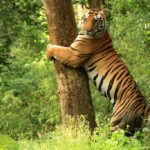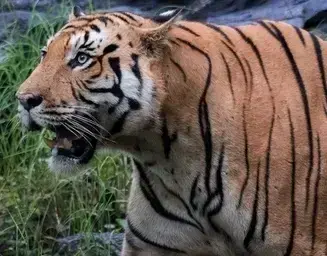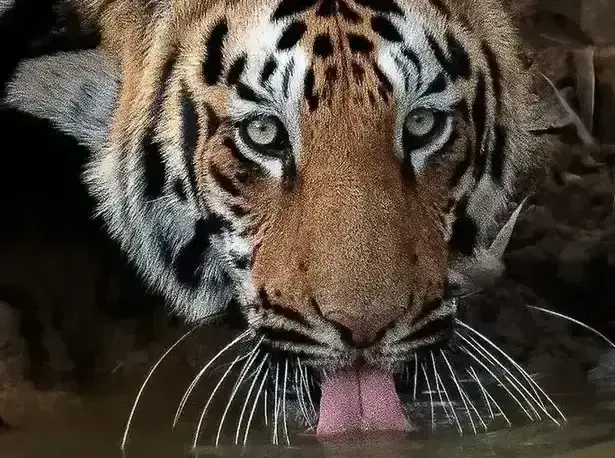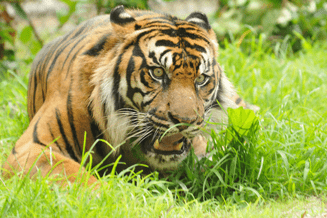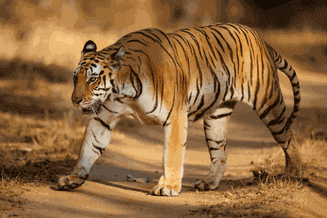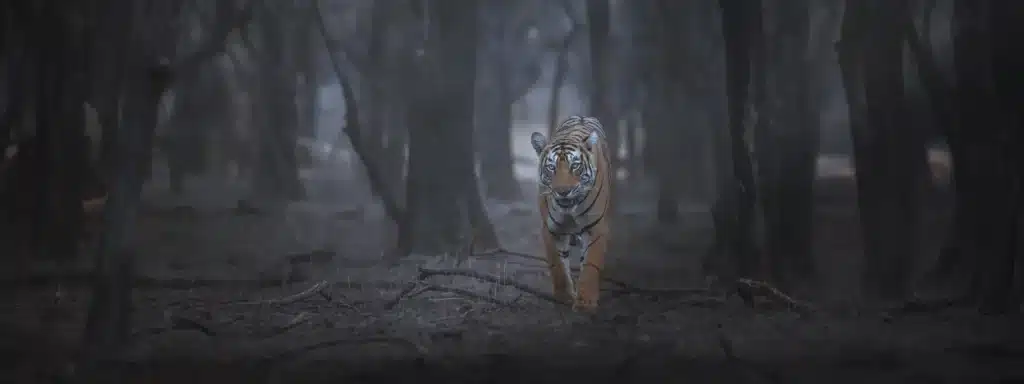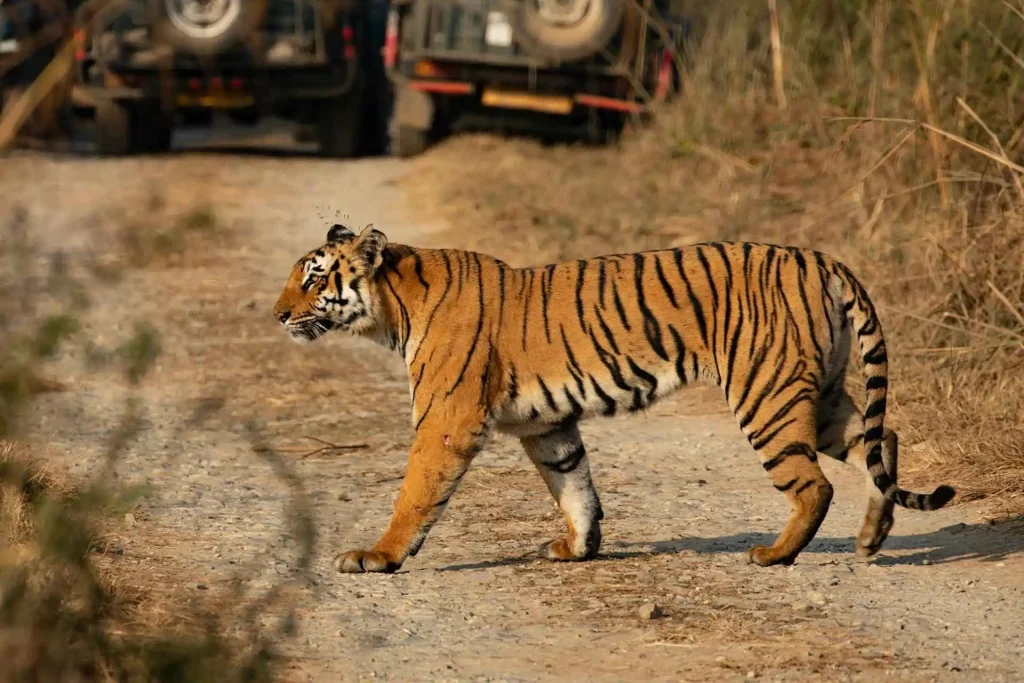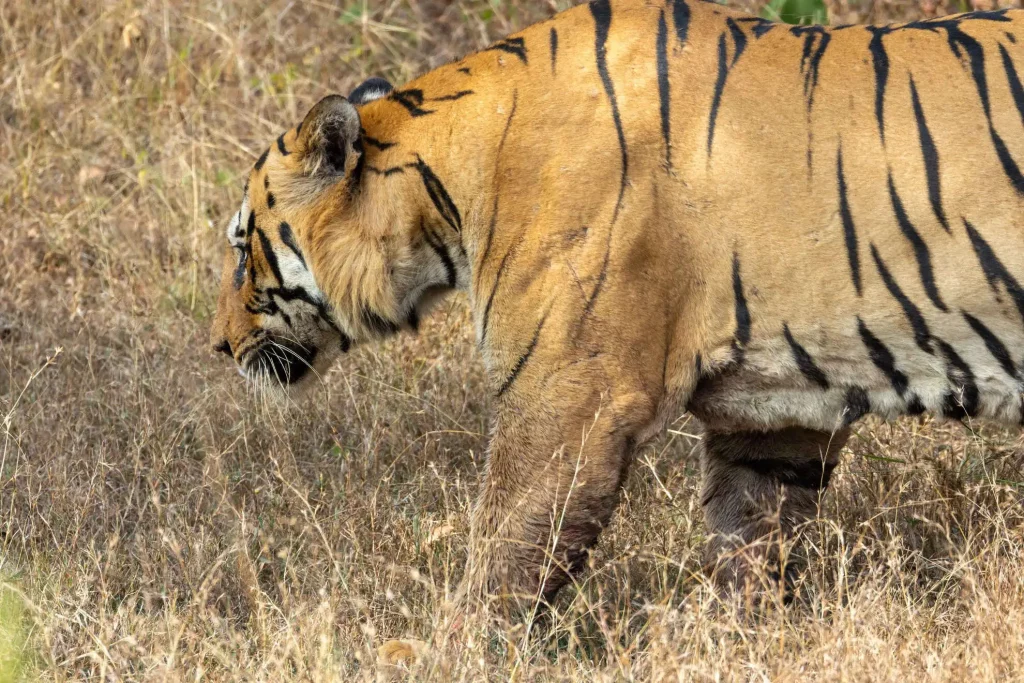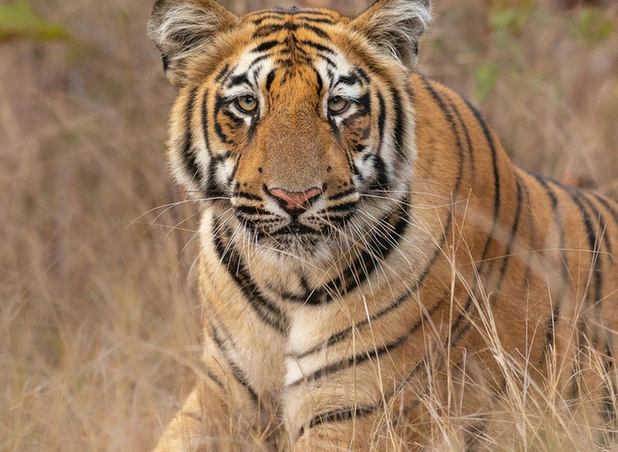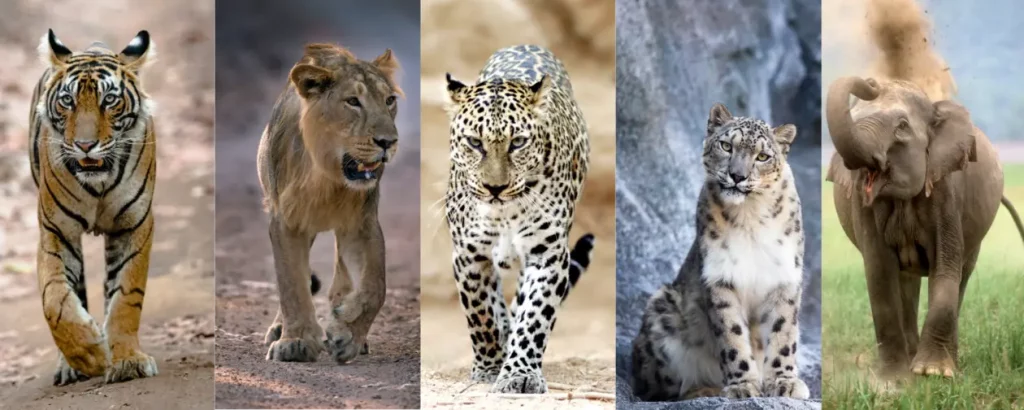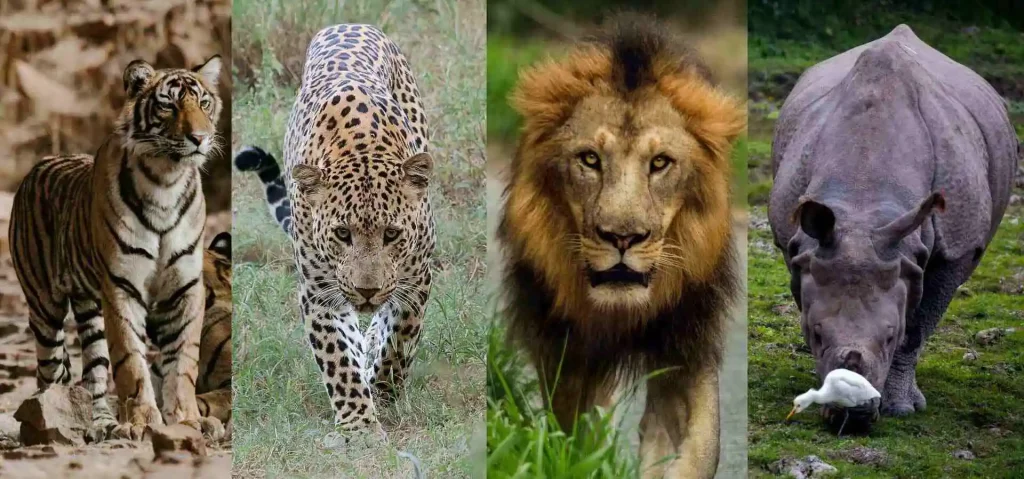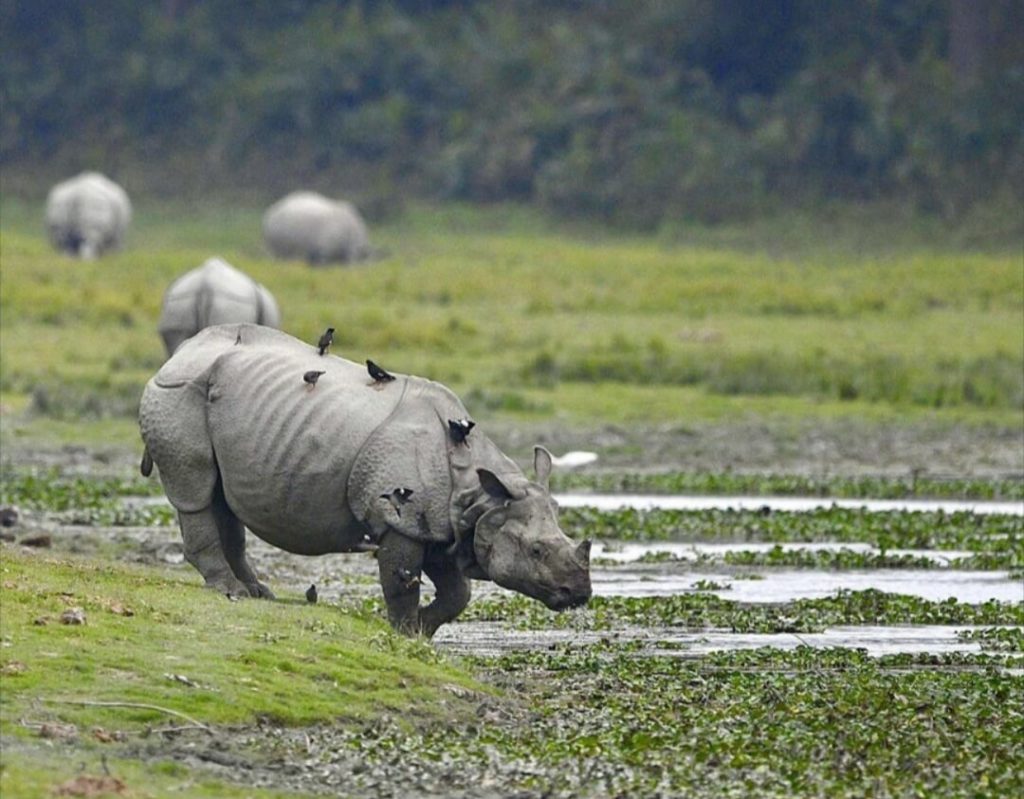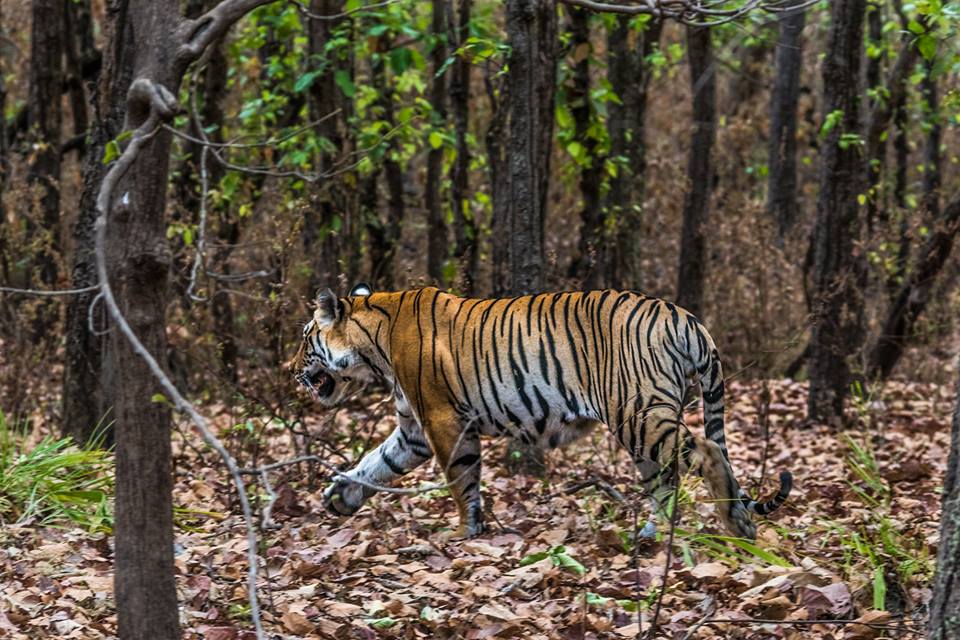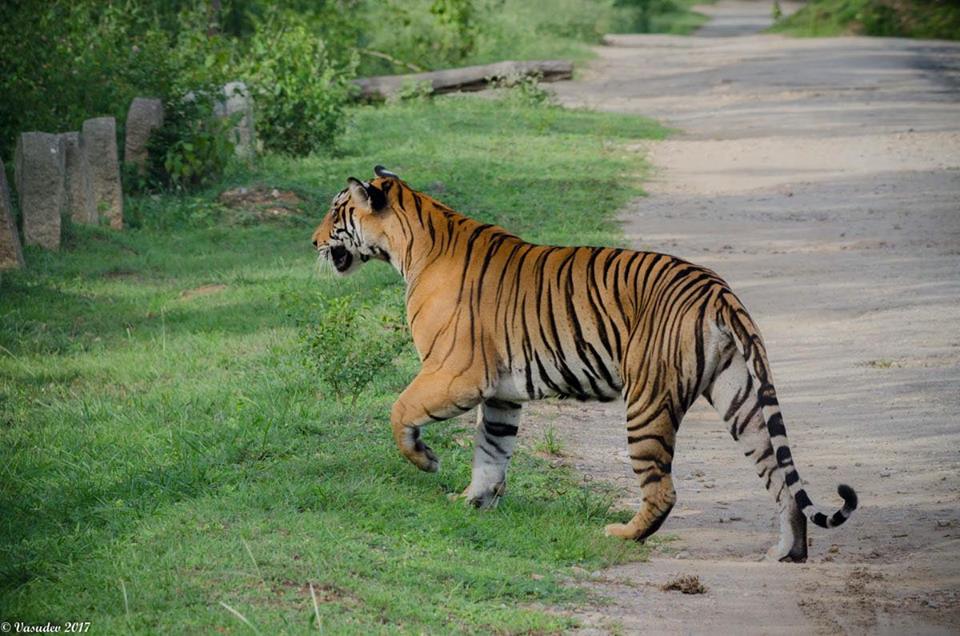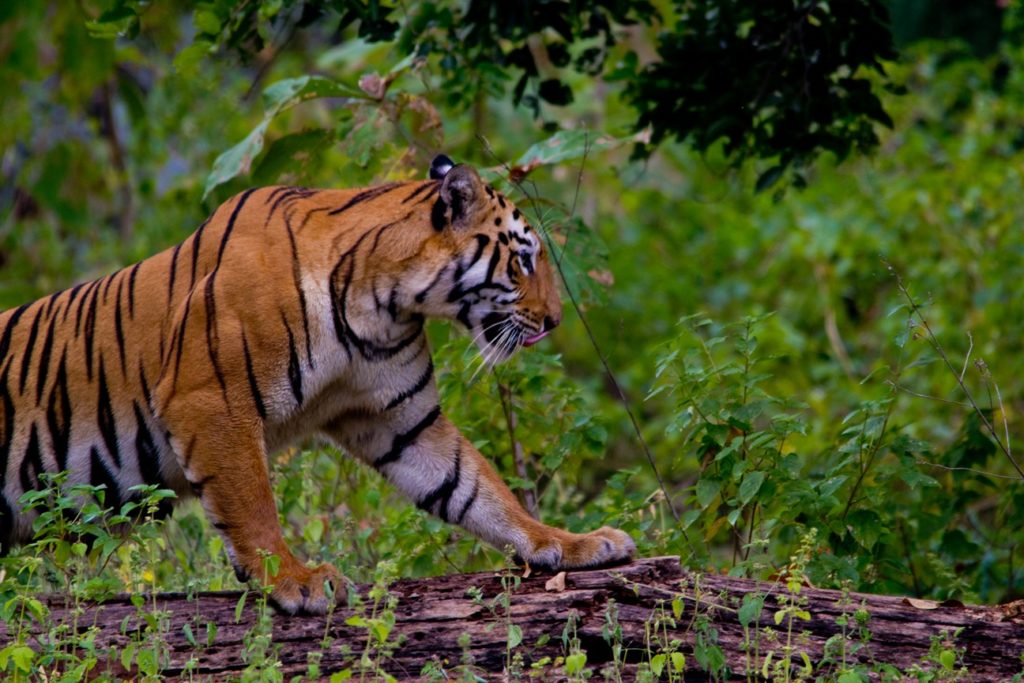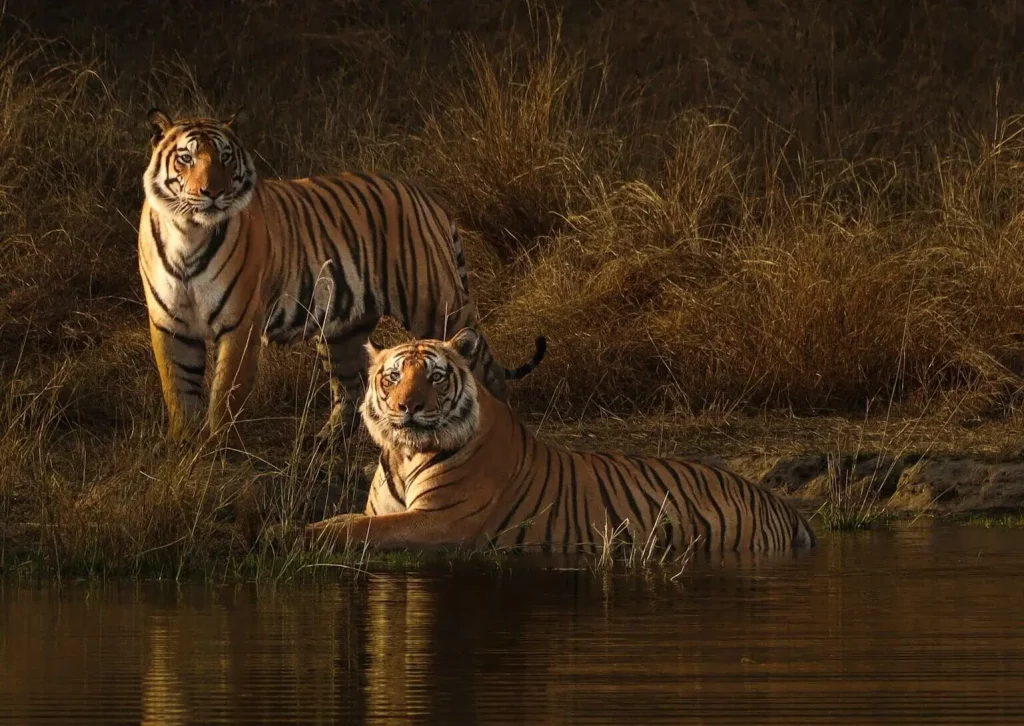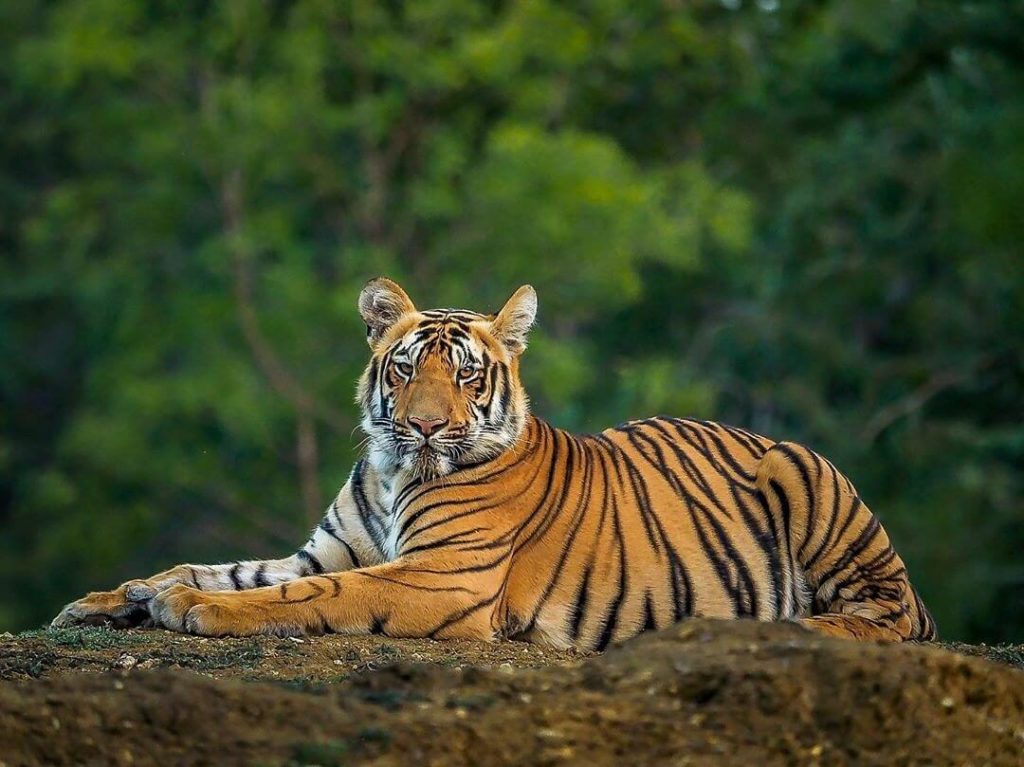
Bandhavgarh has one of the highest tiger densities in India. Most visitors arrive with a single aim. But the forest here is old and layered, and it holds far more than tigers. Watch the ground, the tree lines, and the water edges. The park rewards attention.
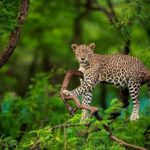
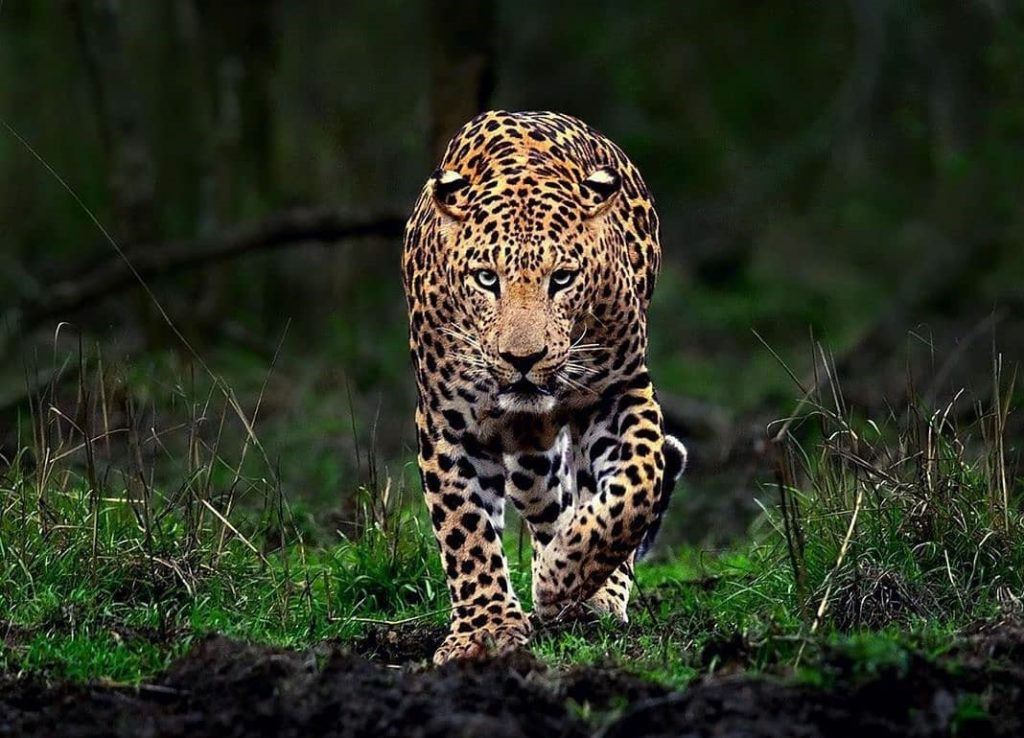
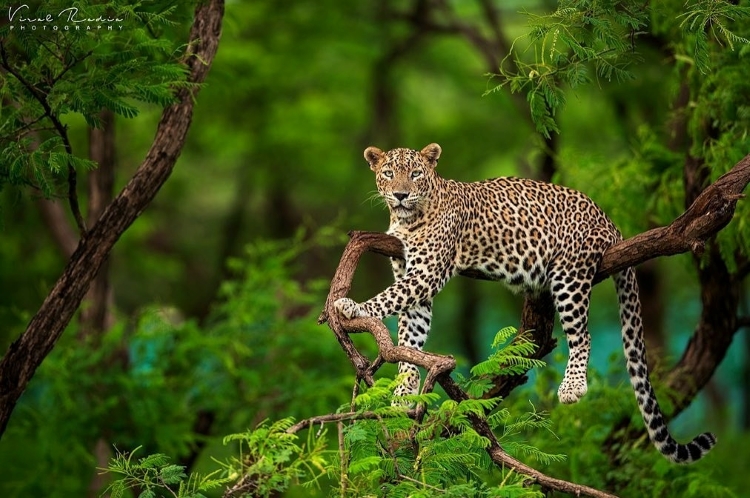
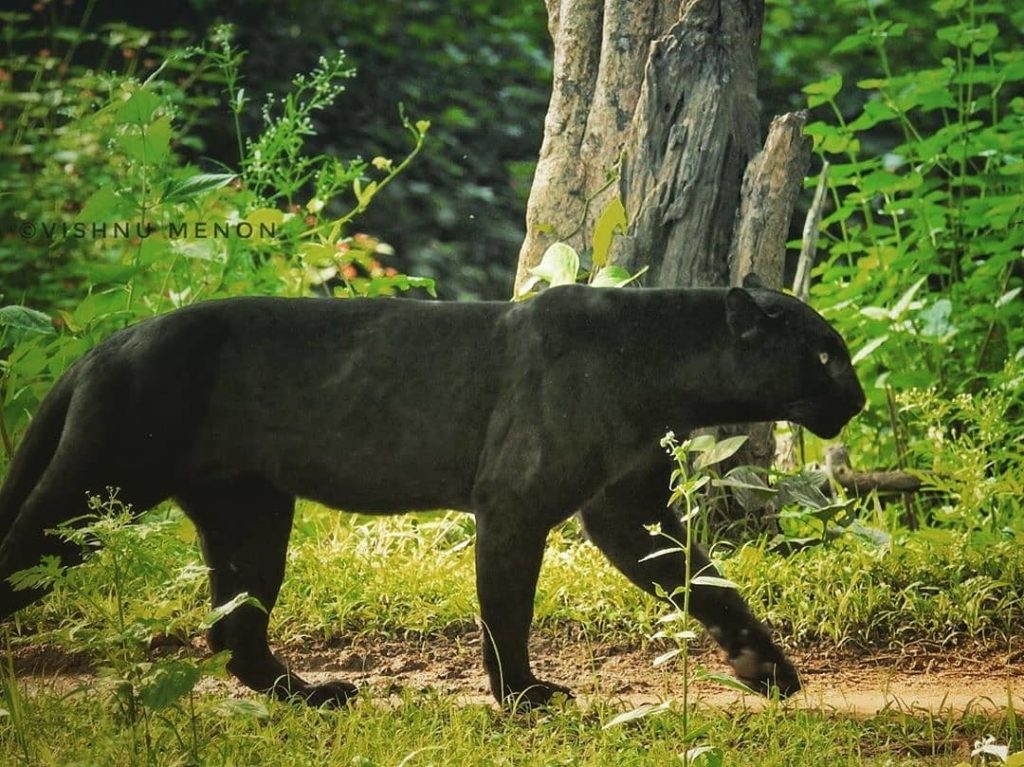
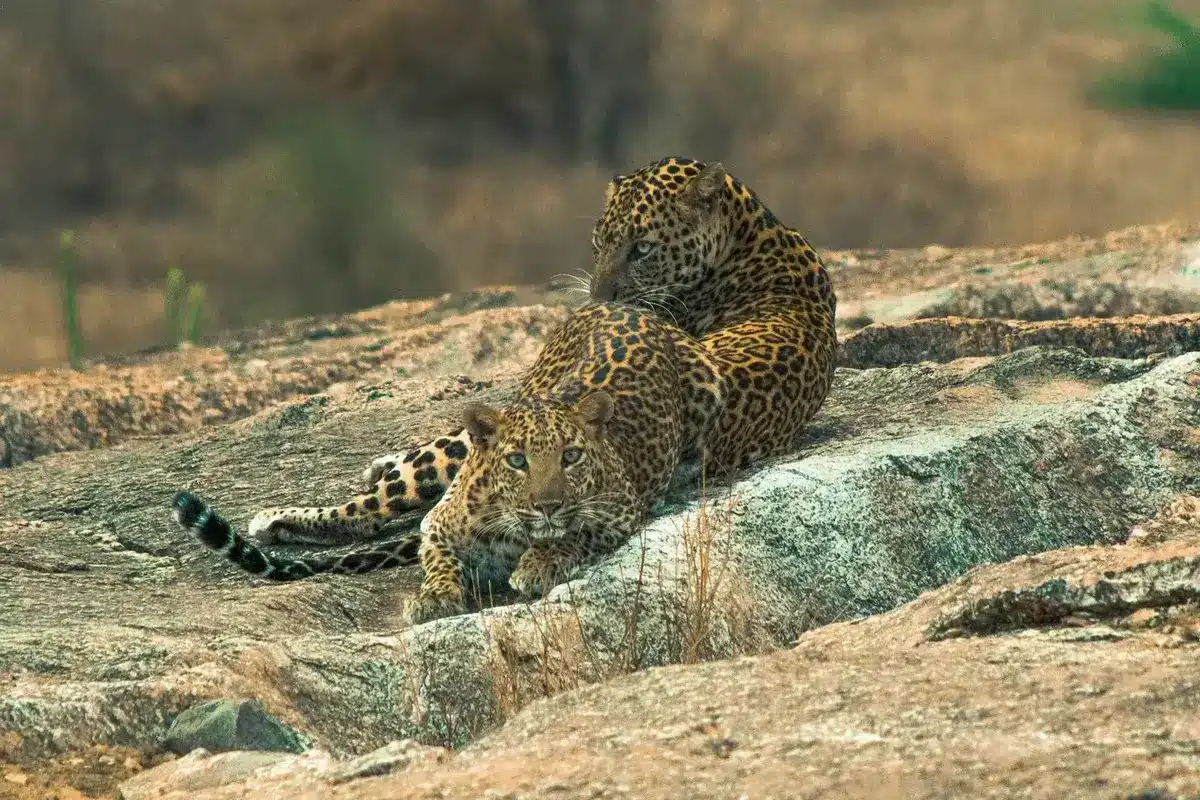
Leopard
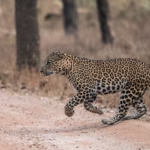
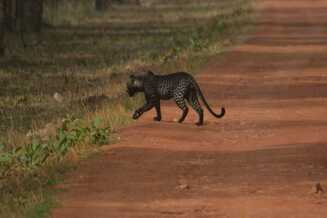
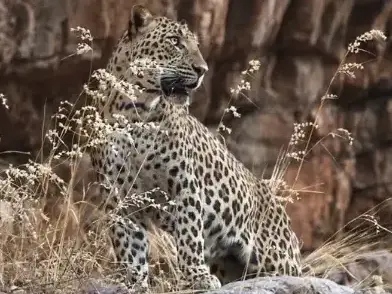
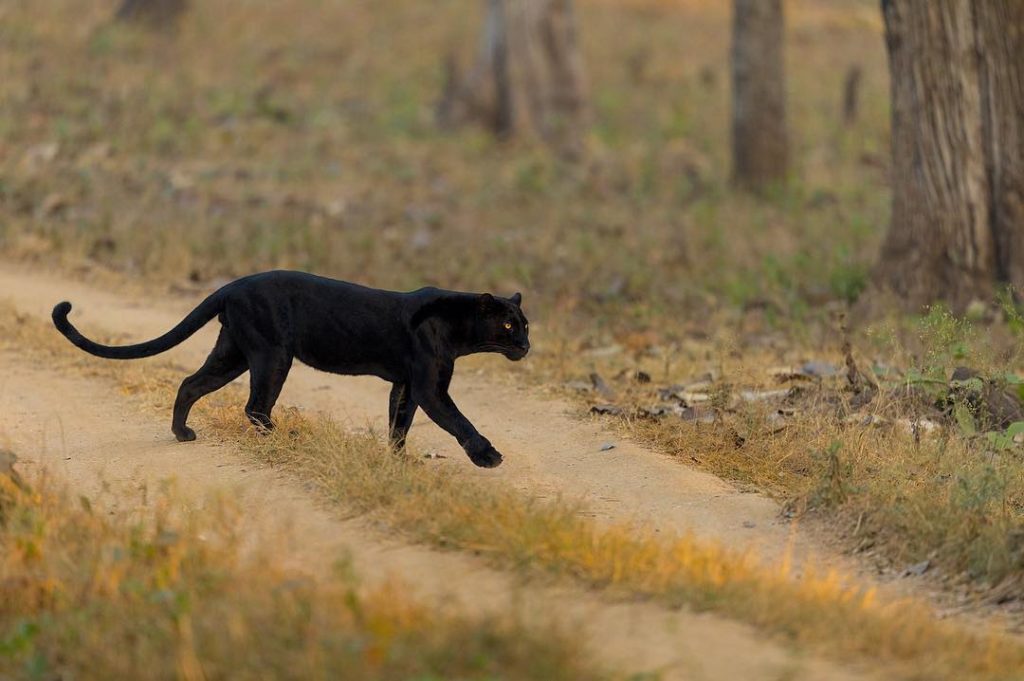
The leopard lives in Bandhavgarh but stays out of sight. It moves through dense sal forest and rocky terrain in the Tala and Magdhi zones. Early morning drives near the park's older buffer areas give the best chance of a sighting on open ground.
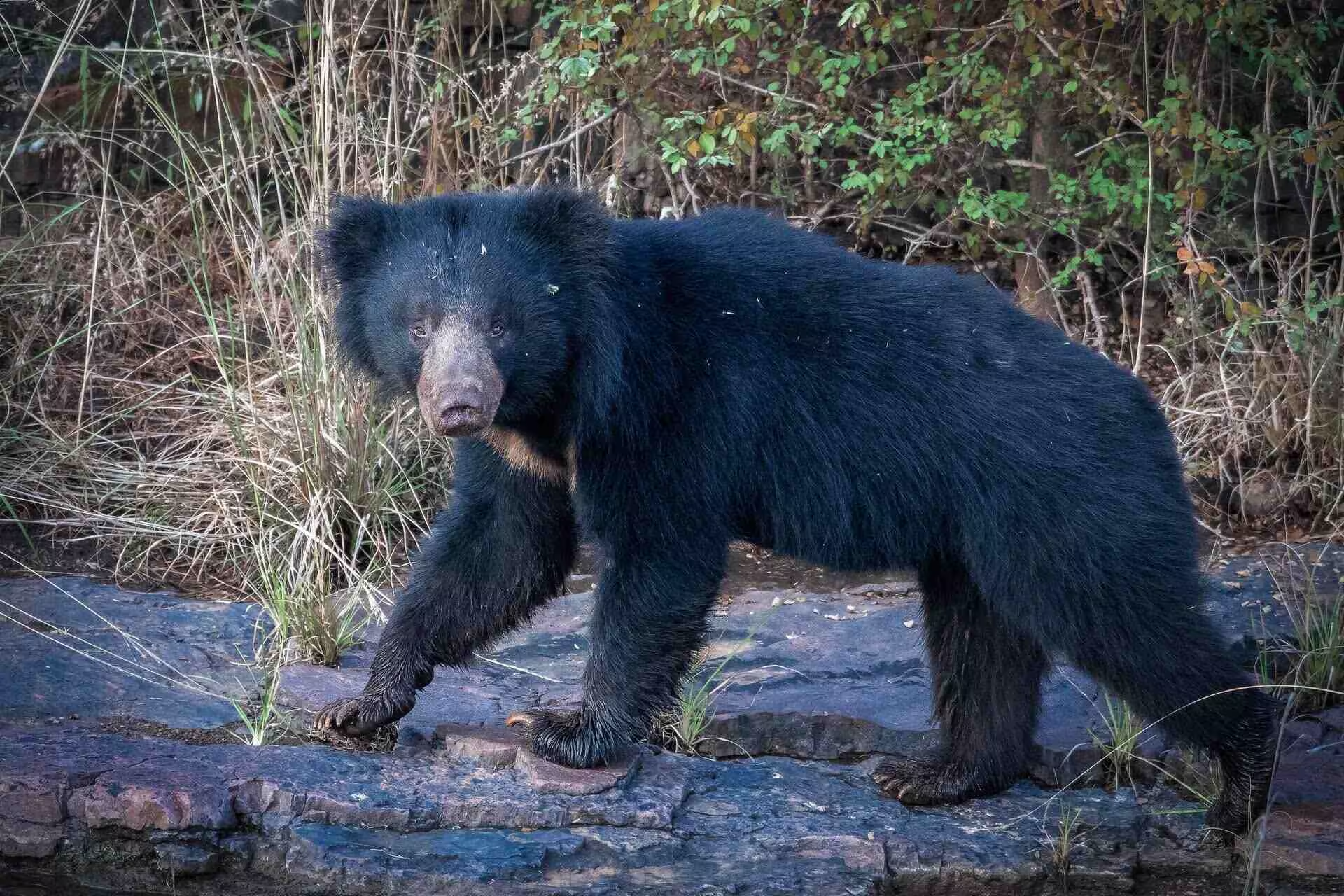
Sloth Bear
Bandhavgarh holds a healthy sloth bear population. It forages through grassland and scrub, digging for termites and pulling apart rotting logs. The Tala zone produces regular sightings, particularly in the cooler months between October and February.
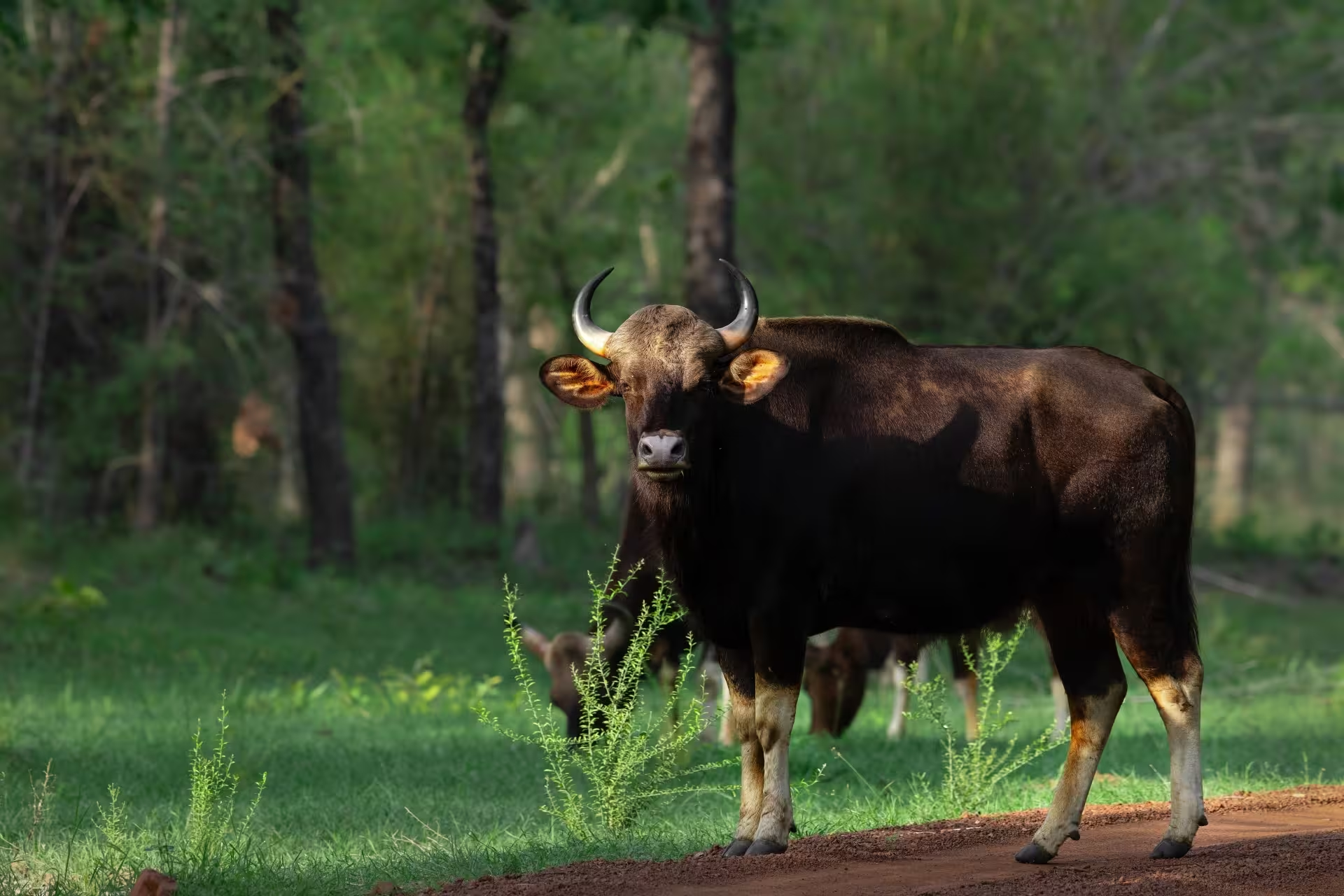
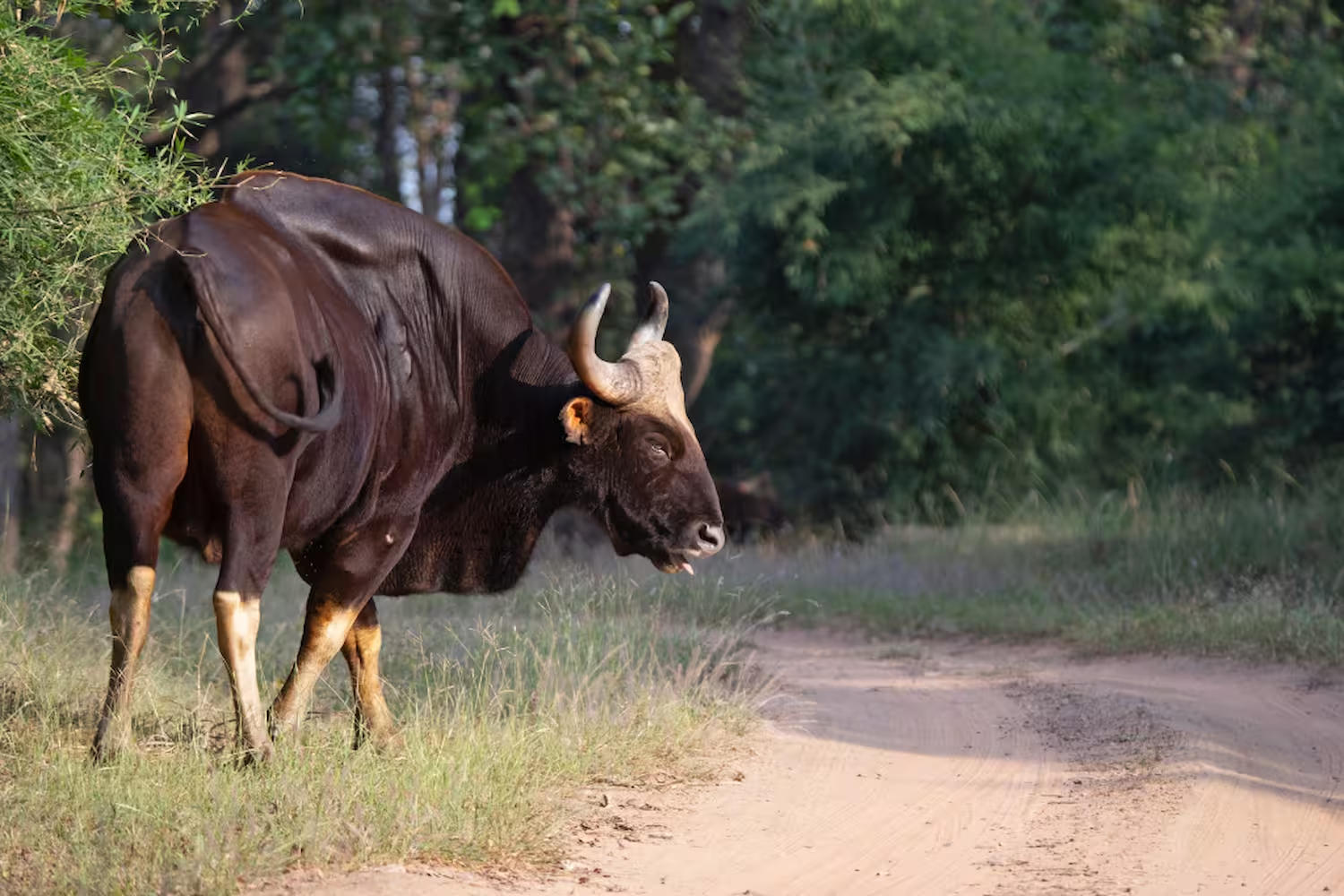
Gaur
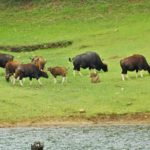
The gaur is the largest wild cattle species in the world. Adult bulls stand up to 220 cm at the shoulder and carry heavy curved horns. Bandhavgarh's buffer zones hold small herds, and sightings have increased steadily over the past decade.
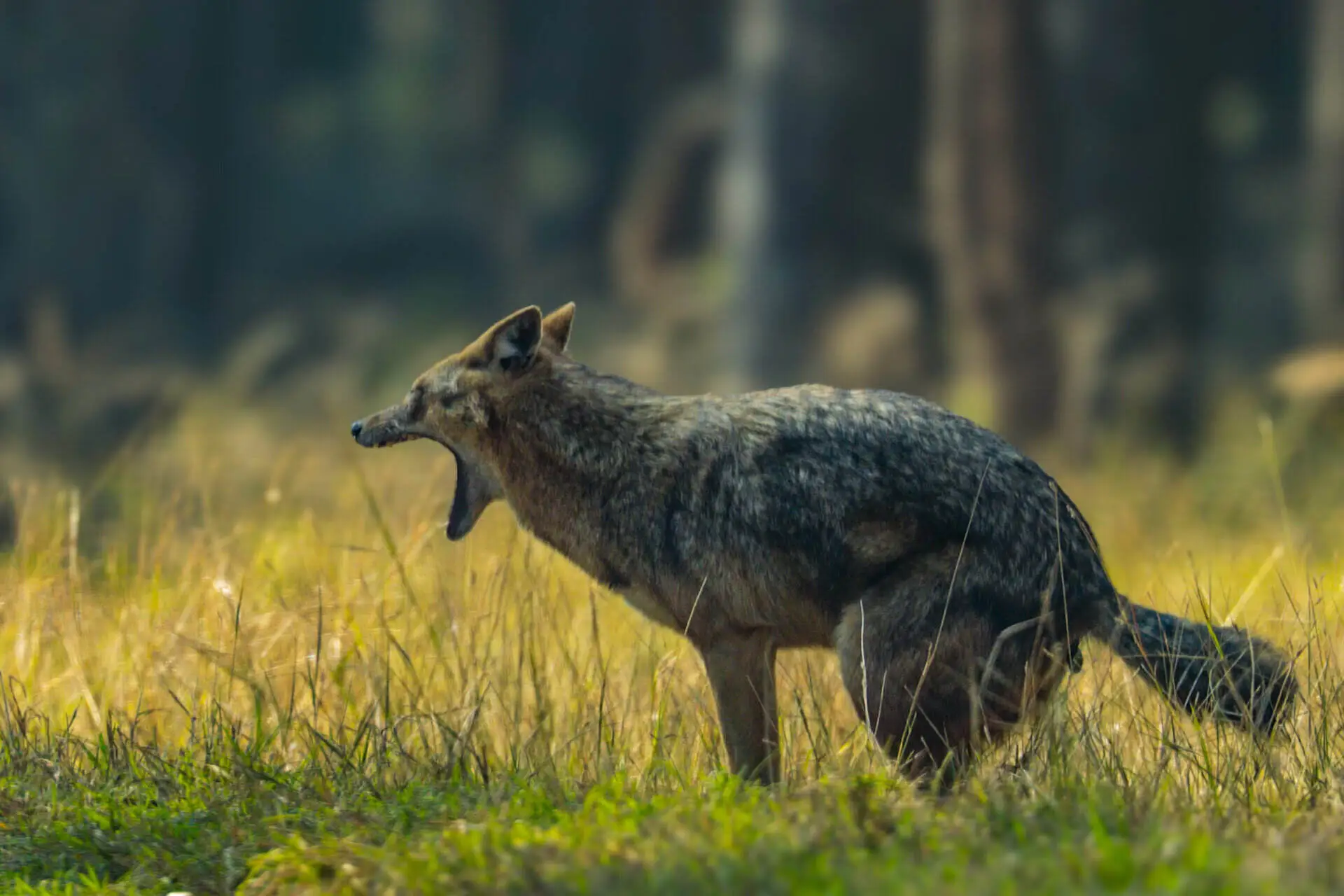
Indian Jackal
The jackal moves through Bandhavgarh in pairs or alone. It follows dry riverbeds and open meadows, feeding on small animals and carrion. It is common but rarely watched closely. A still vehicle and a quiet guide make the difference.
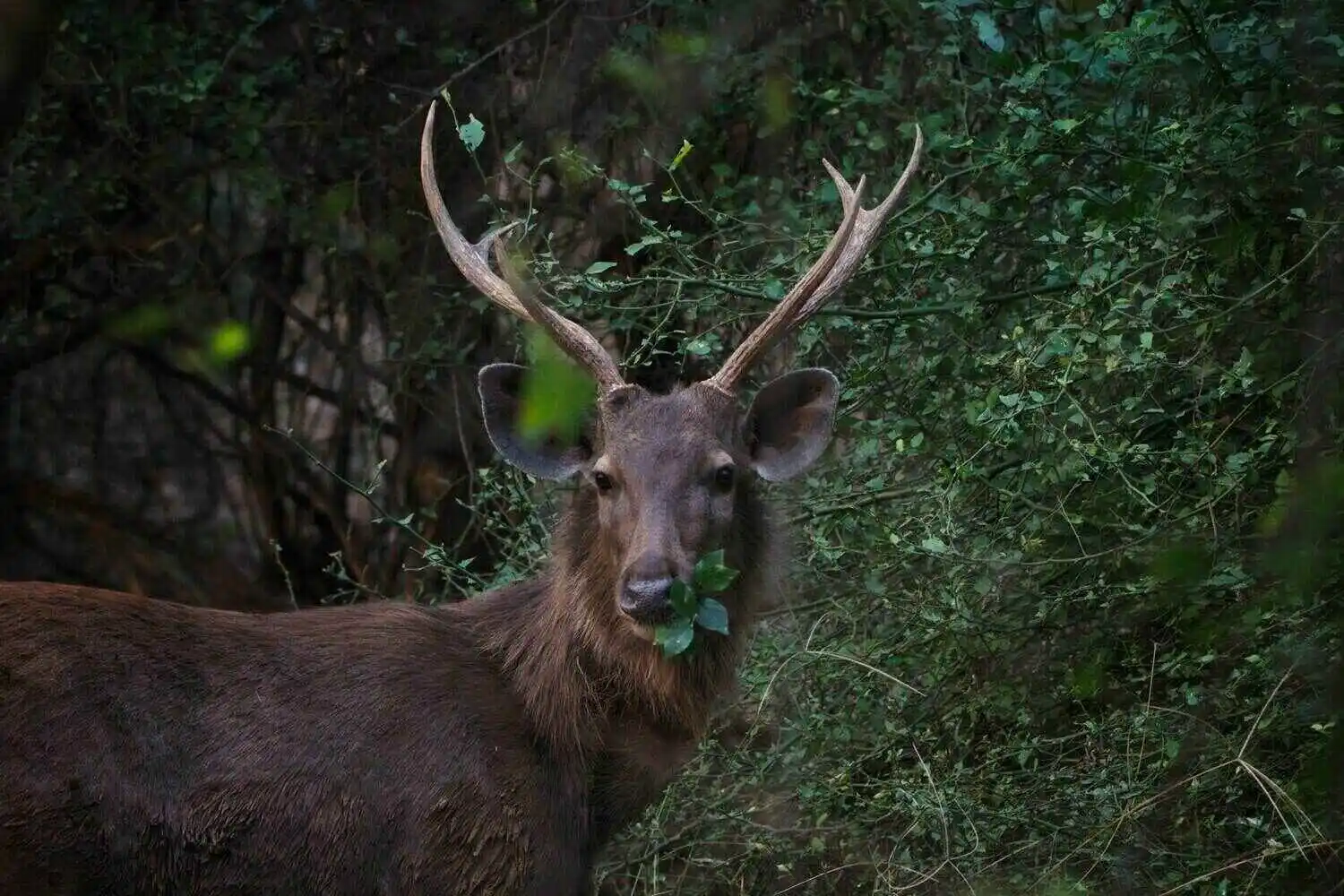
Sambar Deer
The sambar is the tiger's primary prey in Bandhavgarh. Stags carry large three-tined antlers and stand close to 150 cm at the shoulder. They graze near water in the evening and call sharply when a predator moves through the trees.
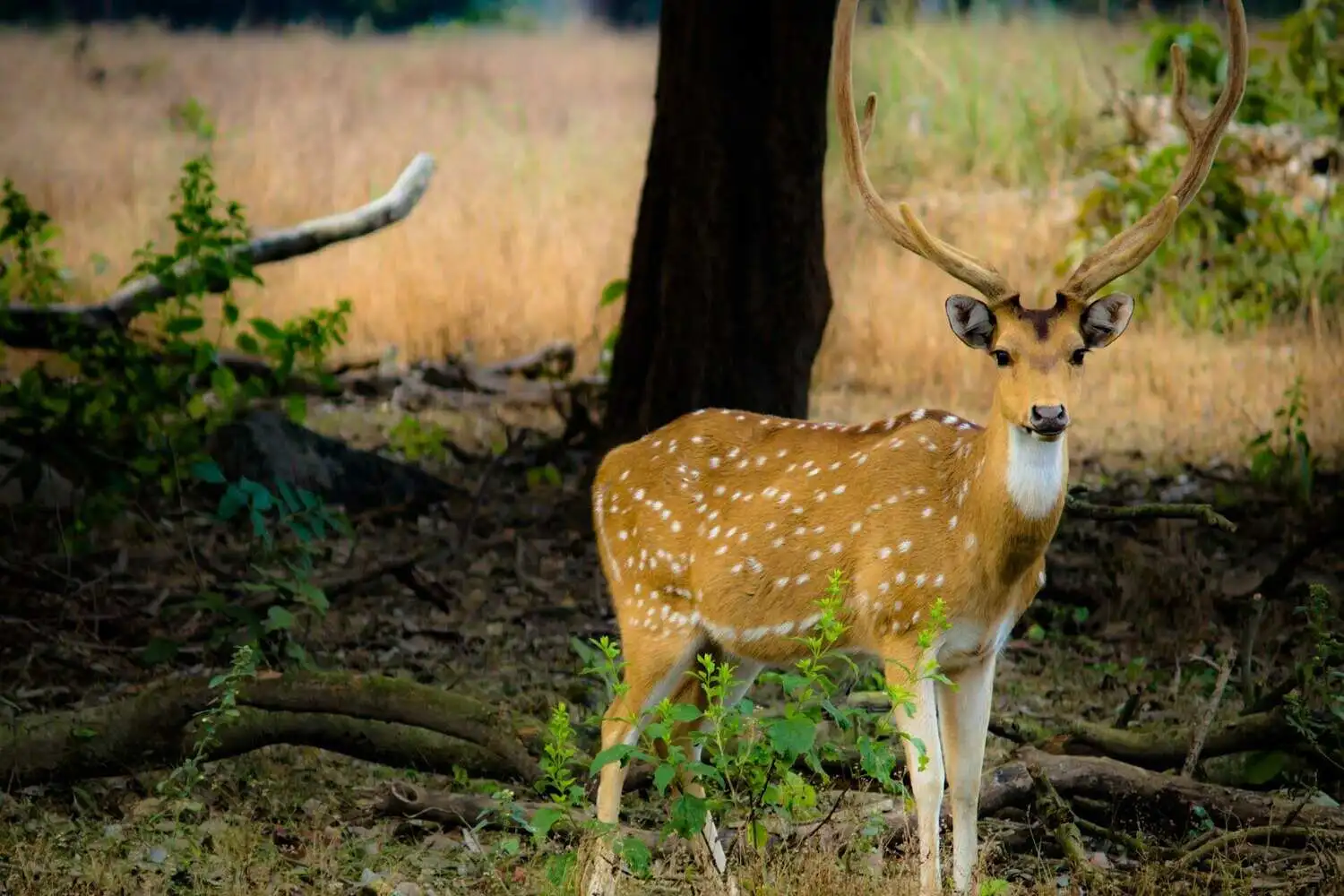
Chital
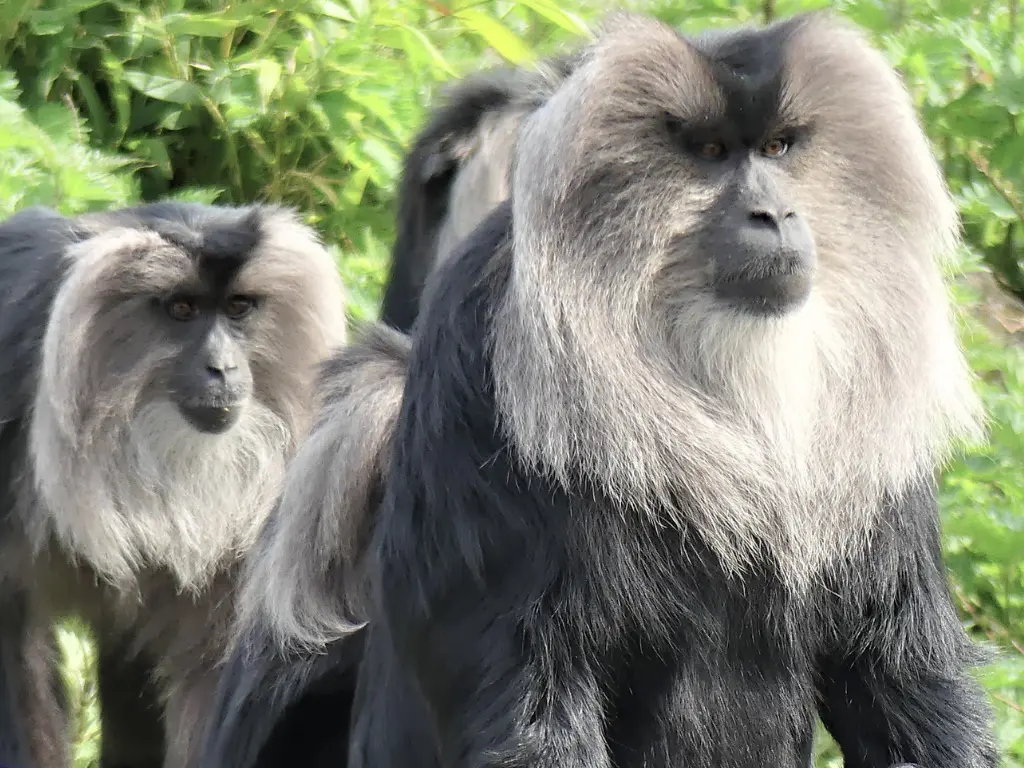
The chital, or spotted deer, moves in herds across Bandhavgarh's meadows. It is one of the most visible animals in the park. Males carry slender antlers with three tines. Chital herds often follow langur troops, feeding on fruit the monkeys drop from above.
Indian Wolf
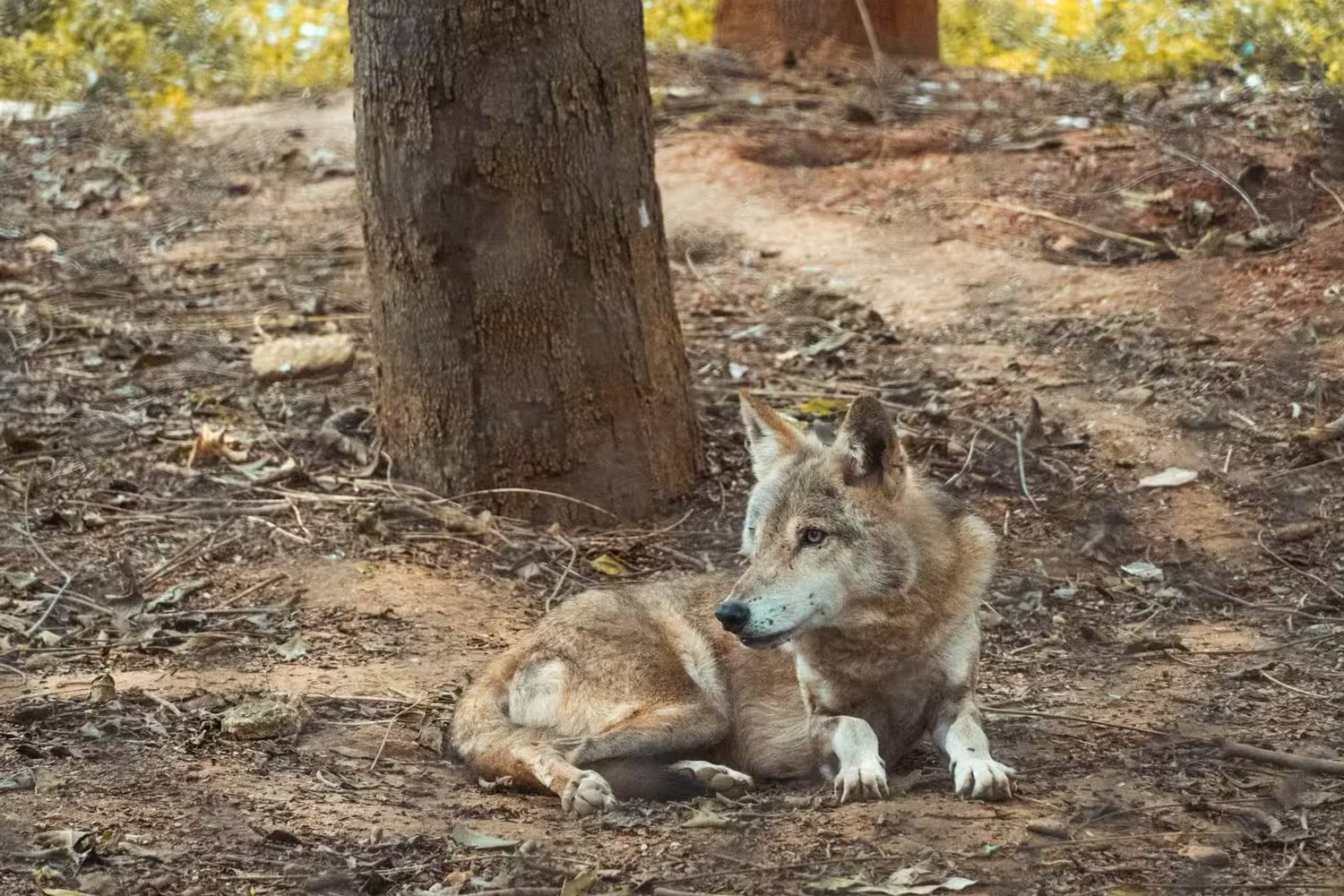
The Indian wolf is rare and seldom seen inside core tiger reserves. Bandhavgarh's buffer zone, particularly toward the eastern edge, holds small groups. It is leaner than its northern cousins and moves in tight family units across open ground.
Mugger Crocodile
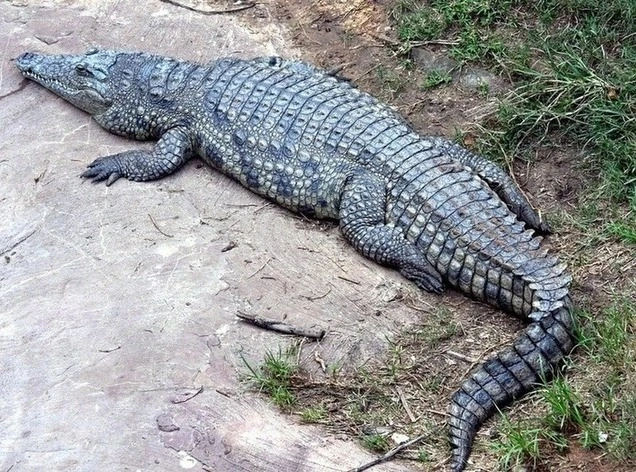
Bandhavgarh's streams and waterholes hold mugger crocodiles. They rest on exposed banks through the middle of the day and enter the water slowly. The Charanganga and Johila river systems inside the park boundary carry the largest individuals.
Indian Roller
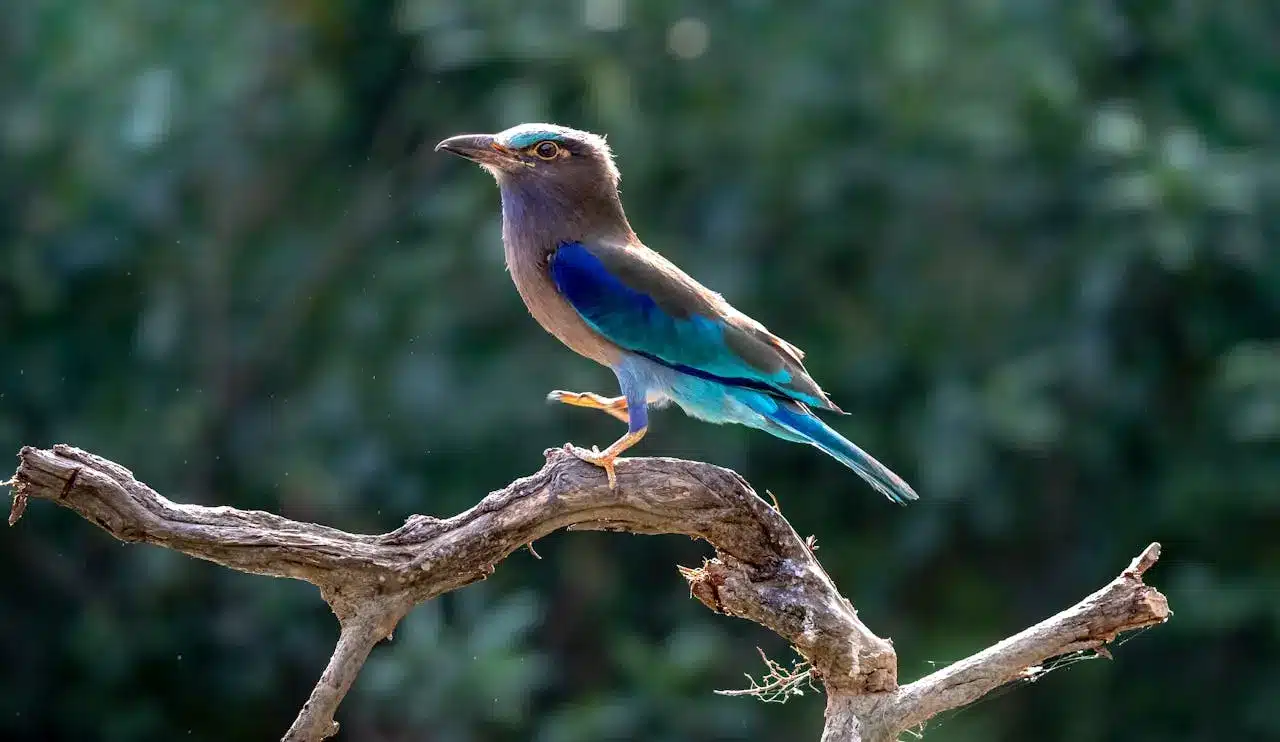
The Indian roller sits on exposed branches and fence posts along forest tracks. It has a bright blue-and-turquoise wing flash visible only in flight. It drops fast onto insects and small lizards on the ground and returns to the same perch repeatedly.
Crested Serpent Eagle
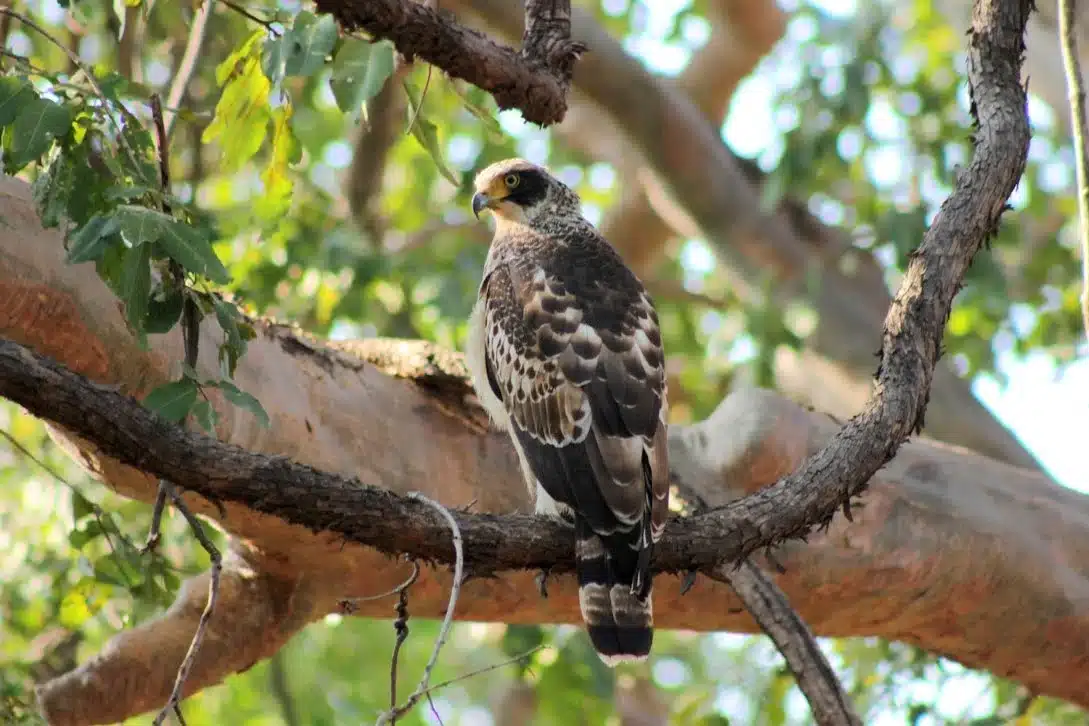
The crested serpent eagle is common in Bandhavgarh's sal forest. It perches high in the canopy and scans the ground below. Its crest rises sharply when alert. It feeds almost entirely on snakes and small lizards, hunting from above with steady patience.
The Forest Between Sightings
Bandhavgarh's tiger density is real. The sightings here come more often than most parks in India. But the drives between those moments are not empty. Gaur stand in the sal shade. Rollers drop from fence posts. A serpent eagle holds a branch and does not move. Pay attention to what the forest puts in front of you.
Bandhavgarh gives tiger sightings more reliably than almost any park in India. But the forest between those sightings is full of movement. Stay in the vehicle between zones. Watch the tree lines and the water. The animals are there, and most of them do not move away.