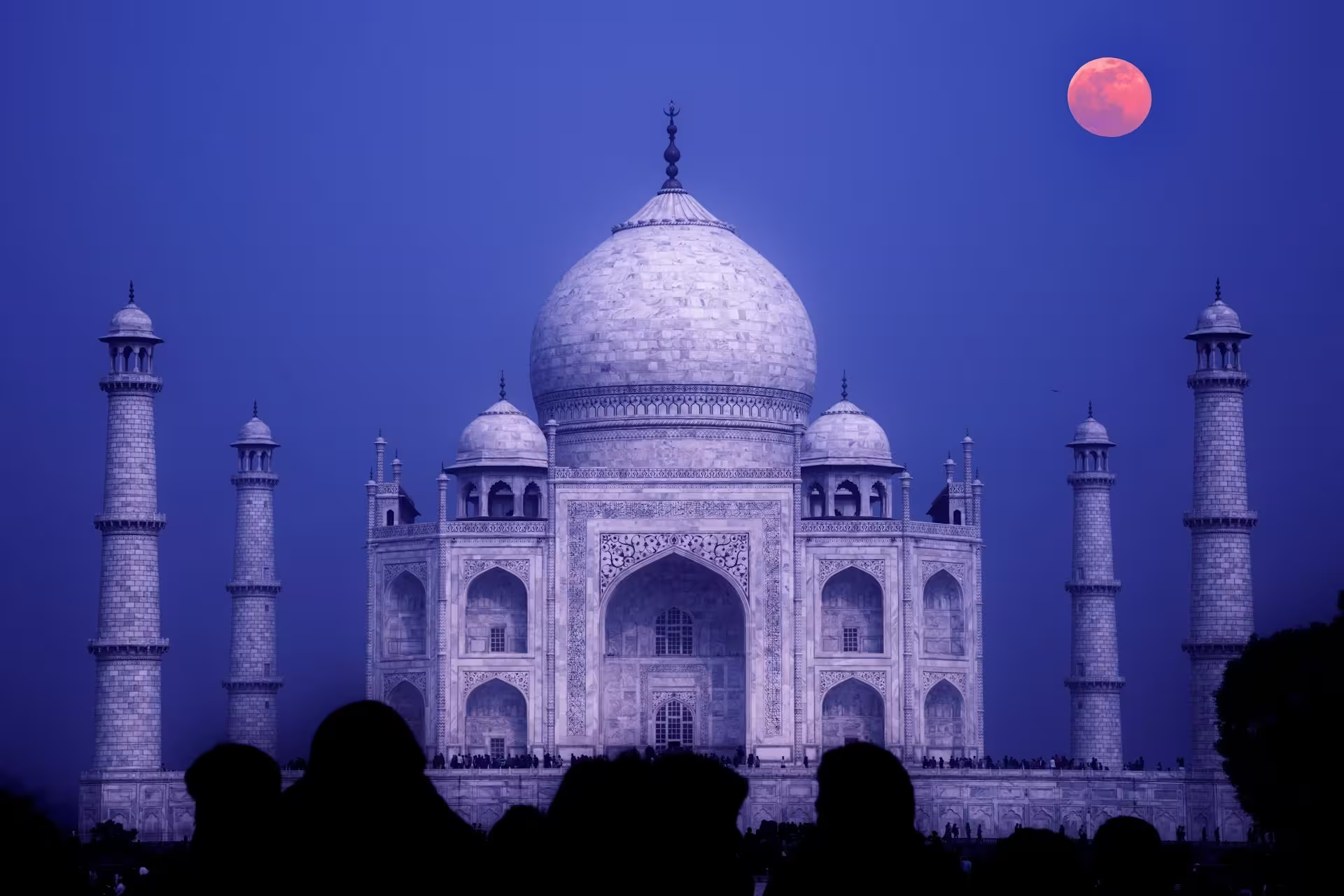
Most visitors see the Taj Mahal twice. Once at sunrise, once in the afternoon. Very few plan for the third option. On full moon nights the marble changes completely. The white stone holds the moonlight and the monument takes on a quality that daylight does not produce.
Only a limited number of visitors can see the monument during these night viewing sessions. The experience feels quieter and more intimate than a daytime visit. The outlines of the domes, minarets, and marble surfaces become softer under the night sky.
The Archaeological Survey of India, known as ASI, permits night viewing on selected dates around each full moon. If you are planning a wildlife safari, a Golden Triangle holiday, or a custom India journey with Big Cats India, these dates can help you plan your visit.
Why Visit the Taj Mahal at Night?
The Taj Mahal changes character after sunset. Moonlight falls across the marble and reveals details that often go unnoticed during the day.
Visitors choose night viewing for several reasons:
- A quieter atmosphere with fewer people
- Soft moonlight reflecting from the white marble
- A rare opportunity available only on selected nights
- A memorable addition to a wildlife and heritage holiday
- A special experience for photographers and cultural travelers
The gardens, pathways, and open spaces around the monument feel different at night. Sounds travel further. Movement slows. The monument remains the same, but the setting around it shifts.
Official Taj Mahal Full Moon Dates 2026-27
The following are the official full moon dates announced for Taj Mahal night viewing during 2026 and 2027.
| Month | Full Moon Date | Day |
|---|---|---|
| April 2026 | 2 April 2026 | Thursday |
| May 2026 | 1 May 2026 | Friday |
| May 2026 | 31 May 2026 | Sunday |
| June 2026 | 29 June 2026 | Monday |
| July 2026 | 29 July 2026 | Wednesday |
| August 2026 | 28 August 2026 | Friday |
| September 2026 | 26 September 2026 | Saturday |
| October 2026 | 26 October 2026 | Monday |
| November 2026 | 24 November 2026 | Tuesday |
| December 2026 | 23 December 2026 | Wednesday |
| January 2027 | 22 January 2027 | Friday |
| March 2027 | 21 March 2027 | Sunday |
Important Viewing Rule
The Taj Mahal remains open for night viewing on:
- The full moon night
- Two nights before the full moon
- Two nights after the full moon
Friday is excluded because the Taj Mahal remains closed to visitors on Fridays.
This arrangement gives visitors several chances to experience the monument under moonlight. The brightness of the moon changes slightly across these nights, yet each viewing offers a different perspective.
Taj Mahal Night Viewing Timings
Night viewing sessions usually take place between 8:30 PM and 12:30 AM.
Visitors enter in small batches. Each group receives a fixed viewing period around 30 mins. This system helps manage visitor numbers and keeps the experience orderly.
It is advisable to arrive before the reporting time mentioned on your ticket. Early arrival allows time for security checks and entry procedures.
Practical Tips for the Night Visit
Arrive at the gate early. Groups are called in sequence. Being near the front of the queue gives more time inside the complex before the session ends.
Dress for the temperature. Agra nights between October and February are cold. Temperatures drop to 5 to 8 degrees Celsius in December and January. Carry a warm layer even if the day felt warm.
Choose your month carefully. Winter fog in Agra is real. December and January nights can reduce visibility significantly. September, October, and November tend to offer cleaner skies and better viewing conditions.
Manage your camera settings. Flash photography is not permitted inside the complex. A wide aperture and high ISO setting work best for the available moonlight. The marble reflects well and the central pool adds a second light source below.
Best Time for Moonlight Viewing
October to March
This period offers some of the most comfortable conditions for visitors. Temperatures are pleasant, and skies are often clearer.
The cooler air can make evening visits more enjoyable. Many travelers combine these months with wildlife safaris across North and Central India.
April to June
Summer temperatures rise during the day, but evenings are often more comfortable.
Night viewing can provide relief from daytime heat while offering clear views of the monument.
July to September
The monsoon season brings changing weather patterns. Clouds may affect moonlight visibility on some nights.
The surrounding landscape becomes greener during these months, and the river corridor around Agra takes on a different appearance.
Combine Taj Mahal Night Viewing with a Wildlife Safari
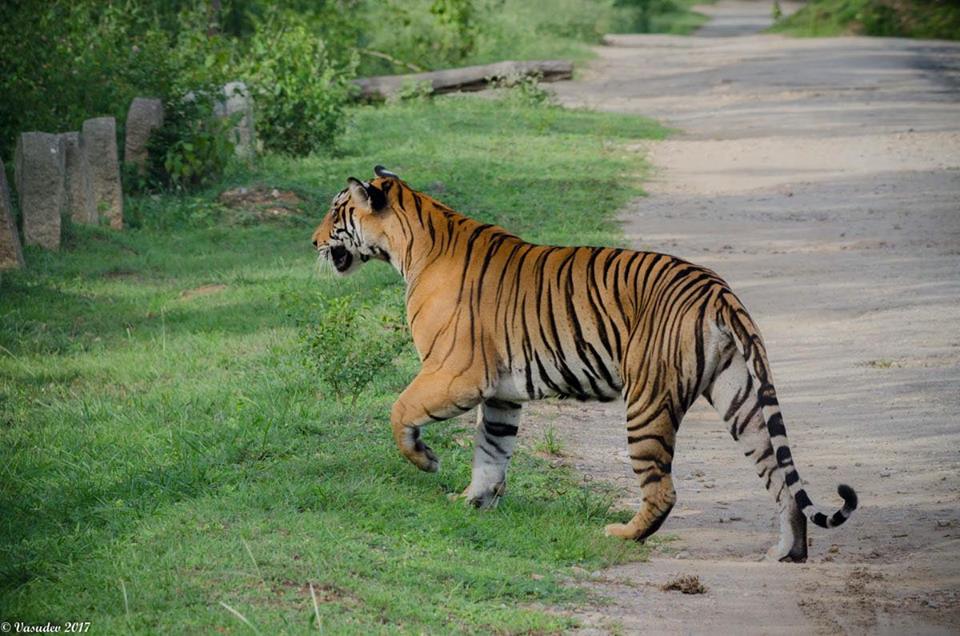
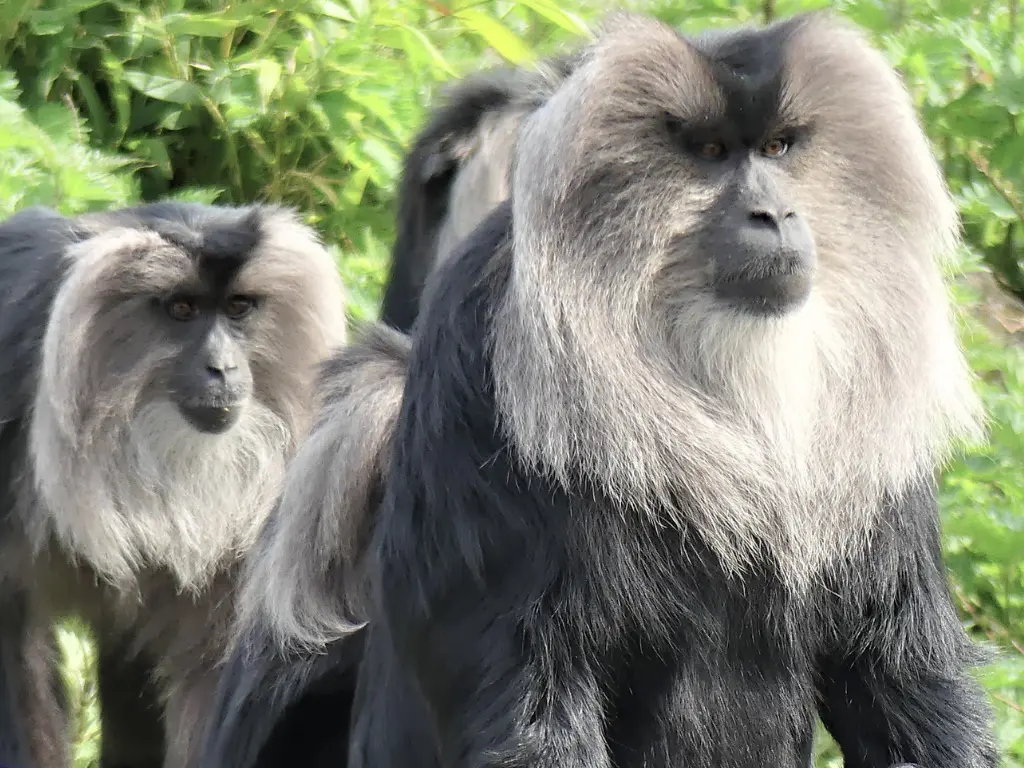
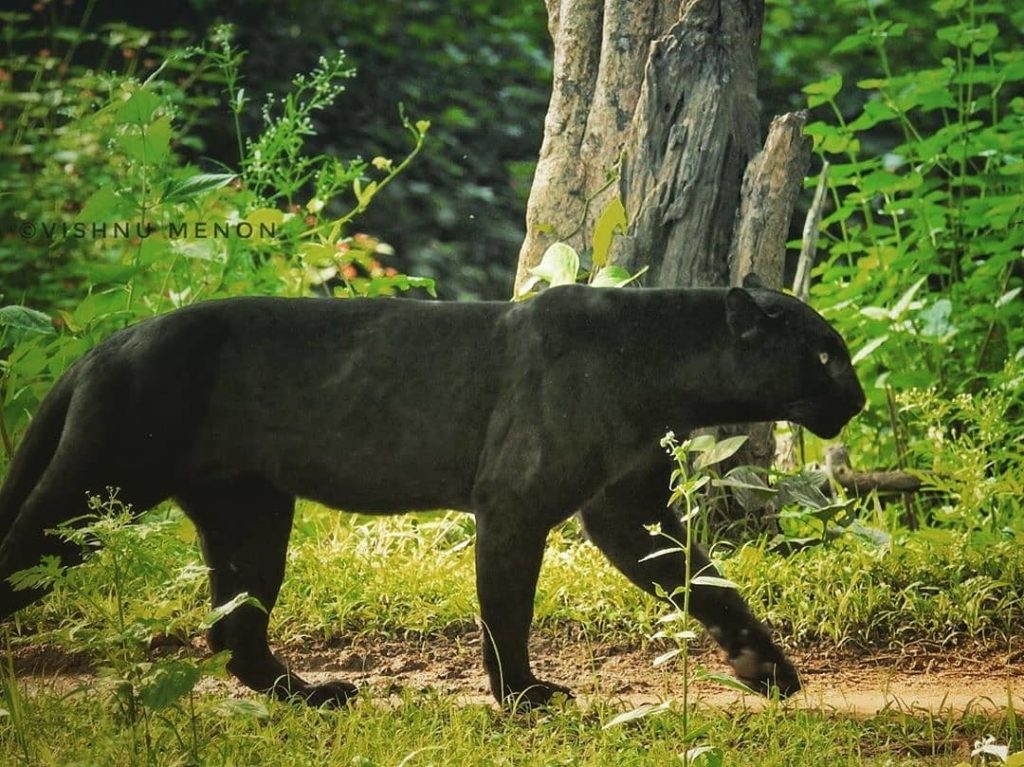
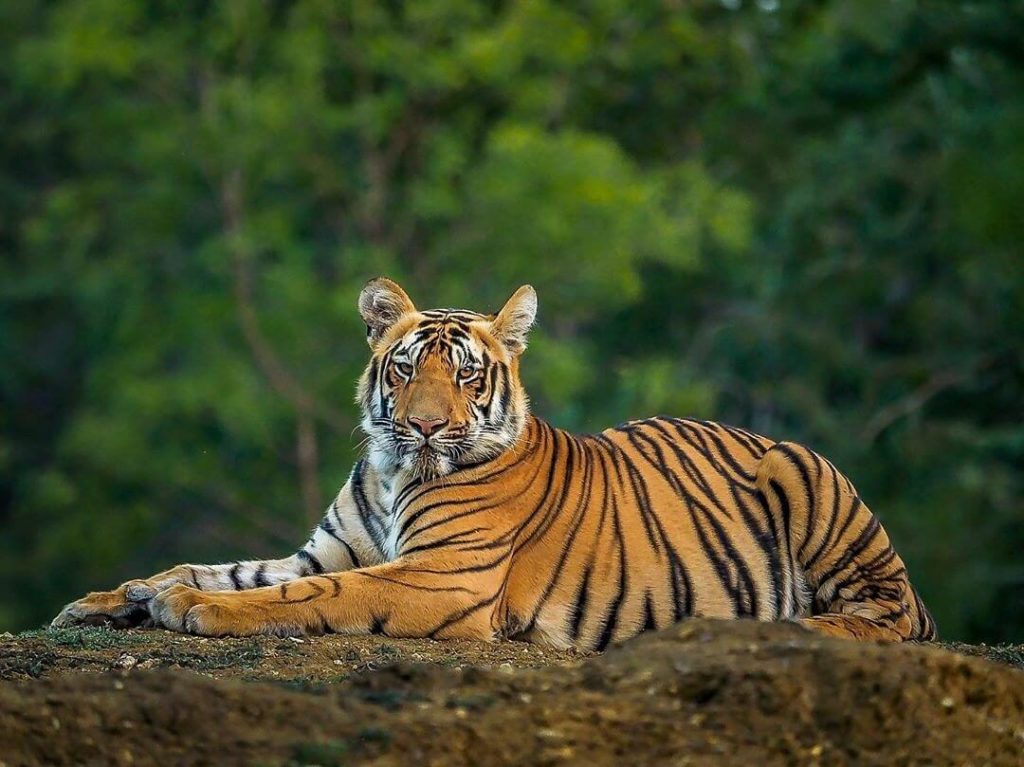
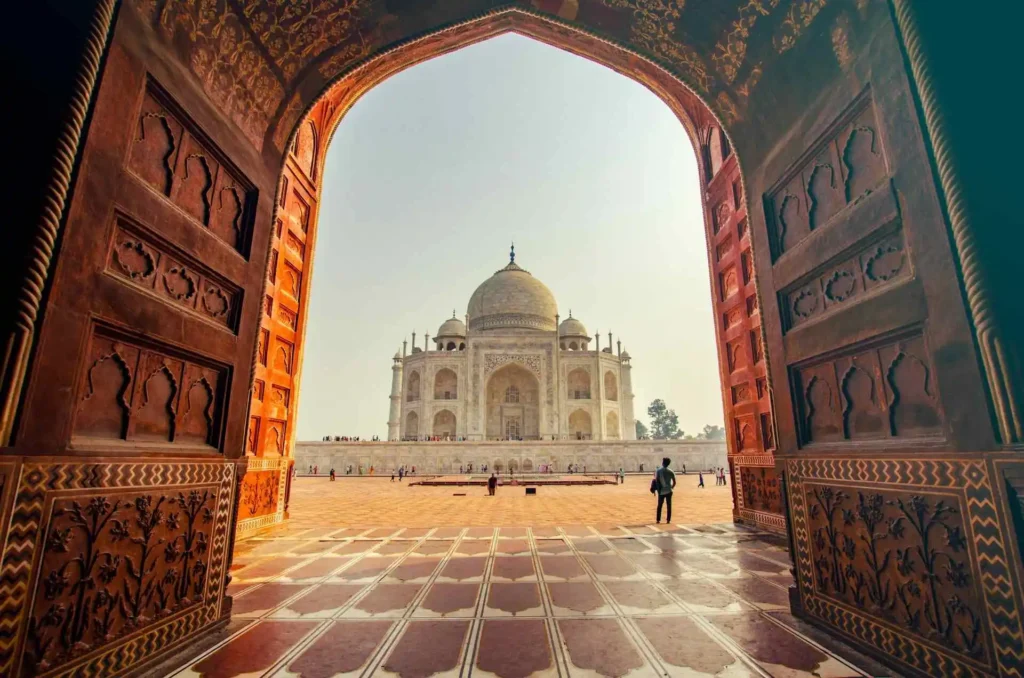
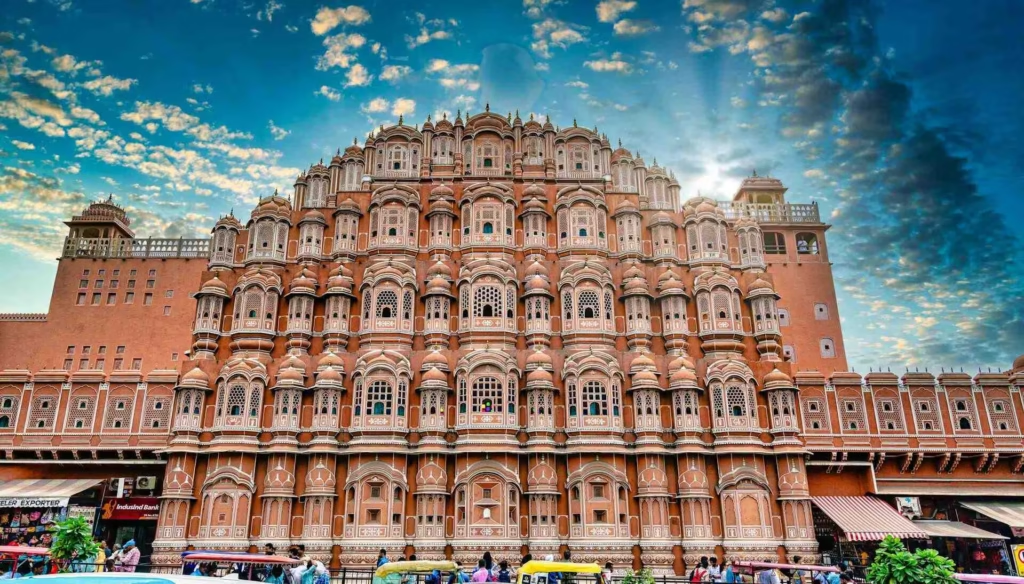
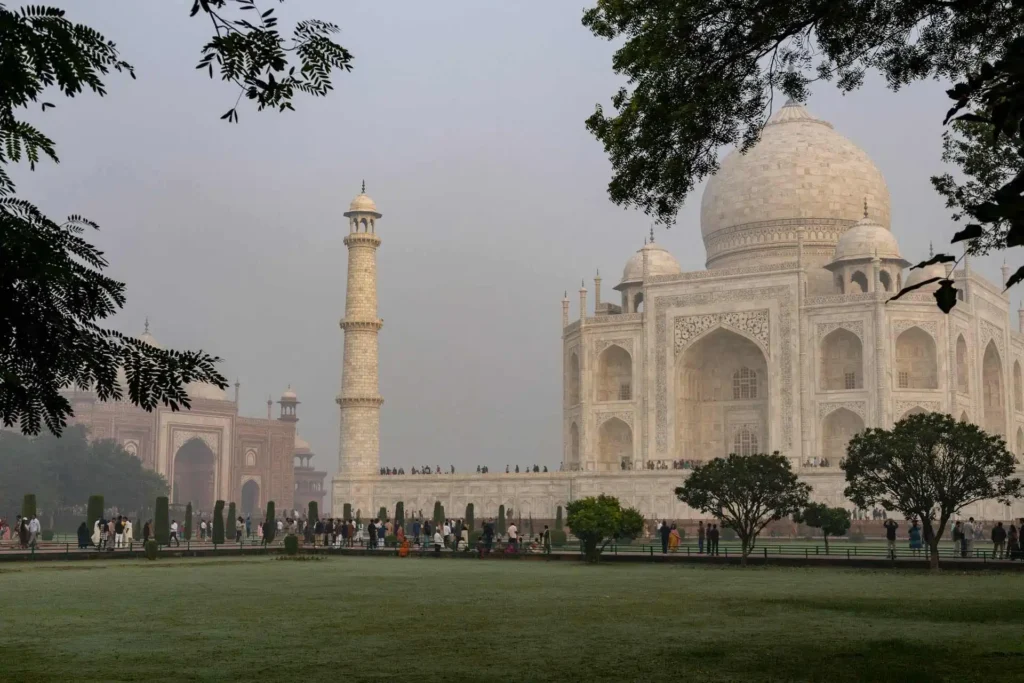
Many travelers choose to combine India's historic landmarks with its wildlife destinations. The Taj Mahal and a tiger safari complement each other well.
One experience takes place among marble courtyards and historic gardens. The other unfolds across forests, grasslands, and river valleys.
Popular combinations include:


Can We Add Taj Mahal Night Viewing to Your Tour?
Yes. Big Cats India can customize your itinerary around the official moonlight viewing dates, subject to ticket availability and monument regulations.
Agra often serves as an important stop between cultural sites and wildlife reserves. With careful planning, travelers can experience both within the same itinerary.
A moonlit visit to the Taj Mahal pairs naturally with tiger safaris in Ranthambore or the forests of Central India.
Frequently Asked Questions
Is the Taj Mahal open every night?
No. Night viewing is allowed only on full moon nights and two nights before and after the full moon, excluding Fridays.
Can I purchase tickets on the same day?
Tickets are limited and may sell out quickly. Advance booking is recommended.
Is photography allowed during night viewing?
Photography regulations may vary. Visitors should check current ASI guidelines before their visit.
How long does the night viewing session last?
Visitors are admitted in batches and receive a limited viewing period according to ASI regulations.
Why is there no night viewing in February 2027?
Night viewing has been suspended during the Ramadan period from 17 February 2027 to 8 March 2027 as per the official notification.
Can Big Cats India include this experience in my safari itinerary?
Yes. Taj Mahal night viewing can be added to many custom wildlife tours that include Agra, subject to availability and official permissions.
Plan Your Visit
A moonlit view of the Taj Mahal remains one of the most distinctive cultural experiences in India. The monument appears quieter and more restrained beneath the night sky.
When paired with a tiger safari, the experience brings together two very different landscapes. One belongs to stone, gardens, and history. The other belongs to forests, rivers, and wildlife.
Contact Big Cats India to plan a customized itinerary that combines India's famous wildlife destinations with the rare opportunity to see the Taj Mahal under a full moon.