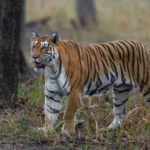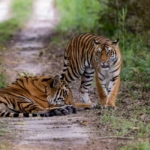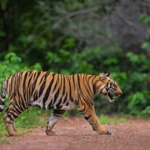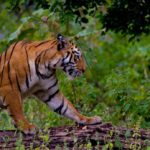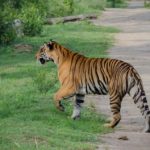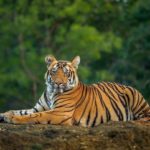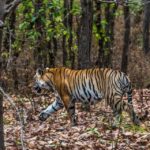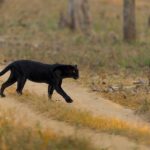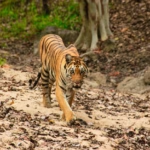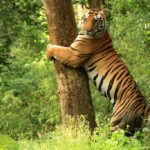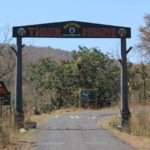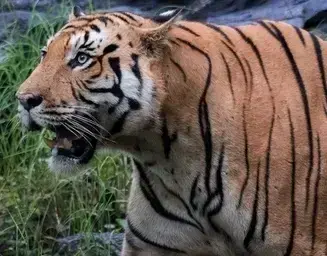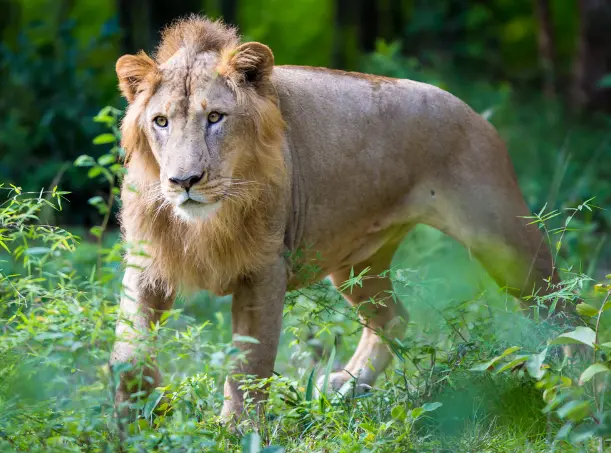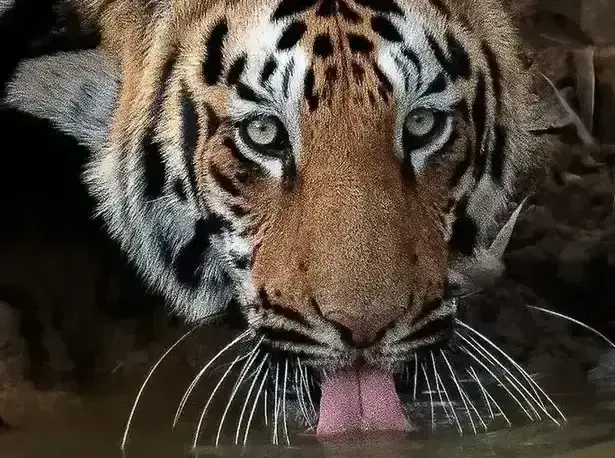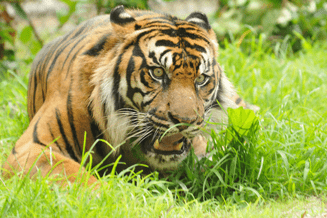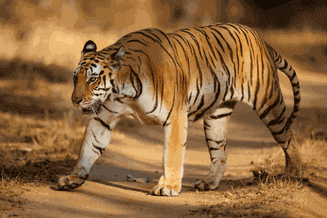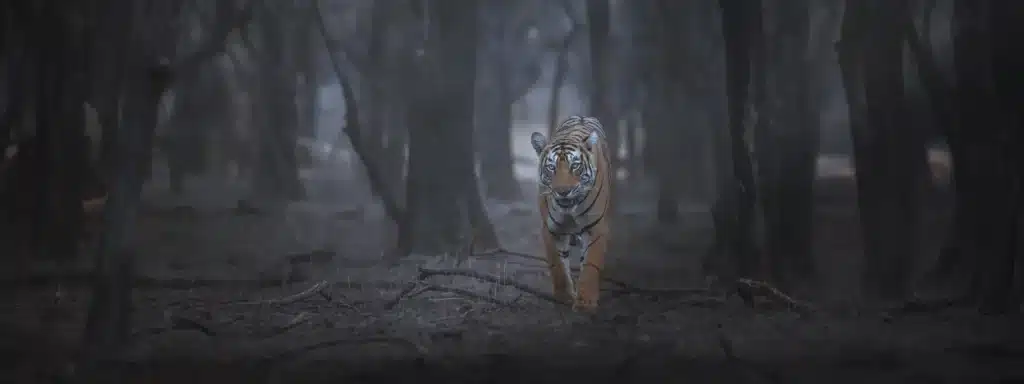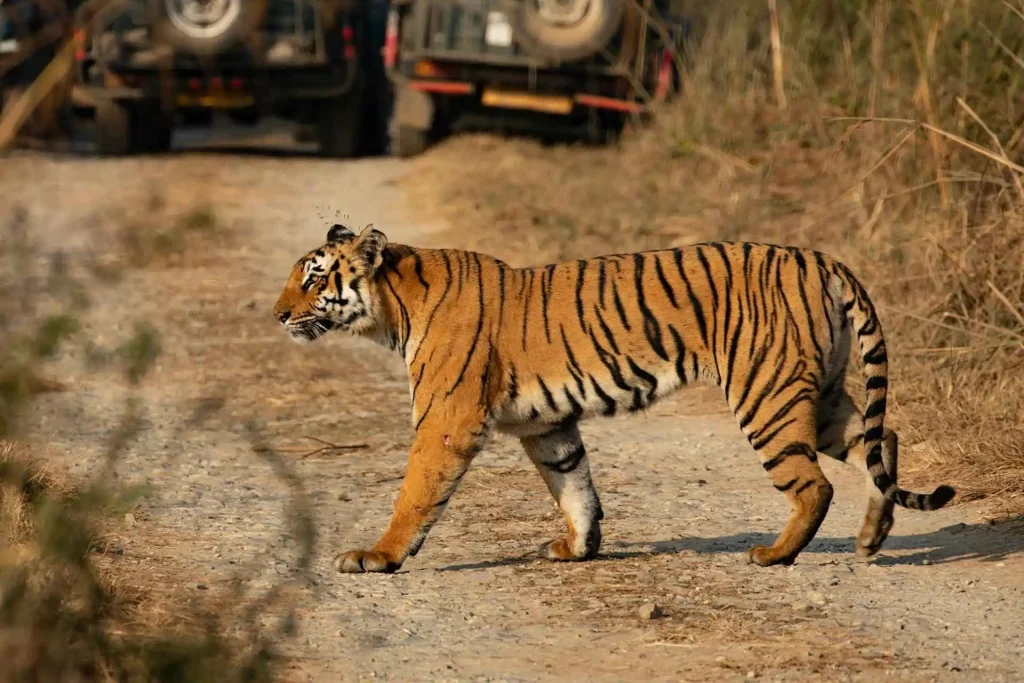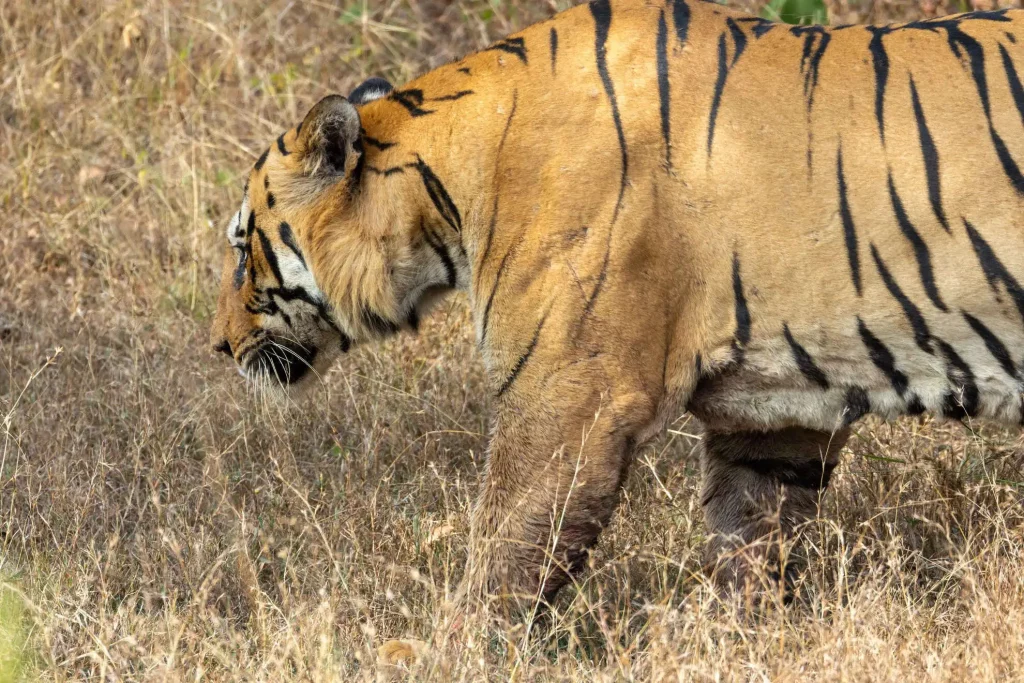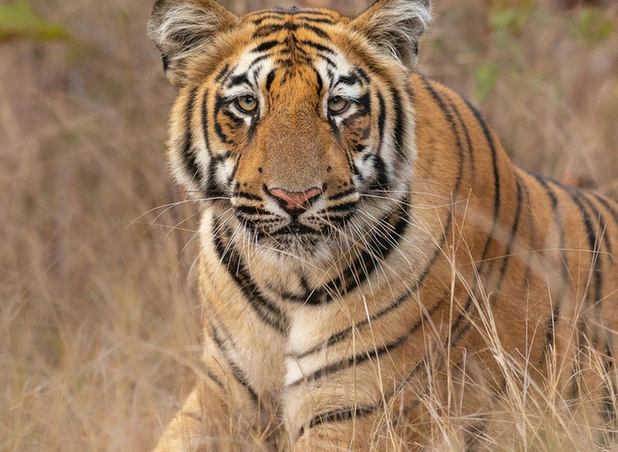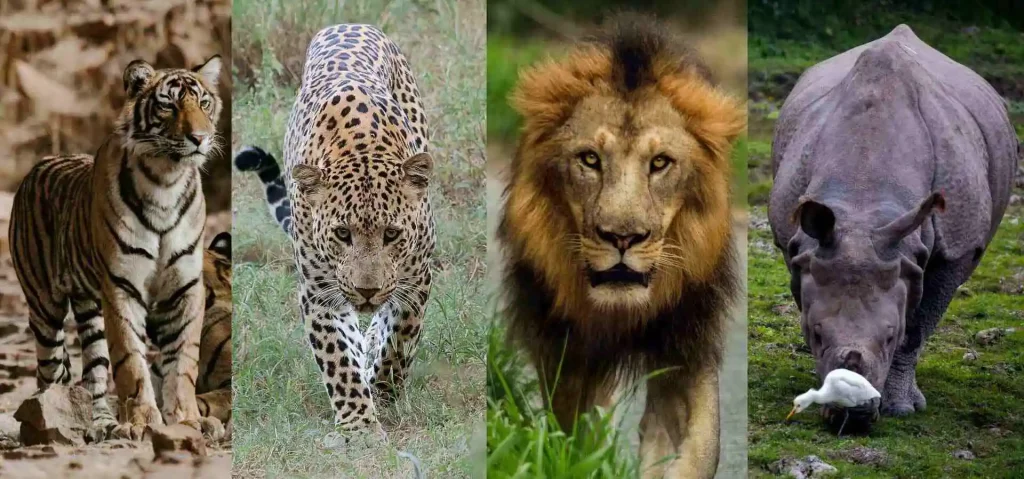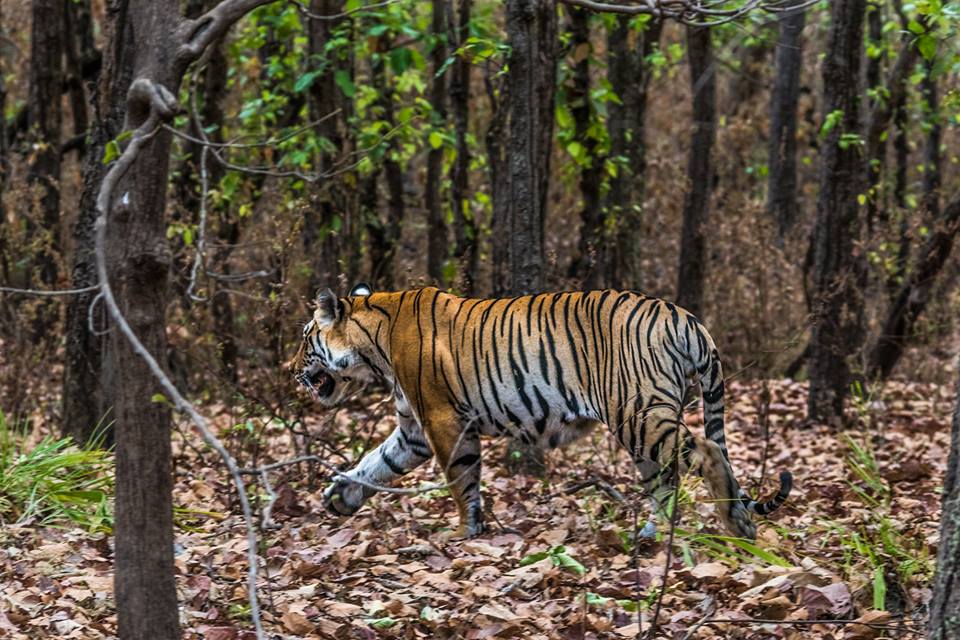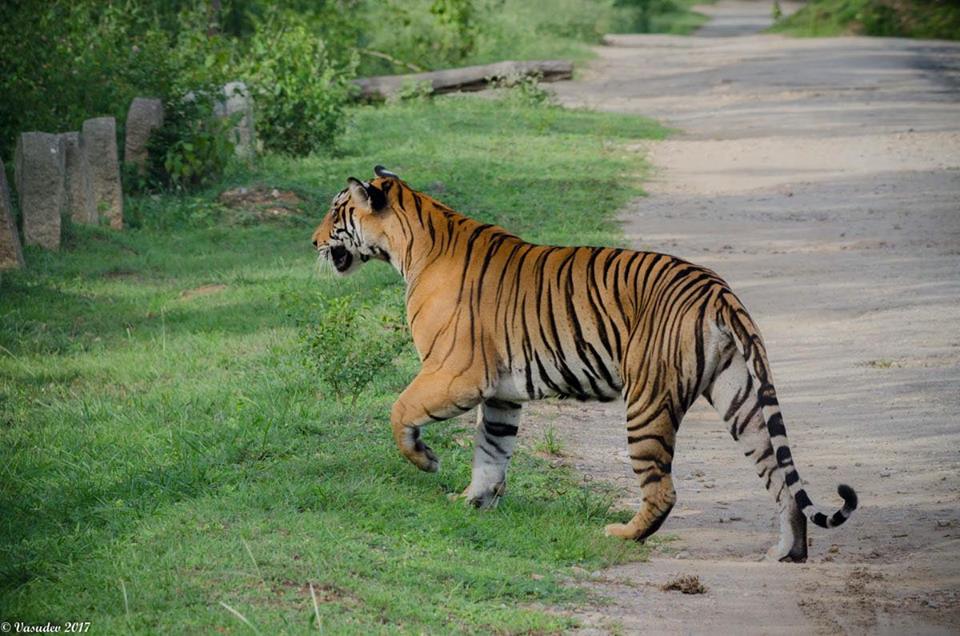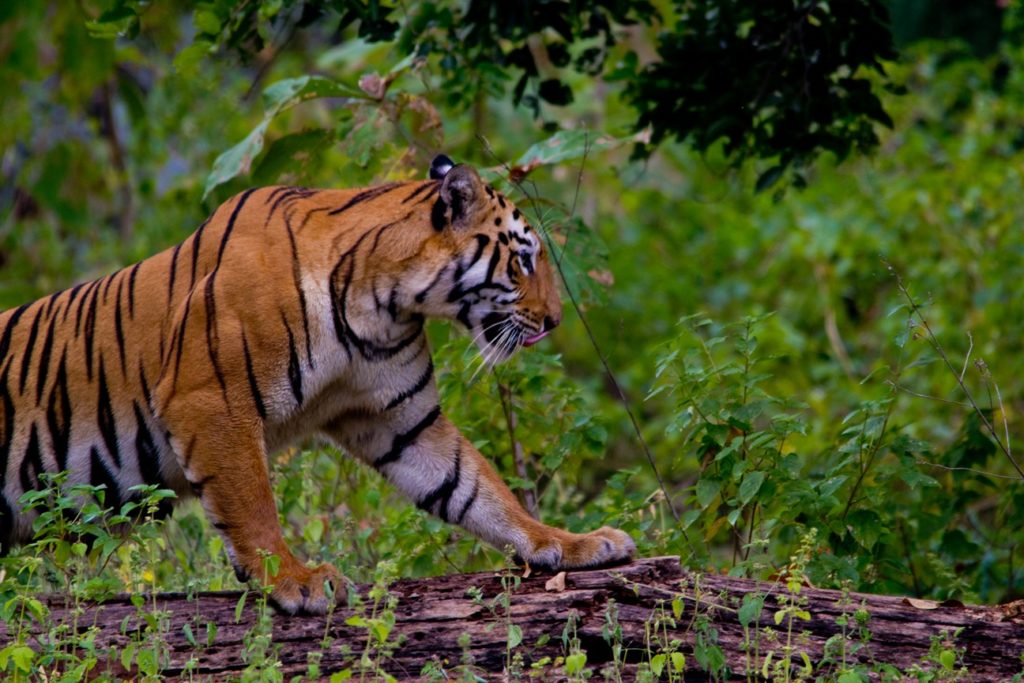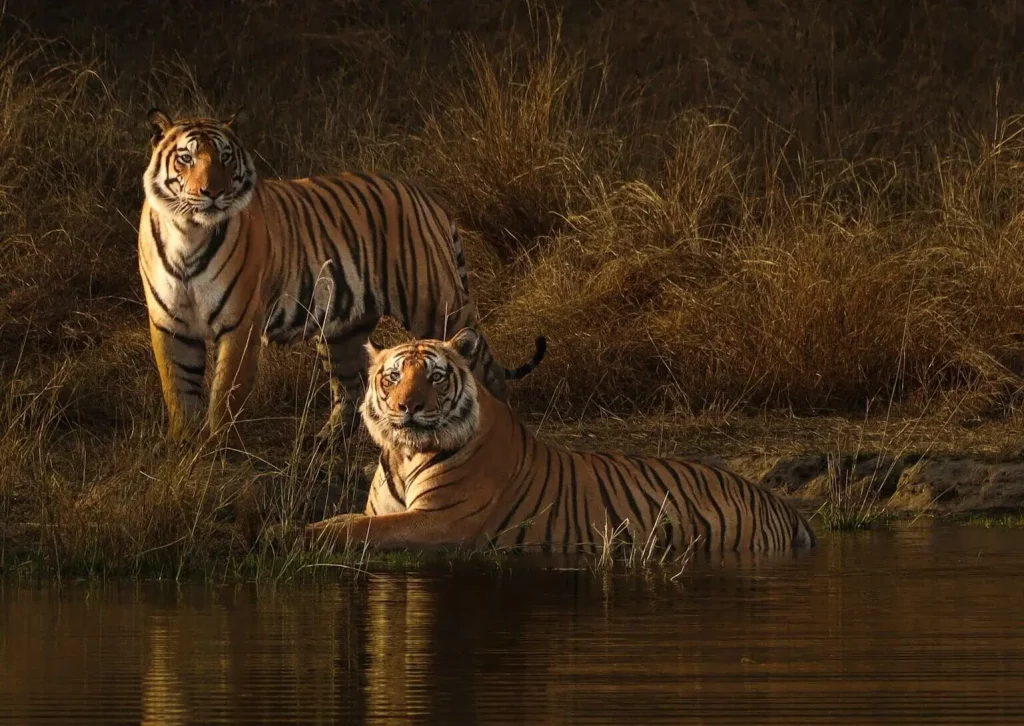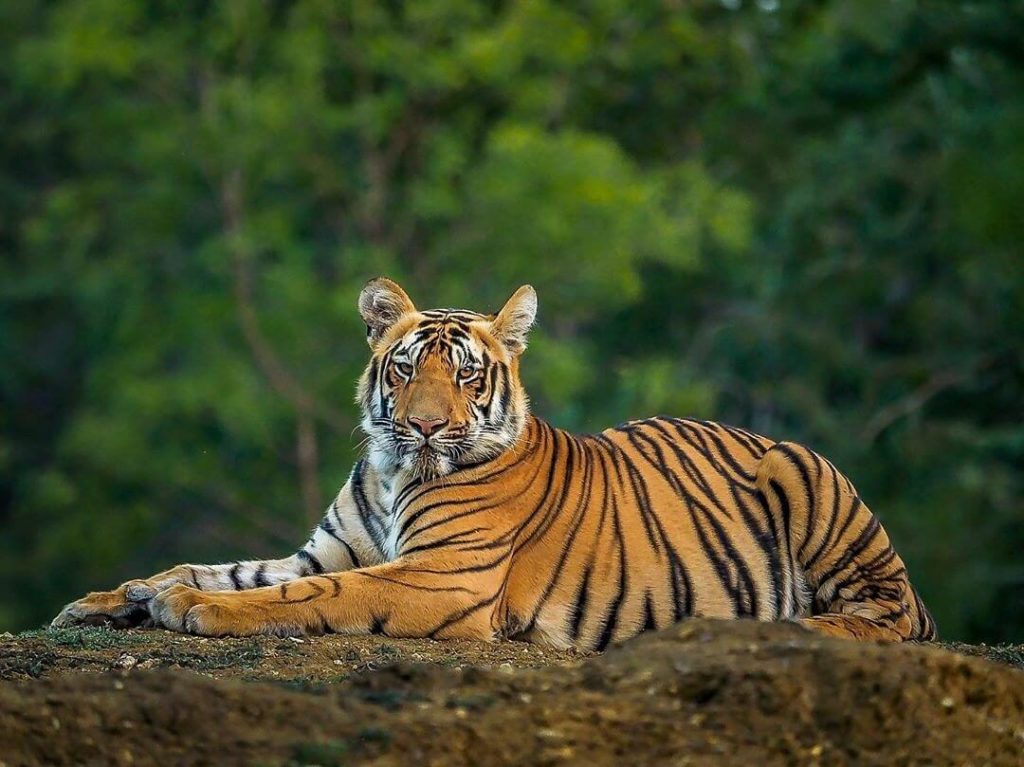
Ranthambore draws visitors for one reason. They want to see a tiger. But the forest holds far more than its most famous resident. Slow down, watch the edges, and the park gives you animals that most people drive straight past.
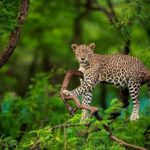
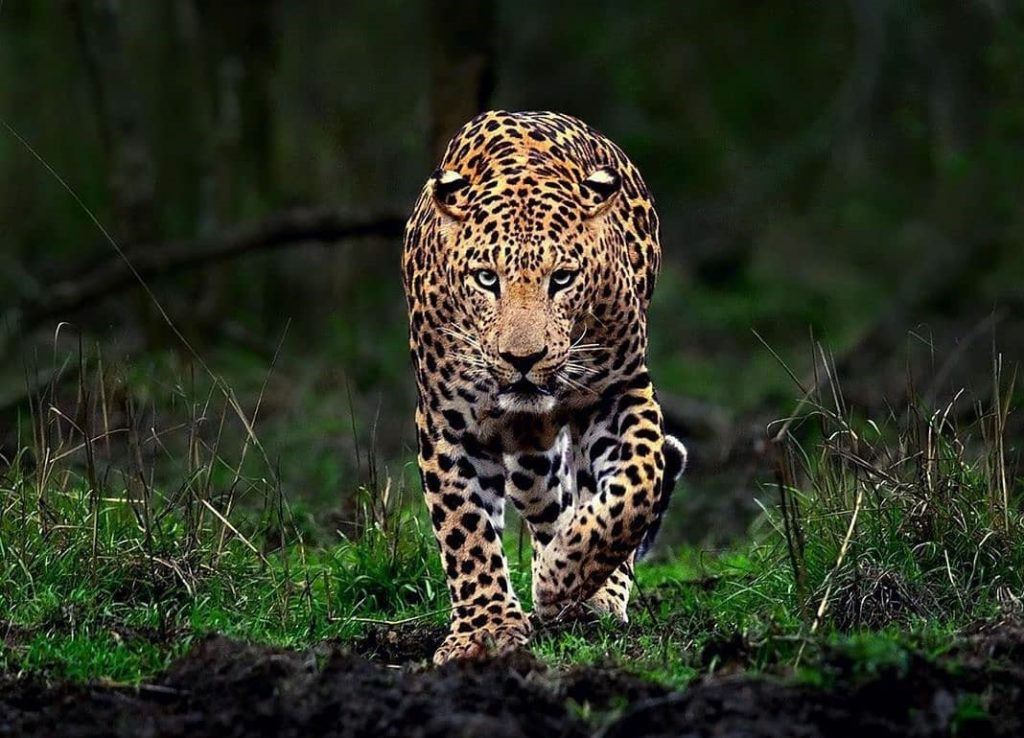
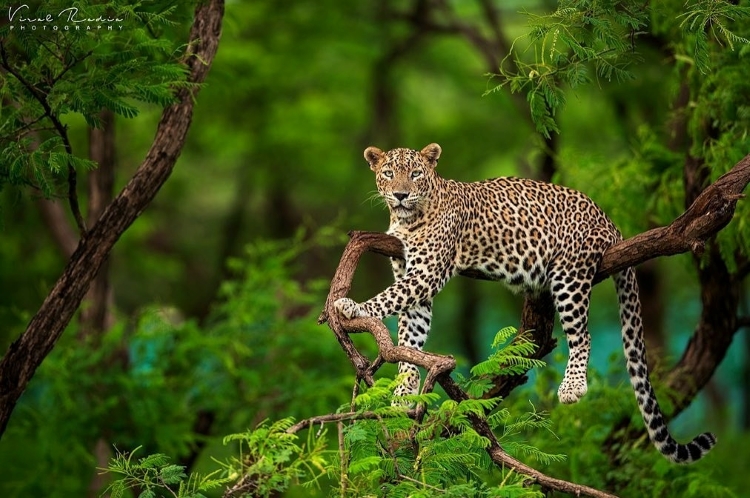
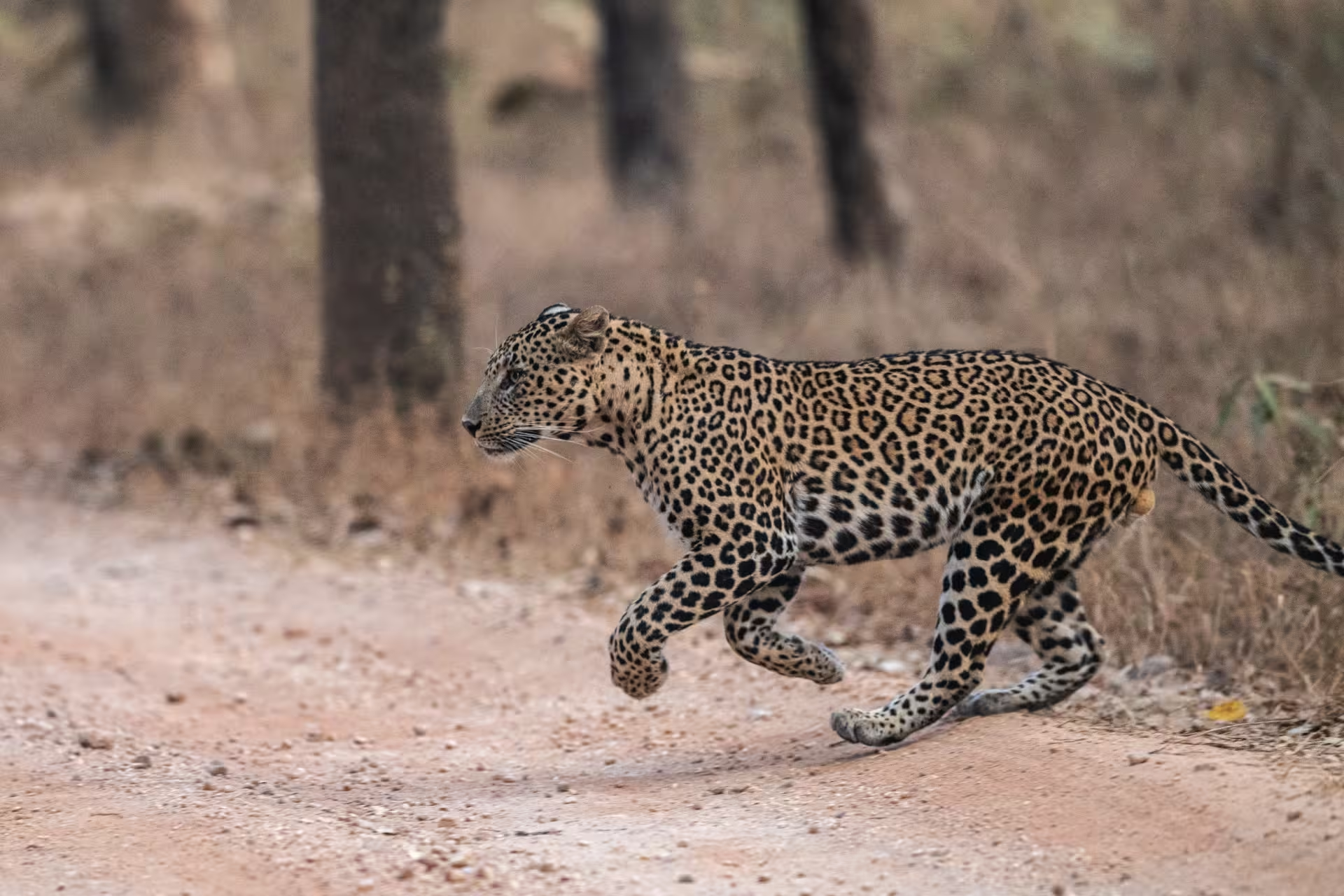
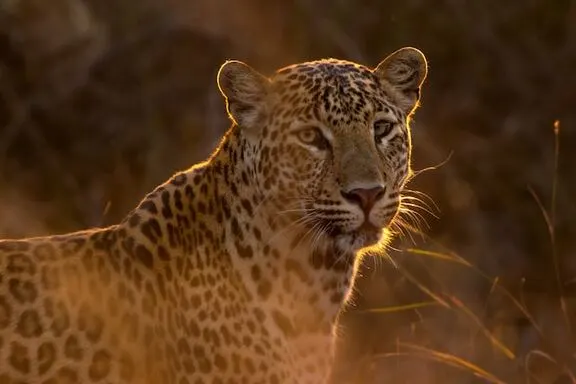
Leopard
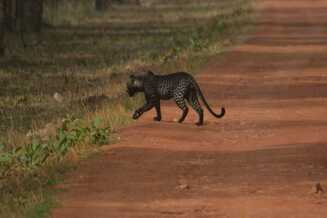
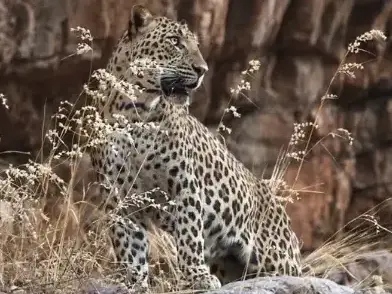
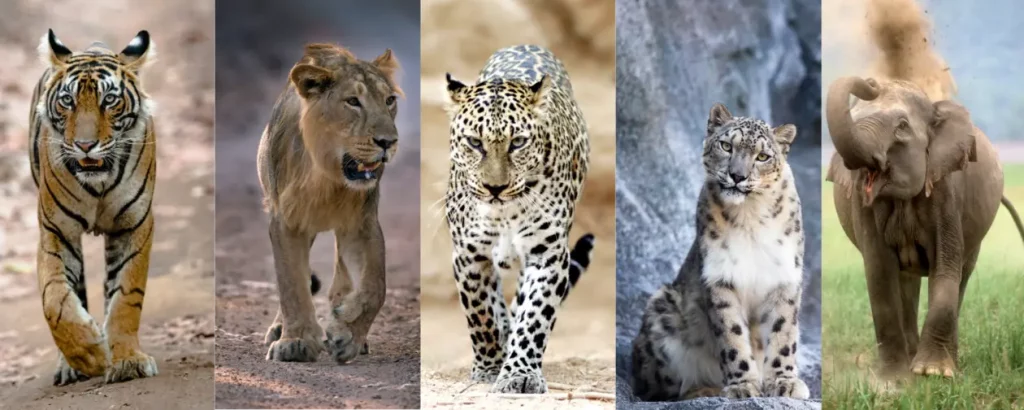
The leopard is smaller than the tiger, but it moves with more caution. It prefers rocky ridges and dense scrub, often resting on flat boulders in the early morning. Ranthambore's Zone 1 and Zone 6 offer the best chances, especially at first light.
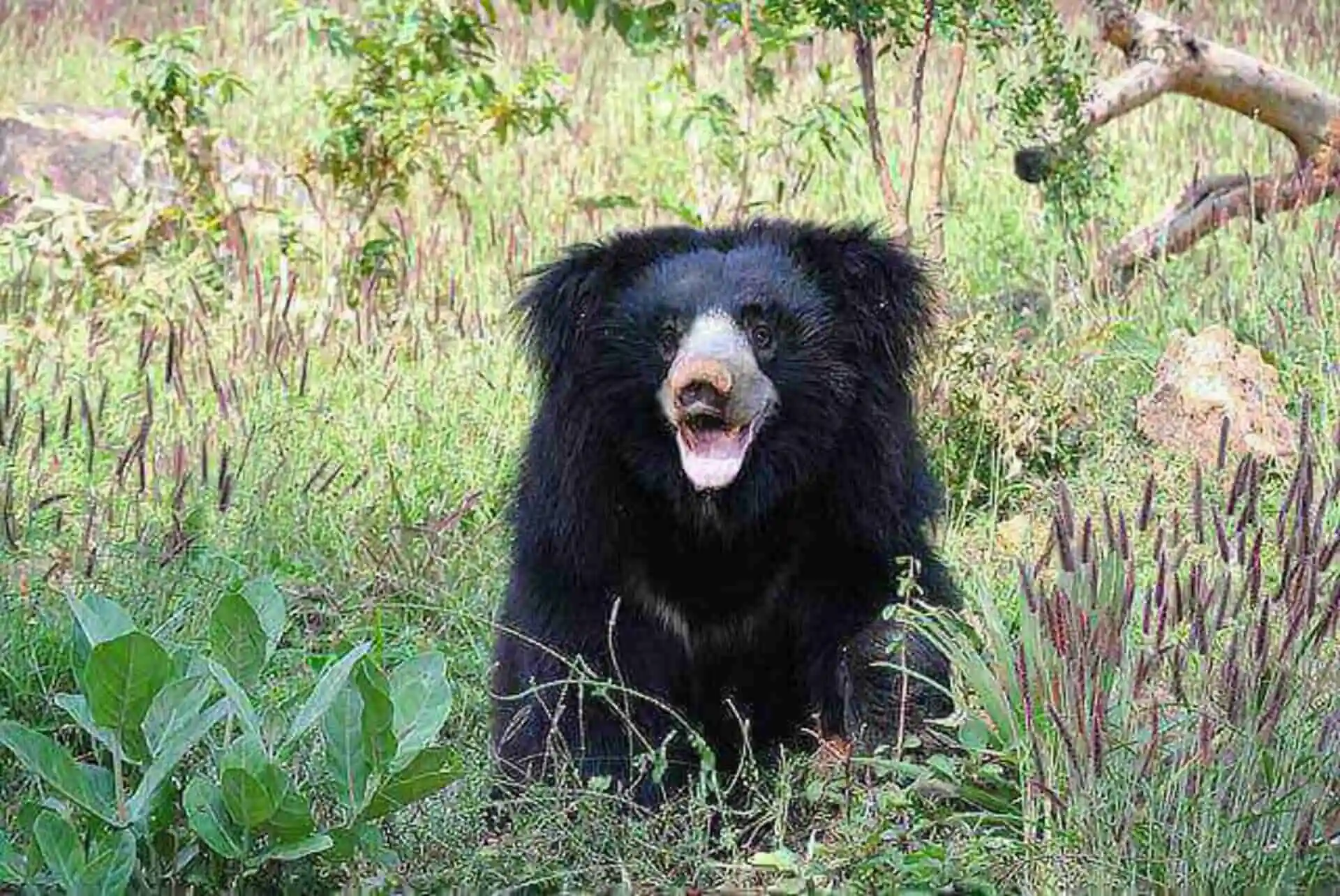
Sloth Bear
The sloth bear is shaggy, low-slung, and surprisingly loud. It tears open termite mounds with strong curved claws and a hollow palate built for suction. Spot it after monsoon, when fruit and insects pull it into the open.
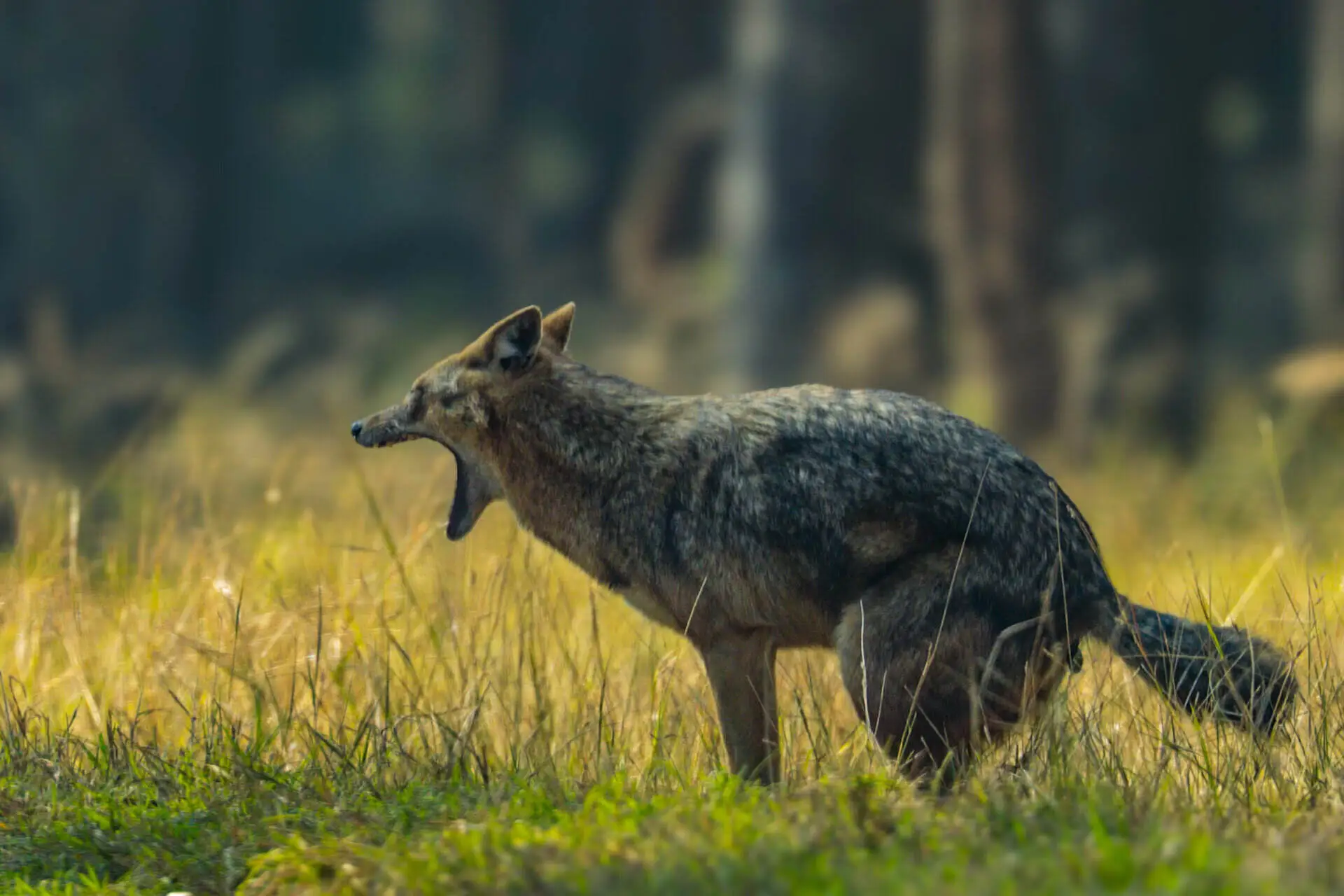
Indian Jackal
The jackal is everywhere in Ranthambore, but few people stop to watch it. It trots along dry riverbeds and open grassland with quick, purposeful steps. It feeds on small animals, fruit, and whatever larger predators leave behind.
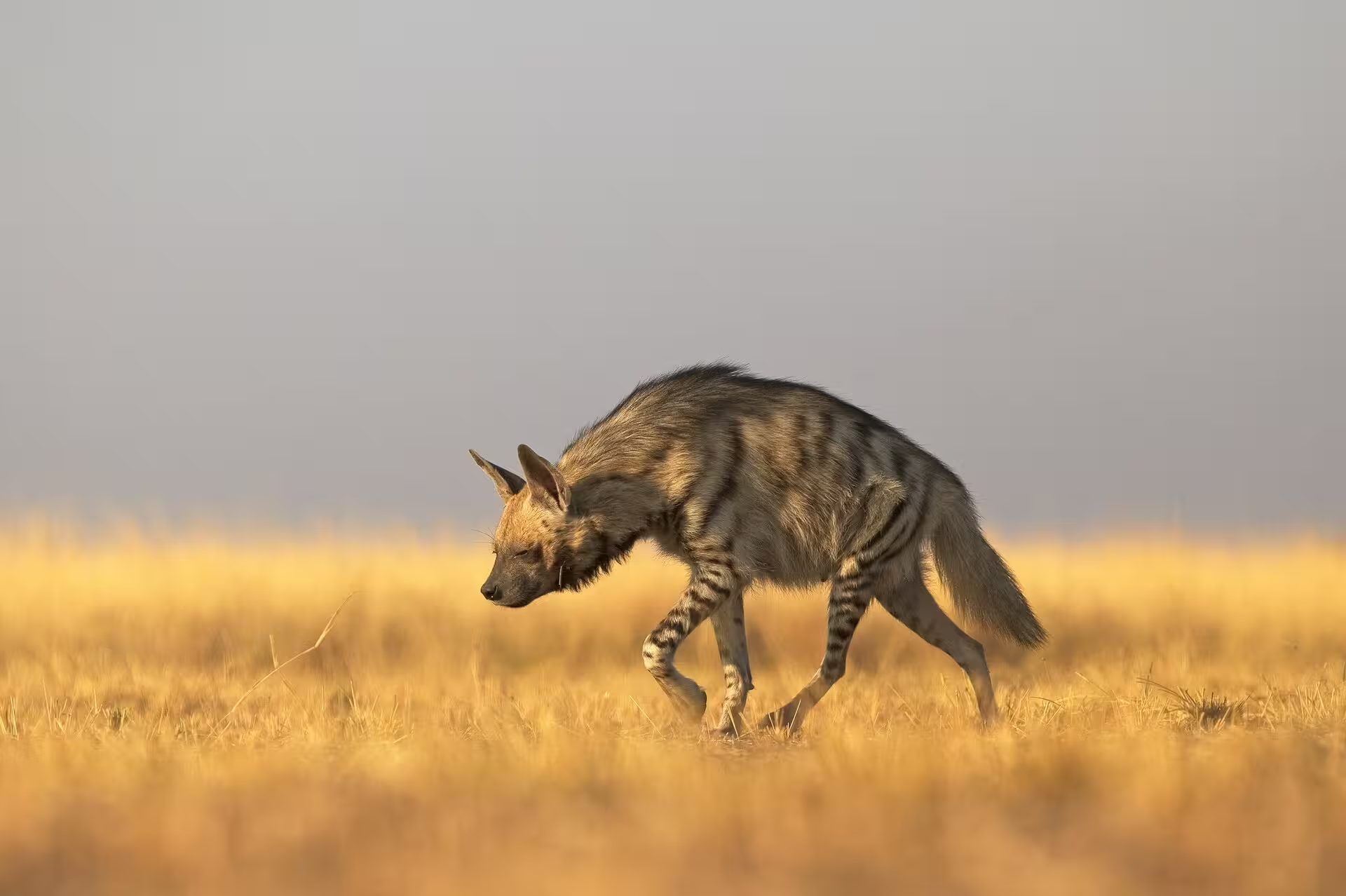
Striped Hyena
The striped hyena comes out after dark, moving alone along forest tracks. It has a sloped back, a thick mane, and vertical dark stripes on pale grey fur. Most visitors never see one, but patient guides who know the night roads do.
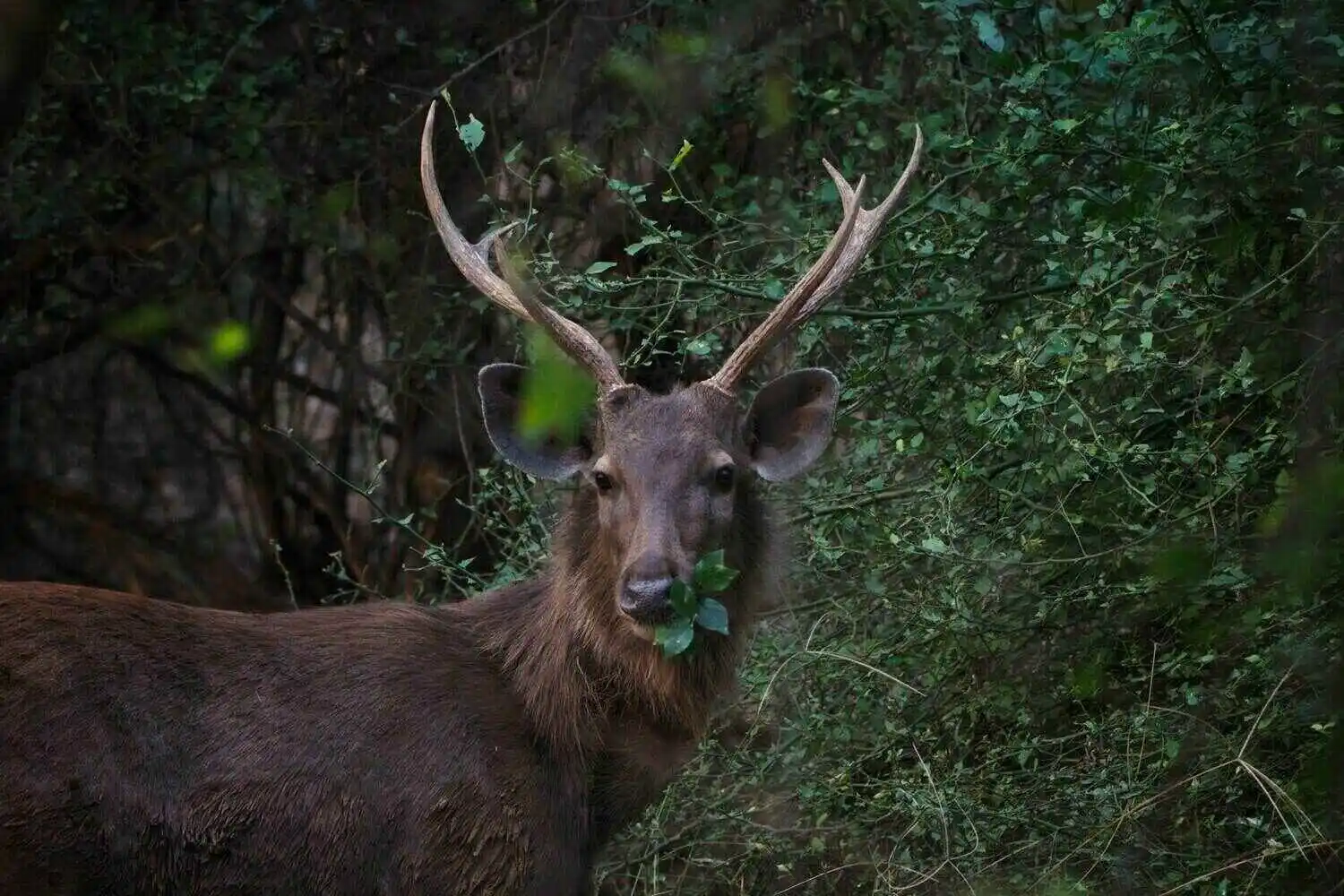
Sambar Deer
The sambar is the largest deer in India and a core part of the tiger's diet. Stags carry heavy, three-tined antlers and stand nearly 150 cm at the shoulder. They feed at the lake edges at dusk, and they alarm-call when a predator moves nearby.
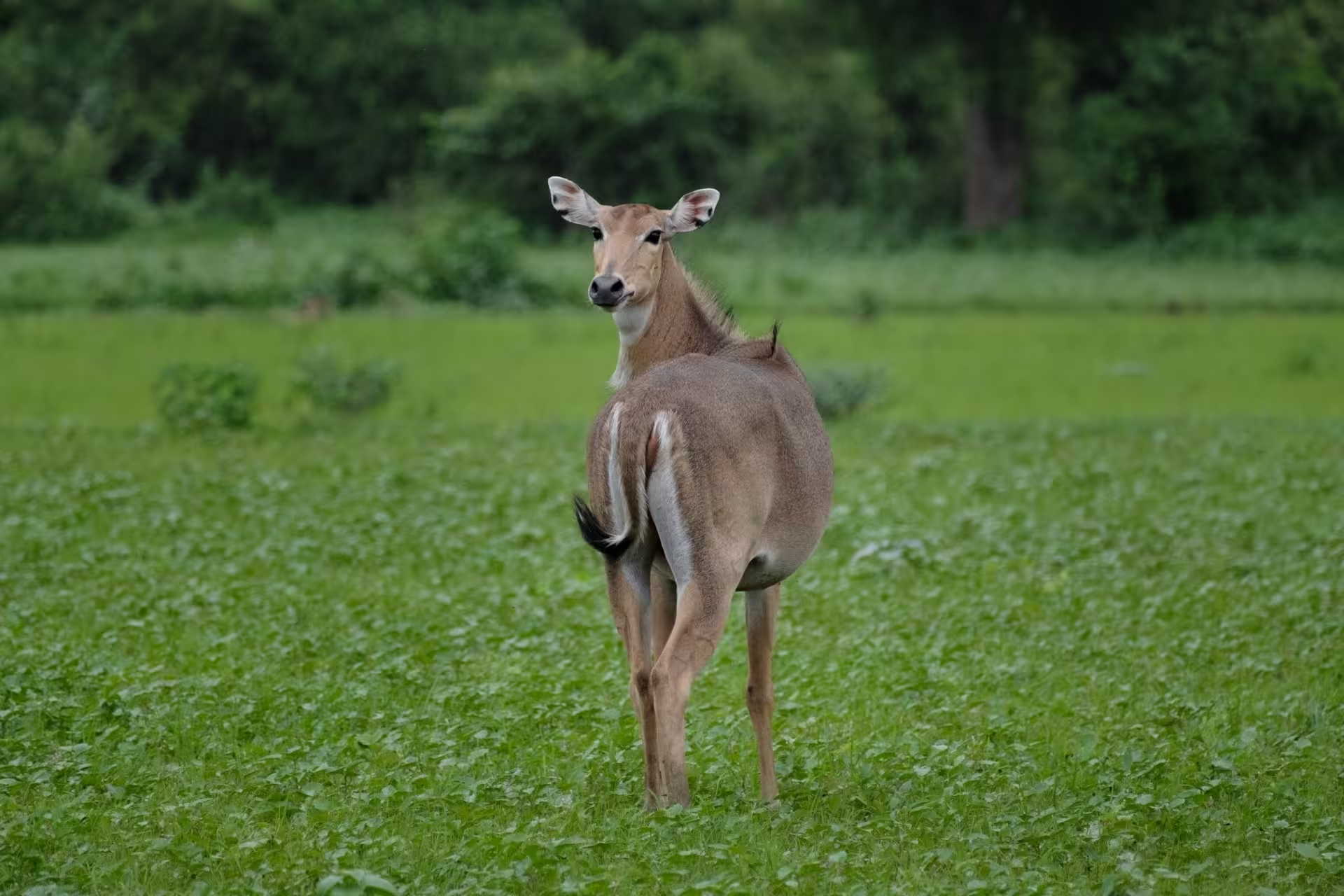
Nilgai
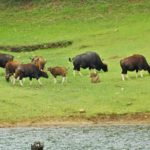
The nilgai is a big animal. Males stand taller than most deer and carry a blue-grey coat with white throat patches. They prefer open ground and graze steadily through the morning. Ranthambore's flat zones near the park boundary hold them in good numbers.
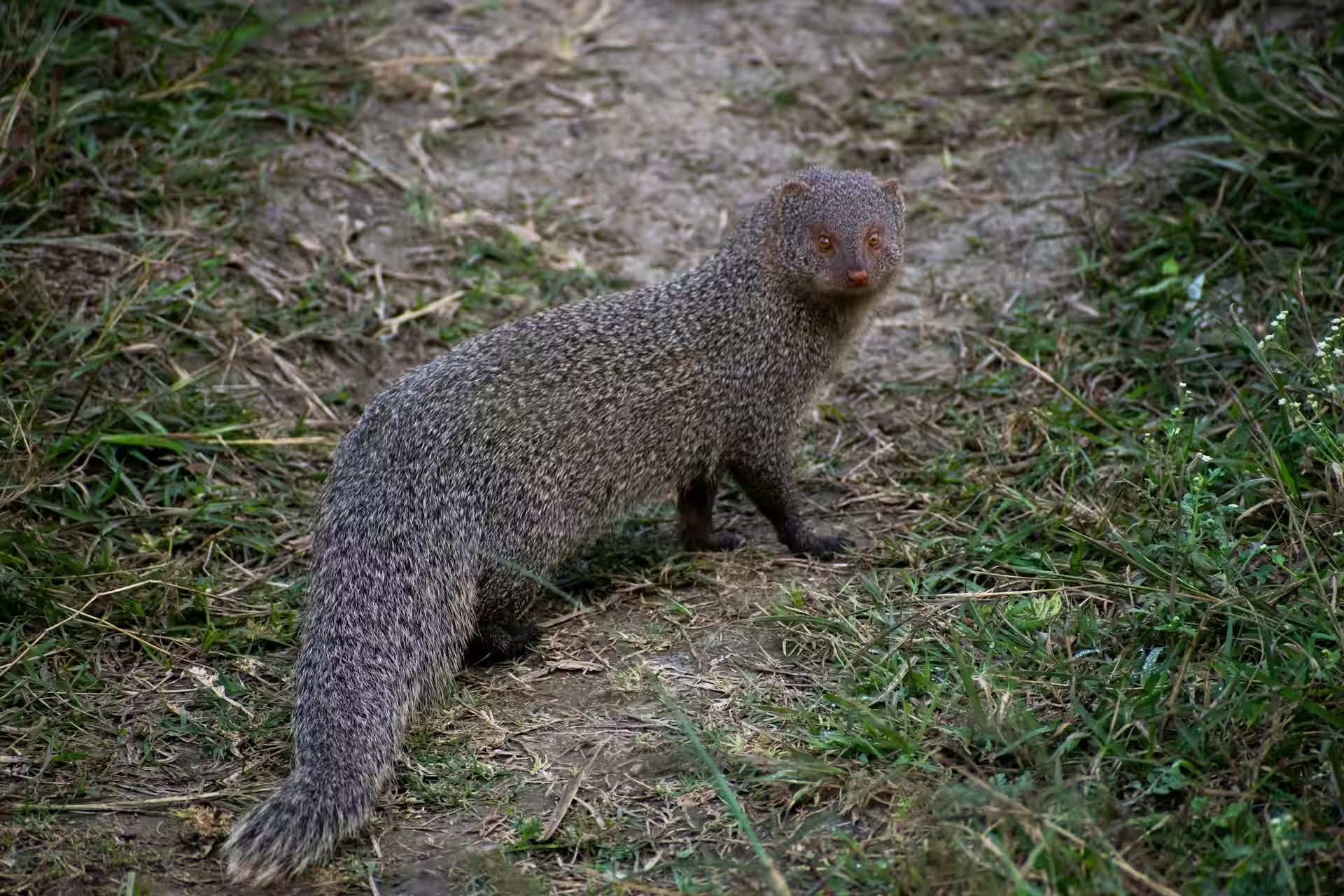
Indian Grey Mongoose
The mongoose is quick and low to the ground. It hunts along stone walls, dry drains, and scrub edges inside the park. Visitors often spot it darting across a track and then losing it in the grass. It eats insects, small reptiles, and eggs.
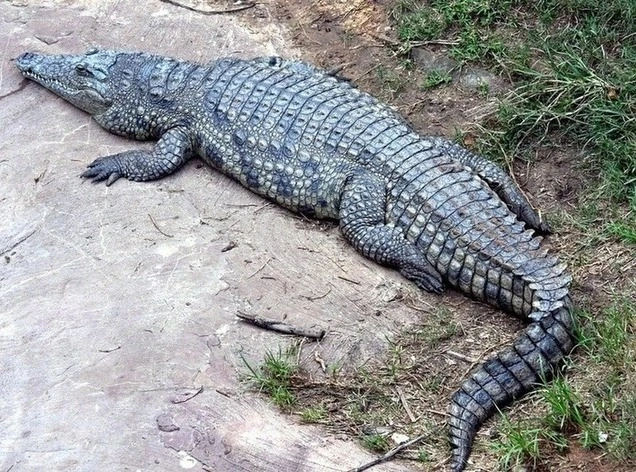
Mugger Crocodile
Ranthambore has three lakes: Padam Talao, Malik Talao, and Gyapuri Talao. All three hold mugger crocodiles. They lie still on mud banks through the middle of the day and slip into the water without sound. Adult males reach four metres and share the lakes with sambar and birds without conflict.
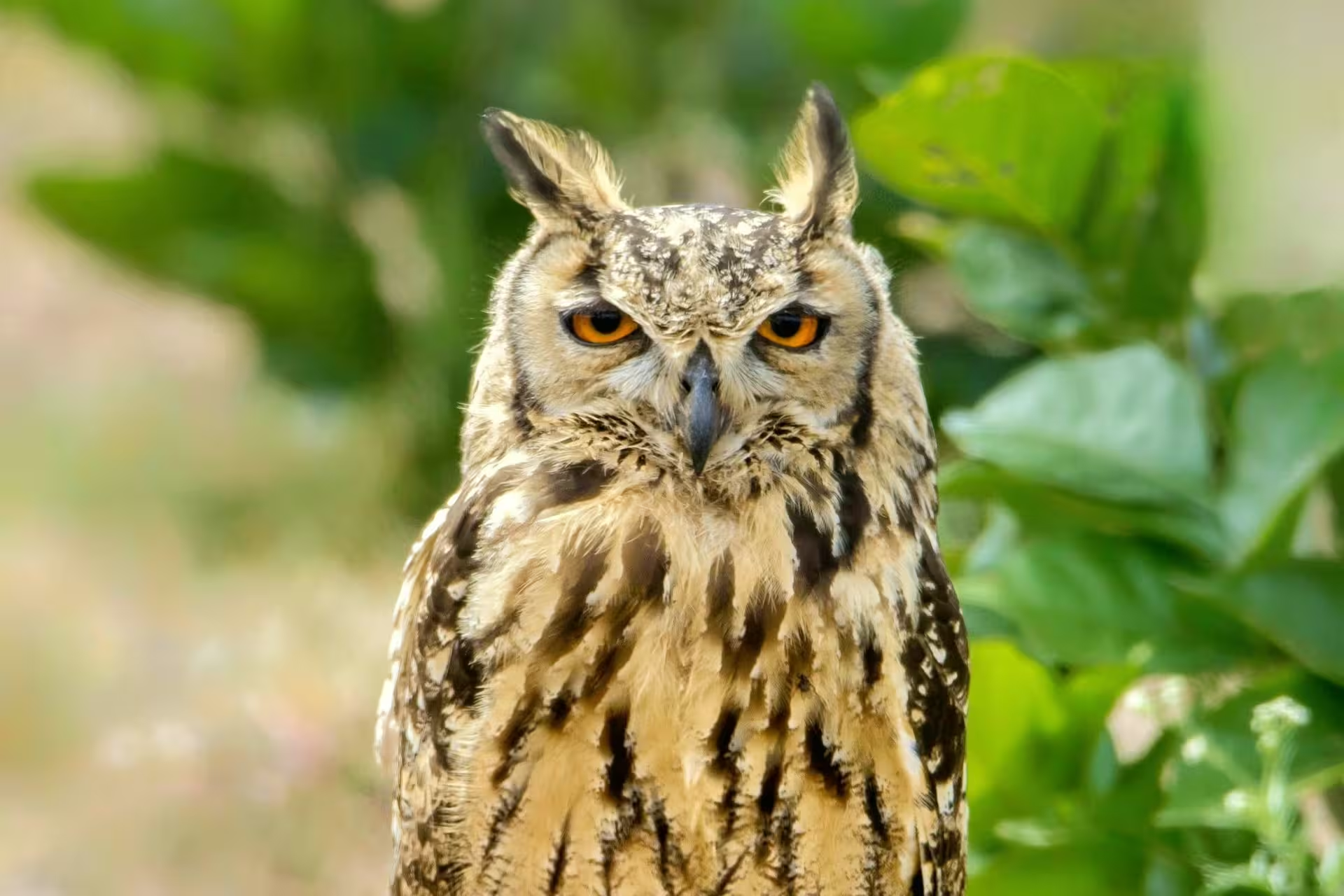
Indian Eagle-Owl
The Indian eagle-owl is large, with prominent ear tufts and deep orange eyes. It roosts on rocky outcrops and cliff faces inside the park. Dawn and dusk drives near Zone 3 and Zone 4 give the best sightings. It calls at night, a low double note that carries across the scrub.
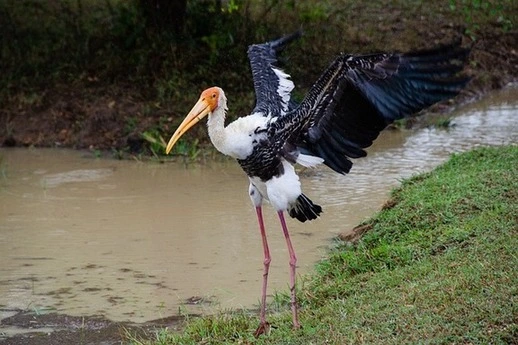
Painted Stork
The painted stork breeds in Ranthambore. A colony nests in trees near Jogi Mahal, close to Padam Talao. Adults have white and dark-pink plumage with a yellow bill that curves slightly at the tip. They wade slowly through shallow water and fish with a side-to-side sweeping motion.
Watch Slowly
The tiger gets the attention and it deserves it. But Ranthambore is a working forest with dozens of species moving through it every hour. Go out early. Watch the water edges. Stop the vehicle and stay quiet for a few minutes. The park shows you far more when you let it.