Travel has changed over the years. Earlier, many trips were built around ticking destinations off a list - visiting as many places as possible in the shortest amount of time. Today, more travelers are moving toward something different: slow travel.
Slow travel is not about traveling slowly just for the sake of it. It is about experiencing a destination more deeply, spending meaningful time in a place, and creating a genuine connection with the people, landscapes, and culture around you.
At Big Cats India, this philosophy naturally connects with the way we believe wildlife travel should be experienced.
What is Slow Travel?
Slow travel encourages travelers to spend more time in fewer places instead of rushing through packed itineraries. The idea is simple:
- travel with intention,
- experience destinations more deeply,
- support local communities,
- and reduce the pressure created by fast-paced tourism.
Instead of trying to “cover” a destination, slow travel allows you to actually experience it.
This shift is becoming more visible across the travel world. Many travelers now value meaningful experiences, sustainability, local culture, and personal connection over rushed sightseeing schedules.
Why Slow Travel Works So Well for Wildlife Tourism
Wildlife travel and slow travel naturally go hand in hand.
Forests cannot be experienced in a hurry. Nature moves at its own pace. Sometimes the best safari moments happen when nothing dramatic is happening at all.
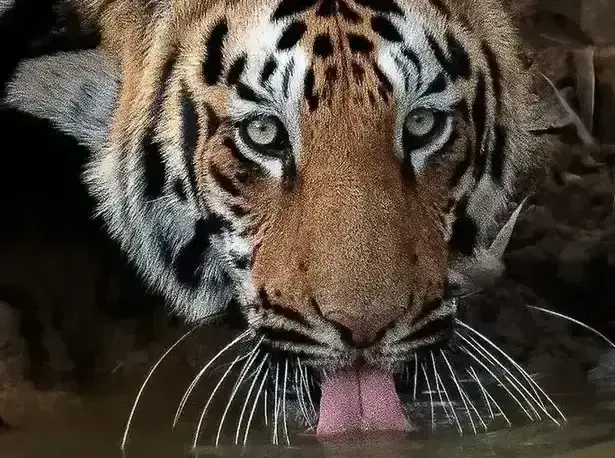
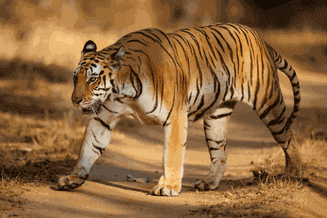
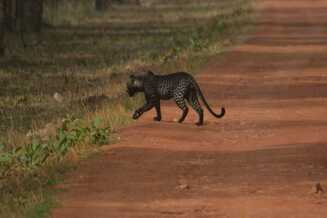
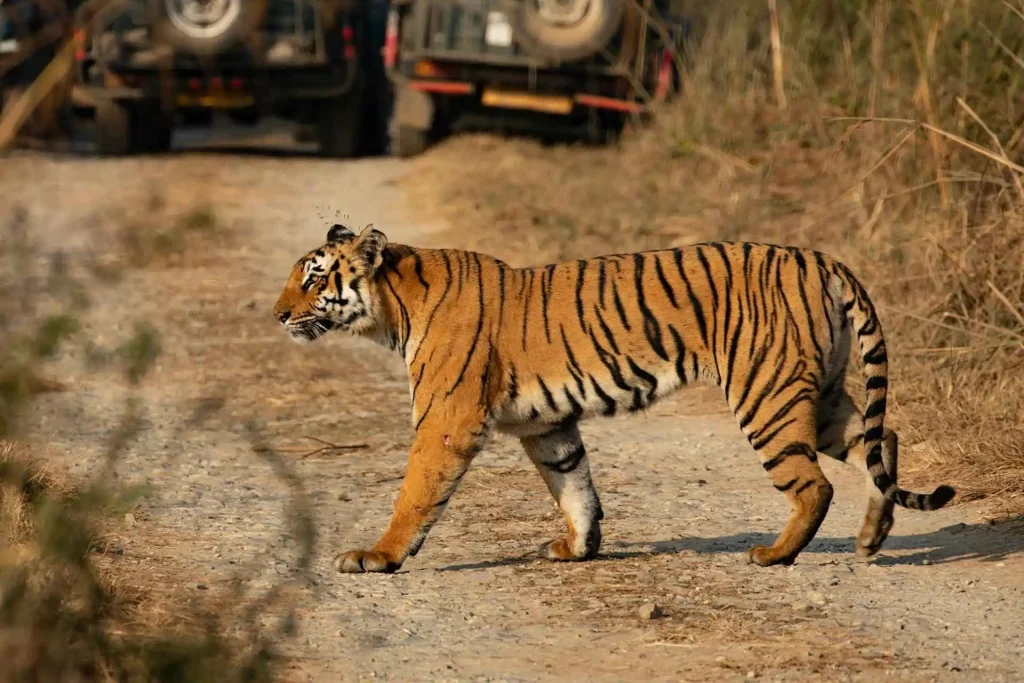
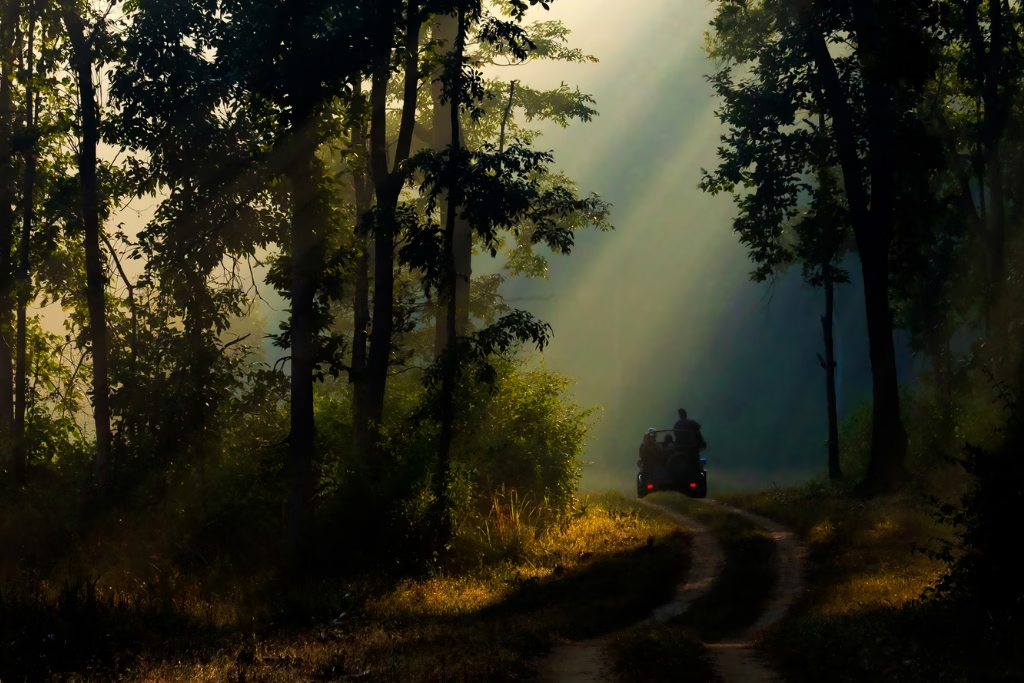
A quiet morning in the jungle, fresh pugmarks on a dusty road, alarm calls echoing through the forest, birds becoming active at sunrise - these moments often become more memorable than the final sighting itself.
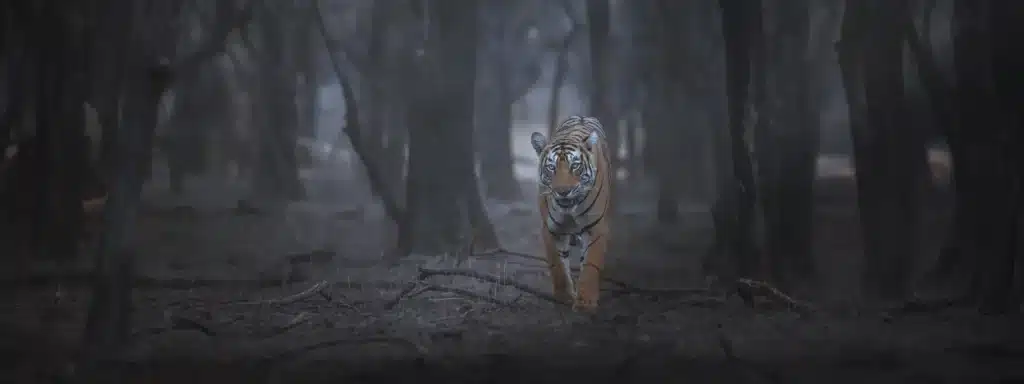
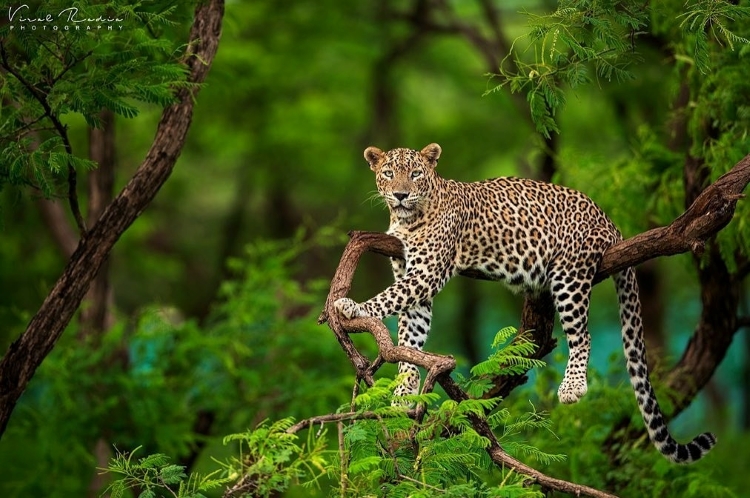
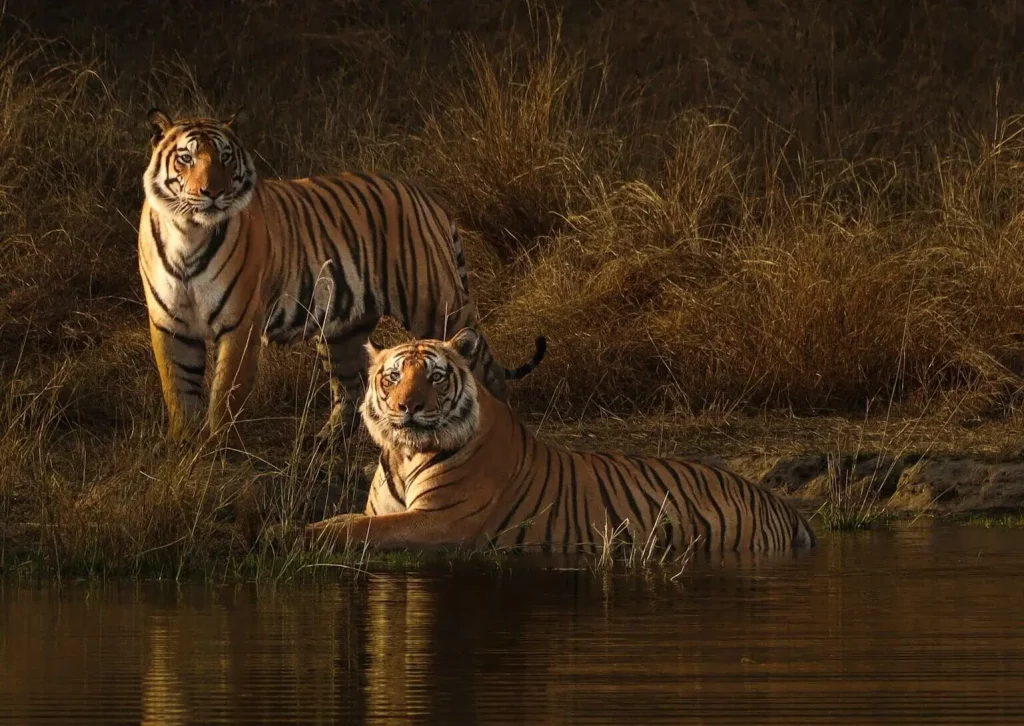
A safari is not only about spotting a tiger.
It is about:
- understanding the forest,
- observing animal behaviour,
- appreciating landscapes,
- listening to local guides,
- and spending time in nature without distraction.
The slower the experience, the richer it becomes.
Moving Away from Checklist Tourism
One of the biggest challenges in modern travel is “checklist tourism” - trying to fit too many destinations into a limited number of days.
In wildlife tourism, this often means:
- long drives,
- constant movement,
- fatigue,
- and very little time to absorb the experience.
We believe travelers enjoy wildlife far more when they slow down and spend quality time in one landscape instead of rushing between multiple parks.
Spending three nights in one forest often creates a much deeper experience than visiting three forests in three days.
The Importance of Patience in the Wild
Wildlife sightings cannot be controlled. Forests do not operate on schedules.
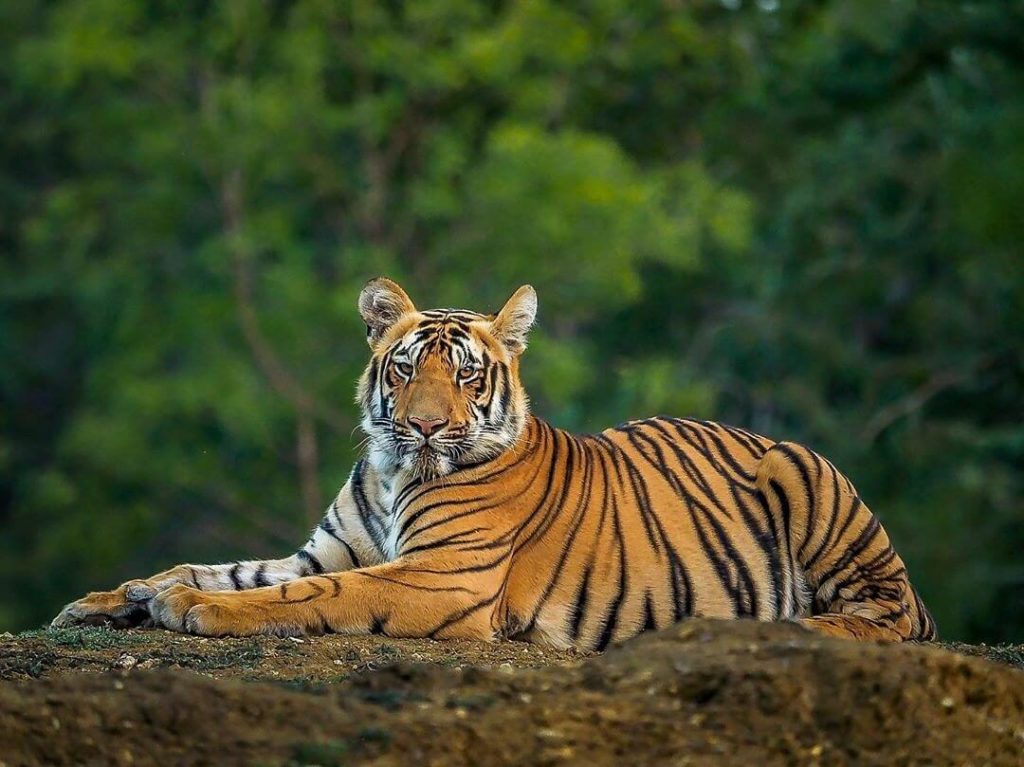
A tiger may appear within minutes - or not at all.
But slow travel changes the way you experience safaris. Instead of chasing only sightings, you begin appreciating the forest as a complete ecosystem.
You notice:
- deer alarm calls,
- changing bird activity,
- elephant movement patterns,
- fresh tracks,
- light conditions,
- and the rhythm of the jungle.
This creates a more meaningful and less stressful safari experience.
Supporting Local Communities and Conservation
Slow tourism also benefits the places we visit.
When travelers stay longer:
- local guides and drivers benefit more,
- smaller lodges and homestays receive support,
- local communities gain steady income,
- and tourism pressure becomes more balanced.
Responsible wildlife tourism plays an important role in conservation. Forests survive not only because they are protected, but also because local communities see long-term value in preserving them.
Disconnecting to Reconnect
One of the most valuable parts of slow travel is the opportunity to disconnect from constant digital noise.
In many wildlife destinations, mobile networks are weak, mornings begin early, and days revolve around nature instead of screens.
What may initially feel unfamiliar often becomes the most refreshing part of the journey.
Travel becomes calmer, more present, and more personal.
Our Philosophy at Big Cats India
At Big Cats India, we believe the best wildlife journeys are never rushed.
We encourage travelers to:
- spend more time in fewer destinations,
- experience forests patiently,
- travel responsibly,
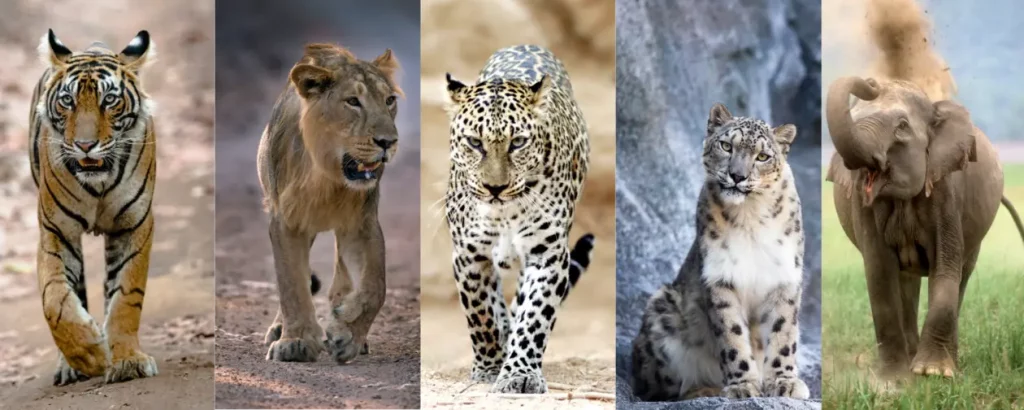
- and appreciate the wilderness beyond just big cat sightings.
For us, slow travel is not a trend. It is a more meaningful way to experience nature and a more responsible way to explore the wild.
Because sometimes, the most unforgettable moments in the forest happen when you slow down enough to truly notice them.