
Desert National Park
Desert Wildlife Sanctuary
Desert National Park lies in western Rajasthan, near Jaisalmer and the India-Pakistan border. Its landscape includes vast sand dunes, rocky outcrops, gravel plains and sparse vegetation shaped by the dry conditions of the Thar Desert.
The park is one of India's most important habitats for the Great Indian Bustard, a critically endangered bird found in the region's open grasslands. Its wide, undisturbed terrain provides essential breeding and feeding grounds for this rare species.
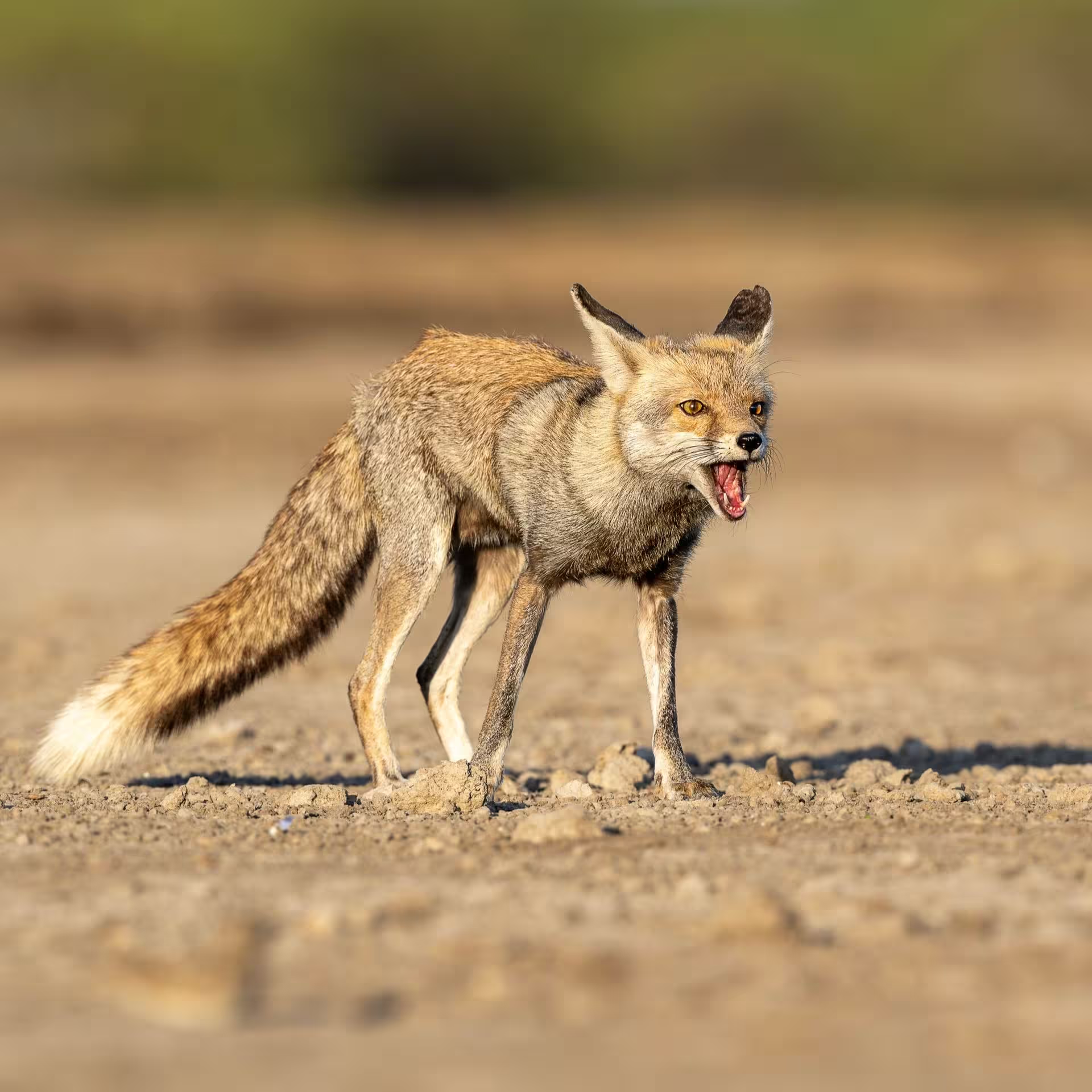
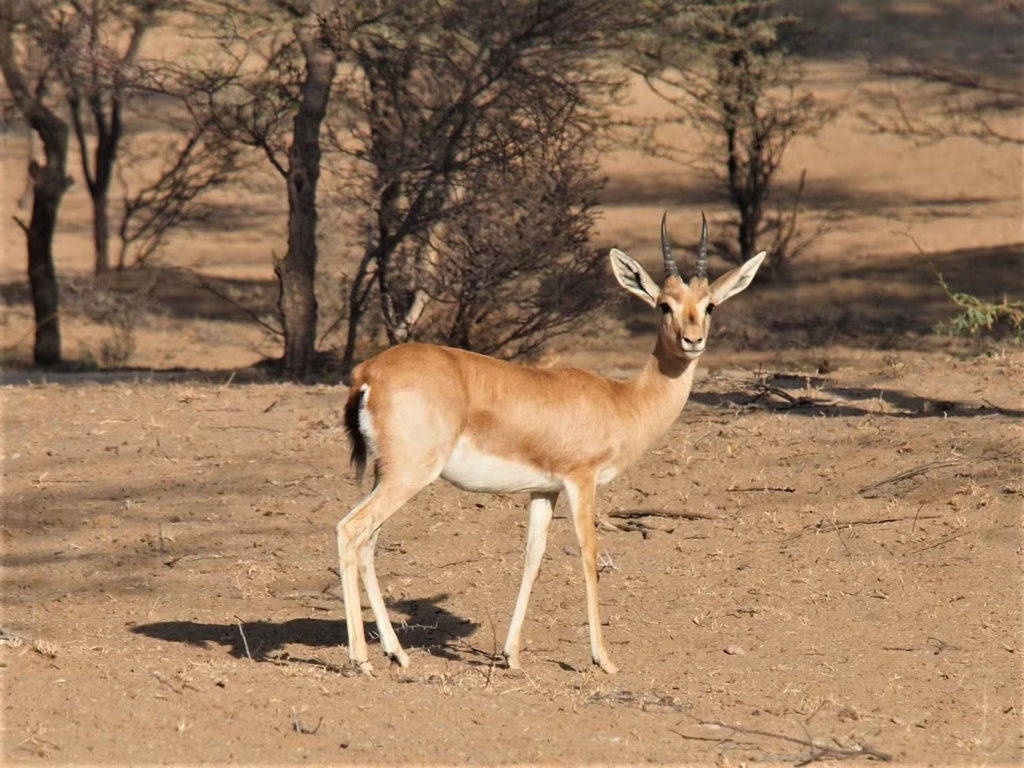
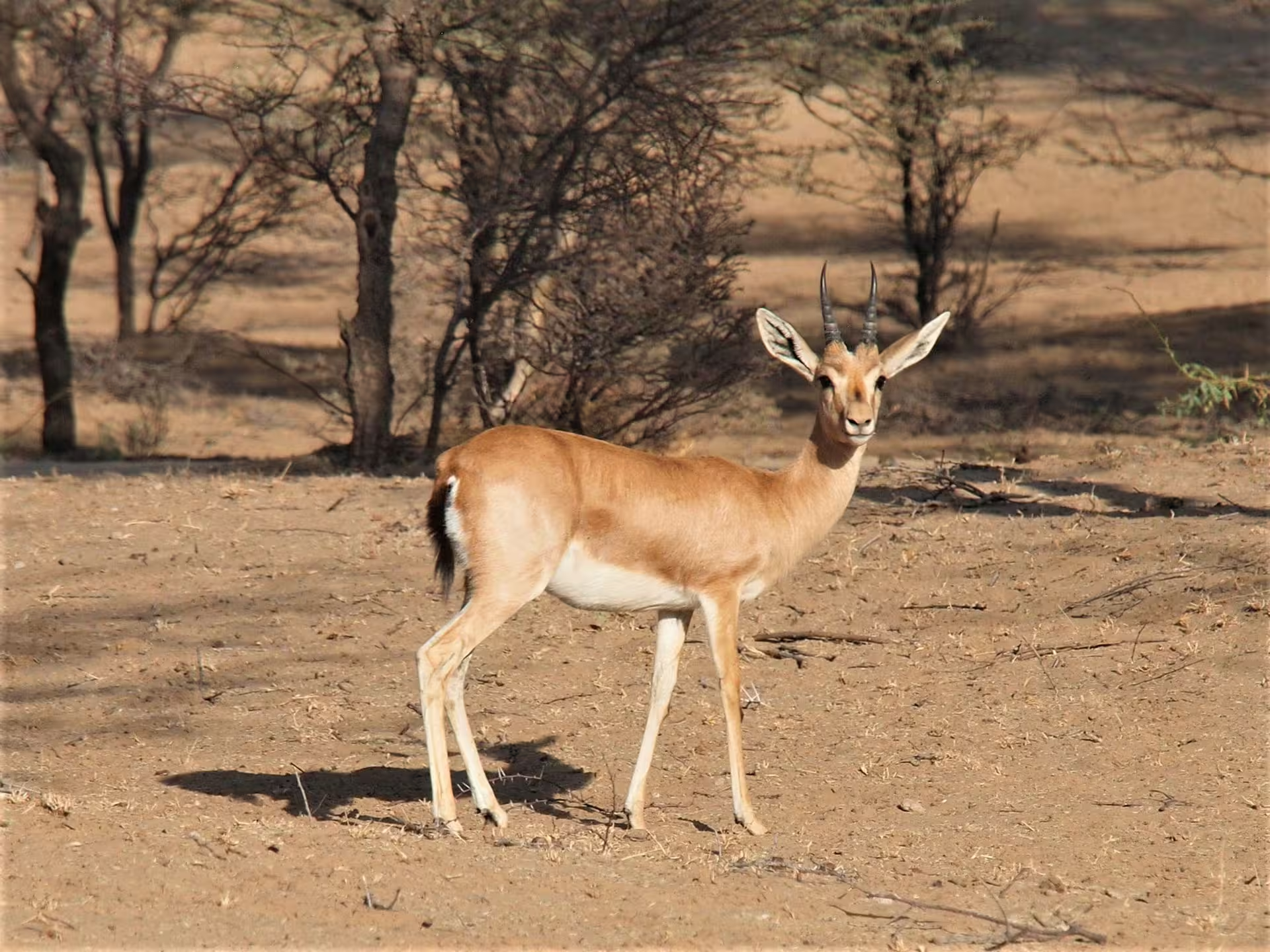
Wildlife in the park also includes chinkara, desert foxes, desert cats, monitor lizards and numerous resident and migratory birds. These species have adapted to the region's limited rainfall, high summer temperatures and scarce water sources.
3,162
sq. km Total Area
1980
Established Park
150
Bird Species
Jaisalmer
Location
Interesting Fact – Desert National Park
Desert National Park protects a large part of the Thar Desert, where sand dunes, rocky plains and sparse grasslands support wildlife adapted to extreme heat and limited rainfall.
The park is one of the most important habitats for the Great Indian Bustard, a critically endangered bird threatened by habitat loss and collisions with overhead power lines.
Prime Predators
Indian Wolf, Desert Fox, Golden Jackal and Desert Cat are among the predators found in the park’s arid landscape.
Famous For?
Desert National Park is famous for the Great Indian Bustard, one of India's rarest birds, and its vast Thar Desert scenery.
Major Wildlife
Great Indian Bustard, Chinkara, Desert Fox, Indian Wolf, Desert Cat, Golden Jackal, Monitor Lizard and several species of desert birds.
Protected Land
The park covers approximately 3,162 sq. km across Jaisalmer and Barmer districts of Rajasthan. Established in 1980,
Flora & Fauna in the Park
Desert National Park supports wildlife adapted to the dry climate and open terrain of the Thar Desert. Its sparse vegetation provides food and shelter for mammals, reptiles and birds, while the grasslands serve as vital habitat for the Great Indian Bustard.
The park is best known for the critically endangered Great Indian Bustard, which relies on open grasslands for feeding and breeding. Other wildlife includes chinkara, Indian wolf, desert fox, desert cat, striped hyena and monitor lizards. The landscape also attracts resident and migratory birds, including raptors and sandgrouse.
Botanical Canopy & Floral Cover
Key Flora & Forest Habitat
Desert National Park has sparse vegetation adapted to low rainfall, sandy soils and extreme temperatures. Common plants include sewan grass, aak, rohida, ker, kumat and babul. These hardy plants help stabilise the soil and provide food and shelter for desert wildlife.
Mammals
Desert Predators, felids & prime ungulates
Apex Predators & Carnivores
- Indian Wolf
- Desert Fox
- Striped Hyena
- Golden Jackal
- Desert Cat
Forest Herbivores & Small Fauna
- Chinkara
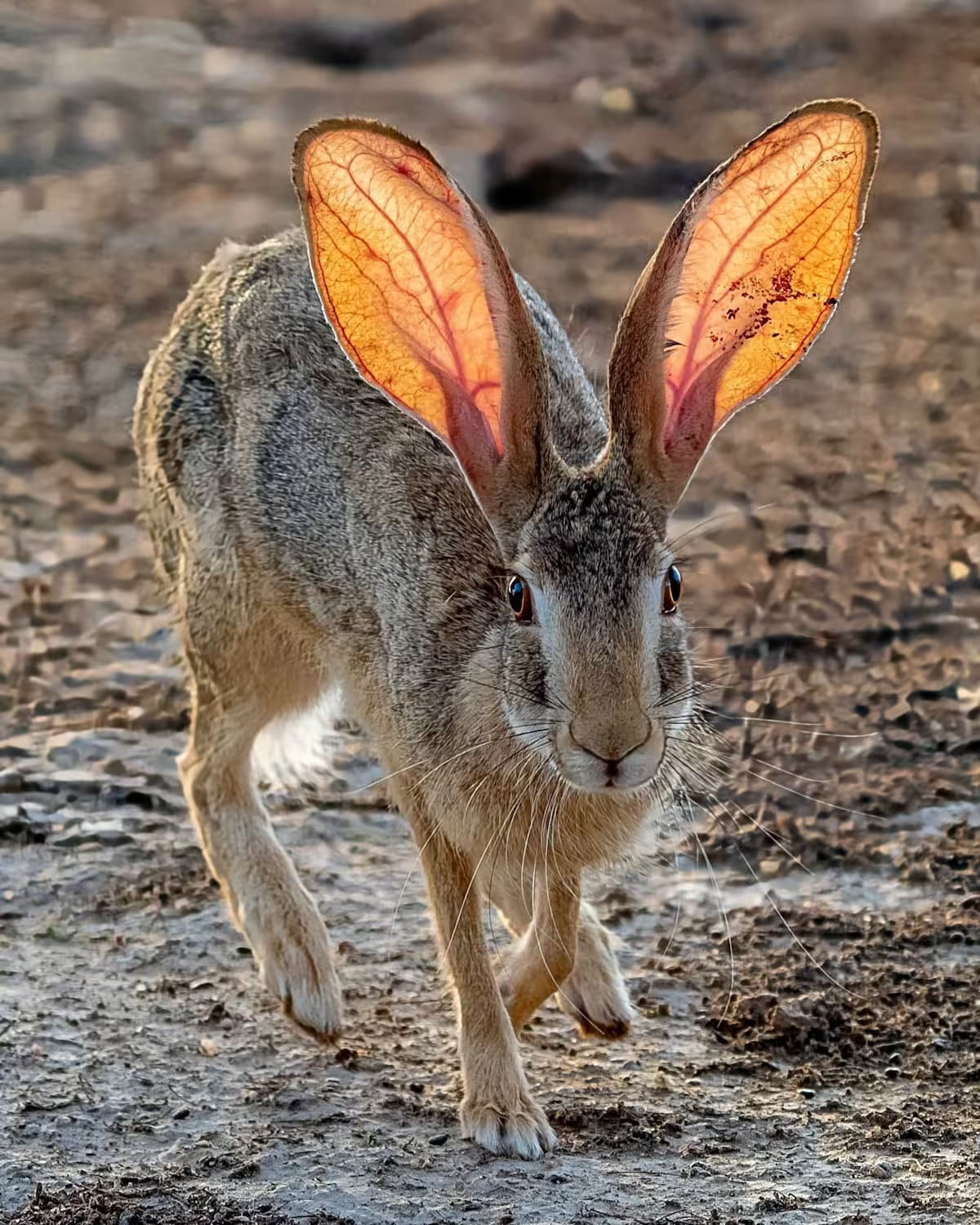
- Indian Hare
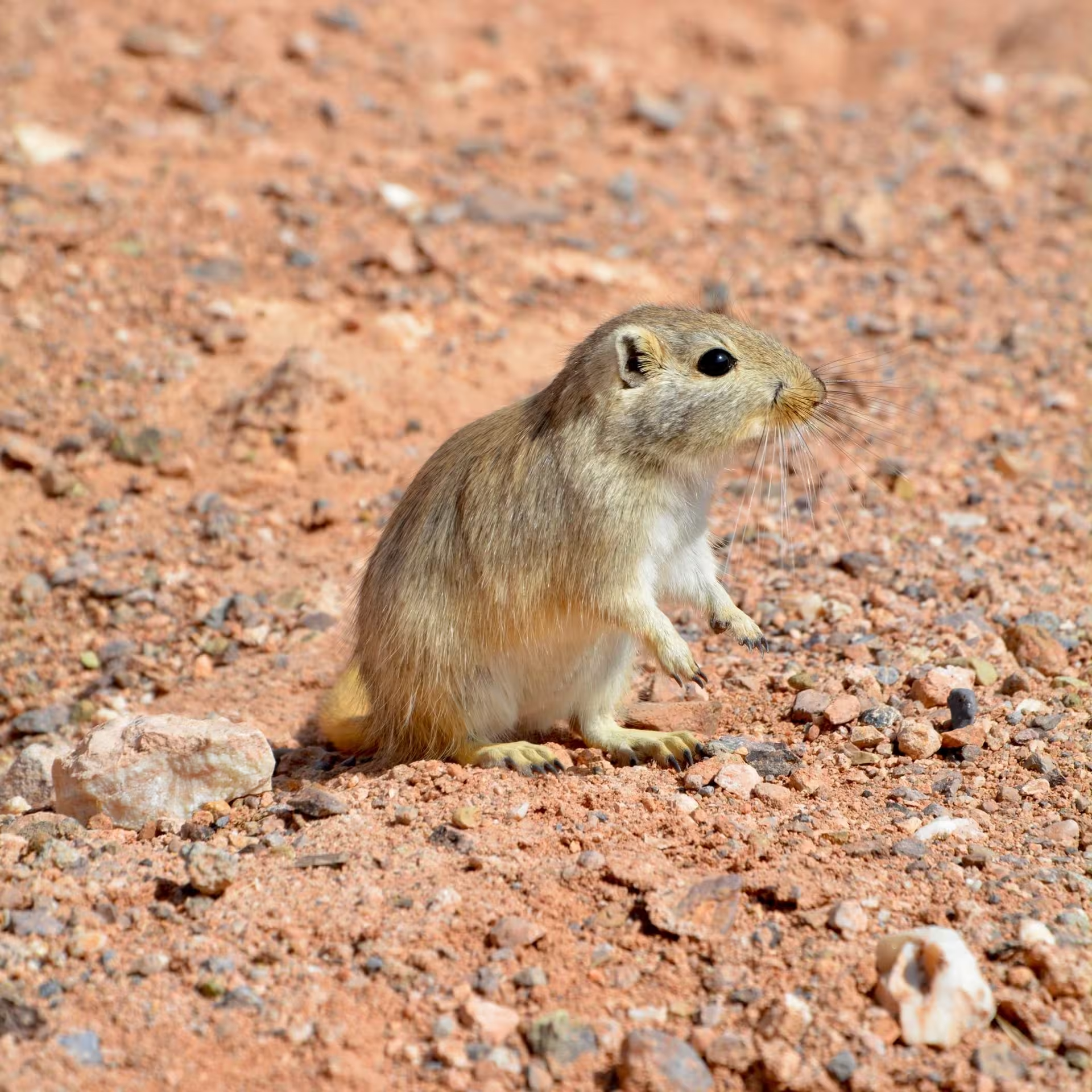
- Indian Desert Gerbil
- Indian Hedgehog
- Desert Jird
Other wildlife includes chinkara, Indian wolf, desert fox, desert cat, striped hyena and monitor lizards.
Avifauna (Birds)
- Great Indian Bustard
- Laggar Falcon
- Tawny Eagle
- Cream-coloured Courser
- Indian Peafowl
- Chestnut-bellied Sandgrouse
- Black-bellied Sandgrouse
- Demoiselle Crane
- Short-toed Snake Eagle
Herpetofauna (Reptiles)
- Spiny-tailed Lizard
- Bengal Monitor
- Indian Sand Boa
- Saw-scaled Viper
- Spectacled Cobra
- Indian Rock Python
- Common Krait
- Fringe-toed Lizard
Safari in Desert National Park
Exploring Desert National Park by jeep offers a chance to see the wildlife and rugged landscapes of the Thar Desert. Unlike tiger reserves, the park is known for the Great Indian Bustard, chinkara, desert foxes and birds of prey. Open plains, rocky stretches and sand dunes create a very different setting for wildlife viewing.
Desert National Park covers parts of Jaisalmer and Barmer districts, with wildlife habitats spread across a vast arid landscape. Guided visits can focus on birdwatching and searching for desert wildlife. Access to certain areas is restricted, so visitors should confirm the permitted routes and arrangements before travelling.
Great Indian Bustard – Iconic Bird of Desert National Park
The Great Indian Bustard is the flagship species of Desert National Park and one of India's most threatened birds. The park's open grasslands provide important feeding and breeding habitat. Sightings are never guaranteed, and visitors should keep their distance and follow guidance from local forest staff.
Open Jeep Safari
Jeep drives offer a way to explore the desert landscape around Jaisalmer, including designated tracks near Sam and Khuri sand dunes. These drives are suited to viewing the dunes, rocky terrain and desert scenery. Wildlife viewing inside Desert National Park depends on authorised access and local arrangements.
Best for: Desert landscapes, wildlife viewing and photography.
Camel Safari
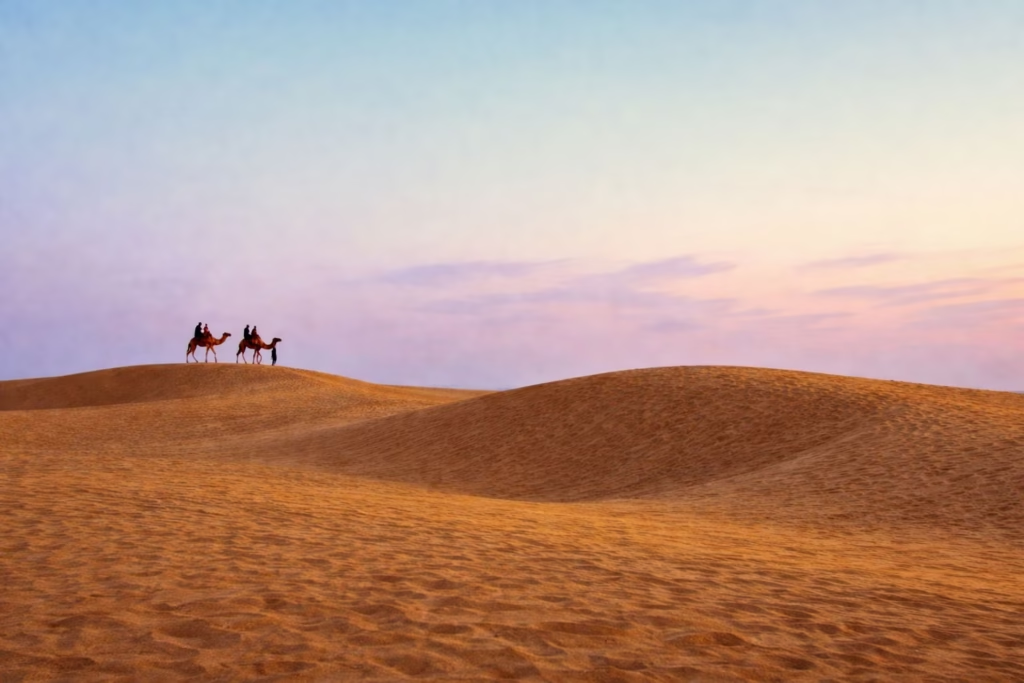
Camel safaris are a popular activity around Jaisalmer's desert villages and sand dunes. Rides across the sandy terrain offer views of the Thar Desert and nearby settlements. Camel safari routes around Sam and Khuri are tourism activities and should not be confused with authorised wildlife visits inside the protected area.
Best for: Desert scenery, village visits and sunset views.
Desert Safari Timings
Wildlife visits and desert activities follow different schedules. The Incredible India tourism page lists Desert National Park visiting hours as 10:00 AM to 5:00 PM
Note: Desert National Park has restricted areas and is not operated like a standard tiger reserve with uniform safari zones, fixed jeep quotas and a single booking system.
Safari Zones or Access Areas
Desert National Park covers a large stretch of the Thar Desert across Jaisalmer and Barmer districts. Unlike Other Parks, it does not have a standard system of core and buffer safari gates. Wildlife viewing depends on permitted access areas, local routes and seasonal conditions.
Sudashri – Desert National Park
Sudashri is a well-known wildlife viewing area within Desert National Park. Its open desert terrain and grasslands provide habitat for the Great Indian Bustard and other desert birds. Visitors should confirm current access arrangements with forest staff before planning a visit.
Sam – Desert National Park
Sam is one of the best-known desert tourism areas near Jaisalmer. The area is famous for its sand dunes, camel rides and sunset views. These activities take place around the desert tourism area and should not be confused with an official wildlife safari zone.
Khuri – Desert National Park
Khuri is another popular destination for experiencing the Thar Desert. Its dunes and nearby villages attract visitors interested in camel rides, desert scenery and local culture. Wildlife viewing inside the protected park depends on authorised access and local arrangements.
Jaisalmer–Barmer Desert Landscape
The wider protected landscape extends across parts of Jaisalmer and Barmer districts, with rocky plains, sandy stretches and natural grasslands. These habitats support chinkara, desert foxes, raptors and other wildlife. Access varies by location, so visitors should follow forest department guidance.
| Zone / Area | Type | Access / Main Attraction |
|---|---|---|
| Sam | Desert Tourism Area | Sand dunes, camel rides and desert scenery |
| Khuri | Desert Tourism Area | Sand dunes, village visits and desert landscapes |
| Sudashri | Wildlife Viewing Area | Great Indian Bustard habitat and desert wildlife |
| Jaisalmer–Barmer Grasslands | Protected Desert Habitat | Open plains, grasslands and resident birdlife |
Desert National Park Safari Tours
Select from our bespoke, budget, or multi-park central India tiger circuits crafted for enthusiasts and photographers.
4 Nights / 5 Days
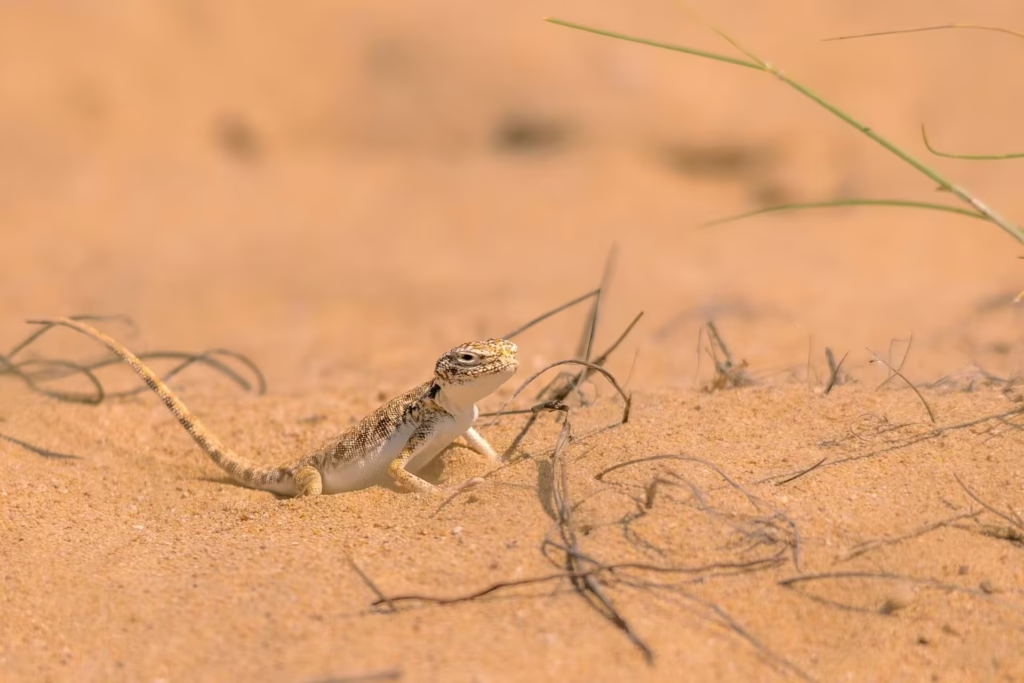
Thar Desert Herping Expedition
A five day reptile expedition into the Thar Desert around Jaisalmer. Night drives, spotlight surveys and expert led field sessions in search of India's most fascinating desert reptiles.
2 Nights / 3 Days
Weekend Safari Tour
A short desert getaway from Jaisalmer, combining Desert National Park wildlife viewing, Great Indian Bustard habitat and the scenic sand dunes of the Thar Desert.
3 Nights / 4 Days
Budget Safari Tour
A budget-friendly Jaisalmer trip covering Desert National Park, desert landscapes, local attractions and traditional desert activities, with comfortable accommodation and planned sightseeing.
Recommended Tour
Desert National Park
Travel 4 Days | 1 Park | 6 Safari
Want to join Desert National Park Group Tours?
If you are a solo traveler, traveling alone, or a couple, and are planning to join a group safari tour to reduce safari costs, please check out our fixed group tour dates for Desert National Park and join the dates that suit you best.
How to book Safari in Desert National Park
To book an end-to-end safari package in Desert National Park including airport transfer, accommodation, meals, and internal transfer, you may contact Big Cats India, or schedule a free discussion with our experts to understand the best safari zone to book, based on your area of interest.
It is advised to plan your safari well in advance to get the best zones for sightings in Desert national Park. If you are not sure which gate(s) to choose from, you can contact Big Cats India or message us for any assistance to book your safari in Desert National Park.
You can also book Desert National Park Safari online from Government website. However, this websites only book your safari permits, not the jeep, accommodation, food and internal transfer to the reserve gates.
Weather in Desert national Park
Desert National Park experiences extreme temperatures typical of the Thar Desert. Summers are very hot, with temperatures reaching above 40°C, while winter days are cooler and nights can become quite cold. Rainfall is scarce, particularly in the Jaisalmer region. November to February is the most comfortable period for visiting the park.
November - February
Desert National Park in Winters
Winter brings pleasant daytime temperatures and cold nights to Desert National Park. The cooler weather makes it a suitable time for birdwatching, wildlife viewing and exploring the open desert landscape.
March – June (Up to 47°C)
Desert National Park in Summers
Summer brings intense heat and dry conditions, with daytime temperatures often exceeding 40°C. Wildlife searches can be challenging during the hottest hours, so early morning visits are preferable.
July – September
Desert National Park in Monsoon
The monsoon brings occasional rainfall to the Thar Desert, though precipitation remains limited and varies each year. The landscape may become greener in patches, while wildlife viewing conditions depend on rainfall and access restrictions.
| Monthly Temperature & Wildlife Viewing Matrix (°C) | ||||||||||||
|---|---|---|---|---|---|---|---|---|---|---|---|---|
| Metric | Jan | Feb | Mar | Apr | May | Jun | Jul | Aug | Sep | Oct | Nov | Dec |
| Min Temp (°C) | 5 | 7 | 13 | 19 | 22 | 23 | 24 | 24 | 22 | 18 | 12 | 7 |
| Max Temp (°C) | 29 | 33 | 39 | 44 | 46 | 45 | 43 | 40 | 41 | 40 | 35 | 31 |
| Wildlife Viewing | Good | Good | Good | Hot | Hot | Hot | Variable | Variable | Variable | Good | Excellent | Excellent |
How to Reach the Desert National Park
By Air
Jaisalmer Airport is the nearest airport for most visits to the park. Jodhpur Airport is another option, located approximately 300 km from the protected area. From either airport, continue by road to Jaisalmer and arrange local transport to your destination.
By Road
Jaisalmer is connected by road to Jodhpur, Bikaner and other Rajasthan destinations. Buses and taxis operate on major routes, while a private vehicle is useful for reaching desert villages and permitted wildlife viewing locations.
By Rail
Jaisalmer Railway Station is the nearest railway station, with train connections to selected major cities. From the station, hire a taxi or arrange a transfer to your accommodation and the authorised park access area.
| Desert National Park's Distance from Important Cities | |||
|---|---|---|---|
| From | By Air + Road (Hrs) | By Road | By Rail + Road (Hrs) |
| New Delhi | 1.5 Air + 0.5 Road | 10.5–12 Hrs | 16.5–18 Rail + 0.5 Road |
| Mumbai | 1.5 Air + 0.5 Road | 17–19 Hrs | 18–22 Rail + 0.5 Road |
| Jaisalmer | NA | 0.5–1.5 Hrs | NA |
| Jodhpur | 1.0 Air + 4–5 Road | 4.5–5.5 Hrs | 5–6 Rail + 0.5 Road |
| Jaipur | 1.0 Air + 0.5 Road | 9–10 Hrs | 11–13 Rail + 0.5 Road |
| Ahmedabad | NA | 9–11 Hrs | 10–13 Rail + 0.5 Road |
| Bengaluru | 2–4 Air + 0.5 Road | 30–33 Hrs | 35–40 Rail + 0.5 Road |
| Hyderabad | 2–4 Air + 0.5 Road | 27–30 Hrs | 30–36 Rail + 0.5 Road |
| Pune | 1.5 Air + 0.5 Road | 19–21 Hrs | 20–25 Rail + 0.5 Road |
| Kolkata | 2–4 Air + 0.5 Road | 34–38 Hrs | 30–36 Rail + 0.5 Road |
| Agra | 1.5 Air + 0.5 Road | 12–14 Hrs | 17–20 Rail + 0.5 Road |
| Distance from Other National Parks | |
|---|---|
| From | Time to Arrive |
| Ranthambore NP | 9–11 Hrs Road |
| Gir NP | 10–12 Hrs Road |
| Corbett NP | 14–16 Hrs Road |
| Sariska TR | 10–12 Hrs Road |
| Blackbuck NP, Velavadar | 10–12 Hrs Road |
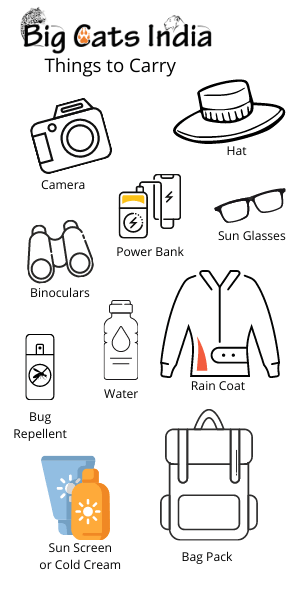
Things you should carry with you
Essential things to carry for your Desert National Park Safari
Your DSLR or Camera to capture your memorable safari moment.
Binoculars to view the wildlife from a safe distance.
Plenty of water to keep you dehydrated on a sunny day.
Hat & Shades to protect from direct sunlight.
Bandanna or Cotton Scarf to cover your face and avoid dust.
Winter wear or jacket if you are doing safari during winters. It really gets cold very quickly after sunsets in Jungle.
Rain Cover to save you and your gears from water during rain.
Some History about Desert National Park
Desert National Park was established in 1980 to protect the fragile ecosystem of the Thar Desert in western Rajasthan. Spread across parts of Jaisalmer and Barmer districts, the park conserves sand dunes, rocky terrain, salt lake beds and natural grasslands.
The region is an important habitat for the critically endangered Great Indian Bustard, a species whose population has declined due to habitat loss and other threats. Conservation efforts focus on protecting its breeding grounds and preserving the open desert landscape that supports this rare bird and other native wildlife.
Today, Desert National Park represents an important effort to conserve Rajasthan's desert biodiversity and the wildlife adapted to one of India's driest environments.
Why visit Desert national Pak?
Desert National Park offers a distinctive wildlife experience in Rajasthan's Thar Desert, with vast sand dunes, rocky plains, natural grasslands and dry lake beds. Its open landscape supports desert-adapted wildlife, including chinkara, desert foxes, Indian wolves and several birds of prey.
The park is also one of the most important habitats for the critically endangered Great Indian Bustard, making it a special destination for birdwatching and nature photography. The cooler months from November to February are ideal for exploring the desert landscape and observing its wildlife in more comfortable weather.
General Info Card
Total Area
3,162 sq. km
Location
Jaisalmer and Barmer Districts, Rajasthan
Notified as National Park
1980
Nearest Airport
Jaisalmer Airport
Nearest Railway Junction
Jaisalmer Railway Station
Wildlife Info Card
Carnivorous
Indian Wolf, Desert Fox, Striped Hyena
Herbivorous
Chinkara, Indian Hare
Reptiles
Spiny-tailed Lizard, Bengal Monitor
Birds
200 Species of Birds
Tour Info Card
Ideal Tour Length
2N3D or 3N4D
Can extend with
Ranthambore, Gir, LRK
Tour Starting points
Jasalmer, Jodhpur, Delhi
Is Tour Customizable?
Yes
Safari Options
Jeep Safari, Camel Safari, Birding Tour
Do’s and Don’ts of having an awesome Safari experience in Desert National Park
Desert National Park experiences extreme summer heat and cold winter nights. November to February is usually the most comfortable period for birdwatching and wildlife viewing. Summer visits require extra care due to high temperatures, while wildlife sightings depend on weather, season and authorised access.
Wildlife visits and desert tourism activities follow different schedules. Confirm park entry timings, permitted routes and guide arrangements before travelling. Early morning visits can offer cooler conditions for observing desert wildlife and birds.
Advance Booking & ID
Confirm entry permissions and arrange an authorised guide or vehicle before your visit. Carry a valid photo ID and any required booking confirmation or permits. Access rules may vary by viewing area.
Protective Clothing
Wear lightweight, full-sleeved clothing, comfortable trousers, sturdy footwear and a hat. Carry sunscreen, sunglasses, a scarf or dust mask, and warm layers for chilly winter mornings and evenings.
Safety technique directive: Stay with your authorised guide or driver and do not leave the vehicle in restricted or unsafe areas without permission. Avoid loud noises, feeding animals or entering closed sections. Follow forest department rules throughout your visit.
Desert National Park FAQs
Where is Desert National Park located?
Desert National Park is located in western Rajasthan, across Jaisalmer and Barmer districts, near the India-Pakistan border. Jaisalmer is the main base for visitors exploring the park.
What is Desert National Park famous for?
The park is best known for the critically endangered Great Indian Bustard and its distinctive Thar Desert landscape, including sand dunes, rocky terrain, natural grasslands and dry lake beds
Is Desert National Park the same as Sam Sand Dunes?
No. Sam Sand Dunes is a popular desert tourism area near Jaisalmer, known for camel rides and desert camps. Desert National Park is a protected landscape spanning parts of Jaisalmer and Barmer districts. A visit to the dunes does not automatically include entry into the park.
How can visitors reach Desert National Park?
Jaisalmer is the usual starting point, with rail and road connections. Jodhpur Airport is another option, roughly 300 km away according to the Rajasthan Forest Department management plan. Check current flight availability and arrange transport to the specific viewing area before travelling.