
Tiger Safari
in Monsoon
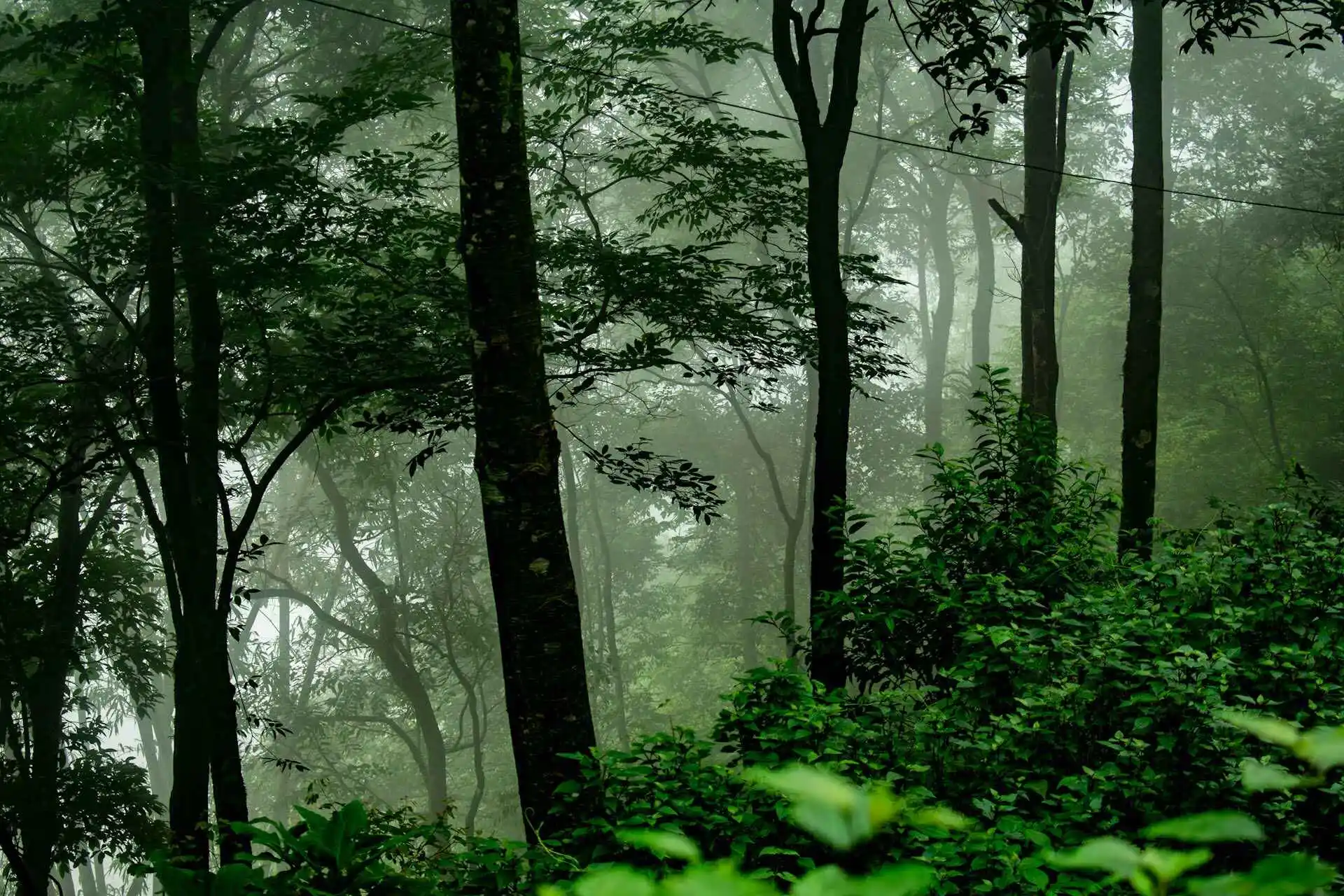
Tiger Safari in Monsoon - India
Want to visit India’s best National Parks but it is already the monsoon season? Don’t worry, we have got you covered! It is indeed tempting to get on a rainy season wildlife safari because of the low rates and less crowd.
The dense foliage in these jungles provide a lush green effect that is extremely calming to the eyes. Spot wildlife including tigers as you drench in the raindrops. These jungles that are otherwise thin, transform into green shades and the park looks alive.
Contrary to the opinion that you can only visit these parks in the peak dry season, there are adventures waiting for you from July to September.Just a selection of the best park and zone for doing tiger safari in monsoon season is needed, and we are there to help you out for this.
In this article we are concentrating on “how you can plan a wildlife trip during the monsoon, which parks to target and why.
Why should you plan Tiger Safari in Monsoon?
If your intention is to have an intimate nature and tiger viewing experience in a lush green background, a monsoon tiger safari is a great fit for you.
As the rains are likely to wash away usual scents, it makes it hard for big cats to detect prey and roam around for longer hours for hunting. Another upside to these safaris is for nature lovers. Be prepared to see vibrant colours and waterfalls along hillsides.
Along with the upside of safaris in monsoon, there are some drawbacks for doing safaris in monsoon, like the core gates, most of the parks are closed during the monsoon, heavy rain may interrupt the safari drives or some track may be closed because of heavy rainfall.
Which national parks are open during Monsoon?
When it comes to Monsoon season, most of the national park’s buffer zones are open for the safaris. Whereas some national parks in southern India are completely open throughout the year.
The buffer zones of the parks like Tadoba, Pench, Kanha, Ranthambore, Nagarhole are pretty good in tiger sighting and we always recommend doing monsoon safaris in one of these parks.
Monsoon Safari Opening and Closure Dates
Monsoon rules differ from one tiger reserve to another. In most Central Indian reserves, core safari zones close during the main rainy season. Buffer zones can remain open during this period.
| National Park | Core Zone Status | Closure Dates | Buffer / Alternative |
|---|---|---|---|
| Tadoba | Closed | July 1 – September 30 | Buffer zones open, including Agarzari, Devada, Junona, Kolara Chauradev, Belara, Alizanza and Navegaon |
| Bandhavgarh | Closed | July 1 – October 15 | Some buffer zones may remain open, depending on weather and local rules |
| Kanha | Closed | July 1 – September 30 / October 1 | Buffer zones remain open as per Madhya Pradesh government policy |
| Pench | Closed | July 1 – September 30 / October 1 | Buffer zones remain open, including Khawasa, Rukhad and Teliya gates |
| Satpura | Closed | July 1 – September 30 / October 1 | Buffer zones remain open |
| Ranthambore | Closed (Zones 1–5) | July 1 – September 30 | Zones 6–10 can remain open. The entire park may close during heavy rain or waterlogging |
| Nagarhole / Kabini | Fully open | No closure | Safaris run year-round |
These dates give you a useful starting point, but forest authorities can change safari operations because of heavy rain, road conditions and local forest conditions. Check the latest safari status before booking your trip.
Parks to plan during Monsoon?
Monsoon offers a different side of tiger reserves, with fresh greenery, active wildlife and fewer visitors in some areas. The parks below are worth considering for a safari during the rainy season.
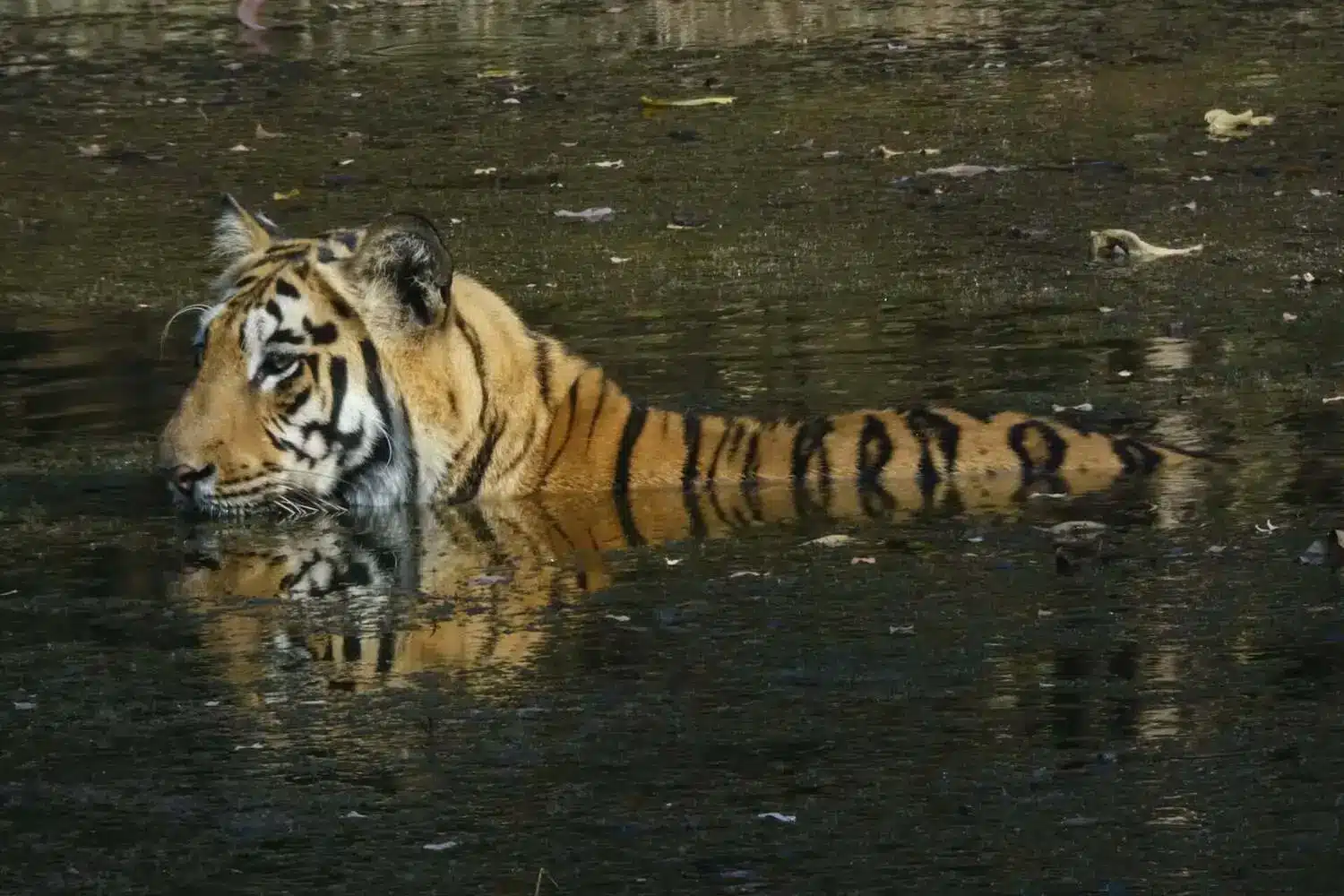
Tadoba National Park
Get ready to explore the emerald embrace of Tadoba in the monsoon. The jeep safaris that are tightly packed during other seasons are now available relatively easily. You will hear a variety of birds chirping all around as you roam on green lands.
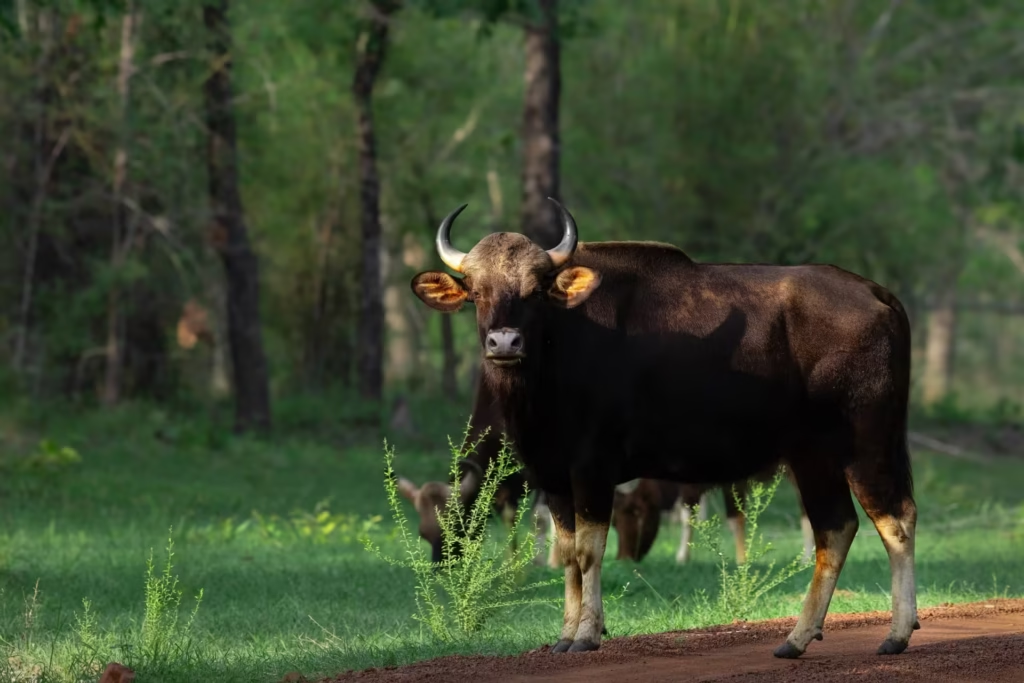
Listen for the calls of crested serpent eagles or spot colourful flycatchers flitting on trees. While tiger sightings are common, the rains bring herbivores like indian gaur and spotted deer out in the open searching for fresh green pockets, making them easier to observe.
Monsoon wildlife highlights: Tadoba becomes rich in fresh grass and vegetation after the rains. Gaur, spotted deer and wild boar can use these fresh feeding areas. The season also brings strong bird activity and more insect life.
Pench National Park
Pench offers a serene experience of the wild in the rains. Although core zones are closed during the monsoon, the buffers of Pench like Khawasa, Rukhad and Teliya are some of the prominent safari gates to do safari in Monsoon season. During monsoon you witness the park erupt in green as the Pench River churns with renewed life.
The hush of the monsoon allows you to pick up the calls of rare birds like the Malabar pied hornbill. Other fascinating creatures like sloth bears and barking deer emerge for the rejuvenated vegetation.
Monsoon wildlife highlights: Pench becomes greener around the river and forest edges. Birds become more active, while deer, wild boar and other herbivores use the fresh vegetation. The rain also brings more insects and amphibians into the forest.
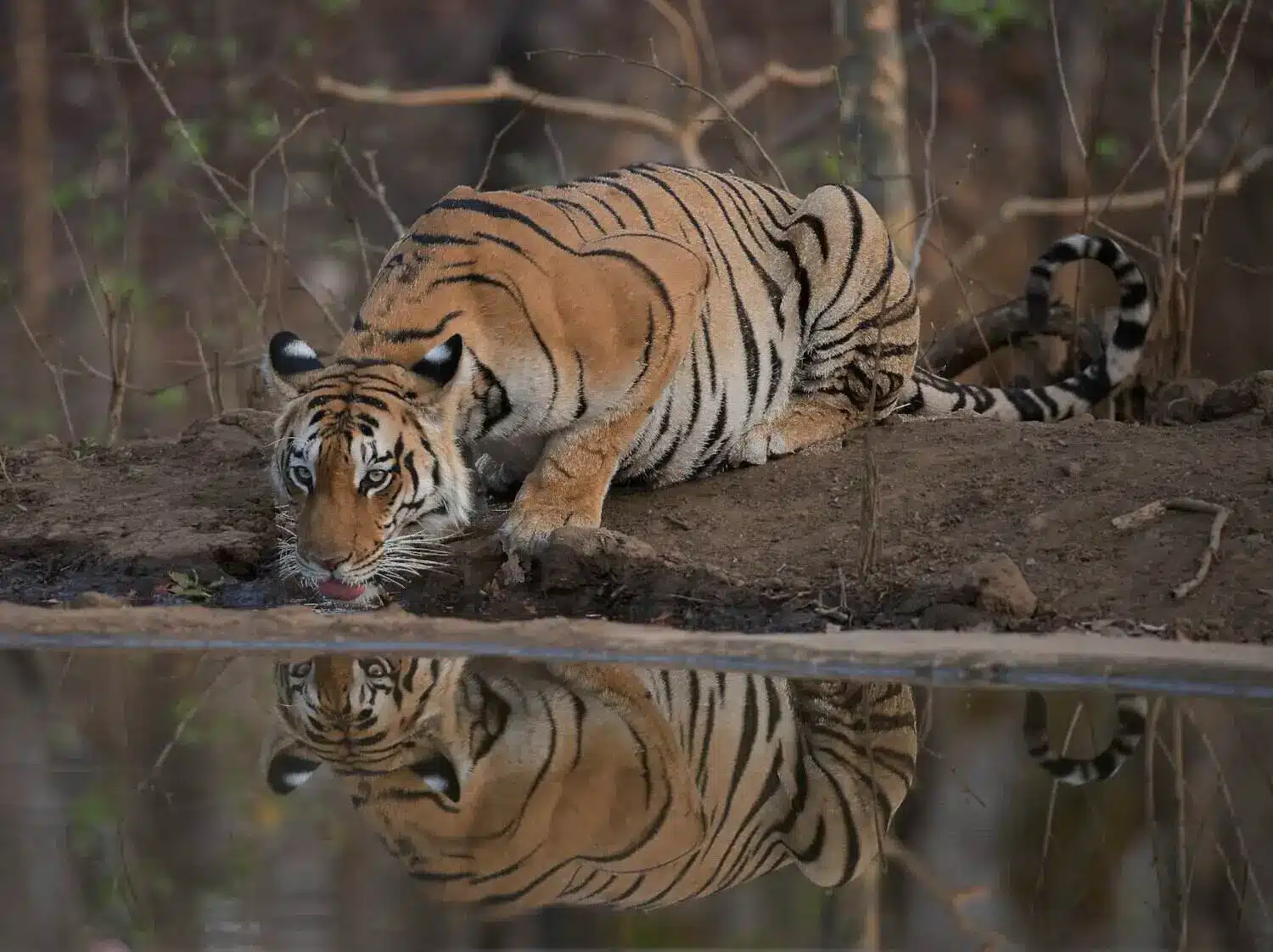
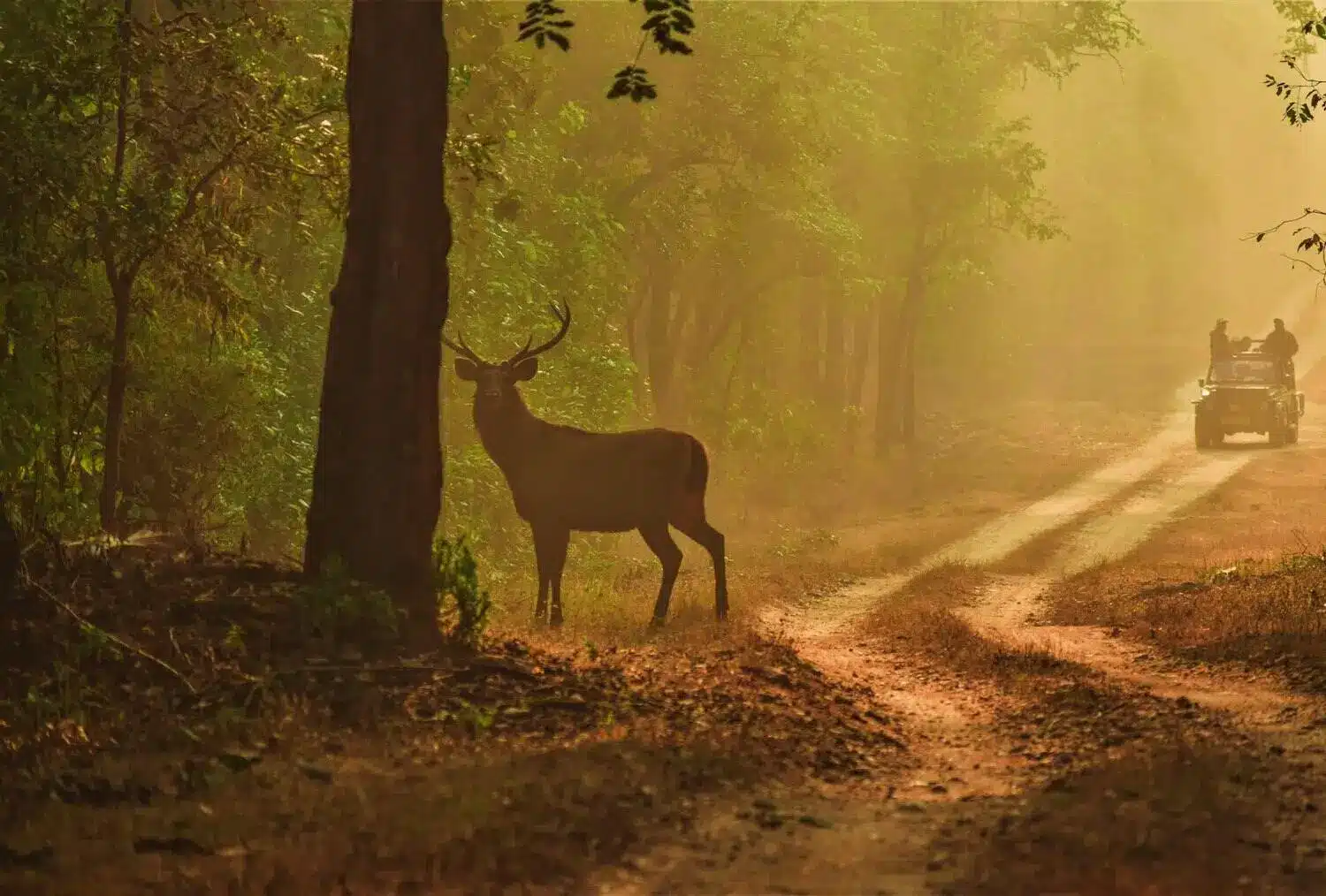
Kanha National Park
Get ready to witness the beauty of the buffer zones of Kanha! The park is also a haven of diverse avian species, including hunters like kingfishers and egrets resting on tree branches bejewelled with raindrops.
Although tiger sightings are less frequent due to thick jungles during the monsoon, the park is abundant with other wildlife. It is truly a captivating park for nature enthusiasts.
Monsoon wildlife highlights: Kanha's grasslands and forest edges become dense with fresh vegetation. Barasingha, spotted deer and other herbivores benefit from the new growth. Bird activity also increases around wet areas.
Bandhavgarh National Park
Bandhavgarh remains a good option for a monsoon wildlife trip through its buffer areas. The core zones close during the main monsoon period, while selected buffer zones can remain open.
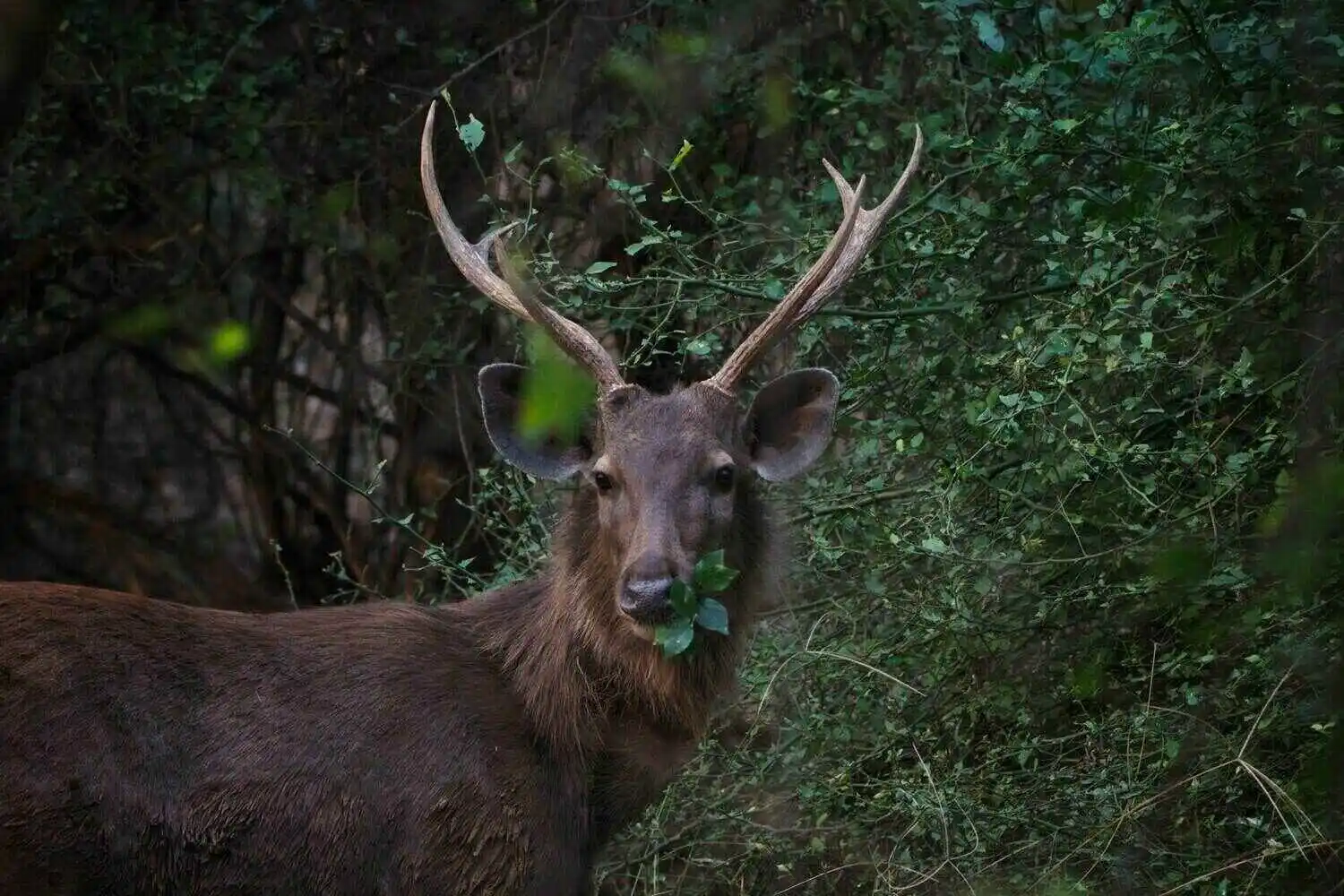
The forest becomes thick and green after the rains. This makes the landscape very different from the dry months. You can look for spotted deer, sambar, gaur, wild boar and many resident birds.
Tiger sightings are still possible in the buffer areas. Thick vegetation can make sightings shorter and less predictable. The buffer zones can also give you a quieter safari with fewer vehicles.
Monsoon wildlife highlights: Fresh grass and dense vegetation attract herbivores into the buffer areas. Birds, butterflies and insects also become easier to notice after rainfall.
Ranthambore National Park
Enjoy the serenity of this season and behold Ranthambore’s unadorned magnificence.
However, during monsoon there are few jeep safaris available at Ranthambore, but one can go on nature trails accompanied by naturalists from there.
Prepare yourself for walking in the rain through the park with its fresh vegetation and buzzing insects.
Monsoon wildlife highlights: Rain fills seasonal streams and water bodies across the landscape. Birds and insects become more active, while the Aravalli and Vindhya hills develop fresh vegetation. Seasonal water flows can also appear after heavy rain.
Tiger Safaris in Southern India During Monsoon
Southern India offers more options for wildlife trips during the rainy season. Some parks and safari areas continue to operate during the monsoon, although heavy rain can still affect safari timings and road conditions.
Nagarhole and Kabini
Nagarhole and the Kabini landscape remain popular during the monsoon. The forest becomes greener and water sources fill up. You can see elephants, deer, gaur and many bird species during this season. Tiger sightings remain possible, but thick vegetation can make them harder to spot.
Bandipur
Bandipur also offers wildlife viewing during the rainy season. The forest gets fresh greenery after the rains, and animals remain active across the landscape. Safari operations can still change because of weather and local forest department decisions.
Wayanad
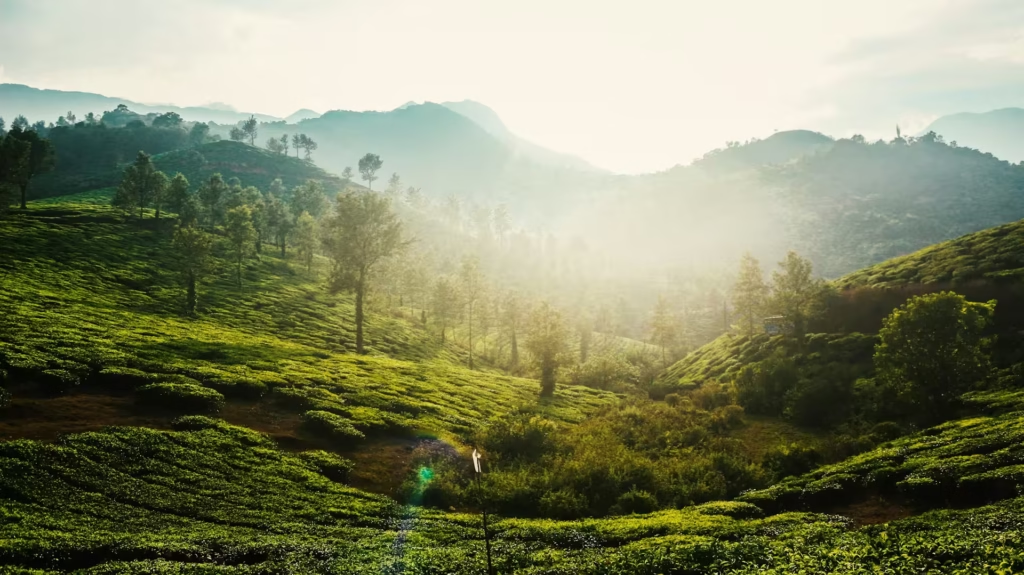
Wayanad offers another option for a monsoon wildlife trip. The sanctuary receives heavy rainfall between June and September, which brings dense greenery, streams and strong bird activity. Safari operations can face weather-related restrictions, so check the local safari status before visiting.
What Wildlife Can You See During the Monsoon?
Monsoon changes more than the colour of the forest. Rain increases insect activity and brings fresh vegetation across grasslands and forest edges. This creates more feeding opportunities for many animals.
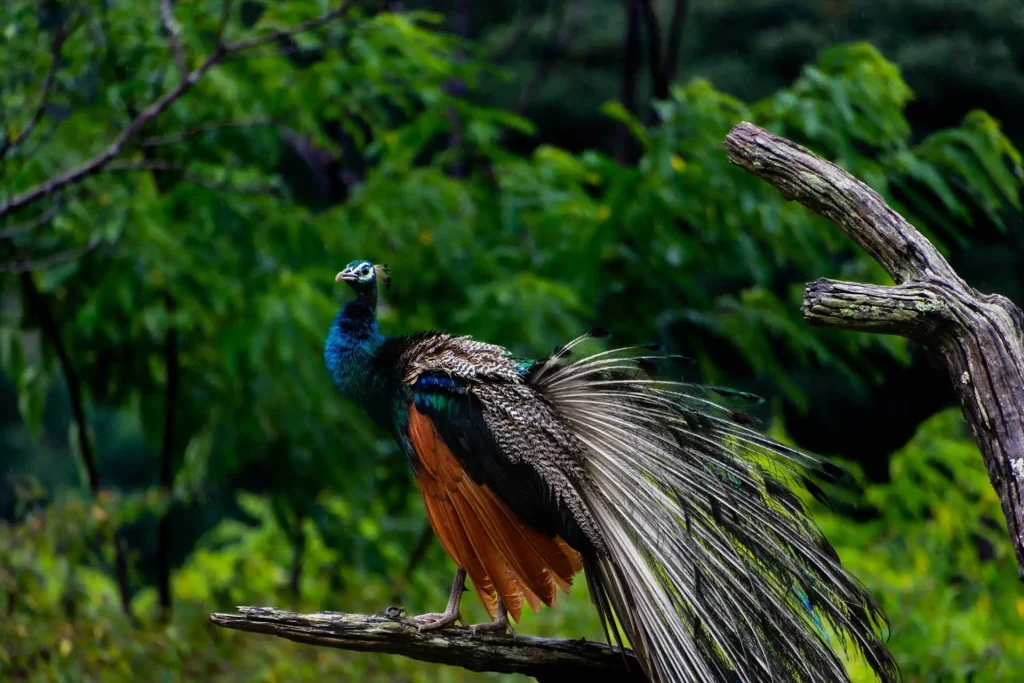
Bird activity also increases. Resident birds become active around water sources and fresh vegetation. You may see birds in breeding plumage, hear more calls and find species feeding on insects after rainfall.
Butterflies become easier to notice around wet forest edges, grasslands and flowering plants. Frogs, dragonflies and other insects also become more active after rain.
Some parks also have seasonal streams and waterfalls during the monsoon. These water flows can change the look of the landscape within a few weeks.
Animal behaviour can also change during this season. Deer, gaur and other herbivores make use of fresh grass and new vegetation. Predators continue to move through their territories, but thick vegetation can make them harder to spot.
Monsoon wildlife is not only about seeing a tiger. It gives you a chance to see a more active forest, with birds, insects, reptiles and herbivores playing a bigger part in the safari.
How are monsoon safaris different from regular safaris?
Monsoon safaris are different from the regular peak or shoulder season safaris in several ways. It is a very peaceful, silent and enjoyable experience in the forest without worrying about securing a permit too much in advance due to the number of tourists.
Despite the general consensus, tigers are extremely active in the monsoons. They are very likely to be spotted because of the cool climate and luxuriant vegetation.
The rains turn these dusty, dry jungles into a beautiful green paradise. It is also a blessing for birdwatchers because migratory birds from the north arrive at these parks. Resident birds are also typically active.
How to plan for monsoon tiger safaris?
Despite being off season, it is better to book early to avoid last minute hurry. Concentrate on buffer zones while core zones may be closed. In this case we still recommend checking the park’s official website and contacting the park authorities before planning your visit.
This follows variations in opening dates as well as unpredicted forest conditions that change every year. Be prepared for the rains. Pack wet-weather gears, a tough raincoat, waterproof shoes, and a camera cover with zoom lens.
Carry essentials like insect repellent, reusable water bottles and used plastic bags for wet clothes. Finally, anticipate delays caused by slippery roads and small closures. Appreciate this lovable time of the year and make your trip very worthwhile.
Plan a Monsoon Tiger Safari
Want to visit a tiger reserve during the rainy season? We can help you choose the right park, safari zone and travel dates based on the current monsoon rules. Our team can help you plan a monsoon safari in Tadoba, Pench, Kanha, Bandhavgarh, Ranthambore and other wildlife destinations.
Looking for a monsoon safari package? Contact us to plan your trip.
Frequently Asked Questions
Can you go on a tiger safari in India during the monsoon?
Yes, you can go on a tiger safari during the monsoon. Some tiger reserves close their core zones during the rainy season, but buffer zones and several parks in southern India can remain open.
Which tiger reserves are open during the monsoon in India?
Tadoba, Pench, Kanha and Bandhavgarh usually close their core zones during the main monsoon months. Some buffer zones remain open. Ranthambore also keeps some zones open during this period. Nagarhole, Bandipur and other southern parks can offer safari options during the rainy season.
Which is the best tiger reserve to visit during the monsoon?
The best park depends on the safari zones that remain open and the weather during your travel dates. Southern parks such as Nagarhole and Bandipur can be good choices when Central Indian core zones remain closed.
Are tiger sightings possible during the monsoon?
Yes, tiger sightings are possible during the monsoon. Thick vegetation can make tigers harder to spot. Sightings also depend on the park, safari zone, weather and animal movement.
What months are considered monsoon season for tiger safaris in India?
The main monsoon season runs from June to September. July and August usually bring the heaviest rainfall across many parts of India. Safari conditions can vary between parks.
Should I book a monsoon safari in advance?
Yes. Check the opening status of your chosen park first, then book your safari and stay. Some parks have limited safari seats even during the rainy season.