Kaziranga National Park, Assam
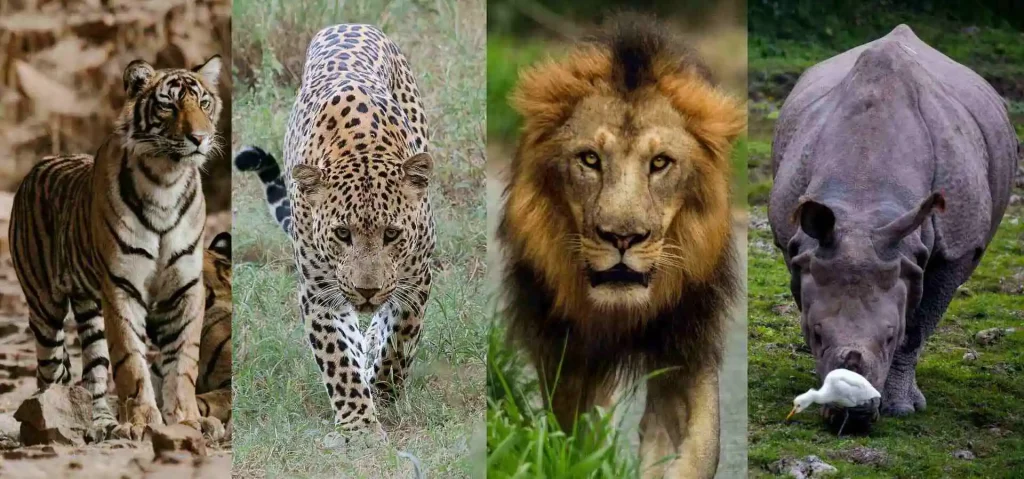
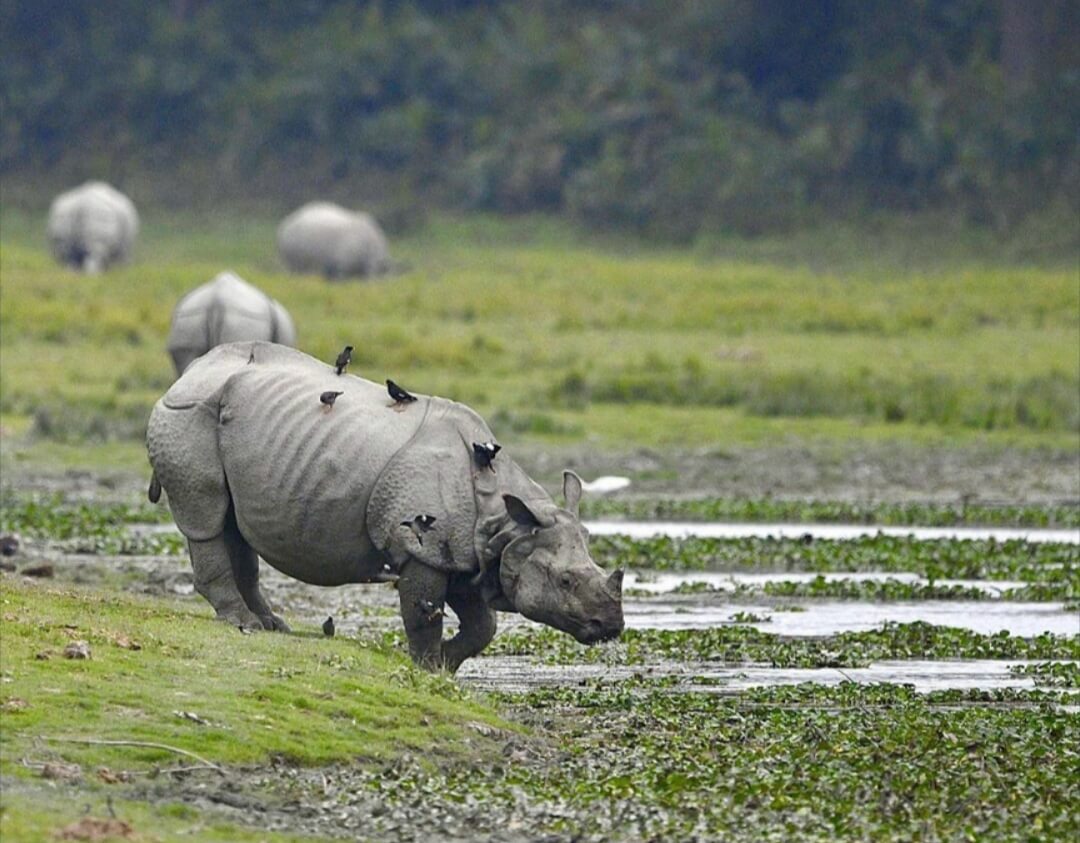
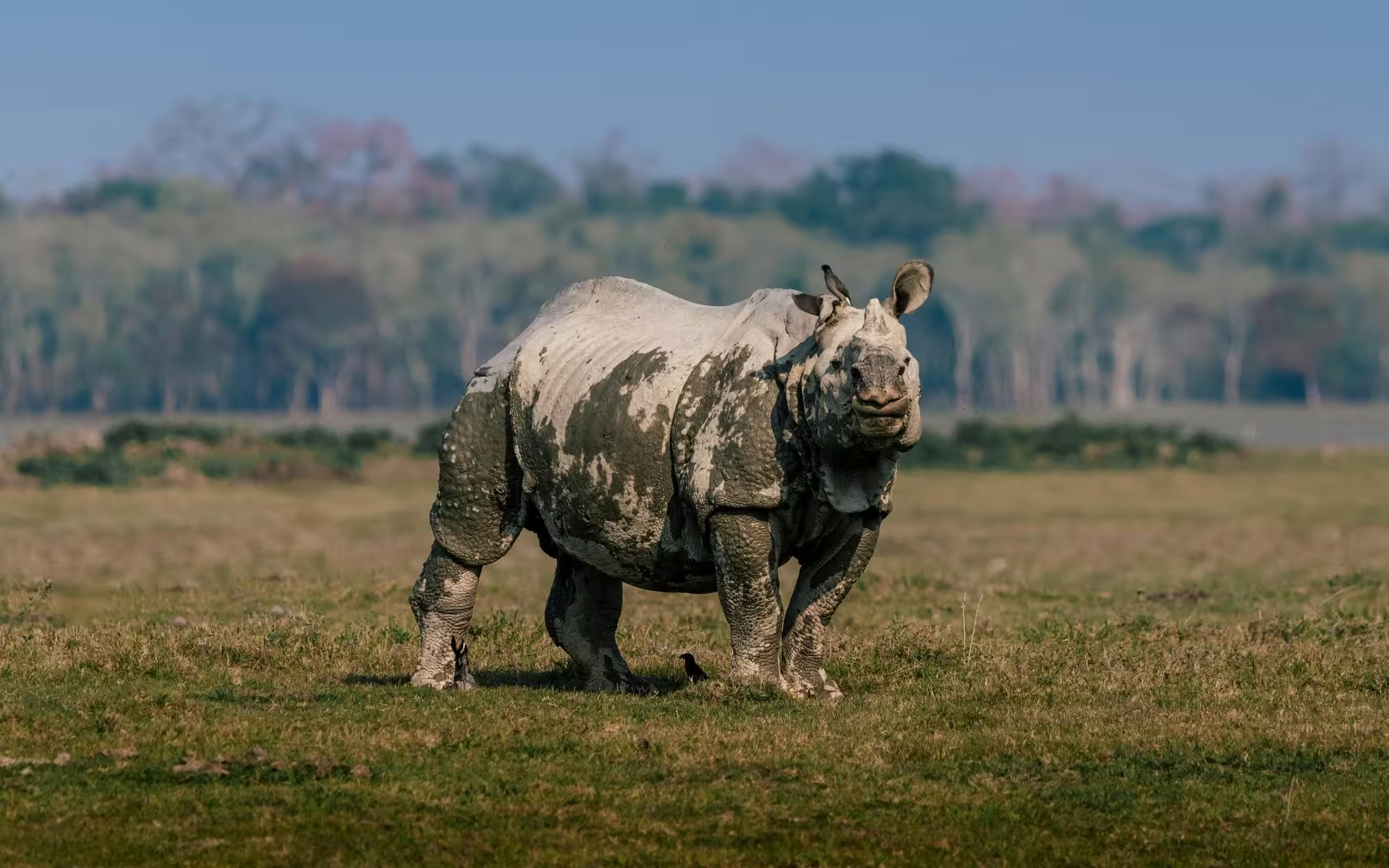
Kaziranga is the undisputed rhino capital of India. Over 2,600 rhinos live here, which is more than half of the world’s total one-horned rhino population. The park’s grasslands and wetlands create perfect conditions for rhinos to thrive.
Morning safaris give you the best chance to see rhinos grazing in the open. The park has four main zones, and the Central Zone (Kohora) typically offers the most rhino sightings. You’ll ride in open jeeps through tall elephant grass, often coming within 20-30 meters of these animals.
Visit between November and April for dry weather and good visibility. The park closes during monsoon season (May to October) when the Brahmaputra River floods most areas.
Manas National Park, Assam
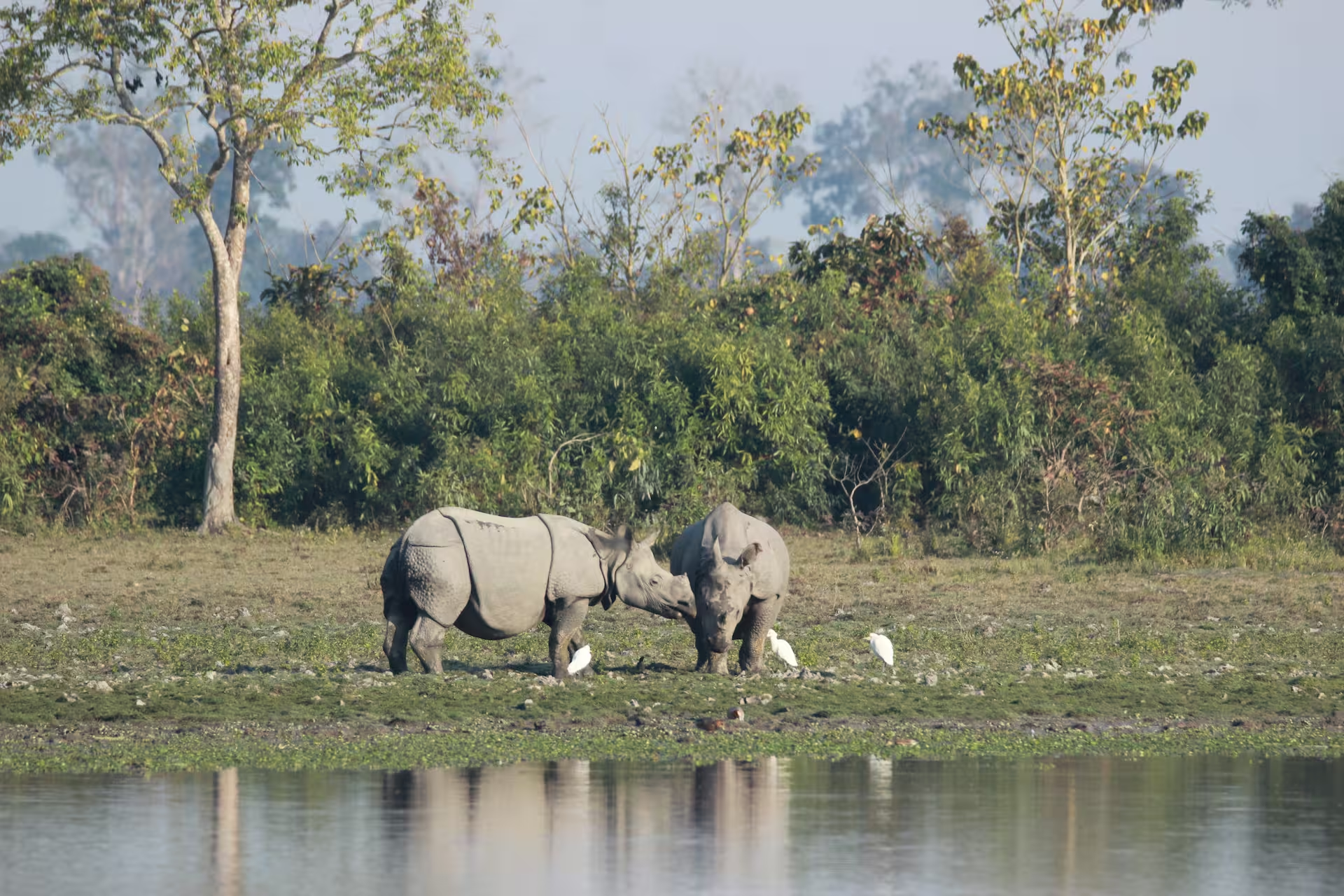
Manas sits along the India-Bhutan border and is home to around 40 rhinos. This number might seem small compared to Kaziranga, but Manas offers something different. The park is less crowded, and you’ll often have rhino sightings to yourself.
The rhino population here recovered from near extinction. In the 1990s, poaching almost wiped them out completely. Conservation efforts and rhino translocations from Kaziranga brought them back.
November to March is the best time to visit. River rafting and elephant safaris are available alongside jeep safaris.
Orang National Park, Assam
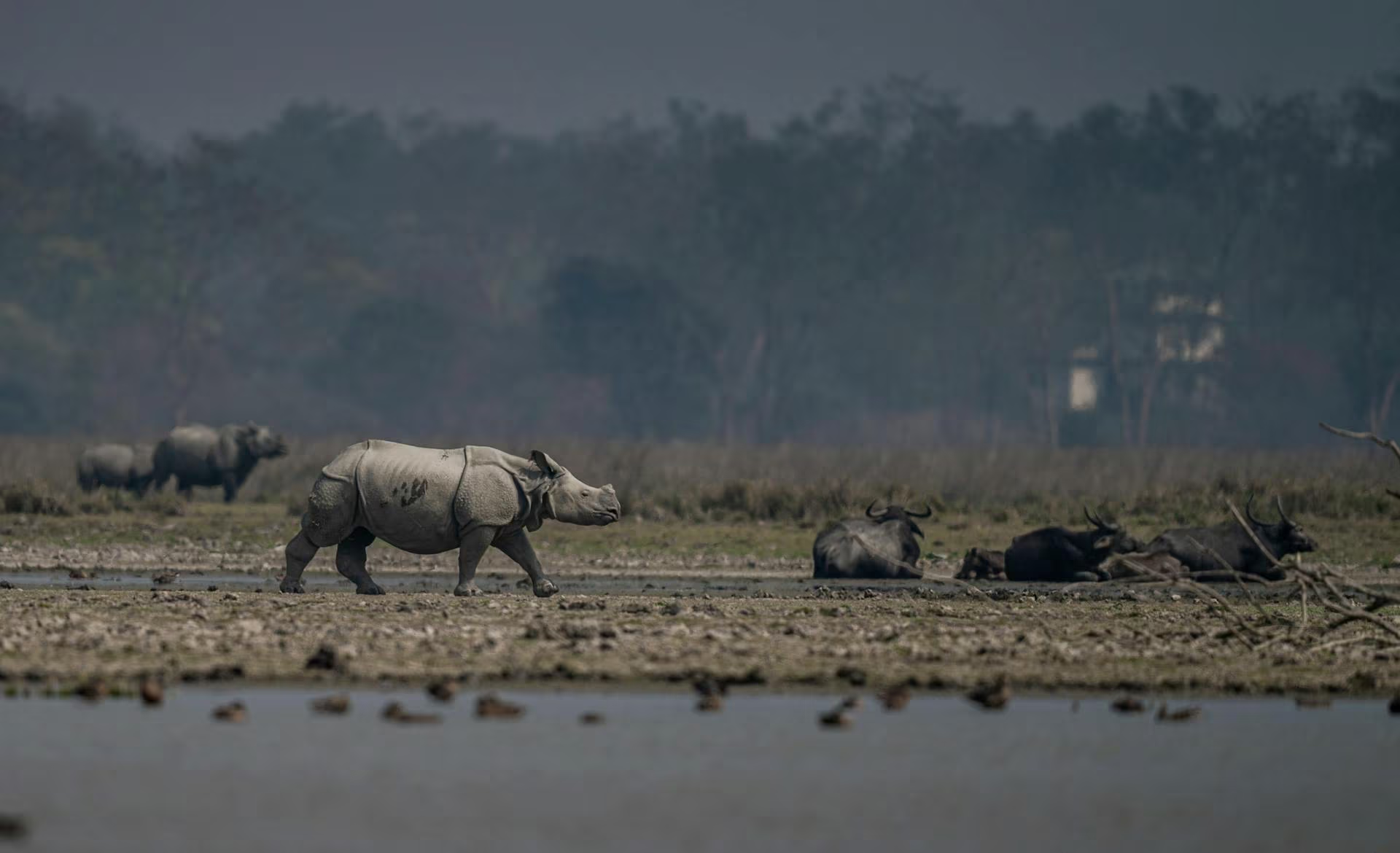
People call Orang the mini Kaziranga because of its similar landscape and high rhino density. About 100 rhinos live in this small 78 square kilometer park on the north bank of the Brahmaputra River.
The compact size means you’ll see rhinos quickly. Most safaris spot at least 2-3 rhinos within the first hour. The grasslands here stay shorter than Kaziranga’s, making it easier to photograph rhinos in the open.
Visit between November and April. The park is less developed than other major reserves, so expect basic facilities. Book permits in advance through the forest department.
Pobitora Wildlife Sanctuary, Assam
Pobitora has the highest rhino density in the world. Around 100 rhinos live in just 38 square kilometers. You’re almost guaranteed to see multiple rhinos on every safari here.
The sanctuary sits close to Guwahati, making it an easy day trip. Jeep safaris last about 2 hours and typically spot 5-10 rhinos. The flat grasslands offer clear views and great photo opportunities.
Best time to visit is between November and March. The sanctuary gets flooded during monsoons. Stay in Guwahati (about 50 km away) and drive to the park early morning.
Jaldapara National Park, West Bengal
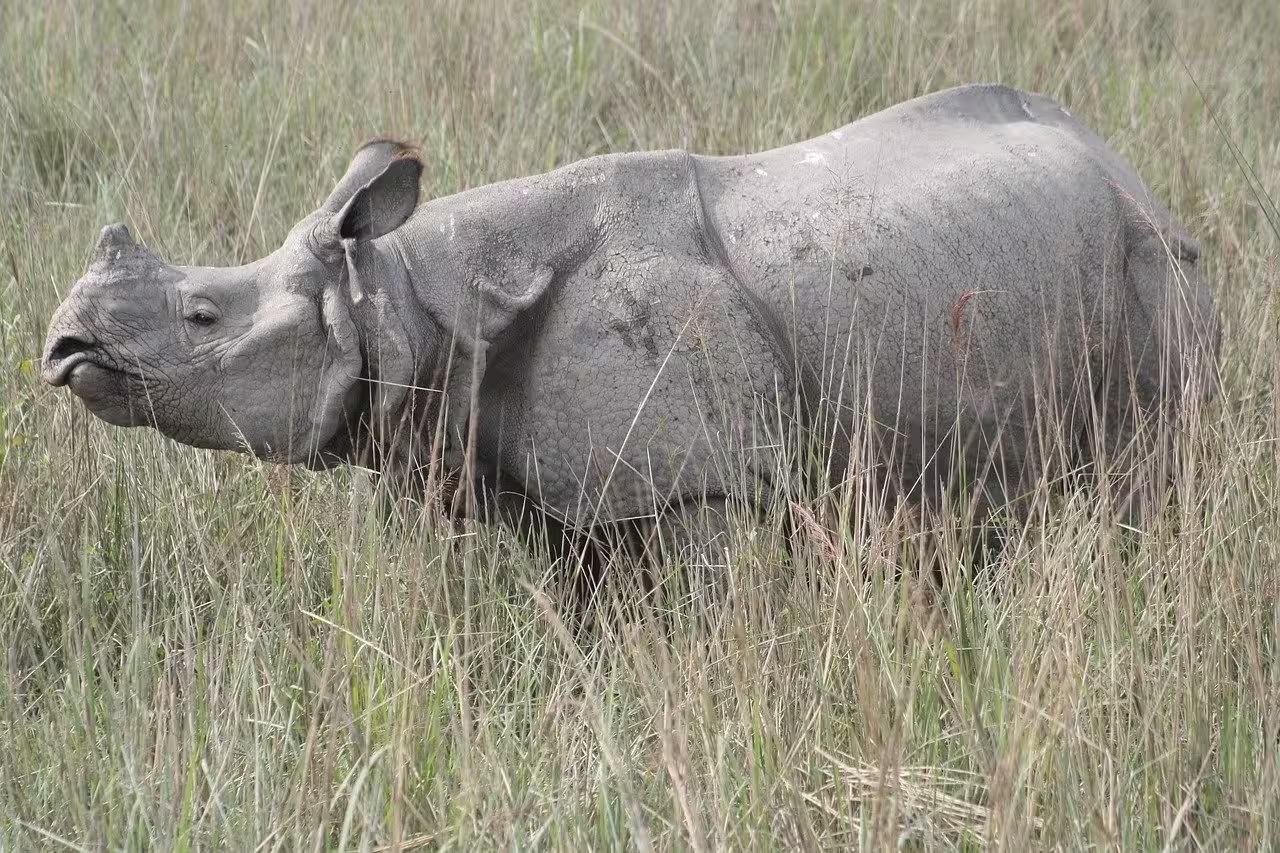
Jaldapara is West Bengal’s top spot for rhino sightings. Around 240 rhinos roam the park’s grasslands and riverine forests along the Torsa River. The landscape feels different from Assam’s parks, with more mixed forest and varied terrain.
You can choose between elephant safaris and jeep safaris here. Elephant safaris take you closer to rhinos and let you move through areas jeeps can’t access. The park also has a good population of Indian bison and elephants.
Visit from November to May. The nearest town is Madarihat, which has basic lodges and homestays.
Gorumara National Park, West Bengal
Gorumara sits near Jaldapara and protects around 50 rhinos. The park is smaller and gets fewer visitors, which means quieter safaris. The grasslands here are particularly scenic in early morning light.
Both jeep and elephant safaris run daily. Watchtowers throughout the park offer elevated views of the grasslands where rhinos graze. You’ll need some luck to spot rhinos here compared to Kaziranga, but sightings do happen regularly.
The park stays open from mid-September to mid-June. Lataguri village outside the park has accommodation options.
Dudhwa National Park, Uttar Pradesh
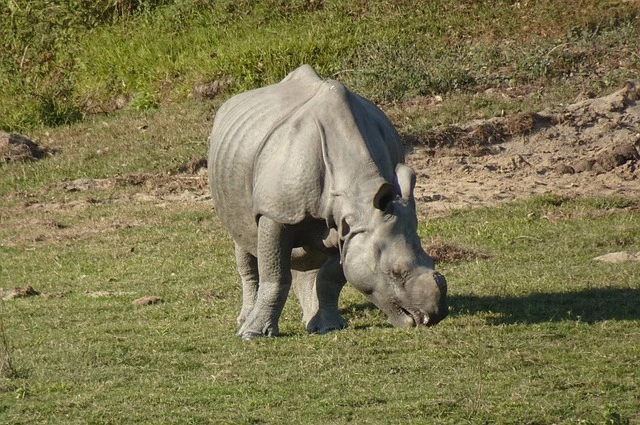
Dudhwa is unique because its rhinos were reintroduced here. The park had no rhinos until 1984, when seven were brought from Assam and Nepal. Today, around 30-35 rhinos live in Dudhwa’s sal forests and grasslands.
The park is better known for tigers and swamp deer, so rhino sightings are a bonus rather than guaranteed. When you do see them, they’re often alone or in pairs rather than the larger groups seen in Assam.
Visit between November and June. The park has good forest rest houses and private lodges. It’s located near the India-Nepal border in Uttar Pradesh’s Terai region.
Katarniaghat Wildlife Sanctuary, Uttar Pradesh
Katarniaghat is the least visited rhino habitat in India. The sanctuary runs along the Girwa River and holds a small population of reintroduced rhinos. Exact numbers are hard to confirm, but estimates put it around 10-15 individuals.
This is not the place to go if you want guaranteed rhino sightings. The sanctuary is remote, and the rhinos are spread thin across dense forest. Most visitors come here for gharials (fish-eating crocodiles) and river dolphins rather than rhinos.
The sanctuary opens from November to June. Access is limited, and you’ll need to arrange permits through the forest department in advance.
Planning Your Rhino Safari
The dry season from November to April works best for rhino safaris across all locations. During this time, rhinos move to open grasslands and water sources, making them easier to spot. Monsoon months (June to September) bring floods to most parks, particularly in Assam.
Most parks require advance permits. Book these through official forest department websites or authorized tour operators. Peak season (December to February) fills up quickly, so book at least 2-3 months ahead for popular parks like Kaziranga.
Pack neutral-colored clothing (greens, browns, khakis) for safaris. Bring binoculars, a good camera with zoom lens, sunscreen, and insect repellent. Morning safaris are colder than you’d expect, so carry a light jacket even in warmer months.
Keep quiet during safaris and follow your guide’s instructions. Rhinos may look slow, but they can charge at 55 km/h if they feel threatened. Never get out of the vehicle unless your guide says it’s safe. Keep a respectful distance and never try to feed or provoke any wildlife.
Why Rhino Conservation Matters
India’s one-horned rhino population has grown from fewer than 200 in the early 1900s to over 4,000 today. This is one of conservation’s biggest success stories. Strict protection, habitat management, and anti-poaching efforts made this recovery possible.
Poaching remains the biggest threat to rhinos. Their horns fetch high prices in illegal markets, despite having no proven medicinal value. Parks like Kaziranga have armed patrols and use technology like drones to protect rhinos from poachers.
Tourism helps fund conservation work. Your park fees, safari costs, and accommodation expenses support forest staff salaries, equipment, and local communities. When done responsibly, wildlife tourism gives local people reasons to protect rhinos rather than see them as threats to crops or competition for resources.
Seeing a rhino in the wild is something you’ll remember for years. These ancient animals have survived for millions of years, and with continued protection, they’ll be around for future generations to see. Choose your park, book your safari, and experience one of India’s greatest wildlife treasures.