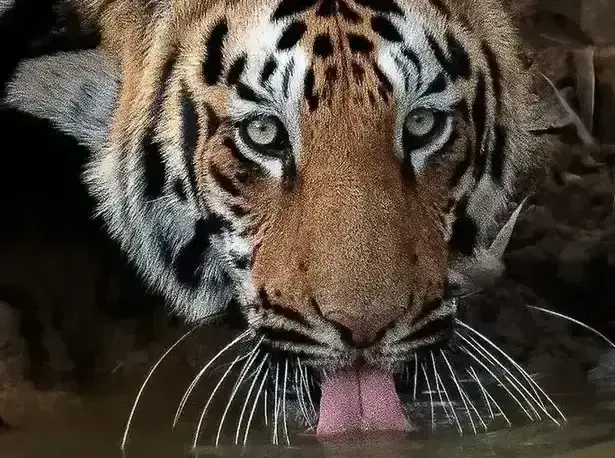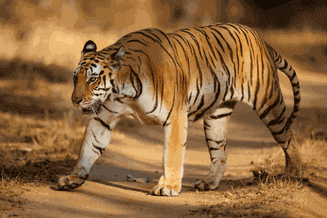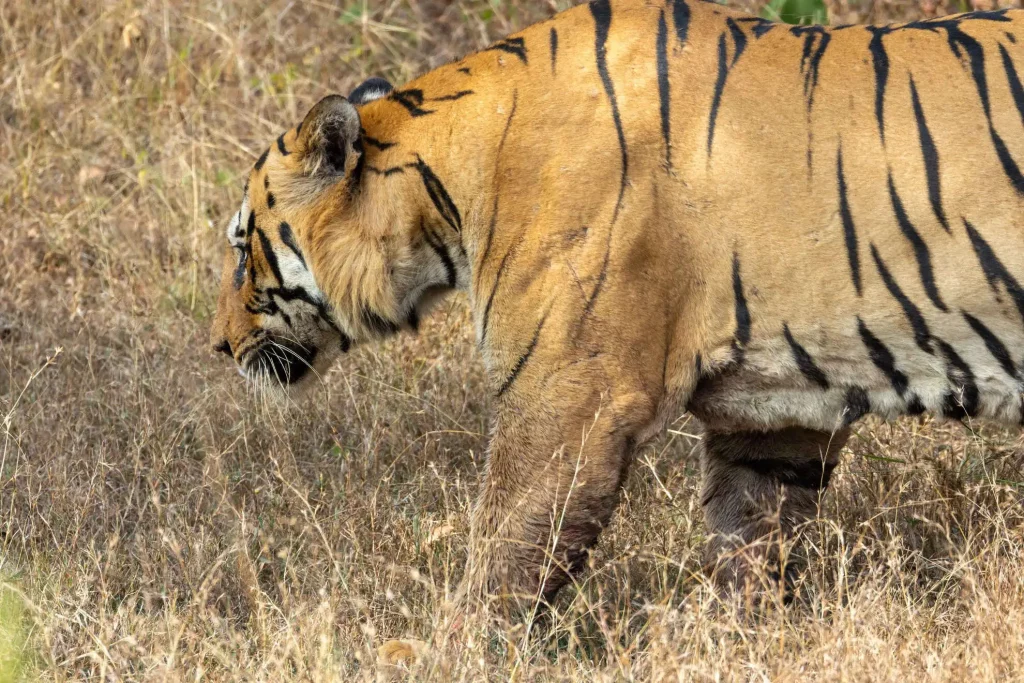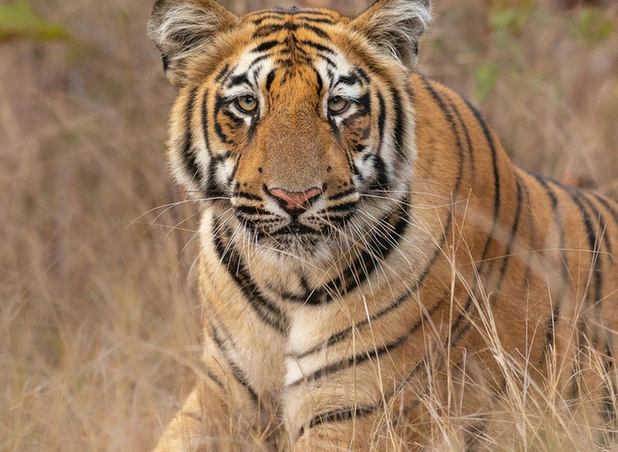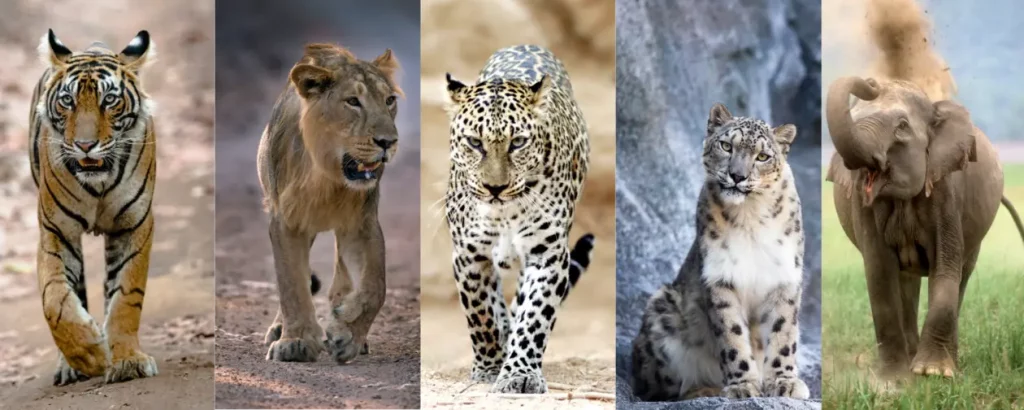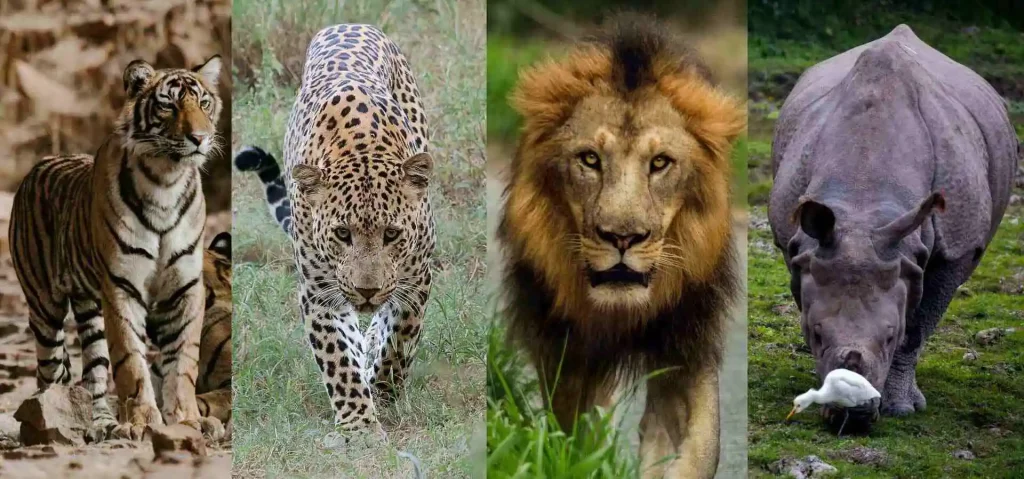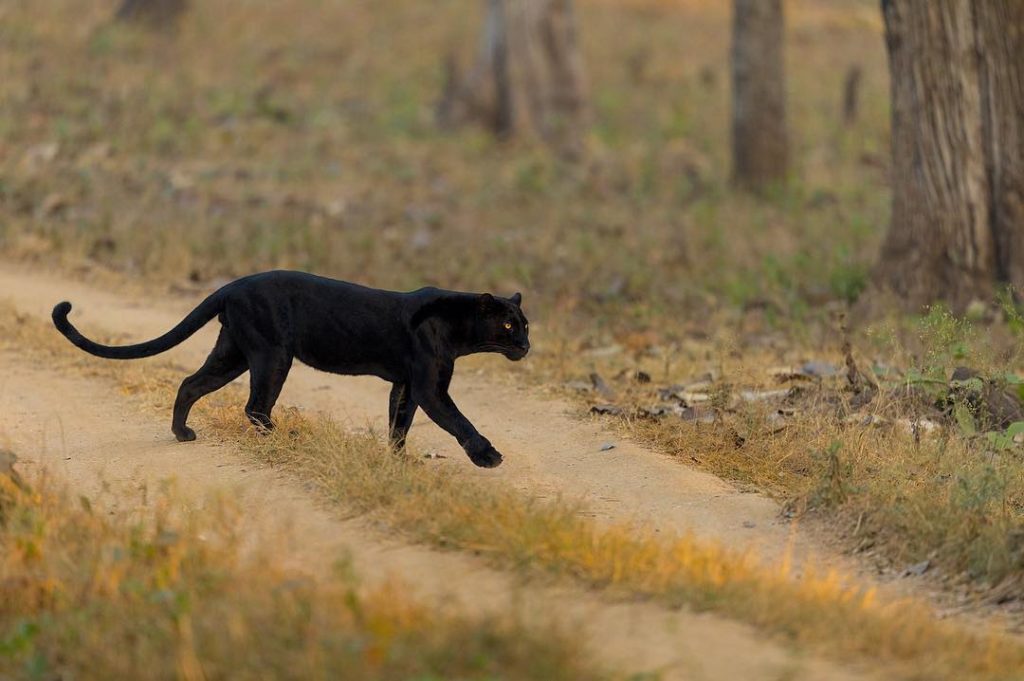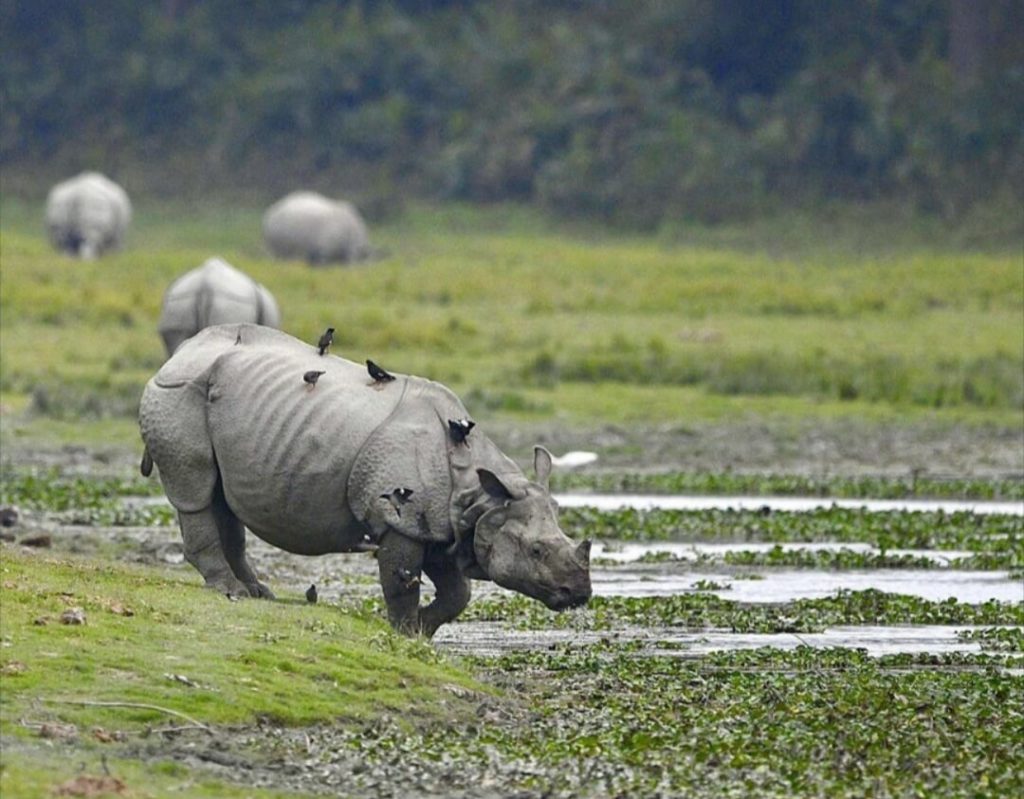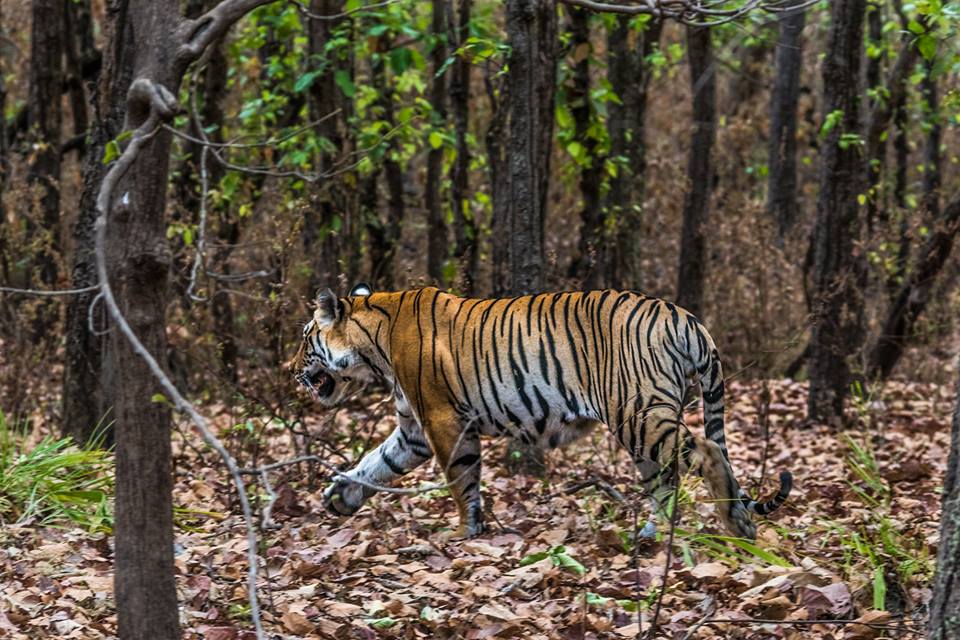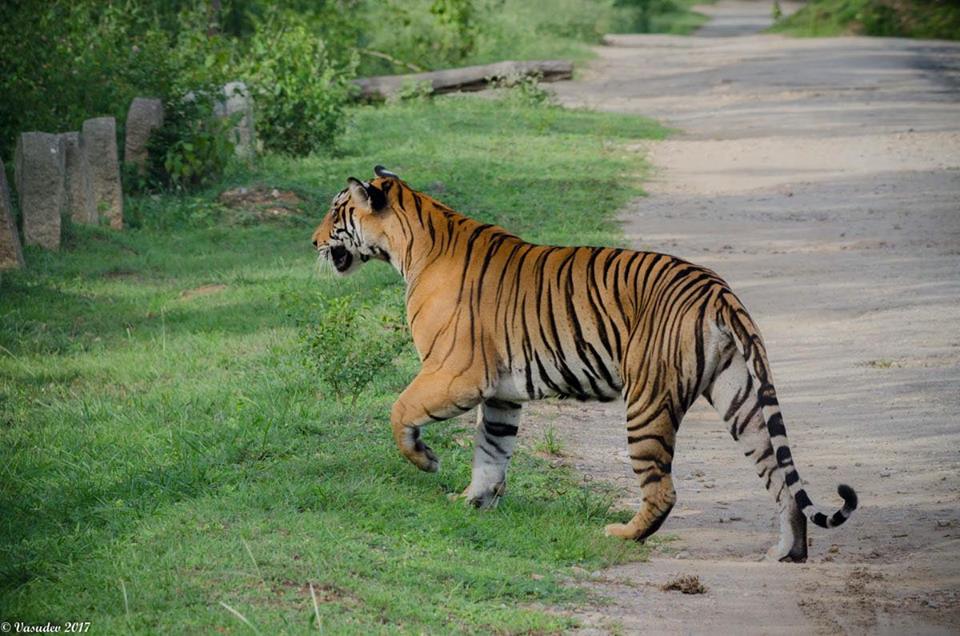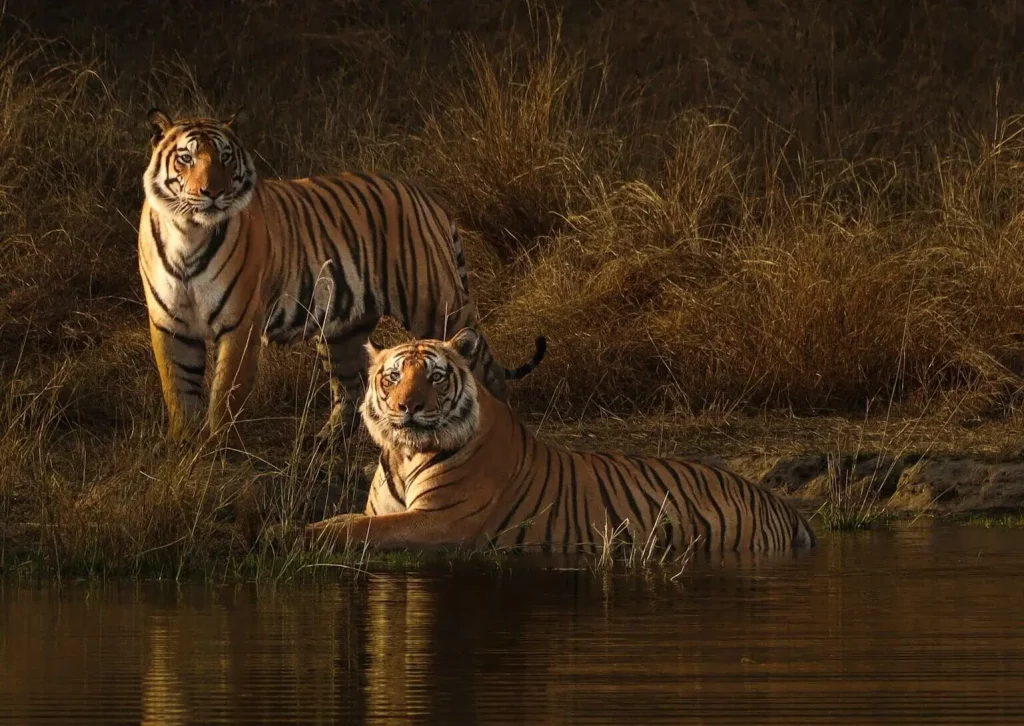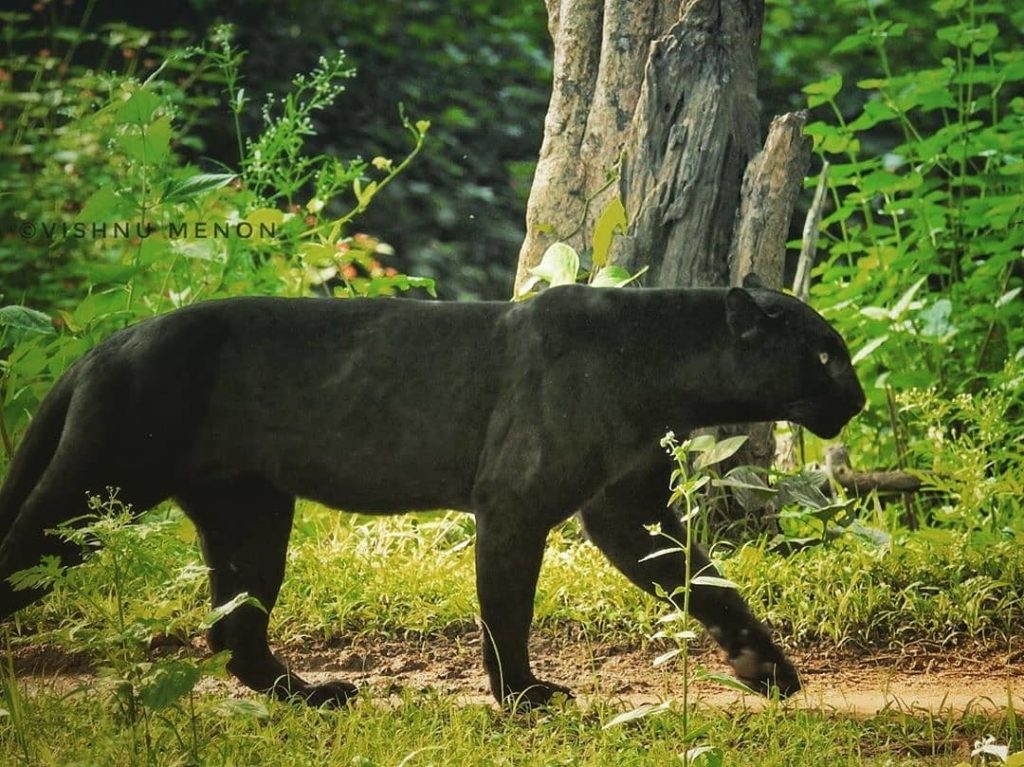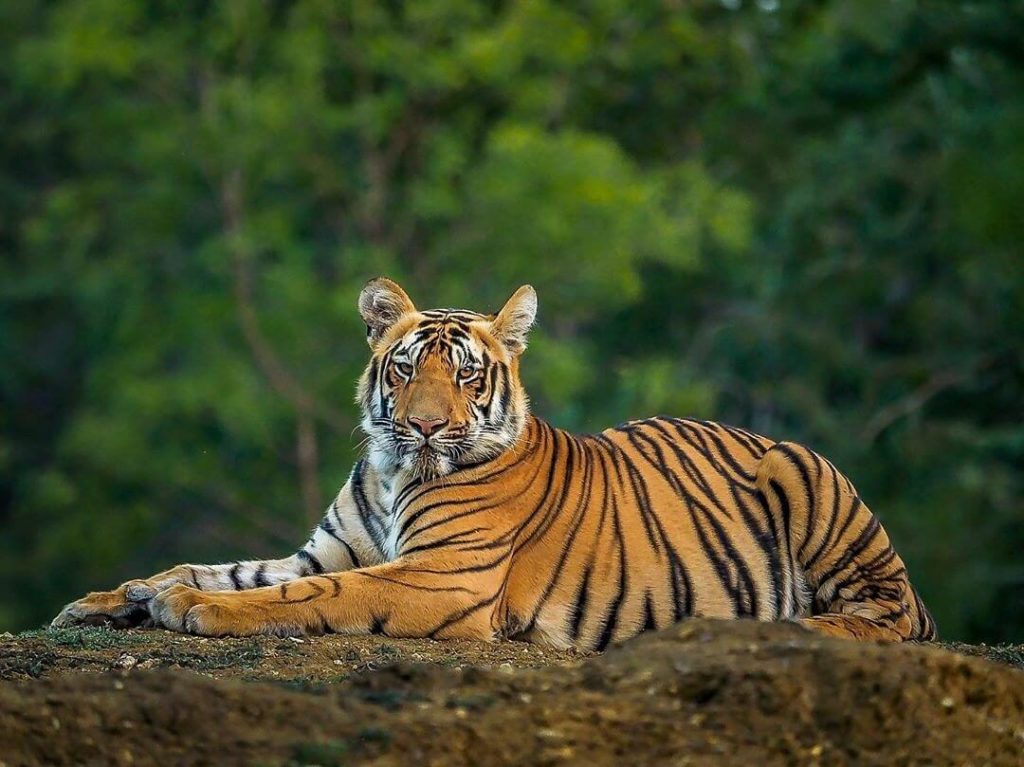
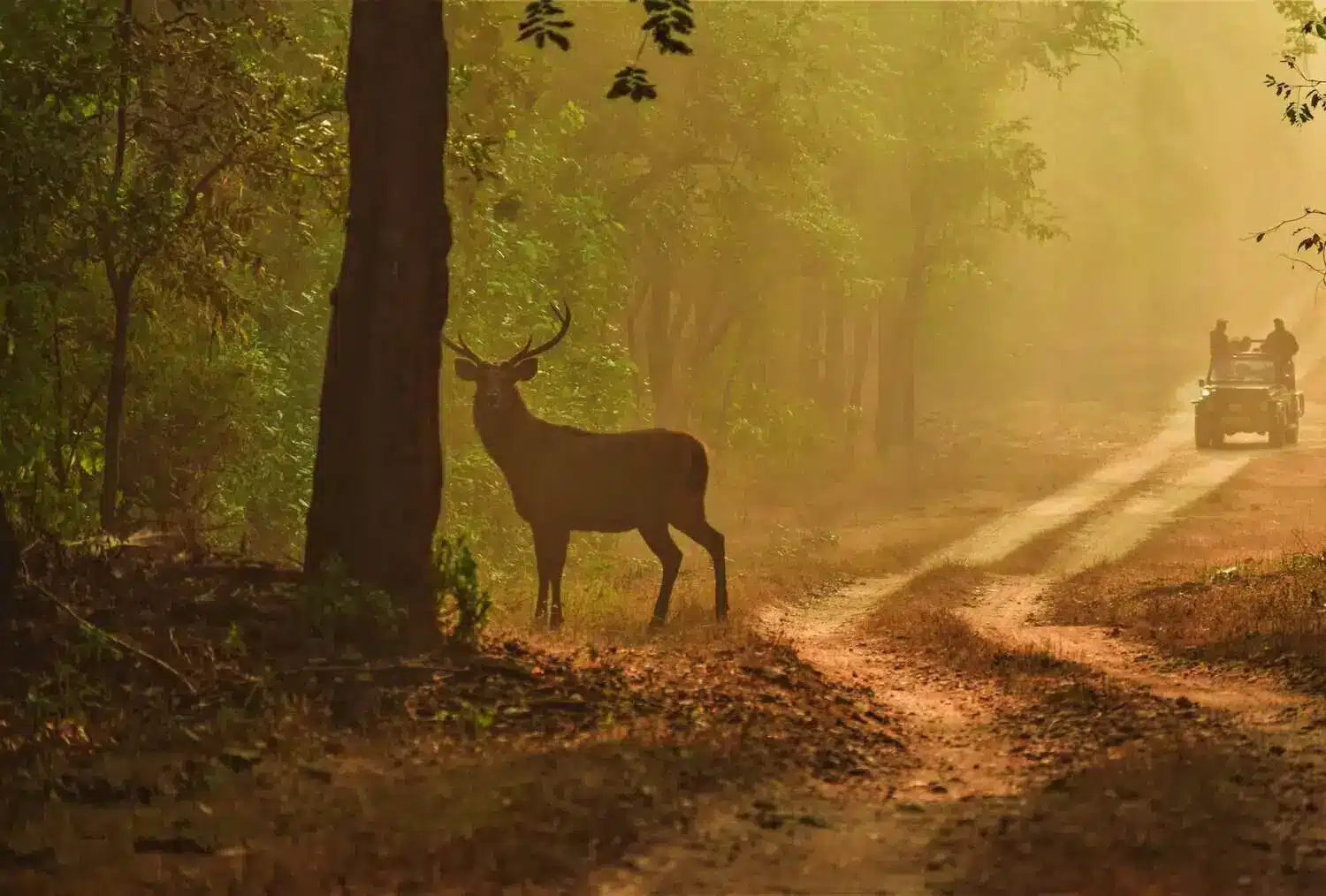
Planning a wildlife safari in India takes more than just booking park permits. These seven practical tips will help you prepare properly and avoid common problems that can mess up your trip.
Travel Documents
Keep both physical and digital copies of everything. Your passport, visa, park permits, hotel confirmations, and travel insurance should be stored in at least two places. Email copies to yourself so you can access them from any device.
Indian national parks require advance permits that usually come with specific date and time slots. Print these out. Some parks still check paper permits at entry gates, and phone batteries die at the worst times.
If you're visiting multiple parks, organize your permits by date in a folder. Rangers get annoyed when you fumble through your phone trying to find the right document while a line of jeeps waits behind you.
Foreign nationals need their passport for hotel check-ins across India. Keep it in your daypack during transfers, not buried in checked luggage.
Clothing and Gear
Neutral colors work best on safari. Greens, browns, khakis, and grays help you blend in. Avoid bright whites, reds, or anything flashy. Animals notice movement and contrast, and you don't want to be the person who spooked a tiger because you wore a neon jacket.
Layers matter more than you think. Early morning safaris in winter can hit 5°C, then climb to 25°C by noon. Pack a light fleece or jacket you can stuff in a bag once the sun comes up.
Closed-toe shoes are required in most parks. Wear comfortable sneakers or light hiking boots. Flip-flops and sandals won't cut it, and you'll regret wearing them if you need to walk any distance.
Bring a hat and sunglasses. Safari jeeps have roofs but no side protection. You'll be sitting in direct sun for 3-4 hours, and sunburn happens faster than you expect.
A small backpack beats a large camera bag. You need space for water, snacks, an extra layer, and your camera gear. Something around 20-25 liters works perfectly.
Photography Equipment
A telephoto lens makes the difference between decent photos and great ones. If you're serious about wildlife photography, bring at least a 200-400mm lens. A 70-200mm won't get you close enough for most shots.
Bring extra memory cards and batteries. You can't buy camera batteries in small park towns, and you'll shoot way more photos than you planned. A 64GB card fills up faster than you think when you're shooting in RAW.
Dust is everywhere. Bring a blower brush and lens cloth. Many parks have dirt roads, and your gear will collect fine dust that works its way into every crack. Clean your equipment every evening.
Beanbags help stabilize shots from moving jeeps. Some lodges provide them, but bring your own if you want to be sure. A small beanbag resting on the jeep's side rail steadies your lens better than trying to handhold it for hours.
Keep your gear in a waterproof bag or cover. Unexpected rain happens even in dry season, and dusty roads turn muddy fast. One downpour can ruin electronics if you're not protected.
Health and Safety
Start malaria prevention medication before you leave if you're visiting forests in central or eastern India during monsoon or summer. Talk to your doctor about options. Mosquitoes in these regions carry malaria, and it's not worth the risk.
Pack a basic first-aid kit. Include bandages, antiseptic cream, pain relievers, anti-diarrhea medication, and any prescription medicines you take regularly. Small towns near parks have limited pharmacy options, and you don't want to spend half a day hunting for basic supplies.
Stay hydrated. Carry at least two liters of water on every safari. Summer heat can push temperatures above 40°C, and you're sitting in the sun for hours. Dehydration sneaks up on you.
Insect repellent matters more in some parks than others. Forested areas have more mosquitoes than dry zones. DEET-based repellents work better than natural alternatives.
Listen to your guide about safety rules. Don't stand up in the jeep, don't make loud noises, and absolutely don't get out of the vehicle unless your guide says it's safe. These are wild animals, not zoo exhibits.
Cash and Payments
Carry cash in smaller denominations. Many forest lodges, local shops, and some park counters don't accept cards. ATMs exist in larger towns near parks, but smaller villages might not have working machines.
Keep a mix of 100, 200, and 500 rupee notes. Breaking a 2000 rupee note for a 50 rupee bottle of water creates problems. Drivers and guides appreciate tips in cash, and smaller notes make this easier.
Inform your bank you're traveling to India. International cards get blocked for suspicious activity if your bank doesn't know you're abroad. This happens constantly and leaves people stuck without access to money.
Park entry fees and safari permits usually need to be paid online in advance through official forest department websites. Budget for these separately from your daily expenses.
Some premium lodges accept cards and online payments, but government rest houses and budget stays often don't. Ask about payment methods when you book.
Connectivity
Don't count on reliable internet in forest areas. Most lodges have wifi, but it's slow and cuts out frequently. Download offline maps, keep important documents saved locally, and warn people back home that you might be unreachable for days.
Indian SIM cards work better than international roaming. Airtel and Jio have the best coverage in rural areas. Pick up a prepaid SIM when you land if you need consistent connectivity.
Cellular networks drop completely inside many national parks. No calls, no data, no emergency contact. Tell people your safari schedule so they don't panic when you go silent for half a day.
Power outlets use India's three-pin plugs. Bring a universal adapter if your devices use different plugs. Some older forest lodges have limited outlets, so a multi-plug adapter lets you charge several devices from one socket.
Carry a portable charger for your phone and camera. Power cuts happen in remote areas, and you don't want a dead phone when you need to show your digital permit or contact your driver.
Weather Check
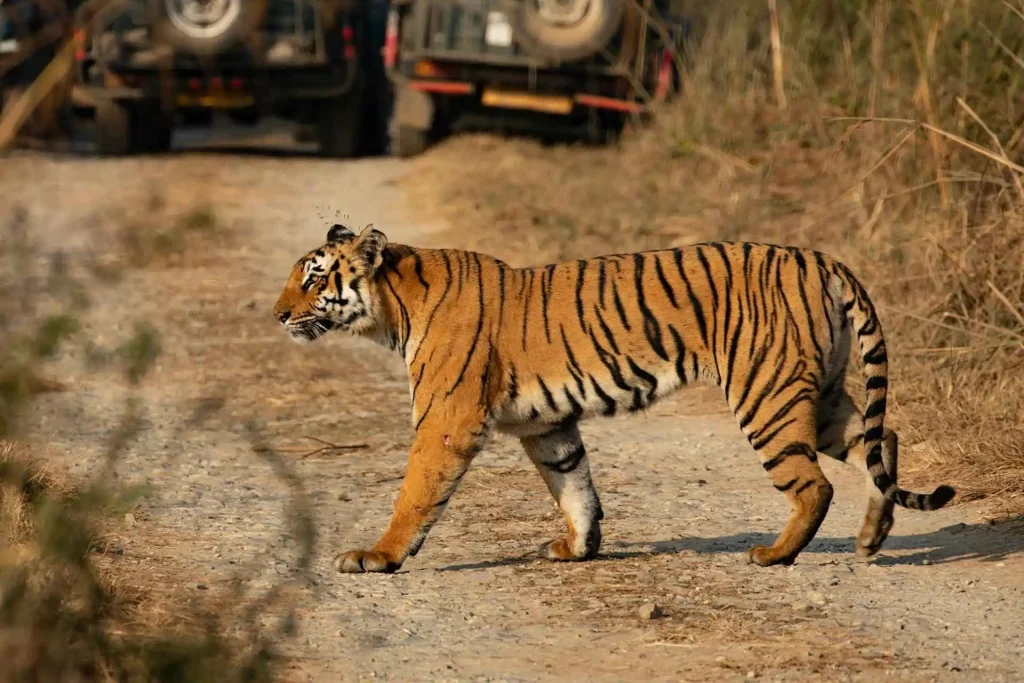
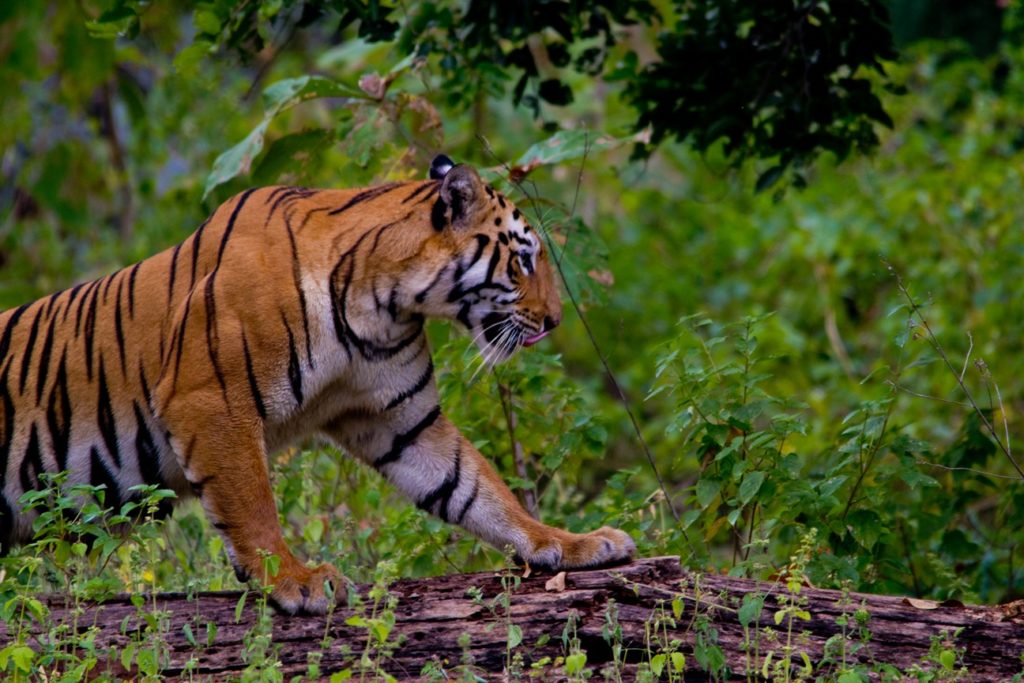
Safari conditions change dramatically by season. Summer (April-June) brings extreme heat but the best tiger sightings because animals come to water sources. Winter (November-February) is cooler and more comfortable but can be foggy in the mornings.
Monsoon season (July-September) closes most parks entirely. Roads flood, visibility drops to nothing, and animals scatter into dense cover. Don't plan trips during these months.
Check specific park weather a week before you travel. Some parks sit in different climate zones, and temperatures vary wildly. Ranthambore in summer hits 45°C while Corbett might be 10 degrees cooler.
Morning and evening temperature swings are huge. A winter safari might start at 8°C and end at 22°C three hours later. Pack clothes you can add or remove easily.
Dry season means dust. Lots of it. Bring a bandana or buff to cover your nose and mouth when jeeps kick up clouds on dirt roads. Contacts lens wearers should consider switching to glasses during dusty safaris.
Final Thoughts
These seven areas cover the practical side of safari planning that people usually figure out the hard way. Getting them right before you leave means you spend your time watching wildlife instead of solving problems.
Double-check permits, pack smart, protect your gear, stay healthy, carry cash, expect limited connectivity, and know what weather you're walking into. Do these things, and your safari runs smoothly.