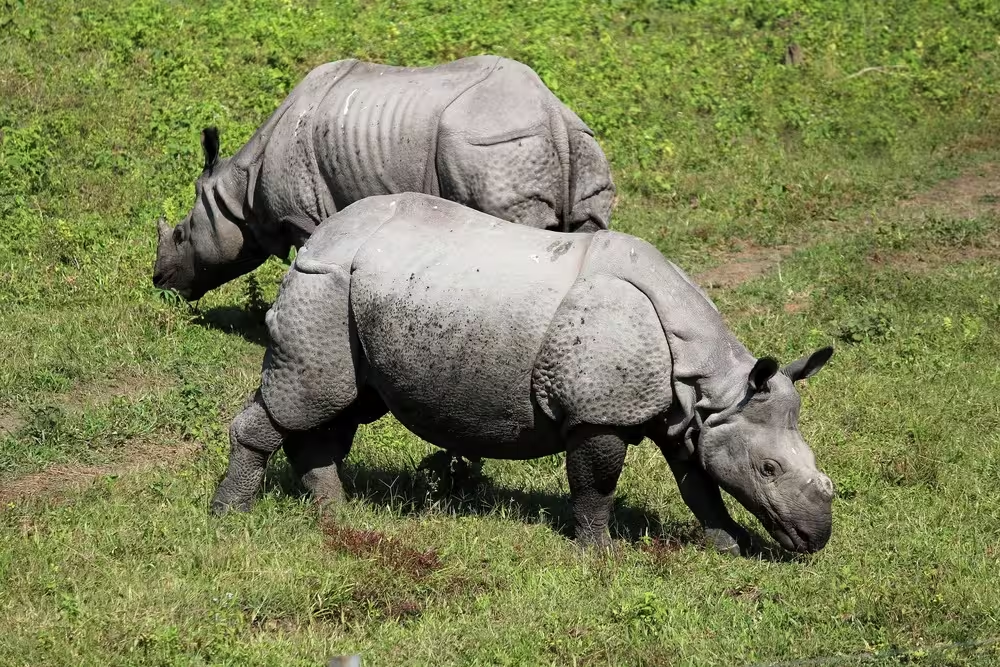
One-Horned Rhino Safaris – Kaziranga, Orang & Pobitora, Assam
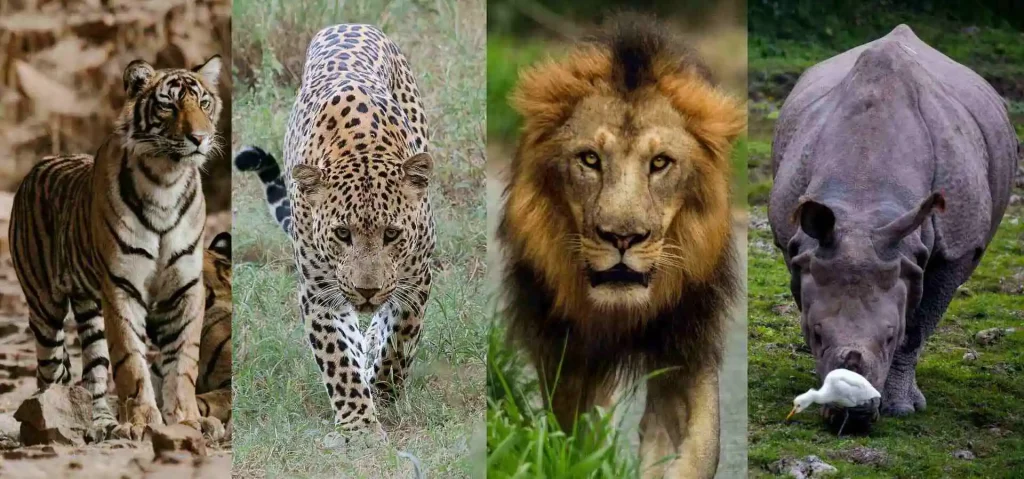
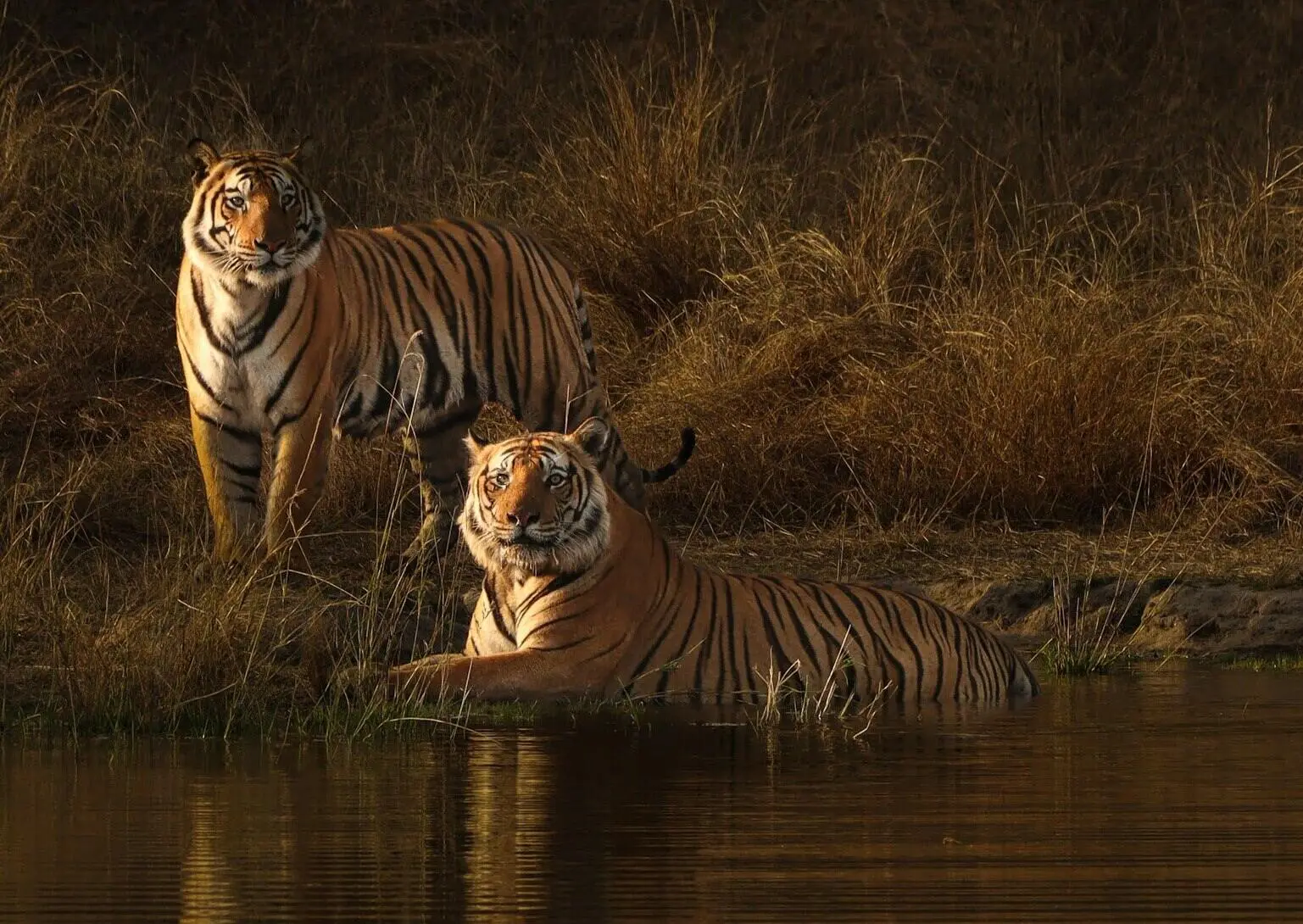
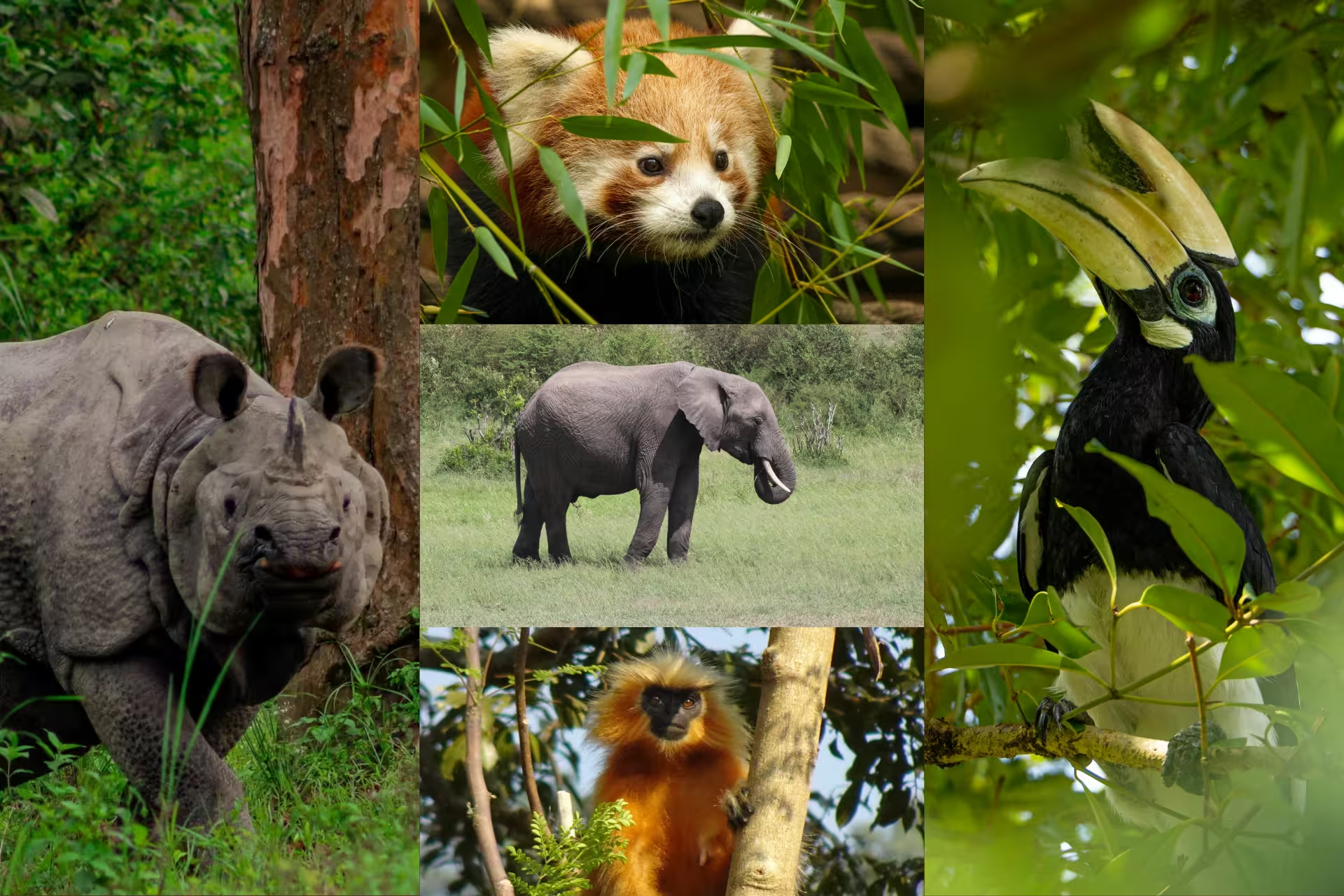
Assam holds more than 90% of the world’s one-horned rhinos. Kaziranga alone has over 2,600 of them spread across flood plains and tall elephant grass. A morning safari here can produce 10 or 15 rhino sightings before breakfast, often with tigers, wild buffalo, and elephants in the background.
Orang National Park on the north bank of the Brahmaputra is smaller and quieter, sometimes called mini Kaziranga. Pobitora, closer to Guwahati, has the highest rhino density of any park in the world. If you want near-guaranteed rhino sightings in a compact area, Pobitora delivers every time.
Best time: November to April. All three parks close during monsoon when the Brahmaputra floods the grasslands.
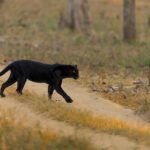
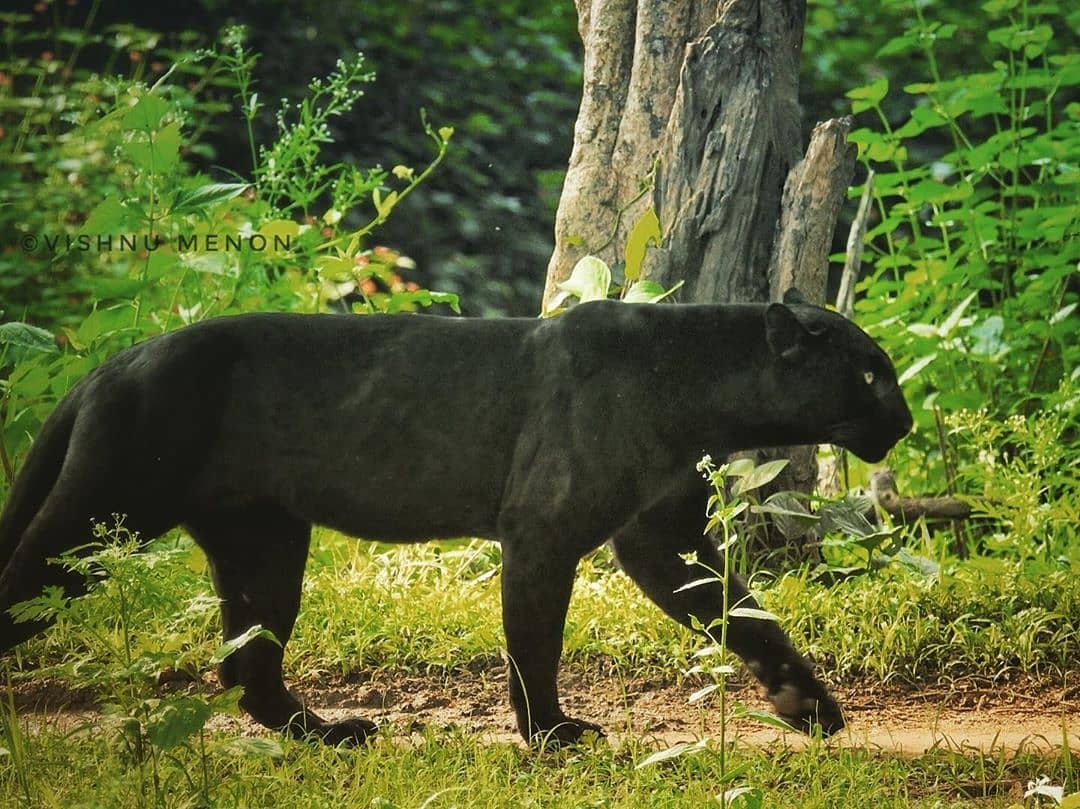
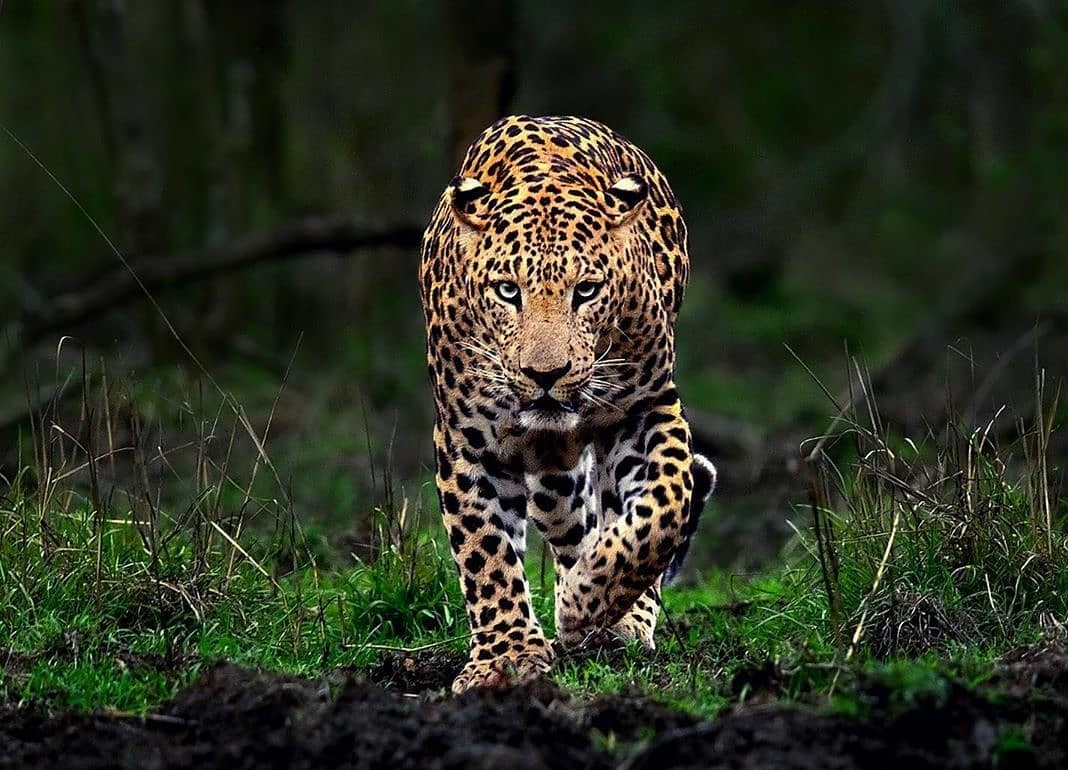
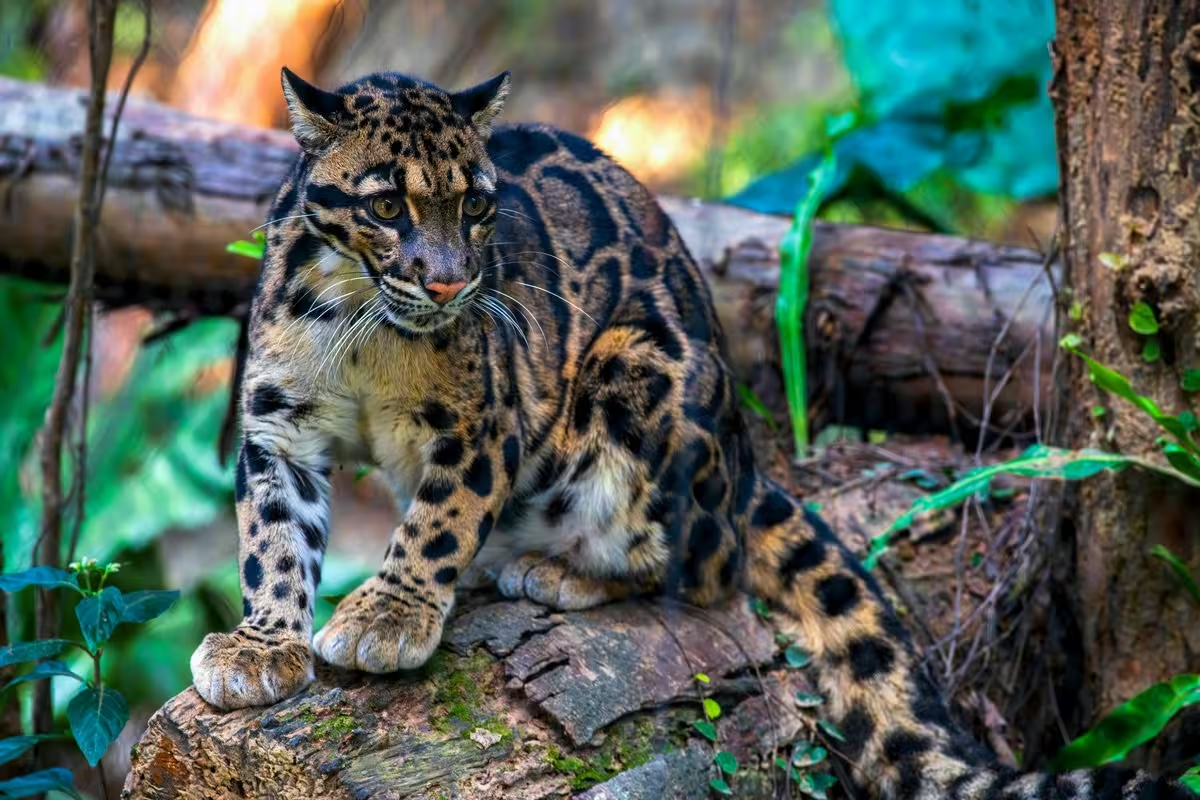
Clouded Leopard – Namdapha National Park, Arunachal Pradesh
Namdapha sits in the easternmost corner of Arunachal Pradesh and holds the only confirmed clouded leopard population in India. These medium-sized cats hunt in trees, move mostly at night, and are almost never seen on standard safaris. Sightings are rare. You need to understand that going in.
The park itself spans 2,000 square kilometres of near-pristine tropical and subtropical forest. Even without a clouded leopard sighting, you’ll find red pandas, Malayan sun bears, capped langurs, and dozens of bird species found only in this corner of the country. Namdapha rewards patience, not urgency.
This is a serious destination. Getting there takes time and effort. An Inner Line Permit is required for Arunachal Pradesh.
Best time: October to March.
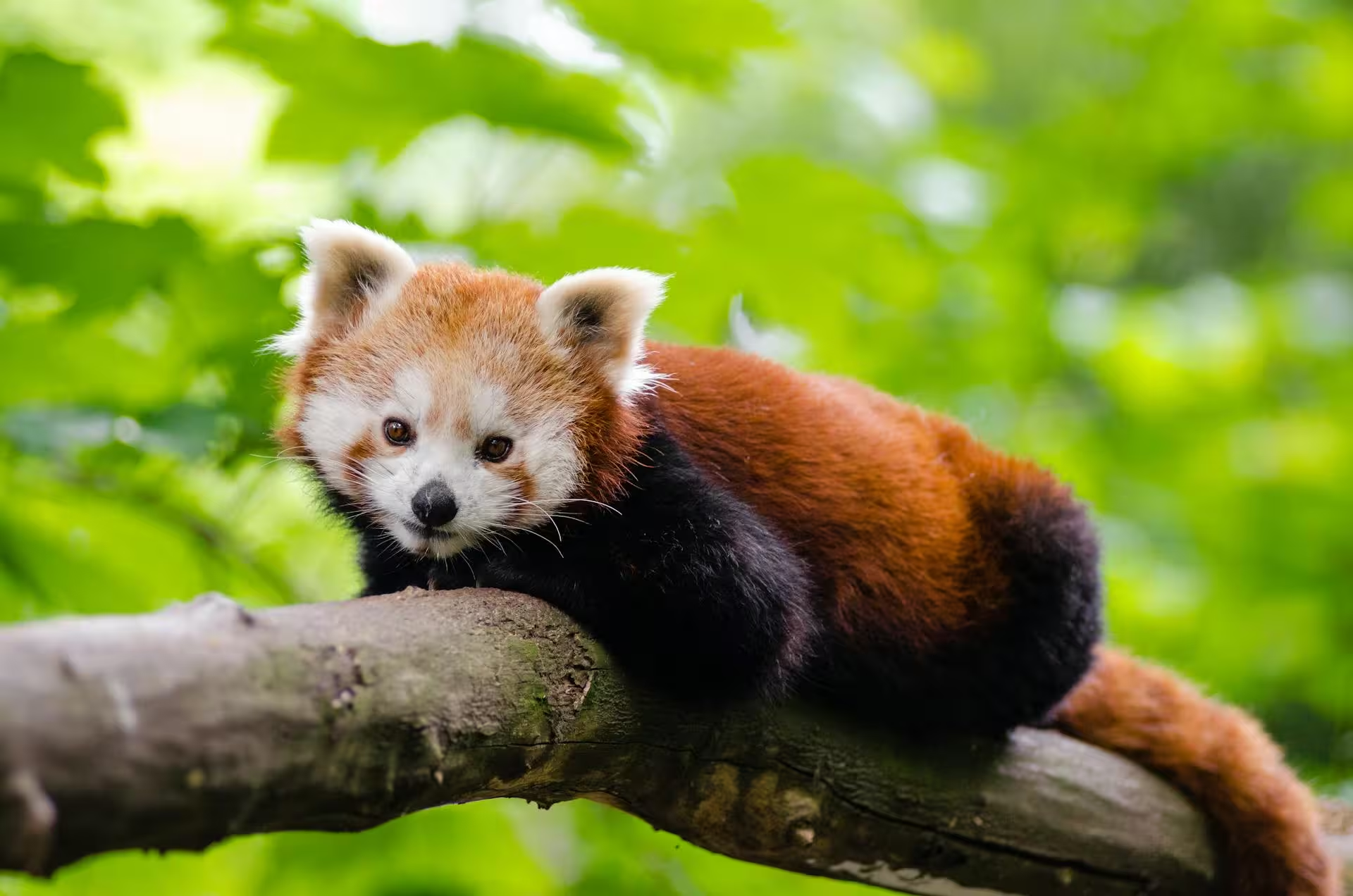
Red Panda – Singalila National Park & Arunachal Pradesh
Red pandas live in the temperate forests of the eastern Himalayas, at elevations between 7,000 and 12,000 feet. In India, they’re found in Singalila along the West Bengal-Sikkim border, and in the higher forest zones of Arunachal Pradesh. They move slowly through bamboo and oak forests, feeding on bamboo shoots and berries.
Early morning and late afternoon give the best chance of sightings. Look for them in the tree canopy or walking along fallen logs. They’re not especially shy, but the forest is dense and their rust-red coats blend well with autumn leaves.
November to February is the clearest season with better visibility in the forests. Cold, but worth it. You’ll also find Himalayan black bears, barking deer, and excellent mountain bird species in the same habitat.
Hoolock Gibbon – Gibbon Wildlife Sanctuary, Assam
The hoolock gibbon is India’s only ape and lives only in the northeast. The Gibbon Wildlife Sanctuary near Jorhat in Assam is the most accessible place to see them. Before you spot one, you’ll hear them. Their loud, echoing calls carry through the forest at dawn and can be heard from over a kilometre away.
Gibbons move fast through the canopy, swinging between branches with a fluid motion that looks effortless. A good guide will track the calls and position you under the right trees before they pass overhead. Sightings last anywhere from 30 seconds to several minutes.
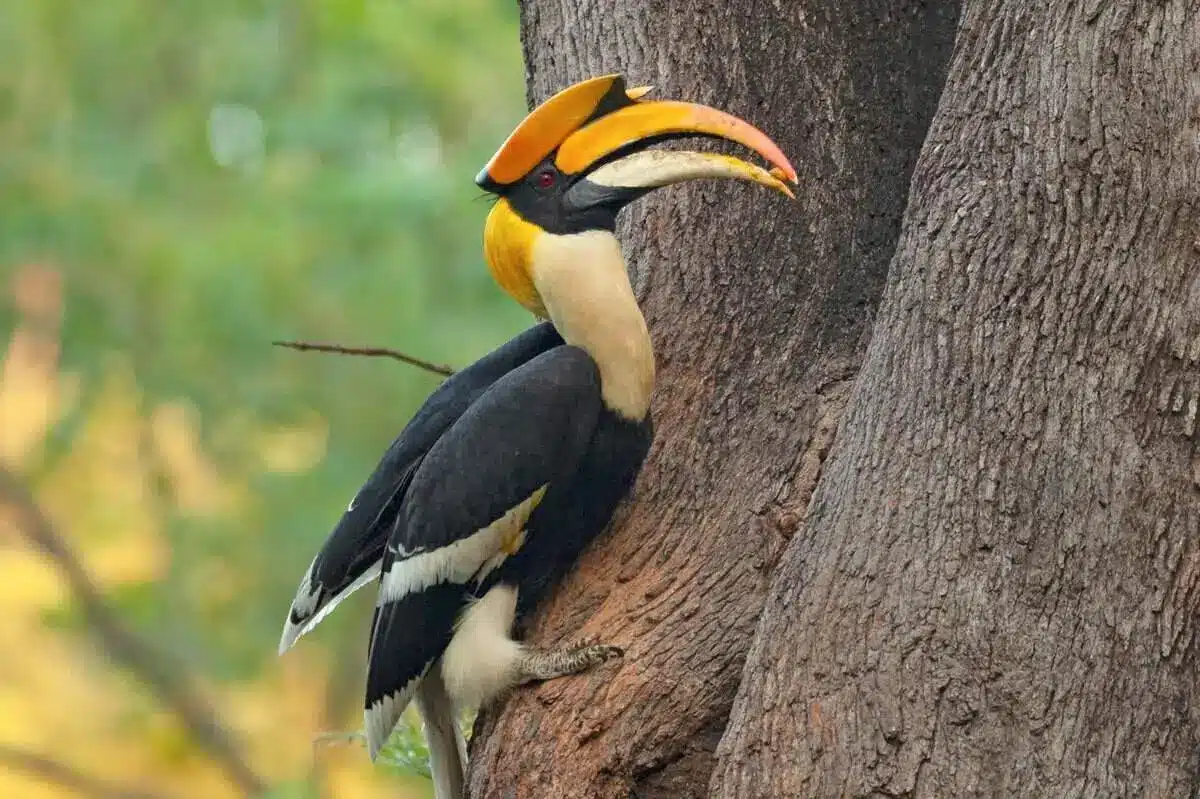
The sanctuary is small but well-managed. Visit between October and April. The same forest also holds slow loris, capped langur, and a good variety of hornbills.

Birding in Eaglenest Wildlife Sanctuary, Arunachal Pradesh
Eaglenest is considered one of the finest birding destinations in the world. It holds over 450 recorded species, including the Bugun liocichla, a bird discovered only in 2006 and found nowhere else on Earth. Serious birders fly into India specifically for Eaglenest, often travelling no further.
The sanctuary sits in a narrow elevation band where tropical, subtropical, and temperate forest zones overlap. Walking the road between camps at dawn, you’ll hear hornbills, laughingthrushes, and warblers all within the same hour. Species counts of 80-100 birds in a single day are not unusual for experienced birders.
October to April is peak season. An Inner Line Permit is needed. Book a local naturalist guide well in advance – this makes the difference between seeing 40 birds and seeing 100.
Wild Elephants – Kaziranga Corridors & Assam’s Forest Belts
Assam has one of the largest wild elephant populations in India, estimated at over 5,000. These elephants move through forest corridors that connect Kaziranga to the Karbi Anglong hills to the south. Watching a herd cross the highway near Kaziranga at dusk is one of those wildlife moments that stays with you.
The best wild indian elephant encounters happen during morning and evening safaris in Kaziranga’s Eastern and Western zones, where herds come to open grasslands and water bodies. Some lodges along the park boundary have waterholes that attract elephants at night.
Avoid elephant camps that offer riding. Wild elephant watching in natural habitat is the real experience here.
Best time: November to April alongside the main safari season.

Gangetic River Dolphin – Brahmaputra River, Assam
The Gangetic river dolphin is one of the world’s rarest freshwater mammals. It’s nearly blind, navigates by echolocation, and surfaces every 30-90 seconds to breathe. The Brahmaputra River in Assam holds one of the healthiest populations remaining, particularly around the Orang and Kaziranga stretch.
Early morning boat trips on the Brahmaputra are quiet in a way that jeep safaris aren’t. Mist sits on the water, river terns skim the surface, and then a dolphin rolls up just a few metres from the boat. It’s unhurried and completely different from anything happening on land.
Combine this with a Kaziranga trip or a day at Majuli, the world’s largest river island, which sits in the same stretch of the Brahmaputra.
Best time: November to March when water levels are lower and dolphins more visible.
Golden Langur – Manas National Park, Assam
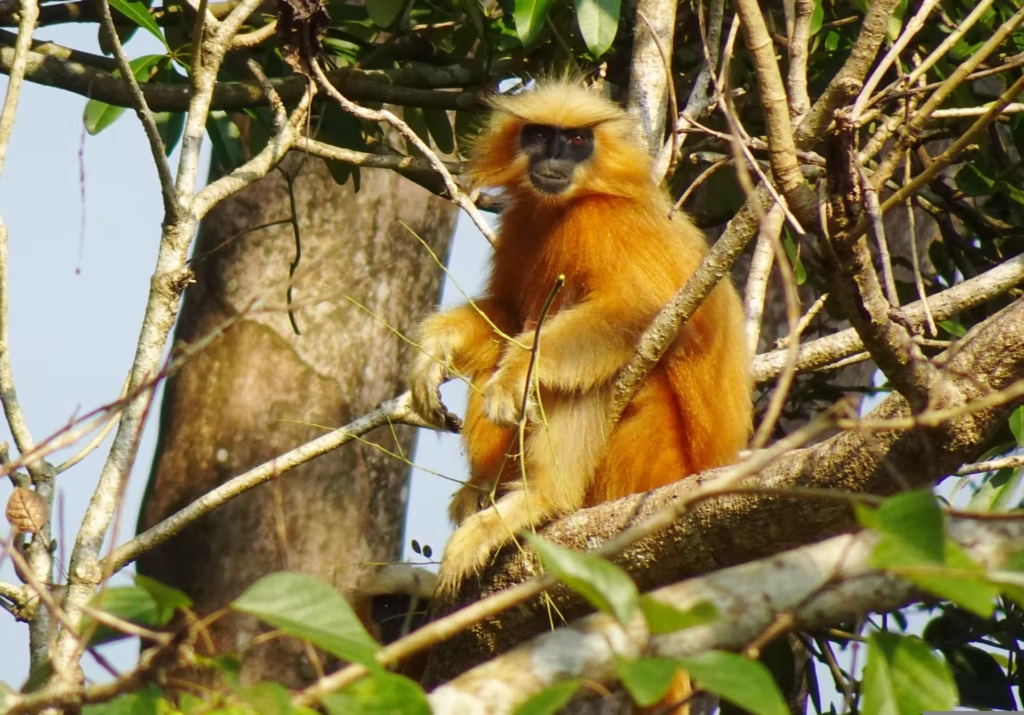
The golden langur is one of India’s most endangered primates. It’s found only in a small strip of western Assam and across the border in Bhutan. Its golden coat, black face, and long tail make it one of the most striking animals in the northeast. Manas National Park is the best place to see them.
Manas itself has a remarkable story. The park was nearly destroyed during ethnic conflicts in the 1980s and 90s. Poaching wiped out most of its rhinos, tigers, and other wildlife. Over the past two decades, conservation efforts and community involvement have brought the park back. Today it’s a UNESCO World Heritage Site with healthy tiger, elephant, rhino, and langur populations.
You’ll often spot golden langurs in treetops near the river zone, sometimes in groups of 8-10. November to April is the best season. Manas is less crowded than Kaziranga and feels wilder, which is part of its appeal.
Why Northeast India Stays Off Most Travel Lists
Some states in the northeast require an Inner Line Permit for foreign nationals. Arunachal Pradesh, Nagaland, and Manipur all need one. The process is straightforward and can be done online in advance, but many travellers don’t know about it and don’t plan for it.
Infrastructure is more limited than in central India, and some parks take more effort to reach. But that’s also why these places feel less crowded and more genuine. You’re unlikely to share a sighting with 15 other jeeps. Most of the time, it’s just you, your guide, and the forest.
Best Time to Visit and How to Plan
October to April covers most experiences across the region. Monsoon (June to September) shuts down parks and makes roads difficult. For snow-dependent species like red pandas, November to February gives clearer mountain conditions. Eaglenest birding peaks between November and April.
Assam and Arunachal Pradesh make a natural pairing. Fly into Guwahati, spend time in Kaziranga and Manas, then head to Eaglenest or Namdapha. This covers rhinos, gibbons, dolphins, and forest species in one connected trip.
Sort Inner Line Permits before you travel if you’re visiting restricted states. Apply online through official state government portals. Processing usually takes 2-3 days.
These eight species and experiences cover what makes northeast India genuinely different from the rest of the country. Most of them exist in this region and almost nowhere else in India. The extra effort to get here is worth it.