India’s Big Cat Powerhouse Status
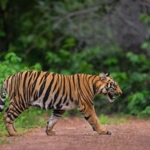
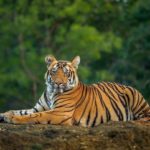
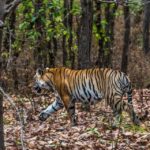
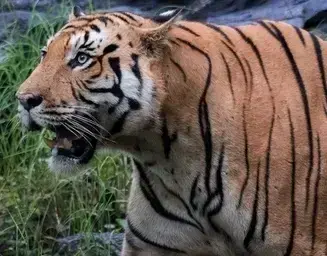
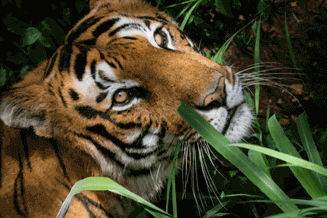
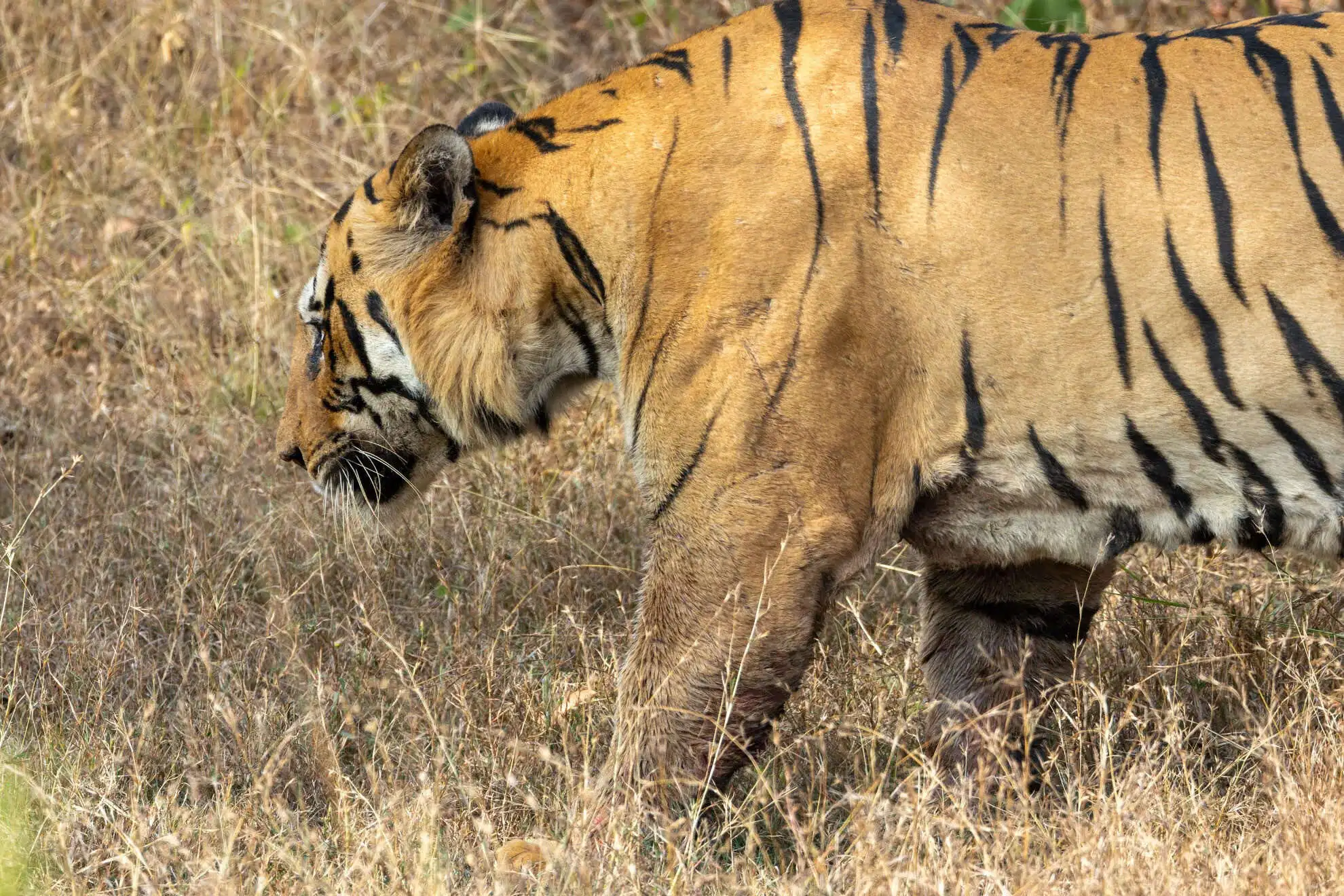
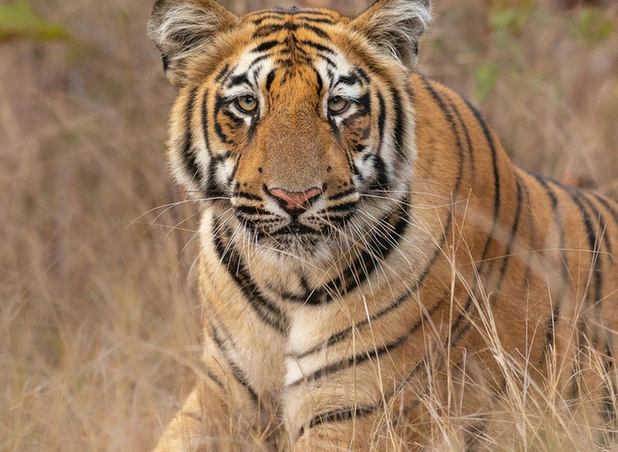
India holds 75% of the world’s wild tiger population. Over 3,600 tigers roam Indian forests right now. This number has tripled since 2006, making it one of the most successful large carnivore conservation stories in modern history.
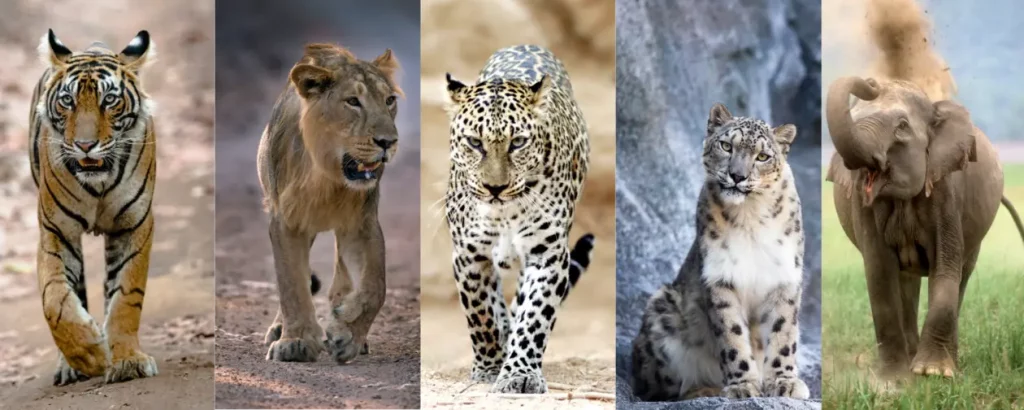
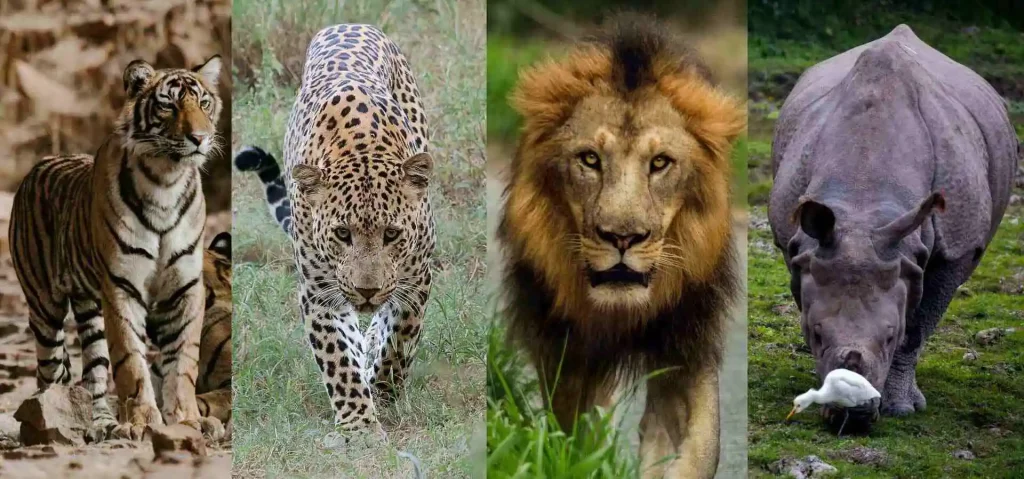
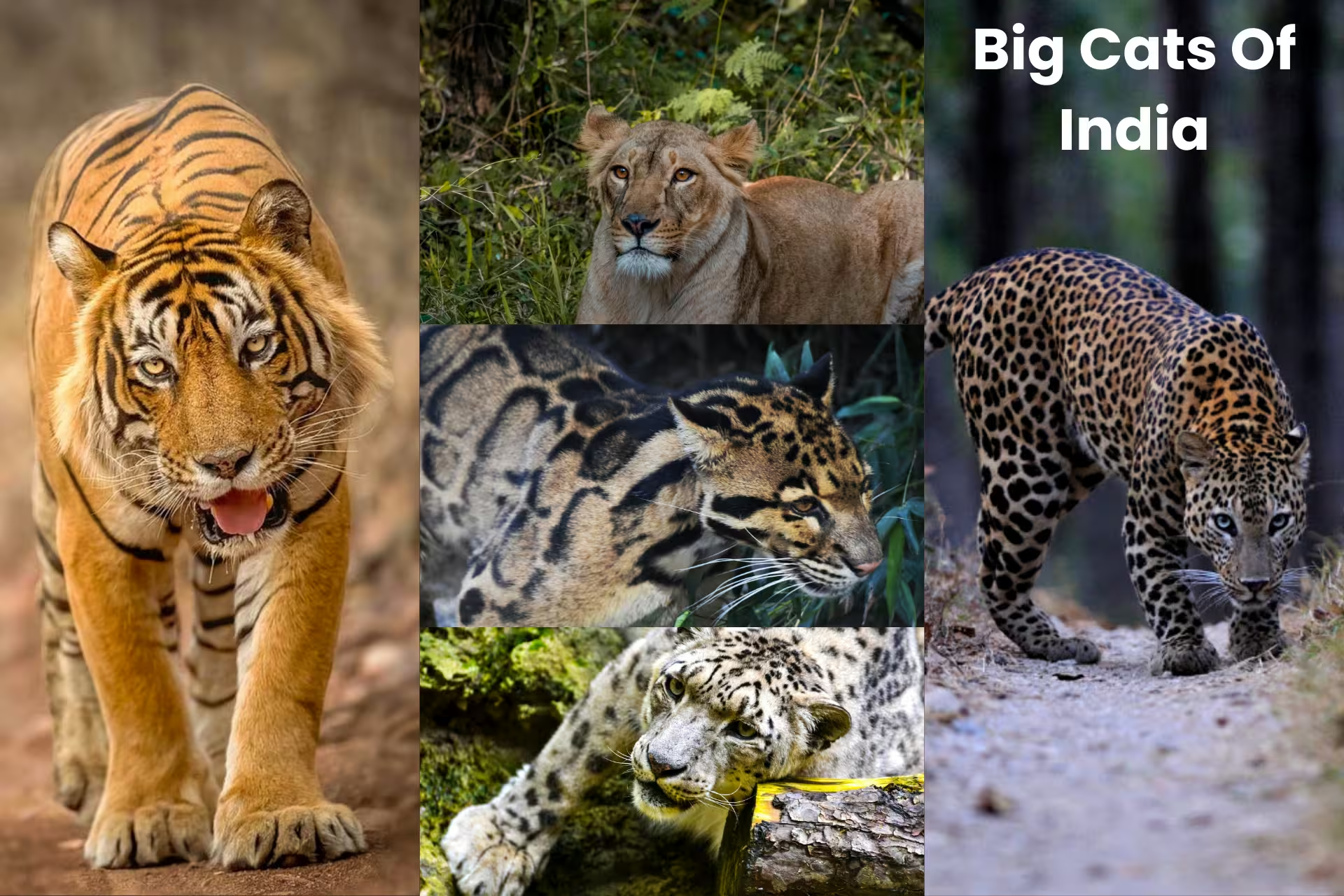
Beyond tigers, India supports healthy populations of Indian leopards across the country, the last remaining Asiatic lions in Gir, snow leopards in the high Himalayas and rare clouded leopard in northeast. Each species lives in completely different habitats and behaves in distinct ways.
This variety brings wildlife filmmakers, photographers, and travellers from every corner of the world. BBC, National Geographic, and Discovery have filmed more big cat documentaries in India than anywhere else outside Africa.
A Landscape Built for Big Cats
- Dry Deciduous Forests: Open terrain, scattered trees, water holes where tigers stalk prey and lions rest in shade
- Dense Sal Forests: Thick jungle canopy with bamboo, meadow clearings, perfect tiger ambush habitat
- Rocky Hills & Scrubland: Granite outcrops with caves where leopards den and hunt across open hillsides
- Tropical Rainforests: Lush forest near water, leopards hunt from trees, high biodiversity
- High Himalayas: Barren mountains at 10,000-16,000 feet where snow leopards ambush prey on cliff edges
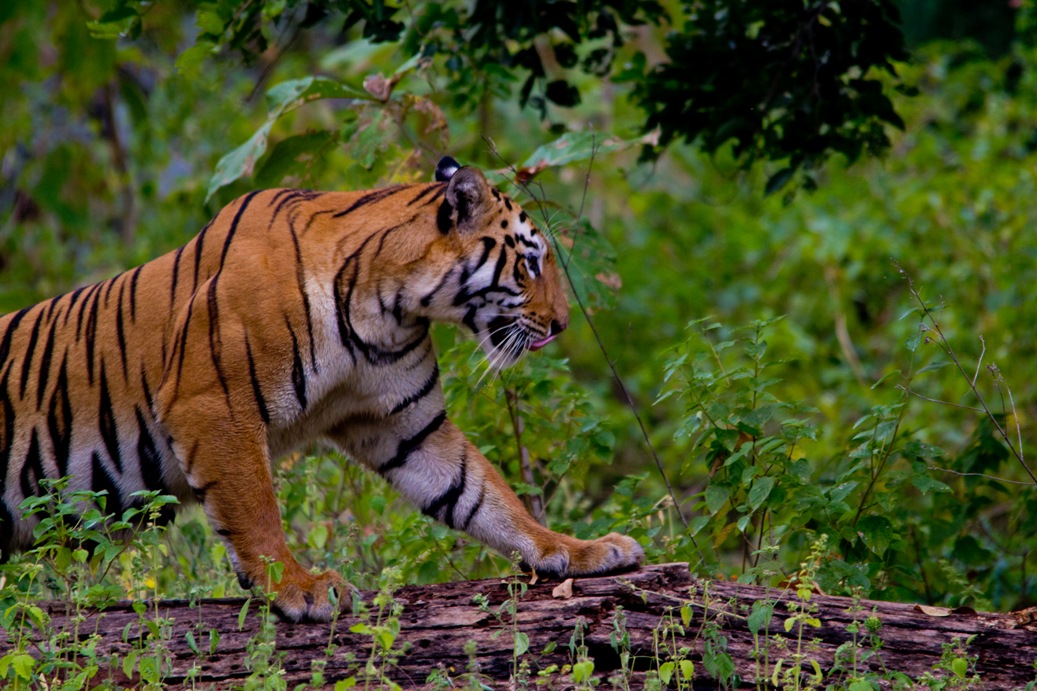
Each landscape shapes how big cats hunt and survive. Tigers in Ranthambore stalk prey around water holes in dry terrain. Leopards in Kabini hunt in thick forest. Snow leopards ambush prey on cliff edges at 14,000 feet.
This terrain diversity means you get different wildlife experiences in each park. A safari in Bandhavgarh feels nothing like one in Gir, and both are completely different from tracking snow leopards in Spiti.
Where the Tigers Still Rule
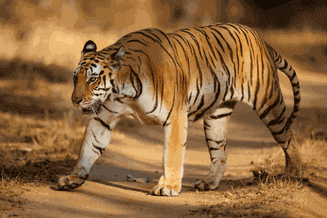
India has the tigers – about 3,600 at last count – and India has the infrastructure to let you see them properly.
Four parks stand out for tiger sightings.
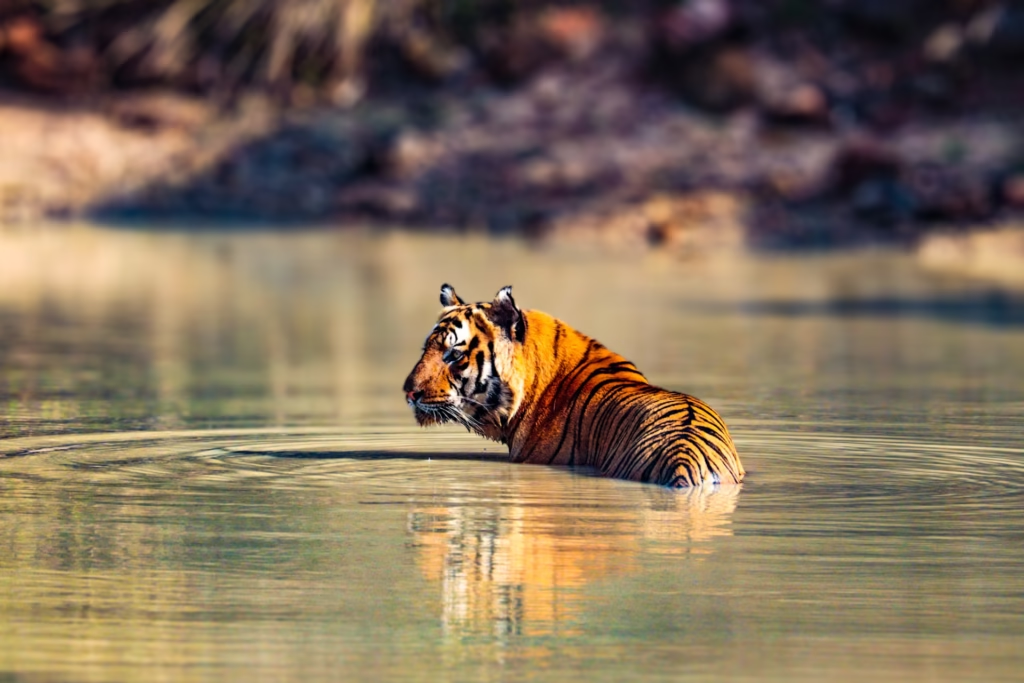
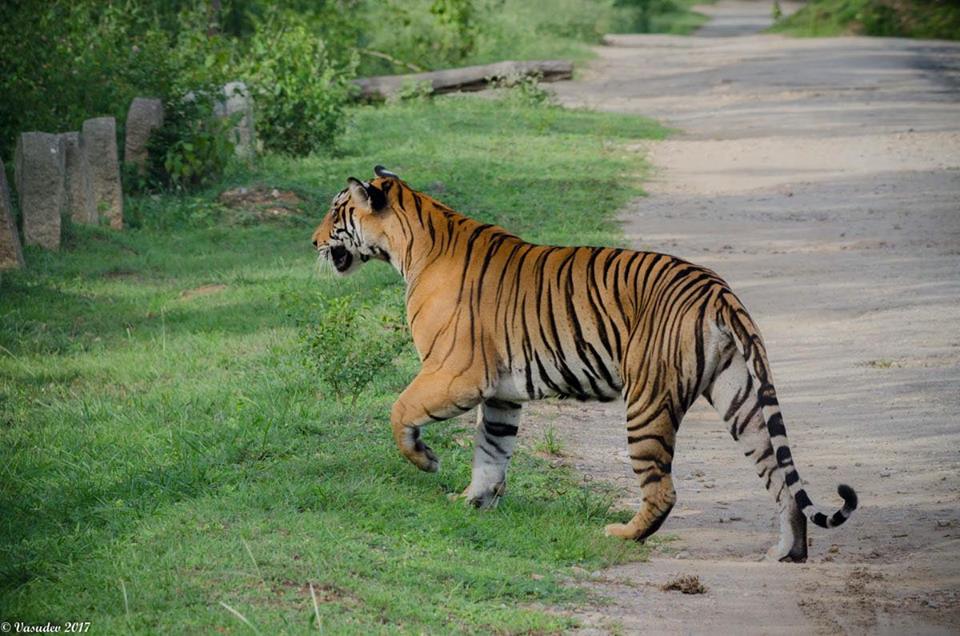
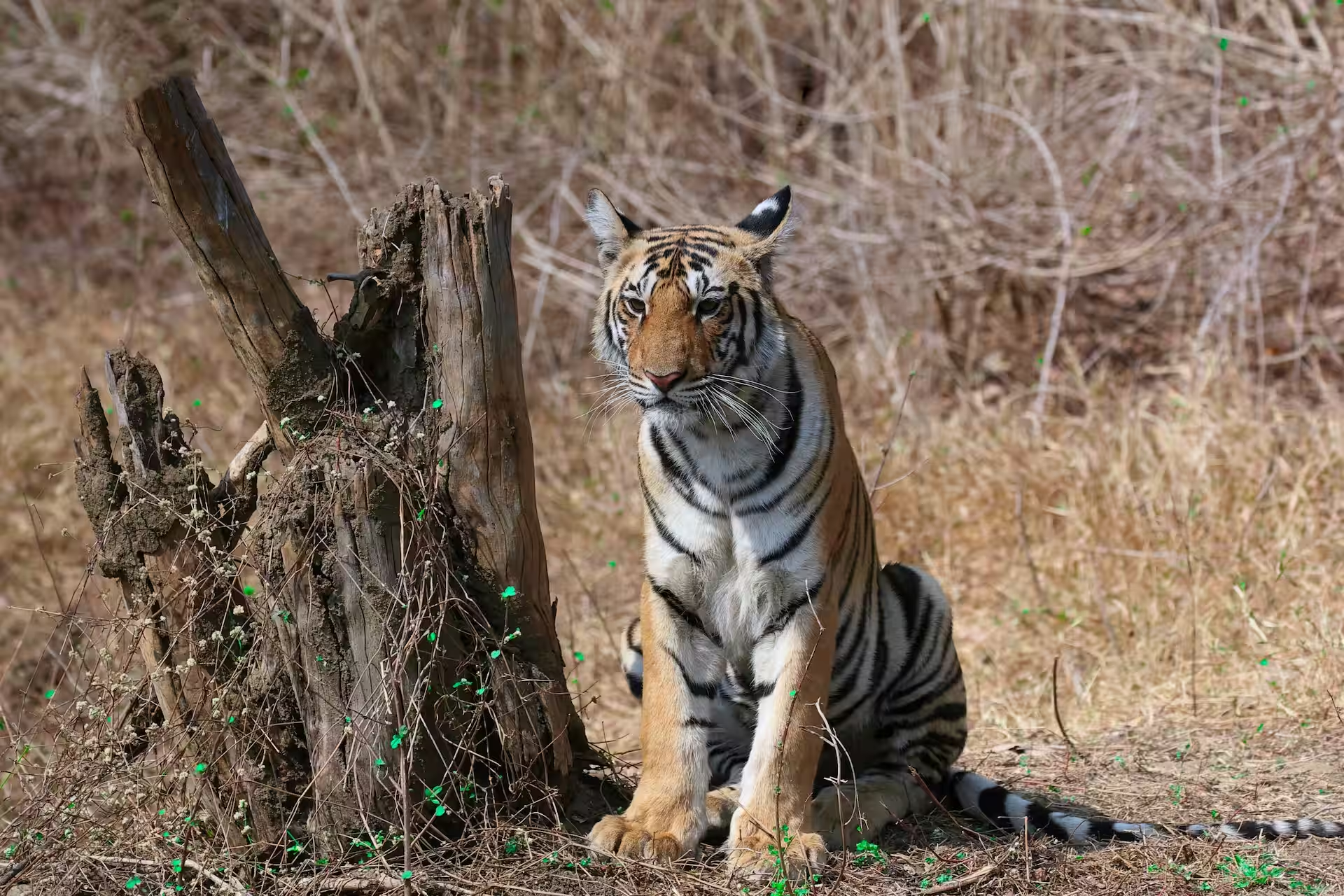
- Ranthambore, Rajasthan: Open terrain with rocky hills and ancient ruins. Dry landscape makes tigers easier to spot than dense forests.
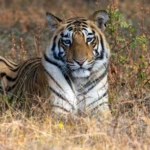
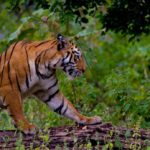
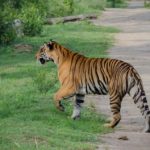
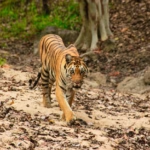
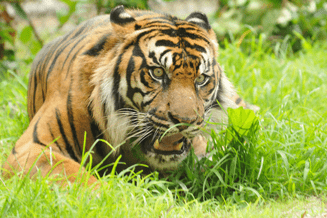
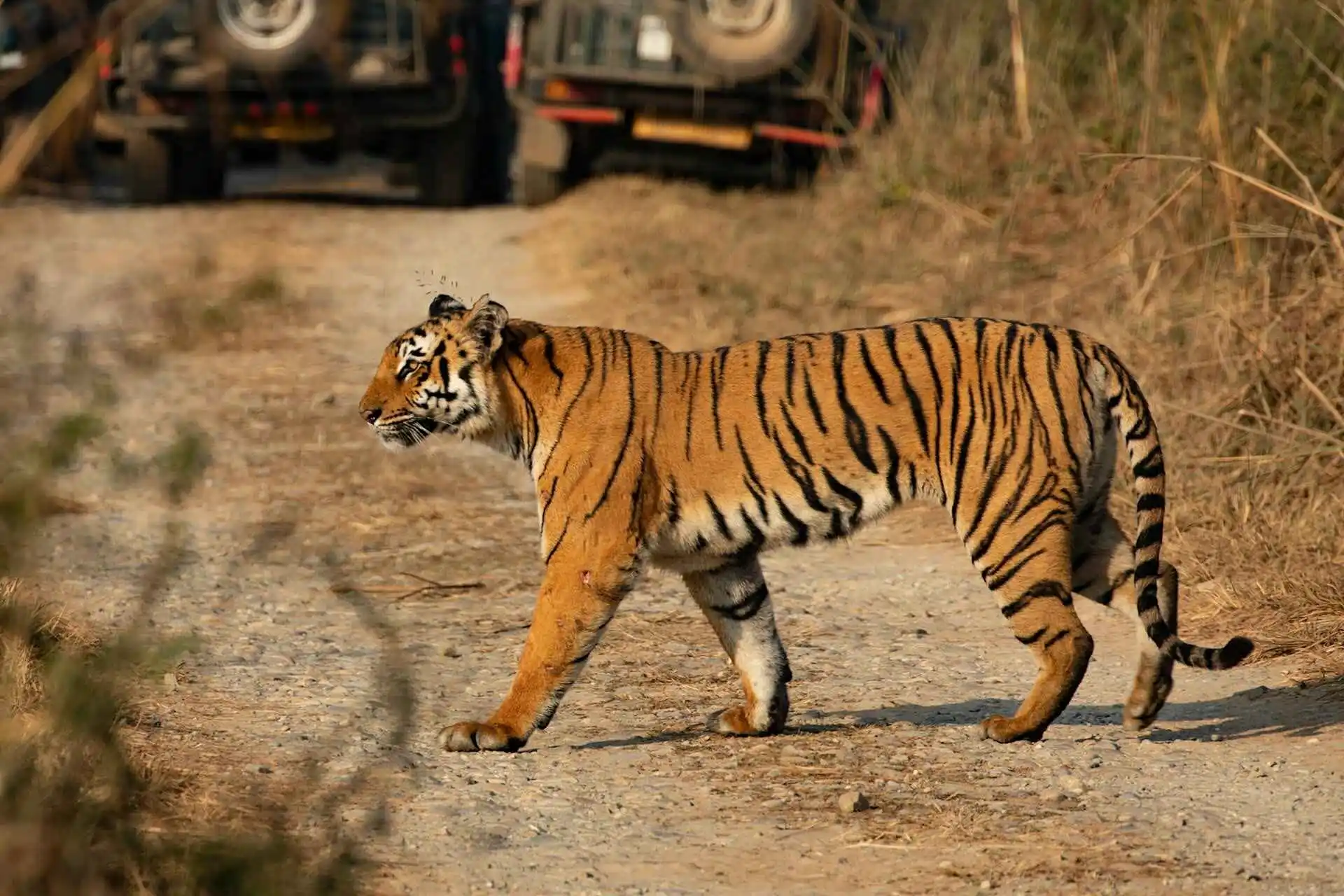
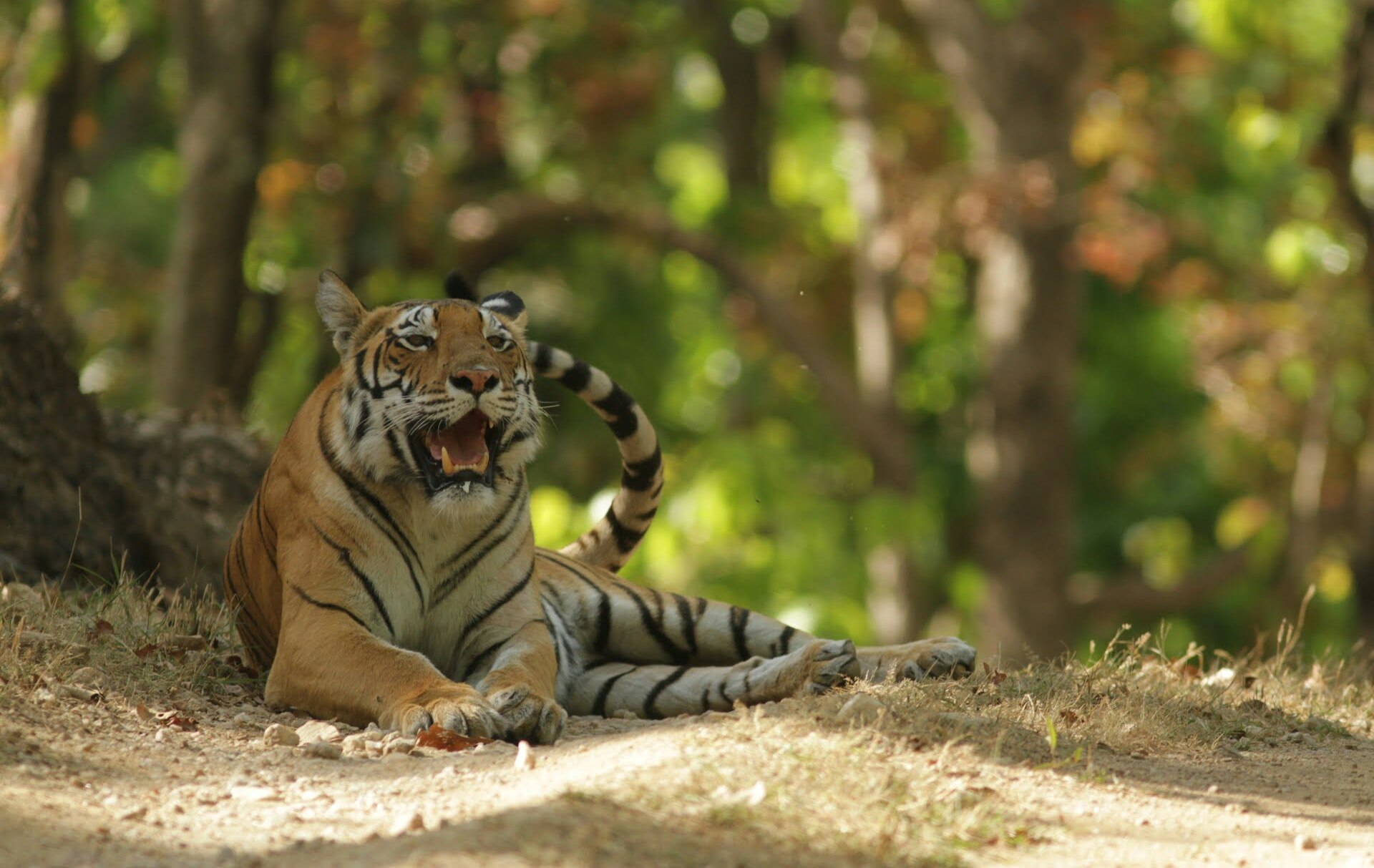
- Bandhavgarh, Madhya Pradesh: Highest tiger density in India. Small park, habituated tigers often walk on roads or rest meters from vehicles.
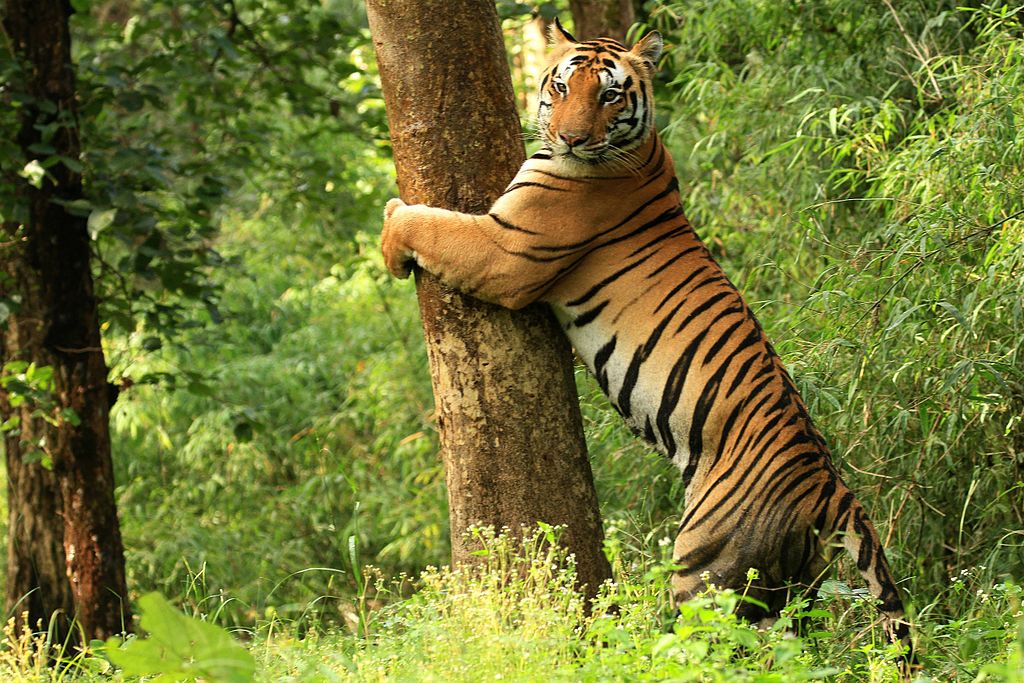
- Tadoba, Maharashtra: Less crowded, excellent sightings. Bamboo forest and meadows create good viewing. Tigers active throughout the day.
- Jim Corbett, Uttarakhand: India’s first national park. Strong tiger population in diverse terrain from riverine forests to Himalayan foothills.
Then you have Pench, Panna, Satpura, Nagarhole, Bandipur, and a dozen others. All legitimate tiger parks with real sighting opportunities.
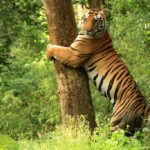
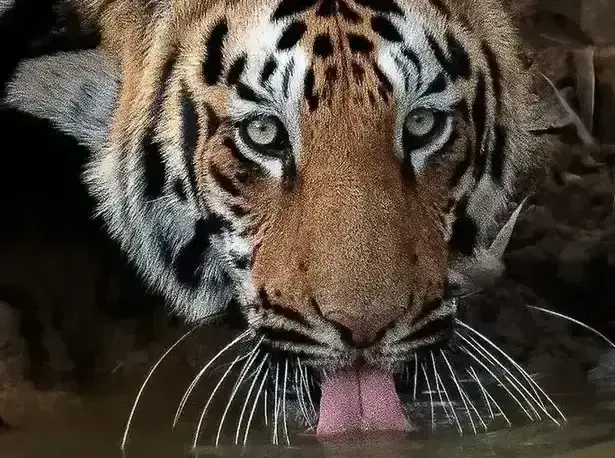
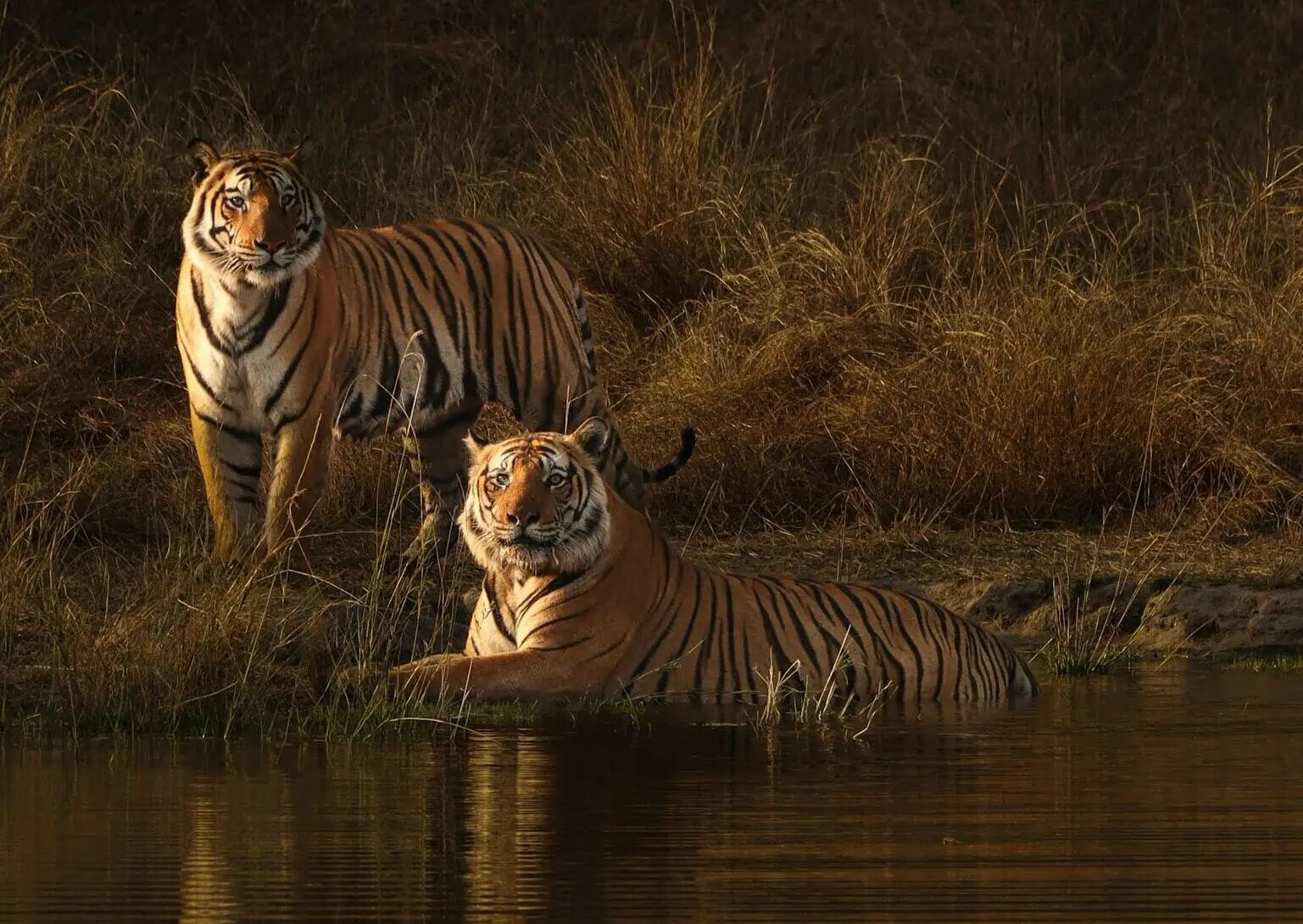
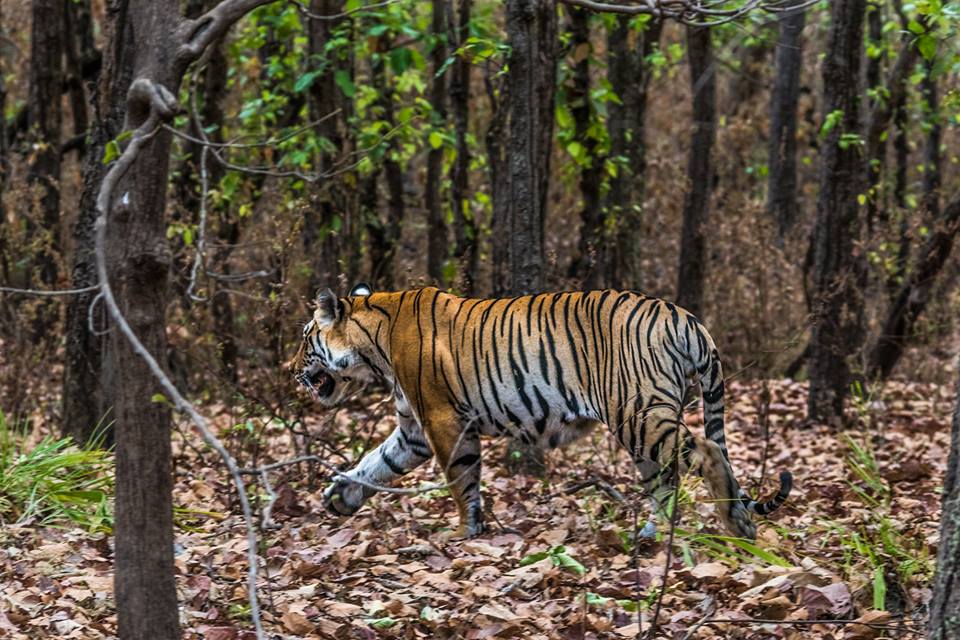
What you actually see in these parks isn’t fleeting glimpses. You watch tigers hunt. You see mothers with cubs. You follow a tiger as it patrols its territory, marking trees and checking boundaries. You sit twenty feet away while a tiger drinks from a waterhole, completely unconcerned with your presence.
This is wild behavior in natural habitat, but with visibility and access that’s nearly impossible elsewhere. That combination – genuine wilderness and actual viewing quality – is what makes India work.
Indian Leopards Living Alongside People
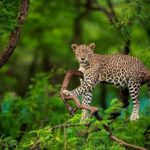
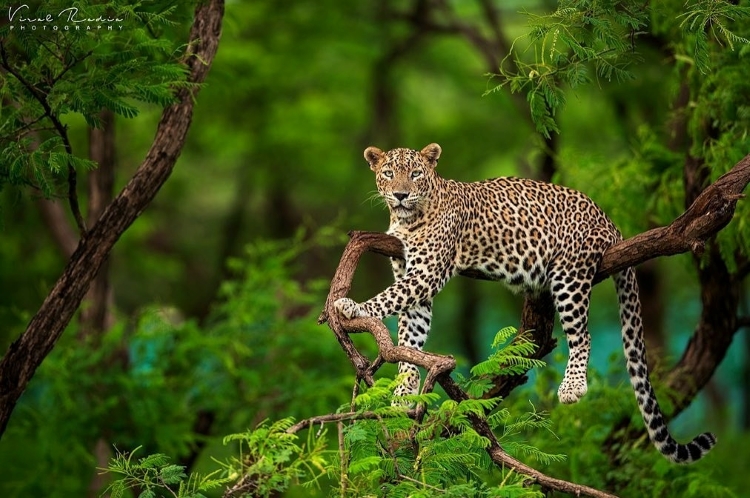
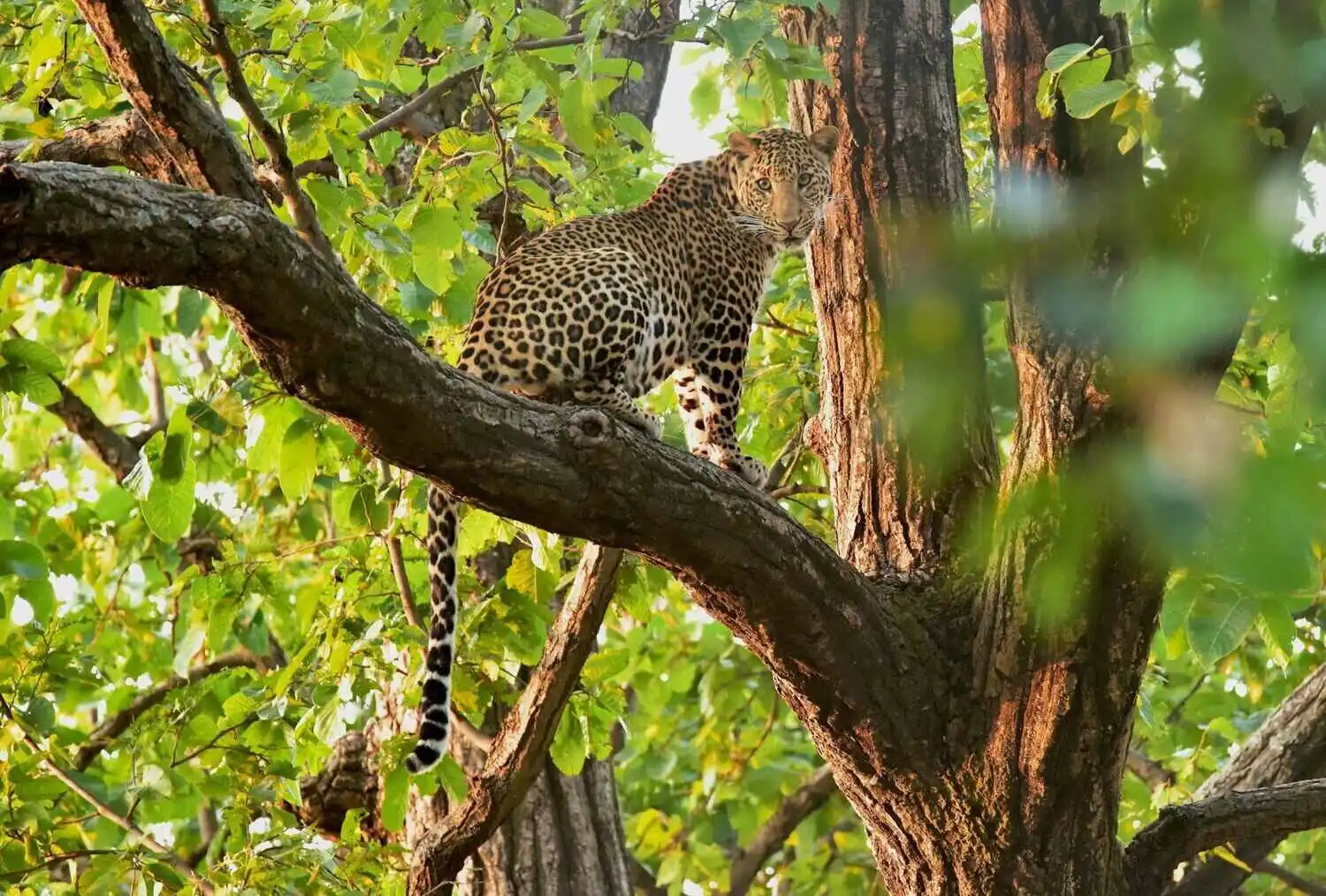
India has the world’s best leopard viewing. In Africa, leopards are mostly nocturnal and shy – you get brief glimpses if you’re lucky. In India, habituated populations let you watch them behave naturally at close range in daylight. It’s a completely different experience.
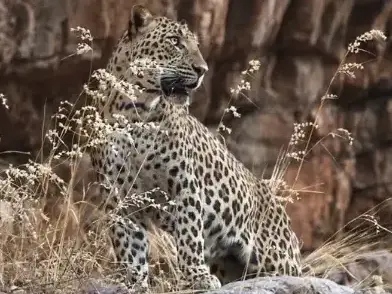
- Jawai, Rajasthan: Granite hills, caves, and scrubland. Leopards coexist with villages and the Rabari shepherd community. Active during the day, comfortable around vehicles. Multiple leopards per safari is common
- Bera, Rajasthan: Rocky hills, habituated leopards, excellent sightings. Similar to Jawai but less developed – some prefer it for that reason.
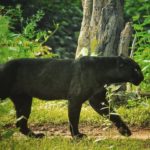
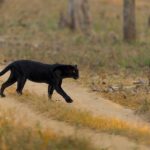
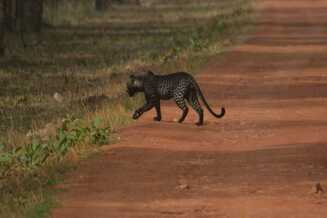
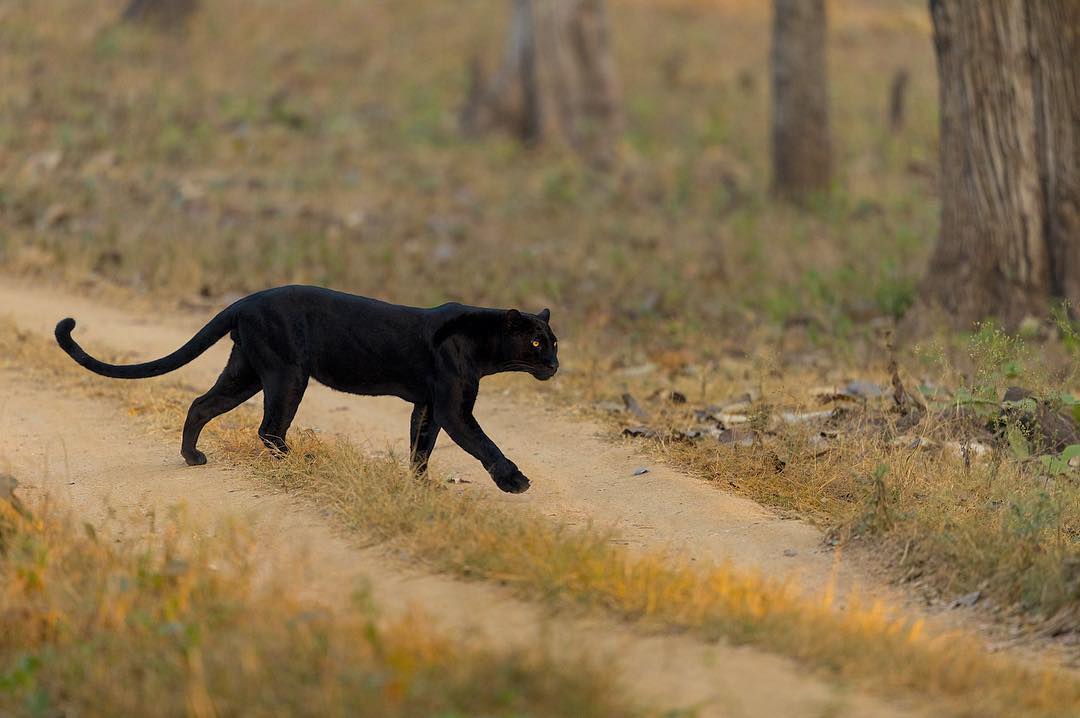
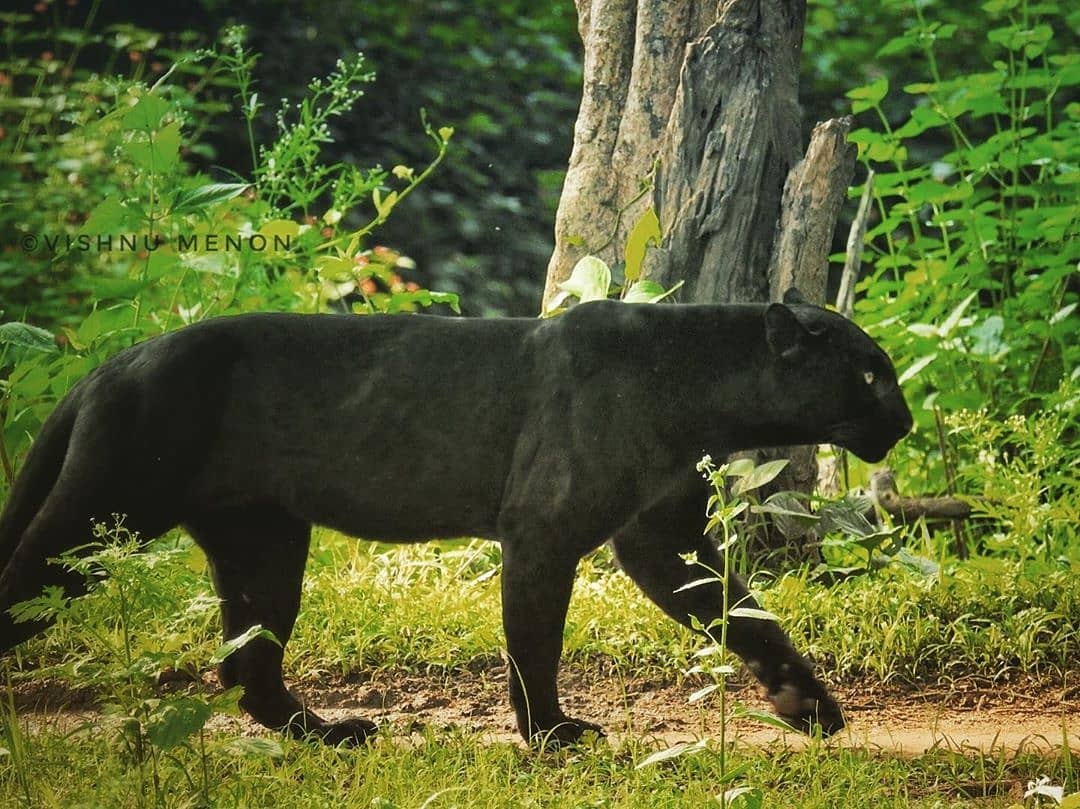
- Kabini, Karnataka: Black panther (melanistic leopard) capital. Lush forest along a reservoir. Both regular and melanistic leopards. Often spotted in trees or along the water’s edge.
- Nagarhole & Bandipur, Karnataka: Strong leopard populations sharing habitat with tigers. See both big cats in the same park.
- Jhalana, Jaipur: Urban leopards on the city outskirts. Small park, high density, reliable sightings. Unique urban-wildland adaptation.
What makes it special: habituation, daytime activity, landscape diversity. Leopards on Rajasthan’s rocky hills behave differently from Kerala’s rainforest leopards or Himalayan populations. Same species, completely different ecosystems.
And leopards aren’t “tiger consolation prizes” – they’re more agile, more arboreal, equally powerful for their size. Watching one navigate steep rocks or drag prey into a tree is pure athleticism.
The Only Place on Earth for Asiatic Lions
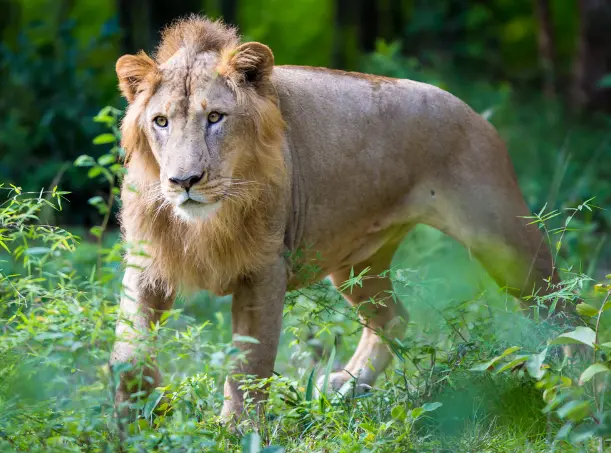
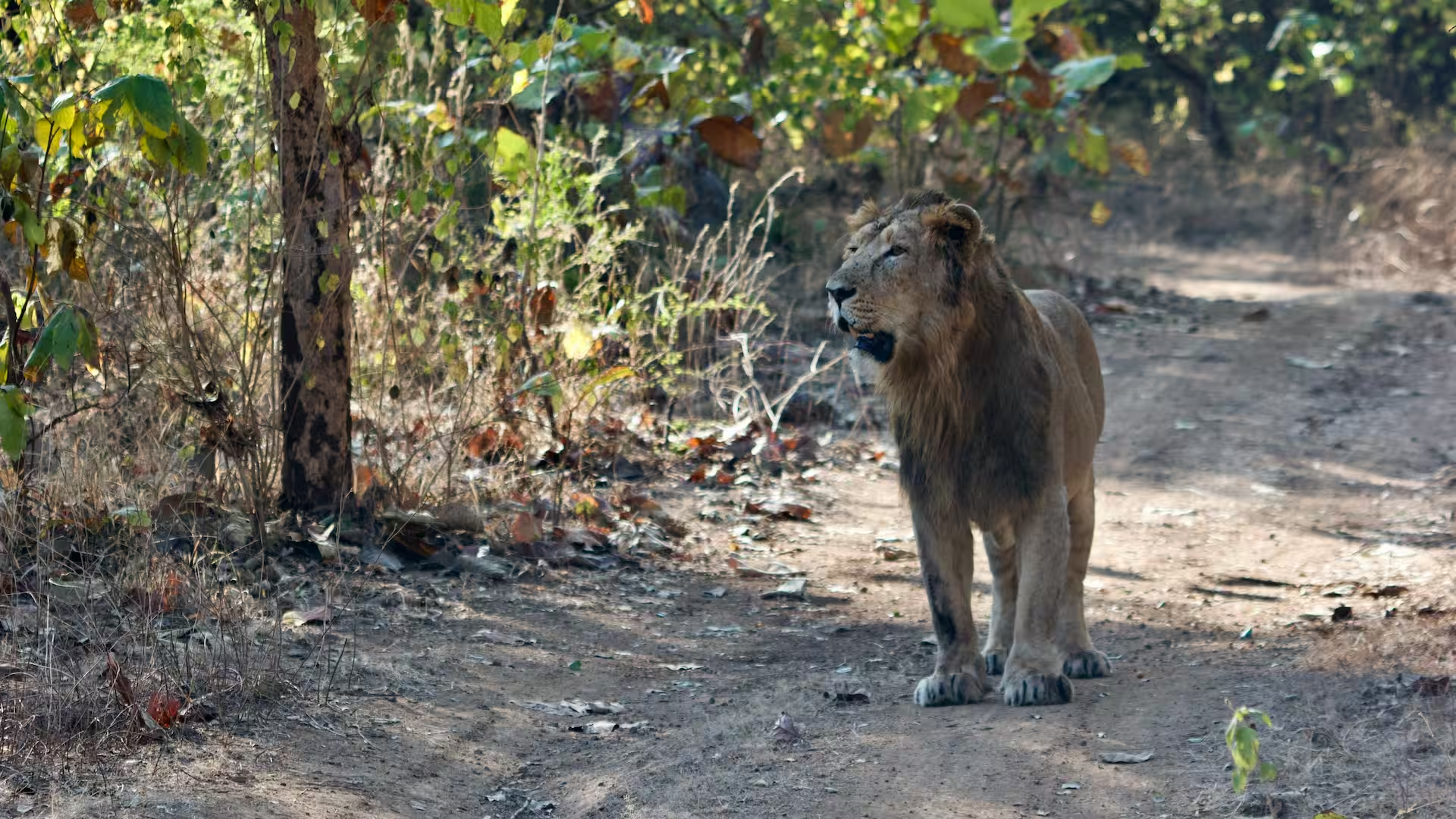
Gir National Park in Gujarat is the last place on Earth where Asiatic lions survive in the wild. Around 700 lions live here, up from just 20 in the early 1900s.
Asiatic lions are smaller than African lions and have a fold of skin running along their belly that African lions lack. Males have shorter, thinner manes. They live in smaller prides and hunt differently than their African relatives.
Gir’s landscape is dry deciduous forest mixed with acacia scrub. Lions here often rest under trees during the day and hunt at dawn and dusk. Safari sightings are common because the lions are used to vehicles.
The conservation story here is remarkable. When the British ruled India, trophy hunting nearly wiped out these lions. A local ruler protected the last few survivors in his private hunting grounds. That decision saved the species.
Travellers love Gir because it’s the only place to see this unique subspecies. The dry forest feels different from other Indian parks, and the lions are active and visible.
Into the High Mountains for Snow Leopards
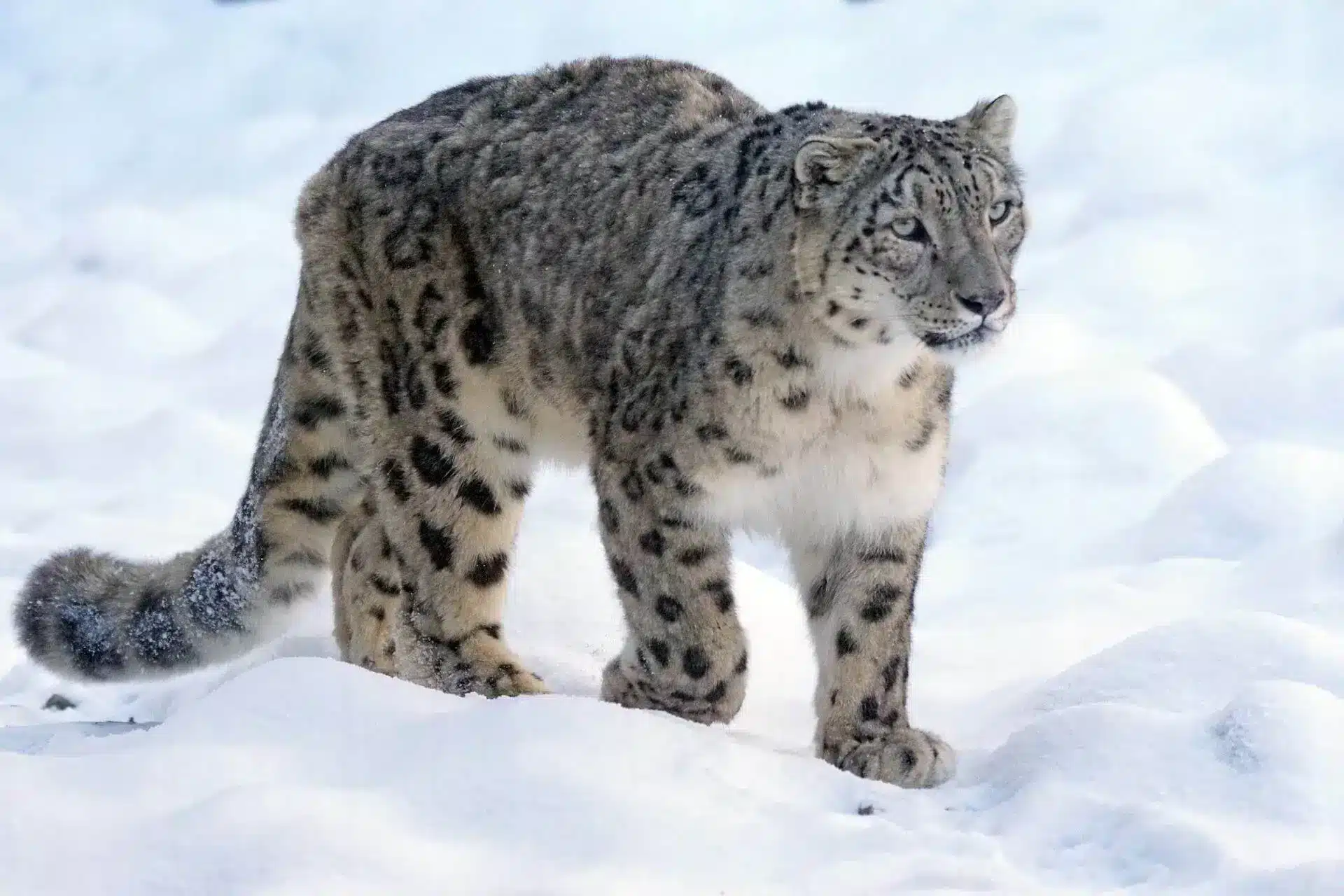
Ladakh and Spiti Valley sit at altitudes between 12,000 and 16,000 feet. The landscape is stark, rocky, and freezing. Snow leopards live here because they’ve evolved to survive where almost nothing else can.
These cats have thick fur, wide paws for walking on snow, and lungs adapted to thin air. They hunt bharal (blue sheep) and ibex on cliff faces so steep you’d need ropes to climb them.
Spotting a snow leopard requires patience and luck. You’ll spend days scanning mountainsides through spotting scopes. When you finally see one, it might be a tiny grey shape on a rock a kilometre away. That’s still enough to give you chills.
Local trackers make these trips possible. Villagers know where the cats move, where they’ve made recent kills, and which valleys hold the best chances. Many tracking teams are led by former herders who lost livestock to snow leopards but now earn better income from wildlife tourism.
Beyond this Big Four
India has 15 wild cat species total. Here are the smaller ones:
Clouded Leopard (Northeast India): Smaller than leopards, incredibly arboreal, almost never seen. Sightings rare enough to make news.
Jungle Cat (Grasslands nationwide): Medium-sized, long legs, tufted ears. Common but overlooked. Spotted hunting rodents in Bharatpur and Kaziranga.
Fishing Cat (West Bengal, Odisha): Semi-aquatic with webbed paws. Hunts fish and crustaceans in wetlands and Sundarbans mangroves.
Caracal (Rajasthan, Gujarat): Tawny coat, long legs, distinctive black tufted ears. Uncommon sightings in Desert National Park.
Rusty-Spotted Cat (South & Central India): One of world’s smallest wild cats. Adorable. Rare accidental sightings during safaris.
The point isn’t that you’ll see all of these. The point is that India has them. A country with this much feline diversity is inherently special for cat enthusiasts.
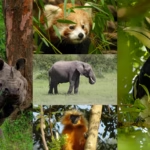
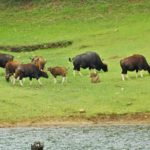
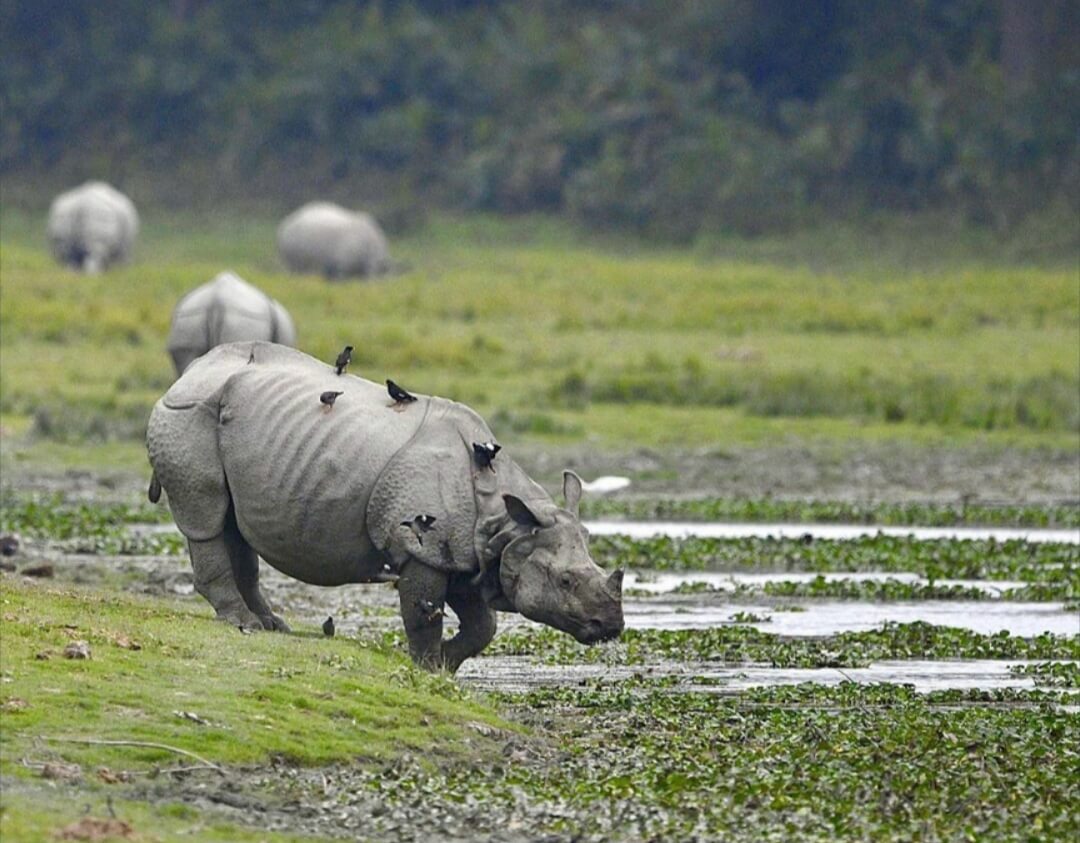
And beyond cats, the supporting cast is incredible. Asian elephants in the south. Sloth bears digging for termites. Wild dogs (dholes) hunting in coordinated packs. Gaur – the world’s largest wild cattle, which are genuinely massive. One-horned rhinos in Kaziranga. Red pandas in Sikkim. The biodiversity is absurd.
India isn’t just about cats. It’s about complete, functioning ecosystems where these predators play their natural roles.
What Makes India’s Big Cat Experiences So Special
India’s forests support massive populations of deer, wild boar, gaur, and other prey animals. A healthy prey base means healthy predator populations. You see more big cats here because there’s enough food to support them.
The country has built a strong network of naturalists and trained safari guides. These aren’t just drivers. They know animal behaviour, can read tracks, and understand how weather and time of day affect sightings. A good guide makes the difference between seeing a tail disappear into the bushes and watching a tiger hunt.
Light conditions in India work perfectly for wildlife photography. Early morning golden hour, the angle of sunlight filtering through sal trees, and the dust kicked up on safari roads all create stunning images.
Accessibility is another advantage. Major tiger parks sit within a few hours of airports. You can fly into Nagpur for Tadoba, Jabalpur for Bandhavgarh, or Raipur for Kanha. Roads are paved, hotels are comfortable, and the infrastructure works.
Why India Works So Well for Big Cat Tourism
Infrastructure & Accessibility Major tiger parks are close to airports and rail stations. Ranthambore is three hours from Jaipur. Bandhavgarh is 160km from Jabalpur airport. No days-long overland journeys on rough roads.
Accommodations range from budget forest lodges to luxury resorts. Every comfort level and budget works here.
Professional Safari Operations Trained naturalist guides who know animal behavior and individual animals. Regular morning and afternoon safari schedules. Booking systems that actually function. Standards are maintained across parks.
Habituation & Viewing Quality Decades of tourism mean animals don’t see vehicles as threats. Tigers walk within 20 feet, unconcerned. Lions sleep on roads. Leopards watch from rocks. This is genuine wild behavior, not baiting or feeding.
Strict rules maintain quality – stay seated, stay quiet, give stressed animals space. Open vehicles, small groups (six max), unobstructed viewing and photography.
Variety in One Country One visa. One currency. Tigers in Madhya Pradesh, lions in Gujarat, leopards in Rajasthan, snow leopards in Himachal – all within weeks. Each ecosystem feels completely different.
Value African safari lodges: $500-1000+ per night. India delivers excellent experiences at a fraction of that cost. High-end lodges are still cheaper than African equivalents.
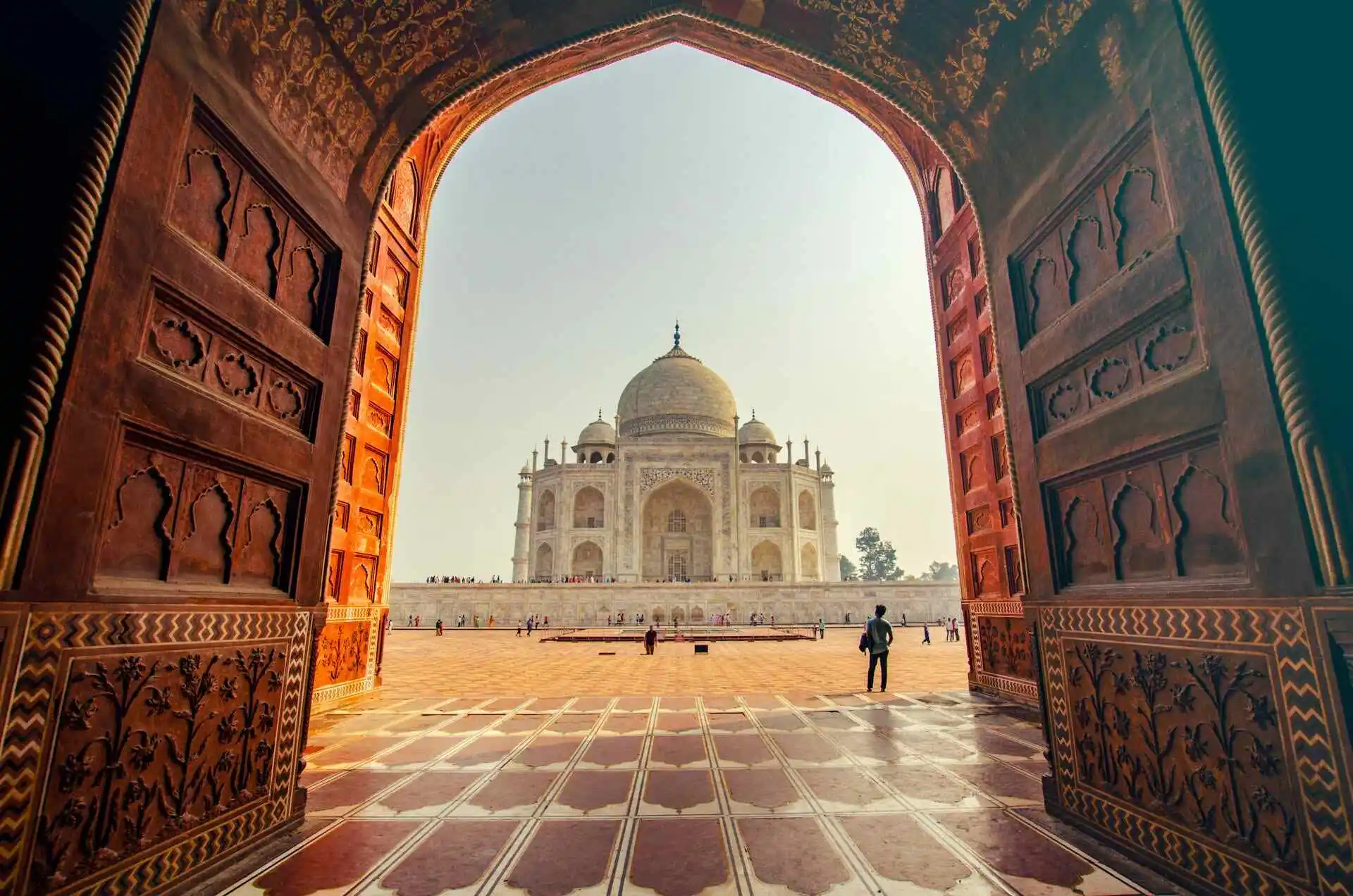
Cultural Bonus Combine safaris with Rajasthan forts, Kerala backwaters, Himalayan monasteries, temples, incredible food. Wildlife plus culture creates a complete trip.
Conservation Success India’s tigers recovered from under 1,500 to 3,600+. Asiatic lions rebounded from 20 to 600+. Community conservation in Spiti works when locals benefit.
Your tourism money funds protection, employs locals, supports communities. The model works.
How Conservation and Tourism Work Together
India’s tiger numbers have climbed from around 1,400 in 2006 to over 3,600 today. This happened because of serious investment in protected areas, anti-poaching units, and habitat corridors that let tigers move between reserves.
Tourism money funds a lot of this work. Park entry fees, safari permits, and tourism taxes go directly into conservation budgets. More importantly, tourism creates jobs.
Local communities work as safari guides, drivers, cooks, trackers, and homestay owners. Villages near tiger reserves earn more from wildlife tourism than they ever did from farming or logging. When people benefit financially from protecting forests, they become the forests’ strongest defenders.
Responsible tourism keeps this system working. Following park rules, respecting wildlife, and choosing ethical operators ensures that tourism continues to support conservation rather than harm it.
Comparing India to Other Big Cat Destinations
Africa has lions, leopards, and cheetahs. The Serengeti and Masai Mara offer incredible predator sightings in open savanna. But Africa doesn’t have tigers, and their leopards are generally harder to see than Indian leopards.
Sri Lanka has excellent leopard populations, particularly in Yala National Park. Their leopards are bolder and more visible than most African leopards. However, Sri Lanka only has one big cat species.
Southeast Asia still has tigers in countries like Indonesia, Thailand, and Malaysia. But populations are small, forests are vast, and sightings are extremely rare. You could spend weeks in a Southeast Asian forest and never see a tiger. In India, you might see three in one morning.
India’s advantage is diversity combined with accessibility. Four different big cat species, multiple subspecies of leopard, varied landscapes, and good infrastructure make it the most complete big cat destination in the world.
Planning Your Big Cat Journey
Best times
Vary by cat and location:
Tigers – Most parks are open October through June, closed during monsoon (July-September). Peak season is March-May when it’s hot and animals congregate around water sources. But October-February offers cooler weather and greener landscapes. Both work.
Lions – Gir is open year-round except during monsoon. Best viewing is November through March when weather is pleasant and lions are most active during the day.
Leopards – Depends on location. Jawai and Bera work year-round, though summer (April-June) is very hot. Kabini is excellent October-May.
Snow leopards – January through March only. This is winter, which is when snow leopards descend to lower altitudes following their prey. It’s also brutally cold.
Quick comparison table:
| Big Cat | Where to See | Best Time | Difficulty |
|---|---|---|---|
| Bengal Tiger | Ranthambore, Bandhavgarh, Kanha | November – June | Easy – Moderate |
| Asiatic Lion | Gir National Park | November – March | Easy |
| Leopard | Jawai, Kabini, Bera | Year-round (varies) | Easy – Moderate |
| Snow Leopard | Spiti, Hemis | January – March | Challenging |
| Clouded Leopard | Northeast India | Limited Access | Very Difficult |
How to structure a trip
Depends on how much time you have and what you want to see:
A single park focus makes sense if time is limited. Spend 3-4 days in one place – Ranthambore or Bandhavgarh for tigers, Gir for lions, Jawai for leopards. Three to four full days of safaris gives you multiple chances for sightings and lets you relax into the rhythm rather than rushing.
Multi-park circuits are common for serious wildlife enthusiasts. A classic central India circuit might be Bandhavgarh (3-4 days) + Kanha (3-4 days). Both are in Madhya Pradesh, relatively close together, both excellent for tigers. You could add Pench for a third park.
Regional combinations work well. Ranthambore + Jawai in Rajasthan combines tigers and leopards in one state. Bandipur + Kabini in Karnataka gives you tigers, leopards, and elephants. Each region offers logical combinations.
A grand tour covering multiple species requires time. Tigers in central India, lions in Gujarat, leopards in Rajasthan, snow leopards in Himachal – you’re looking at 2-3 weeks minimum to do it properly. But it’s the ultimate Indian big cat experience. How many people can say they’ve seen five different big cat species in one trip?
What to expect on safaris:
Early mornings. Most parks run morning safaris starting at sunrise or just before. You’re out for 3-4 hours, covering different zones of the park. Afternoon safaris start around 3pm and run until dark.
Open jeeps. No doors, no roof in most parks. Dress in layers for morning cold, bring sun protection for afternoons. Six people maximum per vehicle is standard.
Professional guides – a driver and a naturalist guide who does the animal spotting and provides information. Quality varies, but good guides are incredibly skilled at reading signs and knowing where animals might be.
Photography opportunities are excellent if you’re prepared. Bring a telephoto lens – 300mm minimum, 400-600mm ideal for wildlife. The light is often beautiful, especially in that golden hour before sunset.
Booking and logistics:
Peak season (especially March-May for central India parks) requires booking months in advance. Safari permits are limited and sell out. Even accommodation gets fully booked.
Work with operators who specialize in wildlife tourism and know the parks well. They can secure permits, arrange vehicles, book good zones in parks, and provide knowledgeable guides. Going independent is possible but harder, especially for complex multi-park trips.
Private vehicles cost more than shared, but they give you flexibility – you can stay longer when there’s a good sighting rather than having to move on because others want to see different areas.
Key Takeaways
India offers something no other country can match: the chance to see tigers, leopards, lions, and snow leopards all in one trip. The landscapes that support these cats range from tropical jungles to frozen mountains, giving you completely different wildlife experiences.
Conservation efforts have brought tiger numbers back from the edge of extinction. Communities that once saw big cats as threats now protect them because tourism provides better income than any alternative.
Whether you’re a serious photographer, a casual wildlife enthusiast, or someone who just wants to see these animals before they disappear, India gives you the best chance to make it happen. No other destination comes close.