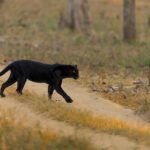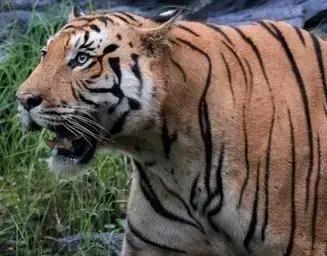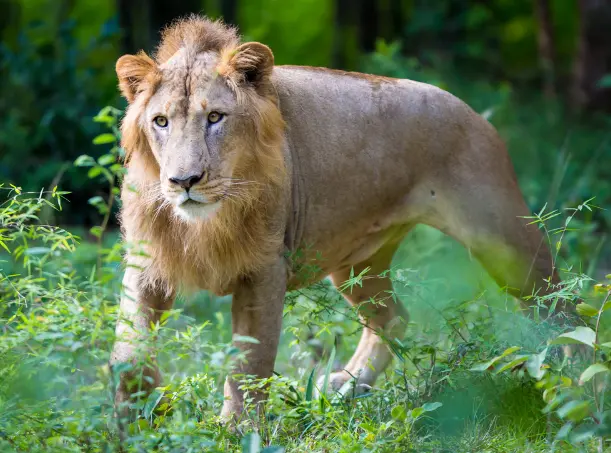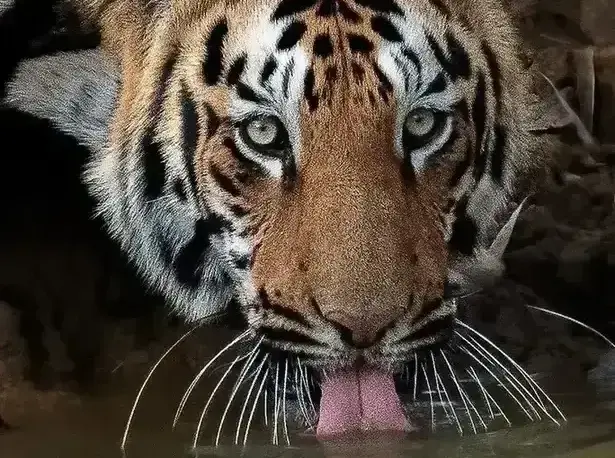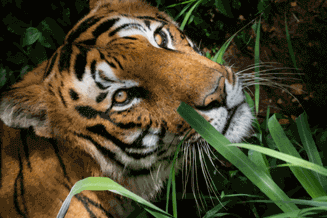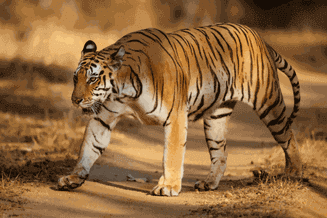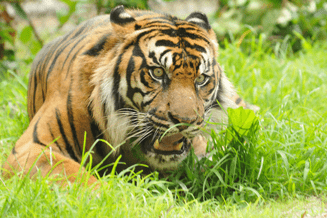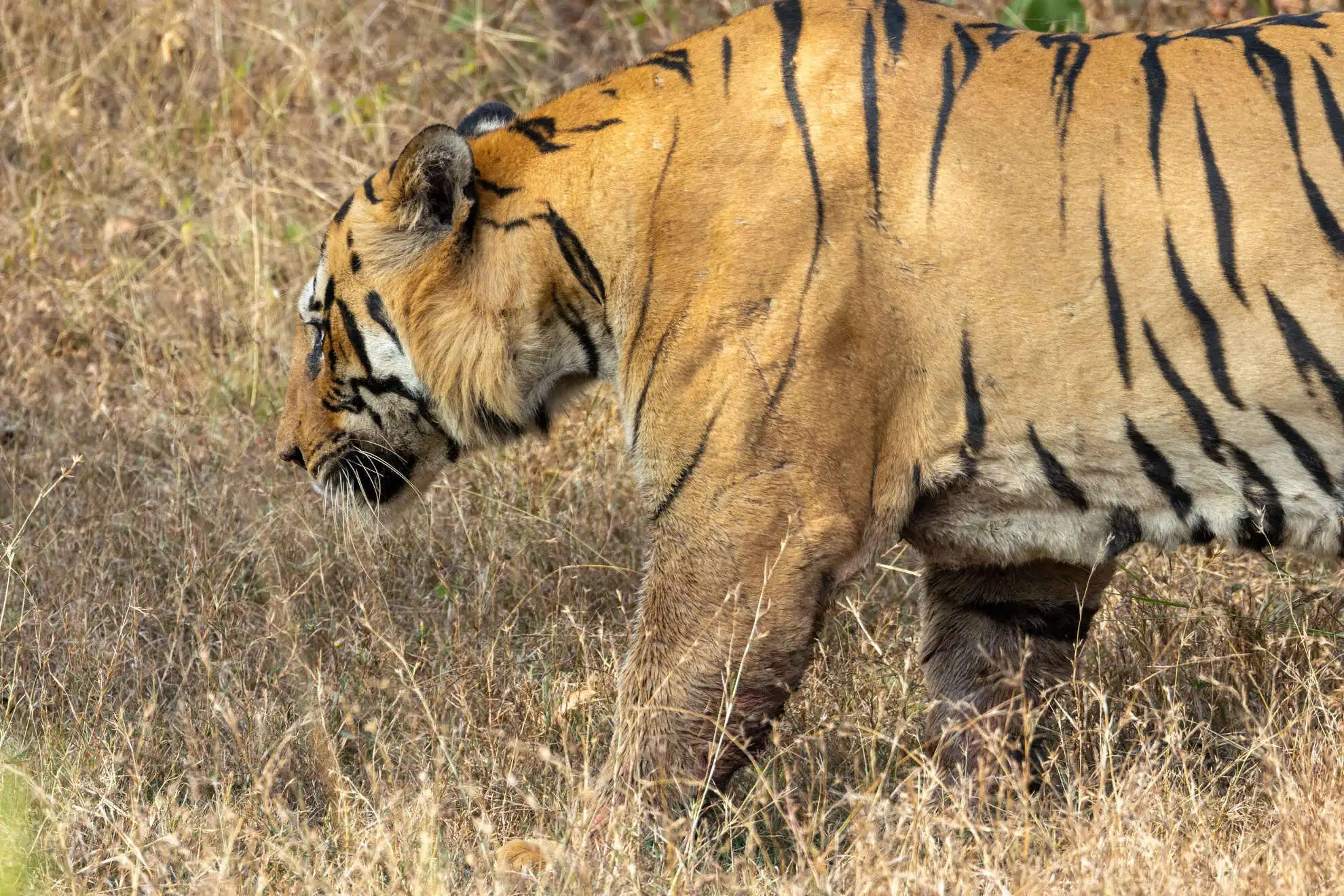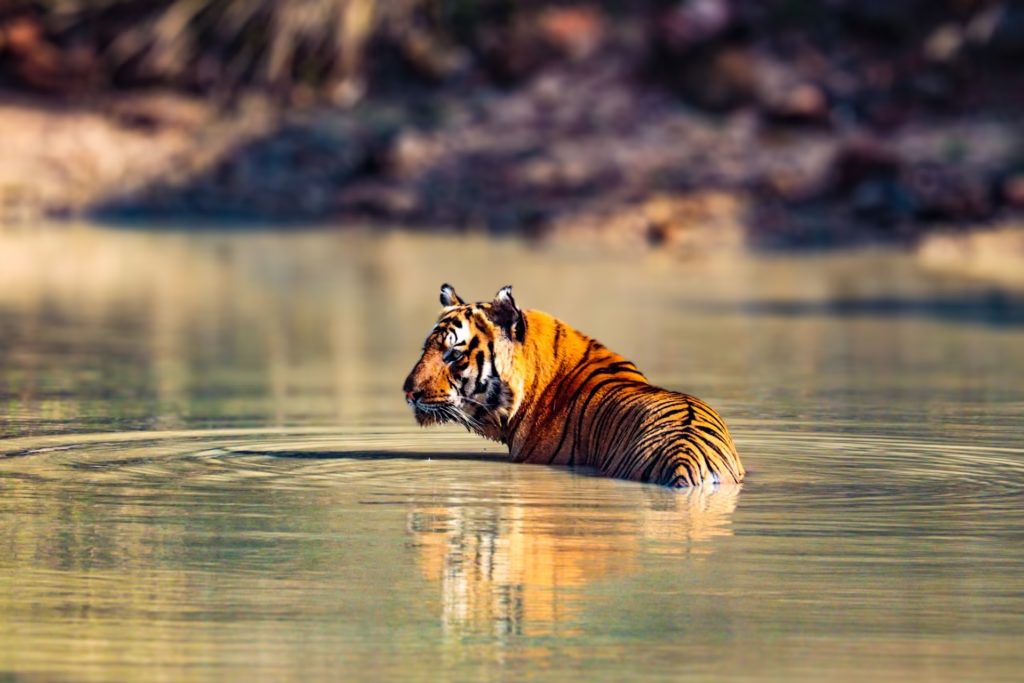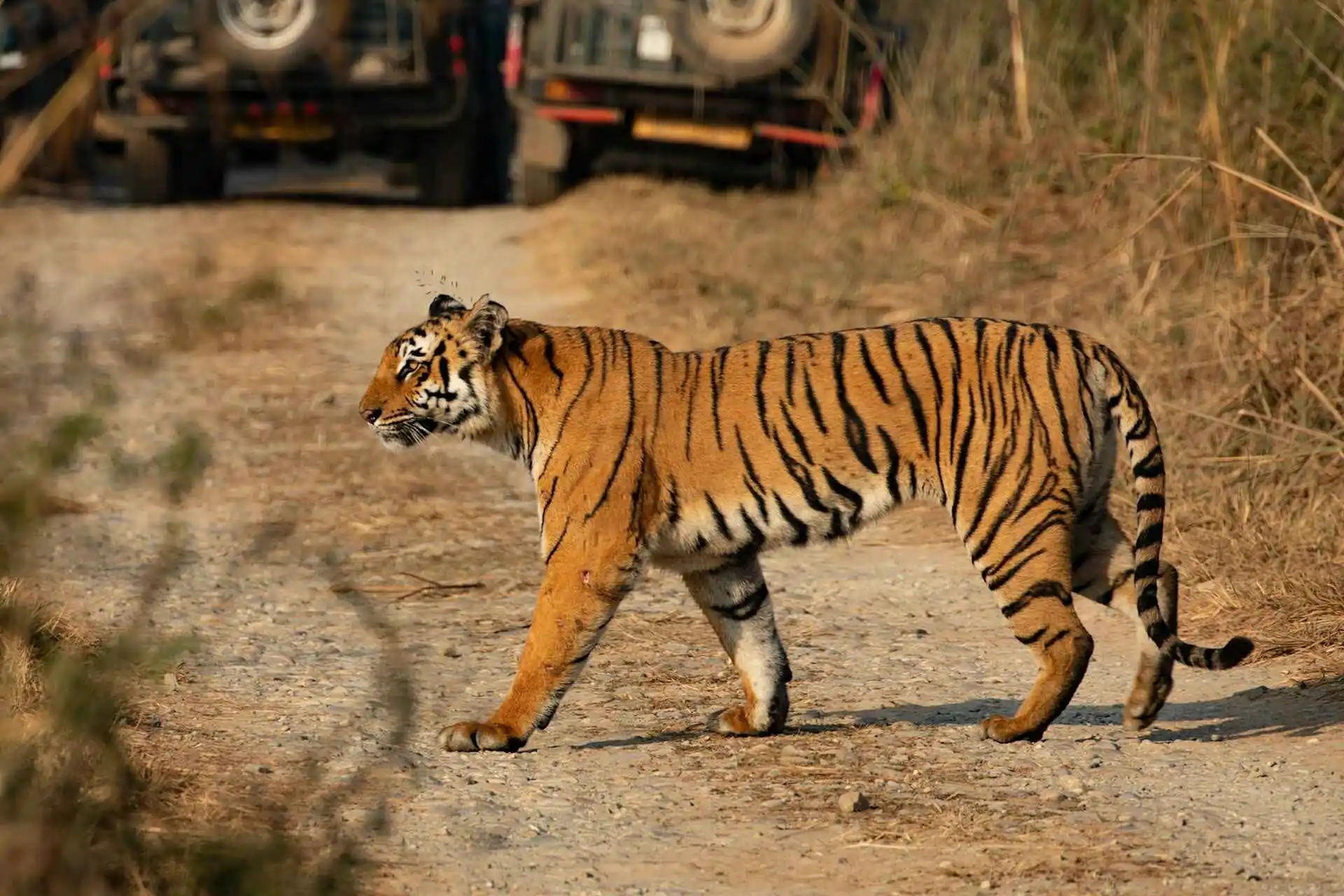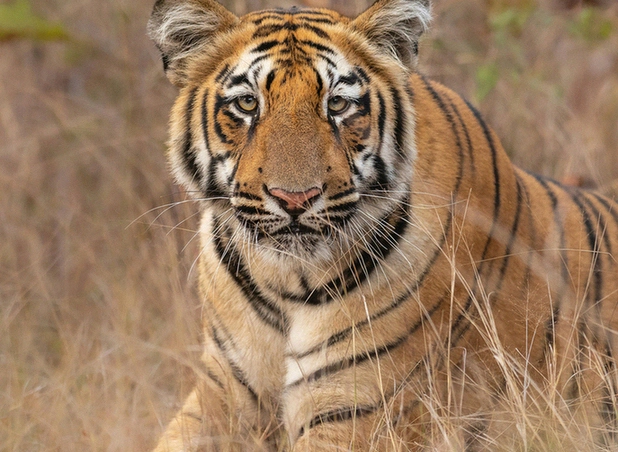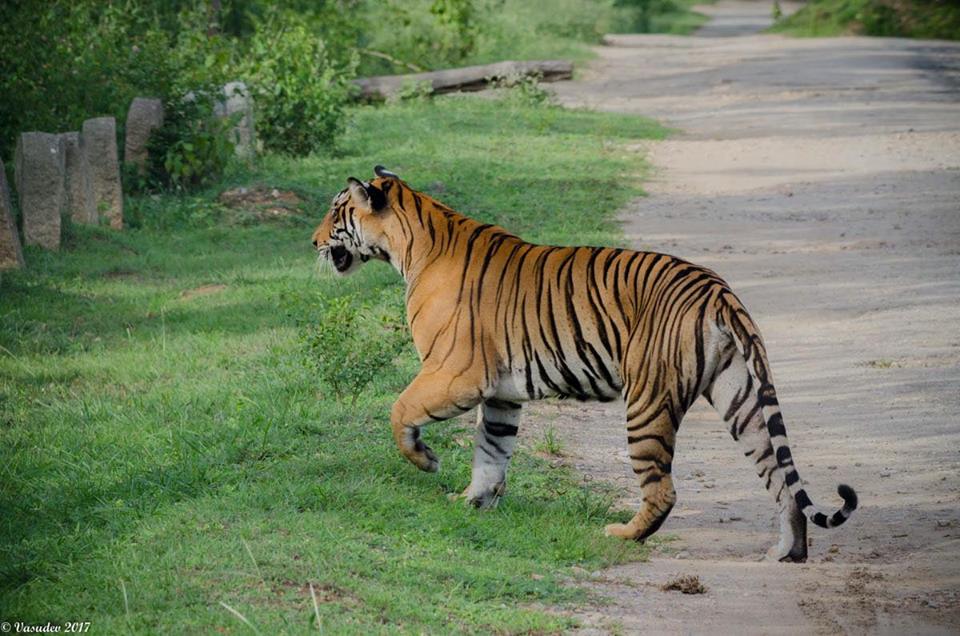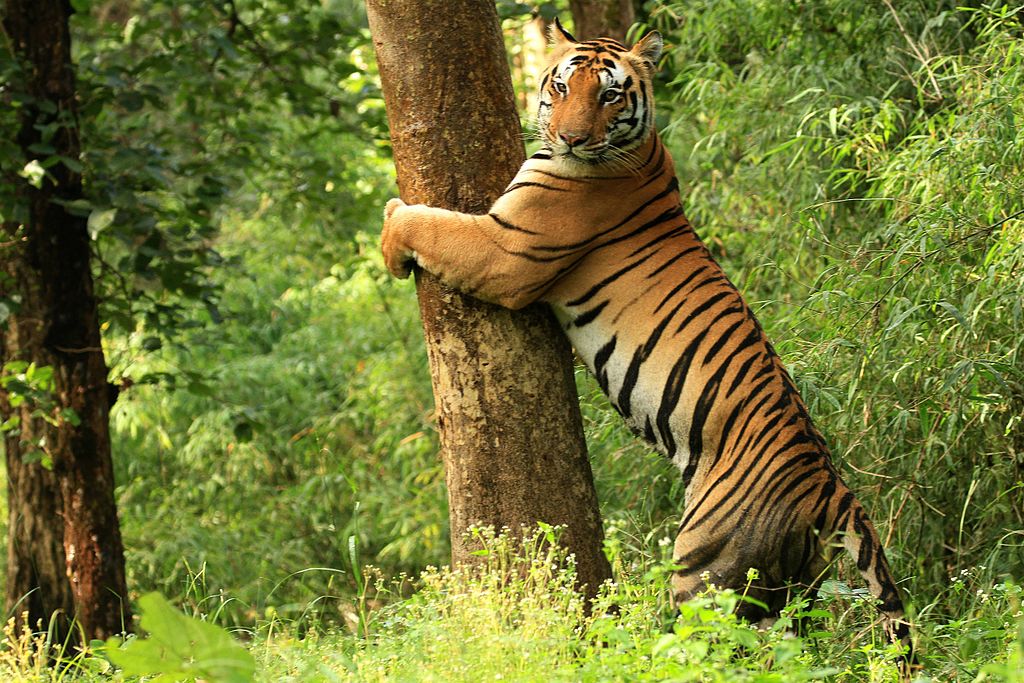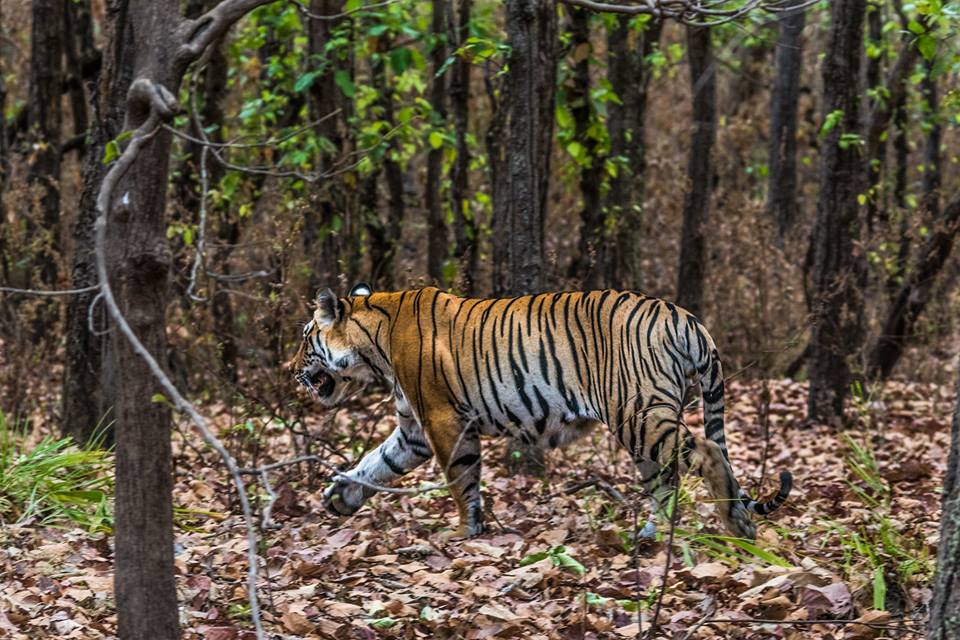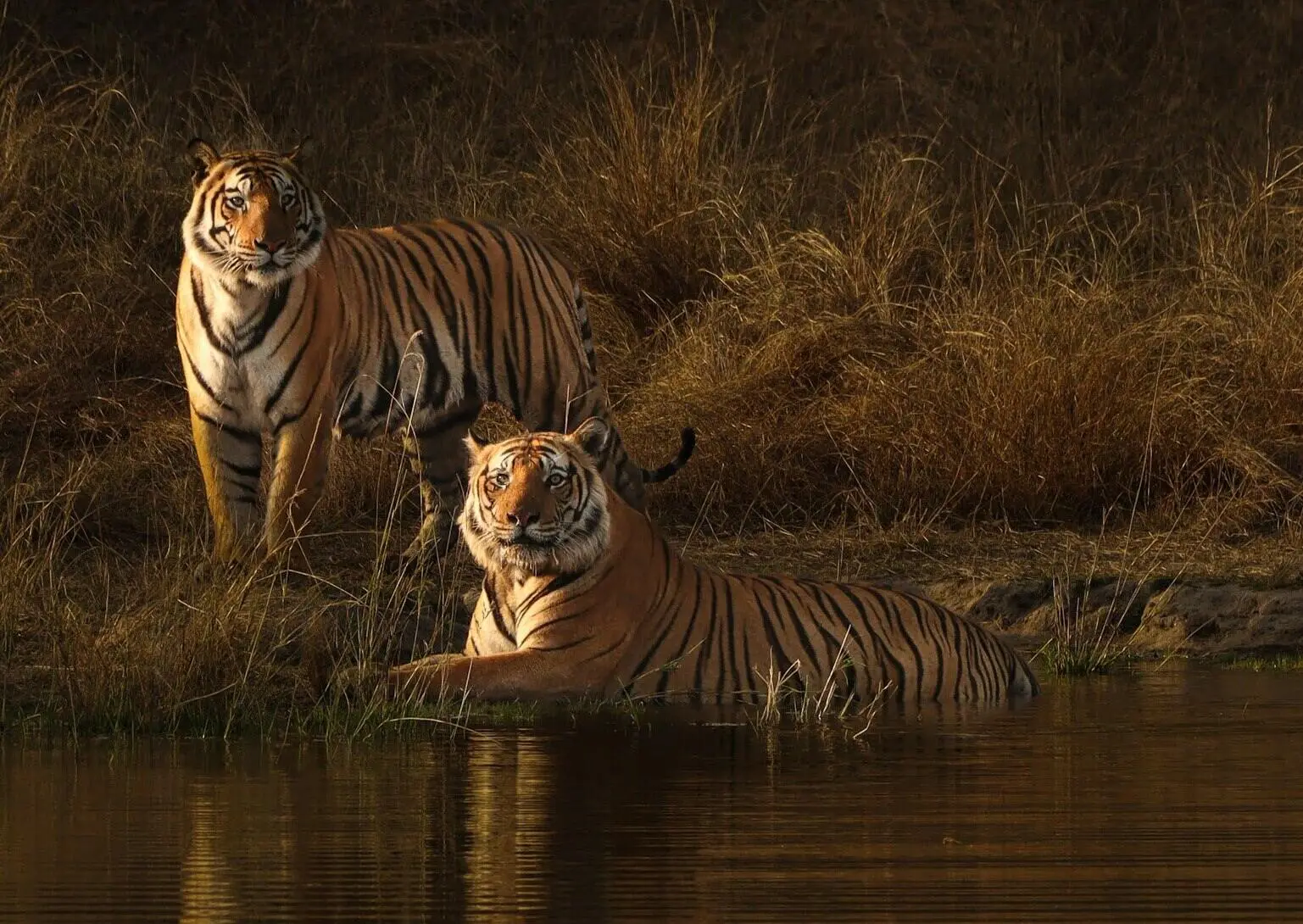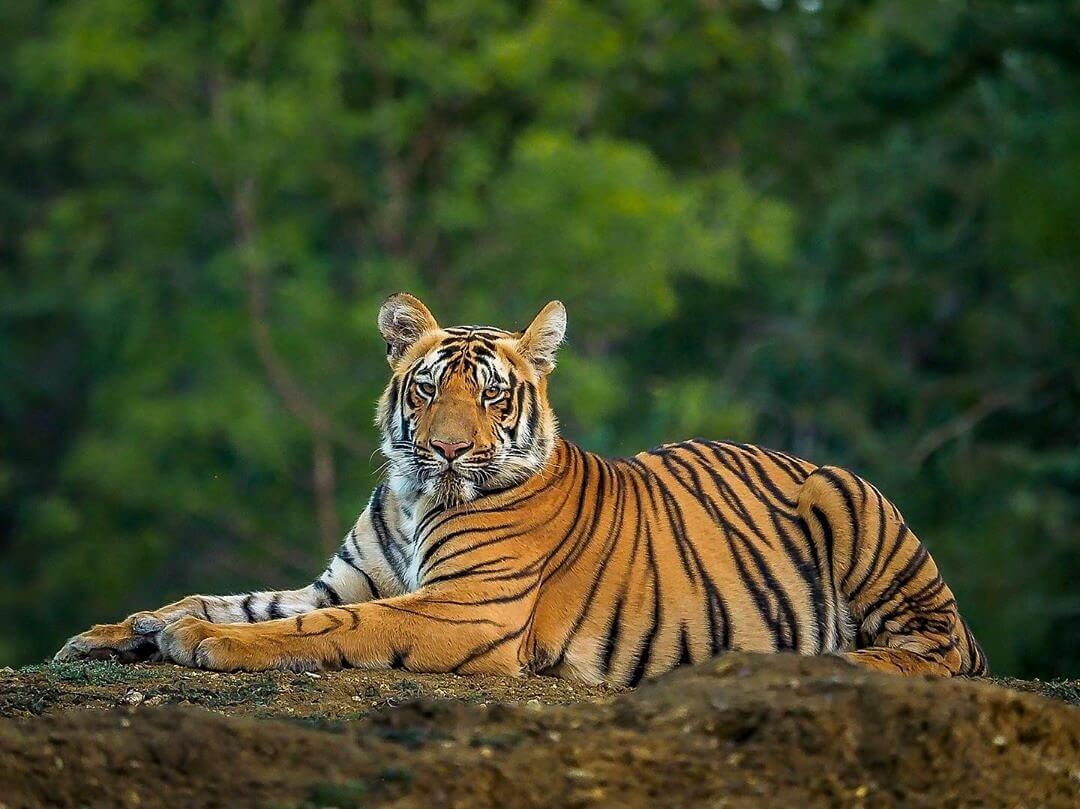
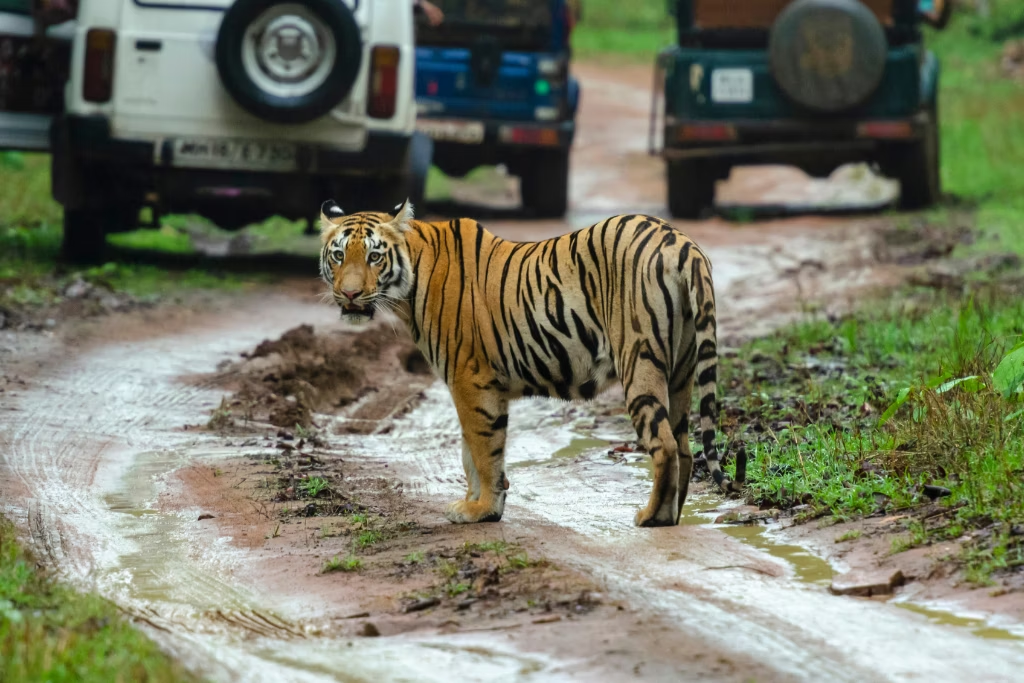
You’re in an open jeep. No doors, no roof, nothing between you and the tiger that just walked out twenty feet ahead. It crosses the road, stops, looks directly at your vehicle. You can count its whiskers. Your brain is screaming that you should not be this close to something that could kill you in seconds.
And then it just… walks away. Like you’re not even there.
This is a standard morning on an Indian wildlife safari. And it raises an obvious question that every first-time safari-goer asks: why doesn’t the tiger attack?
It’s a fair question. You’re looking at an apex predator that can take down a 200-kg sambar deer, sitting in what feels like a very exposed position. But the truth is, you’re far safer than your instincts are telling you. There are solid biological, behavioral, and practical reasons why wild animals – even large predators – don’t attack safari vehicles. Let’s break down what’s actually happening.
You Don’t Look Like Food
Tigers are hardwired to recognize specific prey animals. They’ve spent millions of years evolving to hunt deer, wild boar, gaur, and similar animals. These prey species have particular characteristics: they’re four-legged, they move in certain ways, they smell a certain way, they make specific sounds.
Humans don’t fit any of these patterns. We’re the wrong shape – we’re vertical, not horizontal. We’re the wrong size – too big to be easy prey, too small to be a buffalo. We move differently. We smell completely different from anything in their natural diet. Our voices and sounds aren’t what they’re listening for.
A tiger’s brain is wired to identify prey with incredible precision. But that same precision means we don’t register as food. We’re not in their mental catalogue of “things to hunt.” We’re just… other.
This is why most tigers will walk right past humans without a second thought. Not because they’re nice. Because we genuinely don’t trigger their hunting instincts.
The Jeep Makes You Invisible
Here’s what actually keeps you safe: the tiger doesn’t see humans in a vehicle. It sees one big, weird object.
Animals don’t break things down the way we do. They’re not thinking “oh, that’s a metal frame with wheels and some people sitting in it.” Their brain processes the whole jeep as a single thing. One large, loud, fuel-smelling creature that doesn’t match anything in nature.
And that thing is bigger than the tiger. Bigger than any prey animal it knows. Makes mechanical noises. Doesn’t run away. Just sits there being strange.
From the tiger’s perspective, this isn’t something to hunt. It’s something to be cautious about, or just ignore entirely.
This is why guides get strict about the rules. Stand up in the vehicle? You’ve broken the outline. Now the tiger can see individual humans moving around independently. Stick your arm out for a photo? Same problem. You’ve gone from “one large mysterious object” to “oh, those are people.”
Don’t break the illusion.
Hunting Is Expensive
Bringing down prey takes massive energy. And even then, tigers fail most of the time. Maybe one successful hunt in ten or twenty attempts.
So they’re picky. They hunt when hungry, and they hunt things they know how to kill.
A safari jeep? That’s an unknown. No established technique. High risk (might be dangerous), unknown reward (can I even eat this?), huge energy cost (how would I even attack it?).
Why bother? There are deer in the forest. Actual food that makes sense.
You’ll see tigers that look completely relaxed around vehicles. They’re not being friendly. They’ve just done the math and decided you’re not worth thinking about.
You’re Predictable and Boring
Safari vehicles drive the same routes, day after day. They move at predictable speeds. They stop, they watch, they move on. They don’t do anything threatening or aggressive. They’re just… there.
Animals figure this out fast. Like city deer that ignore joggers, or pigeons that don’t scatter when you walk past. The vehicles are just part of the landscape – known, non-threatening, not interesting.
This isn’t taming. The tiger hasn’t become domesticated or lost its instincts. It’s just learned from experience that those slow metal things on the road aren’t relevant.
Cubs watch their mothers ignore vehicles and learn the same. It becomes normal.
The predictability matters. When something breaks that pattern – a vehicle going off-road, tourists yelling – that’s when animals get stressed or defensive.
Even Predators Are Cautious
People forget this: tigers are careful.
They’re apex predators, sure. But they’re not reckless. An injury that stops them from hunting means starvation. Unknown situations might be dangerous. Caution keeps you alive.
This goes double for anything involving humans. We have a bad history with these animals. Hunting, habitat destruction, conflict. Wild animals have learned – some through experience, some through inherited wariness – that humans often mean trouble.
So even a tiger will usually choose to avoid confrontation with something unfamiliar rather than risk it.
Most wildlife encounters involve the animal walking away or just doing its thing while ignoring you. That’s not fear or friendliness. That’s smart.
Man-Eaters Are Rare
Let’s address the elephant in the room: man-eating tigers.
Yes, tigers can and occasionally do kill humans. But it’s extremely rare, and it happens for specific reasons. Humans are not natural prey for tigers. We’re not part of their evolutionary food web. A healthy tiger with access to normal prey has zero reason to hunt humans.
Man-eating typically happens when:
- A tiger is old or injured and can’t hunt normal prey anymore
- Prey populations have collapsed due to habitat destruction or poaching
- The tiger has been injured (often by humans) and is desperate
- Someone surprises a tiger on foot at close range
- A tiger is desperate or defending cubs
Even in these cases, true man-eaters – tigers that actively hunt humans – are incredibly rare. When they do emerge, they’re usually dealt with quickly by wildlife authorities.
The Sundarbans are an exception where tiger attacks are more common, but that’s a unique situation involving people working in tiger habitat (honey collectors, fishermen, woodcutters) and tigers that have less contact with vehicles and tourism.
In normal safari situations in parks like Ranthambore, Bandhavgarh, Kanha, or Tadoba, tiger attacks on tourists are virtually unheard of. These tigers are well-fed, healthy, and completely habituated to vehicles. You’re probably in more danger driving to the park than you are during the actual safari.
Safari Rules Exist for Good Reasons
Now you understand why guides are so strict about certain rules. These aren’t arbitrary restrictions – they’re based on maintaining the conditions that keep everyone safe.
Stay seated. When you stand up, you change the vehicle’s silhouette and break the “single object” perception. The tiger can now see individual humans moving around, which changes how it perceives the situation.
Keep noise down. Loud voices, shouting, or sudden sounds can startle animals or make them perceive the vehicle as threatening rather than neutral. Calm and quiet maintains the habituated response.
Don’t stick your arms or cameras out. Again, this breaks the vehicle silhouette and can draw attention to individual humans rather than the vehicle as a whole.
Never get out of the vehicle (unless in designated safe zones). The moment you’re on the ground, everything changes. You’re no longer part of that large, protective vehicle unit. You’re now human-shaped, human-sized, and moving like prey animals move. You’ve entered a completely different risk category.
These rules are tested and proven. Parks that enforce them strictly have excellent safety records. Problems almost always occur when people break the rules – standing up for photos, making noise, or in extreme cases, getting out of vehicles.
When They Do Get Aggressive
It’s worth knowing what defensive or aggressive behavior looks like, because it’s actually communication.
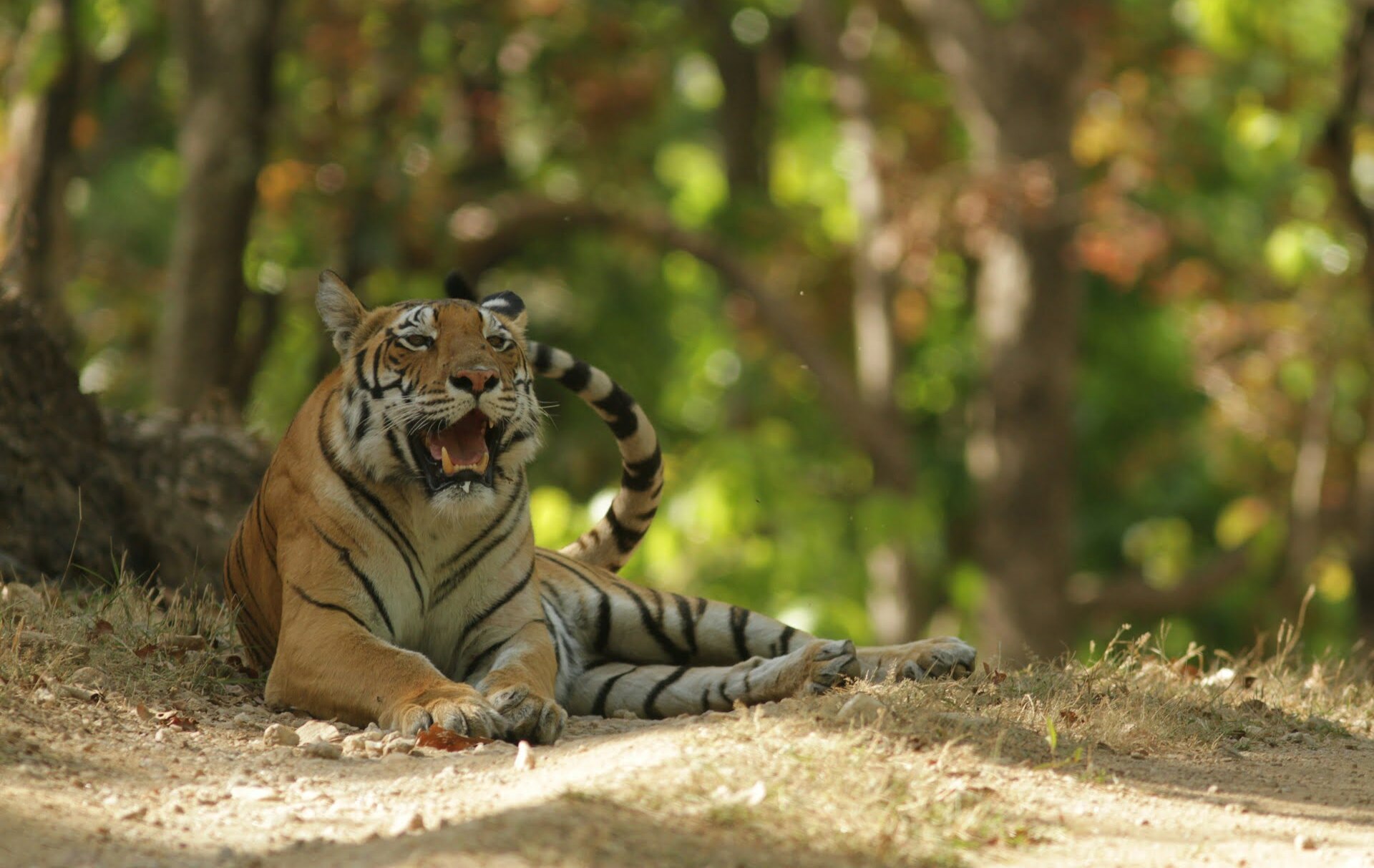
If a tiger makes a mock charge – running toward the vehicle then stopping – it’s saying “you’re too close, back off.” This is a warning, not an attack. Guides know to respect this and give the animal space.
Vocalizations matter too. A tiger’s growl or chuff, an elephant’s trumpet, a sloth bear’s huff – these are all communication. The animal is telling you something about its comfort level.
Body language is crucial. Ears back, tail lashing, direct staring, swaying – these indicate stress or irritation. A good guide reads these signs constantly and adjusts accordingly, moving the vehicle back or away before the situation escalates.
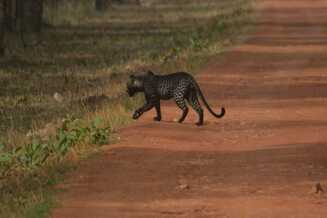
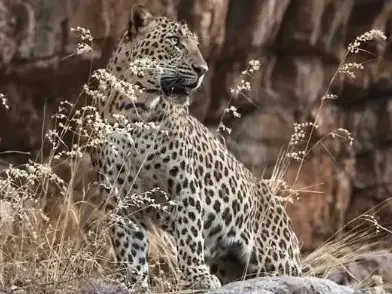
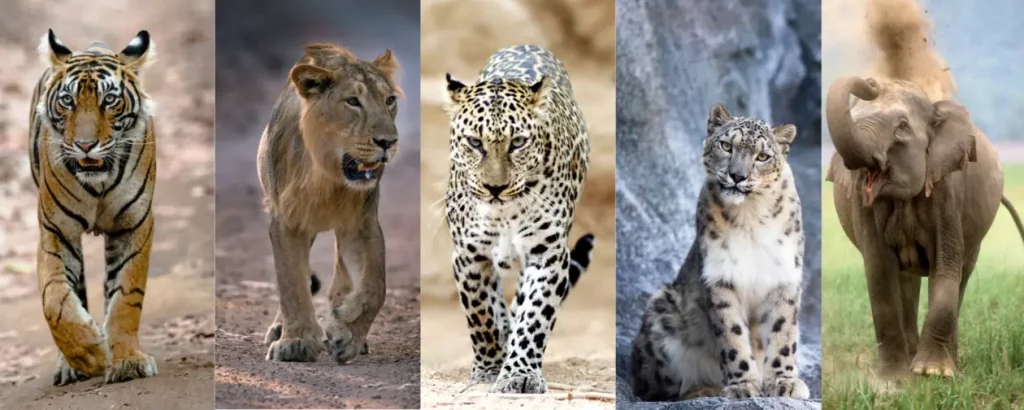
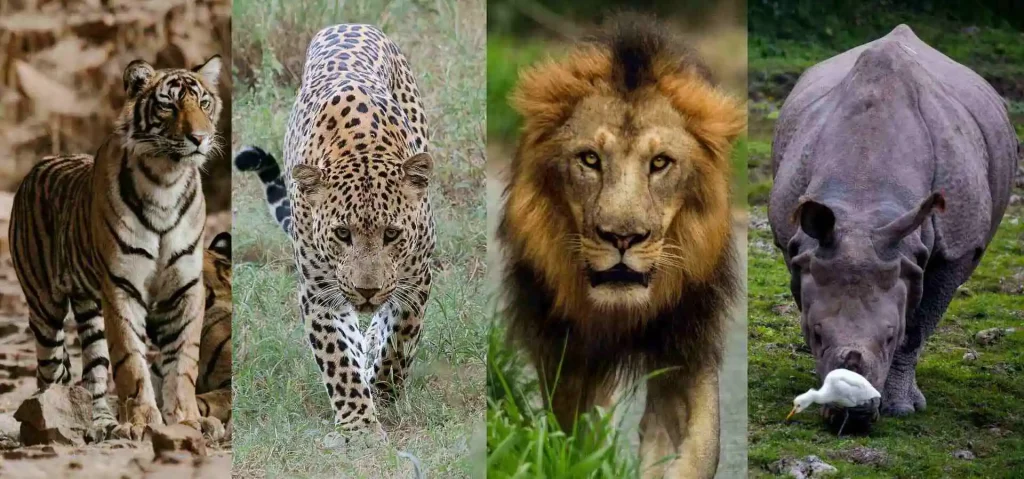
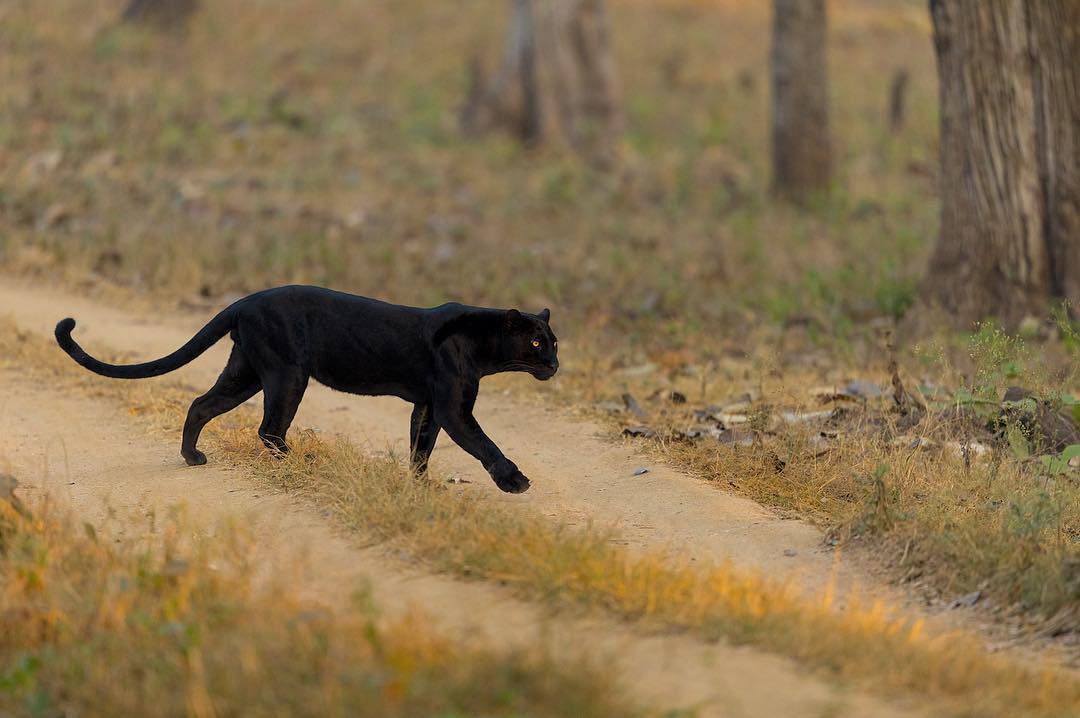
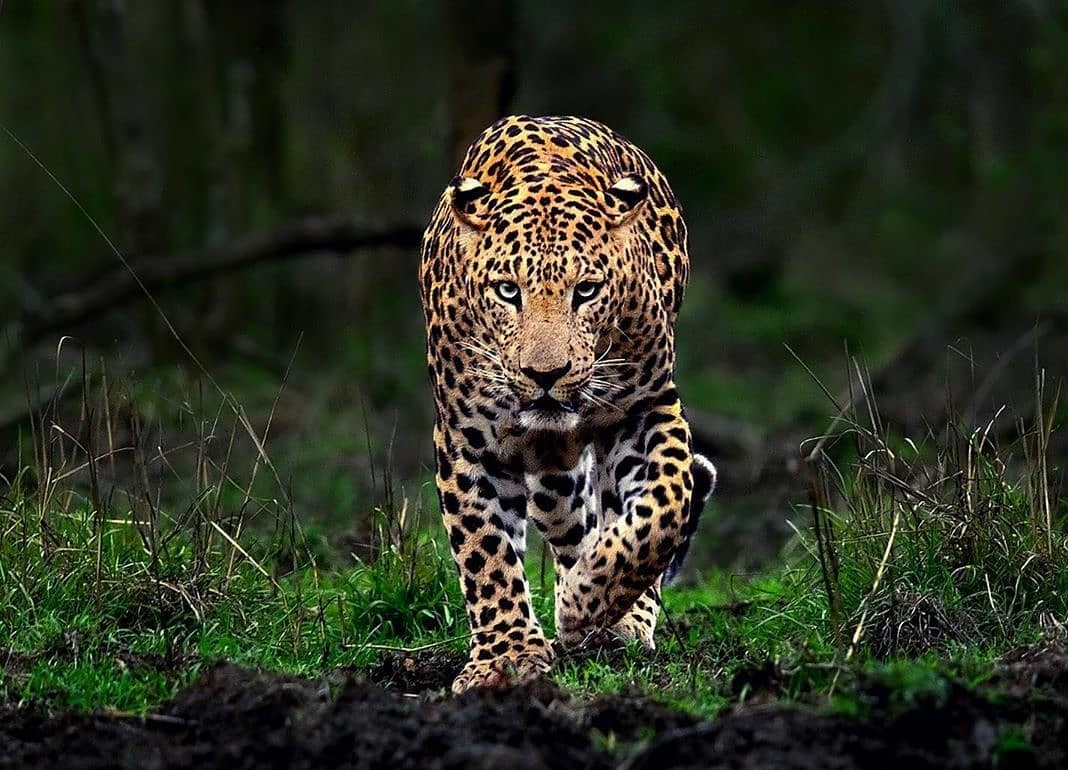
True aggression is rare, but it’s worth noting that different animals pose different levels of risk. Elephants can be unpredictable, especially lone bulls in musth or mothers with small calves. Sloth bears are naturally defensive and can be aggressive if surprised. Leopards are generally more nervous than tigers and might react defensively if cornered.
But this is why you have trained guides who’ve spent years learning animal behavior and know the individual animals in their territory.
What About Walking Safaris
On foot, you lose all the vehicle’s protection. You’re human-shaped, human-sized, moving through their space.
This is why walking safaris in tiger country need armed guards. Strict protocols. Limited group sizes.
The risk is still low – thousands of walking safaris happen safely. But it’s higher than from a vehicle. A surprise encounter on a trail is more volatile than the same encounter from a jeep.
Walking safaris are incredible though. You notice everything – tracks, sounds, smells, the actual feel of being in the forest. You’re in their world on their terms.
Just respect that the margins are tighter.
What It Actually Means
Thousands of safaris happen across India every day. Hundreds of thousands of tourists every year. Tiger sightings are common.
We’ve been running safaris across India for years now, and we can count serious incidents on one hand. The few times something’s gone wrong? Someone broke the rules. Stood up when a tiger was close. Got out of the vehicle in the wrong spot. Made sudden movements or noise that spooked an elephant.
Follow the guidelines, listen to your guide, and incidents are so rare they make national news when they do happen.
The fear you feel when a tiger walks past is natural. These are apex predators. We’re wired to be cautious. But that fear doesn’t match the actual risk.
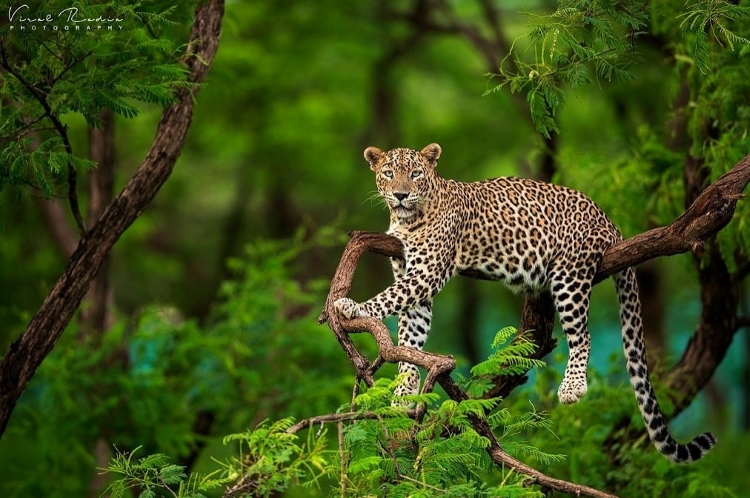
The real gift is watching these animals behave naturally while they completely ignore you. A tiger hunting. A leopard sleeping in a tree. An elephant herd bathing.
You’re not a threat. You’re not prey. You’re just there.
So when that tiger walks past your jeep and looks at you for a moment before disappearing into the forest, you can appreciate what’s actually happening. It’s not ignoring you out of kindness or because it’s used to humans feeding it. It’s making a calculated decision based on millions of years of evolution that you’re simply not relevant to its life right now. And that’s exactly how it should be.
And that’s exactly how it should be.