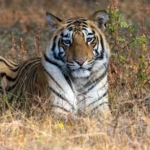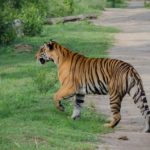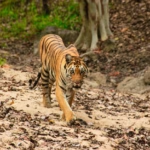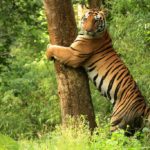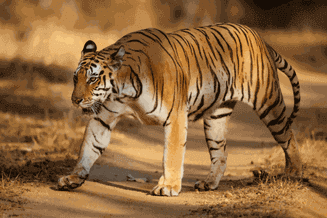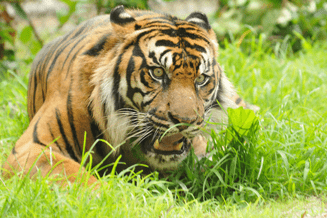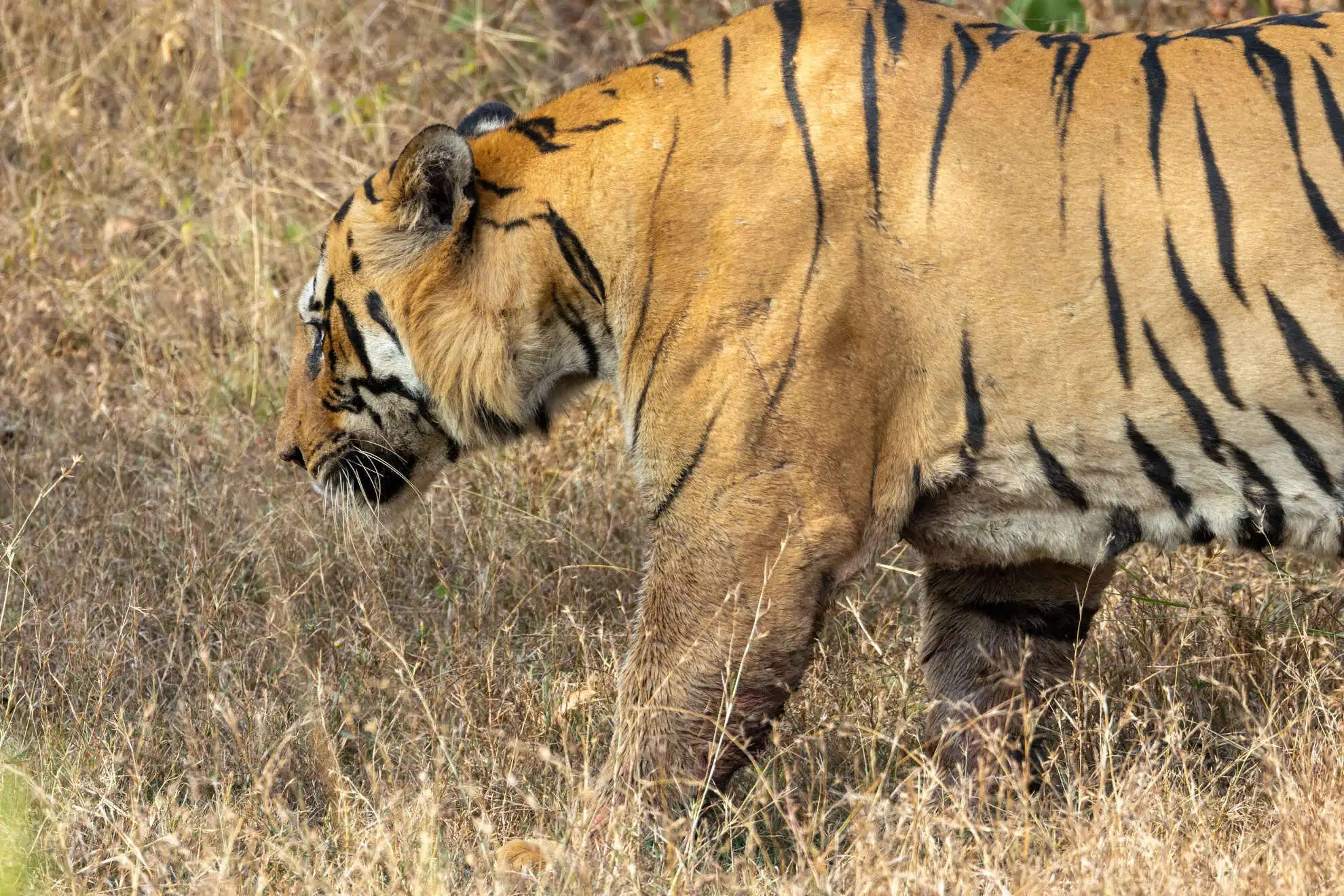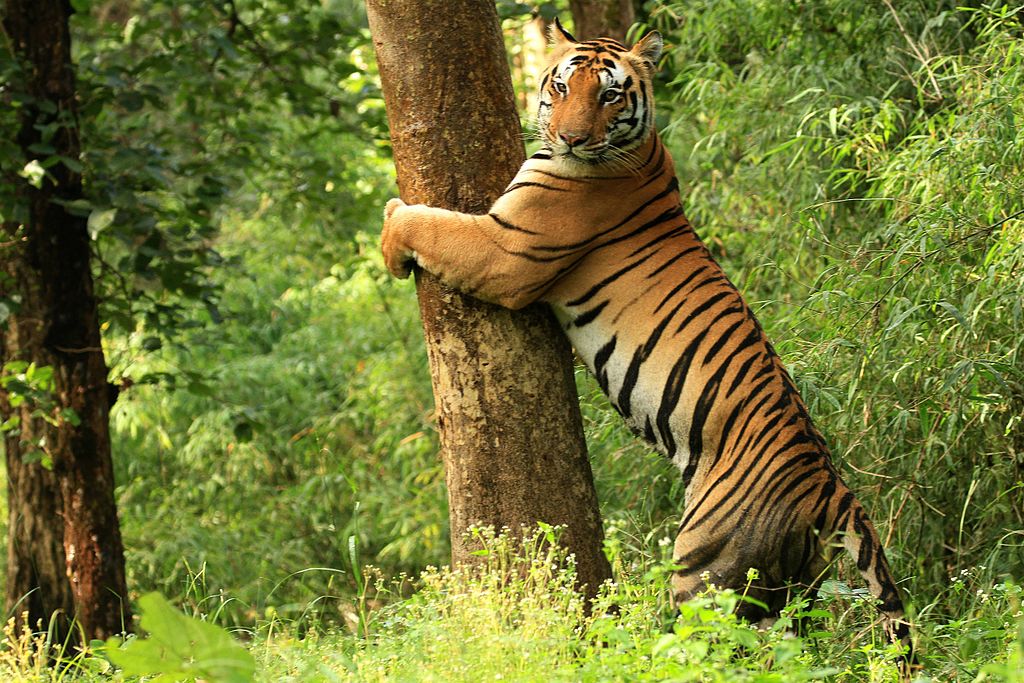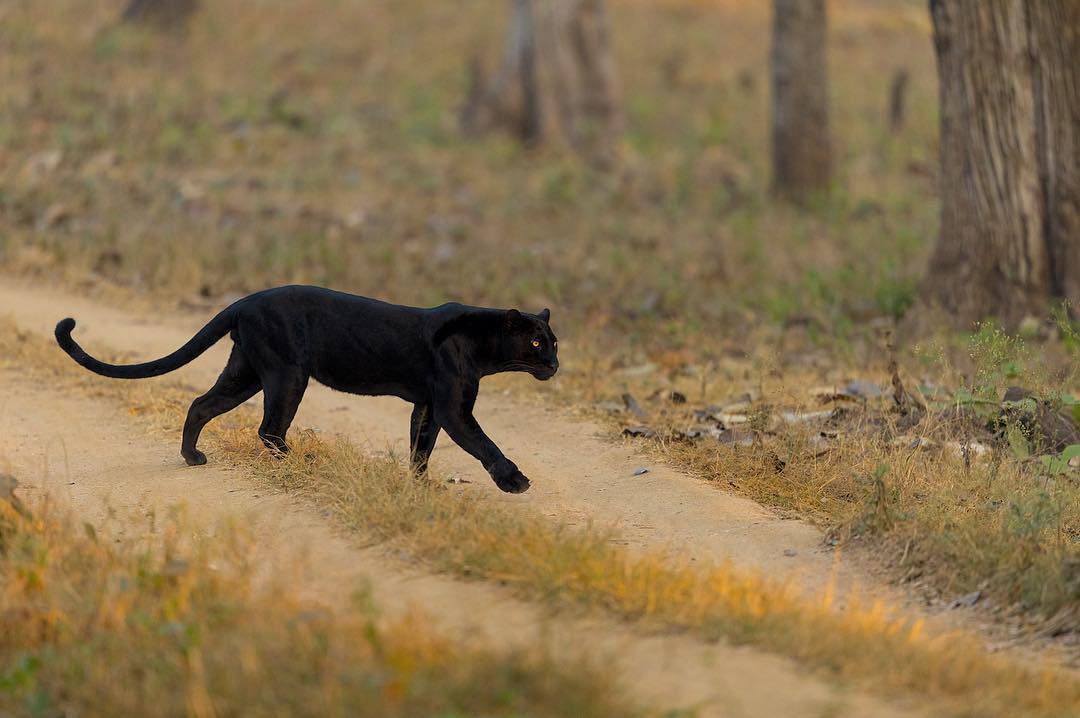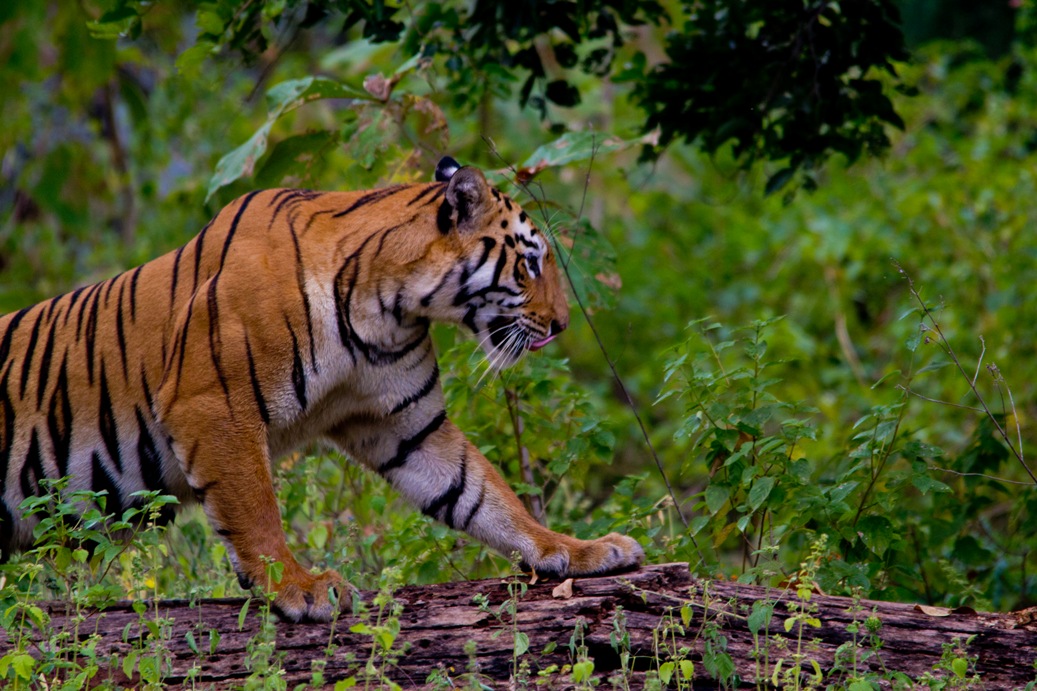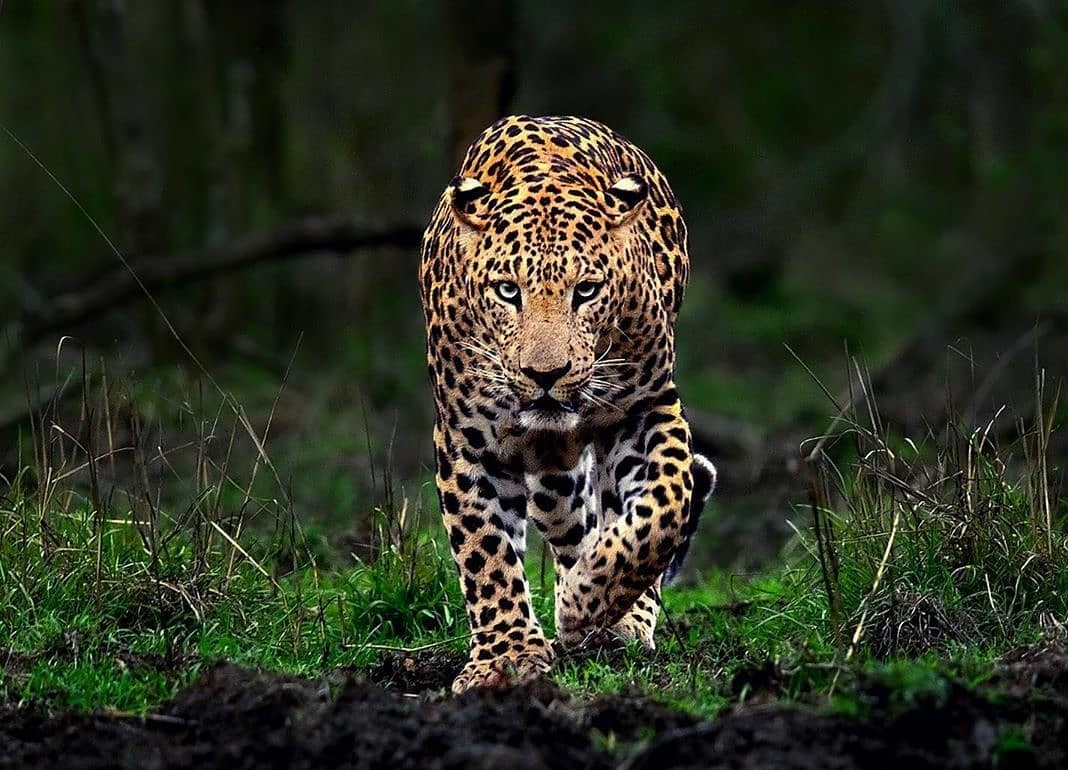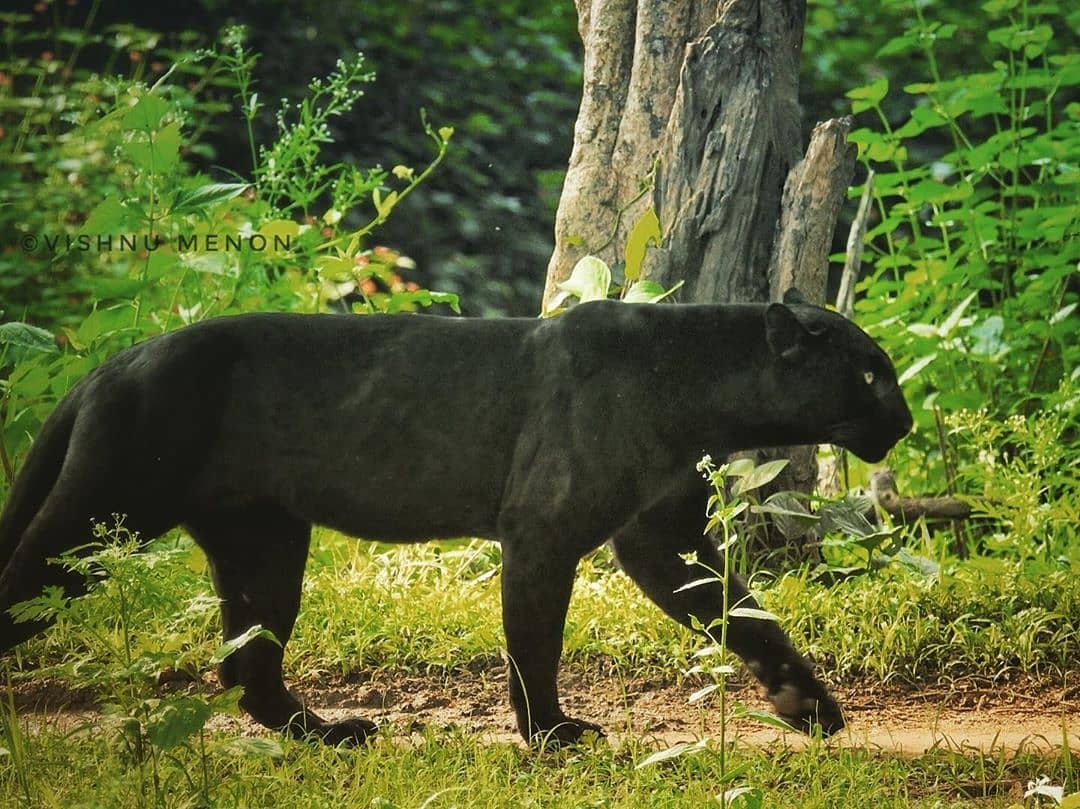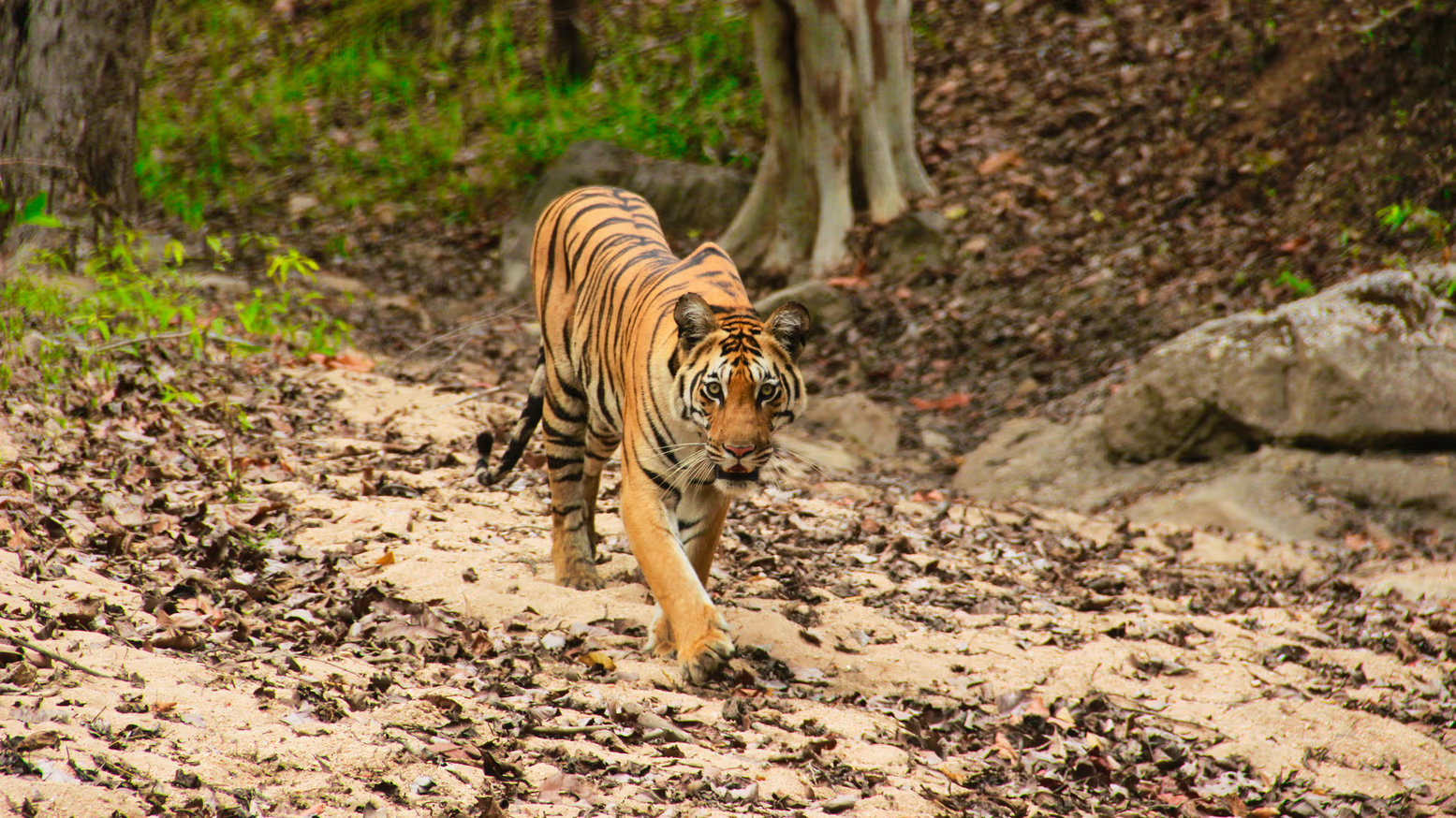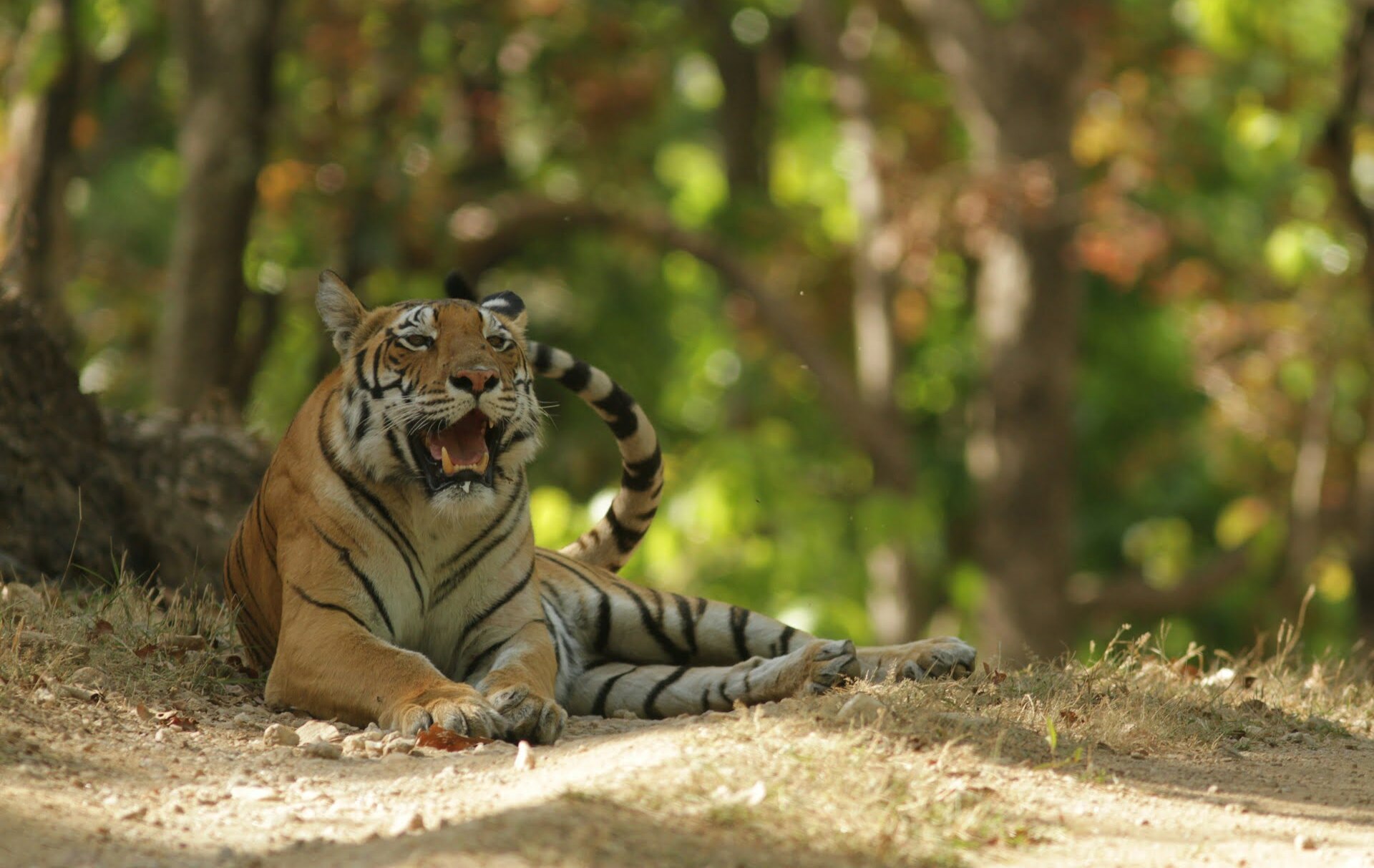
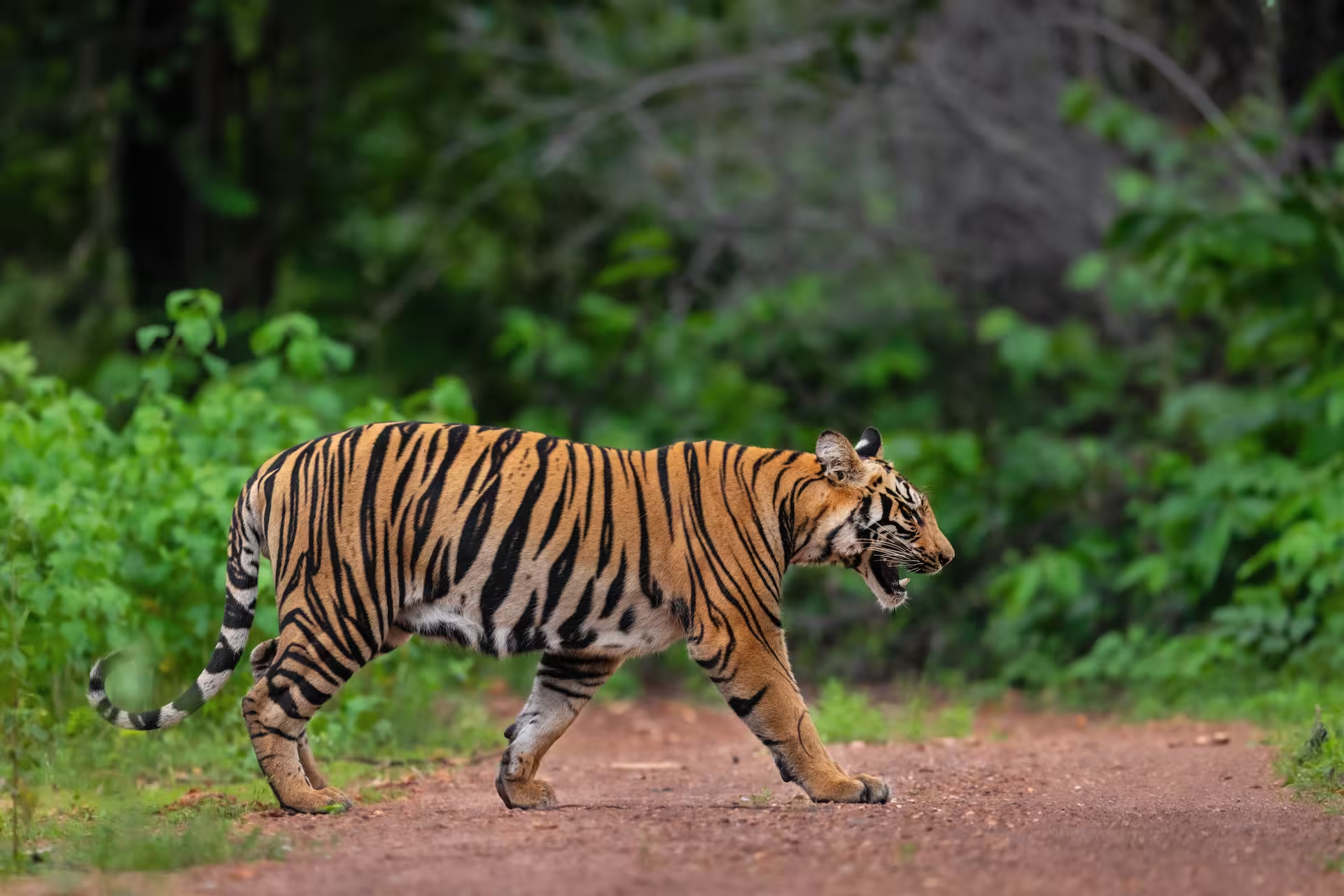
Tigers live as wide-ranging hunters of deep forest. One adult tiger often uses sixty to one hundred and fifty square kilometres of land. The size of this range shifts with prey numbers and forest cover.
Large forests once spread across much of India. Those forests now break into smaller blocks. Roads cut through them. Villages stand along their edges. Farms, towns, and railways split old woodland into pieces.
This break in the forest creates a quiet danger for wildlife.
Tiger corridors offer one answer.
A tiger corridor is a natural forest route that links two larger tiger habitats. These narrow belts of woodland allow tigers and other animals to travel between reserves. Without such routes, tiger groups remain trapped inside isolated forests.
Movement keeps wild populations alive.
Understanding Tiger Corridors in Simple Terms
A tiger corridor is a stretch of forest or natural ground that connects two protected areas.
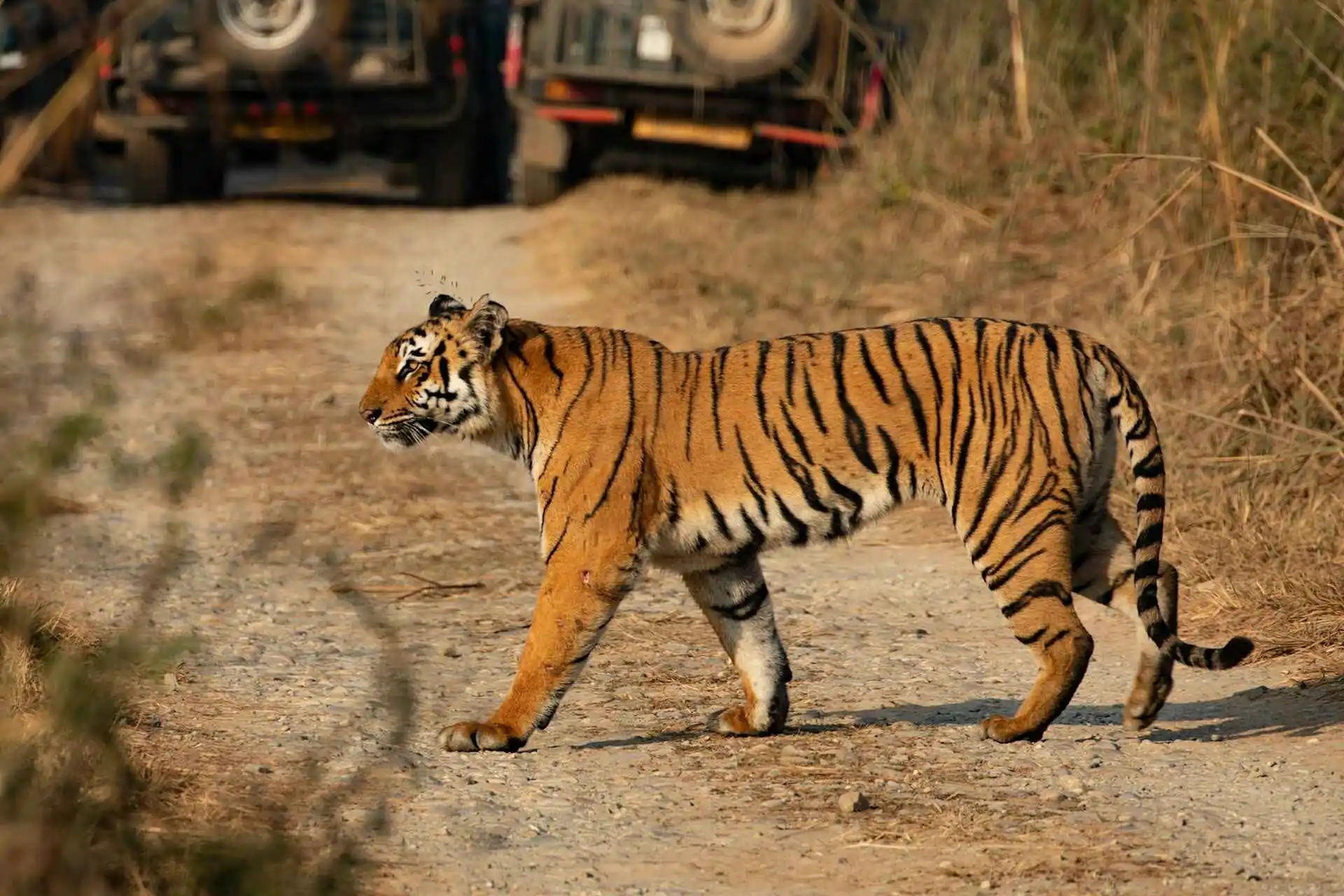
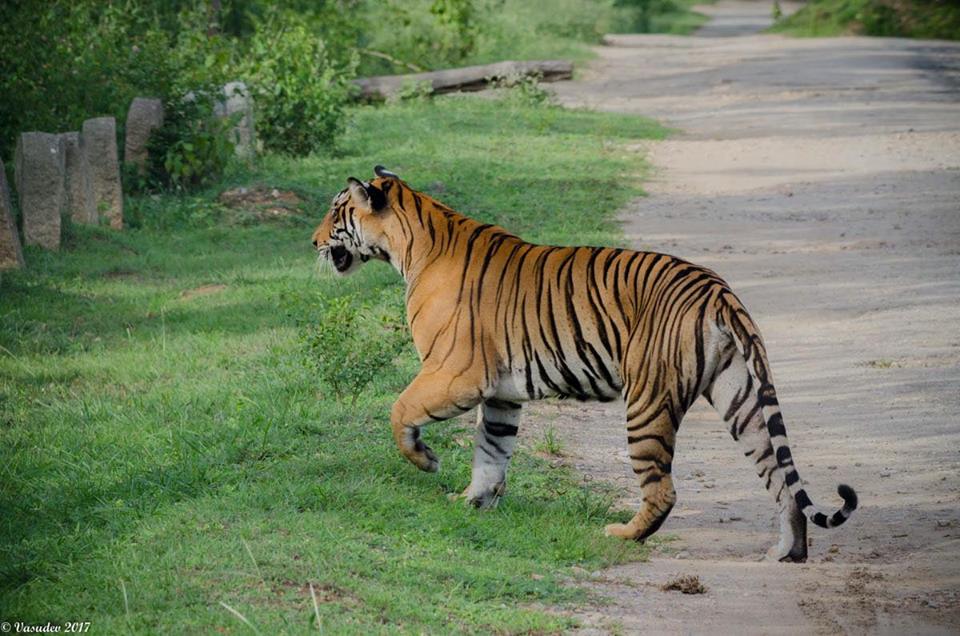
Tigers use these wooded routes as they search for territory, prey, or mates. Young tigers often leave their birth range once they reach two or three years of age. They travel long distances across forest corridors until they claim ground of their own.
This movement forms a quiet pattern across India’s forests.
Many corridors lie outside national parks. Some run through reserve forests managed by state departments. Others cross village lands, grazing areas, or small farms.
From the air these forests appear ordinary. On a map they look like narrow green threads between larger reserves.
Yet these threads hold great value for wildlife survival.
Why Tigers Cannot Survive in Isolated Forests
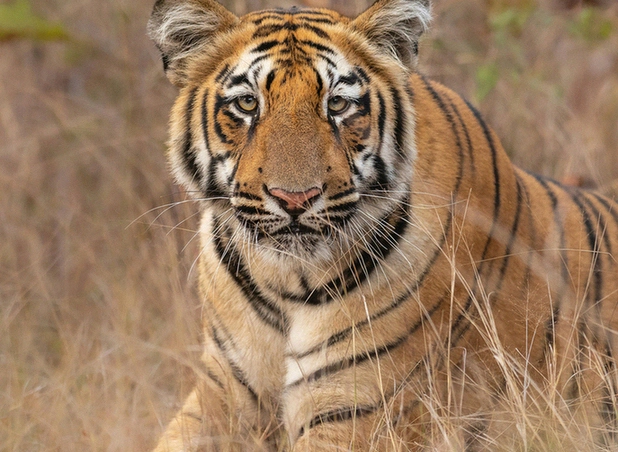
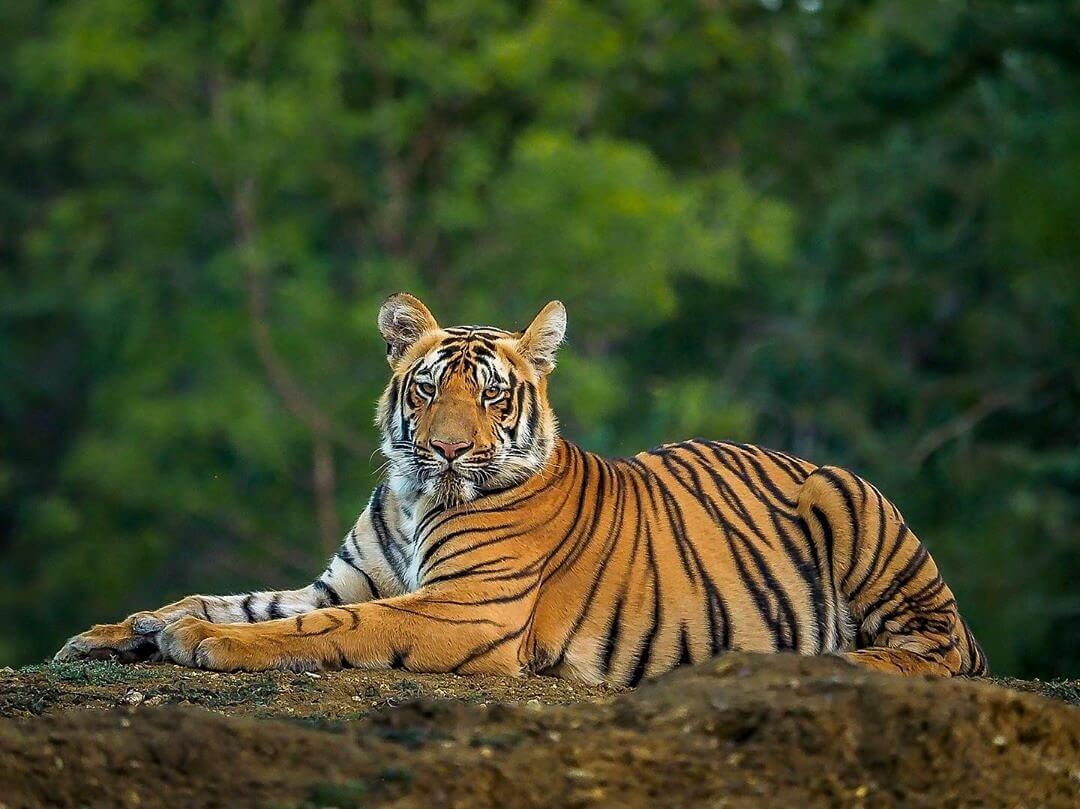
Tigers live alone for most of their lives. Each animal holds a large hunting range.
A forest that stands cut off from others can hold only a few tigers. Over time this isolation creates pressure inside that small population.
Young tigers struggle to find empty ground. Mature animals defend their ranges and force newcomers away.
Breeding choices shrink. Genetic variety drops across generations. A weaker gene pool leads to fragile populations.
Food competition also rises. Too many predators share the same prey base inside one restricted forest.
Connected forests break this pressure.
They allow tigers to spread into new areas and mix with animals from other reserves. This movement strengthens the gene pool and keeps populations stable across wider regions.
How Tiger Corridors Work in the Wild
Tiger corridors follow the shape of the land.
Many run along river valleys where forests still grow thick. Others pass through hill forests, bamboo thickets, or strips of woodland between farms.
Tigers travel through these places with caution. Most movement occurs at night. Dense cover hides them from human sight.
These routes carry more than tigers.
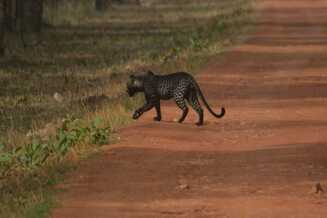
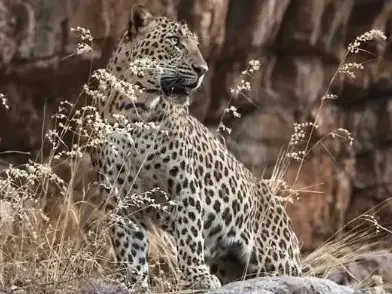
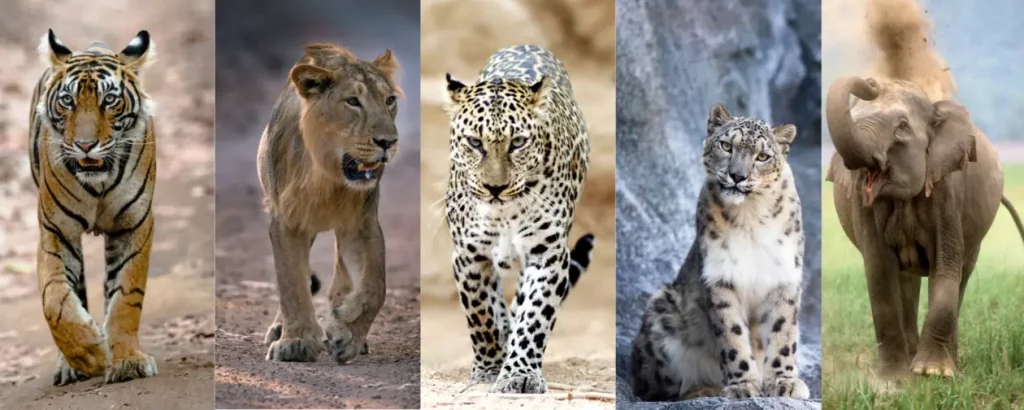
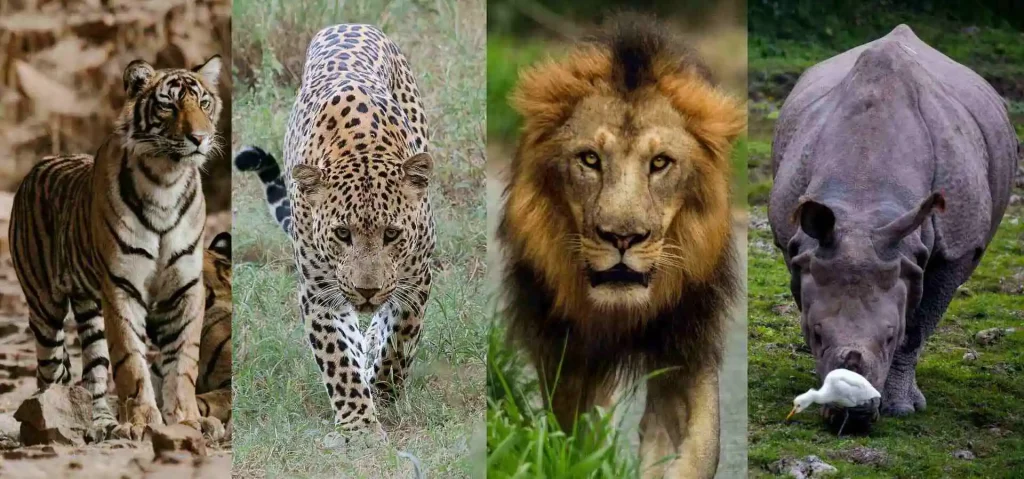
Leopards pass along the same paths. Sloth bears move through the forest at dusk. Packs of wild dogs hunt along old game trails. Deer herds drift across the same ground.
Even elephants cross certain corridors during seasonal travel.
One narrow belt of forest can support many forms of life. The corridor acts as a passage that keeps animal populations linked across great distances.
Important Tiger Corridors in India
India holds several well known corridors that link large tiger reserves. These routes support steady tiger movement across central and northern forests.
Kanha to Pench Corridor
This corridor joins Kanha Tiger Reserve with Pench Tiger Reserve in central India.
Forests between the two reserves still hold enough cover for dispersing tigers. Camera traps record animals moving between these parks.
Leopards, wild dogs, and many herbivores use the same wooded route.
Tadoba to Nagzira and Navegaon Corridor
This forest connection links Tadoba Andhari Tiger Reserve with Nagzira Wildlife Sanctuary and Navegaon National Park.
Eastern Maharashtra holds dense forest patches across this region. Several tigers now living in Nagzira and Navegaon likely travelled through these woods.
The corridor spreads tiger presence across a much wider area.
Bandhavgarh to Sanjay Dubri Corridor
Bandhavgarh Tiger Reserve supports one of the highest tiger densities in India.
Young animals often leave this crowded forest. Many travel north through woodland corridors until they reach Sanjay Dubri Tiger Reserve.
This dispersal reduces pressure inside Bandhavgarh. It allows new forests to support fresh tiger territories.
Corbett Landscape Corridors
Northern India holds another major network around Jim Corbett National Park.
Several forest divisions connect across this region. Tigers move between them across wide tracts of woodland.
These connections help maintain one of the strongest tiger populations in the country.
Threats Facing Tiger Corridors
- Human expansion now presses against many forest corridors.
- Highways cut through woodland routes. Fast traffic brings danger for animals crossing the road at night.
- Railway lines create another barrier across forest ground. Trains pass through several known wildlife corridors.
- Agriculture spreads along corridor edges. Small towns grow beside roads and railway tracks.
- Forest cover shrinks as these changes gather speed.
- Mining projects and large infrastructure plans add further breaks in forest continuity.
What happens if these routes vanish?
Tiger groups remain trapped inside isolated reserves. Over decades the population weakens and declines.
How India Is Protecting Tiger Corridors
Conservation groups across India now map and study wildlife corridors.
The National Tiger Conservation Authority leads many of these efforts. Field teams use camera traps and satellite collars to track tiger movement across forests.
Researchers gather years of data from these studies.
Road planners now build wildlife underpasses along several highways that cross forest corridors. These structures allow animals to move beneath busy roads without meeting traffic.
Rail projects in key wildlife zones also add crossing points.
Forest departments work with nearby villages to restore damaged patches of woodland. New tree growth strengthens the corridor and widens safe passage for wildlife.
These steps protect the quiet routes that animals have used for generations.
Why Tiger Corridors Matter for the Entire Ecosystem
A tiger corridor supports far more than a single species.
Elephants pass along some routes during seasonal travel. Leopards and wild dogs hunt through the same forest cover. Deer and antelope graze across these connecting woods.
Birds nest in the trees along these corridors. Insects and small mammals thrive inside the same habitat.
Free movement keeps predator and prey numbers balanced. Healthy wildlife populations help forests regenerate and spread.
Protecting corridors keeps entire ecosystems linked across wide regions.
What Safari Travelers Should Know About Tiger Corridors
Tiger corridors explain many stories heard on safari.
A tiger photographed in one reserve sometimes appears months later in another park far away. The animal travelled through a forest corridor during its search for territory.
Young dispersing tigers create many of these journeys.
Visitors to central India often witness this slow expansion of tiger range. New territories appear once safe forest routes remain open.
Responsible tourism supports these areas.
Tourism income reaches villages near reserves. Local communities then gain strong reasons to protect nearby forests that form part of wildlife corridors.
Key Understanding
Tiger corridors act as quiet lifelines between India’s forests.
They allow tigers to travel, breed, and settle across wide regions of woodland. A strong reserve alone cannot support the species forever if it stands alone.
Connected forests keep tiger populations healthy across generations.
Protecting these narrow forest routes holds the same value as protecting the reserves themselves. Through them, tigers continue to move across India’s wild forests, just as they have for centuries.