Common Kingfisher (Small Blue Kingfisher)
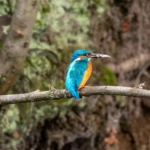
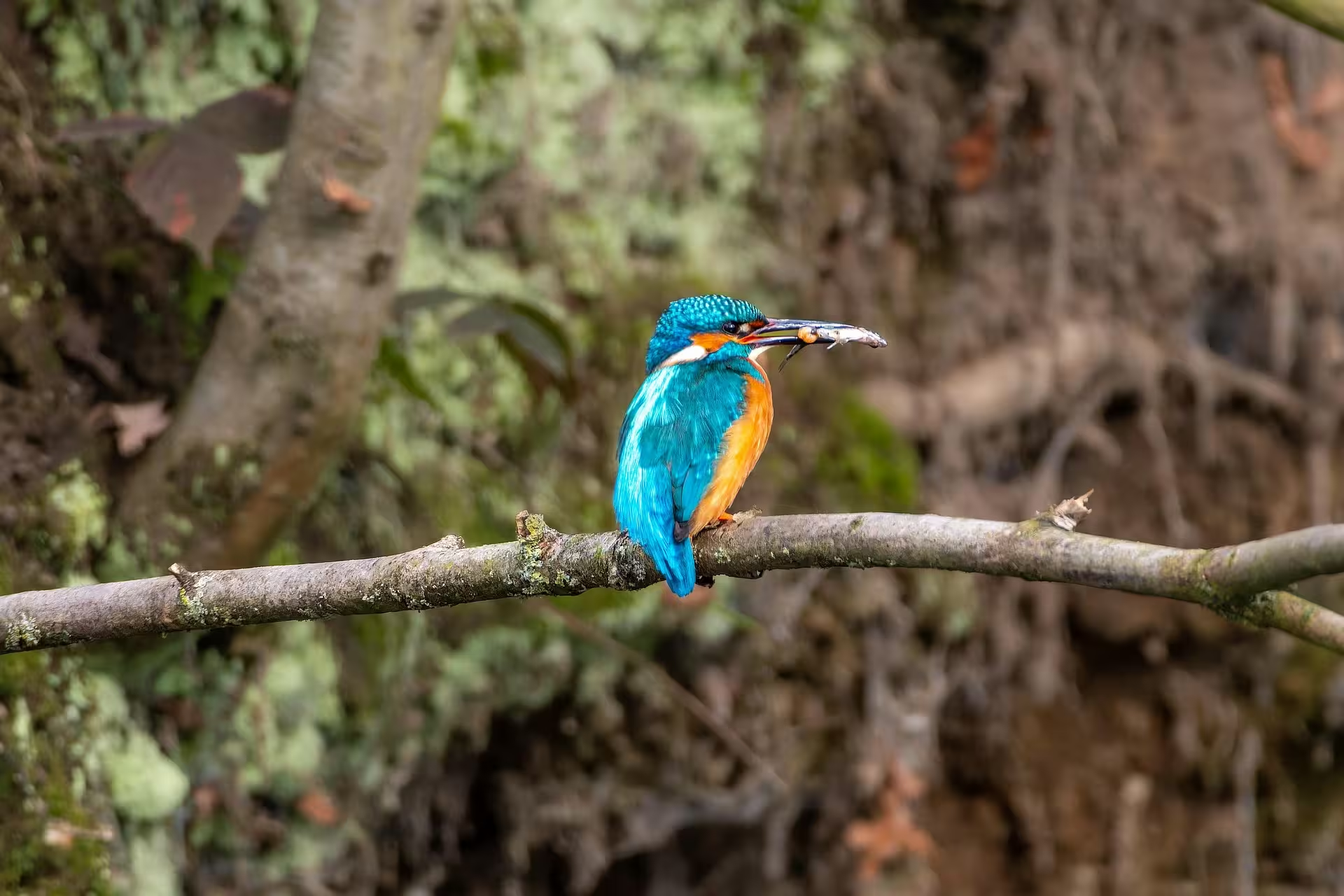
This is the classic kingfisher most people recognize. Small, about sparrow-sized, with electric blue upperparts and orange underparts. A white patch on the throat and neck stands out when you see it from the side. The bill is black in males, reddish at the base in females.
Found across India near rivers, ponds, lakes, and canals. It perches on low branches or rocks overhanging water, watching for small fish. When it spots one, it dives straight down, grabs the fish with its bill, and returns to the perch to swallow it headfirst.
Common kingfishers are territorial and usually solitary. You’ll hear a sharp, high-pitched whistle as they fly low over the water. They’re widespread but need clean water with good visibility to hunt effectively.
White-throated Kingfisher (White-breasted Kingfisher)
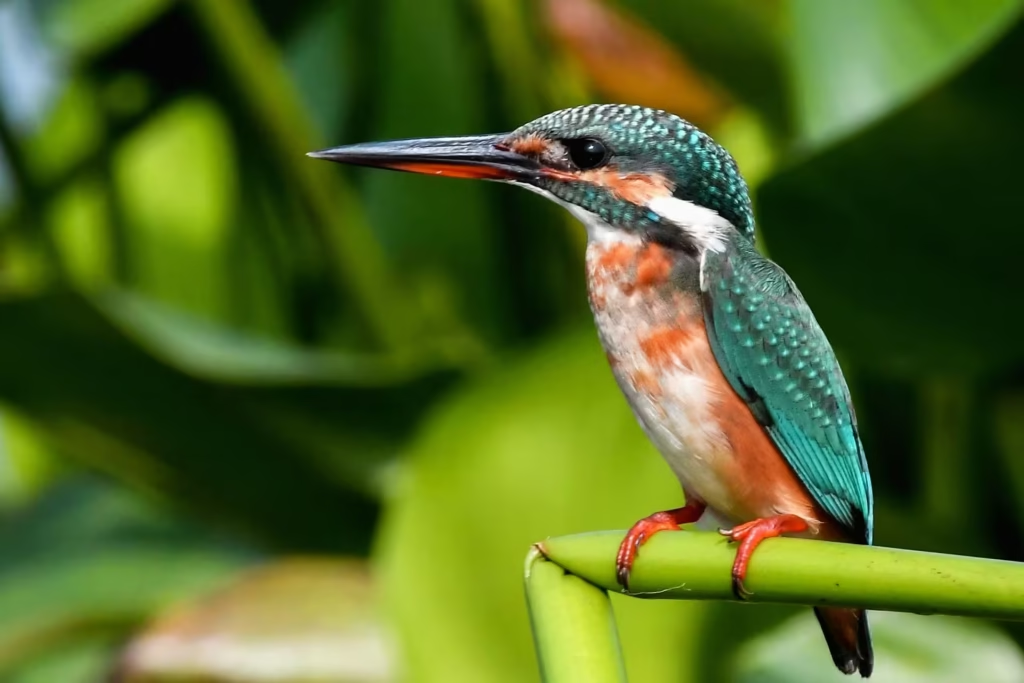
The most common and visible kingfisher in India. You’ll see it in cities, villages, agricultural fields, and scrubland, often nowhere near water. Bright turquoise-blue wings and back, chestnut-brown head and body, and a clean white throat and breast. The bill is bright red.
This kingfisher eats lizards, large insects, small snakes, frogs, and occasionally fish if water is nearby. It sits on telephone wires, fence posts, or exposed branches, scanning the ground for movement. When it spots prey, it drops down, grabs it, and flies back to bash it against the perch before swallowing.
The call is loud and unmistakable – a long, descending rattle that carries across open areas. You’ll hear it long before you see it. This is the kingfisher you’re most likely to spot on any given day in India.
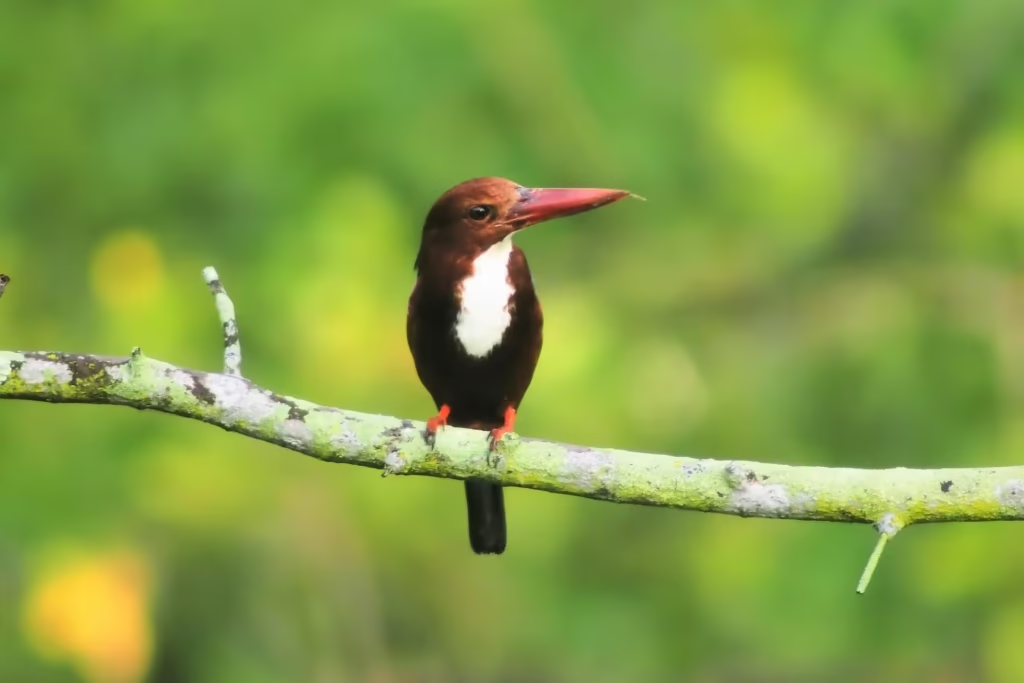
Pied Kingfisher
Black and white plumage with no bright colors. Males have two black breast bands, females have one incomplete band. Medium-sized, with a shaggy crest that stands up when the bird is alert.
The pied kingfisher is the only kingfisher that hovers. It flies over water, stops mid-air with rapid wingbeats, hovers for a few seconds while watching for fish, then either dives straight down or moves to another spot and hovers again. This hunting method sets it apart from every other kingfisher.
Found near rivers, lakes, reservoirs, and coastal areas across India. Often seen in pairs or small groups. They’re vocal and social, quite different from the solitary common kingfisher.
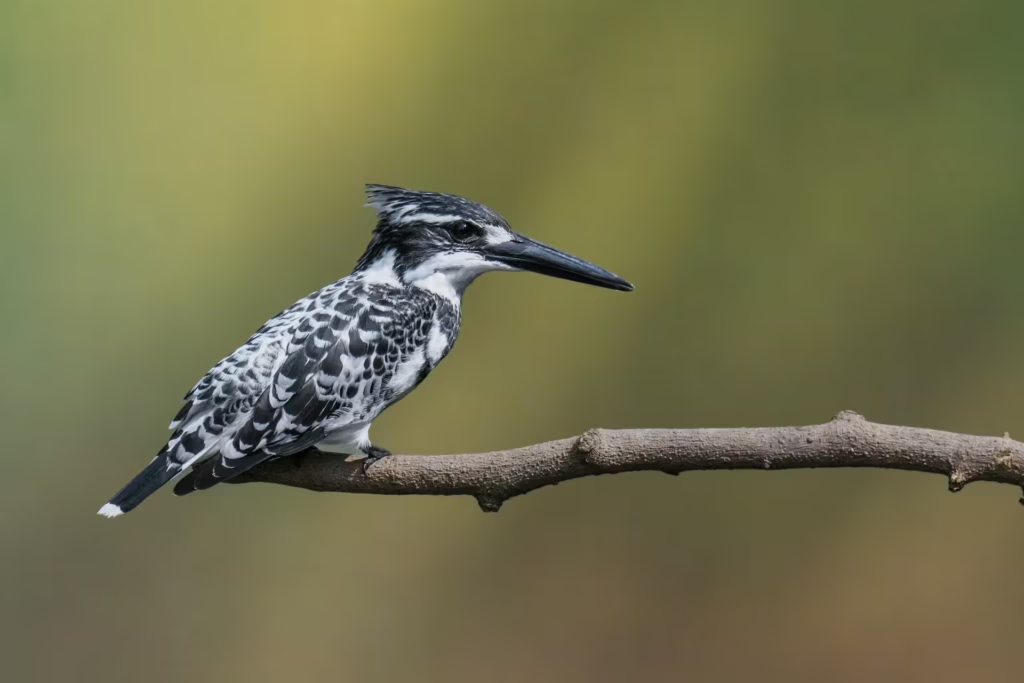
Stork-billed Kingfisher
One of India’s largest kingfishers, nearly the size of a small crow. The massive red bill gives it the name. Turquoise-blue back and wings, yellowish-buff underparts, and a brownish head. In flight, it shows bright blue wings that flash in the sunlight.
This kingfisher prefers densely forested rivers and streams in the Western Ghats, northeast India, and parts of the Himalayas. It’s shy and tends to stay hidden in forest cover despite its large size. The call is a loud, harsh scream that echoes through the forest.
Stork-billed kingfishers eat large fish, crabs, frogs, lizards, and even small birds. They hunt from a perch and dive into shallow water or snatch prey from the ground.
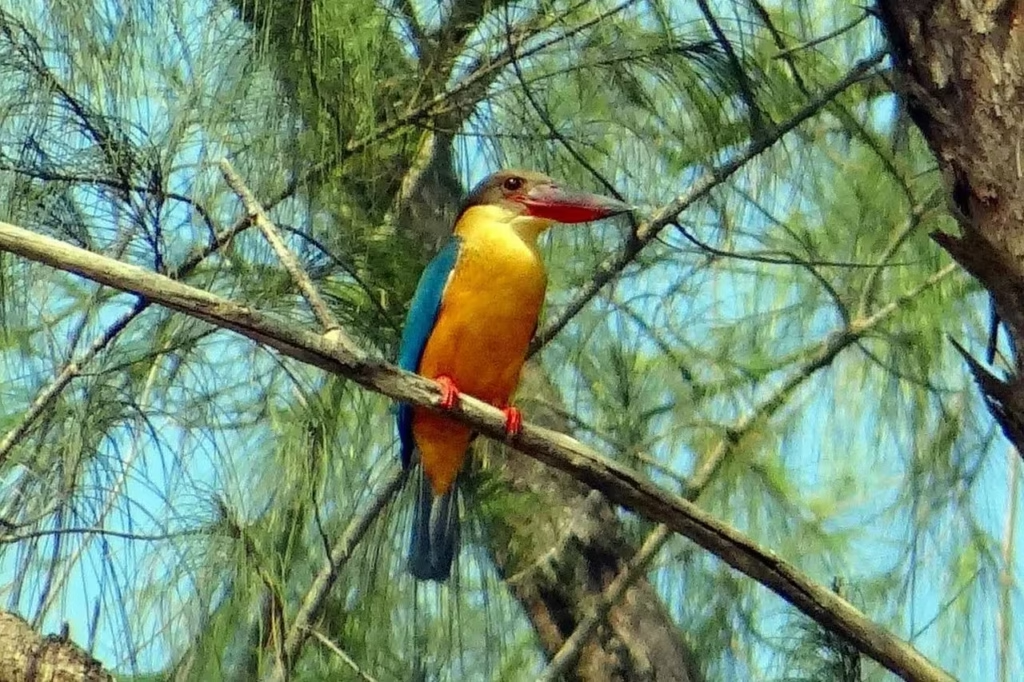
Brown-winged Kingfisher
Rare and localized in northeast India and the Western Ghats. Chocolate-brown wings, bright blue rump and tail, coral-red bill, and rufous underparts. Slightly smaller than the stork-billed kingfisher but with a similar build.
Found along forested streams and rivers with dense canopy cover. This bird is hard to spot because it stays in thick vegetation and moves quietly. Even experienced birders consider a brown-winged kingfisher sighting noteworthy.
Best chance of seeing one is in northeast India during early morning when the bird is most active. Listen for its deep, resonant call near forest streams.
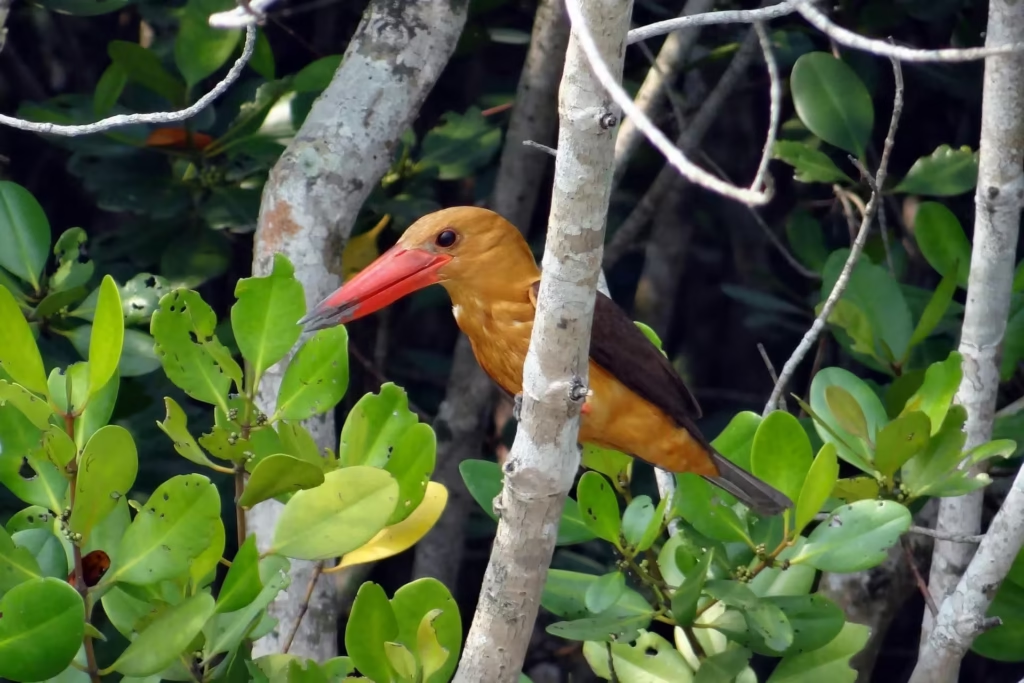
Black-capped Kingfisher
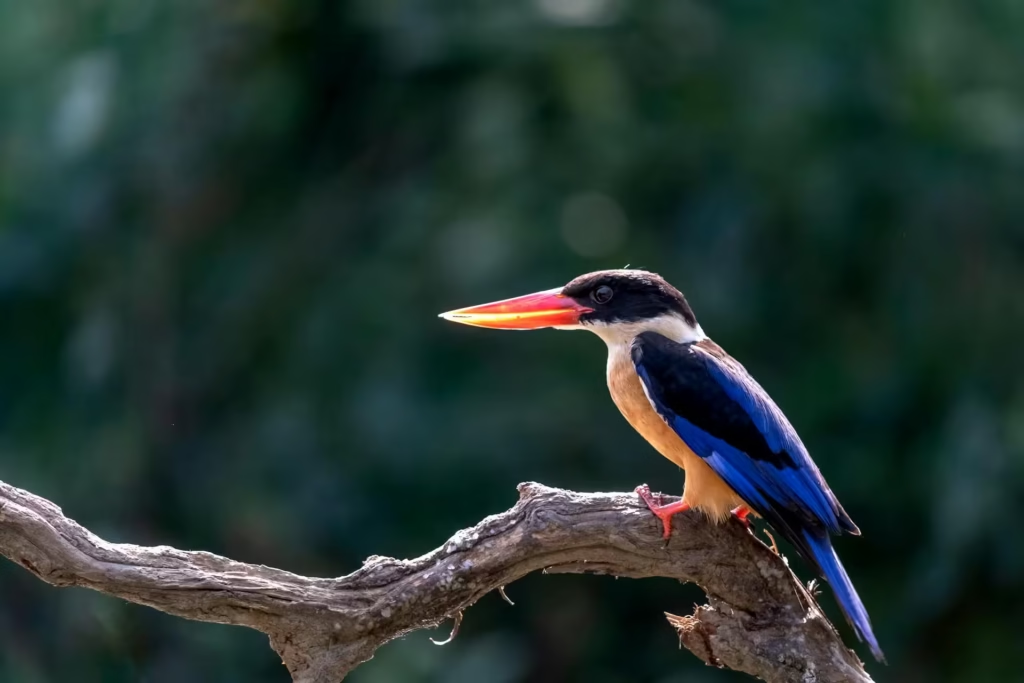
A winter visitor to coastal India, mainly from October to April. Black cap and nape, purple-blue back and wings, rufous-orange underparts, and a red bill. Slightly larger than the common kingfisher.
Found in mangroves, estuaries, tidal creeks, and coastal wetlands. This kingfisher migrates from breeding grounds in East Asia and spends the winter months along India’s coasts. It eats fish, crabs, mudskippers, and insects.
Look for it perched on mangrove branches or posts near tidal areas. The Sundarbans, coastal Kerala, and Gujarat’s coastal wetlands offer good sighting opportunities during winter.
Collared Kingfisher (White-collared Kingfisher)
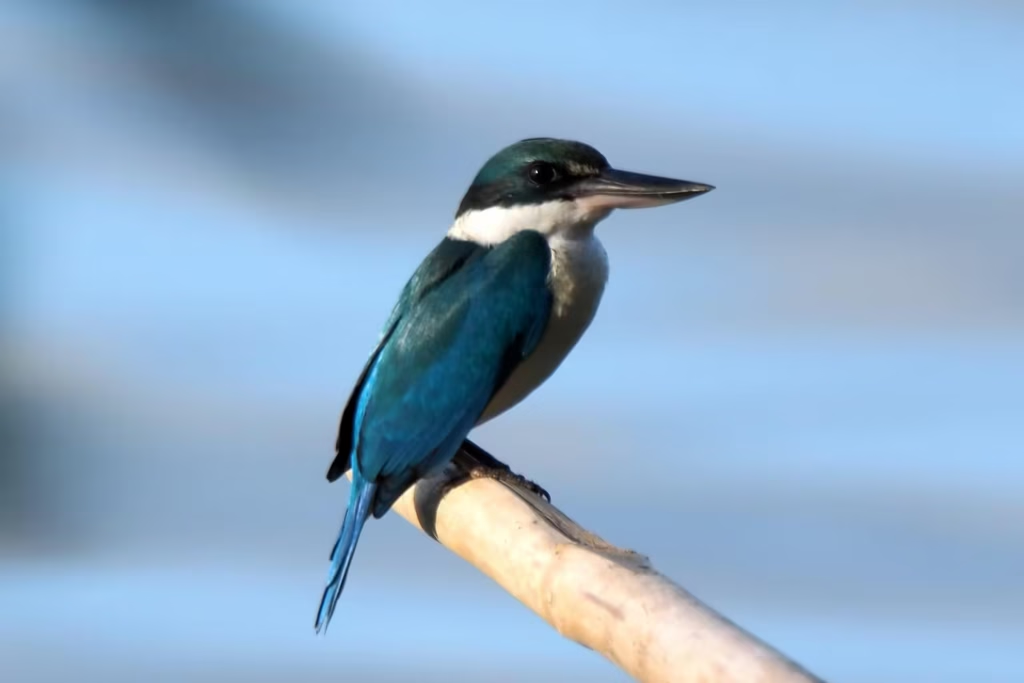
A coastal and island specialist found primarily in the Andaman and Nicobar Islands. Greenish-blue upperparts, white underparts, and a distinctive white collar around the neck. The bill is black and stout.
This kingfisher lives in mangrove forests, coastal scrub, and even human settlements on the islands. Unlike most kingfishers, it eats a lot of crabs, insects, lizards, and small vertebrates, with fish being only a small part of its diet.
The call is loud and repetitive, a series of harsh notes that carry across coastal areas. If you’re birding in the Andamans, you’ll encounter this kingfisher regularly.
Ruddy Kingfisher
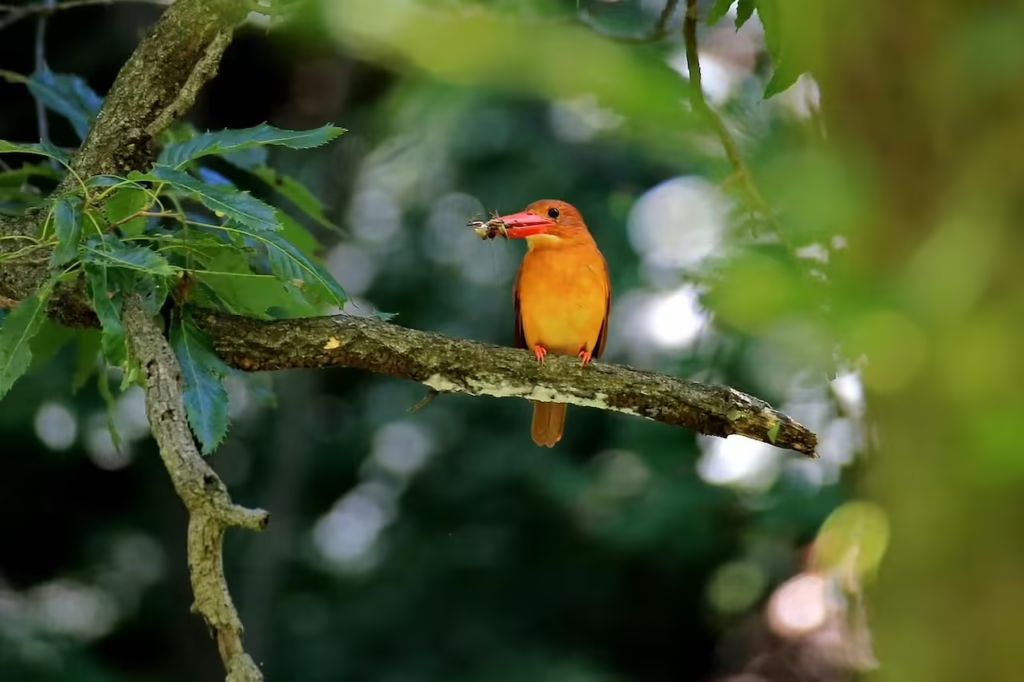
A rare passage migrant seen mainly in northeast India, occasionally in the Andaman Islands. The entire body is rufous-orange with a purple wash on the back and wings. The bill is coral-red. Medium-sized, with a chunky build.
This kingfisher prefers dense evergreen forests near streams. It’s extremely secretive and hard to spot even when present. Most sightings happen during migration periods in spring and autumn.
If you want to see a ruddy kingfisher, focus your efforts on northeast India’s forests during April-May or September-October. Even then, luck plays a major role.
Oriental Dwarf Kingfisher (Black-backed Kingfisher)
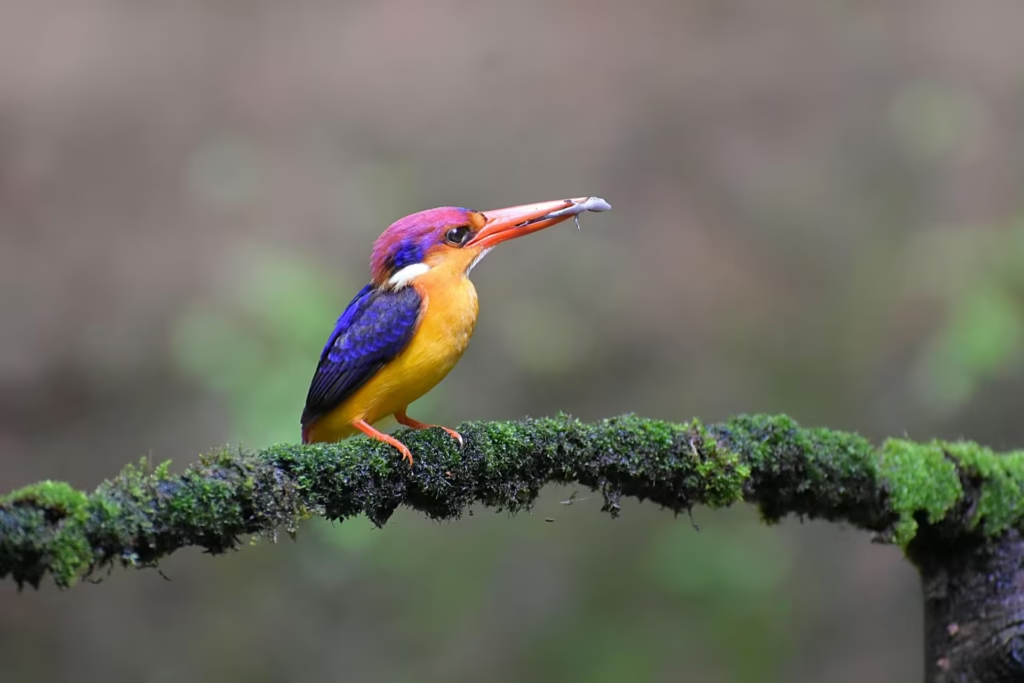
A tiny jewel of the forest floor, barely larger than a sparrow. Coral-red bill, violet-blue back, orange-rufous underparts, yellow feet, and a blue-and-black head pattern. One of the most colorful birds in India.
Oriental Dwarf kingfisher is a monsoon visitor to the Western Ghats and northeast India, arriving in June and staying until October. It hunts insects, small frogs, and invertebrates along shaded forest streams and in damp leaf litter. Unlike other kingfishers, it often hunts on the ground.
Photographers travel specifically to see and photograph this bird during the monsoon. The colors are so bright they almost look unreal. Kerala’s forests and the hills of northeast India are the best places to find it.
Blue-eared Kingfisher
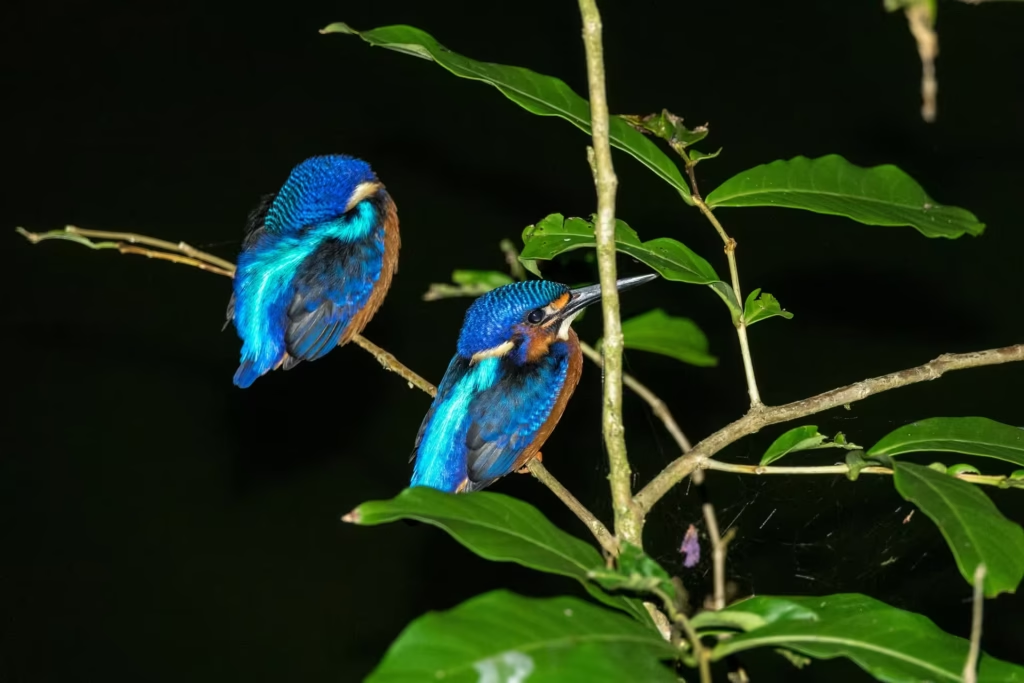
Looks very similar to the common kingfisher but darker overall. Deep blue upperparts, blue ear patches (hence the name), and rufous-orange underparts. The blue is richer and darker than the common kingfisher’s electric blue.
Found along shaded forest streams in the Western Ghats, northeast India, and parts of the Himalayas. This kingfisher prefers dense forest cover and avoids open areas, making it much harder to find than the common kingfisher.
The key identification feature is the darker blue color and the blue (not orange) ear coverts. It’s smaller and shyer than the common kingfisher, usually staying deep in forest shade.
Blyth’s Kingfisher
A large, shy, forest-dwelling kingfisher found in northeast India and parts of the Western Ghats. Yellow bill, blue upperparts, rufous underparts with some blue streaking, and a distinctive blue band across the chest.
This kingfisher prefers hill streams in dense forest, usually at higher elevations. It’s rarely seen even by experienced birders because it stays hidden in thick riverside vegetation and is extremely wary of humans.
Blyth’s kingfisher feeds on fish, crabs, and aquatic insects. The call is a loud, harsh rattle, but hearing it doesn’t mean you’ll see the bird. It often calls from deep within forest cover.
Crested Kingfisher
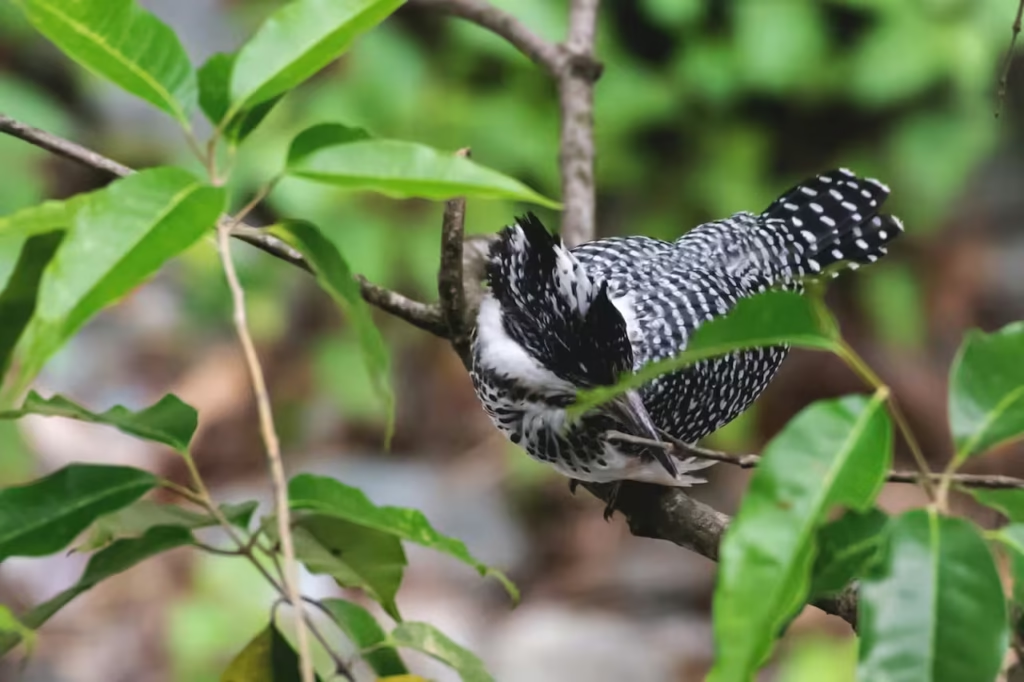
The largest kingfisher in India, about the size of a small crow. Black and white plumage with no bright colors. A shaggy, spiky crest on the head gives it a distinctive profile. White underparts heavily streaked with black.
Found along fast-flowing Himalayan rivers and streams in Uttarakhand, Himachal Pradesh, and Arunachal Pradesh. This is a high-altitude specialist, usually seen between 1,000 and 2,500 meters elevation. It sits on boulders in the middle of rivers, watching for fish in the clear mountain water.
Crested kingfishers hunt large fish and can handle prey up to 15 centimeters long. They fly low over the water with powerful, direct flight. The call is a loud, rattling series of notes that echoes off the valley walls.
Where to See Different Kingfishers
For Common Species (Common, White-throated, Pied): Any wetland, lake, river, or canal across India. Urban parks with water bodies work well. The white-throated kingfisher doesn’t even need water nearby – look in agricultural fields, gardens, and scrubland. Early morning gives the best sighting opportunities.
For Forest Kingfishers (Oriental Dwarf, Stork-billed, Blue-eared, Brown-winged): Western Ghats forests in Kerala, Karnataka, and Tamil Nadu during monsoon season (June to October) for the oriental dwarf kingfisher. Northeast India’s forests in Assam and Arunachal Pradesh year-round for stork-billed and brown-winged kingfishers. Shaded forest streams are the key habitat.
For Himalayan Species (Crested, Blyth’s): Hill streams in Uttarakhand and Himachal Pradesh. The crested kingfisher is easier to spot sitting on mid-river boulders. October to March offers better visibility when water levels are lower.
For Coastal Species (Collared, Black-capped): Mangroves of the Sundarbans and Andaman Islands for the collared kingfisher. Coastal wetlands in Kerala, Gujarat, and the Andamans for the black-capped kingfisher during winter months (November to March).
Kingfisher Conservation Status in India
Most of India’s kingfisher species are stable. Common, white-throated, and pied kingfishers adapt well to human-modified landscapes and show no signs of decline. Forest specialists like the oriental dwarf, brown-winged, and Blyth’s kingfishers face habitat loss as forests get fragmented or degraded.
Water pollution affects river-dependent species. Pesticides in agricultural runoff reduce fish and insect populations that kingfishers rely on. Clean rivers and healthy forests directly support kingfisher populations.
Photography Tips for Kingfishers
Kingfishers require patience and stillness. Find a known perch near water and wait quietly. Early morning and late afternoon provide the best light and most active hunting periods.
A long lens is essential. 300mm minimum, 400-600mm ideal. Kingfishers are small and shy. Position yourself downstream from the perch so the bird faces into better light. Use a fast shutter speed (1/1000 or faster) to freeze motion during dives.
Don’t chase or flush kingfishers repeatedly. If the bird flies off, wait. It will often return to the same perch after a few minutes.
India’s 12 kingfisher species range from the common white-throated kingfisher you see in every city to the rare ruddy kingfisher that only shows up during migration. Some are easy to find, others require serious effort and luck. But even the common ones are worth stopping to watch. A kingfisher diving for a fish or snatching a lizard off a wall is never boring.