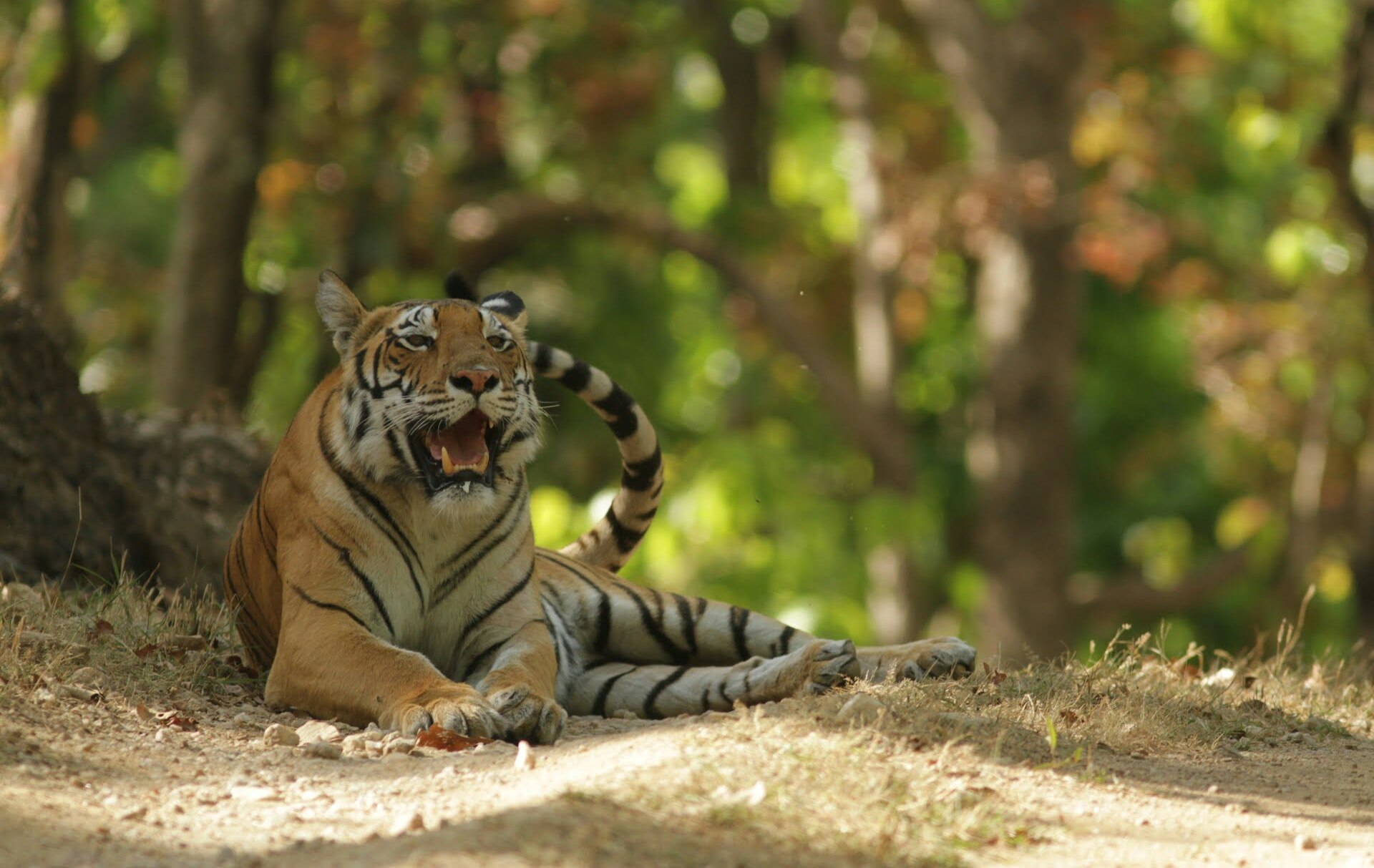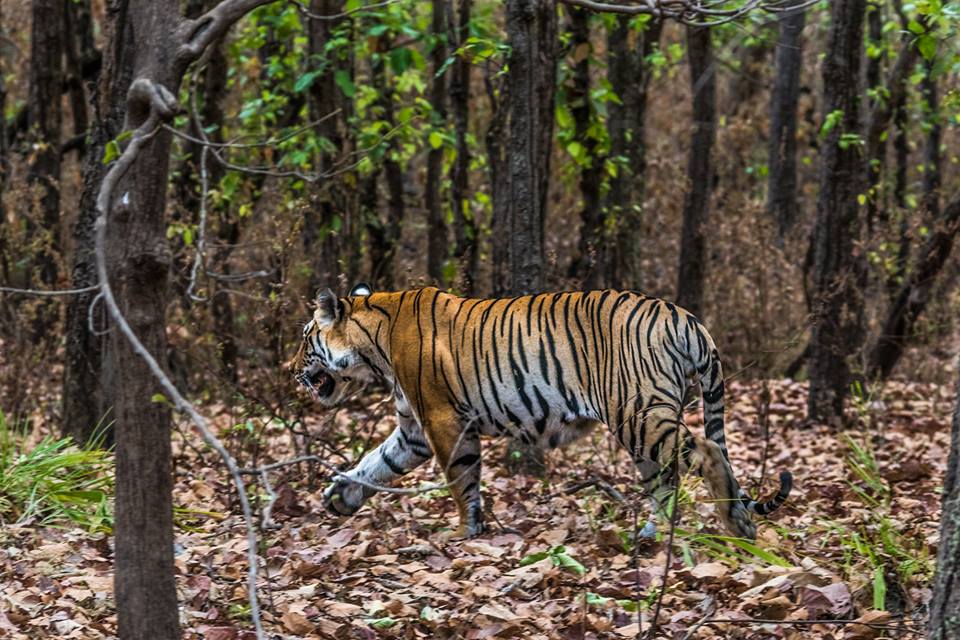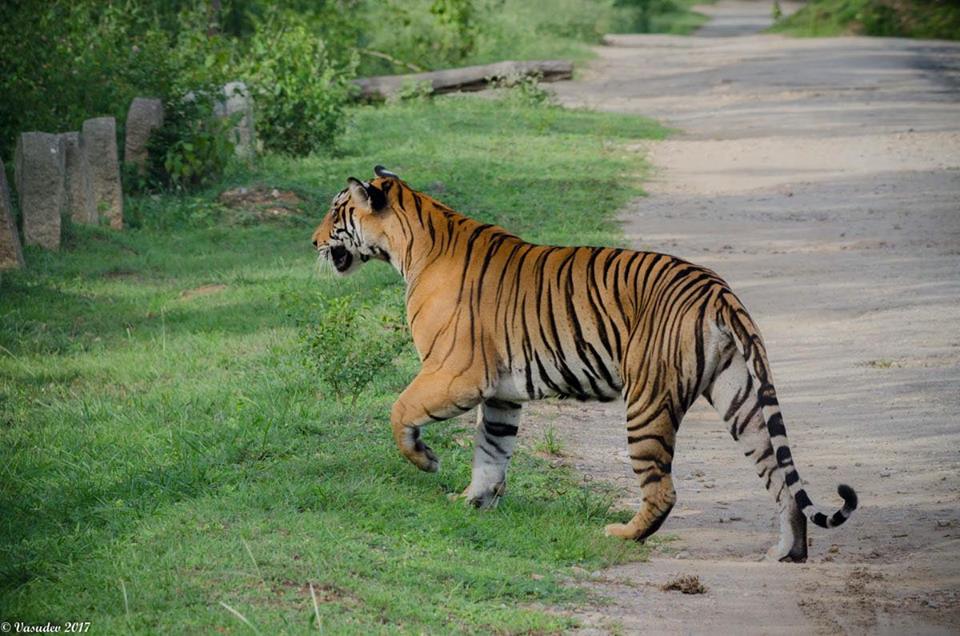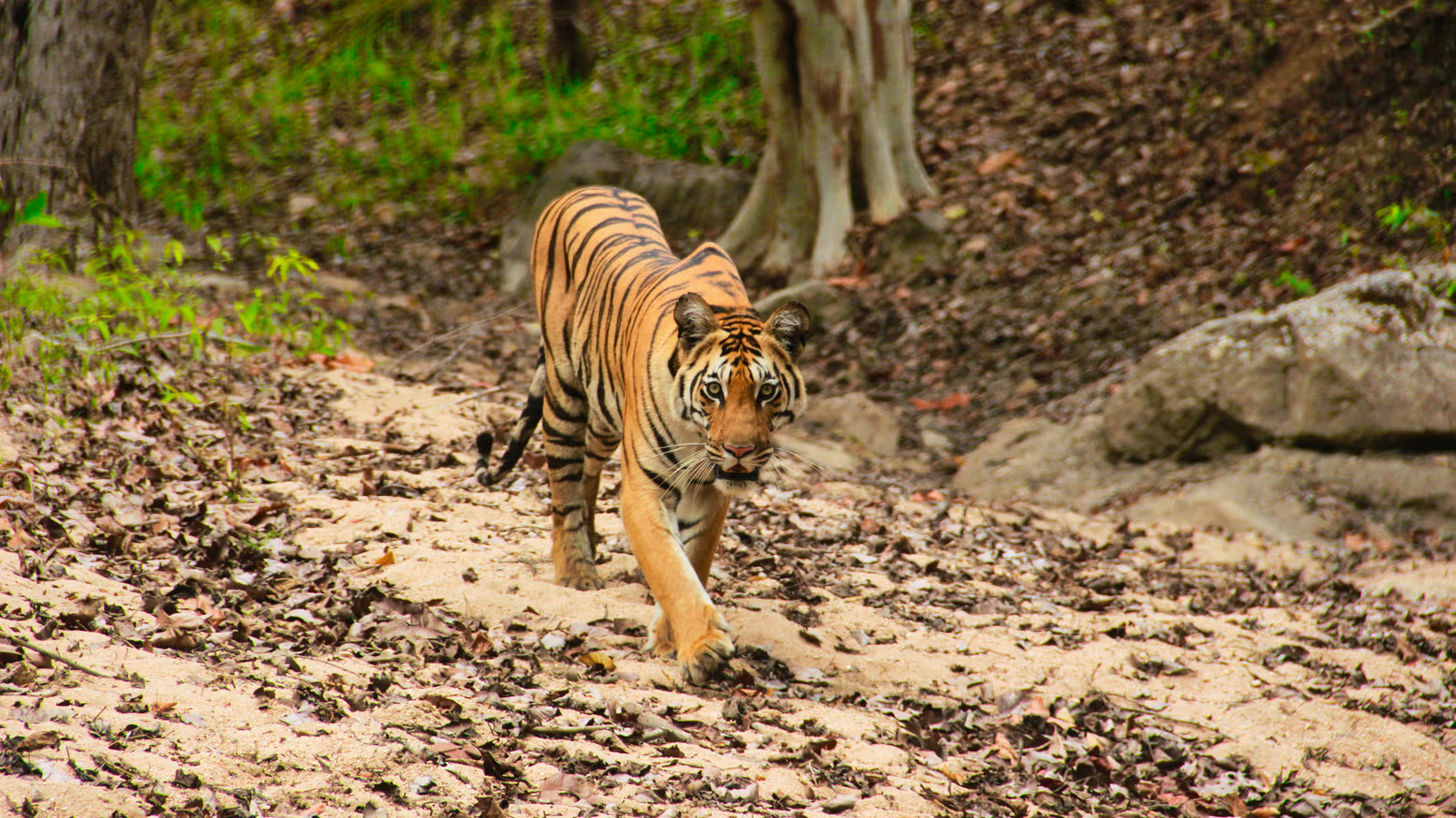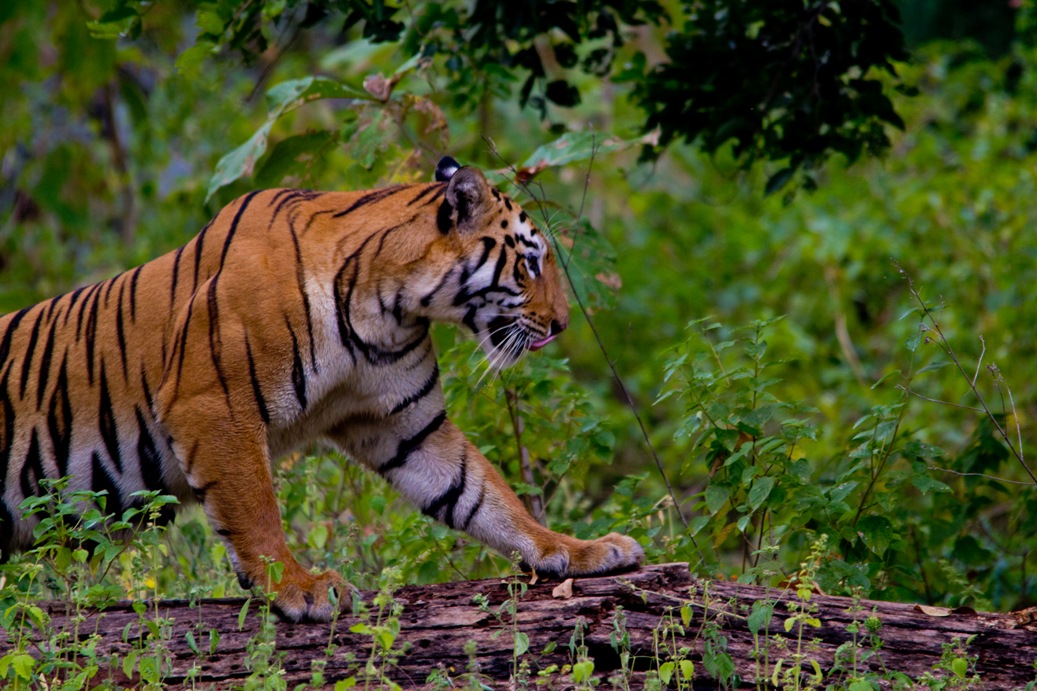
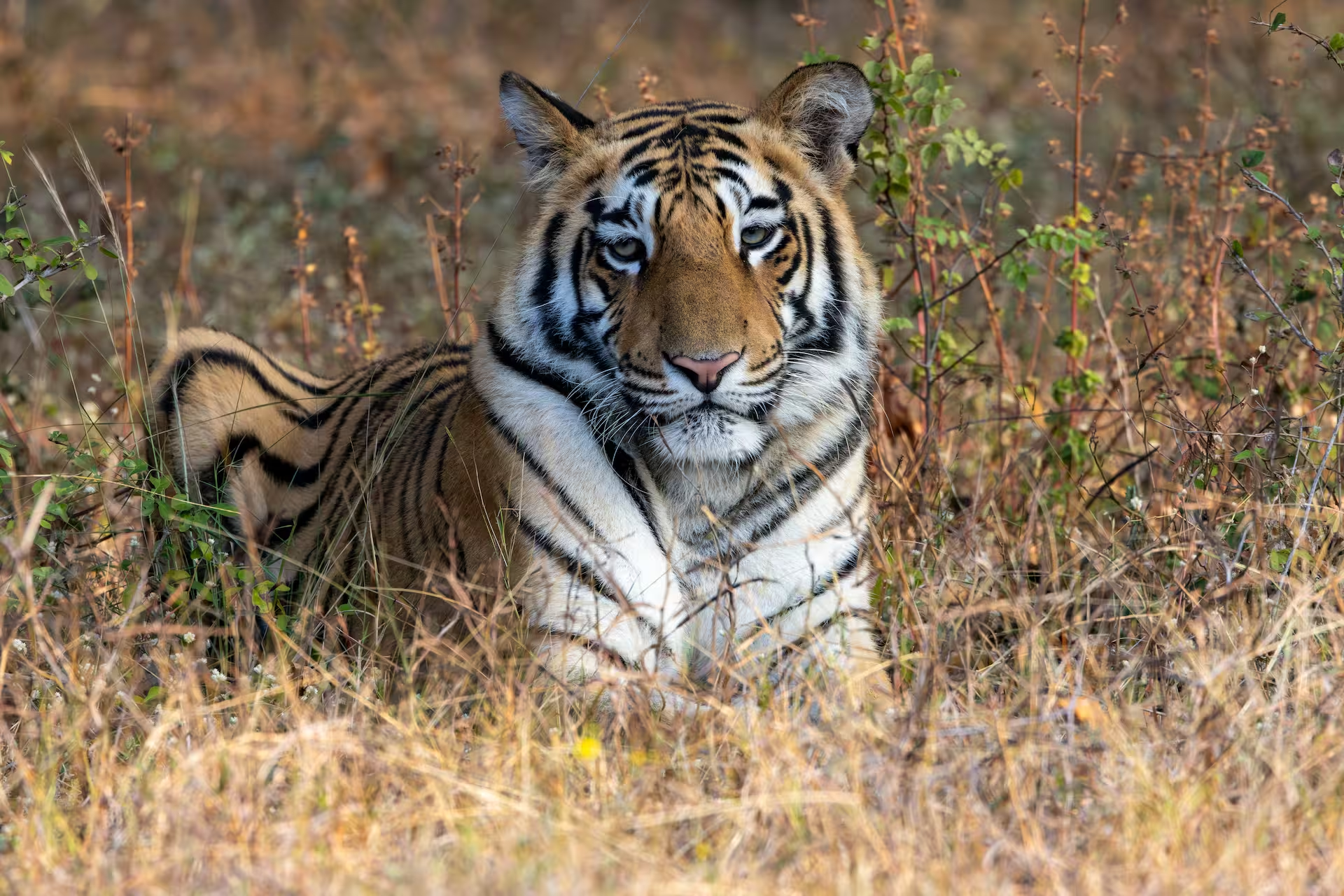
The 2026 All India Tiger Estimation kicked off in early January across forests, reserves, and tiger corridors nationwide. This is the sixth cycle of the world’s largest wildlife monitoring exercise, involving thousands of forest staff, volunteers, and wildlife experts working together to track not just tigers, but entire forest ecosystems. The final report, expected by 2027, will tell us whether India’s tiger conservation efforts are still working or if new threats have emerged.
What Is the All India Tiger Estimation?
The All India Tiger Estimation is a nationally coordinated exercise conducted every four years by the National Tiger Conservation Authority and the Wildlife Institute of India, with active participation from State Forest Departments. It holds a Guinness World Record for being the most extensive wildlife survey on the planet in terms of area covered, number of participants, and technological deployment.
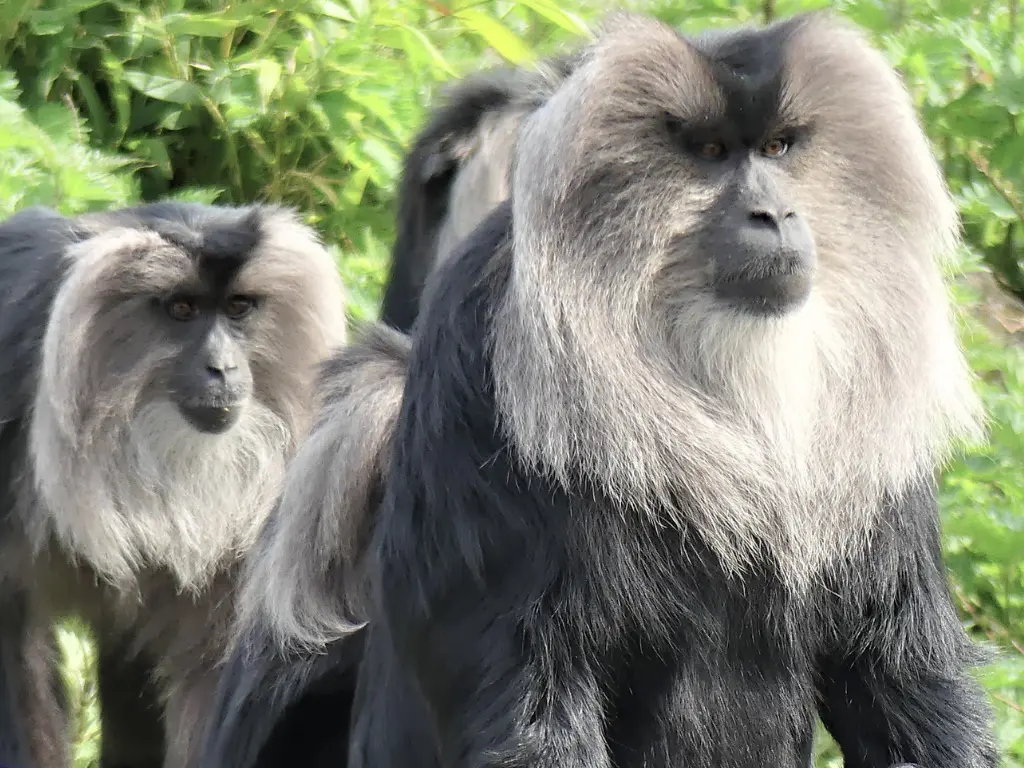
This isn’t just a tiger headcount. The census monitors co-predators like leopards, wild dogs, and hyenas, tracks prey populations including deer and gaur, and assesses habitat quality across protected areas and corridors. Thousands of forest staff, trained volunteers, and scientific institutions work together over several months to collect data that will shape conservation policy for the next four years.
The 2026 cycle began in January, and Phase I field surveys are running through February across different states. Data collection, verification, and analysis will continue through 2026, with the final national report expected in 2027.
How the Census Actually Works
Phase I: Sign Surveys and Habitat Assessment
Field teams walk designated forest beats recording indirect evidence of tigers and other wildlife. They document pugmarks, scat, scratch marks on trees, kill sites, and territorial markings. Every piece of evidence gets logged into the M-STrIPES mobile application with GPS coordinates, timestamps, and photographs.
Prey base surveys run simultaneously. Teams count spotted deer, sambar, barking deer, gaur, wild boar, and other herbivores using line transect methods. The ratio of prey to predators tells scientists whether the habitat can support current tiger numbers or if populations are under stress.
Habitat assessment involves evaluating forest density, water source availability, human disturbance levels, and corridor connectivity. This phase is happening right now across India, from January through February 2026.
Phase II: Camera Trapping
Thousands of camera traps get deployed in areas where Phase I sign surveys indicated high tiger activity. These motion-activated cameras run for 40 to 60 days, capturing photos of every animal that passes by.
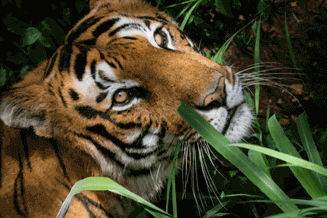
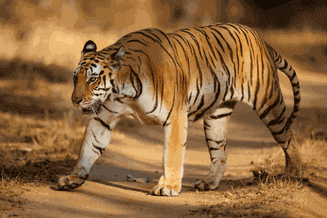
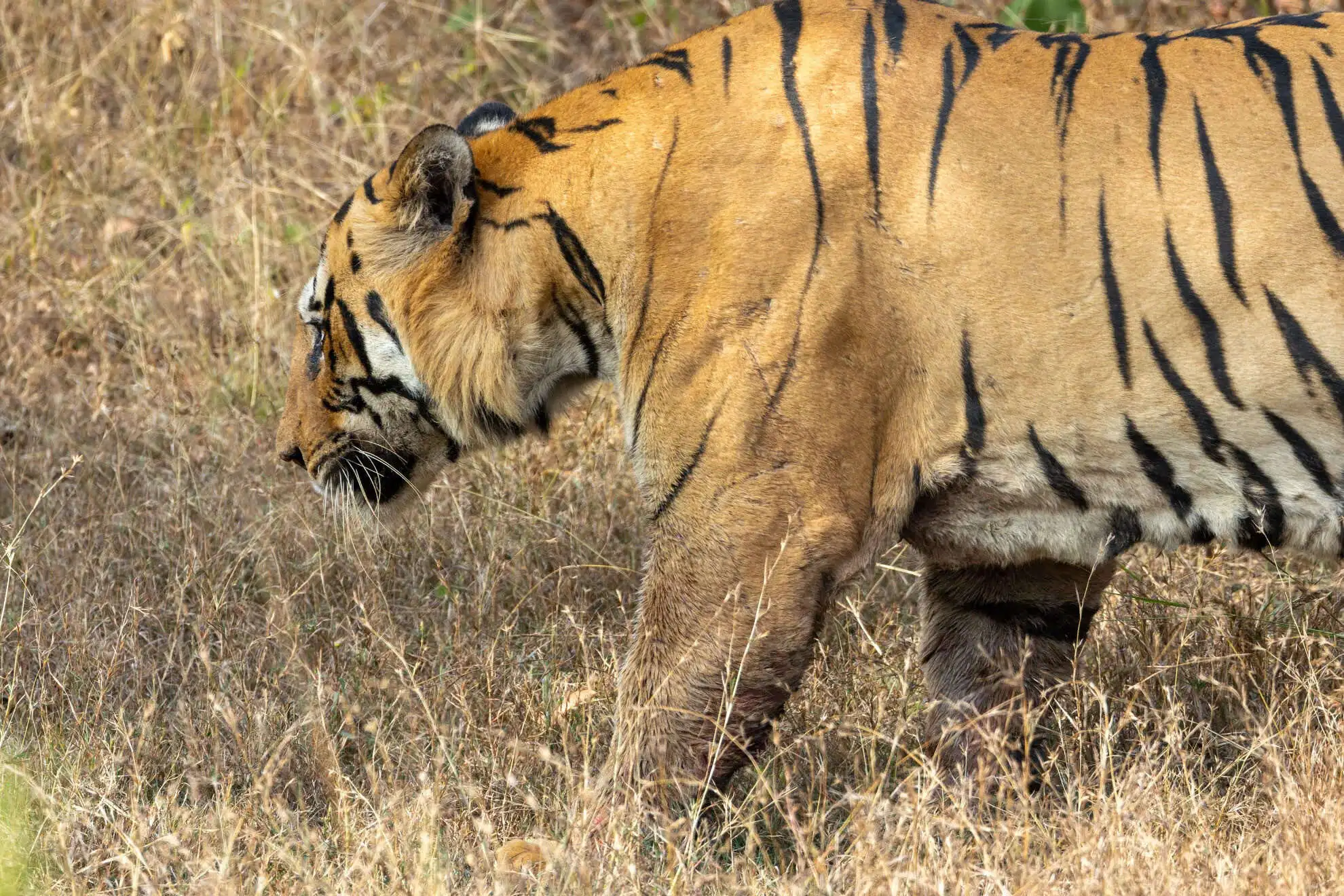
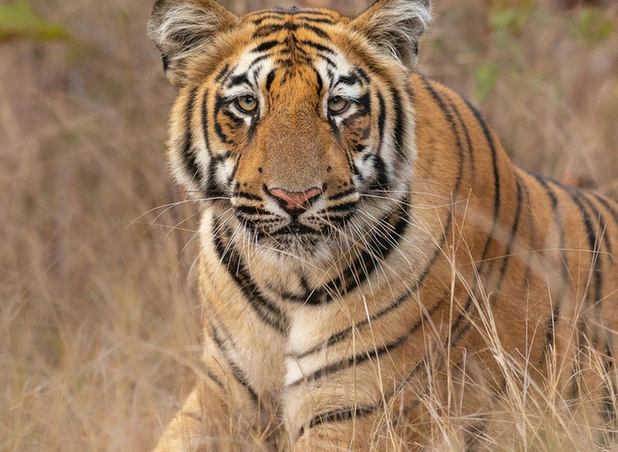
Tigers have unique stripe patterns, like human fingerprints. Software analyzes camera trap images and identifies individual tigers based on their stripes. This method provides accurate population estimates, territorial ranges, and movement patterns. It also captures data on co-predators and prey species using the same forest trails.
Phase III: Genetic Sampling
Scat samples collected during Phase I get sent to laboratories for DNA analysis. Each sample can identify an individual tiger, confirm camera trap findings, and detect tigers that avoided cameras entirely. Genetic sampling also reveals information about tiger health, inbreeding levels, and population connectivity between reserves.
Technology in Use
The M-STrIPES mobile app allows real-time data entry and GPS tracking of survey routes. Digital image processing software identifies individual bengal tigers from stripe patterns. Cloud-based systems manage data from thousands of locations simultaneously. This technological backbone makes it possible to coordinate a census across 29 states covering millions of hectares of forest.
What They’re Actually Monitoring
The census goes far beyond counting tigers. It tracks the health of entire forest ecosystems.
Tigers and Co-Predators:
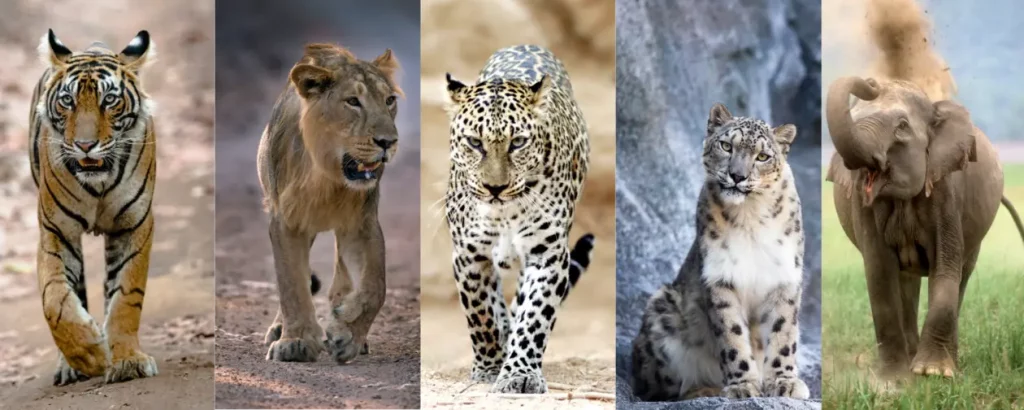
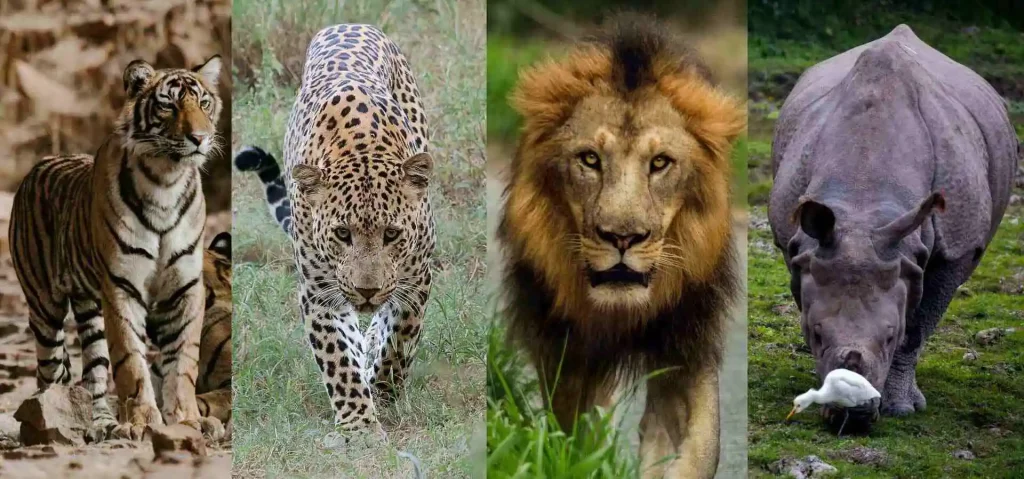
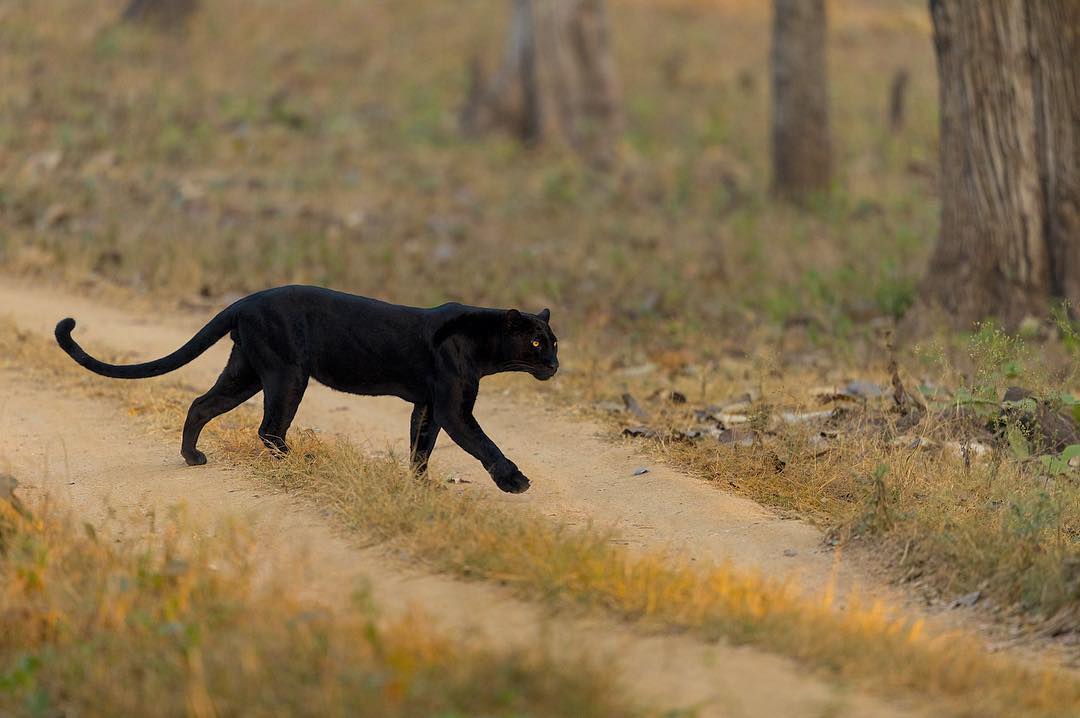
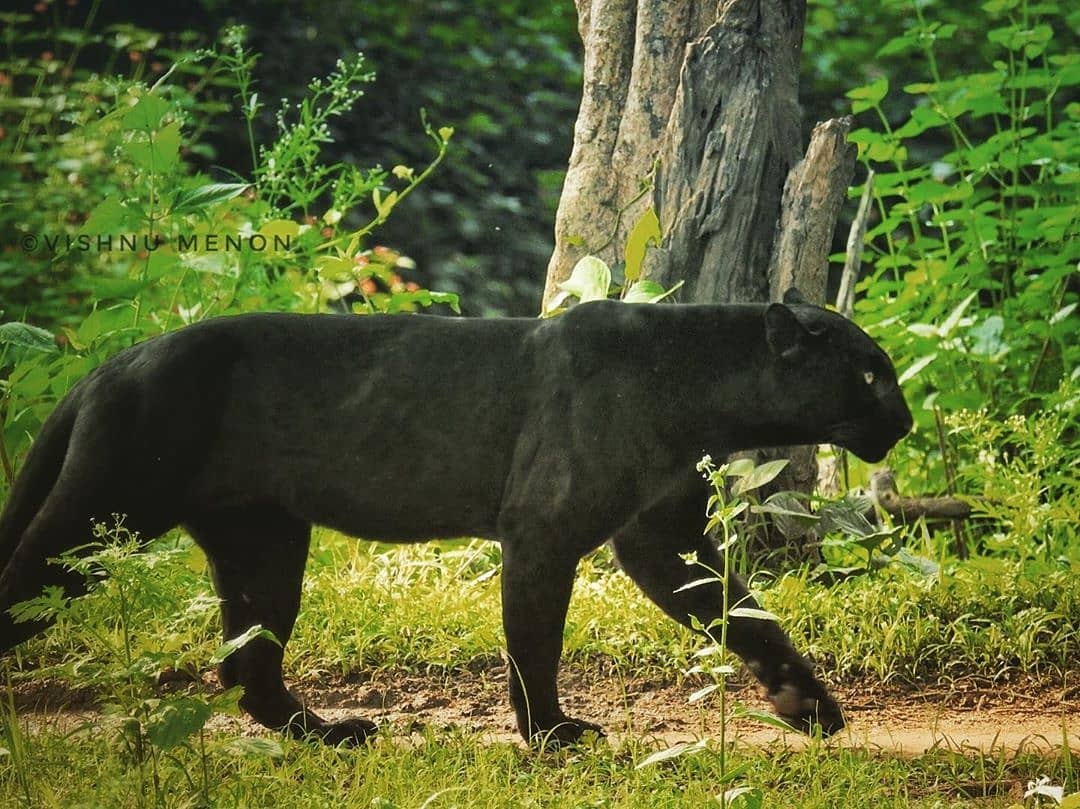
Tigers are the primary focus, but the census also records leopards, wild dogs (dholes), hyenas, and other carnivores. Understanding predator populations and their interactions helps identify competition for prey and territorial conflicts.
Prey Base:
Large herbivores like gaur, sambar, spotted deer, barking deer, and wild boar form the prey base that sustains tiger populations. If prey numbers drop, tiger numbers follow. The census counts prey populations and calculates whether the habitat can support current predator densities.
Habitat Quality:
Surveyors assess forest cover, water availability, human encroachment, and connectivity between protected areas. Corridors that allow tigers to move between reserves are critical for genetic diversity and long-term population health. The census maps these corridors and identifies threats to their functionality.
Looking Back: How Tiger Numbers Have Changed
India’s tiger numbers tell a story of near-collapse and dramatic recovery.
When Project Tiger launched in 1973, India had an estimated 1,800 wild tigers. By 2006, that number had crashed to 1,411, an alarming low that triggered emergency conservation measures. The government invested heavily in protected areas, anti-poaching units, and community engagement programs.
The results speak for themselves. The 2010 census recorded 1,706 tigers. By 2014, the number climbed to 2,226. The 2018 count hit 2,967. The most recent tiger census in 2022 found 3,682 tigers across India. That’s more than double the 2006 population in just 16 years.
India now holds approximately 75% of the world’s wild tiger population. This makes the All India Tiger Estimation critical not just for India, but for the global survival of the species.
State-wise Leaders (2022 Data):
Madhya Pradesh leads with 785 tigers, the highest count of any state. Karnataka follows with 563 tigers, and Uttarakhand has 560. Maharashtra recorded 444 tigers, while Tamil Nadu showed strong growth with 306 tigers, up from 264 in 2018. Assam, Kerala, and Uttar Pradesh also maintain significant populations.
Key reserves like Jim Corbett, Bandhavgarh, Kaziranga, Nagarahole, and Ranthambore show some of the highest tiger densities in the world. These reserves serve as source populations, with young tigers dispersing to establish territories in nearby forests and corridors.
Tamil Nadu’s Role in the 2026 Census
Tamil Nadu has five tiger reserves participating in the 2026 census: Kalakad Mundanthurai, Anamalai, Mudumalai, Sathyamangalam, and Srivilliputhur-Megamalai. These reserves play a crucial role in protecting tigers and maintaining ecological balance across the Southern Western Ghats.
The state’s tiger population grew from 264 in 2018 to 306 in 2022, reflecting sustained conservation efforts and improved habitat management. Tamil Nadu’s Phase I field exercises began on January 5, 2026, with different divisions conducting surveys in seven-day cycles through the end of February.
The census covers not just the core reserve areas but also buffer zones, tiger-bearing corridors, and even private estates where tigers have been documented. This comprehensive approach ensures that every tiger and every piece of habitat gets counted.
Tamil Nadu Forest Department completed training for frontline staff and volunteers between November and December 2025. Volunteers interested in participating can register with their nearest tiger reserve office. The department is using M-STrIPES technology and camera traps throughout the survey period.
All India Tiger Census Results (1973-2026)
| Census Year | Tiger Population | Status / Notes |
|---|---|---|
| 1973 | ~1,800 | Project Tiger launched |
| 2006 | 1,411 | Alarming low point – conservation crisis |
| 2010 | 1,706 | Recovery begins |
| 2014 | 2,226 | Strong growth phase |
| 2018 | 2,967 | Continued upward trend |
| 2022 | 3,682 | India holds ~75% of world's tigers |
| 2026 | Awaited | Census ongoing – Results expected 2027 |
Key Takeaway: India’s tiger population has more than doubled since the 2006 low point, growing from 1,411 to 3,682 tigers in just 16 years.
Why This Census Matters
For Conservation Strategy:
The census identifies which reserves need additional protection, resources, or management interventions. It tracks corridor usage and habitat connectivity, revealing where tigers can move safely and where barriers exist. Population drops in specific areas flag potential poaching threats or habitat degradation that requires immediate attention.
For Policy and Funding:
Census data drives government investment decisions. States with growing tiger populations receive recognition and continued support. Areas showing decline get emergency interventions. The data helps allocate anti-poaching resources, plan corridor protection, and prioritize habitat restoration projects.
Internationally, India’s tiger census provides credibility for conservation claims. It shows donors, partner organizations, and the global community that India takes wildlife protection seriously and delivers measurable results.
For Local Communities:
The census identifies human-wildlife conflict zones where tigers come into contact with villages and agricultural land. This information helps plan mitigation measures, compensation programs, and in some cases, voluntary relocation of families from critical tiger habitats. It also creates employment opportunities for local people as guides, trackers, and forest watchers, giving communities a stake in conservation success.
The Ground Reality: Challenges in Counting Tigers
Counting tigers isn’t like counting livestock in a field. Tigers are solitary, nocturnal, and cover territories spanning 20 to 100 square kilometres. Dense forests make visual counting impossible. Some tigers actively avoid camera traps or patrol routes that surveys miss entirely.
Differentiating between resident tigers and transient individuals passing through an area adds complexity. A young male dispersing from his birth territory might get photographed in three different reserves over six months. Without careful analysis, he could be counted as three separate tigers.
Ensuring uniform methodology across 29 states with different terrain, climate, and forest types requires extensive training and coordination. Weather disrupts surveys. Monsoons flood forests. Extreme heat limits working hours. Some areas remain inaccessible due to terrain or security concerns.
The census accounts for these challenges through statistical modeling, genetic verification, and multiple data sources cross-referenced against each other. It’s not perfect, but it’s the most comprehensive wildlife monitoring effort attempted anywhere in the world.
What Happens After the Data Is Collected
Once field teams complete Phase I surveys, data goes through verification at the state level. Forest departments check for errors, duplicate entries, and inconsistencies before submitting information to the NTCA-WII Tiger Cell.
Camera trap images get processed through specialized software that identifies individual tigers based on stripe patterns. Genetic samples from laboratories provide DNA profiles that either confirm camera trap identifications or reveal tigers that cameras missed.
Scientists use statistical models to estimate the total tiger population, accounting for animals that surveys failed to detect. This modeling process considers detection probabilities, habitat quality, and prey availability to produce population estimates with confidence intervals.
State-level reports get compiled into a comprehensive national report. The Wildlife Institute of India coordinates this process, ensuring consistency in analysis methods across states. The final report, expected in 2027, will provide tiger population figures, distribution maps, habitat assessments, and conservation recommendations.
These results guide the next four years of conservation policy, funding allocation, and management decisions across India’s tiger reserves and protected areas.
How You Can Participate or Support
Many tiger reserves welcome trained volunteers during census periods. If you have wildlife knowledge, photography skills, or field experience, contact your nearest tiger reserve about volunteer opportunities. Registration usually happens through official forest department channels.
Citizen science initiatives allow people to report wildlife sightings through apps and online platforms. Your observations from forest visits or even areas near protected boundaries contribute to understanding tiger movement and habitat use.
Responsible wildlife tourism directly funds conservation. Park entry fees, safari permits, and accommodation costs support forest staff salaries, equipment purchases, and anti-poaching operations. Choose ethical tour operators who follow park rules and respect wildlife.
Spreading awareness about the census and its importance helps build public support for conservation funding and policy decisions. Most people don’t realize this massive effort happens every four years or understand what the data actually reveals about forest health and wildlife populations.
Final Thoughts
The 2026 All India Tiger Estimation is happening right now across forests, grasslands, and mountain ranges from the Sundarbans to the Western Ghats. It represents decades of conservation experience, technological advancement, and hard-won knowledge about what works and what doesn’t in protecting tigers and their habitats. India’s tiger recovery stands as one of the world’s great conservation success stories. This census will tell us whether we’re still on the right track or if new challenges require new solutions. The answer matters not just for India, but for the future of tigers worldwide.