India’s Union Budget 2026 brought important news for wildlife conservation. The Finance Minister announced that India will host the world’s first Global Big Cat Summit later this year.
This is significant. No country has ever organized a summit dedicated only to big cats. By including this in the budget, the government has committed political support and resources. It places wildlife protection alongside economic growth and global cooperation.
India gets to lead this conversation for one clear reason: it has turned around tiger numbers when most experts thought recovery was impossible.
What the Union Budget 2026 Says About the Summit
The budget highlighted India’s intention to bring big cat range countries together on one platform. The focus is on collaboration, shared knowledge, and long term protection of threatened species.
This isn’t just an environmental issue anymore. It’s part of India’s global leadership agenda. Conservation efforts now have stronger backing at both national and international levels.
Around 30 countries are expected to attend. This includes all 13 tiger range countries like Russia, China, Nepal, Bhutan, Bangladesh, Indonesia, and Malaysia. African nations with lions and leopards will participate. South American countries with jaguars have also confirmed interest.
Why India Is Hosting This Summit
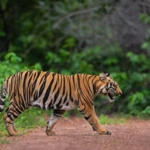
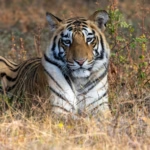
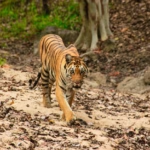
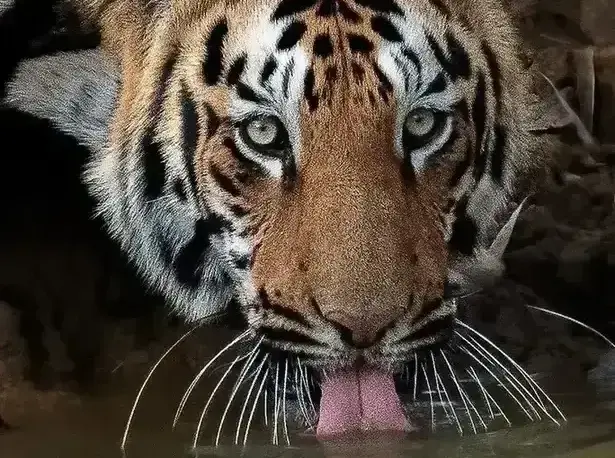
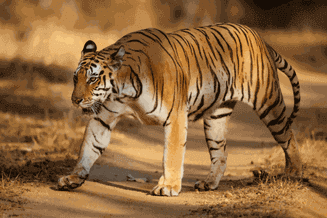
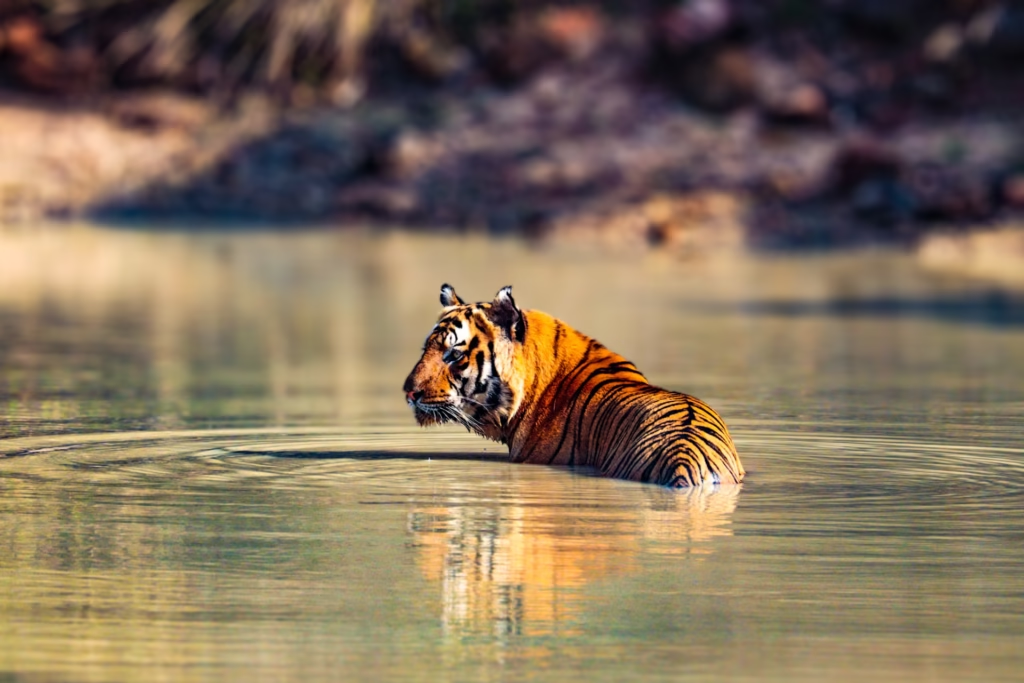
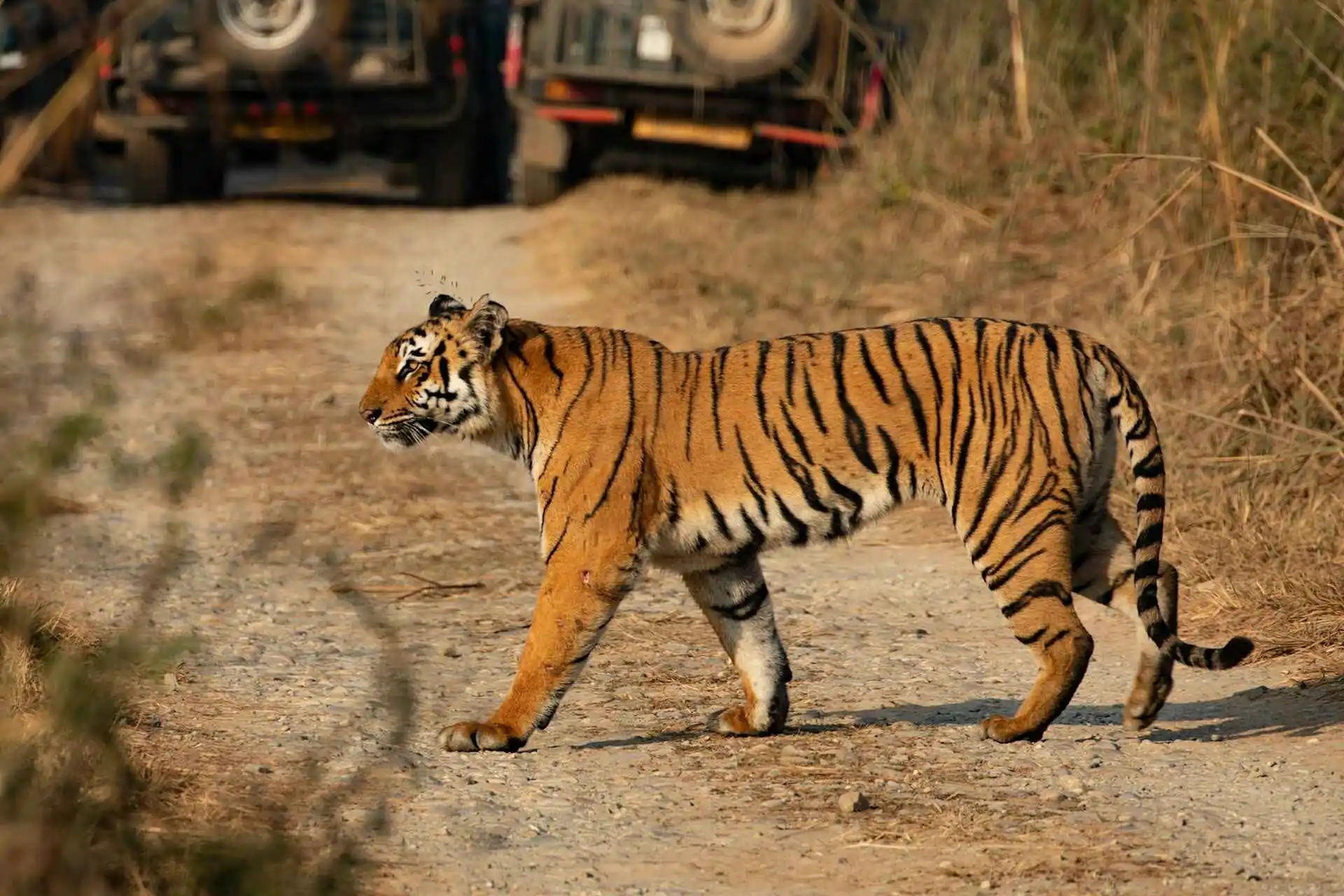
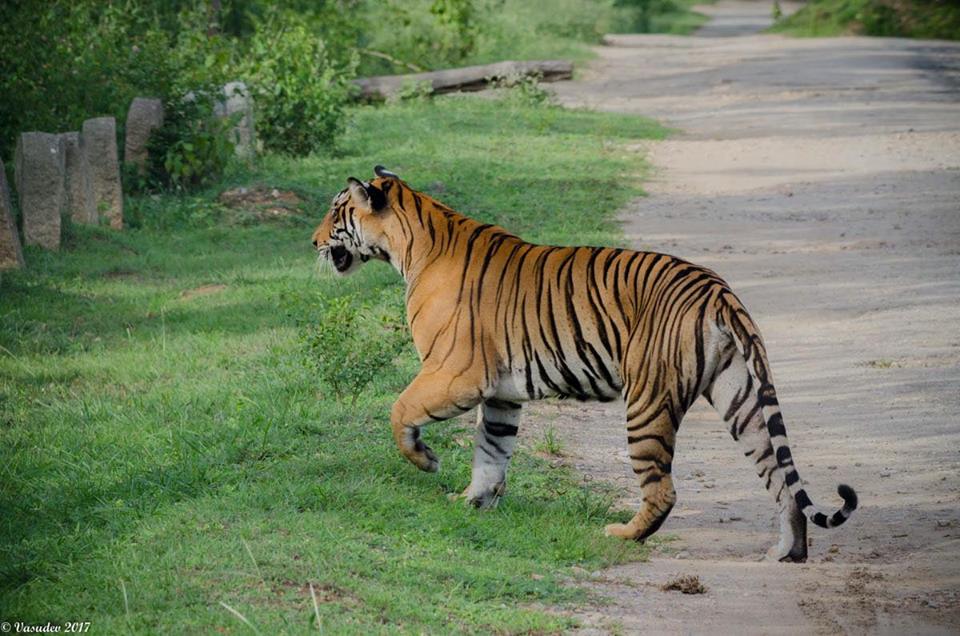
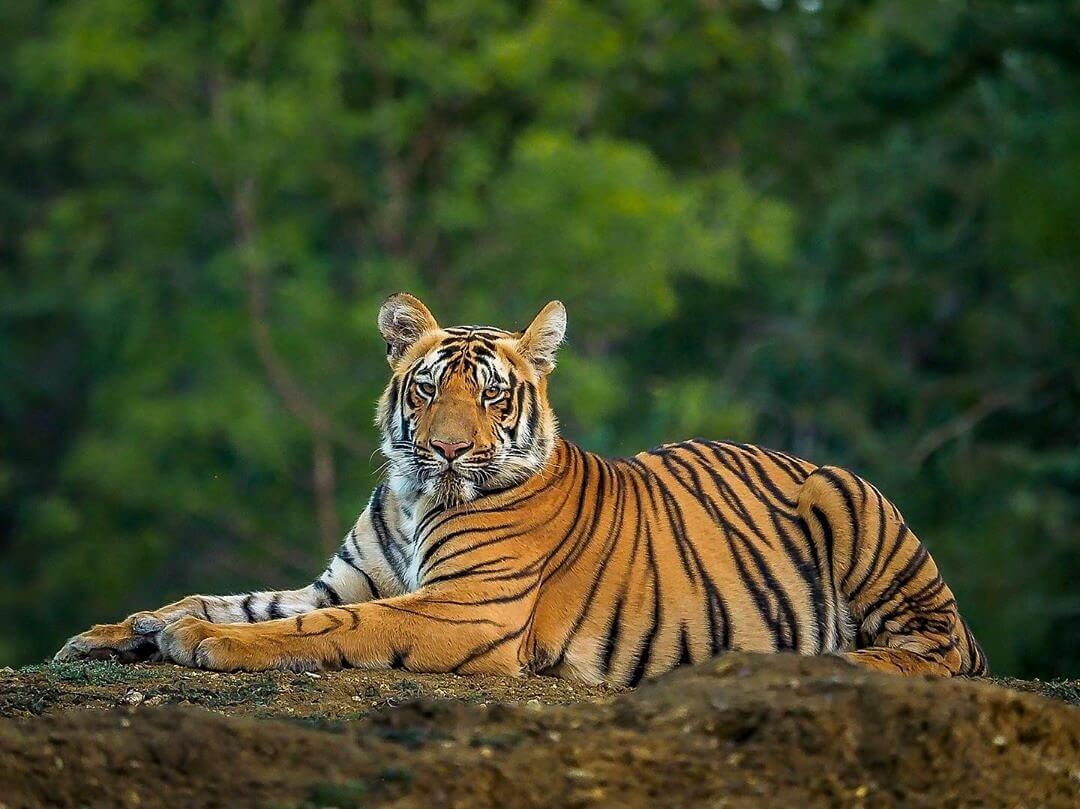
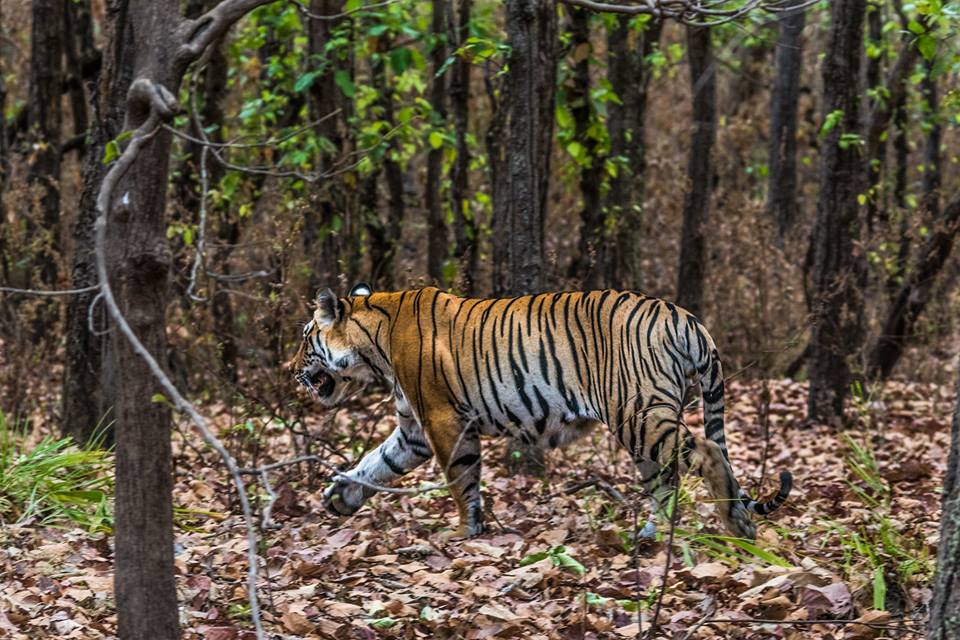
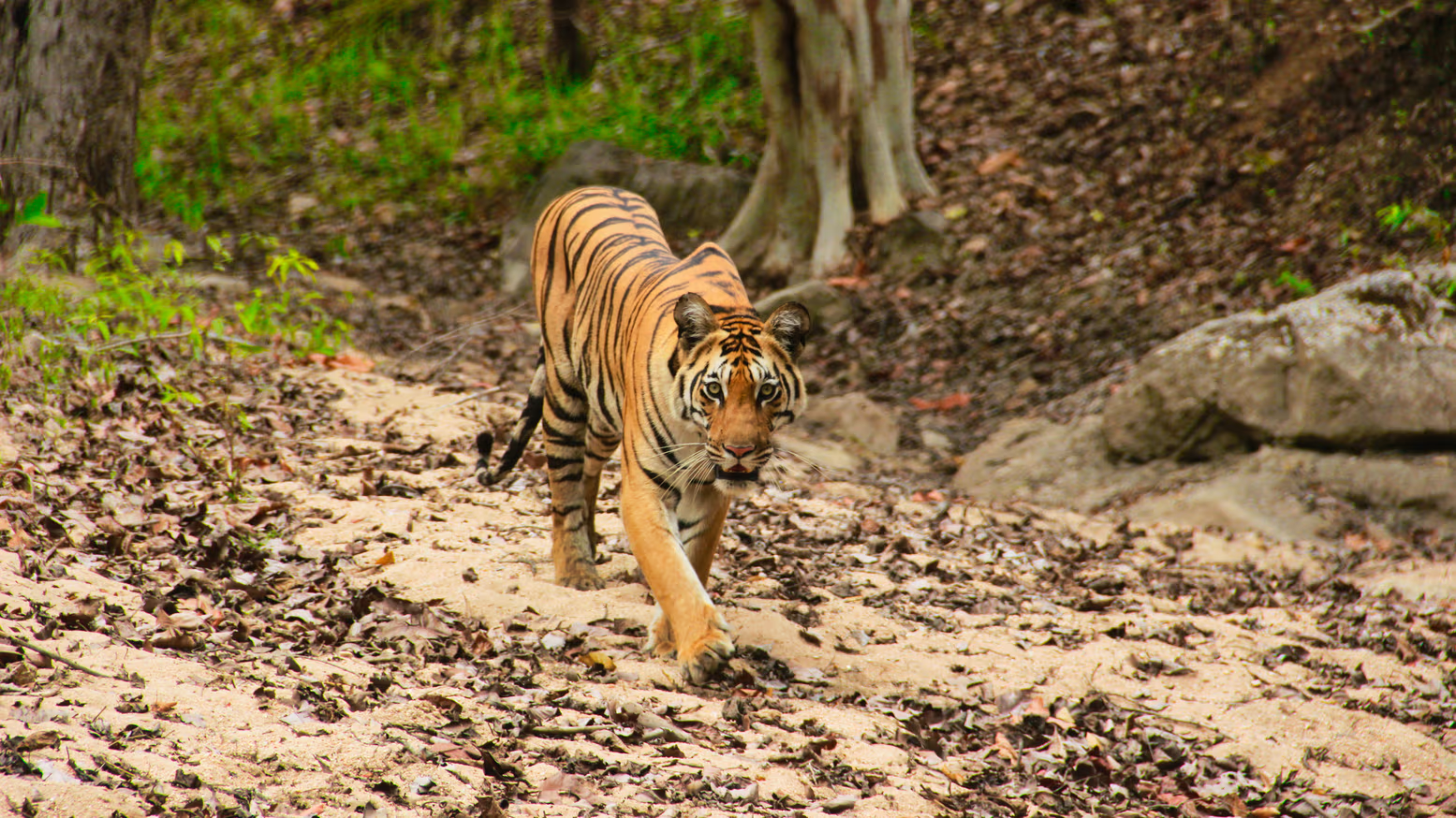
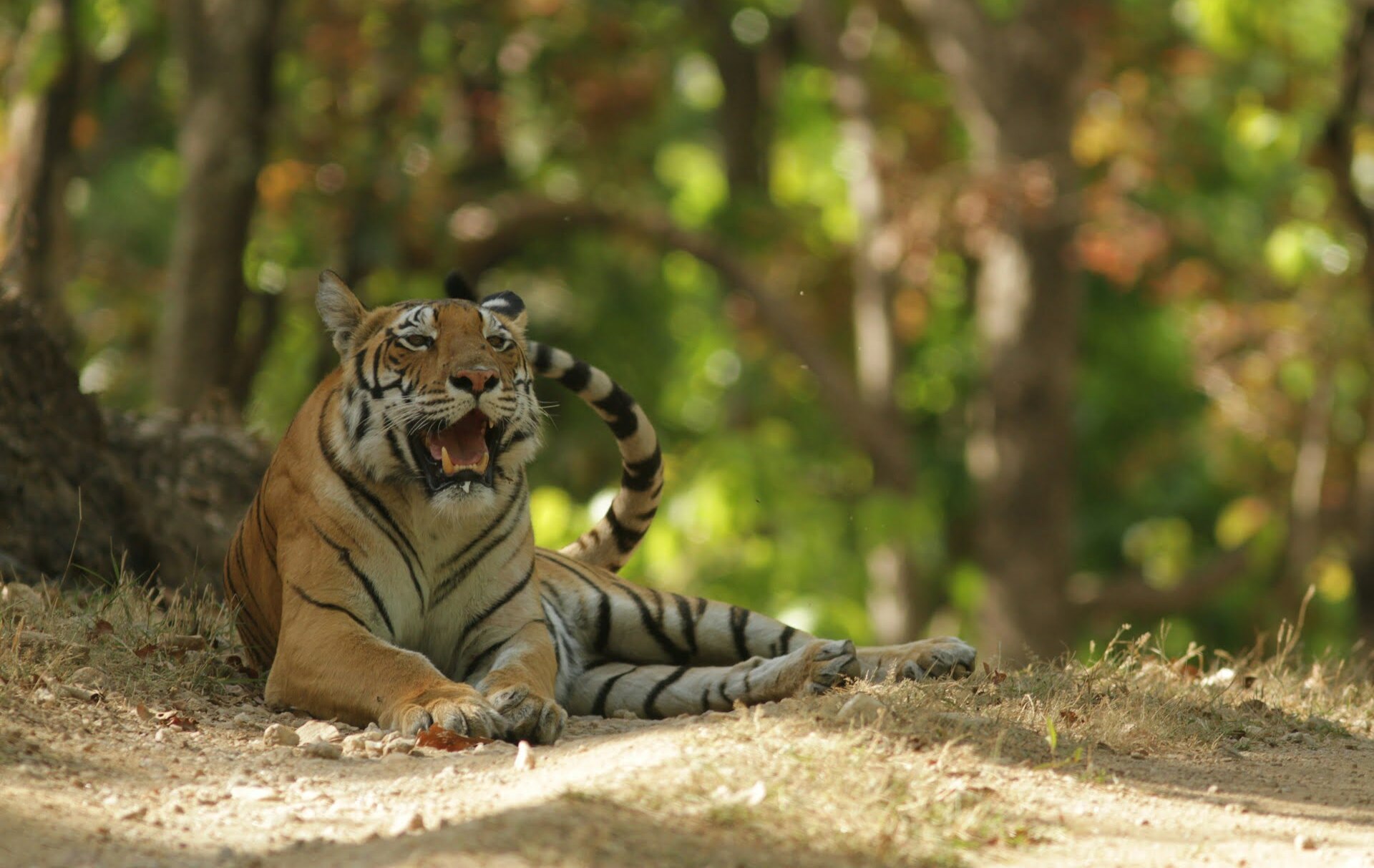
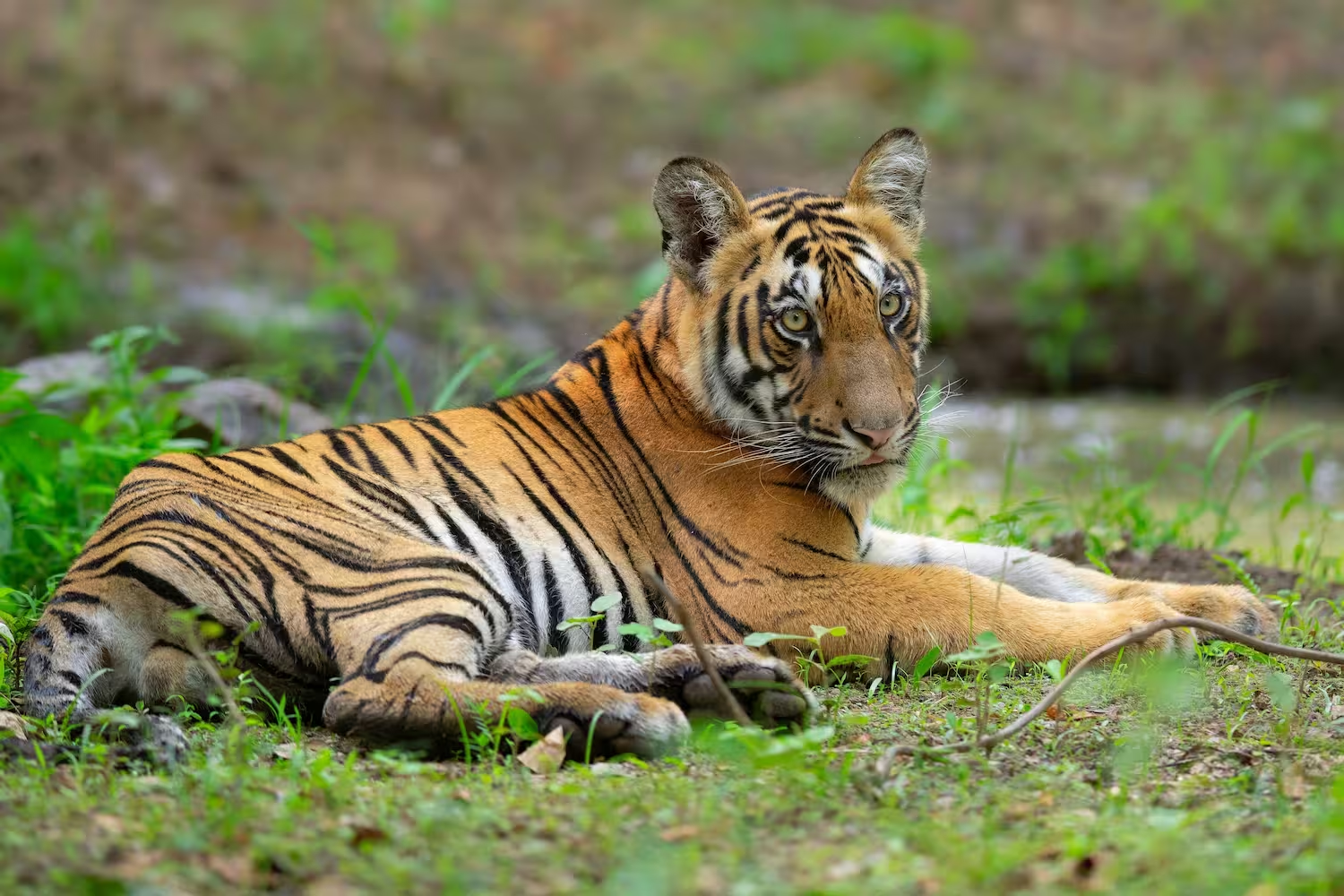
India now has over 3,700 tigers. That’s nearly 70% of the world’s wild tiger population. In 2006, the number was around 1,400. Many thought tigers would go extinct in India by 2020.
Project Tiger, launched in 1973, changed everything. The program created protected reserves, hired forest guards, relocated villages when needed, and cracked down on poaching. It wasn’t perfect, but it worked.
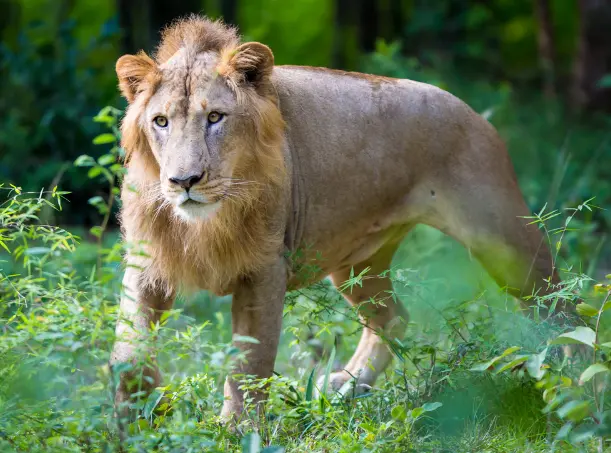
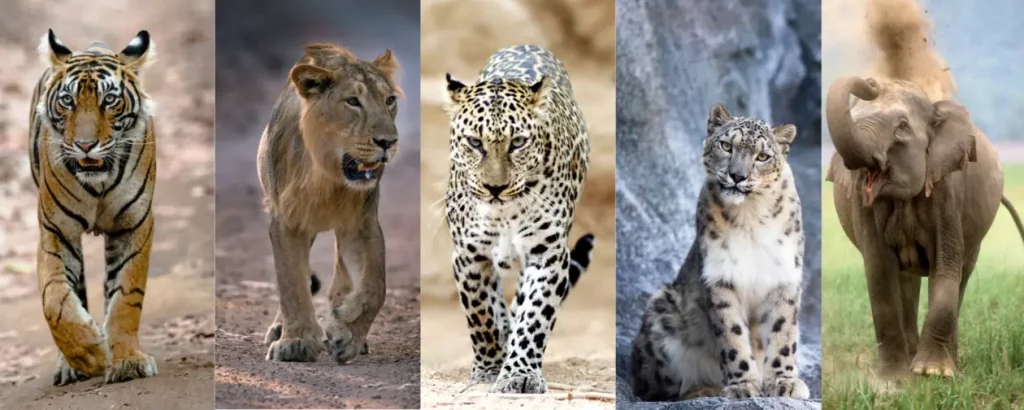
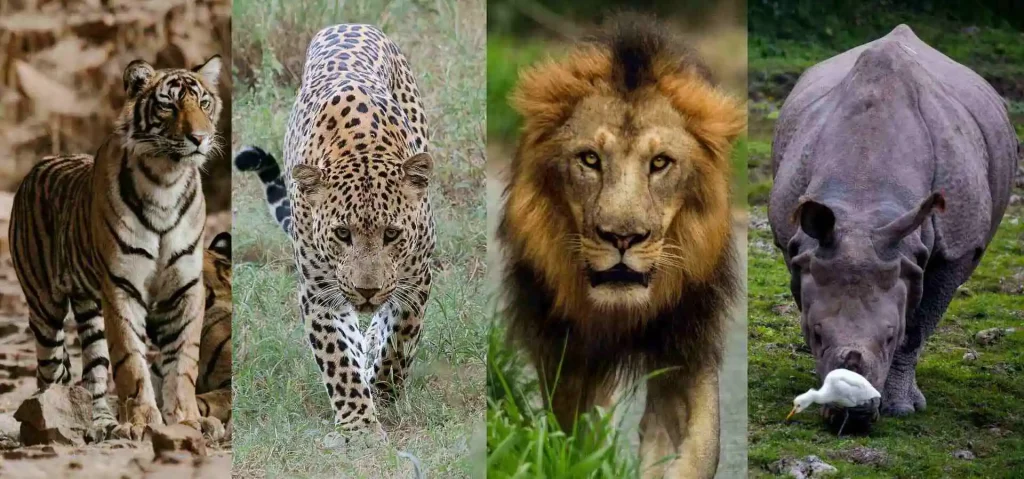
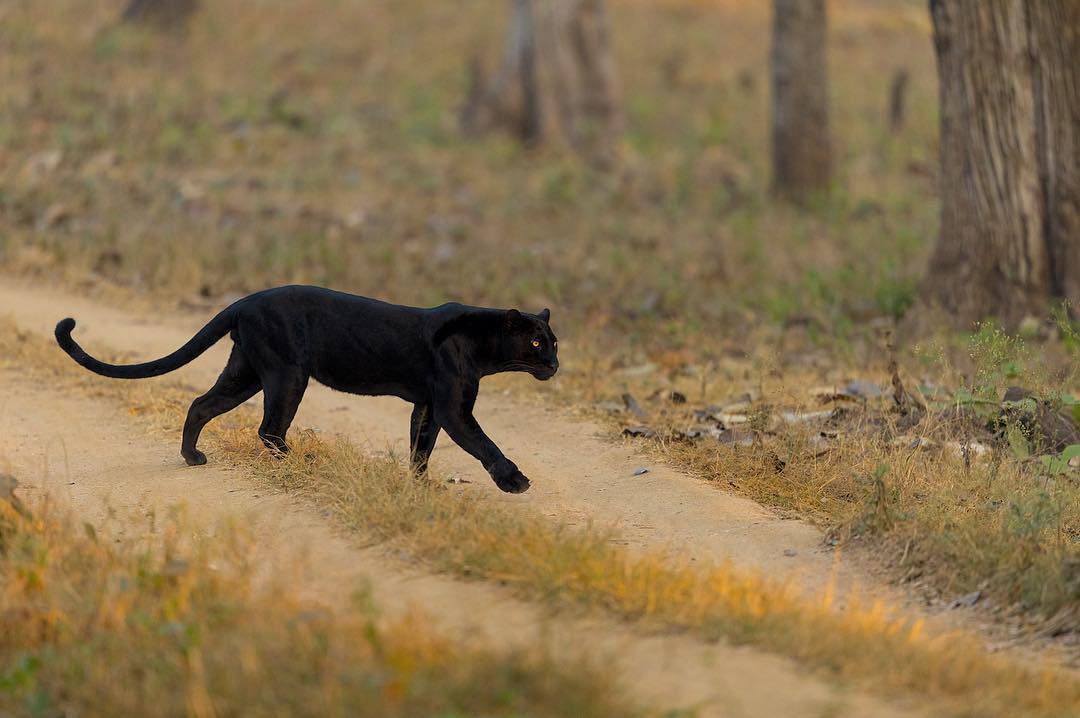
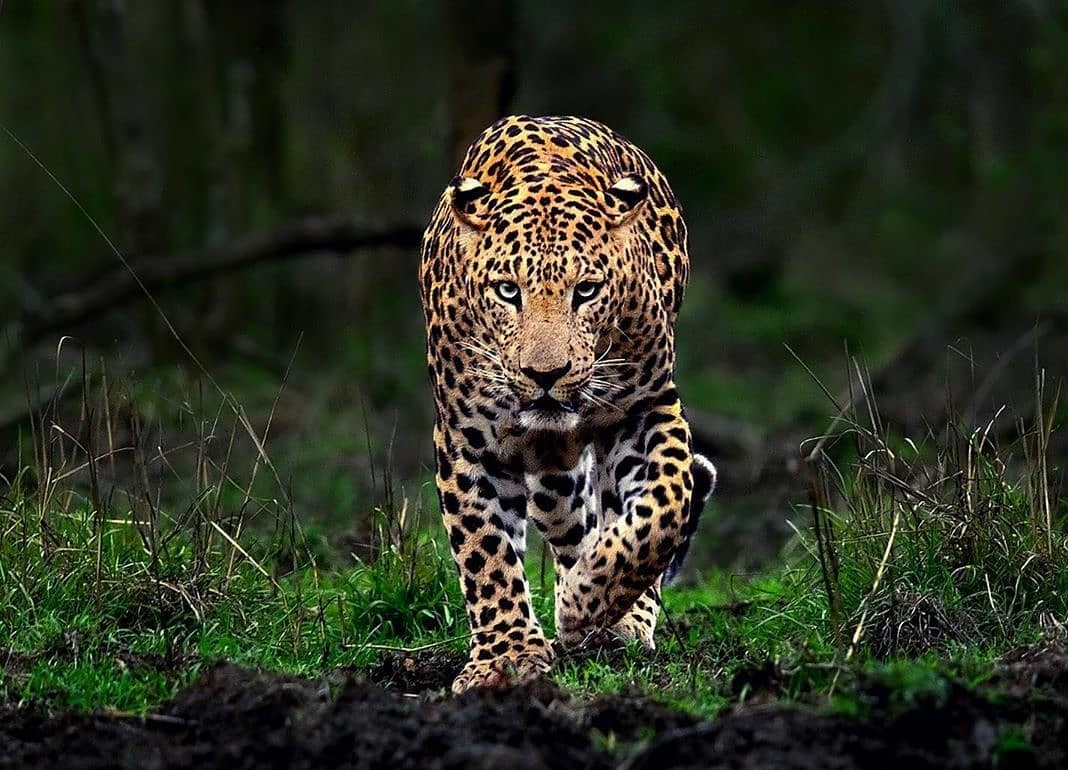
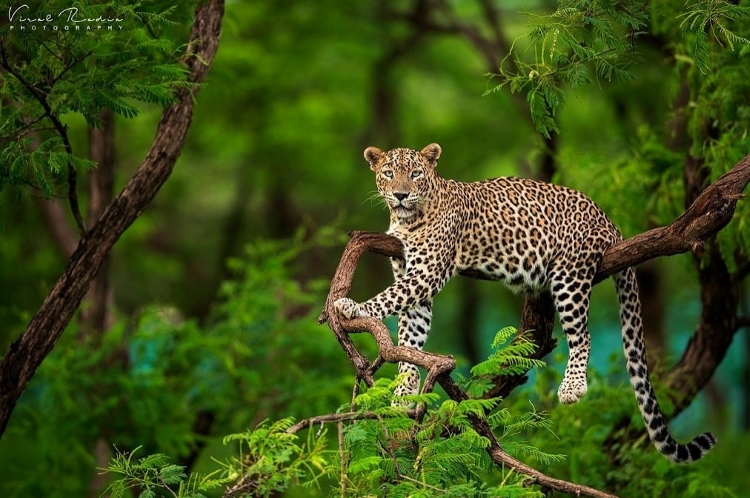
India doesn’t just have tigers. It’s home to Asiatic lions (the only wild population left), over 12,000 leopards, and around 500 snow leopards in the Himalayas. Four big cat species in one country gives India serious conservation credibility.
India’s experience managing large forest landscapes and involving local communities makes it a natural host. The government wants to show other countries that recovery is possible.
What Is the Global Big Cat Summit
The Global Big Cat Summit is planned as a high level meeting of countries, conservation groups, scientists, and policy makers. Unlike general wildlife conferences, this one focuses entirely on big cat conservation.
The goal is simple: create common strategies for protecting big cats across continents. Share what works, fix what doesn’t, and get countries to commit money and resources.
Big cats need large territories. They cross borders. One country can’t save them alone.
Big Cats That Matter in the Global Conversation
The summit will cover all major big cat species facing survival threats:
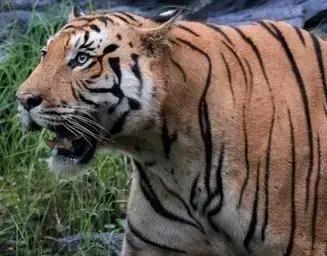
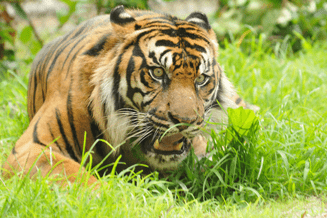
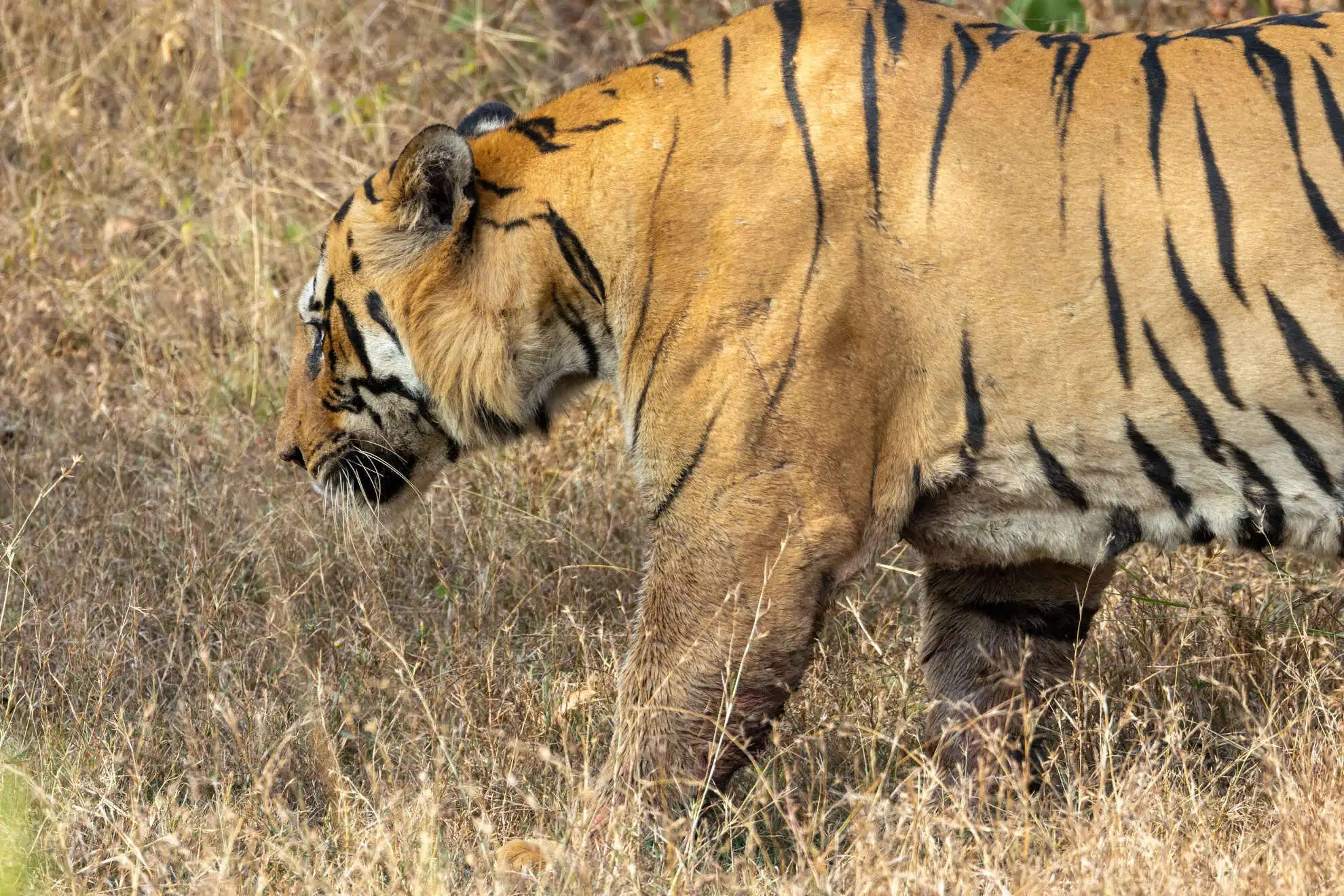
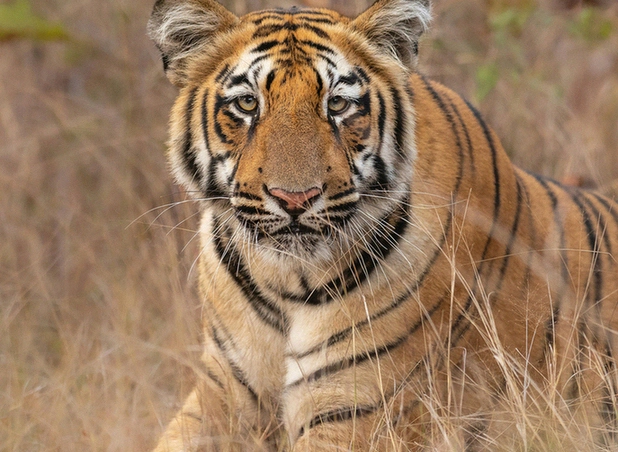
Tigers depend on large connected forests. Habitat loss and poaching remain serious problems across Asia.
Lions face shrinking grasslands in Africa. Their populations have dropped significantly over the past few decades.
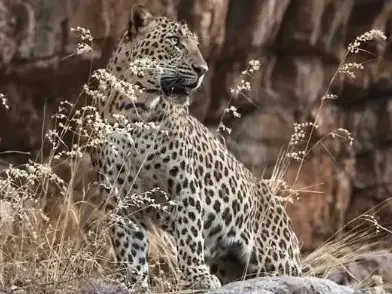
Leopards are adapting but under pressure near human settlements. They face conflicts when livestock or people are attacked.
Snow leopards deal with climate change in high mountains. Warming temperatures push them to higher altitudes with less prey.
Cheetahs struggle with low numbers and fragmented habitats. They’re gone from most of their historical range.
Jaguars and other regional species battle forest loss in Central and South America.
Each species faces different challenges, but many solutions overlap.
What Will Be Discussed at the Summit
The agenda covers the real problems that kill big cats.
Habitat loss tops the list. As cities expand and farms take over forests, these animals lose hunting grounds. The summit will focus on creating wildlife corridors that connect fragmented habitats. India has already built several successful corridors. Other countries want to know how.
Poaching remains a serious threat. Tiger parts sell for huge money in illegal markets. Leopard skins, lion bones, jaguar teeth all have buyers. Countries will discuss intelligence sharing, stronger penalties, and better enforcement technology.
Human wildlife conflict kills both animals and people. When a tiger attacks livestock or a leopard enters a village, locals often retaliate. The summit will look at compensation programs, early warning systems, and ways to reduce contact.
Climate related threats are making things worse. Changing weather patterns affect prey populations and push animals into new areas where conflicts increase.
Funding is always the issue. Conservation costs money. The summit will push wealthy nations to contribute to a global big cat fund. Poor countries that have big cats often can’t afford to protect them alone.
Technology can help. Camera traps, DNA analysis, satellite collars, and drones are changing how we track and protect animals. Countries will share tools and training methods.
How This Summit Supports Global Big Cat Conservation
Bringing countries together allows faster learning and better coordination. Conservation methods that work in one region can be adapted elsewhere.
The summit can strengthen cross border action against poaching networks. Shared data, satellite tracking, and joint training improve protection on the ground.
India is pushing for a minimum funding pledge from each nation. Exact numbers haven’t been released, but sources suggest a global fund target of $500 million over five years.
Knowledge sharing agreements will be signed. Countries can send forest officers and scientists to learn from each other. India has already trained personnel from Nepal and Bhutan. The summit could expand this to African and South American nations.
A long term goal is to increase global big cat populations by 50% by 2050. That’s ambitious. Some species like Amur leopards and Sumatran tigers have fewer than 100 individuals left. But the target gives everyone something to work toward.
Most importantly, it helps align conservation goals with national development plans.
What This Means for Wildlife Tourism in India
India’s role as host strengthens its image as a serious conservation leader. This matters for wildlife tourism, especially safaris built around ethical practices.
The summit will likely boost visitor interest. When the world pays attention to conservation success, more travelers want to see it firsthand.
National parks might get better funding for infrastructure. That could mean improved roads, cleaner facilities, and more trained guides. Well protected habitats lead to better wildlife sightings and healthier ecosystems.
Awareness about big cat conservation will increase globally. More people will understand why safaris matter beyond just seeing animals. Responsible tourism generates money that funds protection. Entry fees, guide salaries, and lodge revenues often go back into conservation.
Safari operators might see new opportunities. If the summit succeeds, countries with struggling big cat populations could improve conditions and open new tourism zones. That’s good for both animals and local economies.
What It Means for Safari Travelers and Wildlife Enthusiasts
For travelers, this move points toward stronger protection of reserves and species. It encourages policies that balance access with care.
Visitors can expect a growing focus on responsible safaris, trained guides, and conservation awareness. In the long run, this protects the very wildlife people travel to see.
If you care about big cats, support responsible safari tourism. The money you spend in national parks directly funds the people protecting these animals. Visit parks that follow ethical guidelines. Spread awareness. Small actions add up.
When and Where
The exact dates haven’t been announced yet. The budget speech mentioned “later in 2026,” which likely means October or November. Monsoon season makes large outdoor events difficult in India.
New Delhi is the probable venue. Most international summits happen in the capital because of diplomatic infrastructure. However, there’s talk of hosting part of the summit at a tiger reserve. Ranthambore or Jim Corbett could offer delegates a firsthand look at India’s conservation work.
The Ministry of Environment, Forest and Climate Change will release more details in the coming months.
Key Takeaway
This summit matters because big cats are running out of time. Habitat destruction and poaching haven’t stopped. Climate change is making things worse. If countries don’t work together now, some species won’t make it to 2075.
India hosting the first Global Big Cat Summit marks an important shift. It shows that big cat conservation is now a global priority with strong political backing.
India has proven that bringing animals back from the edge is possible. Sharing that knowledge could save tigers in Sumatra, lions in West Africa, and jaguars in Central America.
For wildlife lovers, conservationists, and safari travelers, this is a positive sign. It strengthens hope for a future where big cats continue to survive in the wild.