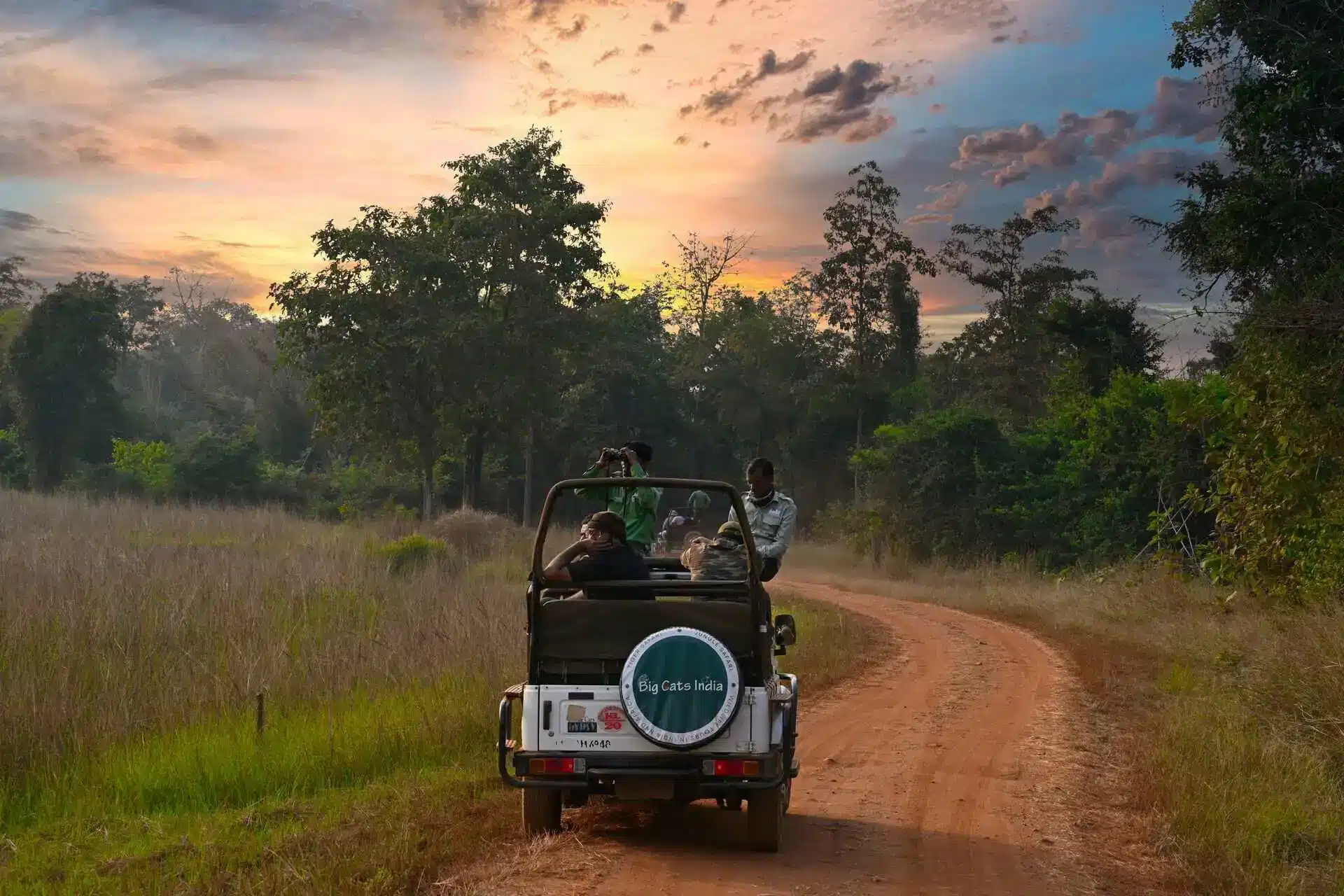
What Is a Forest Guide in India?
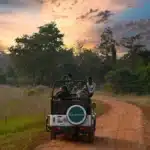
A forest guide is a trained person authorized by the forest department to accompany visitors in their safari jeep during a safari inside a national park or wildlife reserve. A forest guide is a mandatory guide in most of the Indian National Parks for the safari.
A forest guide is your official expert inside the jungle – helping you see, understand, and experience wildlife safely and responsibly.
What does a Forest Guide do?
A forest guide is licensed by the Forest Department to operate safaris in specific reserves. They know the terrain, roads, zones, and practical logistics of running a safari. Their job is to spot animal movement, read tracks and signs, position the vehicle for good viewing, and manage guest safety during the safari. In most national parks, you legally cannot enter without a licensed forest guide. Their primary role is to:
Tracks Wildlife
- Reads animal signs like pugmarks, alarm calls, and movement patterns
- Helps locate animals such as tigers, leopards, elephants, and birds
Explains the Forest
- Shares knowledge about animals, birds, trees, and ecosystems
- Helps visitors understand behavior, not just sightings
Ensures Safety
- Makes sure guests follow park rules
- Guides drivers on where to go and what to avoid
- Handles situations calmly if wildlife is nearby
Follows Park Regulations
- Every safari vehicle must have a mandatory forest guide (in most Indian parks)
- They are responsible for keeping the safari within permitted routes and timings
What a forest guide may not offer?
Deep ecological or scientific knowledge. Many forest guides can identify common birds and animals but may not explain detailed behavior patterns or ecosystem connections. Their strength is practical field craft mostly finding animals and managing the safari, not necessarily interpreting what you see in scientific terms.
What Is a Naturalist?
A naturalist is a wildlife expert who helps you understand the forest, not just see it. They guide you through the safari experience by explaining animal behavior, ecosystems, and everything happening around you.
While a forest guide focuses on tracking wildlife and following park rules, a naturalist adds depth, context, and meaning to your safari.
What does a Naturalist do?
A naturalist interprets what you see. They explain animal behavior, identify species across multiple groups (birds, insects, plants, mammals), and provide scientific and ecological context. A naturalist turns a visual sighting into an educational experience by connecting individual animals to larger ecological patterns, food webs, and conservation issues.
Explains Animal Behaviour
- Why a tiger is moving in a certain direction
- How animals use territory, water, and prey
- What alarm calls mean
Interprets the Forest
- Connects signs like pugmarks, sounds, and movement
- Explains trees, birds, insects, and the full ecosystem
- Helps you notice things you would otherwise miss
Enhances the Safari Experience
- Makes the safari more engaging and interactive
- Answers questions and adapts to your interest (big cats, birds, photography)
- Shares stories and patterns from past sightings
Assists with Photography (if needed)
- Helps with positioning, light, and timing
- Guides you to anticipate animal movement
Pre and Post Safari Guidance
- Prepares you before the safari
- Discusses sightings and behavior after the drive
Why a Naturalist Matters
Without a naturalist, a safari is just about sightings. With a naturalist, it becomes a learning experience. You begin to:
- Understand the forest
- Notice details
- Appreciate the ecosystem, not just the animals
Skills and Training:
Some naturalists have formal education in wildlife biology, ecology, or zoology. Others are self-taught through decades of field experience and study. Their knowledge spans multiple species groups, not just tigers or leopards. They understand ecosystems, predator-prey relationships, seasonal changes in forest behavior, and conservation challenges. Many specialize in particular areas like birds, insects, or carnivore ecology.
What They’re Best At:
Explaining why a tiger behaves a certain way, identifying that obscure warbler by its call, pointing out the dung beetle rolling a ball of elephant dung and explaining its role in the ecosystem. A good naturalist makes you see the forest differently. They notice things beyond the obvious like insect behavior, plant adaptations, bird nesting patterns and connect these observations to the bigger picture.
What They May Not Have:
Official forest department licensing. In some parks, naturalists cannot guide safaris alone and must work alongside a licensed forest guide. They may not know the specific forest zones and roads as intimately as a local guide. Vehicle driving or positioning skills are not their primary strength. Their value is in interpretation, not navigation.
Forest Guide Vs Naturalist
Both are valuable, but their roles are different.
Depth of Interpretation
- A forest guide will help spot animals and share basic information.
- A naturalist explains behavior, ecology, and the bigger picture.
Guide: “Tiger crossed here in the morning.”
Naturalist: “This is a territorial male. He is marking this route because it connects water and prey movement.”
Storytelling & Context
- Forest guides usually focus on tracking and sightings.
- Naturalists connect sightings into stories – movements, past sightings, patterns.
They make the safari feel like a continuous narrative, not just separate sightings.
Guest Engagement
- Forest guides may not always interact deeply with guests (depends on individual).
- Naturalists are trained to engage — answer questions, read guest interests, and adapt the experience.
Multi-Destination Knowledge
- Forest guides are zone/park-specific.
- Naturalists often have experience across multiple parks, seasons, and species.
Photography Support
- Most forest guides don’t assist with photography angles or positioning.
- Naturalists often help with:
- Positioning the vehicle
- Light direction
- Behavior-based anticipation
Pre & Post Safari Briefing
- Forest guides join only during the safari.
- Naturalists guide the entire experience:
- Before safari (what to expect)
- During safari
- After safari (review sightings, discuss patterns)
Personalisation of Experience
- Forest guides follow a fixed role and route.
- Naturalists can tailor the safari based on:
- Birding vs big cats
- Photography vs general wildlife
- First-time vs experienced traveler
In Short:
Forest Guide → Helps you find wildlife and follow rules
Naturalist → Helps you understand and experience the forest deeply