
How to plan Kanha
Tiger Safari
Everything we tell our own travellers before they book - which zone to pick, when to go, how many safaris to take, and what it actually costs to do it right.
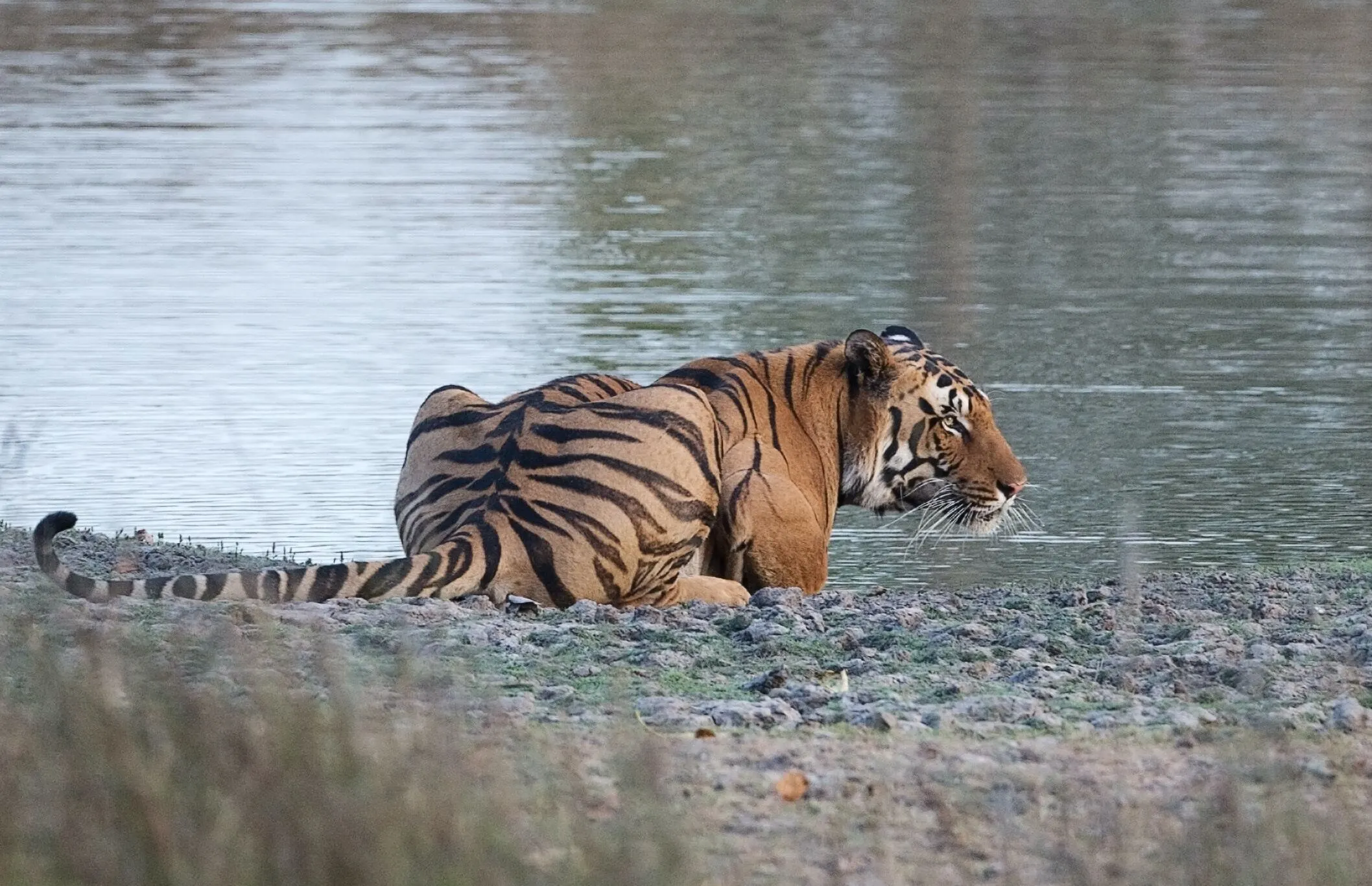
Kanha Tiger Safari
Kanha is the park that gave Rudyard Kipling the setting for The Jungle Book, and it is still the most complete tiger reserve in central India. At 940 square kilometres, it is the largest national park in Madhya Pradesh, and it holds one of the highest tiger densities in the country alongside barasingha, gaur, sloth bear, and wild dog. Planning a trip here comes down to five decisions: when to go, which zone to book, how many safaris to take, where to stay, and who handles the permits. Here is how we walk our travellers through each one.
What to Expect on a Kanha Safari
You'll cover your zone in an open 4x4 gypsy, usually shared with up to five other travellers and a driver-naturalist who reads the forest for you - alarm calls, pug marks, which direction the langurs are watching. Sightings are never guaranteed on any single drive, but Kanha's tiger density means most multi-safari trips land at least one good sighting.
The forest itself changes character through the day. Early morning is quiet and cool, with mist over the meadows and the best chance of catching a tiger still out from the night before. By late morning the light flattens and animals move into shade. Afternoon safaris pick up again as the heat drops and animals head back toward water. Expect sal and bamboo forest, open grassland, and a fair amount of dust in the dry months - it's part of the experience, not a flaw in it.
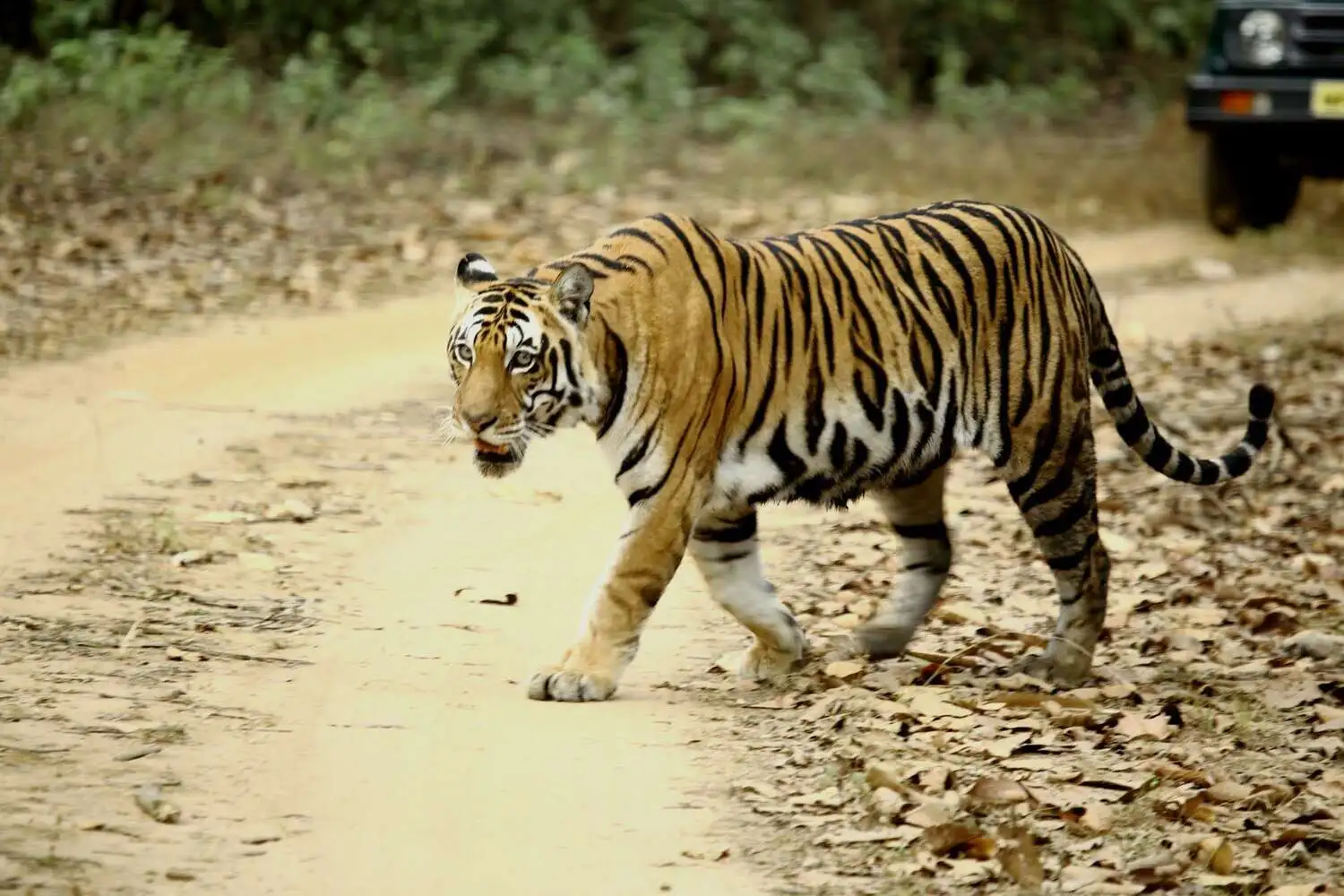
Things to consider before planning Kanha safari
Utilize your time and assets by creating a well-organized schedule for a tiger safari tour. Here are some vital things to consider when organizing your Kanha tiger safari tours:
Choosing a Zone
Kanha has four core zones, each entered through a different gate. Which one you book affects your sightings, your drive time, and where you should stay.
Kanha Zone
Kanha Zone is the oldest and most visited zone, entered through Khatia Gate. It has open meadows, grassland, and a high tiger density. Shravan Taal, a small lake tied to a Ramayana legend, sits inside this zone, along with the Kanha museum. Good first choice if you only have one or two safaris to spend.
Kisli Zone
Kisli Zone, also reached from Khatia Gate, sits close by and blends sal forest with grassland. It was carved out of Kanha Zone as visitor numbers grew, and it holds a similarly strong tiger population. If your resort is near Khatia, Kisli is often the easiest add-on to a Kanha Zone safari.
Mukki Zone
Mukki Zone is entered through Mukki Gate on the south side of the park, about 54 km and 1.5 hours by road from Khatia. It's one of the older safari zones and has a strong reputation for sightings, in part because it sees fewer vehicles than Kanha or Kisli. Worth the extra drive time if your stay is closer to the Mukki side or if you're prioritising sightings over convenience.
Sarhi Zone
Sarhi Zone is the least visited of the four, reached via a shared road through Kisli. It has denser vegetation and larger meadows, which makes tiger sightings a little harder to call but rewards patient visitors - this is where the barasingha was first recorded in the park's history. Good for travellers who want a quieter drive and don't mind lower odds.
If you're not sure where to start, match the zone to what you want most:
- Nature lover who wants classic Kanha scenery and easy logistics - Kanha Zone
- Want strong sightings without straying far from Khatia - Kisli Zone
- Photographer or serious wildlife traveller chasing the best odds - Mukki Zone
- Want a quieter forest and don't mind fewer sightings - Sarhi Zone
By sighting reputation, Kisli and Mukki tend to rank highest, followed by Kanha zone, then Sarhi. All four sit inside the same reserve, so a quiet day in a "better" zone still beats a good day in the wrong season.
A rule of thumb beyond that: stay near the gate that matches your zone. Crossing between zones inside the park can take close to two hours, and an evening safari with a 45-minute drive just to reach the zone eats into your sighting window.
When to Visit Kanha
Kanha's core zones stay open from 1 October to 30 June and close completely for the monsoon, 1 July to 30 September, across all four zones - Kanha, Kisli, Mukki, and Sarhi. Some buffer zones like Khatia, Khapa, and Sijhora stay open for restricted rain safaris during this window, weather and track conditions permitting.
Winter
(November to February)
Winter is the most comfortable season. Days sit in the low to mid-20s°C, mornings drop close to freezing on the open jeep, and the grasslands are full of activity. This is also the best window for birding, with migratory species arriving through the season. Bring a proper jacket for the 6 AM safari - the cold at that hour surprises most first-timers.
Summer
(March to May)
Summer is hot, with daytime highs reaching 40-42°C by May. It is also when tiger sightings are at their best. Foliage thins out, water bodies shrink to a handful of spots, and wildlife activity increases around what's left. If a tiger sighting matters more to you than comfort, this is the season to book.
Post-monsoon
(October)
Post-monsson sits between the two. The park has just reopened, the grass is still green from the rains, and crowds are thinner than the winter peak. Sightings are decent though not as reliable as summer.
If you want one answer: come in April or May for the best odds of seeing a tiger, and come in November to February if you want a comfortable trip with strong birding and don't mind smaller odds on the big cat.
When to Book Your Kanha Safari
Planning ahead matters more in Kanha than in most parks. The forest department allows a fixed number of gypsies into each zone per day, and permits are issued through the official portal well before your travel dates. The most popular zones and the busiest weeks sell out fast, sometimes months in advance.
We recommend confirming your Kanha trip 3 to 4 months before travel, especially if you're visiting during peak season from November to February, or over Diwali and Christmas. Booking this early gets you your preferred zone, a gate-side resort instead of whatever's left, and enough runway to plan flights and internal transfers without last-minute scrambling.
Later bookings are still possible, but your choices narrow. Popular zones like Kisli and Mukki are usually the first to fill, so a late booking often means settling for a less-preferred zone or a gate further from your resort. If your dates are fixed and you already know which zone you want, book as early as you can.
We track permit availability across all four zones and handle the booking on your behalf, along with the resort and transfers, so you get the zone and dates you actually want rather than whatever's still open.
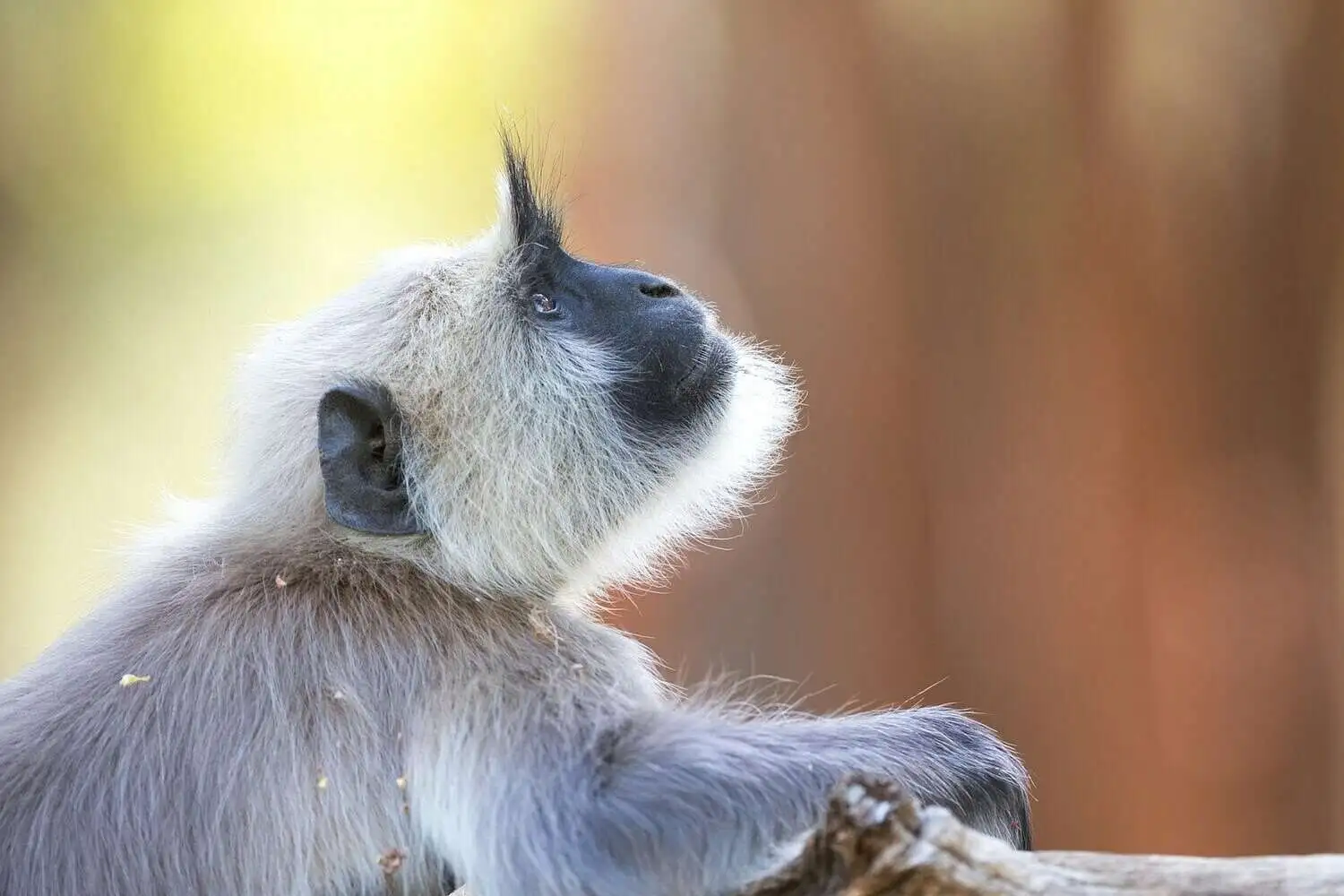
Safari Timings
Kanha runs two safaris a day, and the exact clock times shift with sunrise and sunset through the year.
- Morning safari: roughly 6:00 AM to 11:00 AM
- Afternoon safari: roughly 3:00 PM to 6:45 PM
A few closures to plan around:
- Every Wednesday, only the morning safari runs. The park stays shut for the evening shift.
- Holi and Diwali, the park closes for both shifts.
- 1 July to 30 September, all four core zones close for monsoon.
How Many Safaris to Plan
Tiger sightings in Kanha are good but never guaranteed on any single drive. Two to three safaris meaningfully raise your odds over one. For travellers who want to cover multiple zones and give themselves a real shot at a sighting, we usually recommend:
Weekend Trip
2 Nights / 3 Safaris
a solid weekend trip, one or two zones
Recommended Itinerary
3 Nights / 5 Safaris
our most booked itinerary, enough to try two or three zones
Wildlife Focus
5 - 6 Nights
for photographers or wildlife enthusiasts who want to work each zone properly and aren't in a hurry
Planning Your Safari Budget
Four things move the number on a Kanha trip, and knowing them upfront makes it easier to plan than working backward from a single headline price.
Safari Cost
Per safari, costs start from around ₹6,000, split between the forest department permit, the gypsy hire, and the mandatory gate guide fee. This is shared across everyone riding in your gypsy, so the per-person cost drops fast with group size. Weekend safaris run slightly higher than weekdays across all three components.
Accommodation
Accommodation is the biggest swing factor beyond that. Kanha has everything from simple forest lodges to high-end luxury camps, and the gap between them can be several times over on a per-night basis. Decide this first - it shapes everything else.
Number of Safaris
Number of safaris matters more than most people expect. Each one carries its own permit and jeep cost, so a 5-safari trip costs meaningfully more than a 2-safari one, but it also gives you a real shot at multiple zones and a much better chance of a sighting. A typical 3-day trip runs 3-4 safaris, and a 6-day trip runs 8-10.
Group Size
Group size works in your favour. A gypsy typically seats up to six, and permit and vehicle costs are shared across the group, so travelling with family or friends brings the per-person cost down noticeably compared to a solo trip.
Tell us your budget range and what matters most to you - comfort, sightings, or zones covered - and we'll build a package around it rather than fitting you into a fixed one.
Safari Permits and Booking
Permits are issued by the Madhya Pradesh Forest Department through their official booking portal, with a limited number of jeeps allowed into each zone per day. Popular zones and peak-season dates - especially December through February and the Diwali and Christmas weeks - sell out weeks or months in advance. The portal doesn't accept foreign cards, and booking correctly (right zone, right gate, right vehicle category) takes some familiarity with the system.
This is the one part of planning we'd tell you not to do last-minute. We handle permits, gate selection, and jeep booking for every trip we run, along with the private vehicle and driver-naturalist for each safari.
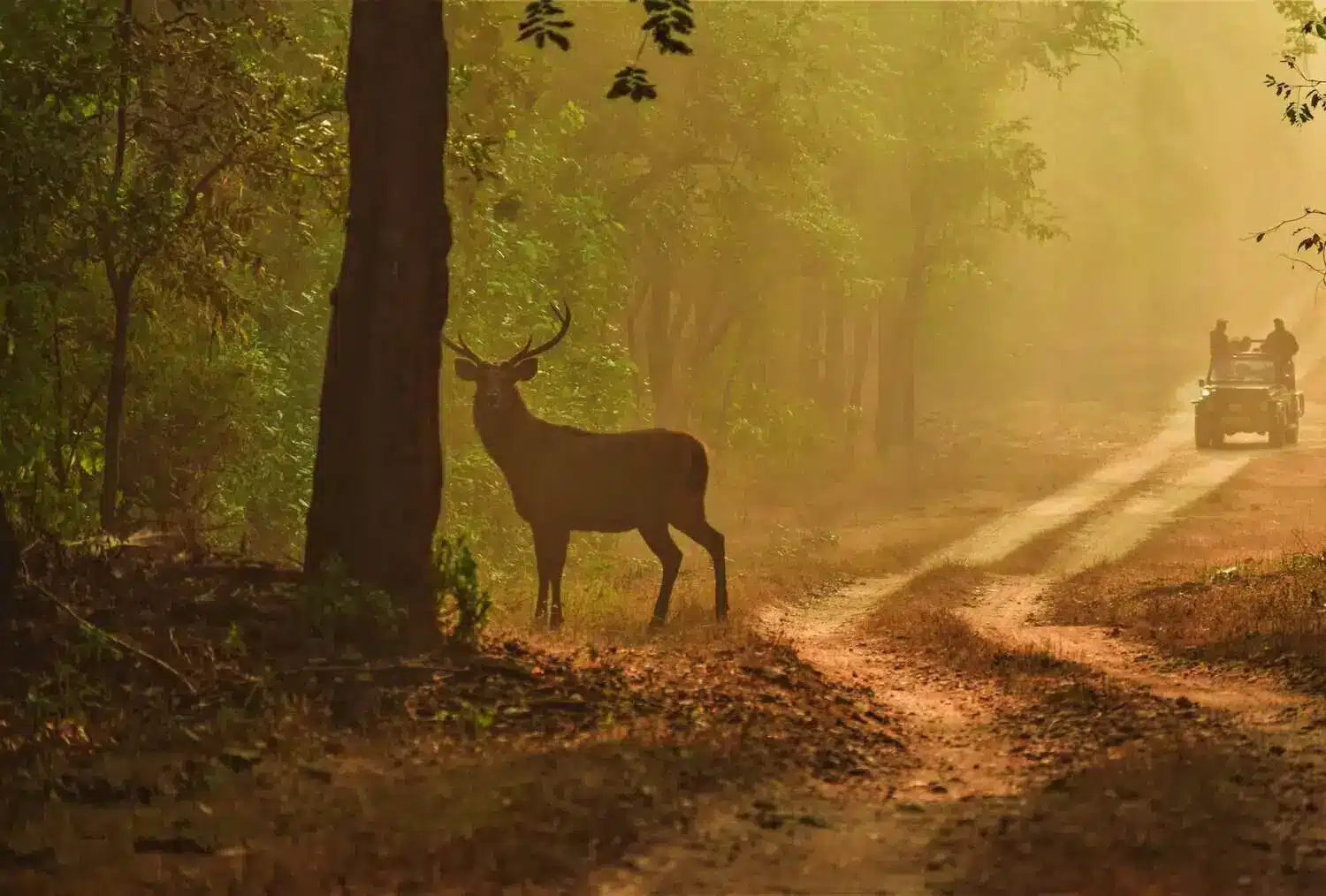
Getting There
Kanha sits in central Madhya Pradesh, and there's no direct public transport into the forest area, so a private transfer is the only practical option for the last stretch.
By Air
Nearest airport is Jabalpur (about 4-5 hours by road) or Nagpur (about 5-6 hours), depending on your gate.
By Train
Jabalpur is the more convenient railhead, roughly 170 km from the park
Private Transfer
All our packages include airport or station transfer to your resort, plus transport from the resort to the gate for every safari.

What to Pack
- Earth-toned clothing - olive, khaki, brown. Bright colours and white stand out and can affect sightings.
- A valid photo ID - required at the gate for every visitor.
- Binoculars and a camera with some reach - a 200mm+ lens if you're serious about photographs.
Winter add-ons: a warm jacket for the early morning safari, layers you can shed by mid-morning, closed shoes.
Summer add-ons: sun protection, a hat, and more water than you think you'll need - the open jeep gives you no shade.
Monsoon-edge (October) add-ons: quick-dry clothing and a dry bag for cameras, in case of a late-season shower.
Popular Kanha Safari Packages
If you'd rather start from a ready itinerary than build one from scratch, these are the Kanha packages travellers book with us most:
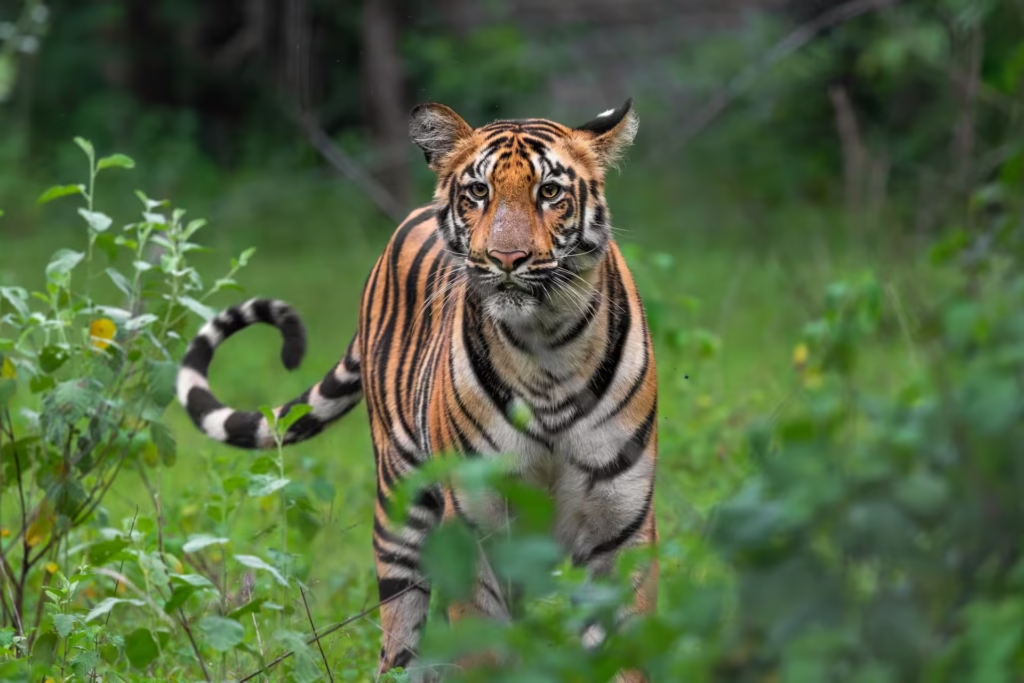
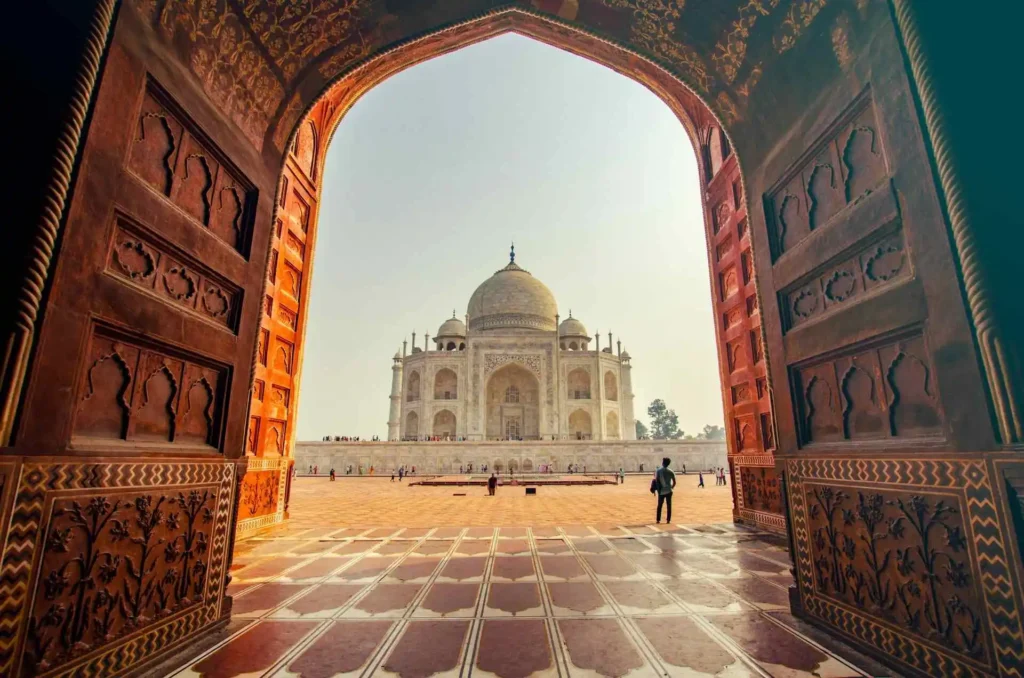

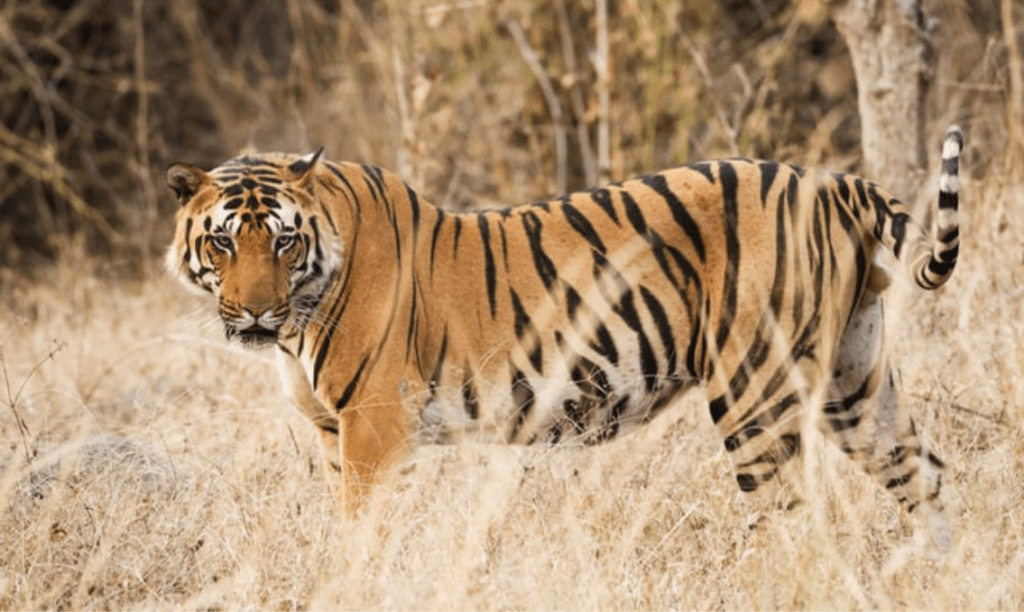
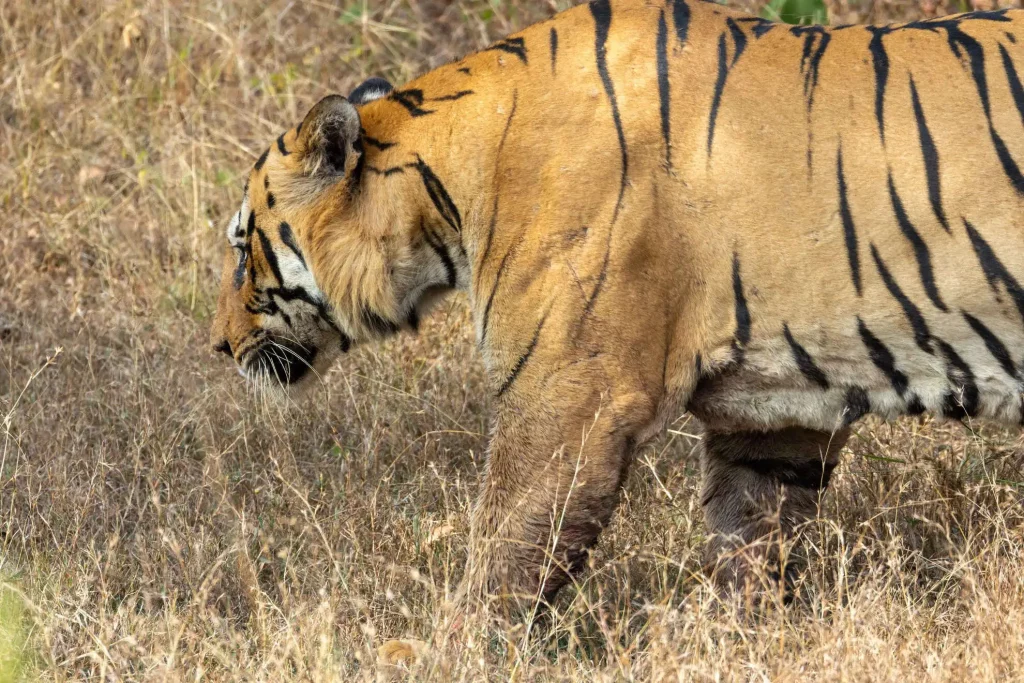
Choosing a Tour Operator
-
A real track record in Kanha specifically
Not just Indian wildlife tours broadly - this park and its zones -
Naturalist-guided jeeps
Not just a driver. The difference between seeing a tiger and understanding it. -
What's actually included
Permits, gate transfers, and airport pickup - not an extra you discover later. -
Reviews from Kanha travellers specifically
Not general company reviews.
Frequently Asked Questions
What is the best time to visit Kanha for a tiger sighting?
April and May give the best odds, since the heat pushes tigers toward the few remaining water sources. November to February is more comfortable but sightings are somewhat less certain.
Which zone should I choose in Kanha?
Kisli and Mukki have the strongest sighting reputations. Kanha zone is the easiest to combine with sightseeing, and Sarhi suits travellers who want a quieter forest.
How many safaris should I book?
Two to three meaningfully improve your odds over one. A typical 3-day trip runs 3-4 safaris, and a 6-day trip runs 8-10.
How do I book a Kanha safari permit?
Through the Madhya Pradesh Forest Department, either as a regular booking up to 90 days ahead, a single-seat booking the day before, or a premium tatkal booking 7 days ahead. We handle this as part of every package we run.
Is Kanha open all year?
No. The core zones close completely from 1 July to 30 September for monsoon and reopen on 1 October. The park also closes on Wednesday evenings, and for Holi and Diwali.