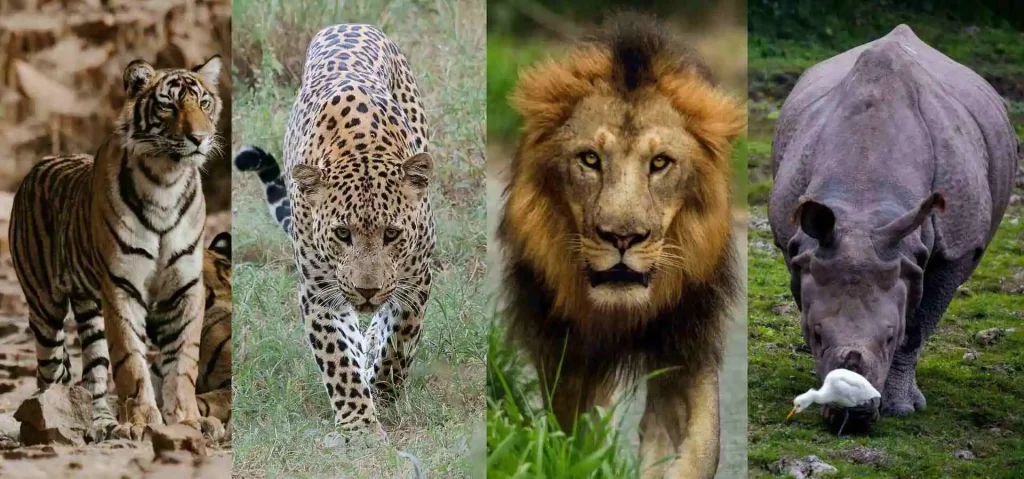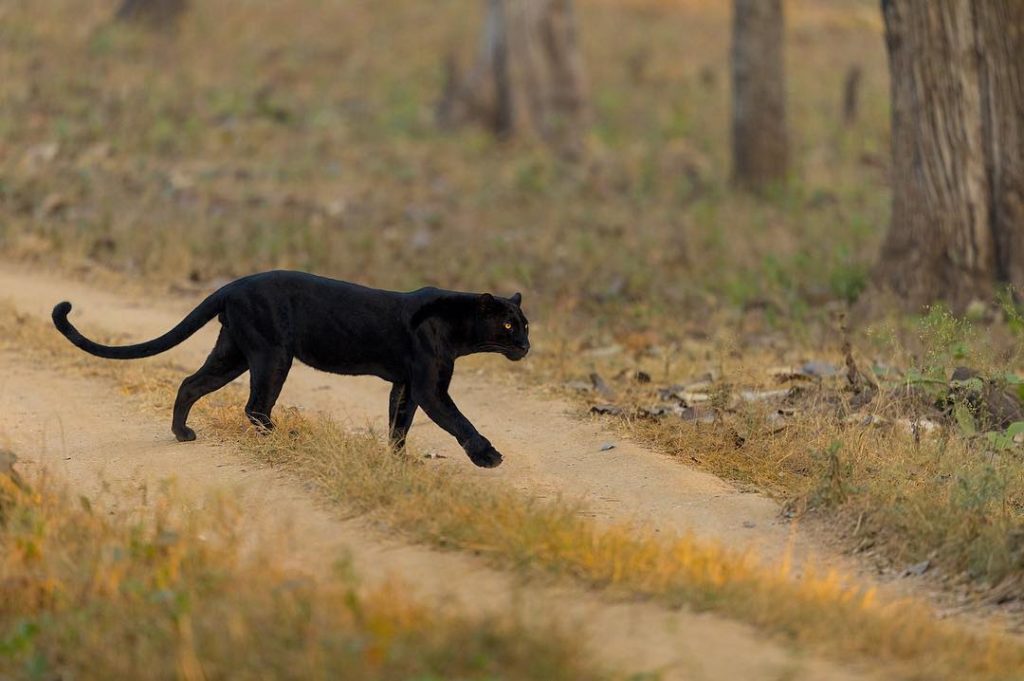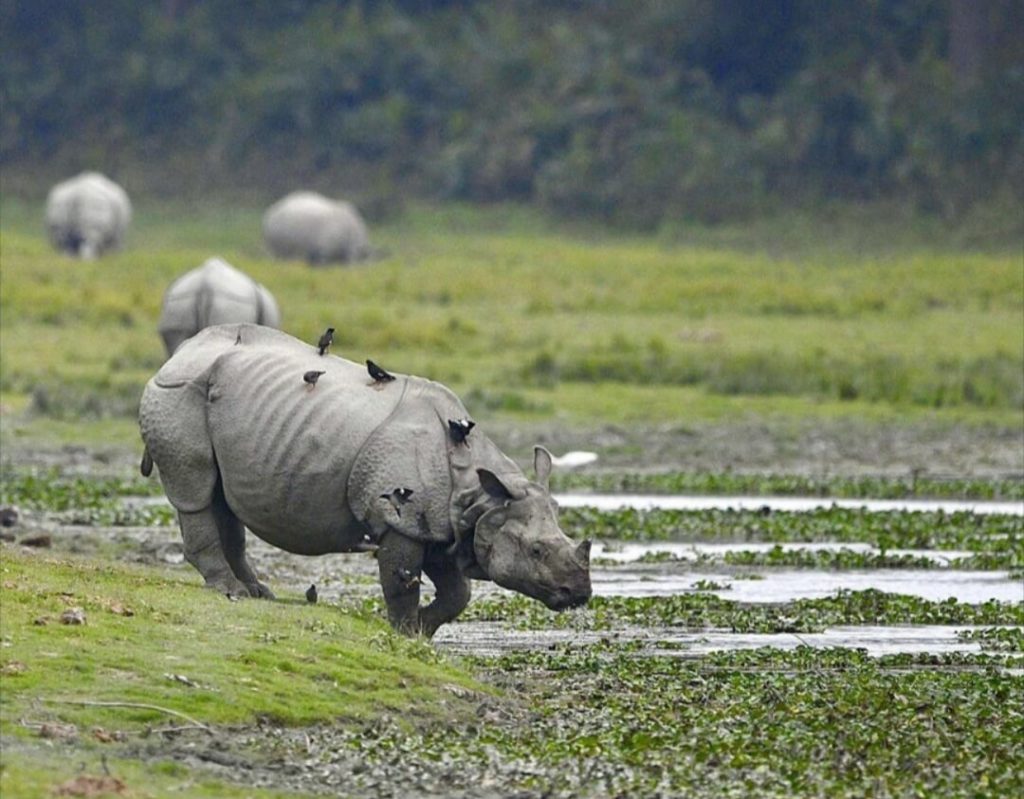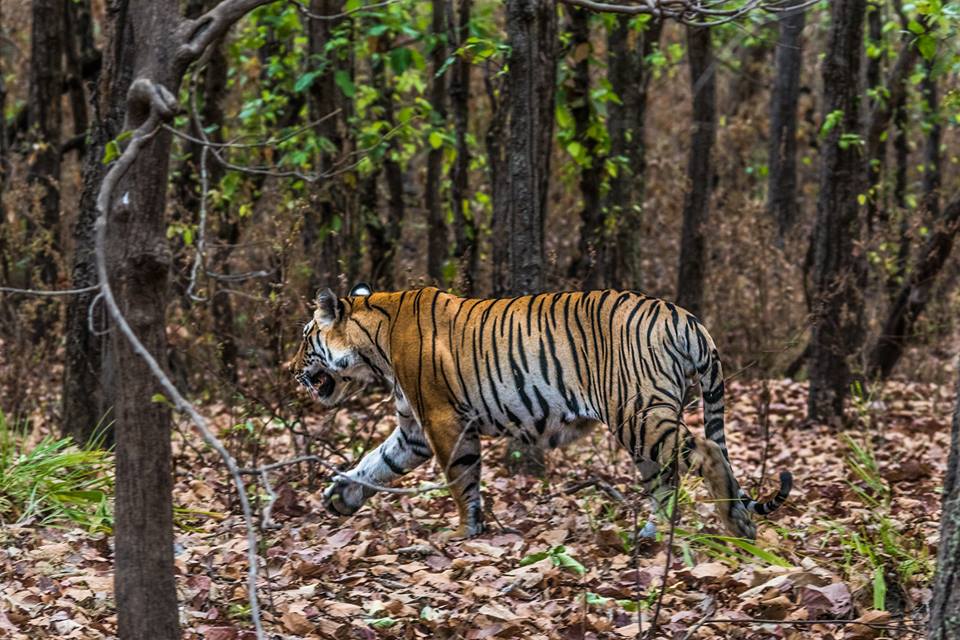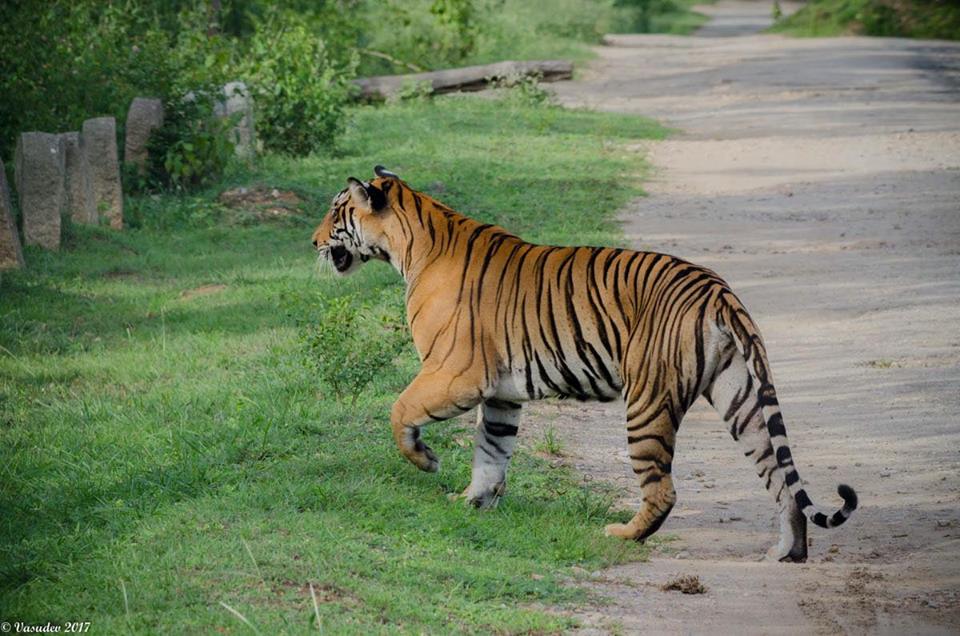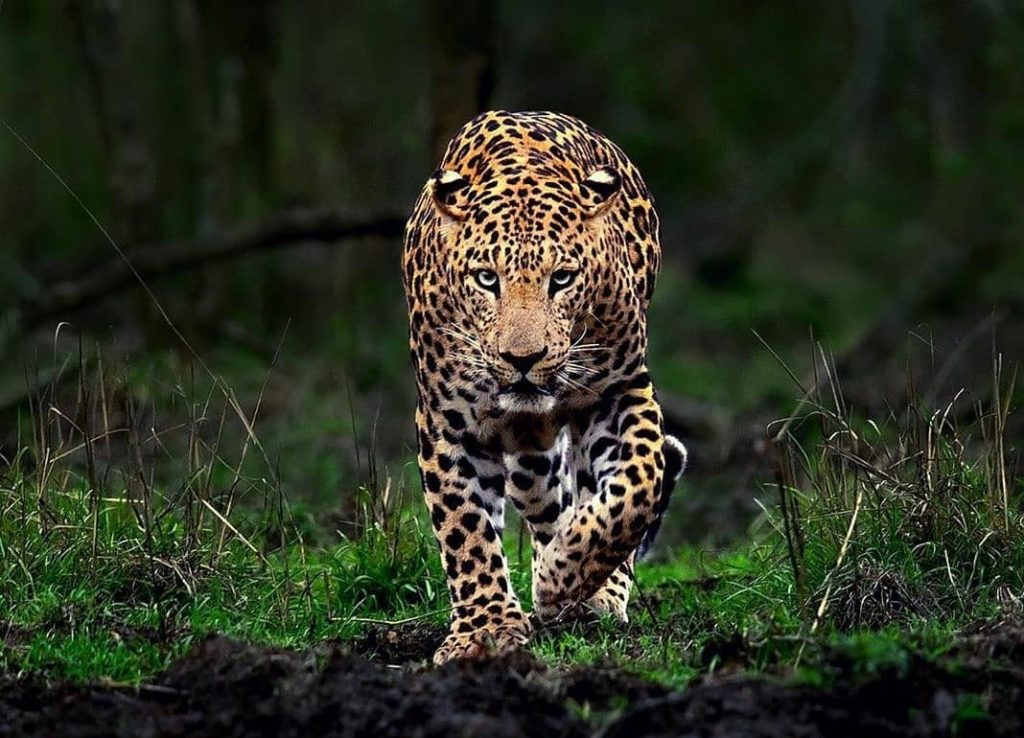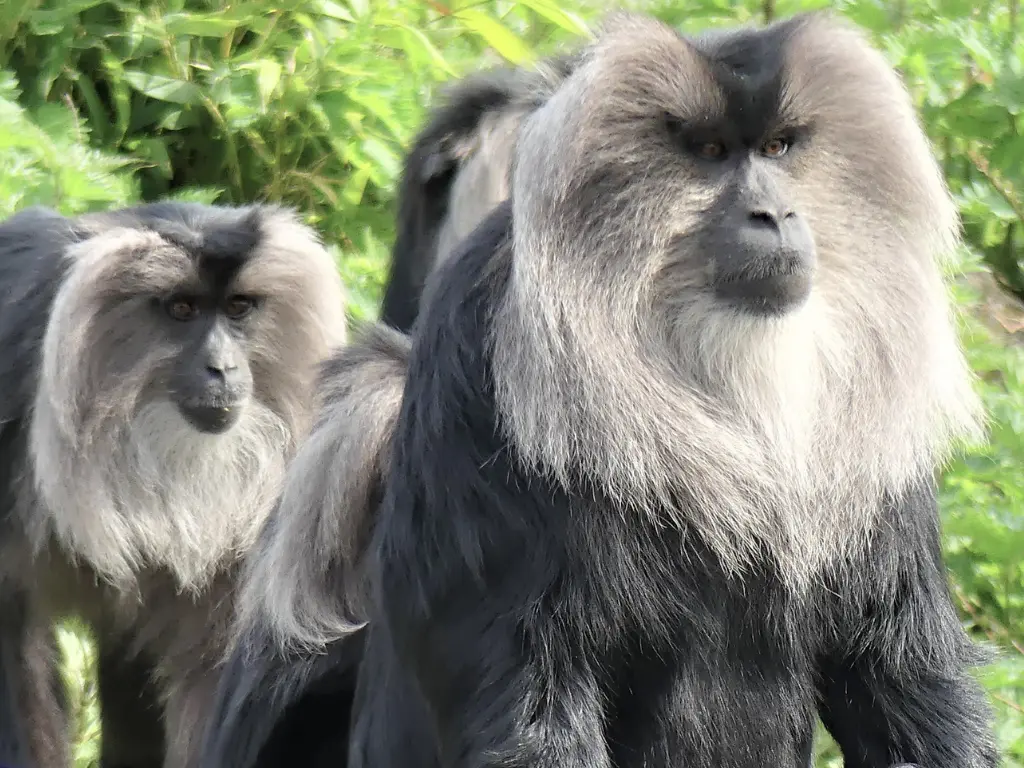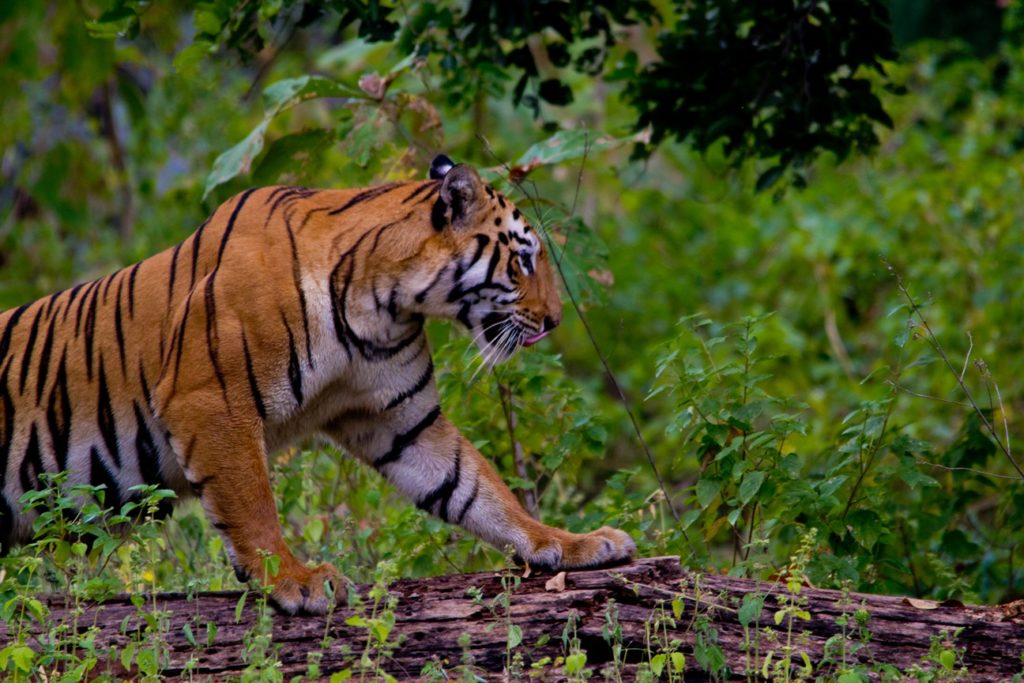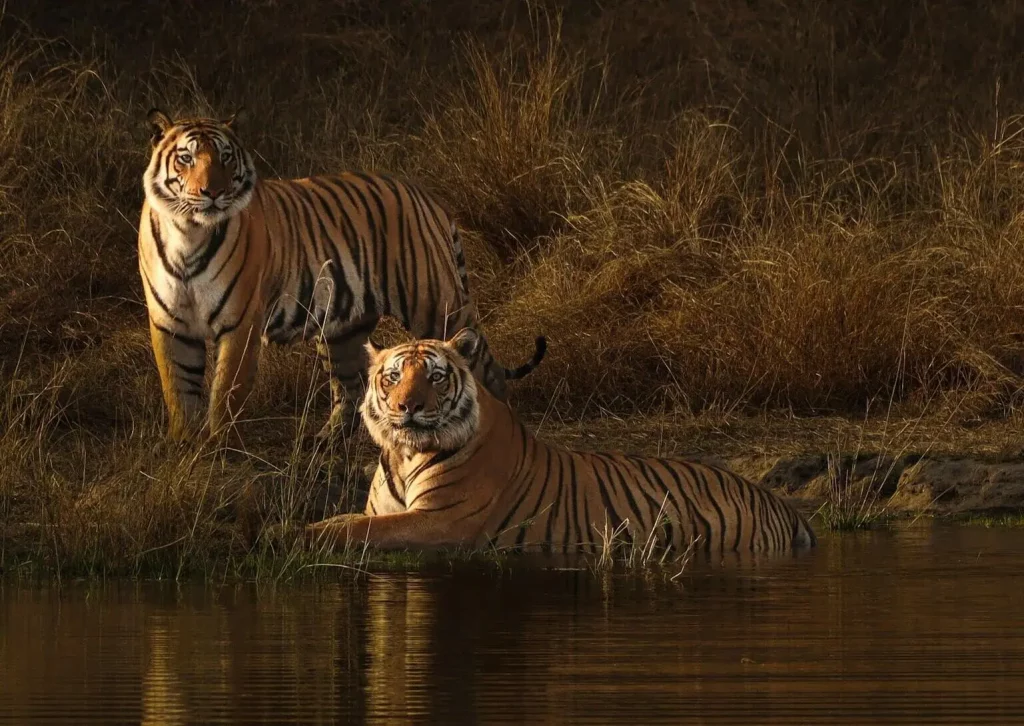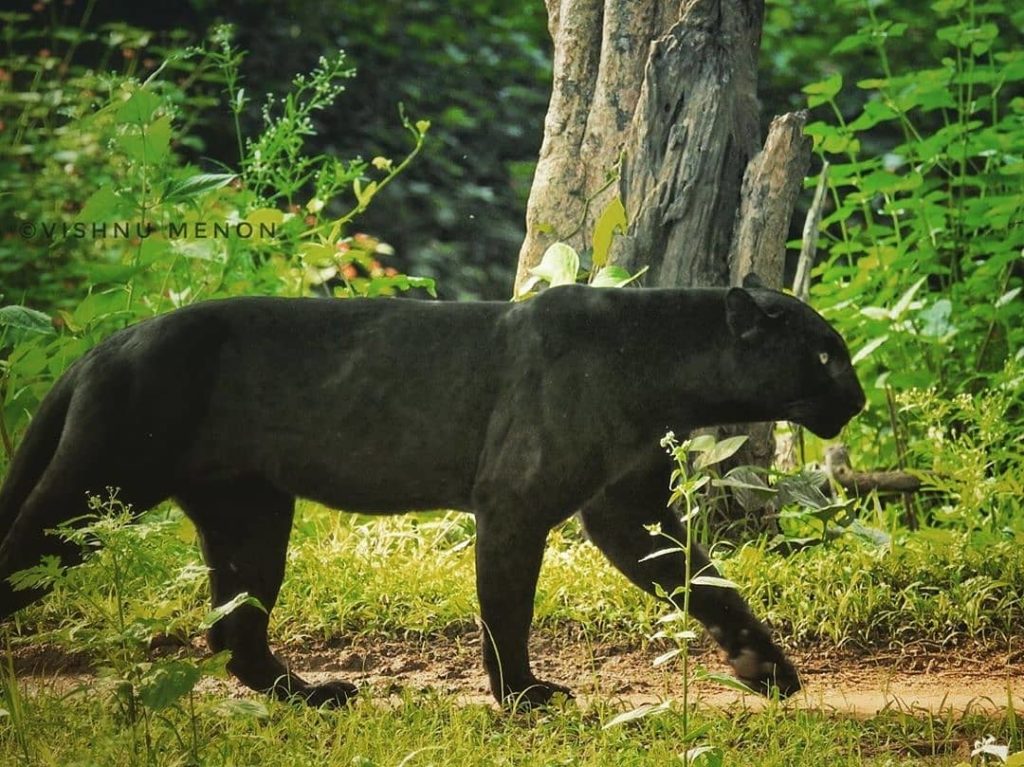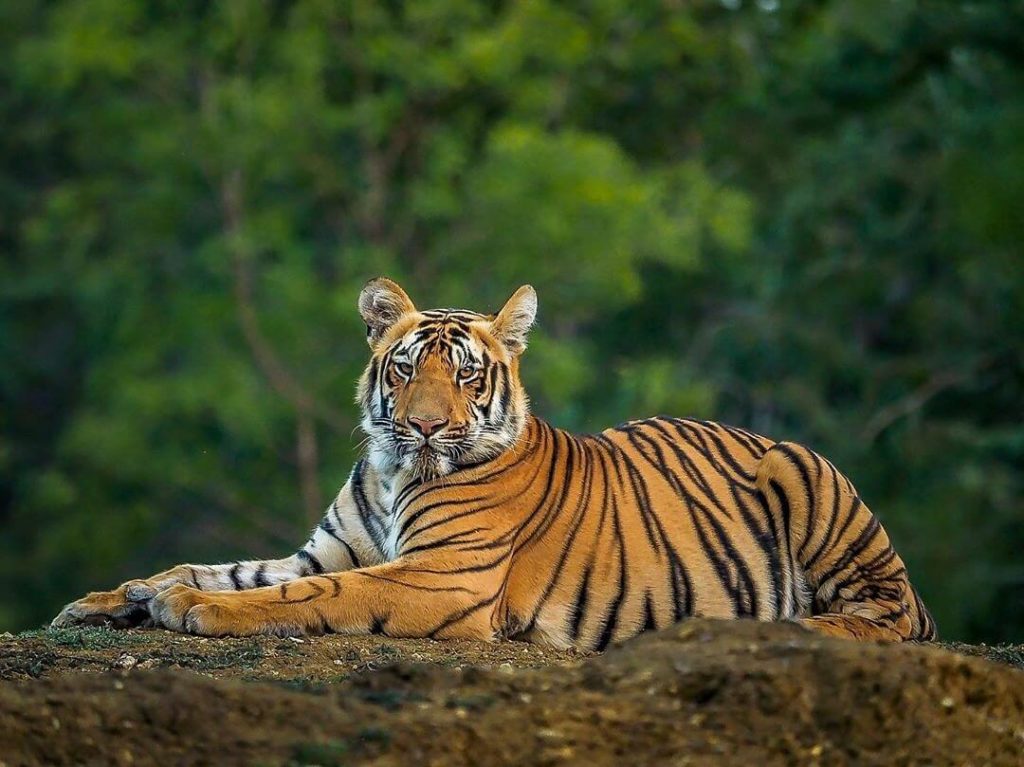

Have you ever visited a National park or Tiger Reserve in India?
If yes, you may know about the Core and Buffer areas of the park.
If no, this article will help you to understand the difference between and core and buffer areas of a national parks or tiger reserve.
Primarily, all the national parks and tiger reserve in India is distributed in Core and Buffer areas, but what is this core and buffer areas?
Explore How to plan tiger safari india
Core Zones: Where Nature Thrives

Alright, let's talk core zones in national parks. These areas are like the heart and soul of the park and they are responsible for protecting and conserving the natural environment and all the creatures that call it home. They're like the most important conservation zone of the park, where nature reigns supreme.
Now, what's exciting about these core zones is that they're often buzzing with wildlife. You've got everything from mammals to some really rare bird species. It's basically a hotspot for Mother Nature's finest.
So if human intervention is restricted, how does one visit the core zone? Or is it even possible to visit the core zones of national parks?
The answer is YES.
Wildlife tourism is permitted in designated areas of many national parks and tiger reserves, subject to government regulations, entry permits and tourism rules. Visitors cannot access every part of the core zone. The National Tiger Conservation Authority (NTCA) recommends limiting tourism to a maximum of 20% of the core or critical tiger habitat. Visitors can book authorised wildlife safaris to explore permitted areas and observe animals in their natural habitat.
Popular Safari Packages in India


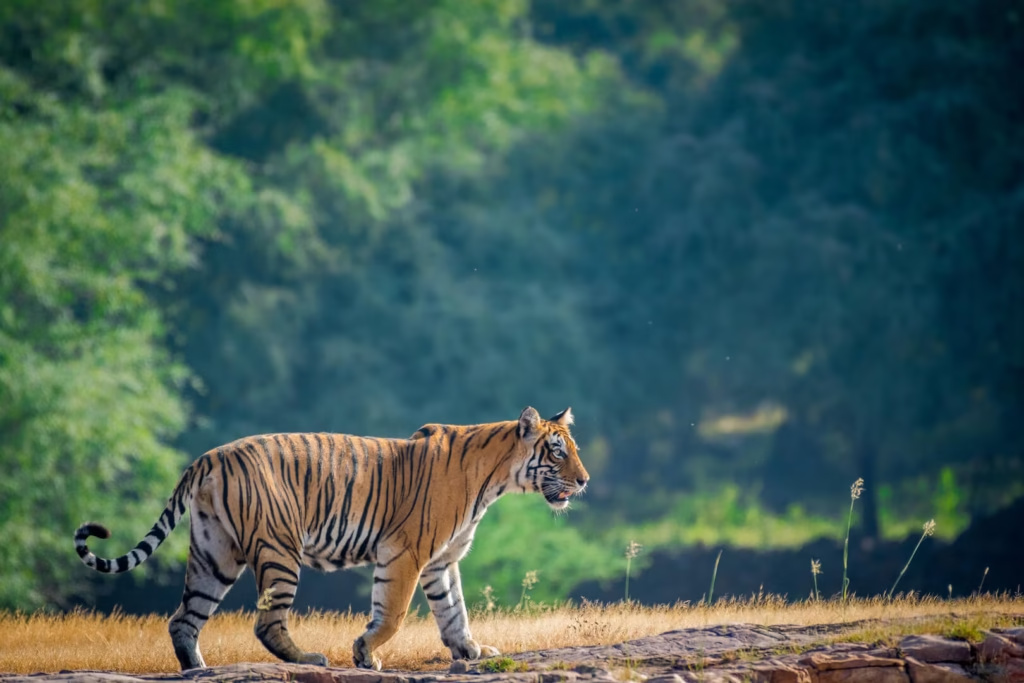

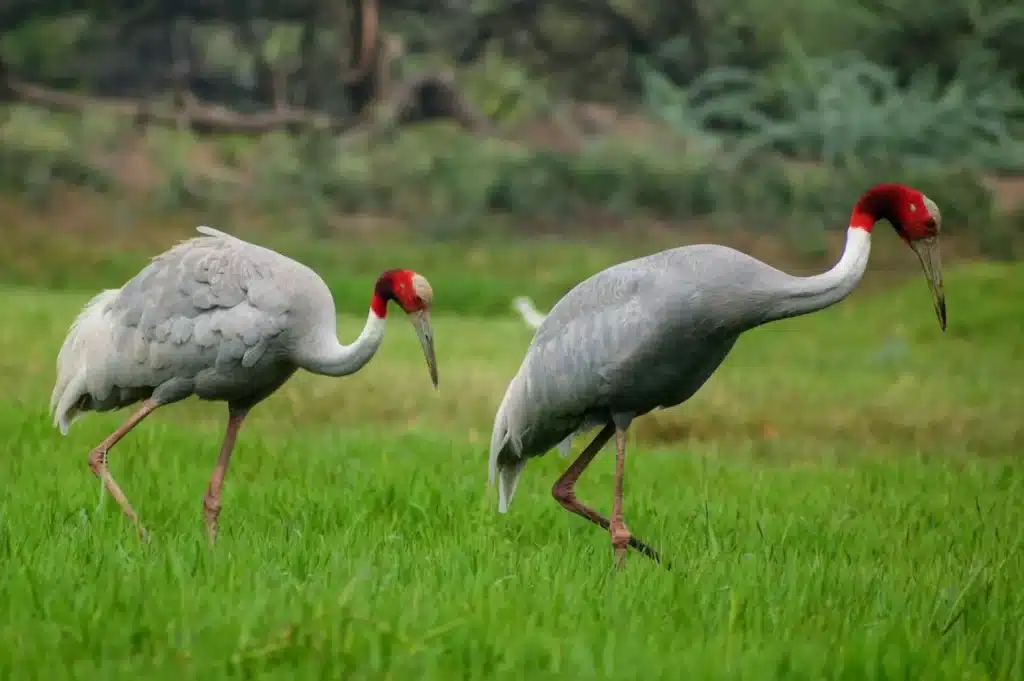
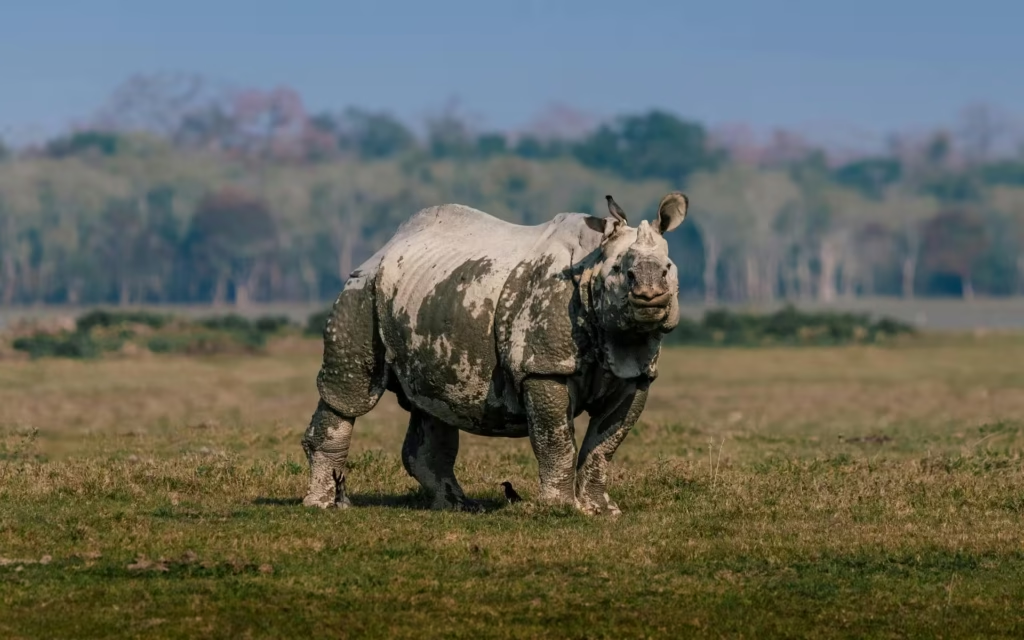
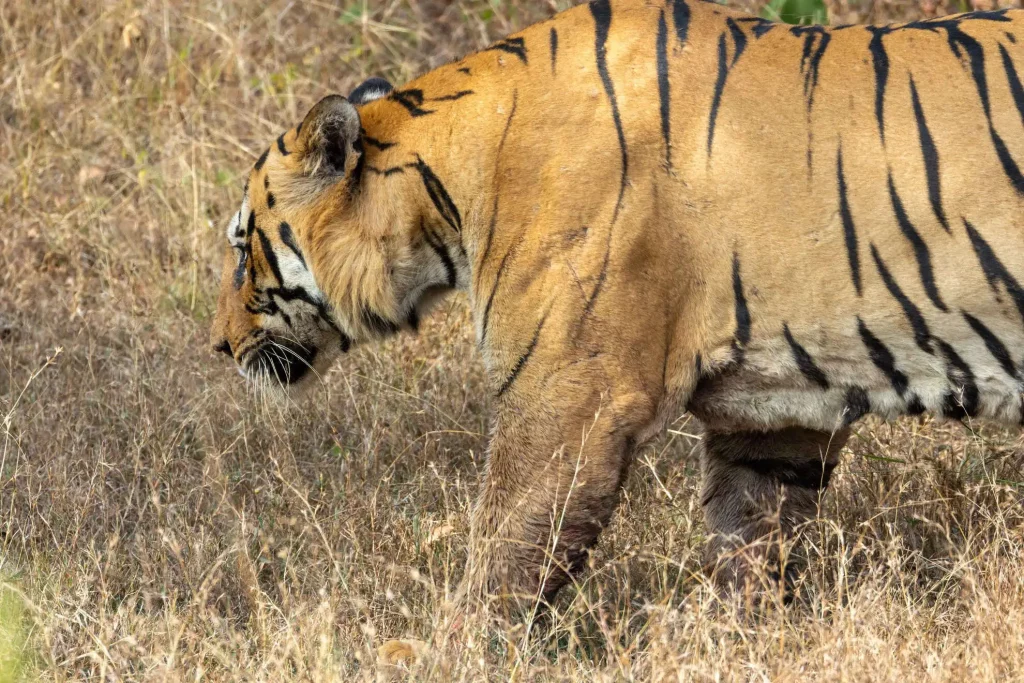

Buffer Zones: Where Nature Meets People

These zones are pretty cool because they're like the middle ground between the super-protected core areas of the park and the places where local villagers, and tribal people live and work. Unlike the core zones, buffer zones have some relaxed rules, which makes them more tourist-friendly.
Imagine a safari through beautiful scenery, seeing colourful birds, or enjoying a peaceful nature hike. Buffer zones are where you can do all of that and more. It's not just about having fun; it's also about giving a little boost to the local economy while you're at it.
Buffer zones often connect with local villagers actively involved in protecting the environment. When you visit these areas, you'll see how people and wildlife share space and coexist.
And don't think you'll miss out on wildlife in buffer zones. While the core zones are like the VIP section for spotting rare animals,alsoin buffer zones you can spot beautiful birds and animals when doing safari. Plus, you'll get to soak in the breath-taking natural beauty of the park. So, buffer zones are your way to enjoy nature.
Core Zone vs Buffer Zone: Key Differences
| Feature | Core zone | Buffer zone |
|---|---|---|
| Main purpose | Protect critical tiger habitat | Support habitat integrity, dispersal and coexistence |
| Protection | Strict conservation focus | Conservation combined with managed human activities |
| Human activities | Highly restricted under applicable laws and rules | Some activities may be allowed under the reserve's management rules |
| Safari access | Available in designated tourism areas where permitted | Available in designated areas where permitted |
| Wildlife sightings | Possible, but never guaranteed | Possible, but never guaranteed |
| Local communities | Rights and applicable legal protections must be respected | Coexistence and local livelihoods are explicit management concerns |
Is a Core Zone Safari Better Than a Buffer Zone Safari?
A core zone safari is not always better than a buffer zone safari. Both offer opportunities to explore the forest and observe wildlife in its natural habitat. The experience depends on the reserve, safari route, wildlife activity and available permits.
Core zones focus on protecting critical wildlife habitats. Safaris operate only in designated areas, with entry limits and other rules to reduce disturbance. Buffer zones also support wildlife conservation while allowing greater scope for local communities and regulated tourism.
Keep these points in mind when choosing between a core and buffer safari:
- Core and buffer safaris use designated entry gates and routes.
- Permit availability, vehicle limits, timings and entry rules vary by reserve.
- A buffer safari is not automatically cheaper or better for wildlife sightings.
- Choose a zone based on your destination, available permits, preferred experience and current official guidance.
If your main goal is to see tigers, remember that sightings are never guaranteed in either zone. A core safari may suit visitors interested in specific forest landscapes, while a buffer safari can offer a different route and wildlife experience. The best choice depends on the reserve and the safari options available for your dates.
For Tadoba, buffer zones are worth considering because they offer varied forest routes and opportunities to observe wildlife beyond the core area. Read our detailed guide on Why Tadoba Buffer Zone Is Better Than the Core Zone to understand the potential benefits and decide which safari suits your visit.
So Now, what are Core gates and Buffer gates?
Core gates are the safari entry gate for doing the safaris in Core areas of the forest, whereas Buffer gates are the safari entry gates for doing the safaris in the Buffer areas of the forest.
There can be multiple Core and Buffer gates in a forest depending on the size of the forest.
To summarize, understanding the difference between core zones and buffer zones in Indian national parks is essential for a fulfilling and responsible visit. These zones offer unique experiences, whether you're all about getting up close and personal with wildlife in the core zones or more into enjoying outdoor activities in the buffer zones.
Note : Always play by the park's rules. It's not just about following the guidelines; it's about ensuring these natural gems are preserved for generations to come. So, as you set off on your adventure through India's national parks, embrace every moment and enjoy the beauty of our planet's wild wonders!
Frequently Asked Questions
Is a core zone the same as a national park?
No. In a tiger reserve, the core or critical tiger habitat is a notified area intended for strict tiger conservation. It may include areas with national park or wildlife sanctuary status. The terms are related but not interchangeable.
Can tourists enter the core zone of a tiger reserve?
Tourists may enter designated tourism areas in some core zones when permits are available. Access is regulated, and some parts remain closed to tourism.
Is the buffer zone outside the tiger reserve?
No. The buffer or peripheral area is part of the tiger reserve. It surrounds the core and supports habitat connectivity, tiger dispersal and coexistence with human activities.
Are tiger sightings more common in core zones?
Not necessarily. Wildlife sightings vary with animal movement, season, habitat and chance. A core-zone permit does not guarantee a tiger sighting.