
Masai Mara Safari From India
From the tiger forests of Central India to the open plains of Kenya - the Masai Mara puts you in the middle of the greatest wildlife spectacle on earth, the Great Migration, with the Big Five all in one reserve.
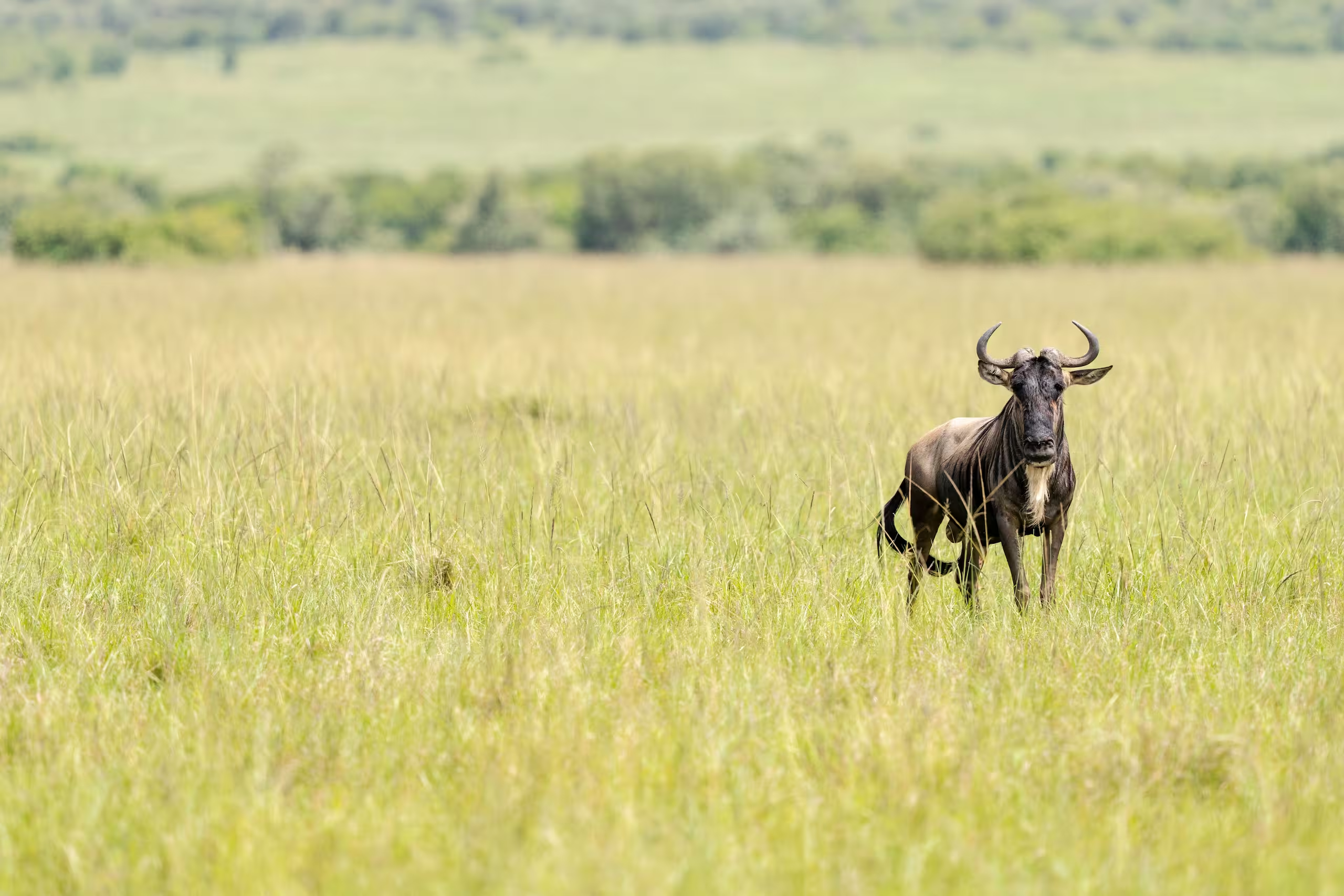
Africa's easiest safari to reach from India
The Masai Mara sits on the Kenyan side of the Serengeti ecosystem, a 1,510 square kilometre reserve of open grassland cut by the Mara and Talek rivers. Lion density here is among the highest anywhere. Leopard, cheetah, elephant, buffalo and rhino all live in the same landscape, which is why first-time safari travellers from India almost always start with the Mara rather than anywhere else in Africa.
Two things make it practical. Kenya Airways, Air India and IndiGo fly non-stop from Mumbai, with Kenya Airways also flying non-stop from Delhi. And Kenya replaced its visa system with an online travel authorisation, so the paperwork happens on your laptop instead of at a consulate.
Why add the Mara to your safari life
Sightlines like nowhere else.
Open grassland means you can often see a pride of lions, a herd of elephants, and a lone cheetah on the same drive, all from a distance.
The Great Migration.
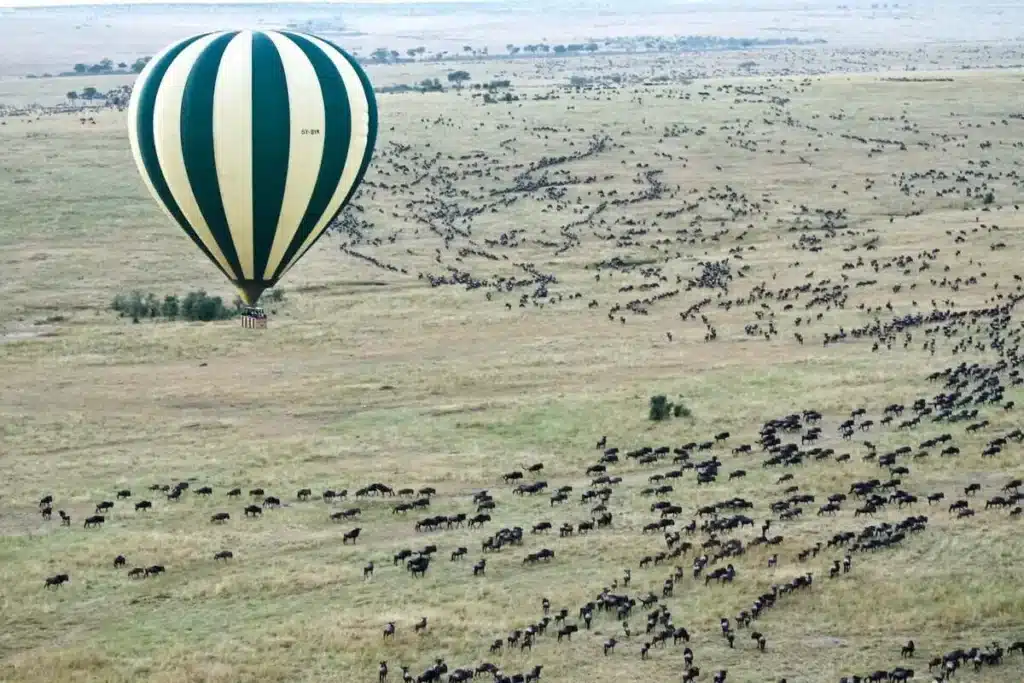
Roughly 1.5 million wildebeest and 200,000 zebra move through the Mara from July to October, crossing the crocodile-filled Mara River in one of nature's most dramatic events.
The Big Five, realistically.
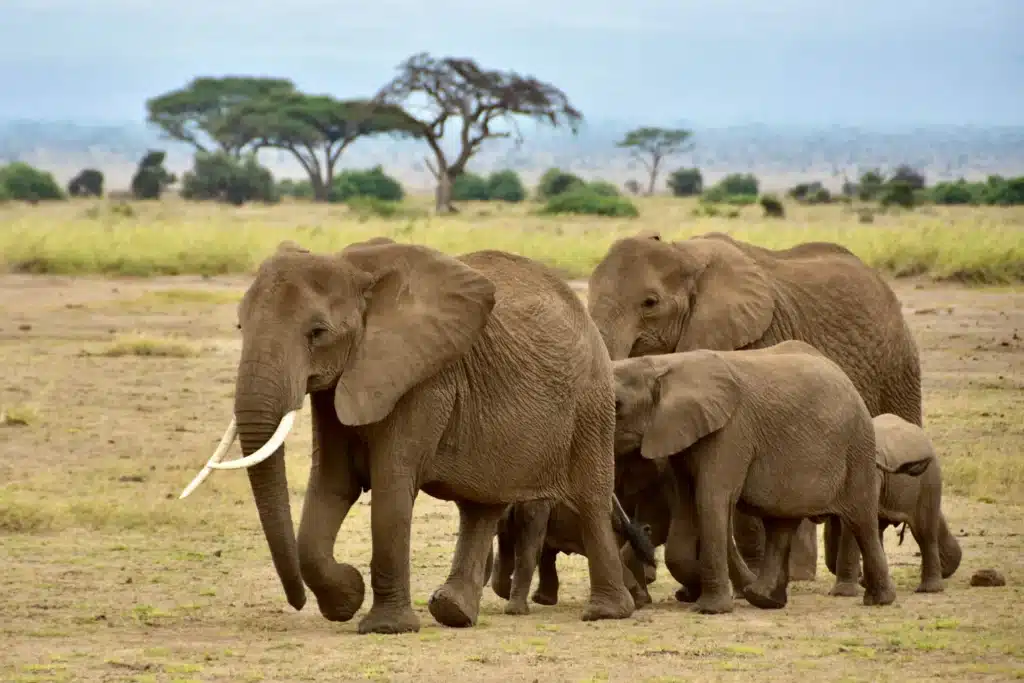
Lion, leopard, elephant, buffalo, and rhino are all present in the Mara ecosystem, with the black rhino concentrated in the Mara Triangle and nearby conservancies.
A short hop from India.
Direct flights connect Mumbai to Nairobi in around six hours, followed by a short domestic flight or road transfer into the reserve itself.
Flights from India to Nairobi for Safari
Several airlines operate direct and connecting flights from major cities in India to Nairobi, the main international gateway for a Masai Mara safari. Flight time from India to Nairobi usually ranges from about 7 to 15 hours, depending on the departure city, airline and stopover.
Airlines Flying from India to Nairobi for a Masai Mara Safari
Air India
Hub: Delhi
From India: Delhi
Flights to: Nairobi
Air India operates direct flights between Delhi and Nairobi.
Kenya Airways
Hub: Nairobi
From India: Delhi, Mumbai and other Indian cities through connecting services
Flights to: Nairobi
Kenya Airways connects travellers from India with Nairobi, the main gateway for reaching the Masai Mara.
Ethiopian Airlines
Hub: Addis Ababa
From India: Delhi, Mumbai, Bengaluru and other major Indian cities
Flights to: Nairobi
Ethiopian Airlines connects India with Nairobi through its Addis Ababa hub.
Qatar Airways
Hub: Doha
From India: Delhi, Mumbai, Bengaluru, Hyderabad, Chennai, Kochi and other Indian cities
Flights to: Nairobi
Qatar Airways offers connections from India to Nairobi through Doha.
Emirates
Hub: Dubai
From India: Ahmedabad, Bengaluru, Chennai, Delhi, Hyderabad, Kochi, Kolkata, Mumbai and Thiruvananthapuram
Flights to: Nairobi
Emirates connects Indian cities with Nairobi through Dubai.
Best Departure Cities in India
Travelers can start their Masai Mara safari journey from several major airports across India.
| Departure City | Direct to Nairobi | Approx. Round-Trip Fare | Flight Time | Main Airlines |
|---|---|---|---|---|
| Delhi (DEL) | Yes | ₹45,000–₹80,000 | 7–8 hours | Air India, Kenya Airways |
| Mumbai (BOM) | Yes | ₹45,000–₹85,000 | 7–9 hours | Kenya Airways, Emirates, Qatar Airways |
| Bengaluru (BLR) | Connecting | ₹50,000–₹90,000 | 10–13 hours | Emirates, Qatar Airways, Ethiopian Airlines |
| Hyderabad (HYD) | Connecting | ₹50,000–₹90,000 | 10–13 hours | Emirates, Qatar Airways |
| Chennai (MAA) | Connecting | ₹50,000–₹90,000 | 10–13 hours | Emirates, Qatar Airways, Ethiopian Airlines |
| Kochi (COK) | Connecting | ₹50,000–₹90,000 | 10–14 hours | Emirates, Qatar Airways, Ethiopian Airlines |
| Kolkata (CCU) | Connecting | ₹50,000–₹95,000 | 11–14 hours | Emirates, Qatar Airways |
| Ahmedabad (AMD) | Connecting | ₹50,000–₹95,000 | 10–14 hours | Emirates, Qatar Airways |
Tips for Booking Flights
- Planning flights early helps secure better fares and preferred travel dates.
- Book flights about three to six months before your safari.
- Compare fares from Delhi, Mumbai, Bengaluru and other nearby international airports.
- Consider direct flights to Nairobi or connections through Doha, Dubai or Addis Ababa.
- Set fare alerts on Google Flights or Skyscanner to track price changes.
- Leave enough time between connecting flights, especially when using separate tickets.
- Check baggage limits before booking, as safari flights within Kenya may have different baggage rules.
- Plan your Nairobi arrival around your onward flight or road transfer to the Masai Mara.
Nairobi to the Mara
By bush flight, 45 minutes
Light aircraft leave Wilson Airport in Nairobi each morning and afternoon for the Mara airstrips at Keekorok, Ol Kiombo, Musiara and Olkiombo. Baggage is capped at around 15 kg in soft bags. Your camp meets the plane and the first game drive starts on the way to the tent.
This is what we book for most Indian clients. It saves a full day in each direction.
By road, 5 to 6 hours
About 270 km southwest of Nairobi, with tarmac most of the way and rough murram on the final stretch. It costs less, suits families who want to stop at the Rift Valley viewpoint, and works well when you are combining the Mara with Lake Naivasha or Lake Nakuru on the same road.
Paperwork for Indian passports
Two documents matter. One gets you into Kenya. The other gets you back into India without trouble.
Kenya eTA
USD 32 to 34
Kenya scrapped the old e-visa in January 2024. Every Indian traveller now applies online for an Electronic Travel Authorisation at etakenya.go.ke, including children.
| Processing | 2 to 3 working days, longer in peak season |
|---|---|
| Validity | Single entry, stays of up to 90 days |
| Apply by | At least 3 days before travel, ideally 2 weeks |
| Needs | Passport valid 6 months, hotel or camp booking, return ticket |
Visa on arrival no longer exists for Indian passports. Apply before you fly or you will be refused boarding.
Yellow fever certificate
Required to return
This is the step that catches Indian travellers out. Kenya itself does not demand a yellow fever certificate from someone flying in directly from India, because India is not a risk country. India demands one from you on the way back, because Kenya is.
Arrive at Mumbai or Delhi without a valid yellow card and you can be held for quarantine. Get vaccinated at a government-approved yellow fever centre at least 10 days before you enter Kenya. The certificate is then valid for life, so it covers every African trip you ever take.
- Book at an authorised centre. Mumbai uses the Port Health Office, Delhi uses Safdarjung Hospital, and most state capitals have one approved centre.
- Slots fill up, so book four to six weeks ahead of travel.
- Carry the physical yellow card, not a photo of it.
What a Mara safari costs from India
Park fees double from July, and that is also when the herds arrive. The third row shows where Indian school holidays land.
Mid-range tented camp
₹1.6 to ₹2.2 lakh
Comfortable tents just outside the reserve, shared game drives, full board. Good first safari for families who want the wildlife without the lodge premium.
Premium camp inside the reserve
₹2.6 to ₹3.8 lakh
You wake up inside the park, so the morning drive starts where the animals already are. Private vehicle, better guides, no gate queue at dawn.
Private conservancy
₹4.5 lakh and up
Limited vehicle numbers, night drives and walking safaris that the main reserve does not permit. The quietest sightings in the Mara.
Where the money actually goes
International flights~30%
Park and conservancy fees
~22%
Camp, meals, game drives
~34%
Bush flights and transfers
~14%
Park fees are the line most travellers underestimate. At USD 200 a day in high season, four nights inside the reserve adds close to ₹70,000 per person before anything else. Shifting the same trip to June cuts that in half.
Best time to visit the Masai Mara
The Mara has resident wildlife year-round, so there's no bad time to visit - but each season offers something different.
July – October
Peak Season
The Great Migration is in the Mara, with river crossings at their most dramatic. Dry weather, excellent game viewing, and the busiest months for accommodation.
November – December
Short Rains
Brief afternoon showers, fewer crowds, and lush green landscapes as the migration herds begin moving back toward the Serengeti.
January – March
Dry & Quiet
Warm, dry days with resident wildlife concentrated near water sources. A good season for predator sightings and fewer vehicles at each sighting.
April – June
Long Rains
The wettest months, with lower rates at camps and lodges. Roads can be muddy, but birdlife and scenery are at their best.
Wildlife of the Masai Mara
African Lion
Large resident prides
Leopard
Riverine forest & rocky outcrops
African Elephant
Year-round herds
Cape Buffalo
Large mixed herds
Black Rhino
Mara Triangle & conservancies
Cheetah
Open plains hunters
Wildebeest
Great Migration herds
Zebra
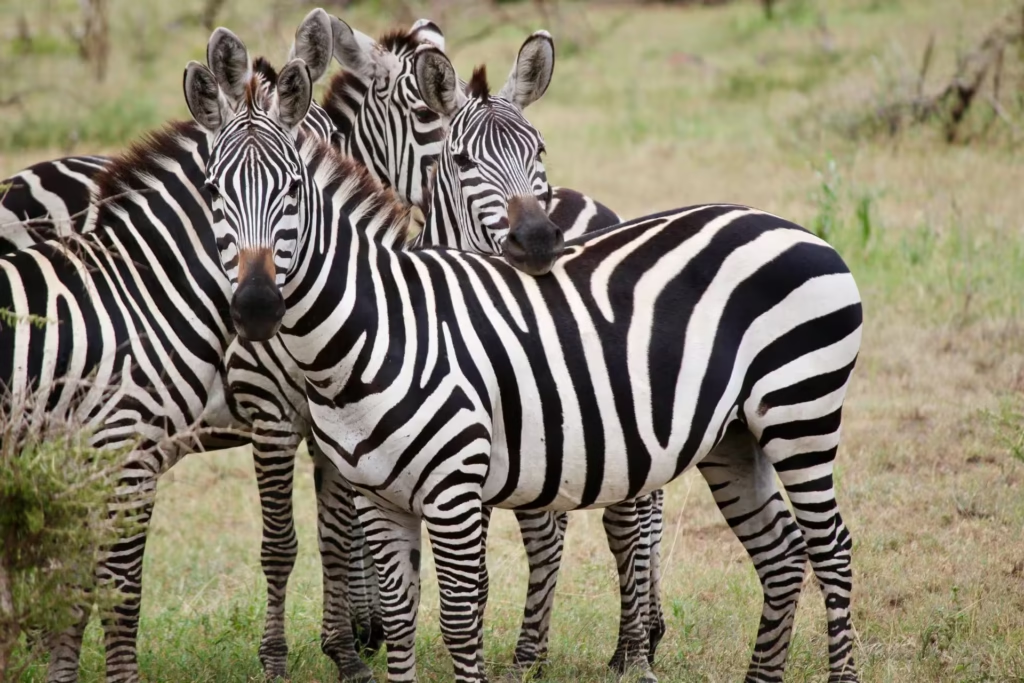
Migrate alongside wildebeest
Spotted Hyena
Large resident clans
Giraffe
Maasai giraffe subspecies
Three routes that work from India
Each one is built around the Mumbai and Delhi flight timings, so you lose as little of the trip to travel as possible.
4 Nights / 5 Days
Masai Mara Short Trip
The long weekend version. Fly out Wednesday night, land back Monday morning, and spend three full days on game drives.
6 Nights / 7 Days
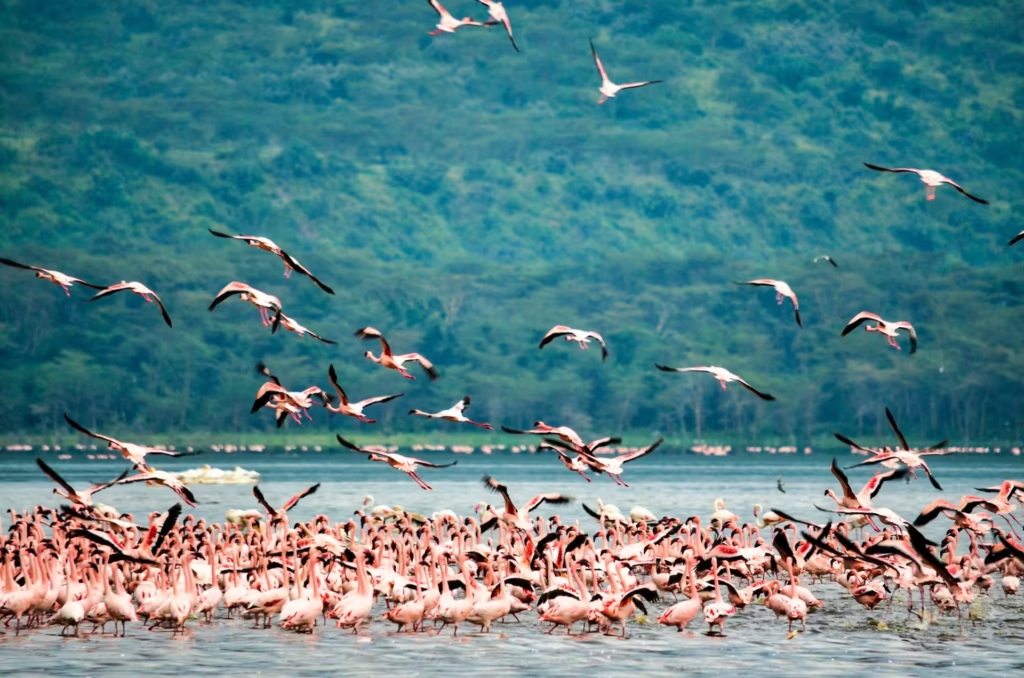
Masai Mara, Lake Nakuru & Lake Naivasha
The classic Kenya circuit by road. Rhino at Nakuru, boat safari and walking on Crescent Island at Naivasha, then four nights in the Mara.
8 Nights / 9 Days
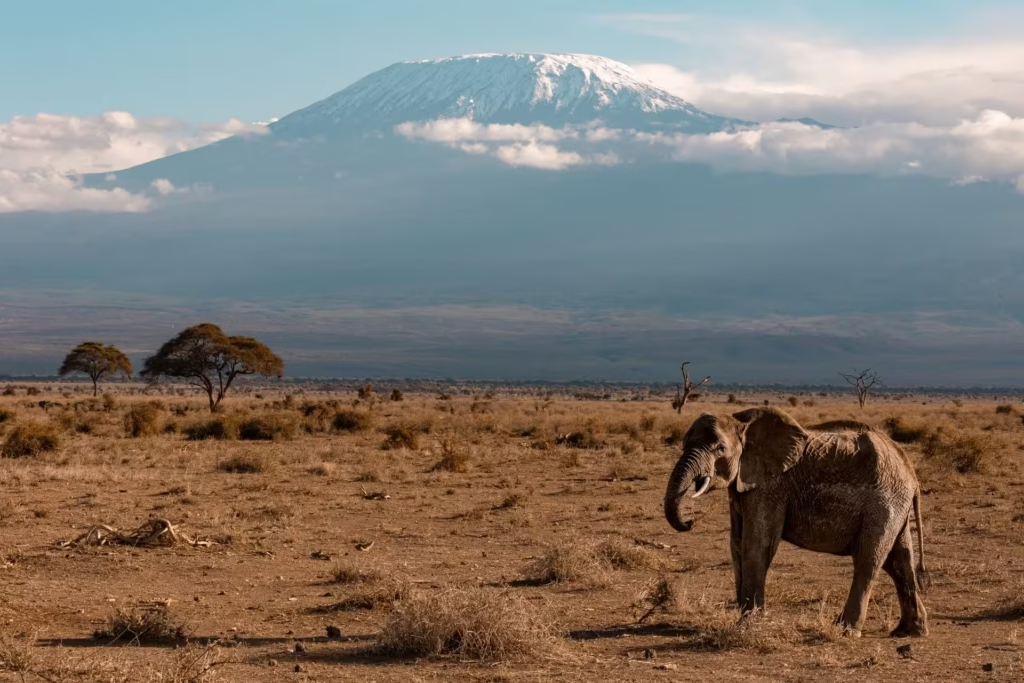
Masai Mara and Amboseli
Big cats in the Mara, then elephant herds against Kilimanjaro at Amboseli. The strongest photography route for a first Kenya trip
How Many Safaris to Plan
Wildlife sightings in the Masai Mara can vary from one drive to another. Two to three safari drives give you more time to cover different areas and look for lions, leopards, cheetahs, elephants and other wildlife. For travellers coming from India, we usually recommend:
Short Trip
4 Nights / 5 Safaris
a good short trip, with enough time for morning and afternoon game drives
Recommended Itinerary
5 Nights / 6 Safaris
our recommended option, giving you more time for wildlife viewing across the reserve
Wildlife Focus
6+ Nights
ideal for photographers and wildlife enthusiasts who want more time in the Mara and a slower safari pace
Ground details Indian travellers ask about
Vegetarian and Jain food
Kenya has a large Indian community and most Mara camps cook vegetarian well. Jain meals need notice, so we flag dietary requirements to the camp at booking rather than on arrival.
Money
The Kenyan shilling runs at roughly 1 KES to 68 paise. Camps and lodges take cards. Carry small US dollar notes for tips, about USD 10 to 15 a day for your guide.
Language
English is an official language in Kenya and every guide speaks it fluently. No interpreter, no language barrier, which is a real difference from a first trip to Europe or Japan.
Connectivity
Safaricom sells tourist SIMs at Nairobi airport and coverage in the Mara is patchy but real. Most camps run Wi-Fi in the common areas and not in the tents, by design.
Malaria
The Mara sits at altitude and risk is low, but prophylaxis is still standard advice. Speak to your doctor two to three weeks before you fly.
Game drive timings
Morning drives leave at 6:00 am and evening drives return by 6:30 pm. India is two and a half hours ahead, so an early night on arrival sets you up well.
Safari Permits and Booking
Masai Mara entry fees are charged by the Narok County Government, with fees varying by visitor category and season. A safari also needs the right lodge or camp location, safari vehicle, guide and park entry arrangements. During the July to October peak season, safari camps and vehicles can fill up well in advance.
For travellers coming from India, we recommend arranging the safari well ahead of your travel dates. We handle park entry arrangements, safari vehicle and driver-guide bookings, accommodation and transfers from Nairobi to the Masai Mara, so the main arrangements are confirmed before you arrive in Kenya.
What to Pack
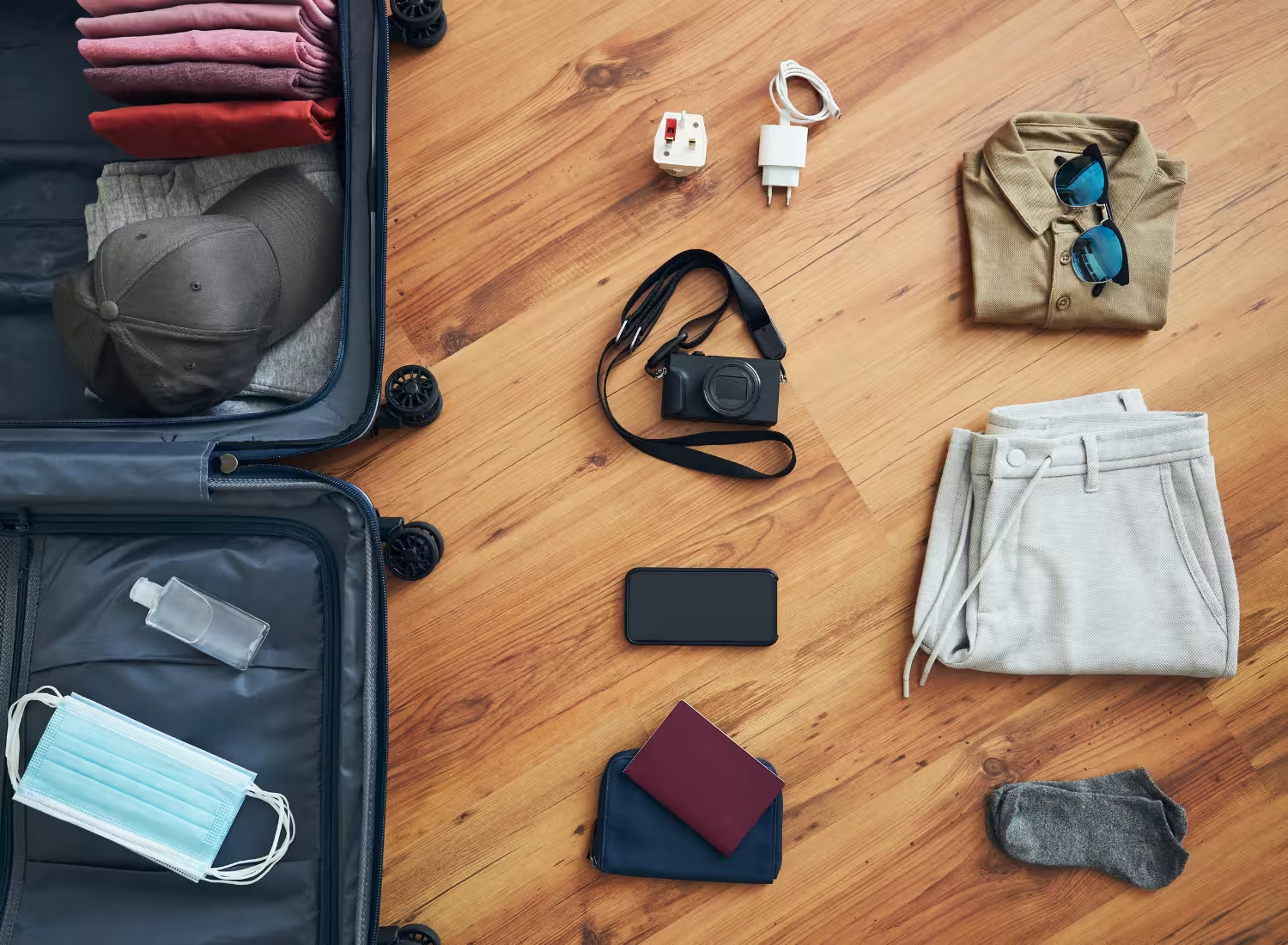
- Neutral-coloured clothing - khaki, olive, brown and beige work well for safari. Avoid very bright colours.
- A valid passport - keep your passport with you during your Kenya trip, along with copies of important travel documents.
- Binoculars and a camera with some reach - a 200mm+ lens is useful for wildlife photography.
Early morning add-ons: a light jacket or fleece, long trousers and closed shoes. Game drives can feel cold before sunrise.
Daytime add-ons: sunscreen, sunglasses, a hat and a reusable water bottle. Temperatures can rise during the afternoon.
Rainy-season add-ons: a lightweight rain jacket, quick-dry clothing and a dry bag or waterproof cover for cameras and other electronics.
Frequently Asked Questions
Do Indian citizens need a visa for Kenya?
Not a visa in the old sense. You apply online for an eTA before travel, pay around USD 32 to 34, and receive approval by email in two to three working days. Visa on arrival was withdrawn in January 2024.
Is the yellow fever vaccination really compulsory?
For your return to India, yes. India treats Kenya as a yellow fever risk country, so you must show a valid international certificate at immigration or face quarantine. Take the vaccine at an approved centre at least 10 days before you enter Kenya. It lasts for life.
How many days do I need for the Masai Mara?
Three nights in the Mara is the practical minimum, and four is better. With direct flights from Mumbai, a five day trip works. Seven to nine days lets you add Nakuru, Naivasha or Amboseli without rushing.
When should I book?
For July to October, book nine to twelve months ahead. Good camps sell out first. For May, June and November, four to six months is usually enough.
Can I pay in rupees?
Yes. We quote and invoice in Indian rupees for Indian clients, which removes the exchange rate guesswork most overseas operators leave you with.