
Gujarat National Parks & Wildlife Guide
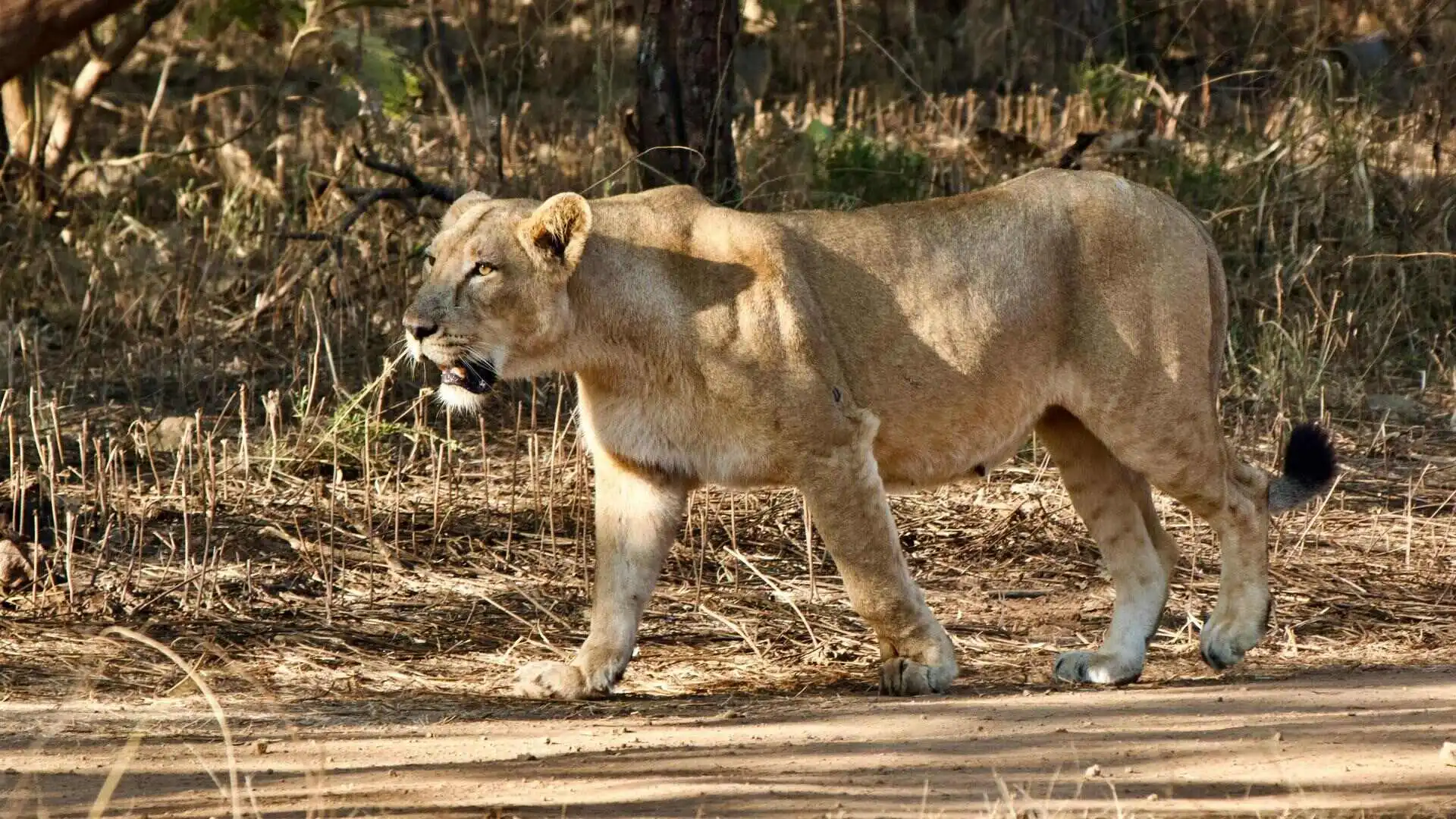
Gujarat offers something no other state in India can the chance to see the Asiatic Lion in its last natural home. But the state is not just about lions. It is also a land of striking salt deserts, migratory birds, blackbuck antelopes, and ancient heritage sites.
For wildlife lovers, Gujarat’s mix of predators, wetlands, and open grasslands make it an exciting safari destination. For culture seekers, its temples, forts, and craft villages provide a deep dive into Indian history and traditions.
Major National Parks and Tiger Reserves
Gujarat has protected forests, grasslands, wetlands, salt deserts, and marine habitats. These areas support Asiatic lions, leopards, wild ass, blackbuck, crocodiles, marine species, resident birds, and winter migrants.
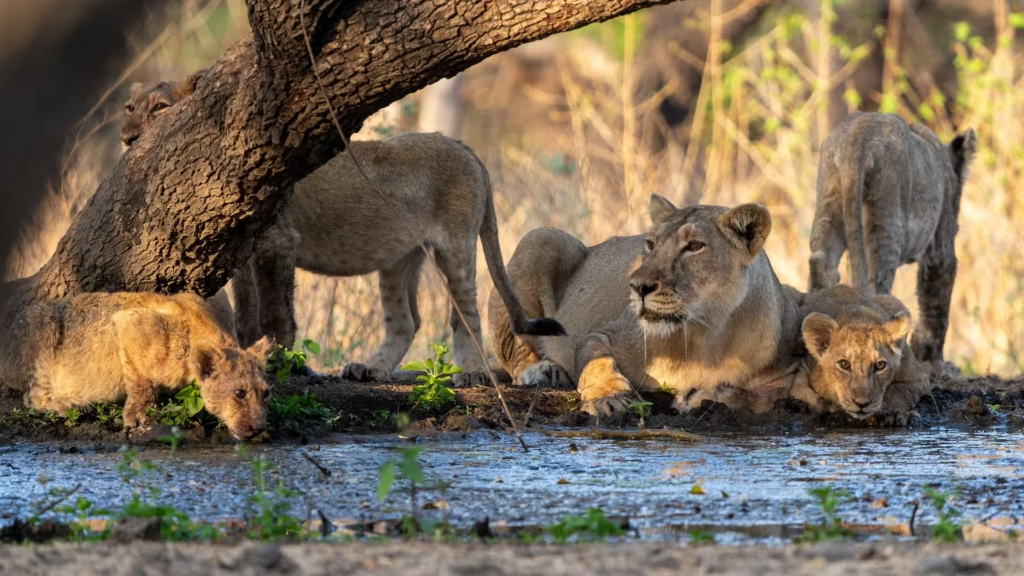
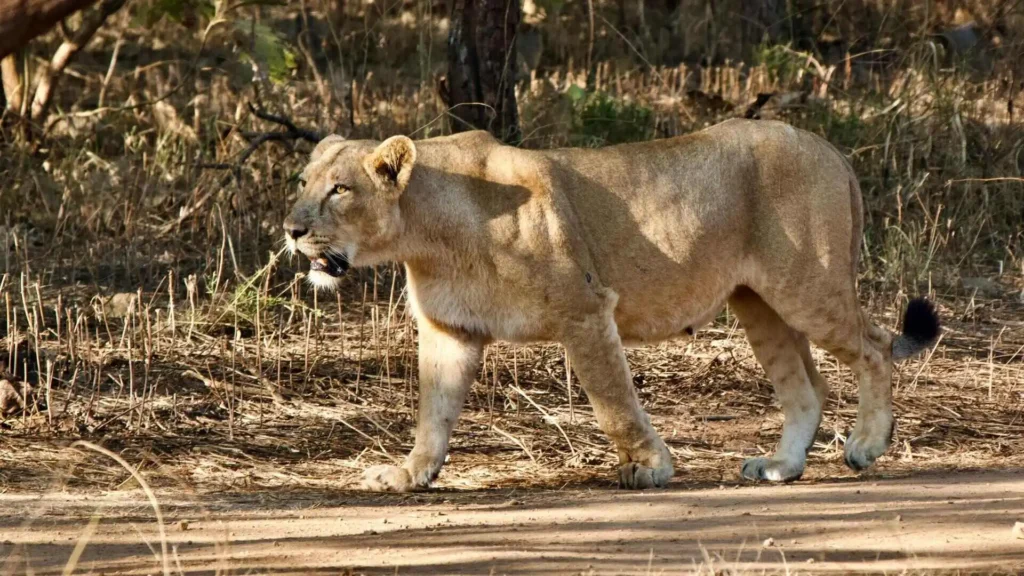
Home of the Asiatic Lion
1412
Area sq km
891
Asiatic Lions
Gir National Park
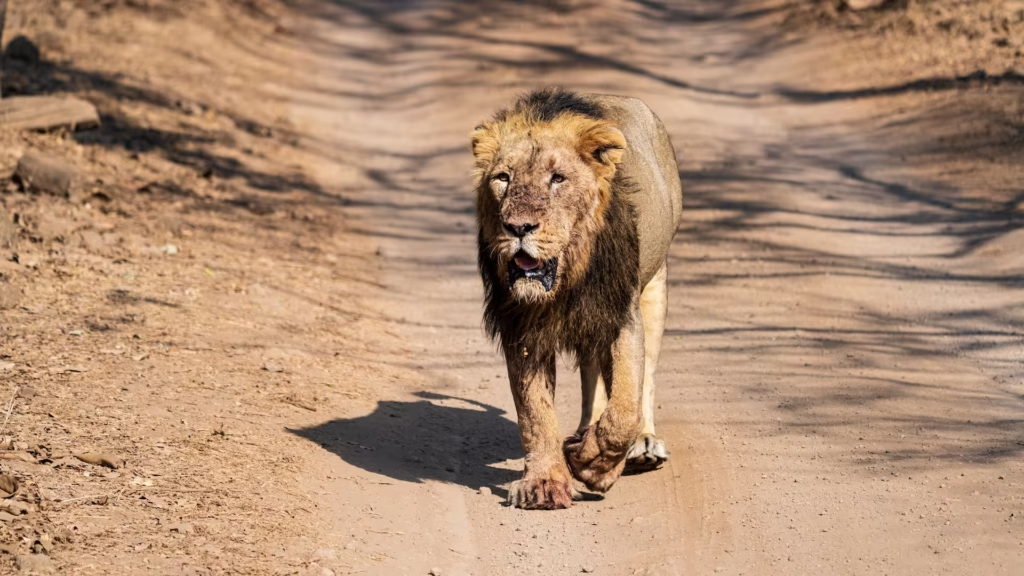
Gir National Park forms part of the Gir protected area, the last stronghold of the free-ranging Asiatic lion. Its dry deciduous forests, hills, valleys, and rivers also support leopards, hyenas, jackals, chital, sambar, nilgai, chinkara, crocodiles, and more than 300 bird species.
Read More
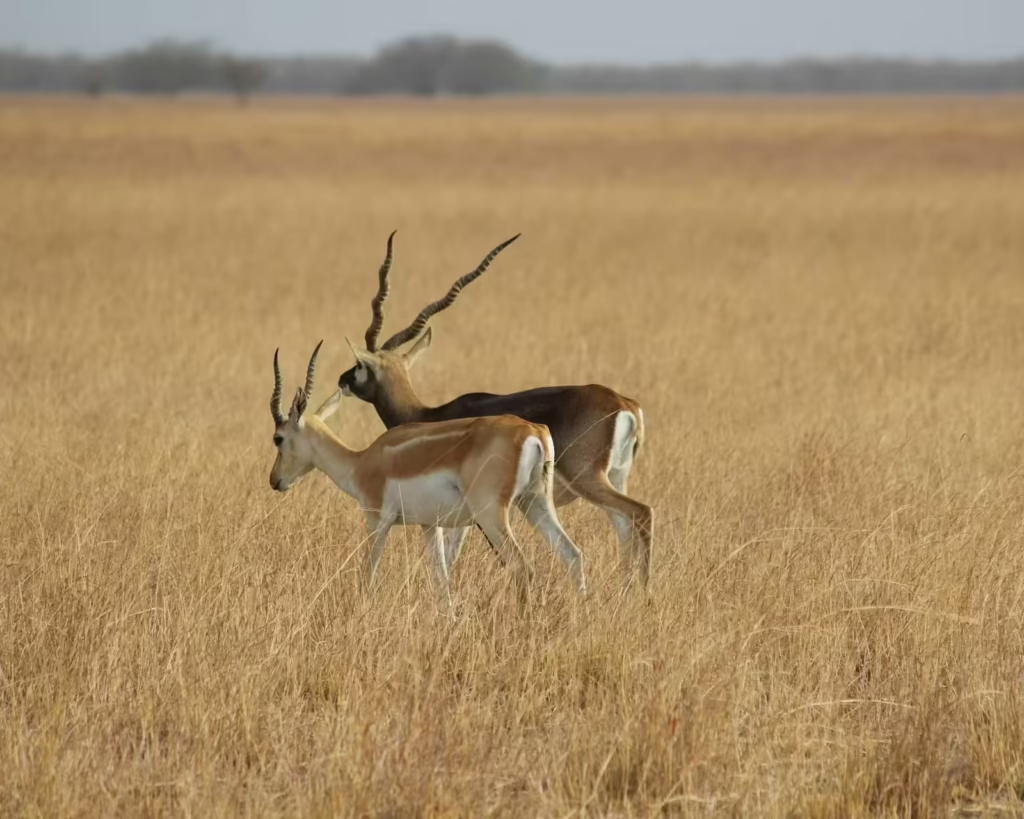
Blackbuck Grassland Habitat
34
Area sq km
Blackbuck
Main Wildlife
Blackbuck National Park, Velavadar
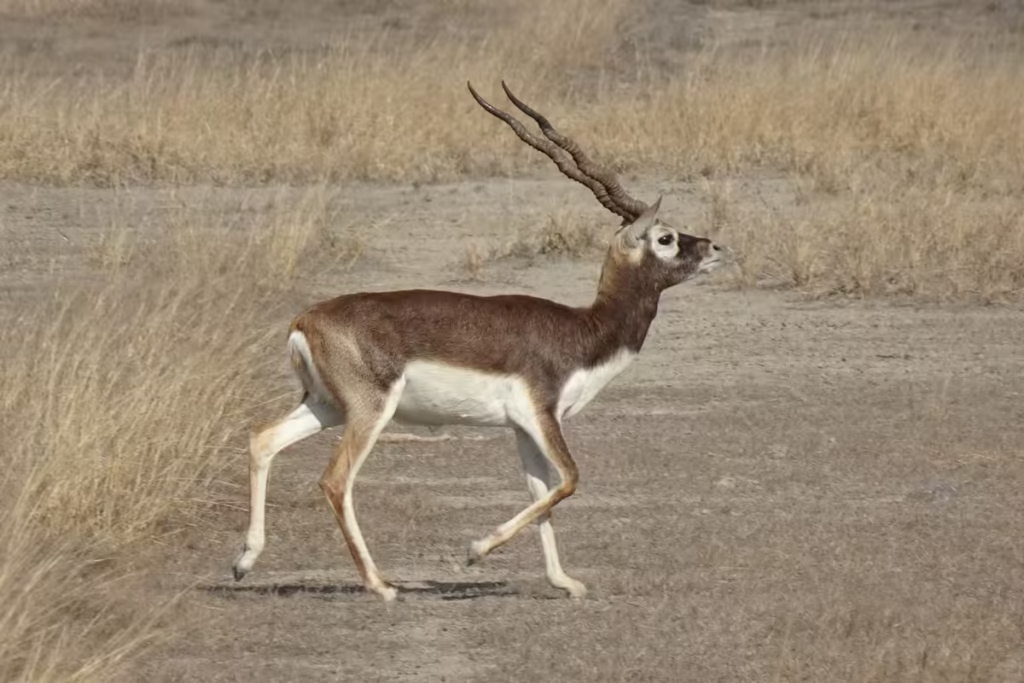
Velavadar protects open grasslands and seasonal wetlands in the Bhal region of Gujarat. The park is known for large blackbuck herds and also supports nilgai, golden jackals, wolves, striped hyenas, and a wide range of grassland and wetland birds.
Read More
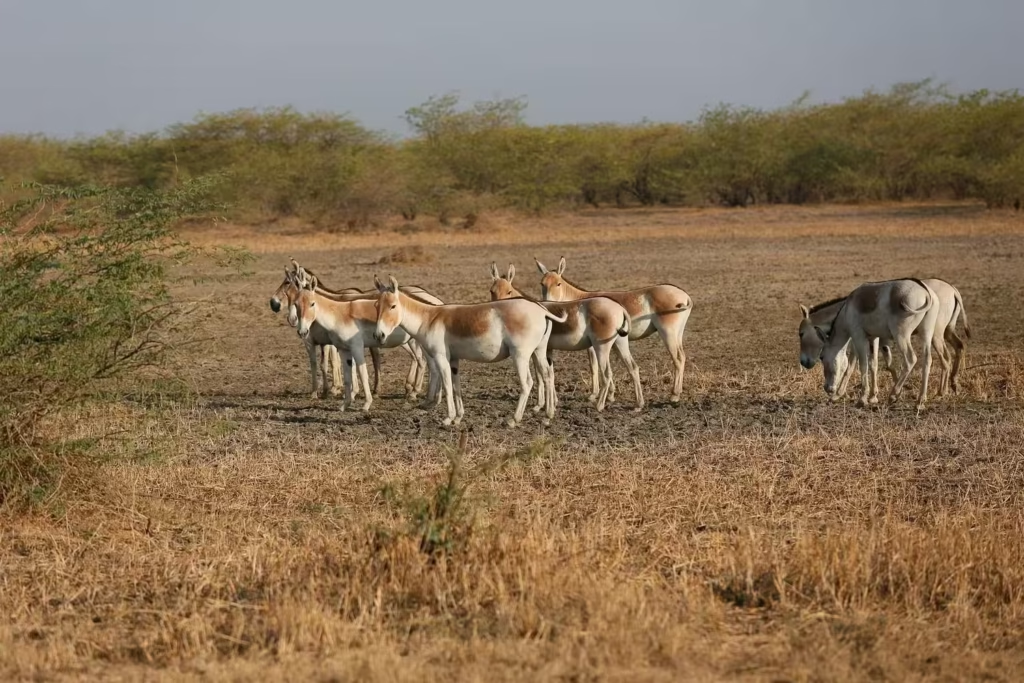
Home of the Indian Wild Ass
4950
Area sq km
Indian Wild Ass
Main Wildlife
Little Rann of Kutch (Wild Ass Sanctuary)
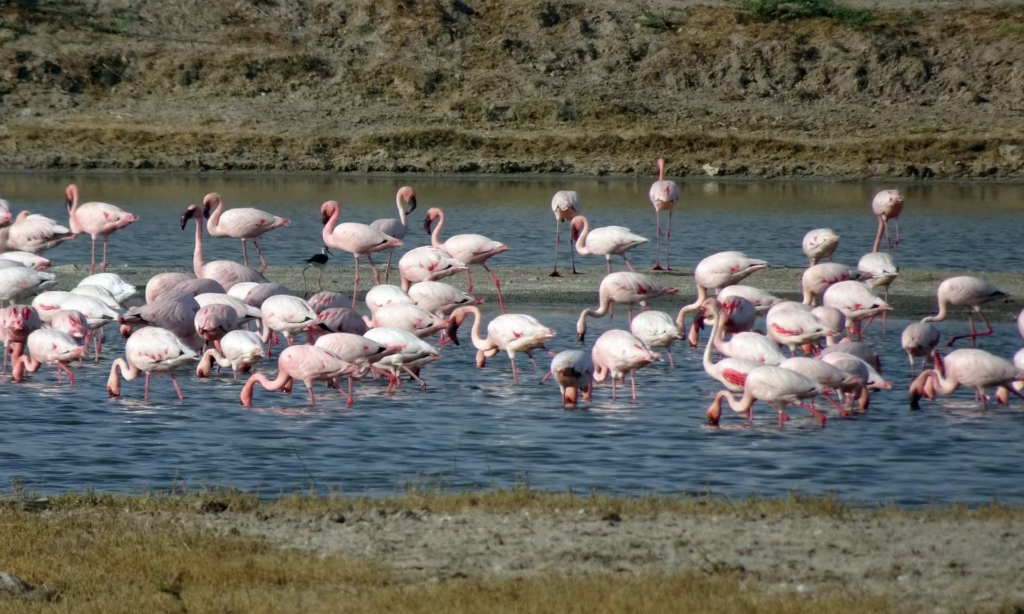
The Wild Ass Sanctuary covers much of the Little Rann of Kutch and protects the last remaining population of the Indian wild ass. The salt desert and seasonal wetlands also attract blackbuck, chinkara, nilgai, flamingos, cranes, pelicans, and other migratory birds.
Read More
India's First Marine National Park
458
Area sq km
Coral Reefs
Marine Habitat
Marine National Park (Gulf of Kutch)
Marine National Park lies in the Gulf of Kutch and protects coral reefs, mangroves, mudflats, rocky shores, creeks, and other intertidal habitats. The area supports corals, dolphins, sea turtles, starfish, octopus, seahorses, and many coastal and migratory birds.
Read More
Gujarat Wildlife Highlights
Gujarat has a varied mix of dry forests, grasslands, salt deserts, wetlands, coastal ecosystems, and Western Ghats forests. These habitats support big cats, grassland species, marine wildlife, resident birds, migrants, and reptiles.
Big Cats and Predators
Gujarat is home to Asiatic lions and leopards. Other predators include striped hyenas, wolves, jackals, jungle cats, and other smaller carnivores across its forests and grasslands.
Special Species
Gujarat supports Indian wild ass, blackbuck, chinkara, four-horned antelope, and Great Indian Bustard. The Little Rann of Kutch is especially important for Indian wild ass conservation.
Birds & Migrants
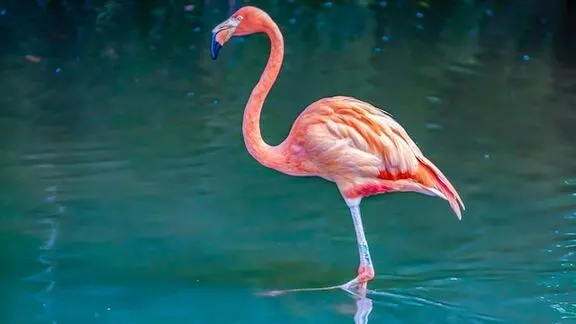
Gujarat’s wetlands and coastal habitats attract many migratory birds in winter, including flamingos, cranes, pelicans, spoonbills, painted storks, ducks, and other waterbirds.
Marine Wildlife and Reptiles
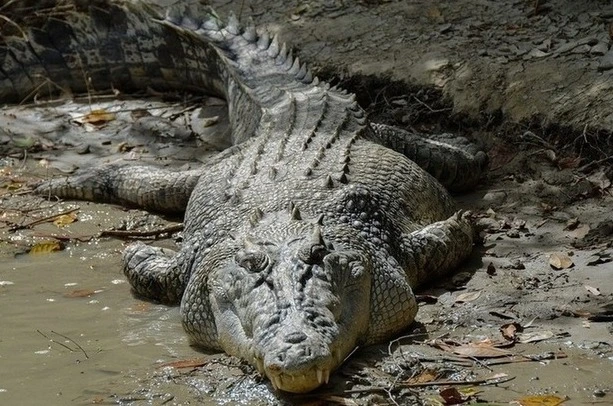
The Gulf of Kutch supports corals, mangroves, sea turtles, dolphins, seahorses, and other marine species. Crocodiles, pythons, turtles, and monitor lizards occur across inland habitats.
Cultural and Heritage Highlights of Gujarat
Gujarat combines wildlife with historic cities, temples, archaeological sites, traditional crafts, and coastal heritage. Wildlife trips can be paired with cultural visits across Saurashtra, Kutch, Ahmedabad, and southern Gujarat.
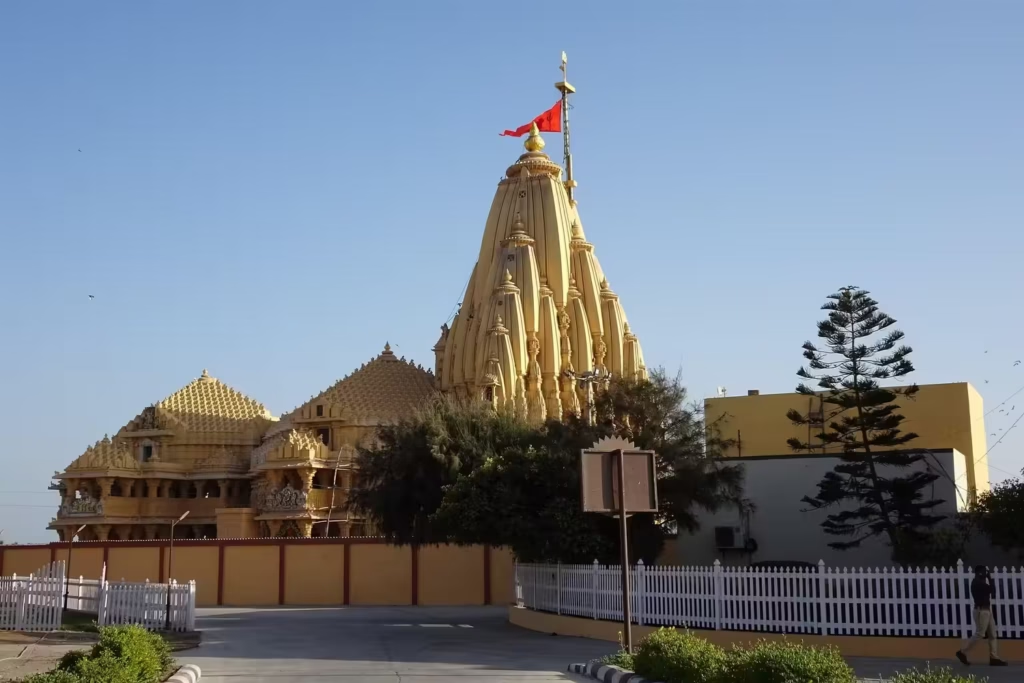
Somnath Temple
Somnath, one of the 12 Jyotirlingas of Lord Shiva, stands near Gir with a stunning sea-facing backdrop. The temple is not only a place of worship but also a symbol of resilience, having been rebuilt several times over the centuries.
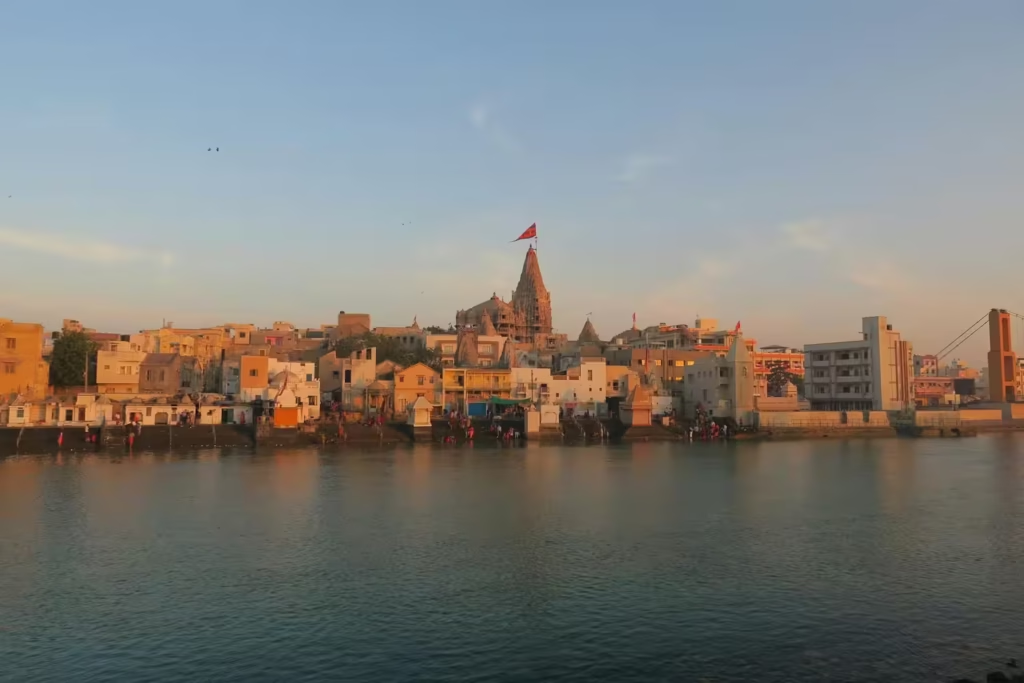
Dwarka
Dwarka, an ancient city closely linked with Lord Krishna, is famous for the grand Dwarkadhish Temple and the island temple of Bet Dwarka. Pilgrims and visitors alike are drawn to its sacred charm and coastal setting.
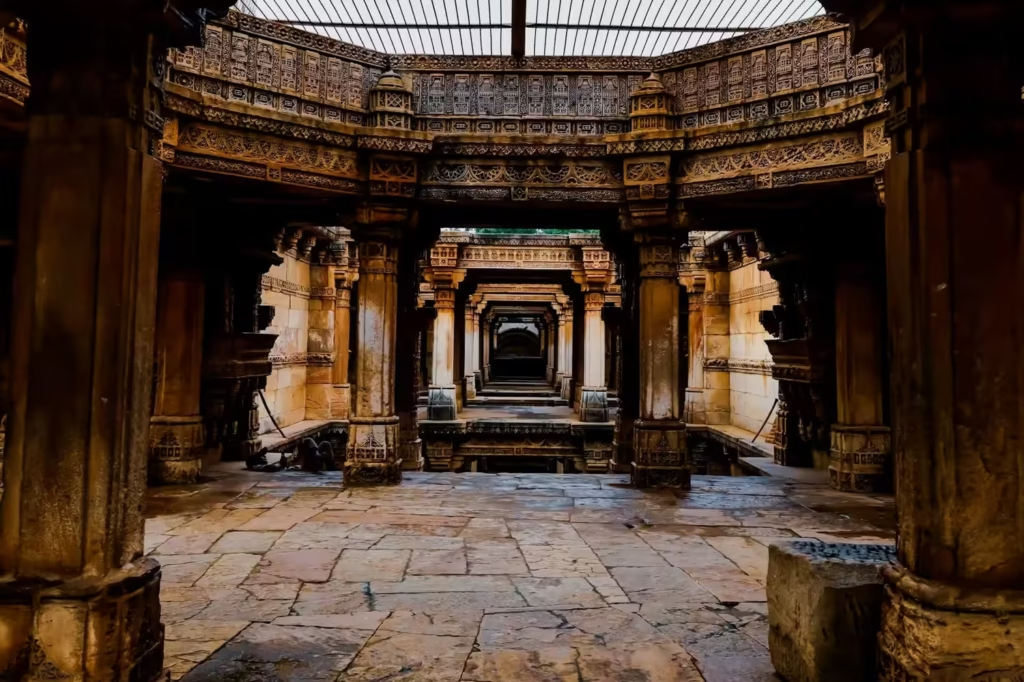
Ahmedabad
Ahmedabad has historic architecture, stepwells, mosques, temples, museums, and traditional markets. The city also provides a convenient starting point for trips to the Little Rann and Nal Sarovar.
Rann of Kutch
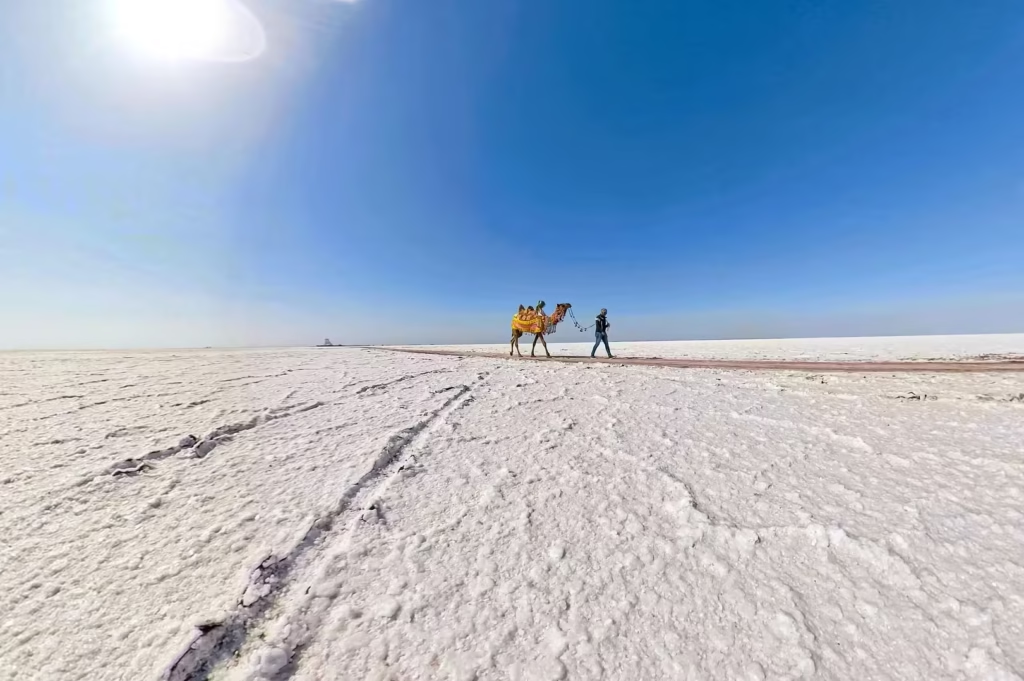
The Rann of Kutch is known for its salt desert landscape, traditional villages, handicrafts, embroidery, pottery, leatherwork, and Rogan painting. It can be combined with a Wild Ass Sanctuary visit.
Champaner–Pavagadh Archaeological Park
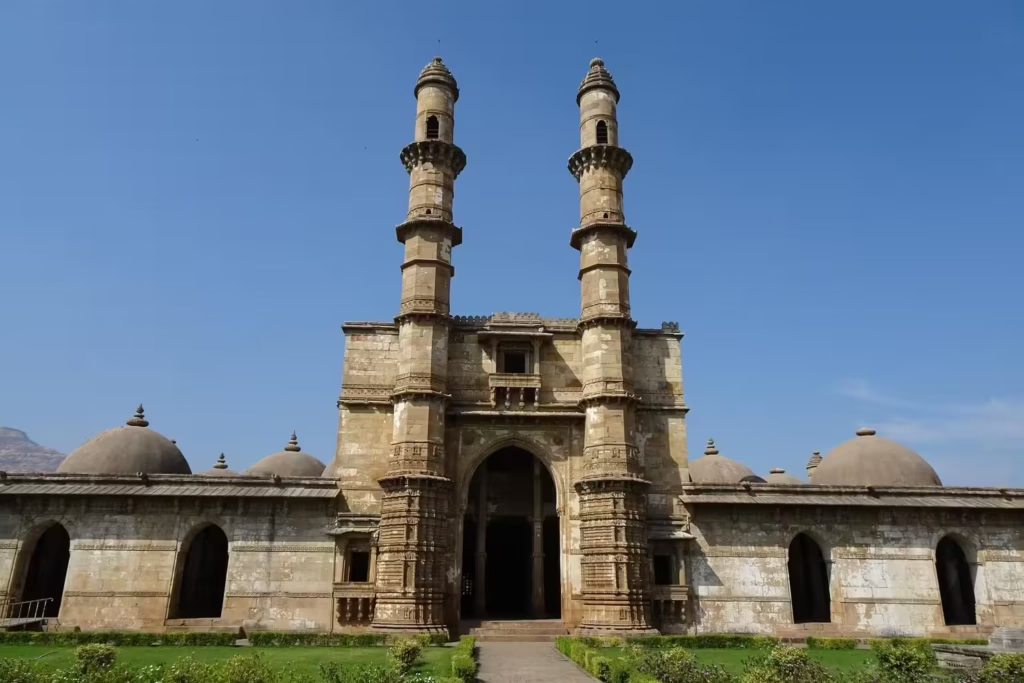
A UNESCO World Heritage Site, Champaner–Pavagadh Archaeological Park features a unique blend of Hindu and Islamic architecture with ancient mosques, temples, stepwells, and fortifications spread across the landscape.
Distances & Travel Times in Gujarat
Gujarat's wildlife destinations are spread across Saurashtra, Kutch, central Gujarat, and the southern forest belt. Ahmedabad, Rajkot, Bhavnagar, Junagadh, Jamnagar, Bhuj, and Surat are useful access points.
| From → To | Distance (km approx.) | Travel Time (by road) |
|---|---|---|
| Ahmedabad → Gir National Park | 350 km | 7 to 8 hrs |
| Ahmedabad → Velavadar | 150 km | 3 to 3.5 hrs |
| Ahmedabad → Little Rann of Kutch (Dasada) | 100 km | 2 to 2.5 hrs |
| Ahmedabad → Bhuj (Great Rann of Kutch) | 330 km | 7 to 8 hrs |
| Gir → Somnath Temple | 65 km | 1.5 hrs |
| Gir → Dwarka | 250 km | 5 to 6 hrs |
| Velavadar → Gir | 300 km | 6 to 6.5 hrs |
| Velavadar → Little Rann (Dasada) | 150 km | 3 hrs |
| Bhuj → Great Rann of Kutch (Dhordo) | 80 km | 2 hrs |
Best Time to Visit Gujarat
The best period depends on the wildlife destination. October to March is a useful period for combining wildlife, birdwatching, and sightseeing across much of Gujarat. Gir's official information describes late November to early March as cool and dry, followed by a hot summer.
October to February
Winter brings cooler weather and attracts migratory birds to Gujarat's wetlands and grasslands. The Wild Ass Sanctuary is particularly useful for birdwatching during winter, while Gir offers comfortable conditions for wildlife safaris.
March to June
The weather becomes hotter and drier. Wildlife can be easier to locate around water sources in some forest areas, although daytime temperatures can be high.
July to September
The monsoon brings rainfall across Gujarat and changes conditions in different wildlife areas. Safari access and opening dates vary by protected area, so visitors should check the official reserve information before planning a monsoon visit.
Wildlife Safari Packages in Gujarat
Explore Gujarat's wildlife destinations with safari packages covering Gir, Velavadar, the Wild Ass Sanctuary, and other protected areas. Combine wildlife safaris with the Rann of Kutch, Somnath, Dwarka, Ahmedabad, and other heritage destinations.
10 Nights / 13 Days
Big Cats and Birding Tour
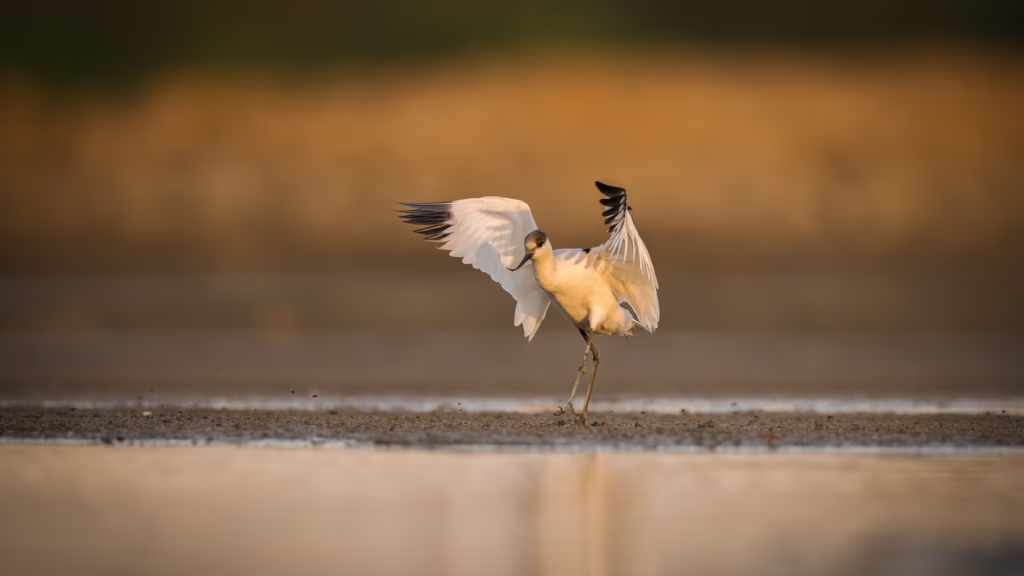
Four wildlife destinations across Rajasthan and Gujarat. Tigers, Leopards, Asiatic Lions, Wild Ass, and exceptional birding on one connected western India route.
8 Nights / 9 Days
Asiatic Lion and Leopards Special
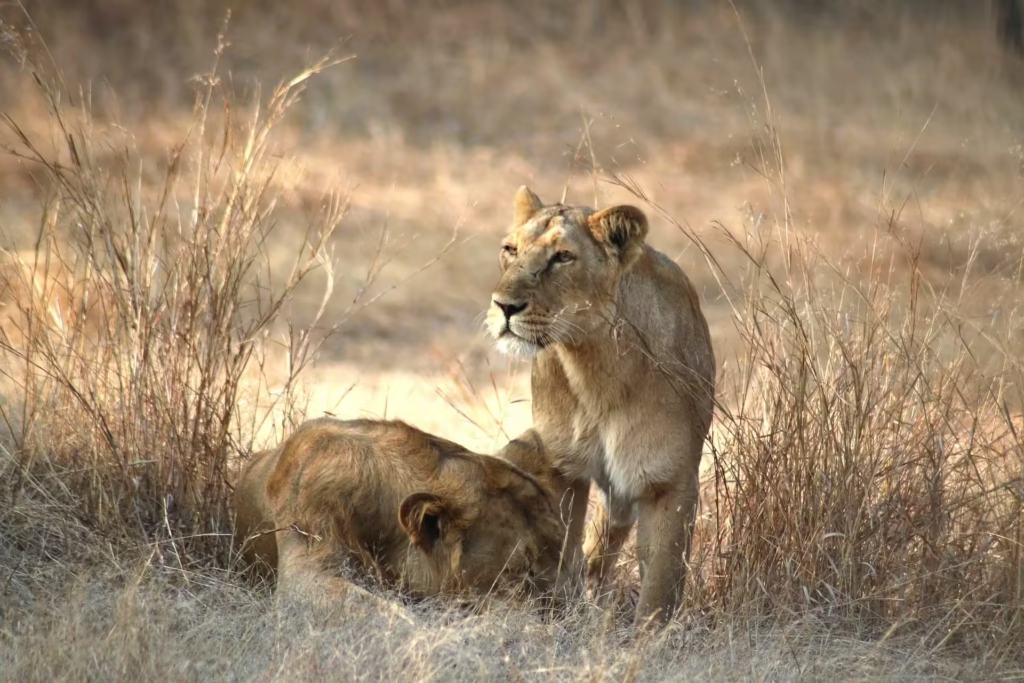
This tour focuses on two rare big cats of western India. Track Asiatic lions in Gir and watch leopards around the rocky hills and villages of Bera.
9 Nights / 10 Days
Corbett, Ranthambore and Gir Tour
Discover northern India's wild treasures: Corbett, Ranthambore, and Gir.
Experience Gujarat with Big Cats India
With Big Cats India, your Gujarat journey becomes more than just a safari. Walk the forests of Gir in search of lions, witness blackbuck racing across grasslands in Velavadar, explore the salt flats of the Rann at sunset, and end the day in a village learning traditional crafts.
Our itineraries bring together wildlife, history, and culture, ensuring you don’t just visit Gujarat you truly experience it.